
Cairo in 3 Days: Practical Itinerary, Costs, Transit and Food Guide
An honest 3-day Cairo guide with day-by-day plans, transit tips, budgets, museum costs and where to eat so time in the city is used well.
A no-nonsense 72-hour plan for first-time visitors who want the pyramids, the main museums, a neighbourhood walk and real street food without wasting time in queues.
Expect loud streets, frequent traffic jams and intense sensory overload on first arrival. The city mixes enormous ancient monuments, mid-20th-century apartment blocks and crowded markets; the result is a place where scale and contrast dominate first impressions.
Visitors often assume the main sights sit close together and can be done quickly; that mistake ignores time spent in transit, security checks at major sites and the bargaining culture in markets. The city suits people who can tolerate noise and noisy sellers, who want direct contact with history and markets rather than polished tourist bubbles.
Practical realities matter here: plan extra minutes for taxi rides, carry photocopies of important documents, and choose one area to explore each day rather than attempting too many distant sites. The next sections give a paced, realistic 72-hour plan that balances monuments, museums and neighbourhood walks.
Is 3 days in Cairo enough?
Yes — three days is enough to see the Giza pyramids, the Egyptian Museum, Khan el-Khalili and one full neighbourhood (Islamic or Coptic Cairo), with time for a relaxed meal each day. The caveat: skip in-depth sites outside the metro area — Saqqara or a full-day Nile felucca trip require extra time.
Who This Guide Is For
Best for first-time visitors focused on archaeology, markets and street food who accept moderate walking and Cairo traffic; less suitable for travellers wanting a restful luxury beach or in-depth Lower Egypt exploration.
Local Tips for Cairo
Practical details that most travel sites skip — specific to Cairo.
- Buy a rechargeable Cairo Metro card at major stations (deposit ~EGP 20); single-ride fares typically run EGP 5–10 depending on distance and save time over long ticket queues.
- Abu Tarek near Tahrir and on Kasr El Nil Street is the most famous spot for koshary; expect EGP 20–50 for a generous plate and cash payment.
- Use Uber or Careem from Cairo International Airport to central districts rather than street taxis; fares to Downtown or Zamalek usually fall between EGP 200–350 depending on traffic.
- Khan el-Khalili on Al-Azhar Street operates with hard bargaining; many antique dealers quote inflated tourist prices, so start at 30–50% of the first offer and be ready to walk away.
- Giza Plateau vendors and camel operators frequently quote high prices to tourists; agree on a fixed EGP price and route before mounting a camel or taking photos to avoid disputes.
How This Guide Was Prepared
Three days reveals the city's most famous sights but not its full scale: the pyramid plateau, Tahrir's museums and Islamic and Coptic quarters show very different faces in a short stay. Most guides either cram every attraction into unrealistic hours or ignore the city's traffic, bargaining culture and the practical need for cash and ride-hailing. This guide was prepared through a structured research that combines destination research, geographic context, itinerary planning logic, and content review.
Plan Your Stay in Cairo
Use this itinerary as your starting point, then compare areas to stay, transport options, seasonal timing, and realistic daily costs before booking.
Why Visit
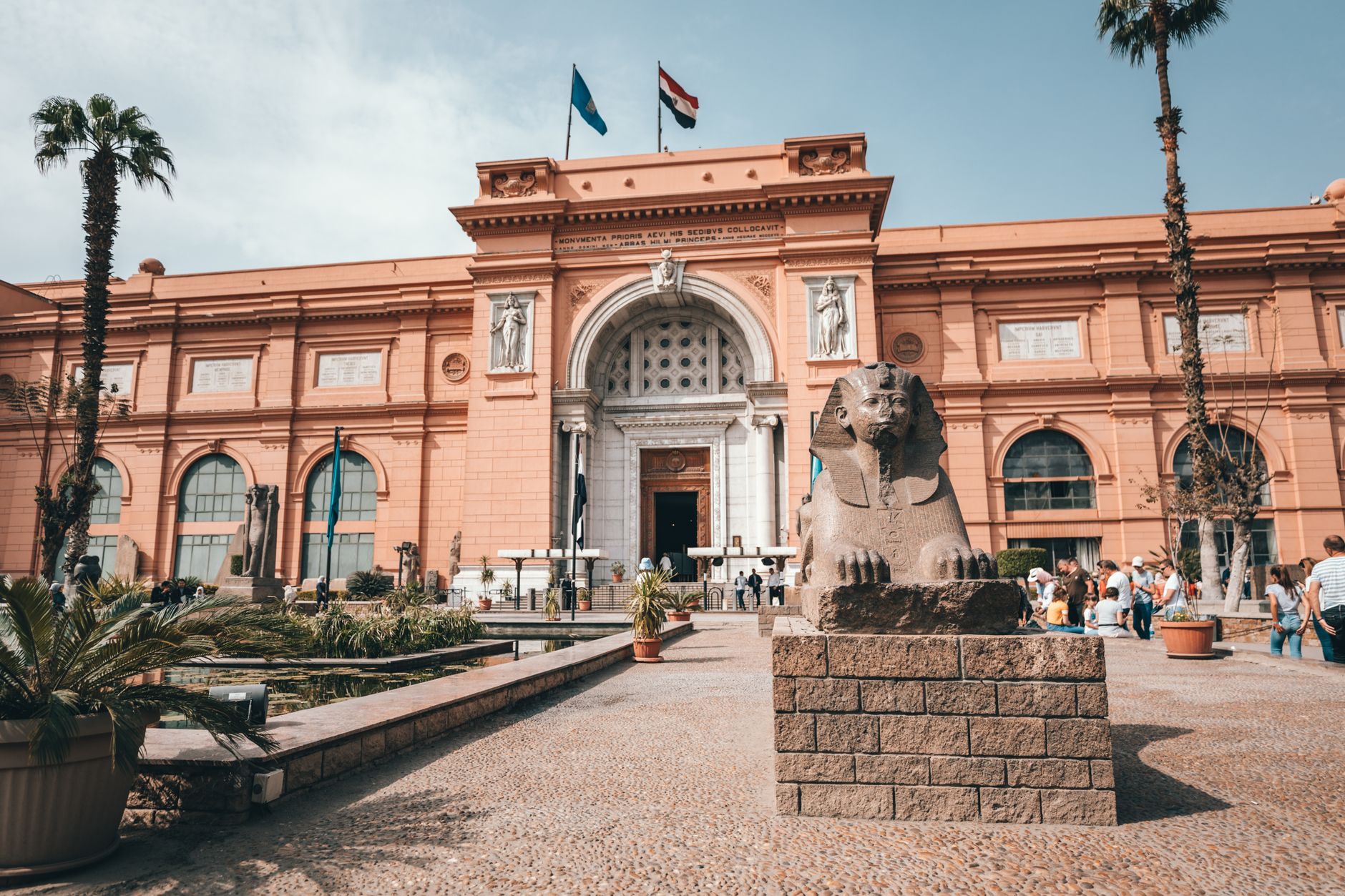
Three clear reasons justify a short visit: the pyramid plateau at Giza offers immediate contact with ancient monuments not replicated elsewhere, with the Great Pyramid and the Sphinx in the same walkable area. The Egyptian Museum (Tahrir) holds the core of pharaonic collections including Tutankhamun’s objects, allowing concentrated archaeology without long travel to Luxor or Aswan.
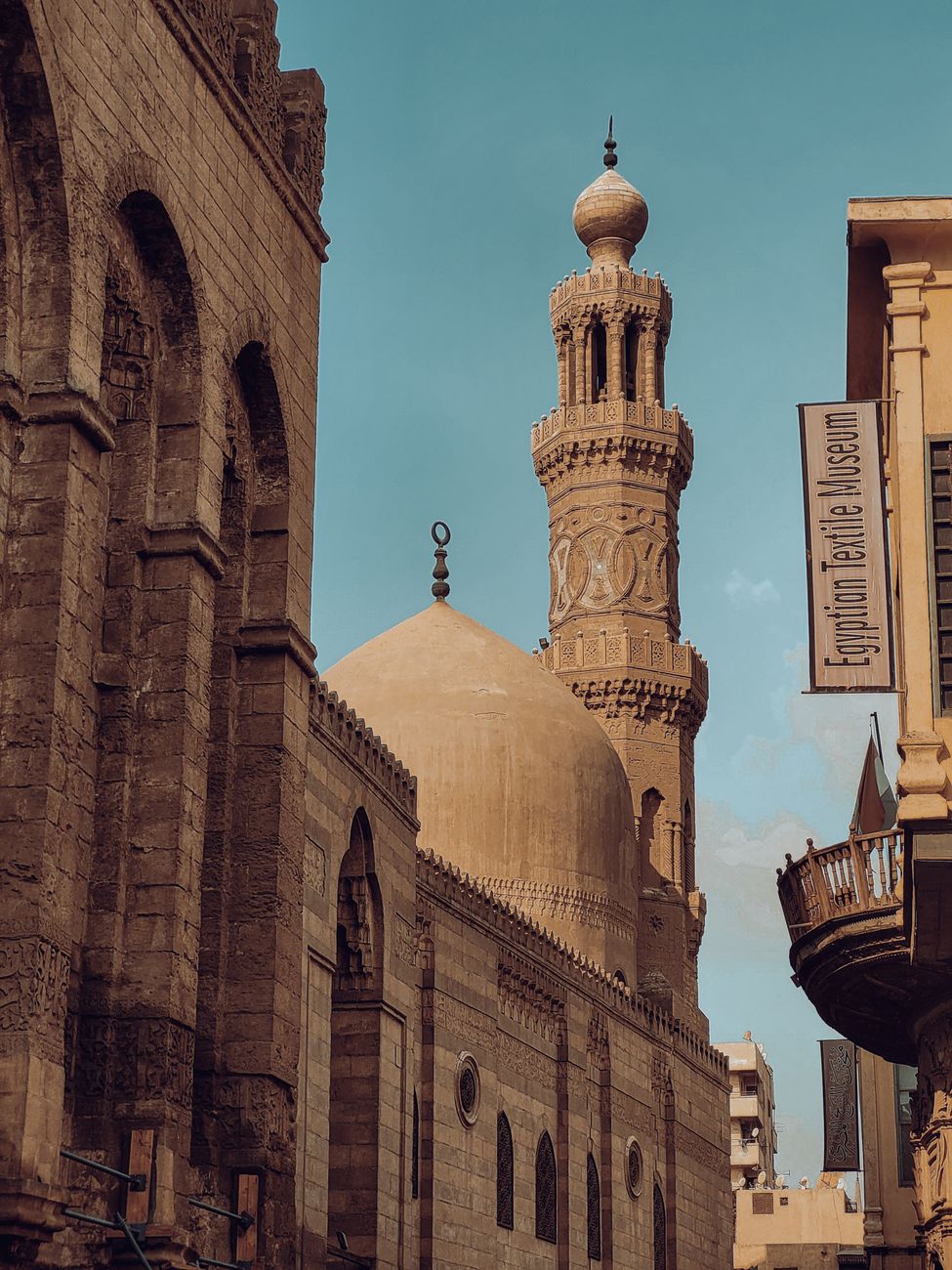
The city's Islamic and Coptic quarters present centuries of urban life in compact streets: Al-Muizz Street and the Citadel show medieval architecture, while Coptic Cairo concentrates churches and the Coptic Museum within a short area. Finally, the food scene — from koshary counters like Abu Tarek to shawarma stalls — provides inexpensive, immediate local flavours that are part of the everyday city experience.
Quick Planning Tips
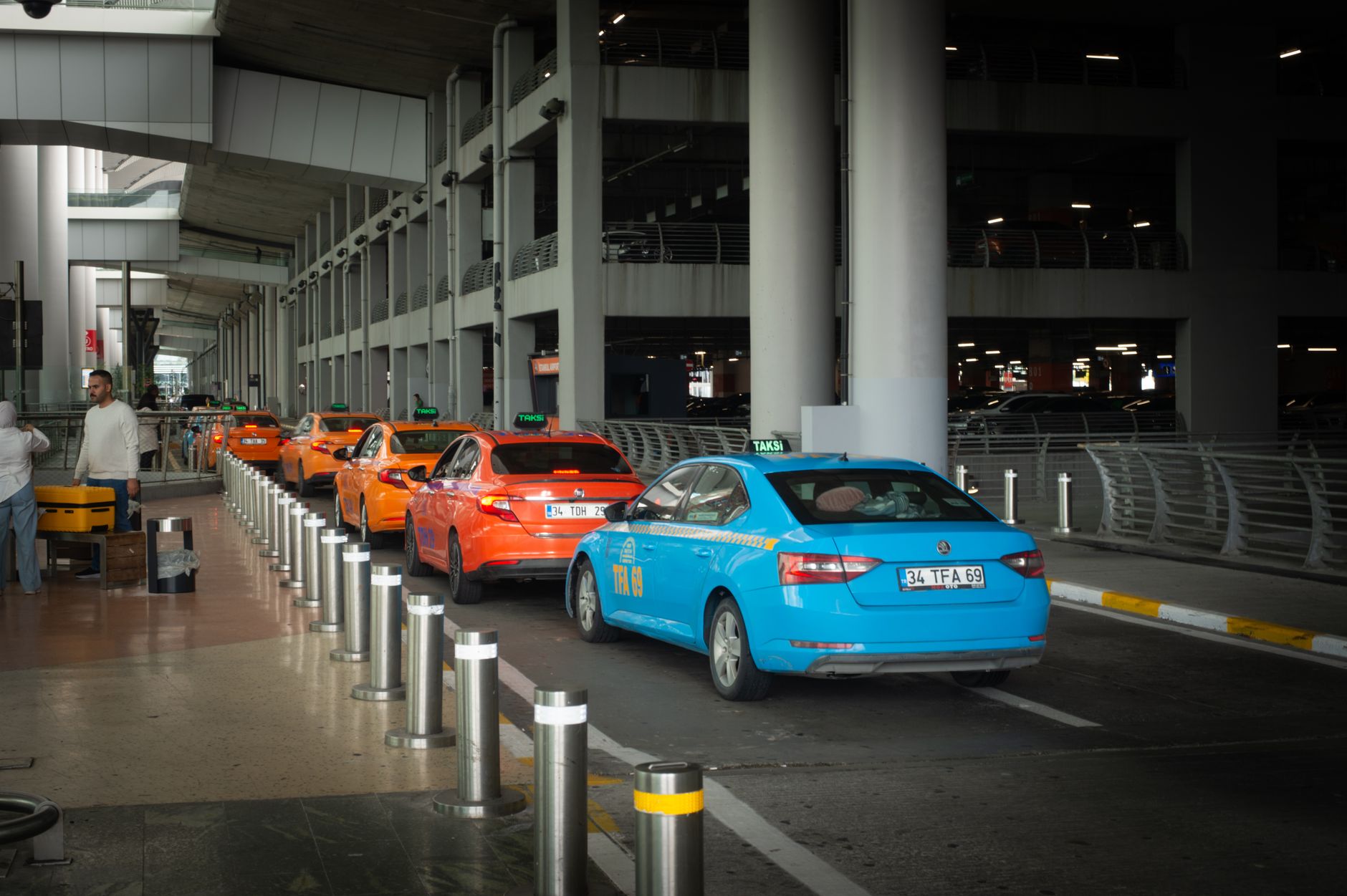
Best way from Cairo International Airport is by ride-hailing apps (Uber or Careem) or a pre-booked airport hotel transfer; expect 30–60 minutes to central districts depending on traffic. There is limited luggage storage at some major hotels; if planning a late arrival, confirm check-in and secure luggage space in advance.
Carry EGP cash for street food, market purchases and small museum kiosks; larger hotels and bigger restaurants accept cards but small vendors usually do not. Avoid the mistake of scheduling multiple distant sites for the same day — heavy traffic and security lines make single-area days much more reliable.
Day 1
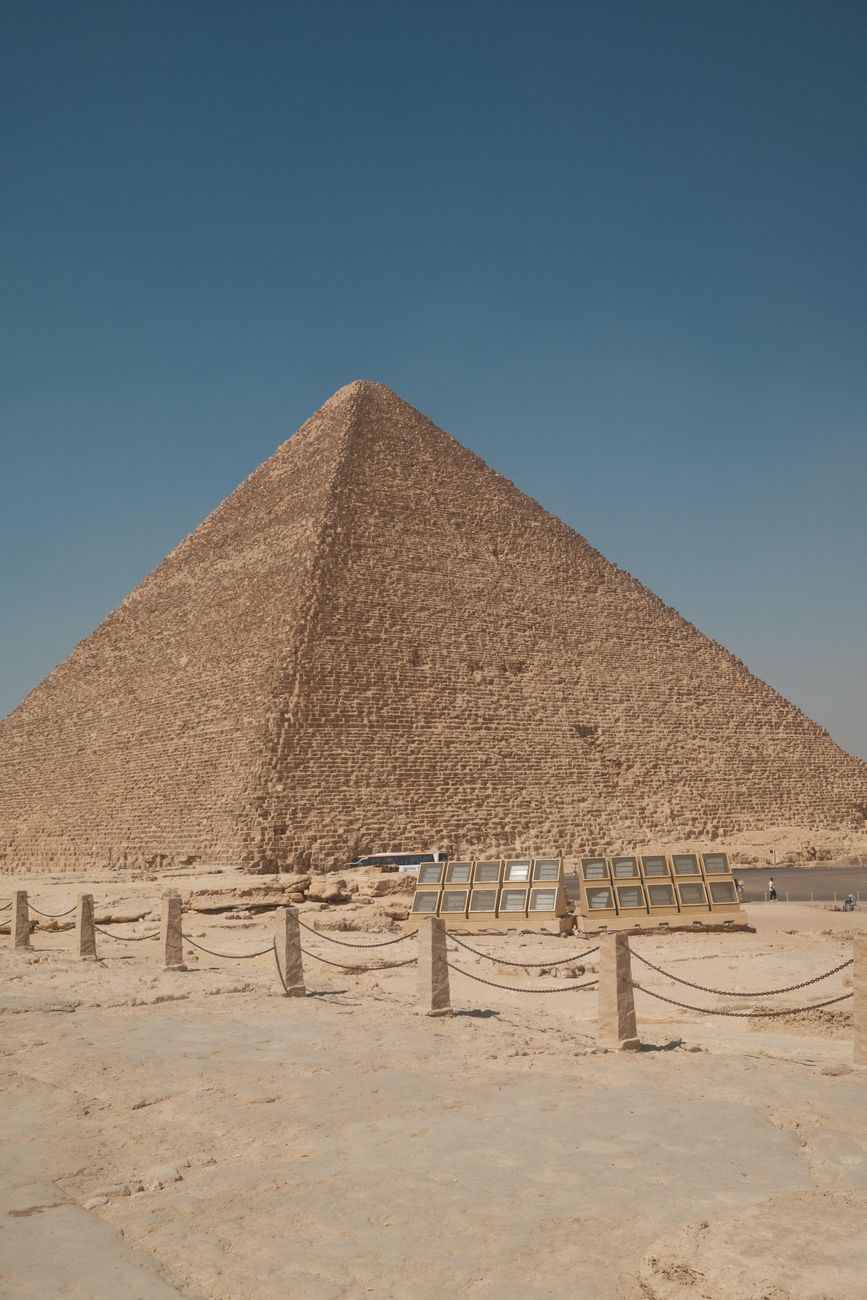
Morning: Start at the Giza Pyramid Complex; allow three to four hours to walk between the Great Pyramid, Khafre and Menkaure, inspect the Sphinx and visit the small Solar Boat Museum if interested. Expect security and ticket lines; buy Giza Plateau combined tickets at the visitor centre and factor EGP 200–500 for optional tomb entries or the Solar Boat museum.
Lunch: Walk or taxi to a nearby koshary joint such as Koshary Abou Tarek or Zooba’s local outlet; koshary costs around EGP 25–60. Early afternoon: Return toward central Cairo and stop at the Papyrus Institute or the Giza Plateau viewpoint for sunset photos; both are short taxi rides of 10–30 minutes depending on traffic.
Late afternoon: Head back into central Cairo to the Egyptian Museum in Tahrir Square; set aside two hours for the highlights collection including Tutankhamun. Walking from Tahrir to Talaat Harb takes about 10 minutes.
Evening: Dinner in Zamalek at a Nile-facing restaurant such as Sequoia or a local felucca pier café. Finish the day with a short stroll on Gezira Island to see the Nile lights.
Day 2
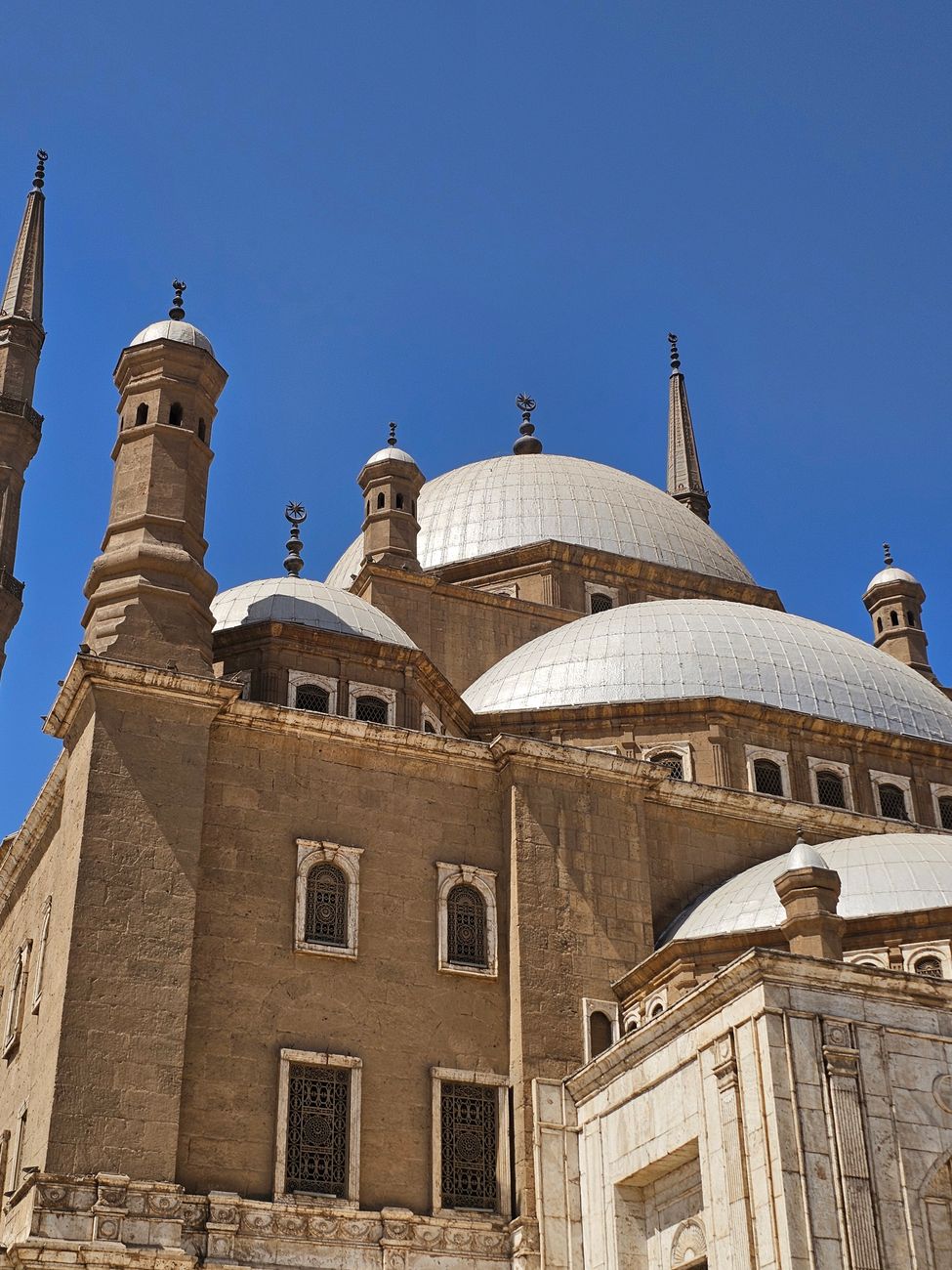
Morning: Explore Islamic Cairo. Start at the Citadel of Salah El-Din and the Mosque of Muhammad Ali; permit two hours to tour fortifications and views over the city. From the Citadel, walk or take a short taxi to Al-Muizz Street; this compact stretch contains historic houses, Bab Zuweila and numerous restored monuments.
Lunch: Eat near Al-Azhar or in the Bab Zuweila area; try a grilled meat platter or street-style falafel from a reputable café for EGP 40–120. Afternoon: Wander the lanes around Khan el-Khalili Bazaar; allow at least 90 minutes for the main bazaar, coin shops on Sharia Al-Muizz, and the historical Al-Hussein Mosque near Khan el-Khalili.
Transport between the Citadel, Al-Muizz and Khan el-Khalili is a short taxi ride or a 20–30 minute walk depending on gait and stops. Evening: Have dinner in Islamic Cairo or return to Downtown for a quieter meal; consider a traditional music performance at a local cultural centre if interested.
Day 3
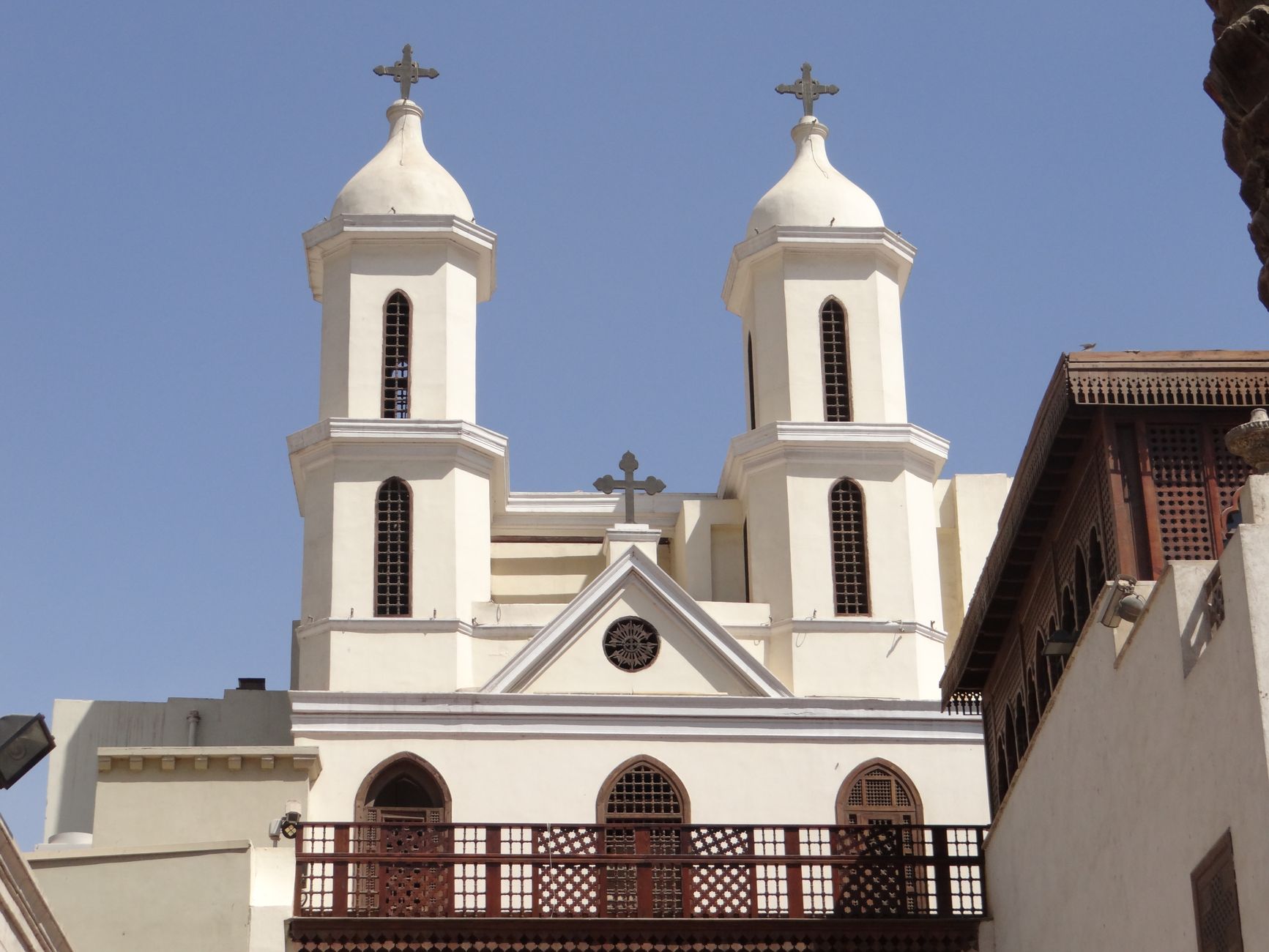
Morning: Visit Coptic Cairo — the Hanging Church (Saint Virgin Mary's), the Coptic Museum and the Ben Ezra Synagogue. These sites are within walking distance of each other; plan two to three hours. Allow extra time for photography and short visits inside the tiny chapels.
Midday: Walk to nearby Fostat and the nearby markets, or take a taxi to the nearby Nile corniche for a light lunch and river views; many casual Nile-side restaurants serve fresh fish and mezze for EGP 80–200. Afternoon option for departing travellers: If catching an afternoon flight, keep the last morning flexible and head straight to the airport from Coptic Cairo via Uber (allow 45–75 minutes and a buffer for traffic).
Late afternoon (if time allows): Short museum such as the Museum of Islamic Art or a quick felucca ride from the Corniche for 30–60 minutes. Evening: For those staying, finish with a more formal dinner in Zamalek or Garden City and pack for departure the next day.
Best Local Experiences
Koshary sidewalk counters — eat at Abu Tarek (Tahrir) or Koshary El Tahrir for the classic mix of rice, macaroni, lentils and spicy sauce. A felucca short sail on the Nile from the Gezira or Old Cairo piers for a 30–60 minute sunset ride gives a quiet contrast to the streets.
Al-Azhar park and its terraces provide a tidy green space with city views and cafés. The Cairo Metro experience — take Line 1 or Line 2 for cheap, fast travel to save time during busy hours. A walking tour of Al-Muizz Street after midday heat subsides shows restored medieval buildings and working artisan shops.
Also consider a visit to a local coffee house for shai and ahwa (strong black coffee) and to the Khan el-Khalili copperworkers’ street to see brassware being hammered; both are immediate, sensory experiences unique to the urban fabric here.
Where to Stay
Downtown (Tahrir, Talaat Harb): Suits first-time visitors who want walking access to the Egyptian Museum, many restaurants and easy taxi access; expect basic hotel rooms from EGP 600–1,200/night (~€18–40 / $20–45). This area is noisy but central for short stays.
Zamalek (Gezira Island): Best for quieter streets, Nile views and mid-range hotels; good for couples and food-focused travellers. Small boutique hotels cost roughly EGP 1,200–2,500/night (~€36–75 / $40–85). It is close to many evening restaurants and felucca piers.
Islamic/Coptic Cairo (Bab Zuweila, Abbasia edge): Suits travellers who want direct access to historic monuments and walking tours in medieval streets; guesthouses and mid-range hotels typically run EGP 700–1,500/night (~€21–45 / $25–50). These areas are more atmospheric but can be noisy at prayer times.
Food and Drink
Koshary: A layered mix of rice, lentils, macaroni, chickpeas, spiced tomato sauce and fried onions; best at Abu Tarek or Koshary El Tahrir for EGP 20–60. Ful medames: stewed fava beans often eaten at breakfast; try local vendors in Attaba or small cafés in Downtown for EGP 15–40.
Ta’amiya (Egyptian falafel): Made from fava beans, typically served in baladi bread with salad and tahini; a street sandwich costs EGP 10–30. Grilled meat and kebab platters: readily available in Islamic Cairo restaurants or Zamalek for EGP 80–200 depending on venue.
Tea (shai) and Arabic coffee (ahwa): Tea is usually EGP 5–20 at local cafés; order mint or black. For dinner, choose a Nile-side restaurant in Zamalek or Sequoia for a higher-end meal (EGP 300–800), or try a mahshi (stuffed vegetables) or molokhia at family-run restaurants for EGP 80–180.
Getting Around
Metro: Cairo Metro runs multiple lines; Line 1 (Helwan–El Marg) and Line 2 connect major central stations with Tahrir and Sadat; buy single tickets or a rechargeable Metro card at stations. Tram: A small tram network operates on the Al-Raml line in some districts but is not central for most tourists.
Buses: City buses cover broad areas but are slow; minibuses and microbuses run on popular corridors and require cash. Ride-hailing apps (Uber and Careem) are widely used and recommended for airport transfers; expect airport fares in the EGP 200–350 range to central areas. Taxi meters are common but insist on the meter or use an app to avoid inflated fares.
Useful apps: Google Maps for routing, Careem or Uber for rides, and local Arabic-language transit apps where available for live metro updates. Budget a single metro ride EGP 5–10, a day of local transport about EGP 50–150, and Uber trips varying by distance.
Best Time to Visit
High season: October to April when temperatures are cooler (18–28°C daytime) and sightseeing is comfortable; expect larger crowds at the pyramids and higher accommodation prices. Summer months (June–August) bring heat often above 35°C and stronger sun, which makes midday outdoor touring unpleasant and less efficient.
Best value: Late April and September can strike a balance of fewer crowds and moderate temperatures (25–32°C). Avoid major Muslim holidays if possible, such as Eid al-Fitr and Eid al-Adha, when many locals travel and services may be limited or prices surge.
Budget and Practical Tips
Daily budget (mid-range traveller): Accommodation EGP 700–1,800/night (~€20–55 / $25–60), food EGP 150–400 (~€4–12 / $5–13), transport EGP 50–200 (~€1.5–6 / $2–7), entry fees and extras EGP 200–600 (~€6–18 / $7–20). Budget travellers can aim for EGP 600–1,200/day total; those wanting comfort should plan for EGP 2,000+/day.
Entry fees: Egyptian Museum and major sites vary; budget EGP 200–500 for main museum or special exhibits and similar ranges for pyramid site extras. Tipping: small tips are expected — EGP 5–20 for porters and café service, 10–15% in restaurants if no service charge is listed. Practical tip: carry small-denomination EGP notes for tips, bus fares and market purchases.
FAQ
Is Cairo safe for tourists?
Central tourist districts are generally safe during the day; use common precautions after dark, avoid poorly lit side streets, and use ride-hailing apps instead of unmetered taxis.
How long does it take from the airport to downtown by car?
Expect 30–60 minutes depending on traffic; allow extra time during morning and evening peaks.
Is a city pass or museum card worth buying?
There is no single pass that covers all major sites cost-effectively for a three-day stay; buy individual tickets for the Egyptian Museum and Giza and book guided entries if needed.
Can most visitors use the Metro to get around safely?
Yes — the Metro is fast and cheap; avoid rush-hour crowding and keep belongings secure on busy trains.
Are English tours and guides easy to find?
Licensed guides who speak English are available at major sites and through hotels; negotiate rates up front and confirm credentials at entrances.
Should visits to Saqqara or Alexandria be done as day trips?
Saqqara is feasible as a half- to full-day trip from central areas but needs a separate day; Alexandria is a full-day to overnight trip and not practical within a tight 72-hour plan.
Are credit cards accepted widely?
Cards work in hotels, larger restaurants and many shops, but carry EGP cash for markets, small eateries and tipping.
Is bargaining necessary in markets?
Yes, haggling is expected in Khan el-Khalili and market stalls; start low and be prepared to walk away.
Conclusion
A well-planned three-day visit delivers the headline experiences: the pyramid plateau, museum highlights and at least one full historic neighbourhood while still leaving room for food and a short Nile ride. Time will most likely be remembered for scale — standing near the Great Pyramid, pushing through a market lane and seeing artifacts in the museum — rather than polished leisure.
If time becomes tight, prioritise the Giza Plateau in the morning and the Egyptian Museum in the afternoon; those two provide the clearest window into ancient Egypt in a short visit.
How this guide was prepared
This guide was prepared through a structured research that combines destination research, geographic context, itinerary planning logic, and content review.