
Practical 3-Day Makassar Itinerary: Food, Beaches, History
A frank 3-day Makassar guide with step-by-step routes, transport from Sultan Hasanuddin (UPG), realistic costs and food recommendations.
A hands-on, non-romanticized 72-hour plan for Makassar focused on food, portfront life and short island trips, with exact transit and price tips.
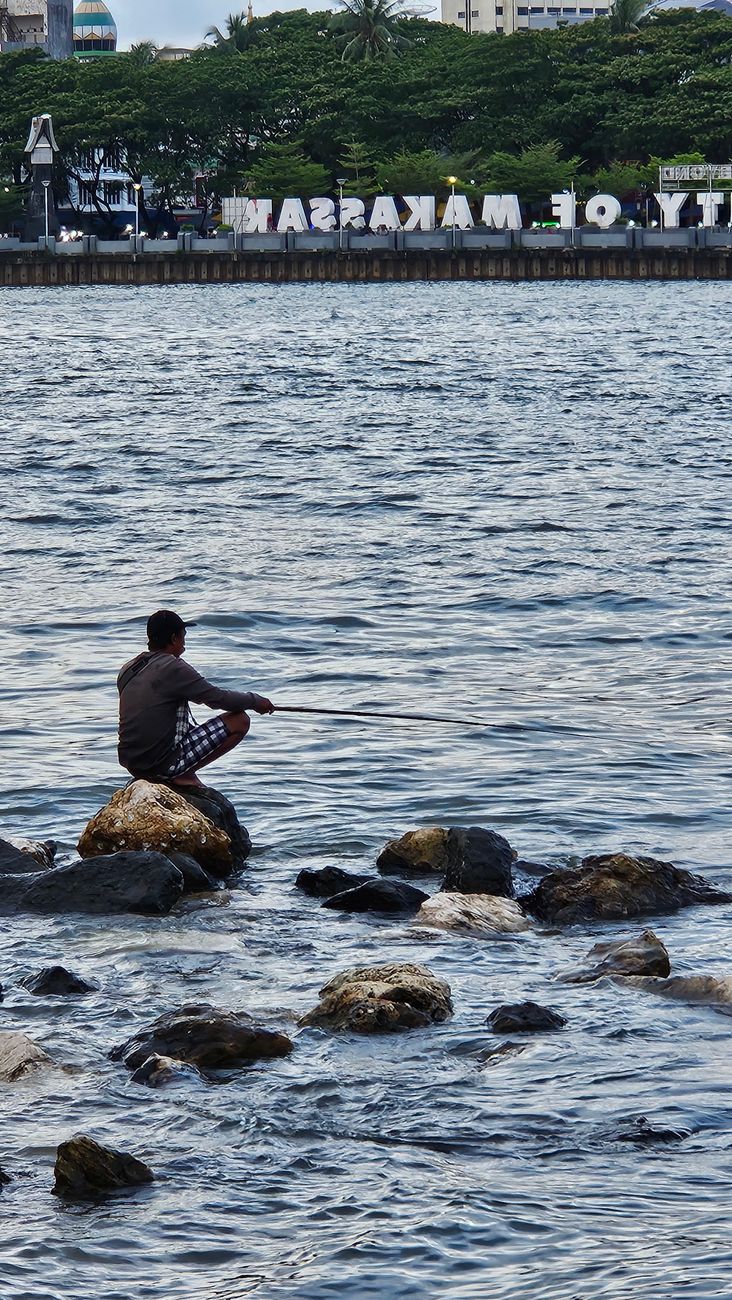
First impression is industrial port mixed with shorefront leisure: container cranes and seafood grills share the same skyline. Expect heat, frequent traffic jams, and loud motorbike flow along Jalan Sam Ratulangi and Jalan Penghibur. The city suits travelers who like active street food scenes, short island hops, and markets rather than genteel sightseeing or long quiet beach days. Guides often overplay the sunset at Losari and underplay inland markets like Somba Opu and the old fort area, which are where locals spend time and where the food is best.
Is 3 days in Makassar enough?
Yes — three days is enough to cover Fort Rotterdam, Losari waterfront, a local food crawl, and a half-day trip to nearby islands or Akkarena. The main caveat: a full dive or multi-island trip requires more time and must be booked in advance.
Who This Guide Is For
Best for food-focused travelers and people who enjoy noisy port towns, short island trips, and markets. Poor fit for travelers wanting a relaxed beach resort or a deep jungle trek.
Local Tips for Makassar
Practical details that most travel sites skip — specific to Makassar.
- Buy GO-PAY or OVO e-wallet credit for most motorbike taxis (Gojek) and many warung; many small stalls are cash-only so keep IDR 50,000 notes handy.
- Trans Mamminasata BRT corridor 1 serves Terminal Daya to Mall Ratu Indah; expect single rides around IDR 3,500–5,000 and use the Trans Mamminasata app for schedules.
- DAMRI airport buses run from Sultan Hasanuddin (UPG) to Daya or Mandai for about IDR 40,000–60,000; airport metered taxis and online car services price to city center at roughly IDR 150,000–250,000.
- Pisang epe sellers line Jalan Penghibur and Losari late afternoon; price commonly IDR 10,000–30,000 and vendors use simple price cards — bargain awkwardly, pay what’s posted.
- Paotere harbour still operates traditional phinisi loading and short charters; small day sails to nearby islands start around IDR 300,000 per person if a group is arranged at the dock.
How This Guide Was Prepared
Makassar is a working port where food stalls and ferry activity drive the rhythm; many guides treat it as a sunset-and-beach stop only. This guide focuses on routes, realistic timing, and where locals actually eat and move, not an idealized version of island escapes. This guide was prepared through a structured research that combines destination research, geographic context, itinerary planning logic, and content review.
Plan Your Stay in Makassar
Use this itinerary as your starting point, then compare areas to stay, transport options, seasonal timing, and realistic daily costs before booking.
Why Visit
One: food that is regionally specific — coto Makassar, konro, pallubasa and es pisang ijo are found here with local variations not common elsewhere. Two: the waterfront life — Losari Beach and Paotere Harbour show active shipping, phinisi boats and evening street stalls on Jalan Penghibur. Three: short, practical island trips — from Akkarena or Paotere small charters access local snorkeling islands without a multi-day commitment. Four: markets and craft streets like Somba Opu and Jalan Penghibur where local textiles, wood carving and daily life are visible without long travel.
Quick Planning Tips
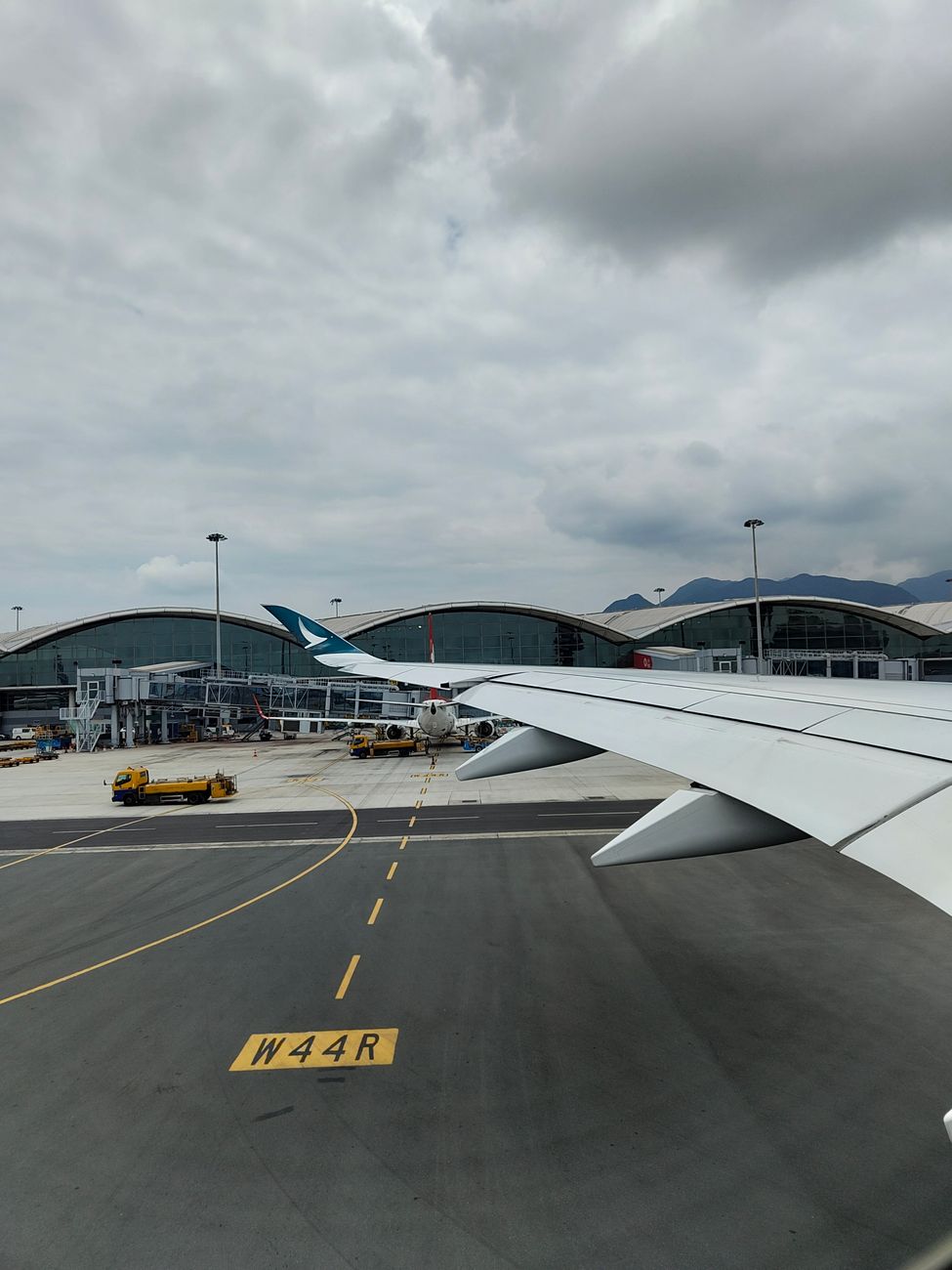
Fly into Sultan Hasanuddin International Airport (UPG). Use the DAMRI bus to Daya or take a metered/online car service; budget IDR 40,000–250,000 depending on choice. Carry cash in small denominations — many food stalls and market vendors accept cash only and give poor change for large notes. Buy GO-PAY credit for Gojek and top up at convenience stores; Gojek and Grab are the fastest way to move short distances. Avoid scheduling tight morning transfers when leaving for the airport — traffic on Jalan Urip Sumoharjo can add 45–90 minutes at peak times.
Day 1
Morning: Start at Fort Rotterdam (Benteng Rotterdam) — explore the fort grounds and Museum La Galigo inside; entry typically around IDR 5,000–10,000. Walk 5–10 minutes along Jalan Ujung Pandang for coffee at a nearby café before heading to Somba Opu. Late morning: Somba Opu street market and weaving shops — allow 45–60 minutes; buy sarongs or carved wooden boxes and watch artisans at work. Lunch: Eat coto Makassar at a noted place such as Coto Nusantara or local coto booths on Jalan Penghibur — bowls run IDR 25,000–50,000 and are filling. Afternoon: Walk 10–15 minutes to Losari Beach for people-watching and pisang epe sellers along Jalan Penghibur; don’t expect swimming at the main strip. From Losari, take a 15–20 minute taxi or Gojek to Trans Studio Makassar if interested in a theme-park afternoon (tickets IDR 150,000–300,000). Dinner: Konro or pallubasa at a well-known restaurant like Rumah Makan Konro (near Jl. Urip Sumoharjo) — expect IDR 40,000–80,000 per main. Evening: Stroll Losari promenade after dinner for the waterfront night scene and street desserts such as es pisang ijo.
Day 2
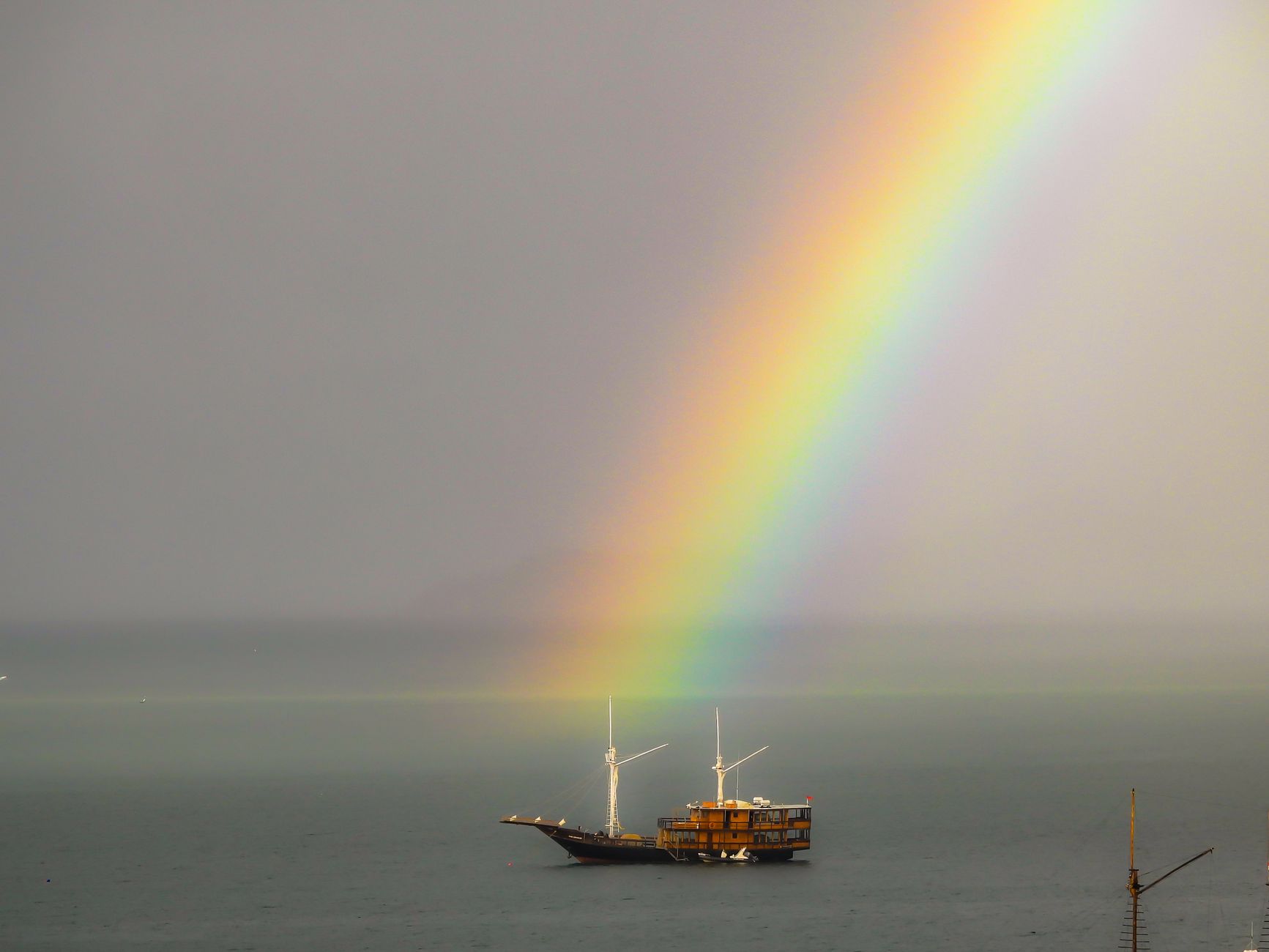
Morning: Head to Paotere Harbour to see phinisi boats and the working dock — arrive early (08:00–09:30) to avoid mid-day heat and negotiate short charters. From Paotere, arrange a half-day island run to Samalona or Kodingareng Keke if weather allows; transfers from the harbour take 20–40 minutes by traditional boat and charter prices start around IDR 300,000 per person for a shared small group. Lunch: Back in the city, try seafood at Akkarena Beach restaurants or local warung near Pantai Akkarena — grilled fish or prawns at IDR 50,000–120,000. Afternoon: Visit the nearby Makassar Great Mosque (Masjid 99 Cahaya) and then explore Jalan Penghibur’s secondhand and textile stalls for another 45–60 minutes. Evening: Eat at a popular konro spot or a seafood night market and consider a short barongko or local dessert run at Losari.
Day 3
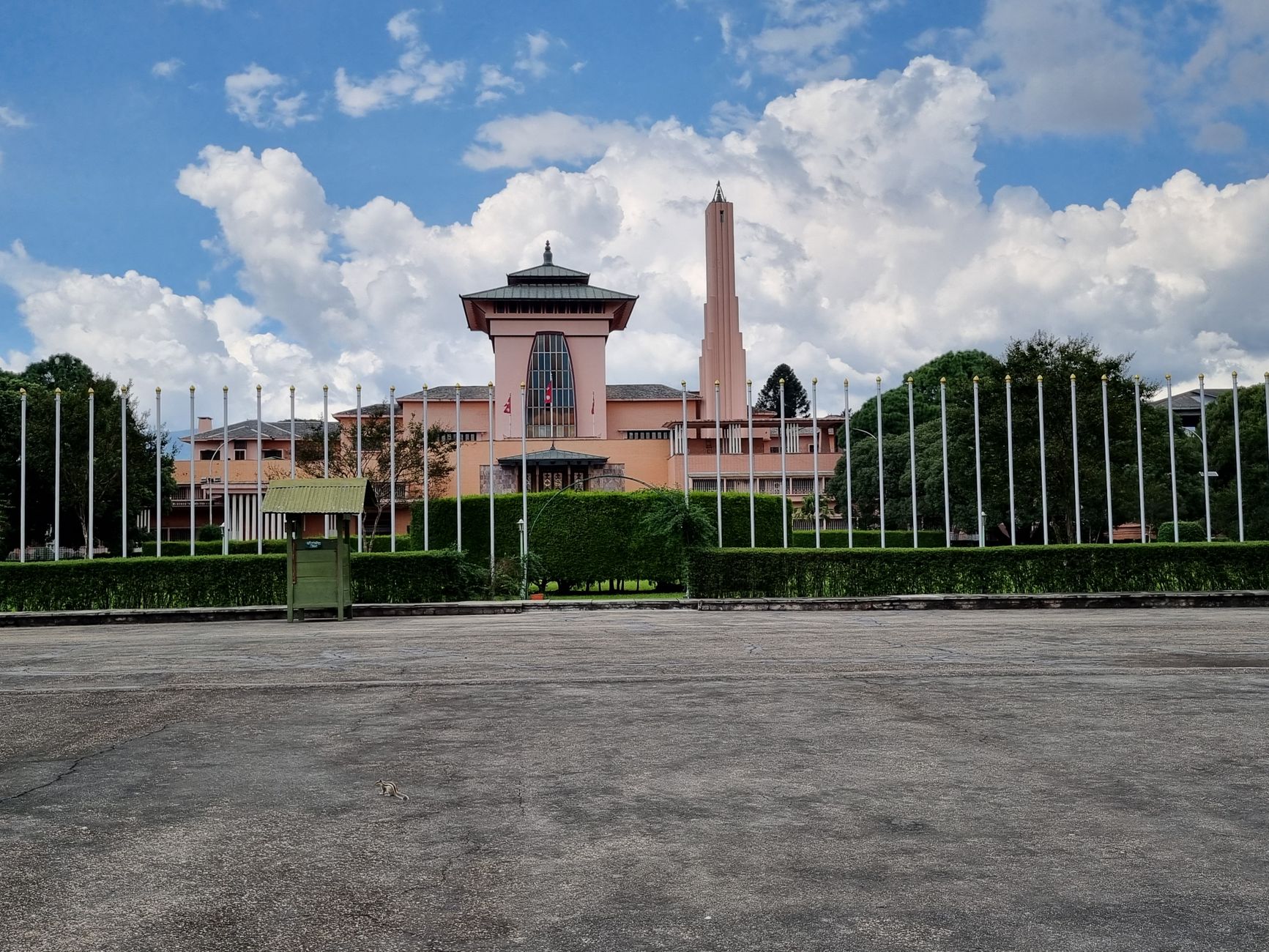
Morning: Visit Balla Lompoa in Sungguminasa (Gowa) if interested in Bugis royal architecture — allow a 30–45 minute drive from central Mandai and budget IDR 10,000–25,000 for entry and transport. Alternatively, spend the morning at Akkarena Beach for a quieter shore and short snorkeling. Lunch: Street noodles or mie titi at a local eatery near Jalan Penghibur or Panakkukang; mie titi costs about IDR 20,000–40,000. Afternoon: Reserve the afternoon for last-minute shopping at Mall Panakkukang or local markets and plan transport to Sultan Hasanuddin (UPG). Allow at least 90 minutes travel time to the airport from central areas when booking flights; factor in extra time for traffic and check-in. If an afternoon departure, prioritize Fort Rotterdam or a single museum visit in the morning rather than a distant island trip.
Best Local Experiences
Coto Makassar crawl on Jalan Penghibur — sample three stalls and compare broths and offal cuts. Pisang epe tasting at Losari Beach vendors in the evening; watch the pressed banana being flambéed. Paotere harbour visit to see phinisi loading and to negotiate a short island charter to Samalona or Kodingareng. Somba Opu textile and woodcarving street for handmade sarongs, songket and carved boxes; practice cash bargaining. Akkarena beach clubs and small snorkeling trips for short, accessible reef snorkeling. Trans Studio Makassar for families or bad-weather days; buy tickets ahead on busy weekends. A morning market run to Pasar Butung or smaller wet markets for fresh fish and local produce — good for photographers and food buyers.
Where to Stay
Losari / Mandala area: Suits travelers who want waterfront access, sunset walks and easy street-food options; near Losari Beach and Jalan Penghibur. Expect simple hotels from IDR 300,000/night to mid-range hotels IDR 600,000–1,200,000 (about EUR 35–80 / USD 25–80 depending on standard). Panakkukang / Trans Studio area: Suits shoppers and families, close to malls and Trans Studio Makassar; quieter at night but further from the old fort. Mid-range hotels often IDR 500,000–1,000,000 (EUR 30–60 / USD 35–70). Daya / Pettarani: Suits budget travelers and those using Trans Mamminasata BRT; cheaper guesthouses and local inns with nightly rates IDR 200,000–450,000 (EUR 12–28 / USD 13–30).
Food and Drink
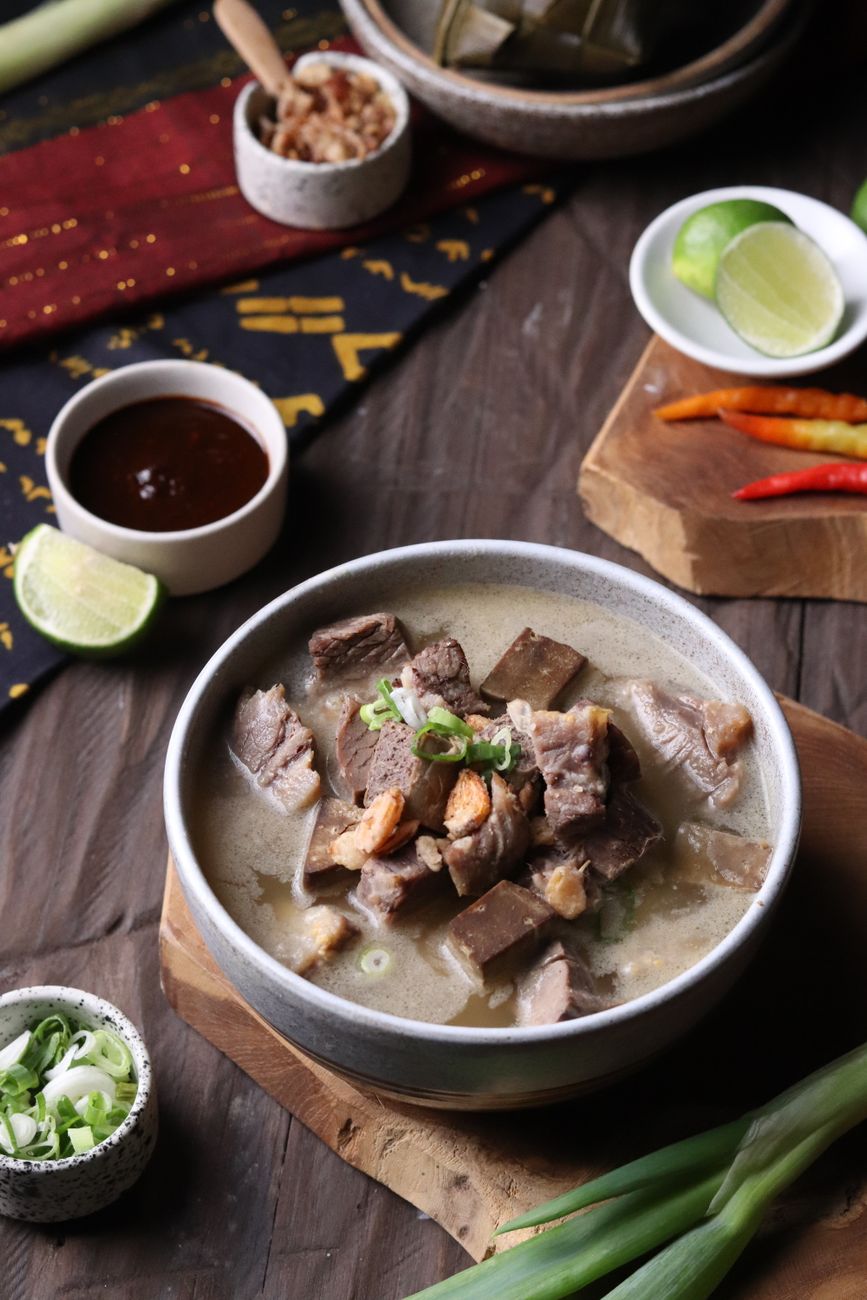
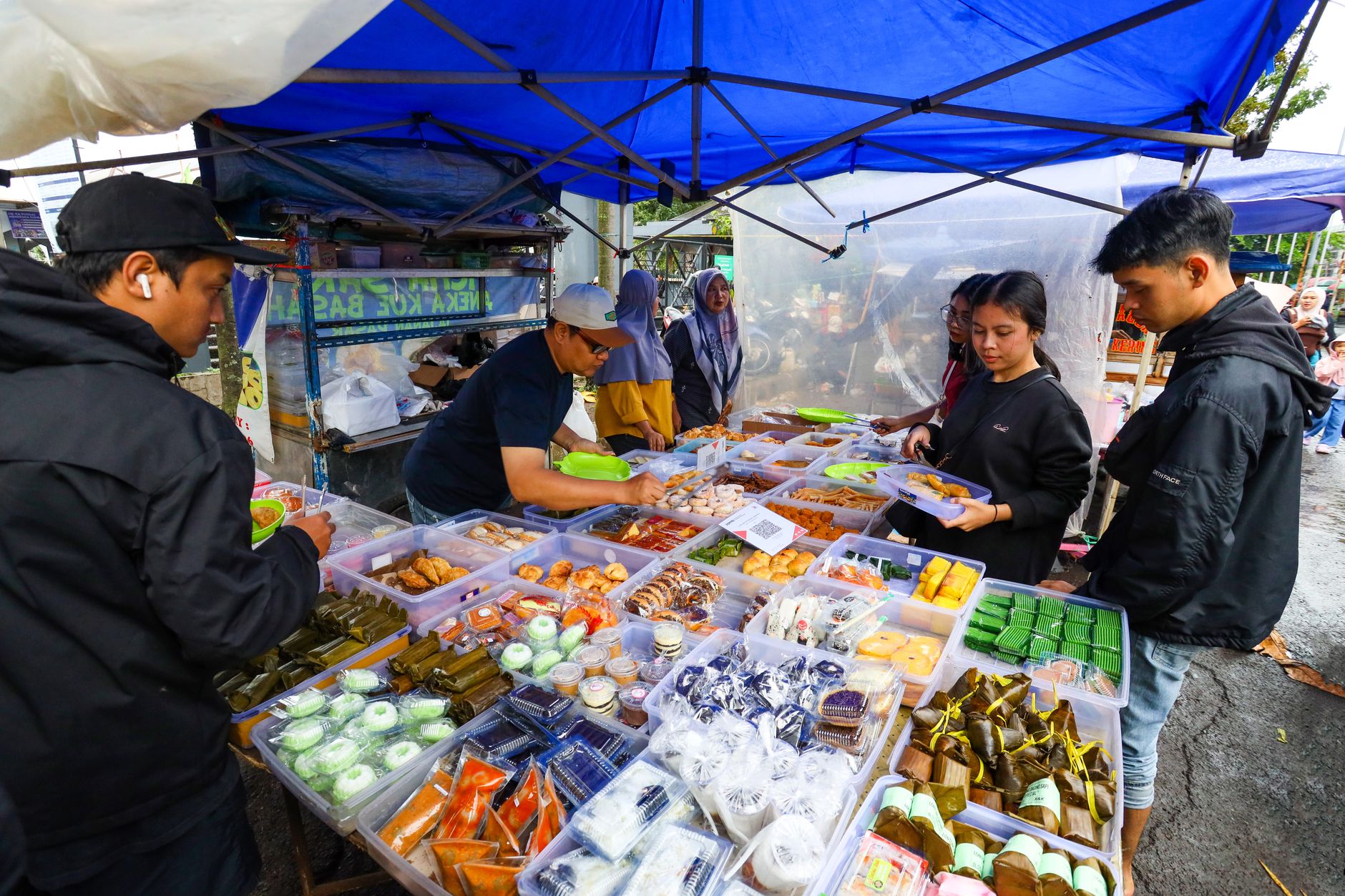
Coto Makassar: Beef broth with offal, thick, spiced with ground peanuts and served with ketupat; best at established stalls on Jalan Penghibur or Coto Nusantara, IDR 25,000–50,000. Konro: Black peppery beef rib soup, sometimes grilled first; good spots near Jalan Urip Sumoharjo and around Pettarani, IDR 40,000–80,000. Pallubasa: Similar to coto but uses grated coconut and sambal; try at local warung near Fort Rotterdam, IDR 30,000–60,000. Pisang Epe: Pressed, grilled banana served with palm sugar or chocolate at Losari stalls, IDR 10,000–25,000. Es Pisang Ijo: Banana wrapped in green pancake served with coconut milk and syrup; common dessert at street stalls and larger cafes, IDR 15,000–35,000. Breakfast option: Nasi kuning or nasi campur at morning stalls near markets — IDR 15,000–35,000. Street food: Mie titi (thin, fried noodles) and bakso (meatball soup) are widely available for IDR 15,000–30,000. Dinner recommendation: a seafood grill at Akkarena where grilled fish and prawns are priced per weight, typically IDR 50,000–150,000.
Getting Around
Main modes: motorbike taxis (Gojek, Grab), Trans Mamminasata BRT buses, metered taxis and private car hire. Trans Mamminasata corridors connect Daya, Terminal Mall Ratu Indah and parts of Panakkukang; single fares are roughly IDR 3,500–5,000 and the Trans Mamminasata app shows stops and times. Gojek/Grab are best for short hops; base fares often IDR 8,000–15,000 for short rides and IDR 20,000–50,000 across town. DAMRI airport buses serve Sultan Hasanuddin to city terminals for about IDR 40,000–60,000. Taxi from Sultan Hasanuddin to central areas runs about IDR 150,000–250,000 depending on traffic. Use GO-JEK app for motorbike taxis, Grab as an alternative and the Trans Mamminasata app for bus planning. Keep small cash for BRT and local angkot minibuses that may not take e-wallets.
Best Time to Visit
Dry season (May–September) offers lower rain and is the most convenient for island trips and snorkeling; daytime highs typically 28–32°C. Wet season (October–April) brings heavy but often short downpours and higher humidity; visibility for snorkeling drops and ferry schedules are more likely to be cancelled. Shoulder months April and October can offer fewer crowds and similar prices to low season but with unpredictable showers. For best value, travel in May or September when accommodation and domestic fares are lower than June–August holiday peaks.
Budget and Practical Tips
Daily budget examples (per person): Budget: accommodation IDR 250,000, food IDR 80,000, transport IDR 30,000, entry fees IDR 20,000 — total ~IDR 380,000 (≈ USD 25 / EUR 22). Mid-range: accommodation IDR 600,000, food IDR 150,000, transport IDR 60,000, entries/tours IDR 150,000 — total ~IDR 960,000 (≈ USD 64 / EUR 55). Luxury: accommodation IDR 1,200,000+, food and tours IDR 400,000+ — plan IDR 1,700,000+ (≈ USD 115 / EUR 100). Many small restaurants charge cash only; larger hotels and mall restaurants accept cards. Tipping is not obligatory; round up for table service or leave IDR 5,000–20,000 for good service. Bargain politely in markets and confirm boat prices and fuel surcharges before boarding.
FAQ
Is Makassar safe for solo travelers?
Generally yes in busy areas and during daytime; exercise normal urban caution after dark, avoid poorly lit side streets and keep valuables secure.
How do I get from Sultan Hasanuddin (UPG) to the city center?
Take DAMRI bus to Daya or Mandai (IDR 40,000–60,000) or use metered/online taxis (IDR 150,000–250,000 depending on traffic).
Is a city pass or card worth buying?
There is no widely used all-in-one city pass; buy single tickets for attractions and use the Trans Mamminasata BRT cards or e-wallets for transit and ride-hailing instead.
Are credit cards widely accepted?
Cards are accepted at malls and mid-range restaurants; street food, markets and small warung are cash-only.
Can day trips to nearby islands be done on short notice?
Short trips to Samalona and Kodingareng Keke can be arranged day-of from Paotere but better prices and confirmed seats require morning booking.
What about health and mosquito risk?
Use insect repellent in evenings and for island trips; basic clinics are available but bring personal medication and travel insurance.
What transit apps should be installed?
Install Gojek and Grab for rides; the Trans Mamminasata app helps with bus routes and times.
Is English widely spoken?
Limited in local stalls and markets; learn basic Bahasa phrases or have addresses written down for drivers.
Conclusion
Three days provides a clear sense of the city’s character: food-first, working port, and short island access. Travelers will most remember the contrast between fort walls and the busy waterfront, the strong broths of coto and konro, and the frenetic market streets. If time runs short, prioritize a coto-konro food crawl and a short Paotere or Akkarena shoreline visit; those convey the city’s essence faster than trying to squeeze in multiple distant islands.
How this guide was prepared
This guide was prepared through a structured research that combines destination research, geographic context, itinerary planning logic, and content review.