
Practical 3-Day Itinerary in Calgary: Neighbourhoods & Parks
A clear 3-day Calgary plan covering downtown, East Village, Inglewood and a day in the parks, with transport, costs and meal picks for practical travellers.
Three realistic days that mix downtown sights, riverside paths, neighbourhood food and one major park or heritage visit, with clear transit and cost notes.
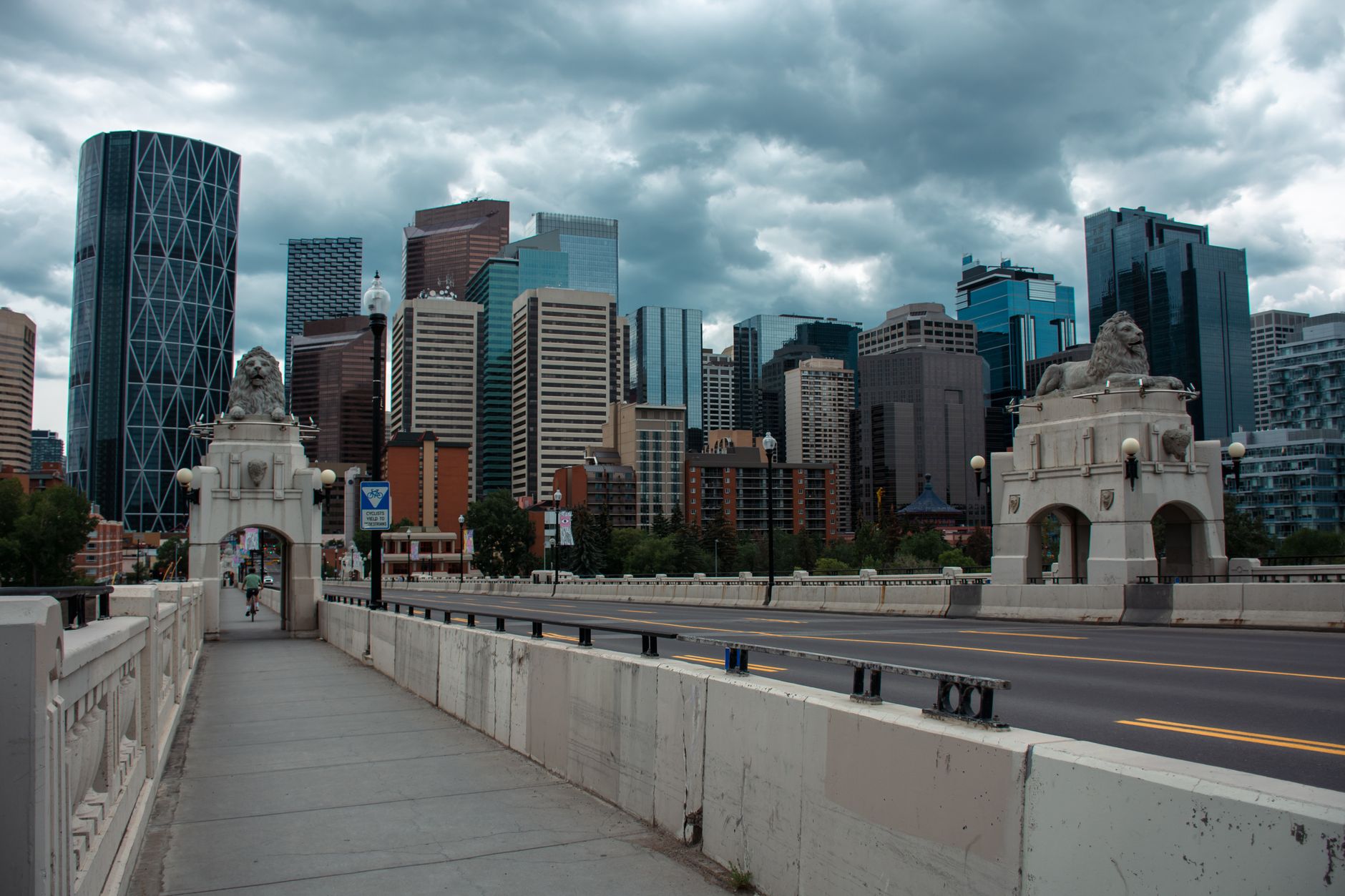
First impression tends to be a grid of wide streets, a compact towered core and a long, green river corridor. Business suits, oil-and-gas offices and construction cranes are visible downtown, but walk ten minutes and a riverside path or an older street like 9th Avenue SE brings a different tempo.
Expect practical civic infrastructure: clear signage, regular CTrain service (Red and Blue lines) and bike-friendly lanes. What many visitors get wrong before arrival is assuming the city is all cowboy culture; a short visit will reveal craft breweries, indie music, coffee roasters and active outdoor life along the Bow River.
This city suits travellers who want short urban walks with easy access to parks and a single day-trip to the foothills. Those seeking centuries-old architecture or long museum days will find better returns elsewhere.
Is 3 days in Calgary enough?
Yes — three days is enough to cover downtown highlights, a couple of neighbourhoods and a major park or museum while leaving a sensible day-trip margin. Expect to skip deeper explorations such as multiple full-day outings to Banff or a long multi-museum crawl.
Who This Guide Is For
Best for travellers who like a mix of urban walking and short outdoors excursions and who use transit or will accept a few short cabs. Less suitable for trip planners wanting long mountain hikes or an exhaustive culinary tour on a tight budget.
Local Tips for Calgary
Practical details that most travel sites skip — specific to Calgary.
- No direct CTrain service to YYC airport — plan for a taxi (~CAD 45–60), rideshare, or private airport shuttle; allow 40–60 minutes from downtown depending on traffic.
- Buy a 1-day Calgary Transit pass via the Calgary Transit mobile app or fare machines (about CAD 11–12) when planning several trips — it covers CTrain, buses and MAX routes for 24 hours.
- Stephen Avenue Walk (8th Avenue SW) has many restaurants and early-closing shops on Sundays—plan major shopping for weekdays or Saturday.
- Glenmore Reservoir and Weaselhead Flats are free and useful for birdwatching and short hikes; park at 84th Street SW and expect 10–15 minutes of walking to main pathways.
- Many independent stores and live-music nights are concentrated on 9th Avenue SE in Inglewood and on Kensington Road near 10th Street NW; check individual store hours in winter when some close earlier.
How This Guide Was Prepared
This guide treats Calgary as a working prairie city with a strong outdoor and food culture rather than a one-note western tourist stop. Many guides overemphasize Stampede or Rocky Mountain day trips and skip how compact downtown, the Bow River pathways, and small clusters like Inglewood and Kensington actually shape a short visit. This guide was prepared through a structured research that combines destination research, geographic context, itinerary planning logic, and content review.
Plan Your Stay in Calgary
Use this itinerary as your starting point, then compare areas to stay, transport options, seasonal timing, and realistic daily costs before booking.
Why Visit
Close access to the Rocky Mountains makes this a practical base for one-day mountain excursions without sacrificing a city stay. The drive to Canmore or Banff takes roughly 1 hour 45 minutes to 2 hours under normal conditions.
A strong local food scene mixes Alberta beef and western favourites with modern Canadian restaurants; restaurants on 17th Avenue SW and in Inglewood offer good variety. Prince's Island Park and the Bow River pathway system deliver easy, scenic city walks that feel more like a long urban park than a single square.
Neighbourhood clusters such as Inglewood, East Village and Kensington each have defined identities: antiques, live music and distilleries in Inglewood; modern museums and rooflines in East Village; independent shops and cafés in Kensington. A short stay makes it possible to sample those contrasts without constant transit.
Quick Planning Tips
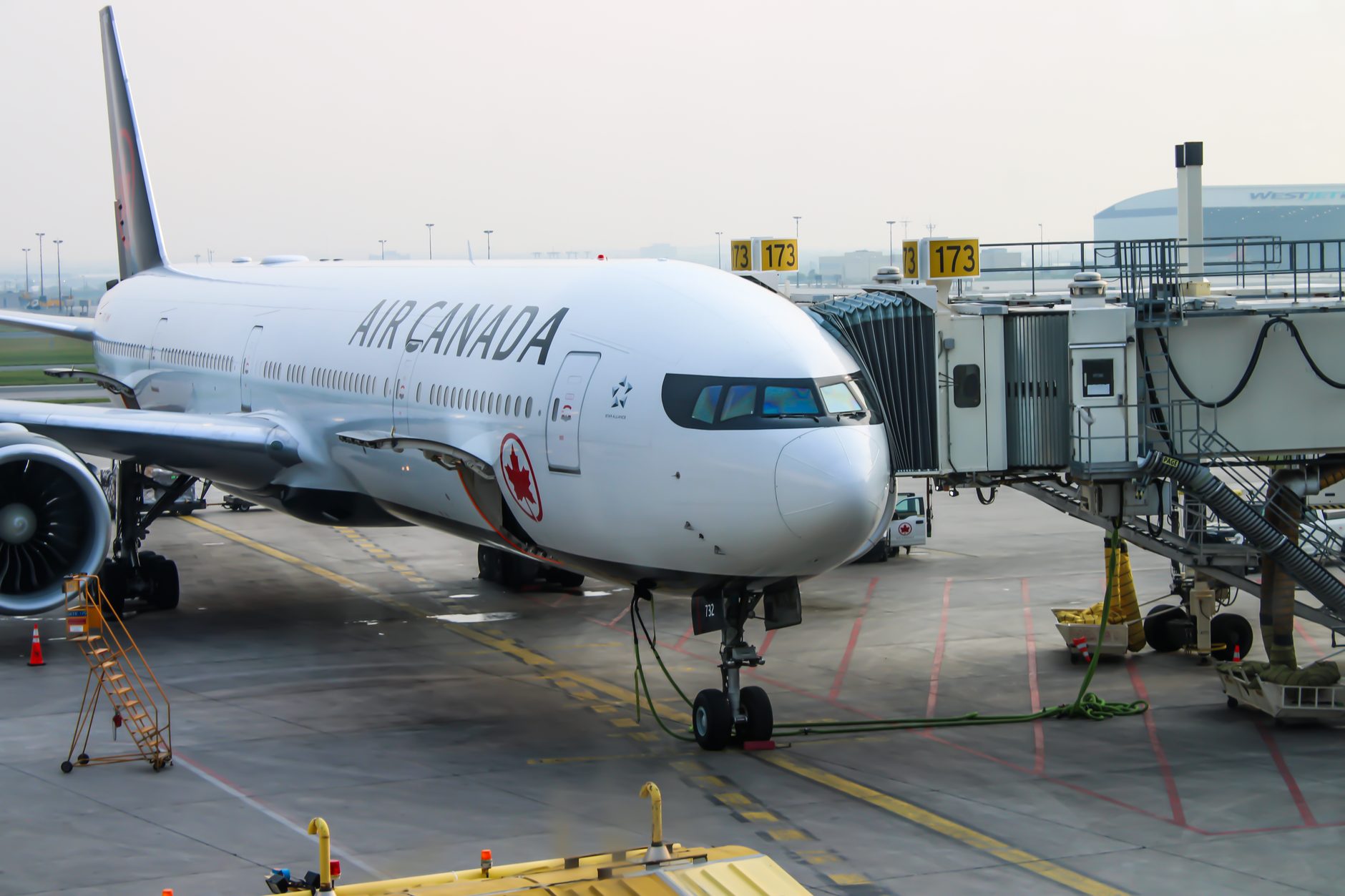
Allow transit time from YYC: no CTrain runs to the airport, so budget CAD 45–60 for a taxi or rideshare and 40–60 minutes travel time from downtown depending on traffic. Several private airport shuttles run regular services to downtown hotels if pre-booked.
Carry Canadian dollars for small markets and transit machines, but most places accept contactless credit cards and mobile payments. Buy single or day transit fares from the Calgary Transit app, fare machines at CTrain stations or select retailers before boarding.
Avoid the mistake of packing only walking shoes for downtown; winter can include icy sidewalks and deep snow in parks. Also avoid planning a Banff day trip on a tight three-day schedule if arriving late or visiting in winter when mountain road conditions add time and uncertainty.
Day 1
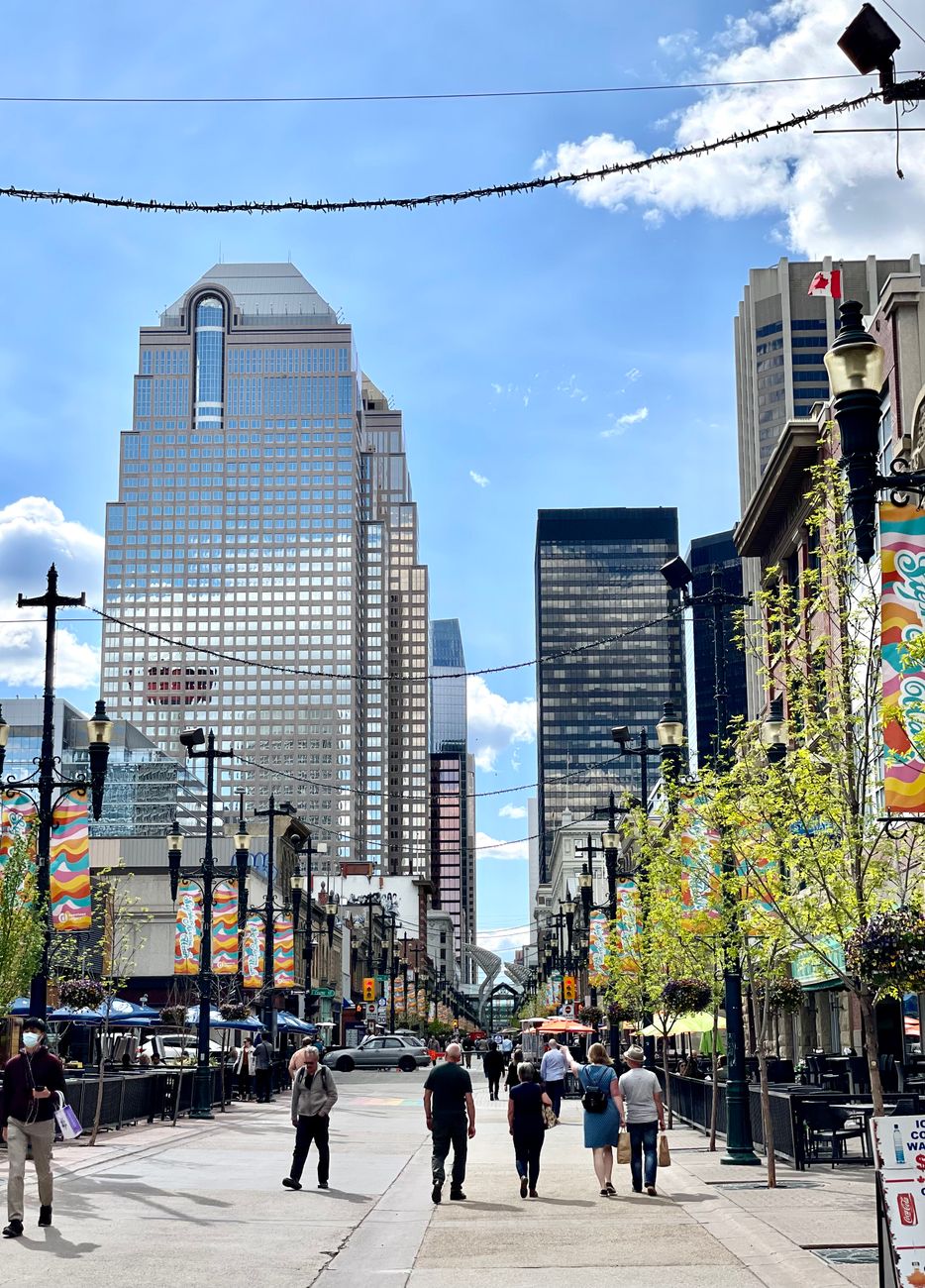
Morning: Start on Stephen Avenue Walk (8th Avenue SW) and see street-level retail, public art and commercial architecture. Walk north for 3–6 minutes to reach Calgary Tower; allow 45–60 minutes if planning to go up (tower admission around CAD 18–22). From the tower it's a 2–4 minute walk to Glenbow Museum (allow 1–1.5 hours; adult admission approximately CAD 16–20).
Late morning: Follow the Bow River pathway west toward Prince's Island Park (10–15 minutes on foot from Glenbow). Spend time on the island's loop and bridges, and consider a coffee at a riverside kiosk or picnic if the weather allows.
Lunch: Walk or take a short CTrain ride to the Beltline and have lunch on 17th Avenue SW; The Coup (vegetarian) and Model Milk (bistro fare) are reliable choices. Expect lunch prices around CAD 15–28.
Afternoon: Cross the river via the Peace Bridge and visit East Village — Studio Bell (National Music Centre) is a 5–10 minute walk and offers music exhibits and interactive displays (admission about CAD 16–22). Fort Calgary is nearby if interested in early settlement exhibits.
Evening: Eat in East Village at Charbar for riverside dining (reservations recommended) or return to 17th Avenue for bars and late-night patios. If on a sports schedule, check a Calgary Flames game at the Saddledome; ticket prices vary widely.
Day 2
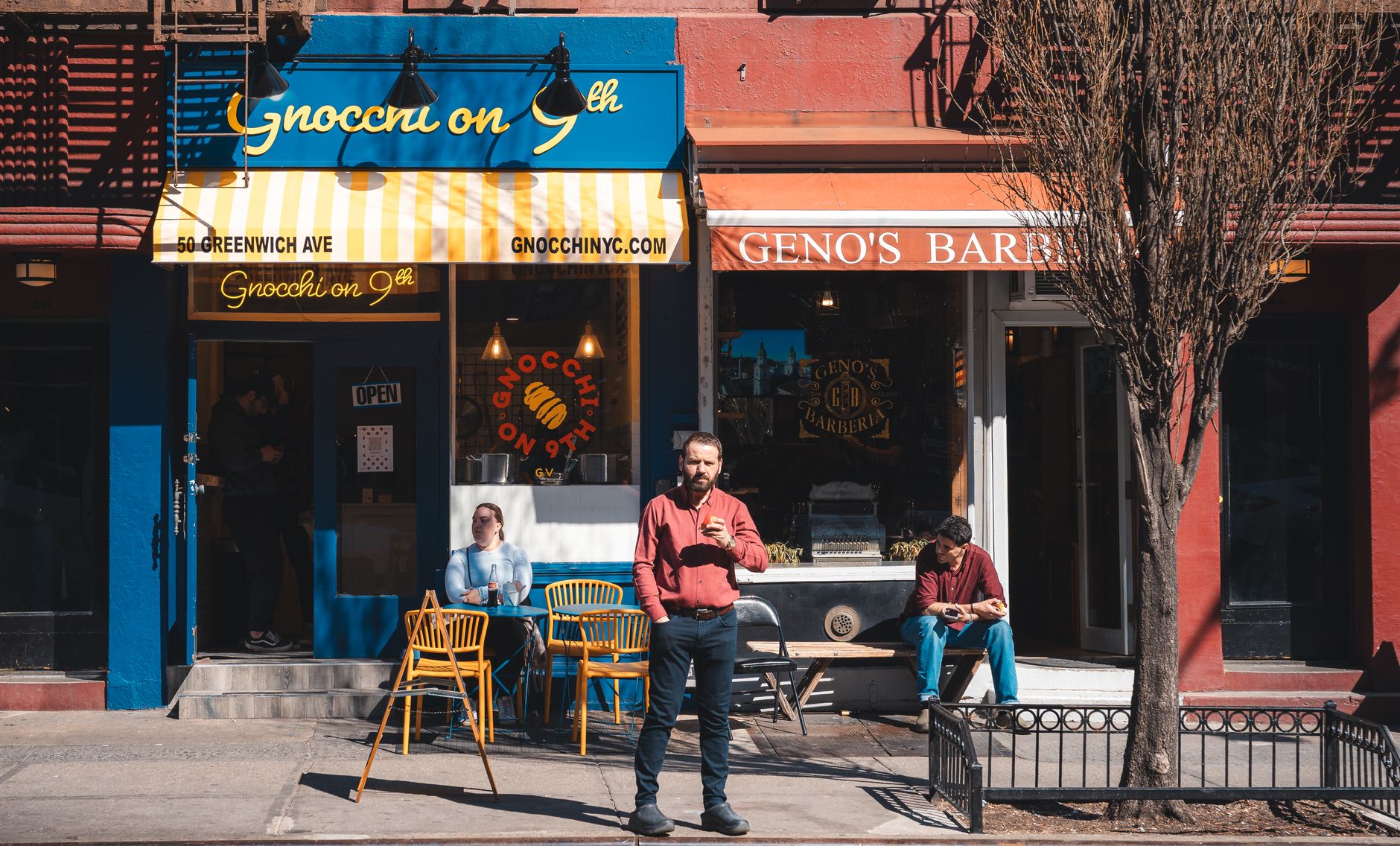
Morning: Head to Inglewood (9th Avenue SE) — take a short CTrain ride to Bridgeland and walk 10–15 minutes or take a 5–10 minute cab from downtown. Explore antiques, record stores and galleries along 9th Avenue SE and stop at Sidewalk Citizen Bakery for coffee and a pastry.
Midday: Walk or take a 5–10 minute drive to the Inglewood Bird Sanctuary for a short nature loop beside the Bow River; expect 30–60 minutes for birdwatching and paths. Proceed to the nearby Calgary Zoo if interested — allow 2–3 hours; adult admission around CAD 30–35.
Lunch: Have a casual lunch in Inglewood at a gastropub or try a local pizzeria; expect CAD 12–25 for a main course. Afternoon: Take the CTrain Red Line back toward downtown and cross to Kensington on the north bank (a 10–15 minute ride including a short walk from Sunnyside station). Kensington offers independent shops on 10th Street NW and access to the river pathway for easy cycling or walking.
Evening: Dinner in Kensington or return downtown for a show at Arts Commons. For nightlife, check live-music listings in Inglewood where smaller venues and bars host local performers.
Day 3
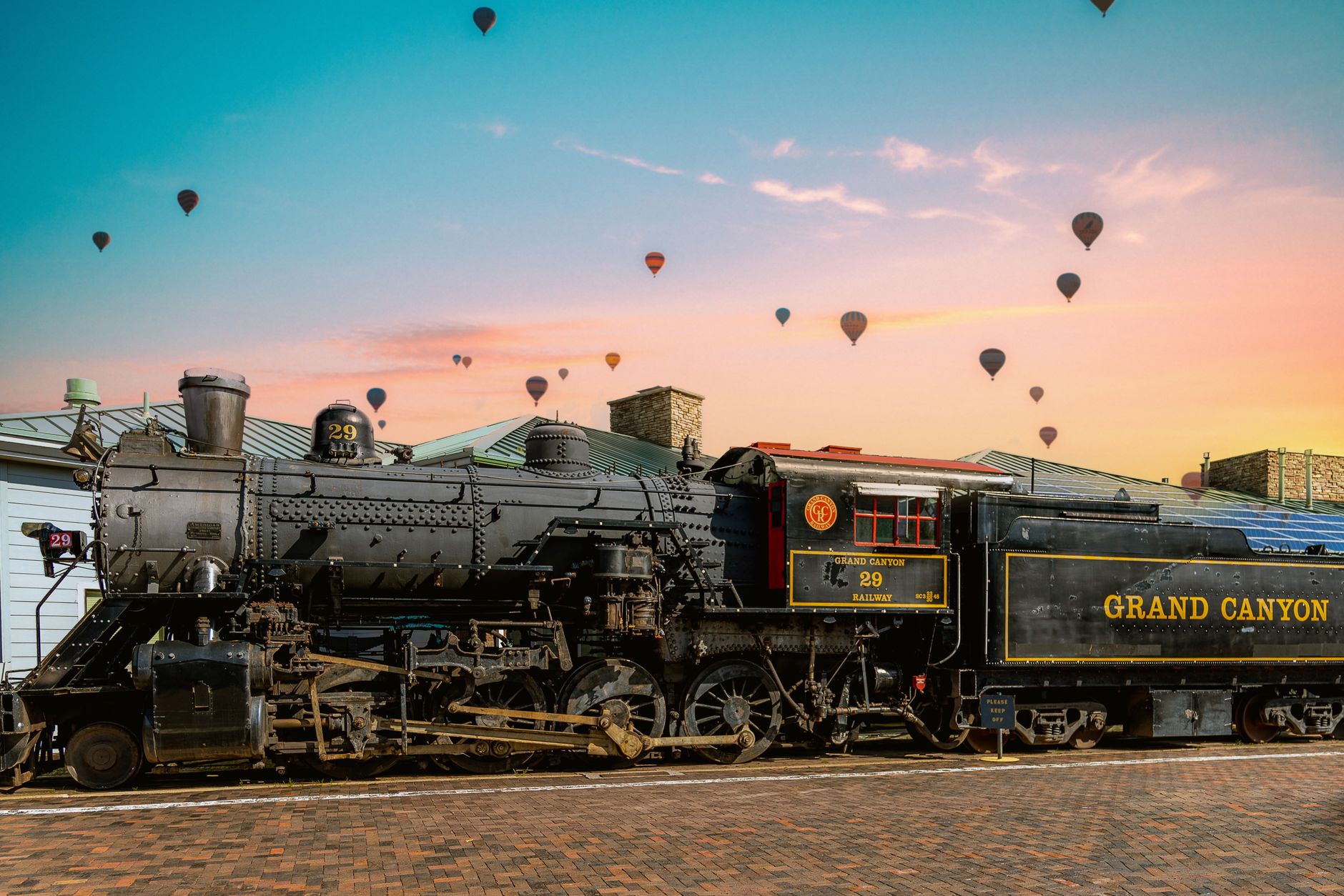
Morning: Choose between a south-side park or a heritage village depending on interests. Drive or take a taxi to Heritage Park Historical Village (about 20–30 minutes from downtown by car); plan 2–4 hours to see exhibits and the park railway (admission around CAD 25–30).
Alternative morning: Visit Nose Hill Park for an easy urban hike and wide prairie views; park at 36 Street NW and expect 1–2 hours for a loop.
Lunch: If staying central, try OEB Breakfast Co. for a late brunch (popular — expect a short wait). If at Heritage Park, the onsite restaurant offers period-style meals and quick options.
Afternoon: For travellers catching an afternoon flight, return to downtown, collect luggage, and leave for YYC by taxi or pre-booked shuttle allowing 60–90 minutes buffer. If the flight is late, spend the afternoon on the Bow River pathway system near Eau Claire Market and use luggage storage at certain hotels or paid luggage services downtown.
Evening: If time allows before departure, grab a final local beer at a brewery such as Big Rock or Village Brewery taproom, or a quick meal on 17th Avenue. Plan travel time conservatively when evening traffic is heavy.
Best Local Experiences
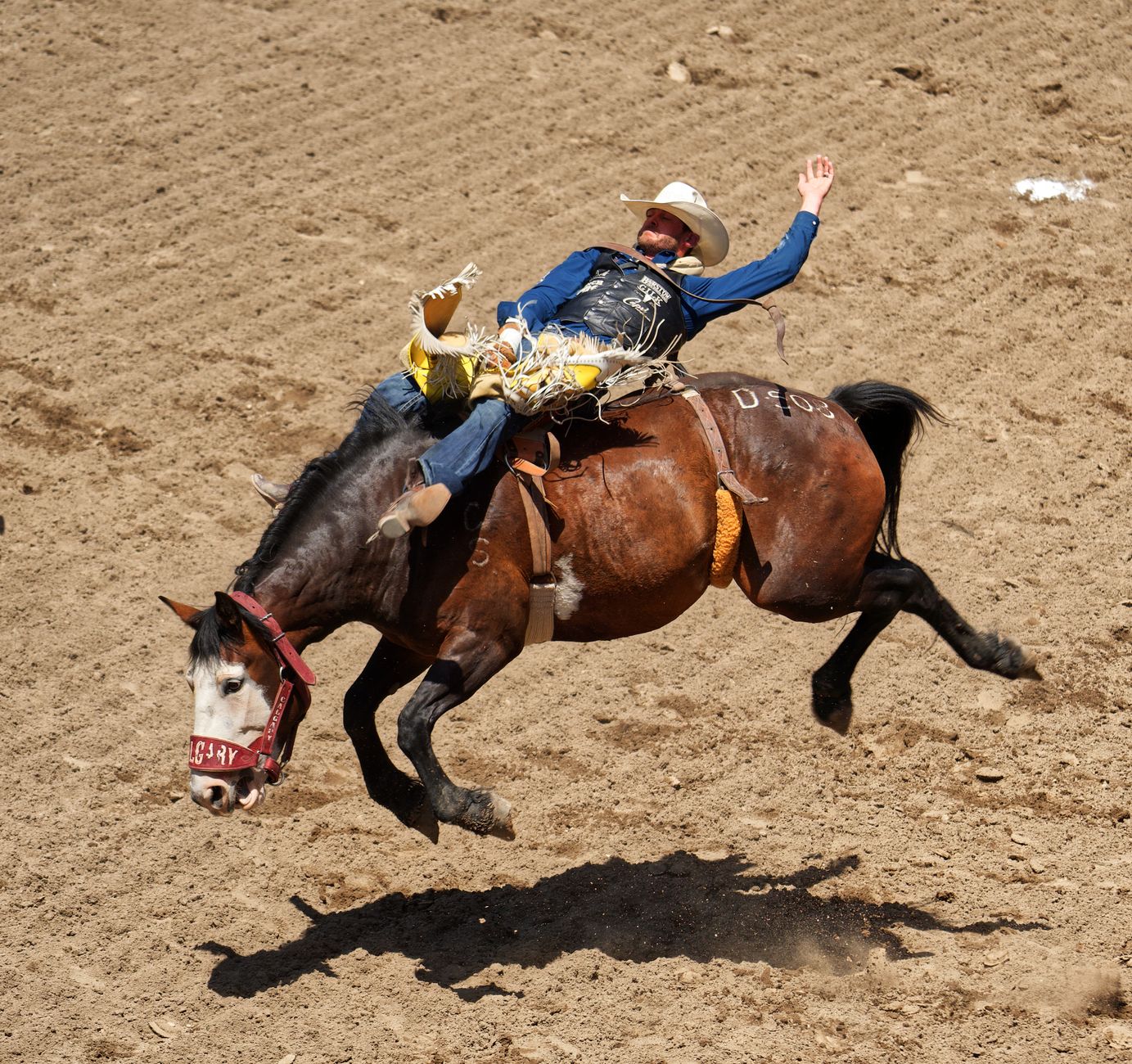
Attend one public festival if timing allows: Calgary Stampede (July) for rodeo and pancake breakfasts, Sled Island (June) for indie music, or Calgary Folk Music Festival on Prince's Island (July).
Spend time on the Bow River pathways — start at Eau Claire and follow the river past Prince's Island to Kensington for cycling or a relaxed riverside walk. Cross the Peace Bridge for a deliberately different riverside view.
Visit Inglewood's 9th Avenue SE for antique shops, the Ironwood Distillery and live-music nights. Check the Calgary Farmers' Market in Ogden for local producers and prepared foods on weekends.
Explore Studio Bell (National Music Centre) for interactive exhibits on Canadian music and the Glenbow Museum for rotating contemporary and historical exhibitions. Take a morning in Fish Creek Provincial Park for longer hikes and wildlife outside the urban core.
Try a rooftop patio on 17th Avenue on a warm evening — these concentrate bar crowds and restaurant options into one walkable strip.
Where to Stay
Downtown / Stephen Avenue: Suits first-time visitors who want walkable access to the Calgary Tower, Glenbow and CTrain stations. Most hotels cluster here; expect nightly rates from CAD 160–320 (about EUR 100–200 / USD 110–240) depending on season.
Beltline / 17th Avenue SW: Suits nightlife and restaurant-focused travellers; close to the river and a short walk to downtown. Mid-range options often run CAD 120–220 per night (EUR 75–140 / USD 85–165).
Kensington (Sunnyside / 10th Street NW): Suits those preferring local cafés, boutiques and quieter streets while still being a short CTrain ride from downtown. Boutique hotels and B&Bs typically cost CAD 110–200 nightly (EUR 70–125 / USD 80–150).
Inglewood / East Village: Suits travellers who prioritise independent shops, music venues and proximity to Studio Bell and the zoo. Fewer big hotels here; expect small hotels and rentals from CAD 100–190 per night (EUR 60–115 / USD 75–145).
Food and Drink
Ginger Beef: Deep-fried beef in a sweet-spicy sauce, created in Calgary and now common across Canada. Find it at long-standing Chinese-Canadian restaurants in Chinatown and some diner-style places; expect CAD 12–20 as a main.
Alberta steak: A showcase of regional beef; order at steakhouses such as Vintage Chophouse or local bistros for a 10–14 oz cut around CAD 35–60. Steak quality varies — ask for sourcing if that matters.
Caesar cocktail: Invented in Calgary in 1969; a tomato-clam juice-based cocktail often served with celery or shrimp. Many bars serve variations; expect CAD 10–15.
Bison burger: Lean game-meat burger available at gastropubs and specialty burger joints; price typically CAD 14–22.
Breakfast/brunch option — OEB Breakfast Co. or Sidewalk Citizen Bakery: Known local brunch spots where a full breakfast runs CAD 12–20. Street food: at Stampede or markets try pancake breakfasts or mini sausages — prices range CAD 3–8.
Dinner recommendation: River Café on Prince's Island for seasonal Canadian plates (higher end; mains CAD 25–45) or Charbar in East Village for riverside grilled options (mains CAD 20–40).
Getting Around
CTrain: Two main lines named Red Line (to Tuscany/Bridgeland) and Blue Line (to Saddletowne/Glenmore). Newer MAX Bus Rapid Transit routes include MAX Orange, Purple and Teal for cross-city connections.
Ticketing: Single adult fares are around CAD 3.50–3.75; a 1-day pass costs roughly CAD 11–12 (prices approximate — confirm on Calgary Transit website). Buy fares via the Calgary Transit mobile app, at station vending machines, or with contactless payments where available.
Buses cover neighbourhoods beyond CTrain reach; route maps are available in the Calgary Transit app. Taxis and rideshares (Uber, Lyft) operate citywide. Expect a taxi from YYC to downtown about CAD 45–60 depending on traffic.
Useful apps and cards: Calgary Transit app for schedules and fares, Google Maps for multimodal directions. The so-called 'MyFare' smartcard is rolling out in phases — check service status before travel.
Best Time to Visit
Summer (June–August): Temperatures commonly 18–27°C, occasional days into the low 30s; busiest time and best for patios, Prince's Island events and Stampede in July. Expect higher hotel rates during Stampede week.
Shoulder seasons (April–May, September–October): Temperatures range 5–18°C with variable weather. These months offer lower accommodation costs and fewer crowds; spring can be muddy on park trails, and autumn offers crisp days and early snow possibilities.
Winter (November–March): Cold with frequent sub-zero stretches; typical lows range −10 to −20°C, though Chinook winds can produce sudden mild days. Winter is best for lower prices, winter activities nearby and seeing the city with fewer tourists but plan for icy sidewalks.
Budget and Practical Tips
Daily budget example (per person): Accommodation CAD 120–220 (EUR 75–140 / USD 85–165), food CAD 40–80 (EUR 25–50 / USD 30–60), transport CAD 10–15 (local fares and occasional taxi; EUR 6–9 / USD 7–11), entry fees CAD 15–35 for museums or attractions. A reasonable daily total for mid-range travellers is CAD 200–330 (EUR 120–205 / USD 155–250).
Tipping: Standard restaurant tip is 15–20% before tax for good service; round up small bills and tip taxi drivers 10–15% or round up. Many places accept contactless payments; keep small cash for markets or small vendors.
Practical tips: Carry a compact windproof layer for Chinook-driven temperature swings. Book tickets for popular attractions and restaurants in summer and Stampede week. Use the Calgary Transit app for realtime CTrain and bus updates during rush hours.
FAQ
Is Calgary safe for solo travellers?
Yes; downtown and major neighbourhoods are generally safe during the day. Standard urban cautions apply at night—avoid poorly lit areas and keep an eye on belongings.
How do I get from YYC to downtown without a car?
Use a pre-booked airport shuttle, taxi or rideshare. No CTrain connects to YYC, so allow 40–60 minutes for travel depending on traffic.
Is a city pass worth buying?
There is no single pass that saves money for most short stays unless visiting multiple paid attractions; buying individual tickets for Glenbow, Studio Bell and Calgary Tower is usually more flexible.
Can one day be used for Banff or Lake Louise?
Yes, but expect a 1 hour 45 minute to 2 hour drive each way; start early and watch mountain weather. A guided day trip eliminates parking and navigation worries.
Are credit cards widely accepted?
Yes; contactless credit and debit payments are common. Carry small CAD bills for occasional markets and transit machines.
Is public transit easy to use for tourists?
Yes; the Red and Blue CTrain lines cover central routes and connect to key stations. Use the Calgary Transit app for schedules and buy a day pass for multiple trips.
What about winter driving conditions?
Roads are ploughed regularly but can be icy; if planning mountain trips, ensure a vehicle has winter tires and extra travel time for changing conditions.
Conclusion
Three days offers a practical snapshot: a downtown cultural day, a neighbourhood day exploring Inglewood and Kensington, and a parks or heritage day to stretch legs. The thing travellers frequently remember is the ease of combining city walks with river views and a quick access route to mountain scenery.
If time runs short, prioritise a Bow River pathway walk and one area meal at a locally recommended restaurant — that combination captures the city's mix of outdoor access and food-focused neighbourhood life.
How this guide was prepared
This guide was prepared through a structured research that combines destination research, geographic context, itinerary planning logic, and content review.