

3 Days in Bergamo: Città Alta, Museums & Itinerary
A practical 3-day Bergamo itinerary covering Città Alta, Accademia Carrara, San Vigilio, transport tips and where to eat for an efficient weekend trip.
A clear, no-nonsense 3-day plan that balances Città Alta sightseeing, downtown museums, local food and a short hill escape, with realistic timing and costs.
A clear split defines the place: a medieval upper town on a ridge and a wider, flatter modern lower town where shops, trains and buses concentrate. Streets in the upper town are narrow and often stepped; expect short, steep climbs between piazze and staircases in stone, and plan footwear accordingly. Crowds cluster at main viewpoints and the funicular terminals, so early morning or late afternoon visits reward with quieter lanes and better light. Noise from roads and the nearby airport is noticeable in parts of the lower town; this is a practical city for walking, museums and food rather than long relaxing beach-style stays.
Is 3 days in Bergamo enough?
Yes — three days is enough to see Città Alta thoroughly, visit Accademia Carrara and sample local food without rushing. A caveat: there will not be time for a full-day side trip to Lake Como or extended wine tours in Valcalepio.
Who This Guide Is For
Best for travelers who enjoy compact historic centres, short uphill walks and regional cuisine. Poor fit for visitors wanting a lakeside resort or a party scene.
Local Tips for Bergamo
Practical details that most travel sites skip — specific to Bergamo.
- Funicolare Città Alta runs between the lower station near Largo Porta Nuova/Piazza Mercato and the upper terminus by Piazza Vecchia; buy or validate a single ATB ticket (~€1.30) before boarding.
- ATB single urban tickets (biglietto urbano) cost about €1.30 and are valid 90 minutes across buses and funiculars when validated; buy at tabaccherie, machines or the ATB Mobile app.
- Shuttles from Orio al Serio (BGY) airport operate under 'Orioshuttle' and 'Autostradale' brands; expect a 20–25 minute ride to Bergamo Stazione and pay roughly €5–€6 for a one-way ticket.
- Accademia Carrara ticket prices are usually around €10–12; paired tickets with GAMeC are sometimes offered — check opening hours on the museum website to avoid wasted travel time.
- Saturday morning market in Piazza Pontida and the covered food stalls near Via XX Settembre are best before 11:00 for local cheeses, cured meats and quick fried snacks.
How This Guide Was Prepared
This guide treats Bergamo as a place of two lives: the medieval Città Alta on the hill and the more modern Città Bassa below. Many guides either over-romanticize the upper town or ignore practical transport and opening-hour realities; this guide maps sensible walking sequences, realistic museum times and how to manage funiculars, airport connections and ZTL rules. This guide was prepared through a structured research that combines destination research, geographic context, itinerary planning logic, and content review.
Plan Your Stay in Bergamo
Use this itinerary as your starting point, then compare areas to stay, transport options, seasonal timing, and realistic daily costs before booking.
Why Visit
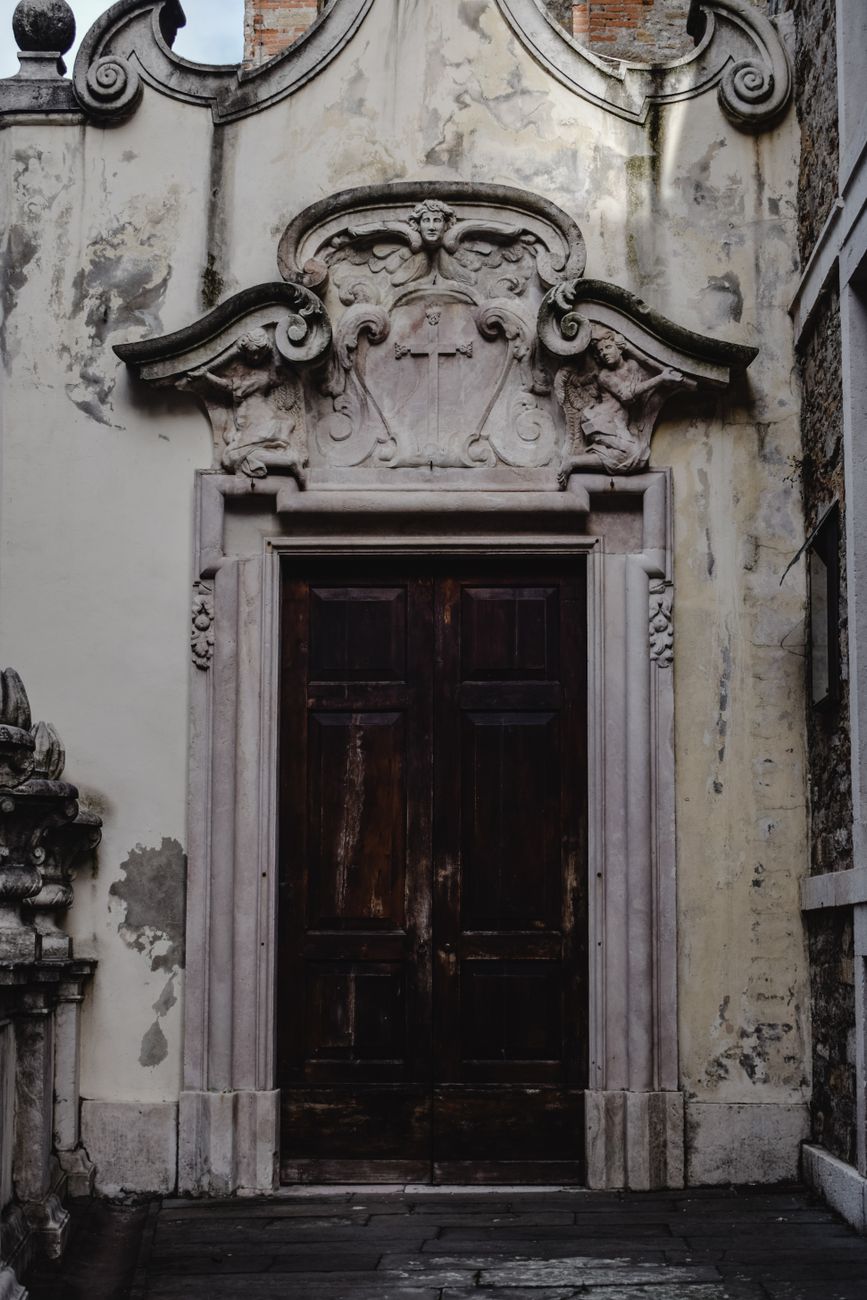
Città Alta offers a concentrated sequence of medieval streets and monuments packed around Piazza Vecchia and the Colleoni Chapel; a single afternoon can be deeply satisfying for architecture fans. Accademia Carrara provides a compact selection of Renaissance and Baroque paintings that pair well with a museum-hour visit rather than a full-day slog. San Vigilio hill gives short, accessible panoramic views over the plain and is a useful, quiet contrast to the tourist flow on the ramparts. Local food traditions such as casoncelli and polenta have strong local identity: eating well here does not require Michelin-level spending.
Quick Planning Tips
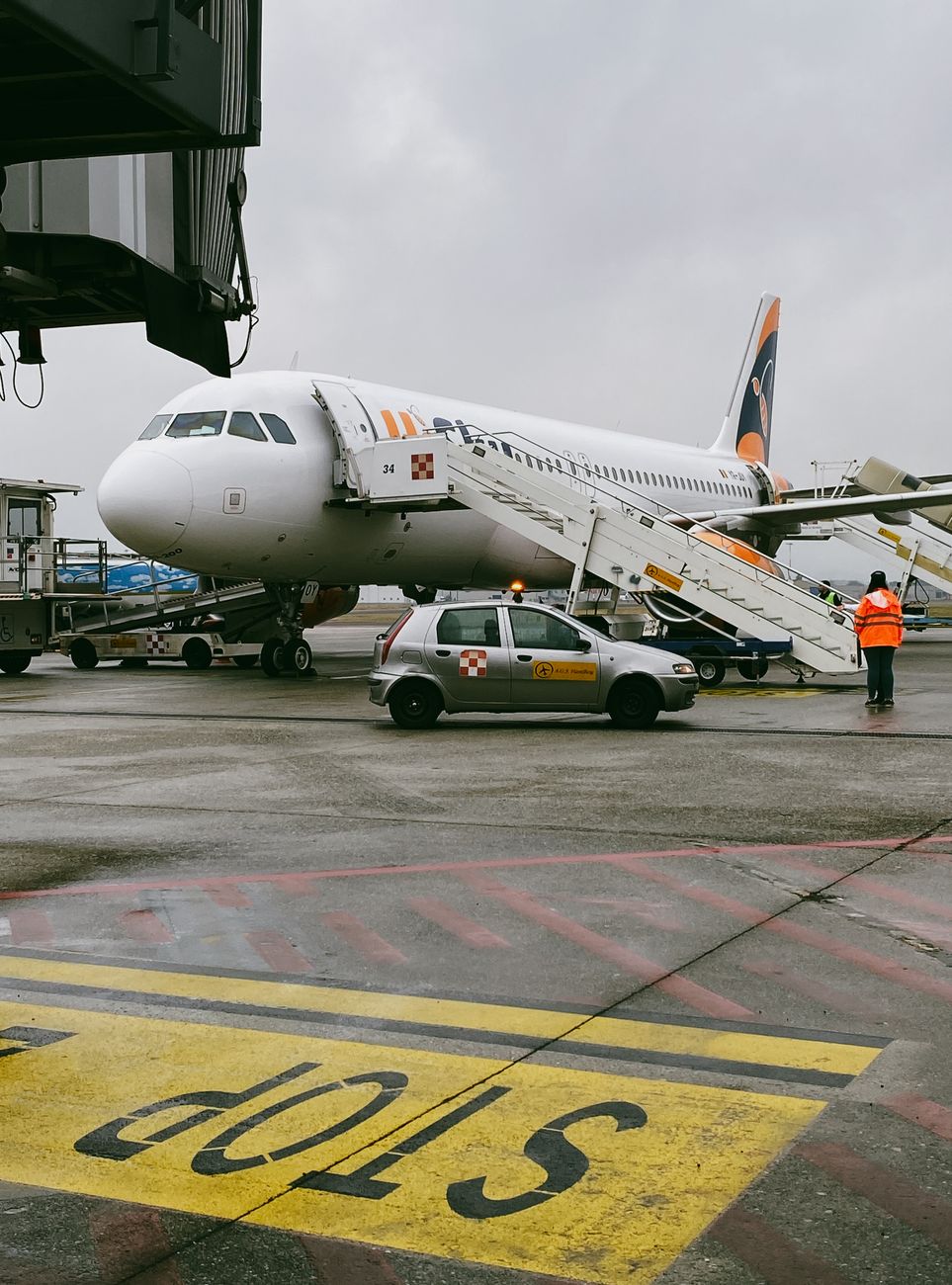
Fly into Orio al Serio (BGY) when possible; shuttle buses named Orioshuttle/Autostradale run to Bergamo Stazione in 20–25 minutes with tickets around €5–€6 one-way. Trains to Milan Centrale take about 50 minutes from Bergamo station and are frequent; buy tickets on Trenitalia or Trenord apps. Cash is still handy for small bars and tabaccherie; most restaurants accept cards but some add a small servizio or coperto fee. Avoid booking accommodation that requires driving into the upper town; parking is limited and limited-traffic zones (ZTL) are enforced.
Day 1
Start in Città Alta at the upper funicular terminus near Piazza Vecchia to take in an efficient cluster of sites. First stop: Piazza Vecchia itself for the Contarini Fountain and late-morning light; expect 30–45 minutes here including photos. Walk to Basilica di Santa Maria Maggiore and the Colleoni Chapel (combined visit often takes 60–75 minutes including interior and treasury), then climb the Campanone tower for a panorama and the hourly bell ceremony. Head to Accademia Carrara in Città Bassa by descending the funicular and walking or taking a short local bus; allow 20–30 minutes transit. Accademia Carrara usually requires 1.5–2 hours to see highlights without rushing. Lunch recommendation: Caffè del Tasso on Piazza Vecchia for an easy sit-down and local pastries; expect around €8–€15 for a light meal. Afternoon options include the Civic Archaeological Museum at the Rocca for city history or a slow coffee on Via Gombito. Evening recommendation: walk a section of the Venetian walls toward Porta San Giacomo at sunset; the ramparts are well lit and make a reliable end to the day.

Day 2
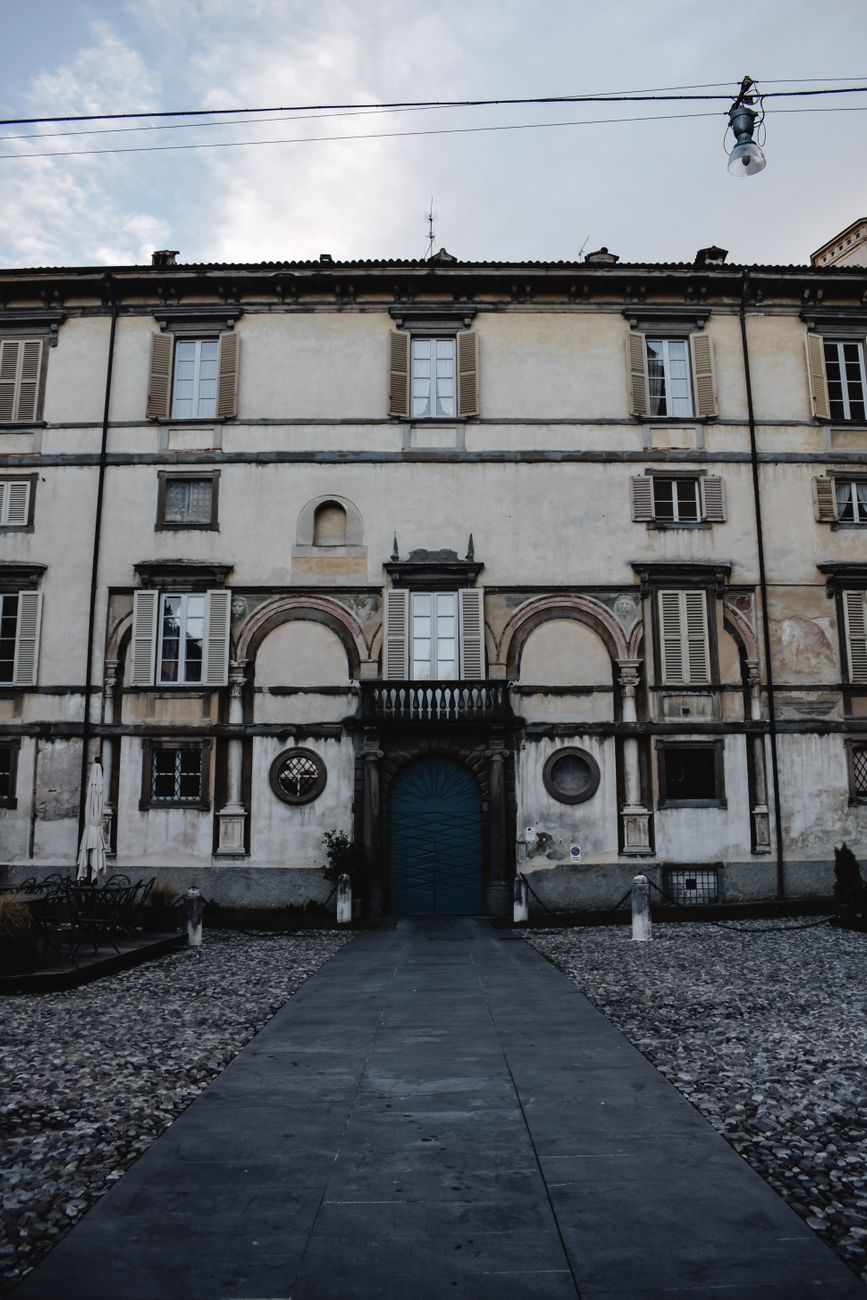
Spend a day in the lower town and nearby neighbourhoods with a different rhythm from the hilltop. Start at Accademia Carrara if missed on Day 1, then walk to GAMeC (modern art) for a contrasting collection; the two are roughly 10 minutes apart on foot. From there, follow Via XX Settembre and Via Sant’Alessandro for shopping and markets; stop at the covered food stalls near Piazza Pontida if it is a market day. After lunch in the lower town, take bus or taxi to San Vigilio hill via the second funicular for 20–30 minutes travel including transfers; enjoy the castle terrace and short walks on the green paths. Return to the lower town for Teatro Donizetti if an evening performance is scheduled. Transport between these points relies on short buses (ATB) or the funicular lines; allow extra time for peak-hour traffic between Bassa and the station area.
Day 3
Use the final day to fill gaps and prepare for departure. Morning: revisit any upper-town corners missed earlier or buy regional food at markets around Via XX Settembre. Midday: climb to San Vigilio if not done yet, or take a short train ride to nearby Treviglio or a bus to Lake Iseo for a brief lakeside change (allow a full half-day for either). Practical note for afternoon flights from Orio al Serio: leave for the airport at least 90–120 minutes before check-in, more if travelling during rush hour. If checking out of a hotel, confirm luggage storage at reception or use left-luggage lockers near Bergamo Stazione. End the afternoon with a relaxed meal in the lower town close to transport links so the route to the airport or train station is easy.

Best Local Experiences
Walk the Venetian walls (Mura Venete) that encircle the upper town for multiple viewpoints and a sense of how the old defences shape the hill. Explore Via Pignolo for antiques, small shops and local pastry windows; mid-morning is best for quieter browsing. Attend a performance or check listings at Teatro Donizetti for local opera and concerts; programming often features Rossini and Donizetti works. Visit the Saturday market at Piazza Pontida for produce, salumi and quick street snacks; arrive early. Try a short hike or picnic on San Vigilio hill after taking the second funicular from Città Alta for a quieter outlook and small castle ruins. These activities focus on local rhythms, food and short outdoor stops rather than long guided tours.
Where to Stay
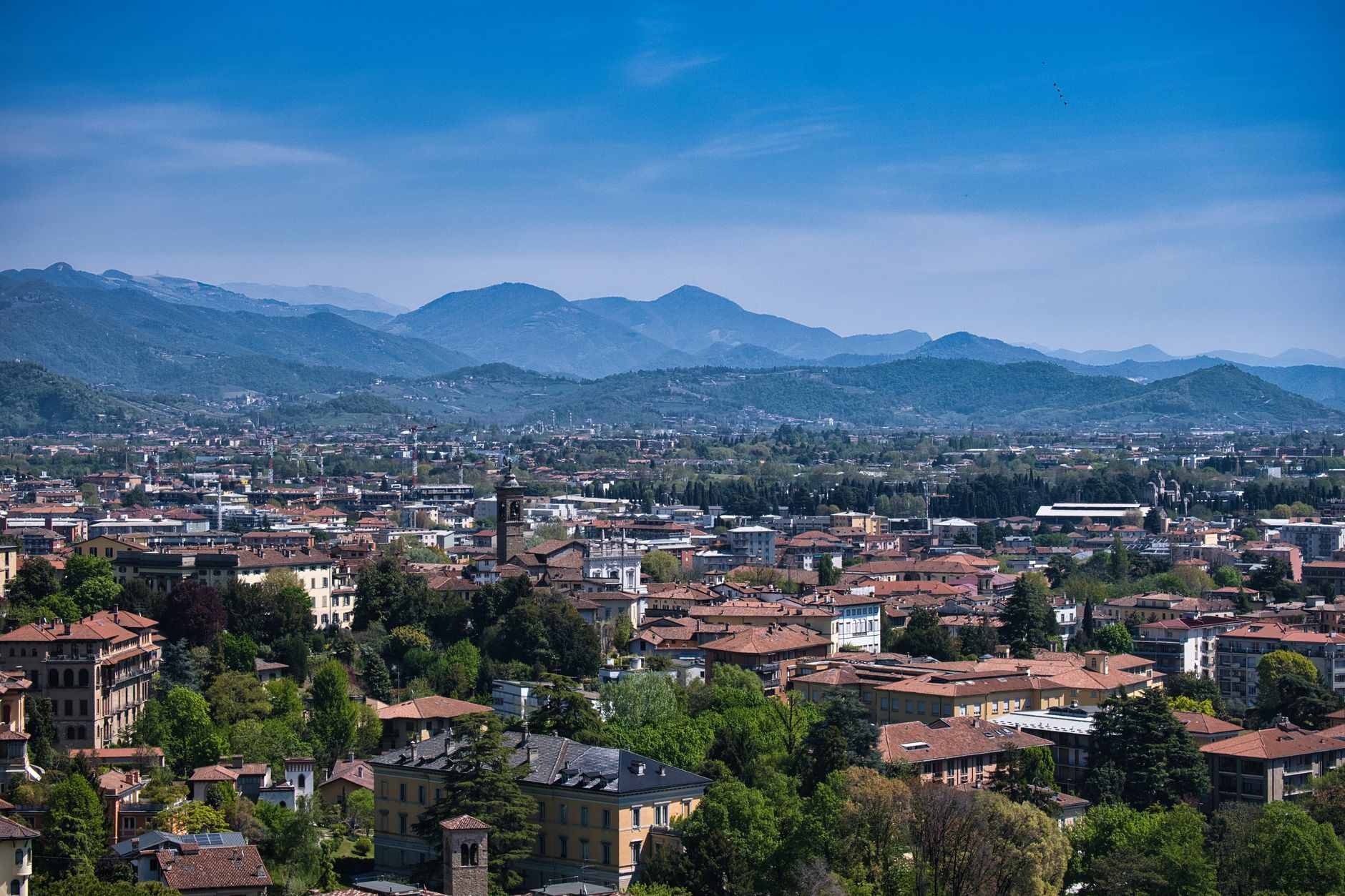
Città Alta: suits first-time visitors who want to be inside the medieval core and onfoot access to main monuments; expect small hotels and guesthouses from about €120–€220 per night (≈$130–$240). Centro / Città Bassa (around Via XX Settembre and Piazza Matteotti): suits people who want restaurants, shops and quick train connections; midrange hotels are common and cost around €80–€140 per night (≈$90–$155). Area near Bergamo Stazione and Viale Papa Giovanni XXIII: suits budget travelers and those catching early trains or the airport shuttle; basic hotels and B&Bs can be found from €50–€90 per night (≈$55–$100). Choose lower-town accommodation when planning day trips to Milan or the lakes to save transit time; choose Città Alta for convenience with monuments but note limited parking and higher prices.
Food and Drink
Casoncelli alla bergamasca: stuffed pasta (meat, breadcrumbs, sometimes pancetta) usually served with butter and sage or pancetta; find good versions at trattorie in Città Alta and expect €9–€15 as a primi. Polenta taragna or polenta concia: buckwheat polenta mixed with local cheeses such as Taleggio; common at traditional osterie and €6–€12 as a side or small plate. Sciatt: small buckwheat fritters with cheese from Val Taleggio, sold at markets and some street-food vendors for about €2–€4 each. Polenta e Osei (local sweet): a Bergamo specialty cake modeled on polenta and birds; buy slices or small versions in pastry shops like historic cafés and expect €3–€6. Taleggio cheese: soft, creamy cheese from nearby Val Taleggio; buy at food shops and markets for around €10–€20/kg depending on age. Breakfast option: espresso and a brioche at a bar such as Caffè del Tasso in Città Alta for €2–€5. Dinner recommendation: look for a family-run trattoria serving polenta and braised meat in the lower town for hearty, reasonably priced mains around €12–€20.
Getting Around
Three main modes cover the city: ATB urban buses and two funicular lines (to Città Alta and to San Vigilio), regional trains from Bergamo Stazione, and airport shuttles to Orio al Serio. Single ATB urban tickets are about €1.30 (valid 90 minutes); buy at machines, tabaccherie or the ATB Mobile app. Day passes (24 hours) are available from ATB machines and apps; expect a price around €4–€6 depending on the current tariff. Funicolare rides cost the same as an urban ticket when validated; stations have ticket machines. Regional trains to Milan use Trenord/Trenitalia services; buy via the Trenord app or station machines. Taxi fare from the airport to central Bergamo is roughly €20–€30 depending on traffic; rides to Milan are significantly higher. Use the ATB Mobile app for bus and funicular tickets and Trenord or Trenitalia apps for regional train bookings.
Best Time to Visit
Spring (April–June) brings mild weather with daytime highs around 15–25°C and fewer tourists than July; shoulder months offer good value. Summer (July–August) has the warmest weather, often 25–30°C; expect more domestic tourists and some restaurants closed for August holidays. Autumn (September–October) is pleasant with temperatures from 10–22°C and good light for photography; local festivals and harvest-season food appear. Winter (November–March) is coolest, often 0–8°C, with lower rates and quieter museums; some outdoor attractions are colder and restaurant hours can shorten. For the best combination of price and weather, aim for late April–June or September–early October.
Budget and Practical Tips
Typical daily budgets: budget traveler €60–€90/day (≈$65–$100) including a hostel or cheap hotel (€50–€80), inexpensive meals (€15–€25), local transport (€3–€6) and a couple of paid entries. Midrange traveler €120–€200/day (≈$130–$220) covering a midrange hotel (€80–€150), two sit-down meals (€25–€50), transport and museum entries. Expect Accademia Carrara and major churches to charge around €8–€12 each for entry; plan €15–€30 daily for admissions if visiting several sites. Tipping is modest: leave small change or round up for table service; a 5–10% tip is appreciated but not mandatory. Carry some cash for small bars, market stalls and ticket kiosks; larger restaurants and shops accept cards.
FAQ
Is Bergamo safe for tourists?
Yes. Normal urban precautions apply; pickpocketing can occur in crowded spots and on buses, so keep valuables secure. Public spaces are generally safe after dark.
How to get from Orio al Serio airport to the city?
Use the Orioshuttle or Autostradale shuttle buses to Bergamo Stazione (20–25 minutes, about €5–€6) or arrange a taxi; book shuttle tickets online or buy at the airport desk.
Is a Bergamo city card worth buying?
A Bergamo Card can be useful if it bundles funicular rides and museum entries for the days planned; check current prices and match them to the museums to be visited before purchasing.
Can Bergamo be a day trip from Milan?
Yes. Regional trains take roughly 50 minutes from Milan Centrale; arriving early allows a solid day in both upper and lower towns but it will feel rushed.
Are museums closed on specific days?
Many museums or small churches close on Mondays or midweek afternoons; always check official museum websites for hours and any seasonal closures.
Are taxis or public transit better late at night?
Public transit frequency drops after 22:00; taxis are more reliable for late returns but cost more. Pre-book when possible.
Can visitors drive into Città Alta and park there?
Driving into Città Alta is restricted by ZTL; short-term parking spots are limited and often filled. Park in lower-town garages and take the funicular or walk up.
Conclusion
Three days provides a solid, practical experience: medieval lanes, at least one major art museum and a short hill escape. Most visitors will remember the upper town views from the Venetian walls and a good plate of casoncelli more than the hotel room. If time runs short, prioritise a morning in Piazza Vecchia and a walk along the ramparts; that sequence delivers the clearest sense of the place in limited time.
How this guide was prepared
This guide was prepared through a structured research that combines destination research, geographic context, itinerary planning logic, and content review.