
3 Days in Bangkok: Practical 72-Hour Travel Itinerary & Tips
A practical 3-day Bangkok plan covering transit, markets, temples, river ferries and food, with clear costs, timing and practical warnings for travelers.
A direct, usable 72-hour plan that balances major temples, market life, riverside travel and neighbourhood food without overselling what can fit into a short trip.
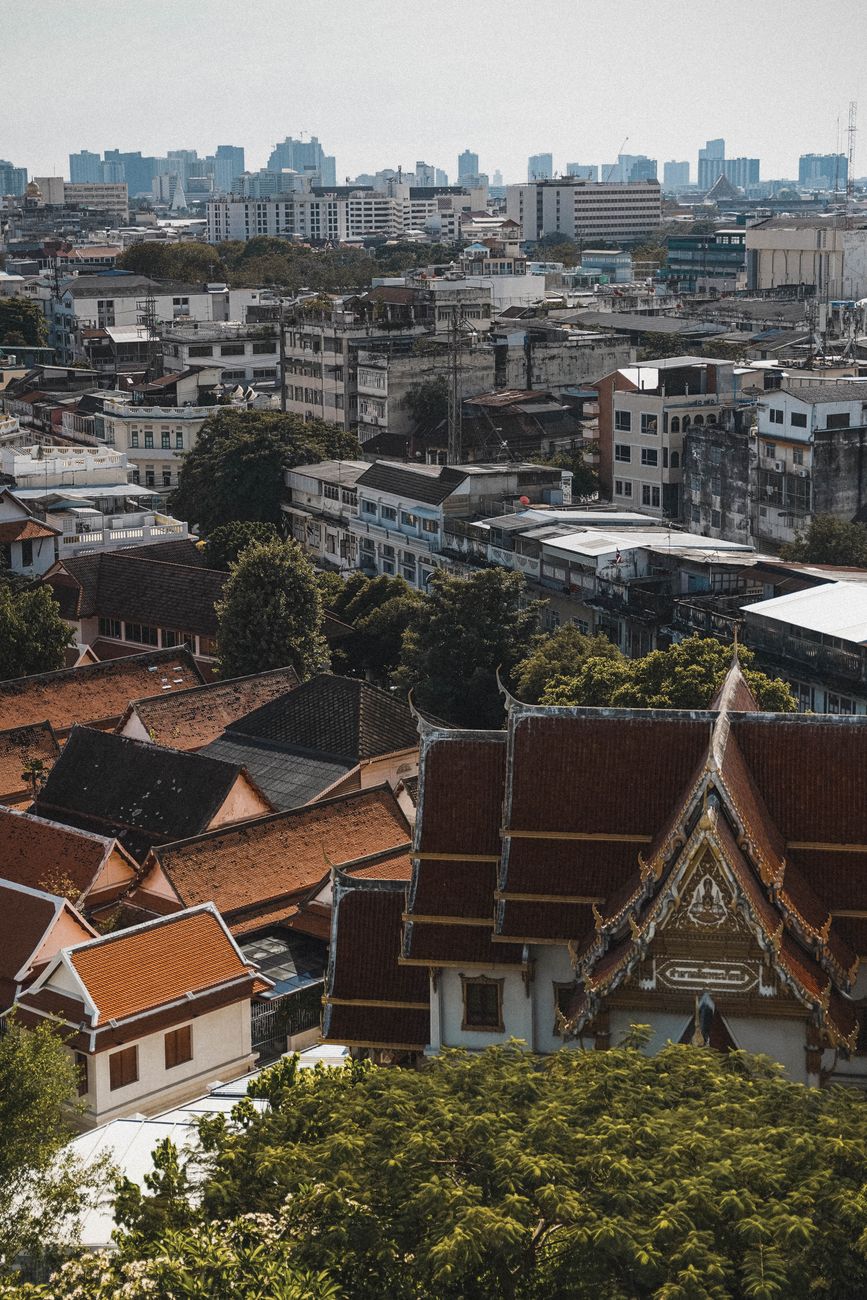
First impressions are noise, heat, motorbikes and a river that organizes parts of the city. Large avenues like Sukhumvit and Silom run a linear, commercial rhythm distinct from riverside clusters near Rattanakosin and the piers. Crowds compress around weekend markets and temple precincts; weekdays bring office commuter flows on the BTS and MRT. Noise levels and air quality vary widely from quiet parks such as Lumpini to traffic-heavy junctions like Asok.
Most mistakes stem from underestimating transit delays and overestimating how many ‘must-sees’ fit into a single day. This guide separates walkable old-city sequences from other neighbourhood days and routes them by rail or river where possible. The plan suits travellers who accept a brisk pace and want practical timing, not relaxed long stays.
Expect vendors, touts and helpful maps that aren't always current; physical signage at piers and stations matters more than tourist websites. Carry a mobile transit app and plan buffer time for traffic when crossing the river by road.
Is 3 days in Bangkok enough?
Three days gives time to hit the Grand Palace, Wat Pho, a Chinatown food tour, and a riverside or rooftop evening — if travel is routed by river and rail to avoid peak-hour road congestion. Expect to skip deeper museum collections or a full-day trip to Ayutthaya unless a late-night or extra day is added.
Who This Guide Is For
Best for first-time visitors who prioritise temples, markets and street food and who can handle heat and crowds; less suitable for travellers who want relaxed sightseeing, extensive museums, or a low-budget backpacker pace that stays only on Khao San Road.
Local Tips for Bangkok
Practical details that most travel sites skip — specific to Bangkok.
- Buy a BTS One-Day Pass (about 140 THB) at any BTS station for unlimited Skytrain travel on the Sukhumvit and Silom lines; a Rabbit Card stores value for multiple trips and is accepted on BTS retail partners.
- Airport Rail Link from Suvarnabhumi to Phaya Thai costs roughly 45 THB and usually beats a taxi during daytime rush hours; expect 30–40 minutes platform-to-platform.
- Chao Phraya Express Boat fares are roughly 15–40 THB depending on route and flag colour; use Sathorn (Central Pier/Taksin) to connect to Sathorn Bridge BTS (Saphan Taksin station).
- Chatuchak Weekend Market operates Saturday–Sunday roughly 09:00–18:00; take MRT Kamphaeng Phet or BTS Mo Chit and bring cash — many stalls do not accept cards.
- Grand Palace foreigner entry fee is 500 THB and enforces strict dress code: no bare shoulders, no shorts above the knee; there’s a small rental shop for sarongs but lines form at peak times.
How This Guide Was Prepared
A three-day visit here should mix heavy-hitter sights with neighbourhood rhythms because the city’s scale and traffic make linear itineraries useless. Many guides cram every temple together and underplay how much time is lost on surface roads; this guide sequences river and rail travel and flags authentic, practical time sinks. This guide was prepared through a structured research that combines destination research, geographic context, itinerary planning logic, and content review.
Plan Your Stay in Bangkok
Use these planning pages to compare areas to stay, expected costs, seasonal timing, and local transport before booking.
Why Visit
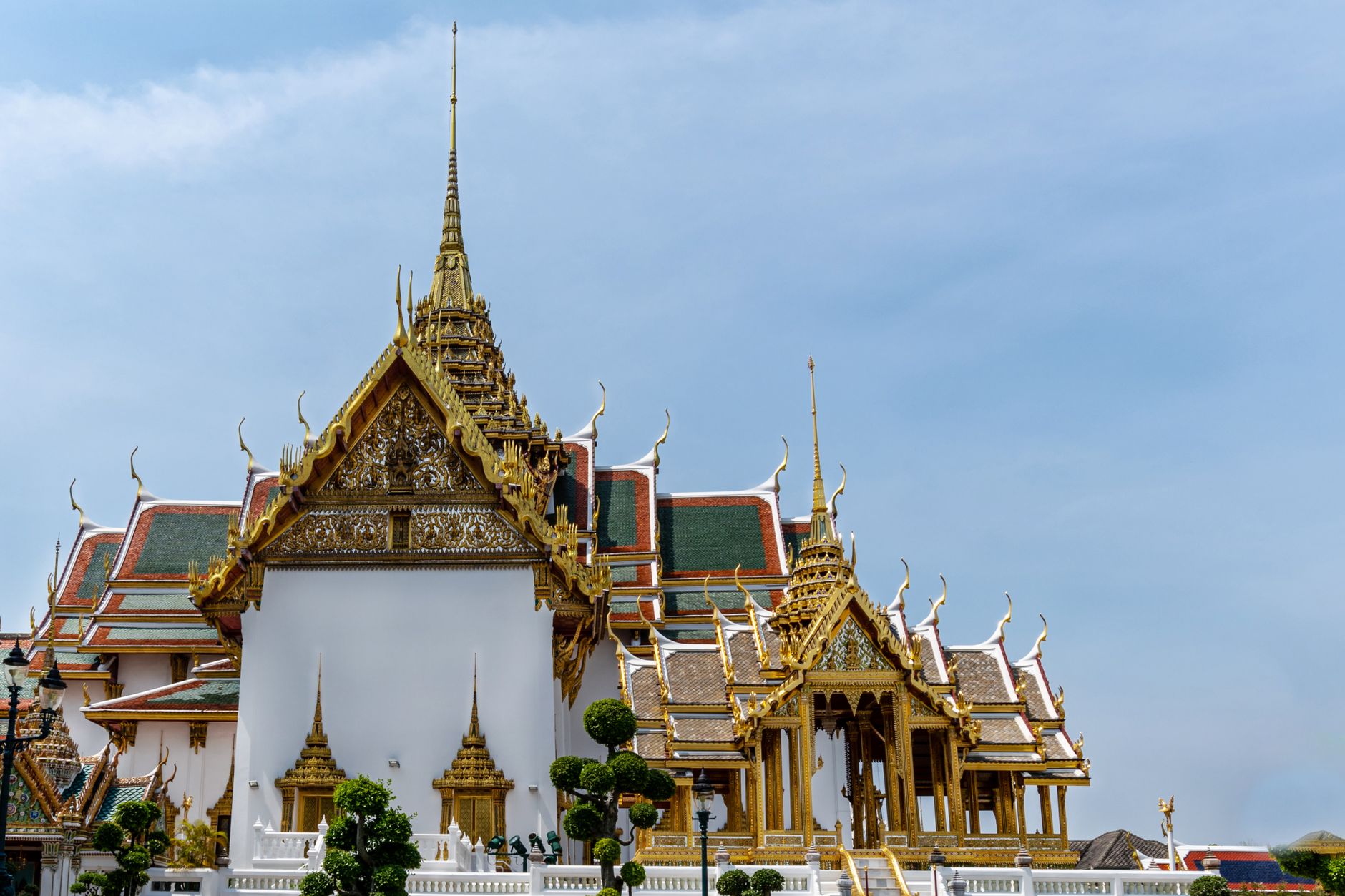
The concentration of major temples in the Rattanakosin area lets a traveller see world-famous sites in a single compact loop: Grand Palace, Wat Pho and Wat Arun are within short river-or-boat hops. Street food scenes in Yaowarat (Chinatown) and around Victory Monument’s boat noodle alleys show a range of regional Thai cooking without a long trek.
Efficient paid rail (BTS, MRT, Airport Rail Link) means getting between nightlife in Thonglor/Sukhumvit and markets like Chatuchak is faster than relying on roads. Museums such as Jim Thompson House and Museum of Siam offer context for Siam’s 19th–20th-century trade and silk industries, and the Chao Phraya riverfront provides utilitarian transport as well as scenic stretches.
Markets and open-air experiences are a major draw: Chatuchak for weekend shopping, Pak Khlong Talat for wholesale flowers at night, and local markets in Phra Khanong for everyday life. For short stays, the mix of riverside heritage and modern malls delivers variety without long day trips.
Quick Planning Tips
Best airport transfer for solo travellers with light luggage is the Airport Rail Link to Phaya Thai (about 45 THB, 30–40 minutes), then switch to BTS; taxis work for groups but factor in 50 THB airport surcharge plus tolls. Bring a mix of cash (small THB notes and coins) for market stalls and tokens; many places accept cards but street food and small shops often don’t.
Avoid booking temple visits late in the day; Grand Palace typically closes around 15:30 and Wat Pho around 18:30 but opening hours change for festivals. Download Grab for taxis and Google Maps or Moovit for transit routing; get a Rabbit Card at BTS stations if using Skytrain repeatedly and buy single MRT tokens where needed.
Pack light breathable clothes that respect temple dress codes: shirts that cover shoulders and trousers or skirts below the knee. Carry sunscreen, refillable water and a small umbrella for sudden tropical showers.

Day 1
Morning: Start at the Grand Palace (500 THB entry). Arrive at opening to avoid long queues and allow 2–3 hours for the palace compound and Wat Phra Kaew; dress code is enforced and a sarong rental queue can form.
Late morning: Walk 10 minutes to Wat Pho (about 200 THB) to see the Reclining Buddha and, if time allows, a traditional Thai massage at the temple school; plan 60–90 minutes from the palace. From Wat Pho, walk 10 minutes to Tha Tien pier and catch a Chao Phraya Express Boat (15–30 THB) across to Wat Arun and spend 45–60 minutes there; Wat Arun entry is roughly 100 THB.
Lunch: Eat at a riverside restaurant like The Deck by Arun Residence or choose a riverside street stall near Tha Tien for pad thai or tom yum (expect 80–250 THB). After lunch, take the express boat to Saphan Taksin (15–25 minutes) and walk to Sathorn Pier to catch the BTS at Saphan Taksin station.
Afternoon into evening: Ride the BTS to Siam for air-conditioned malls (MBK or Siam Paragon) or stroll to Jim Thompson House (about 200 THB entry) for a guided tour. Dinner: head to Silom for street food on Soi Convent or to Kuay Jab Boss for rolled rice noodle soup. Evening recommendation: Finish with a riverfront sunset drink at Asiatique or a rooftop bar like Moon Bar (Banyan Tree) — watch dress code and minimum spend.

Day 2
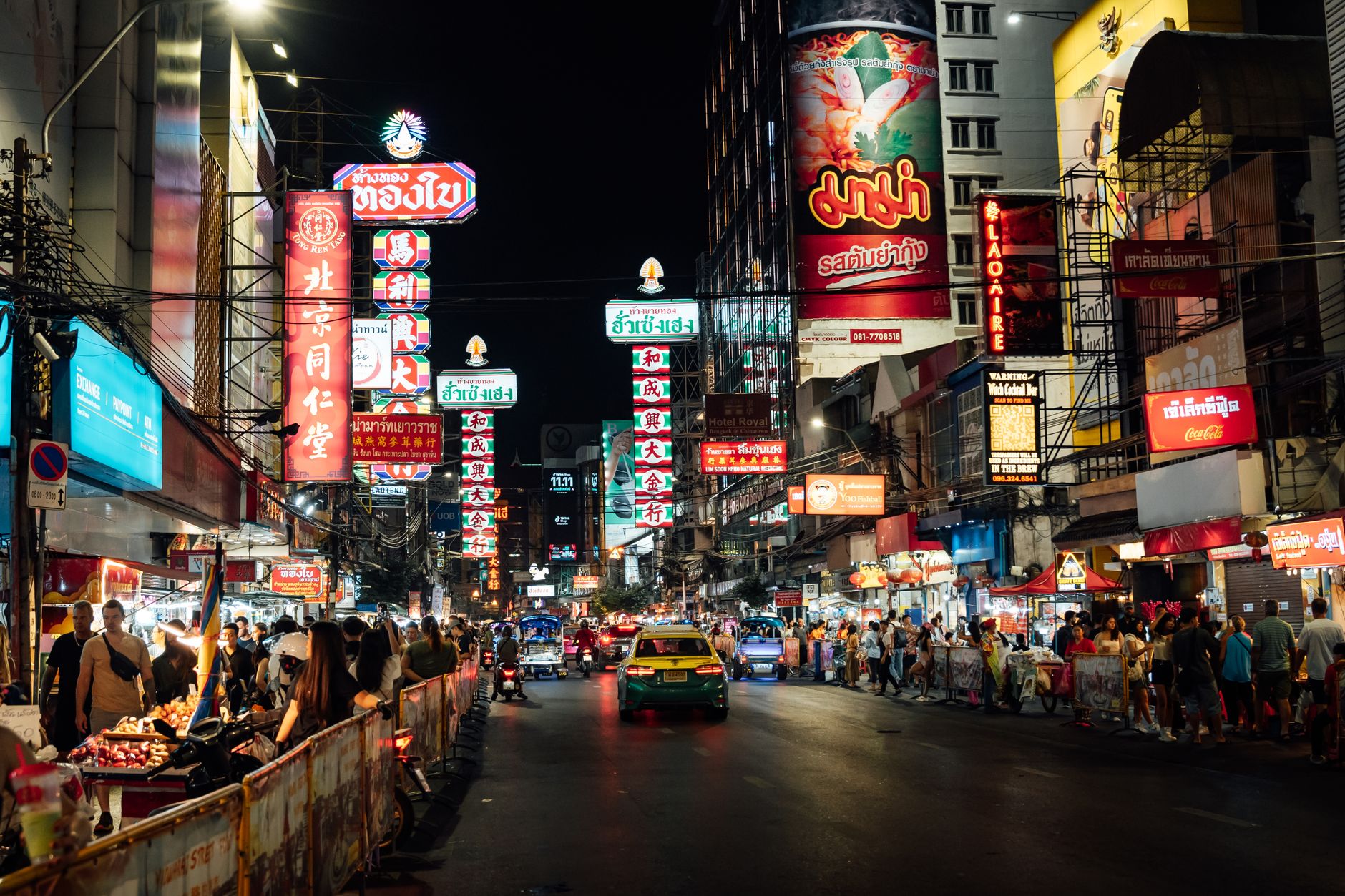
Morning: Explore Chinatown (Yaowarat). Start early near Odeon Circle and walk Yaowarat Road for dim sum, fresh seafood and Chinese-Thai snacks; expect heavy foot traffic and intense flavours. Stop at Sampeng Lane (Soi Wanit 1) for wholesale markets and narrow-alleys shopping — access from Hua Lamphong MRT or Ratchawong Pier via boat.
Late morning: Cross by foot or short taxi ride to the east side of the river and take the Khlong Saen Saep Express Boat from Ratchawat or Krung Thon Buri to Victory Monument for cheap boat noodles (about 10–20 THB per bowl) and a local commuter flavour; the boat is very crowded during rush hours.
Lunch: Try Victory Monument’s boat noodle alley or a Yaowarat seafood stall for a heavier meal (150–500 THB depending on venue). Afternoon: Visit Museum of Siam or Bangkok National Museum for context, or head to Chinatown’s Talat Noi for street art and heritage houses; travel by MRT to Sanam Chai or Hua Lamphong and walk where possible.
Evening: Return to Sukhumvit for dinner in Thonglor or Ekkamai where small restaurants and craft bars cluster. For nightlife, try a casual jazz bar or rooftop lounge; plan for higher prices in these neighbourhoods.
Day 3
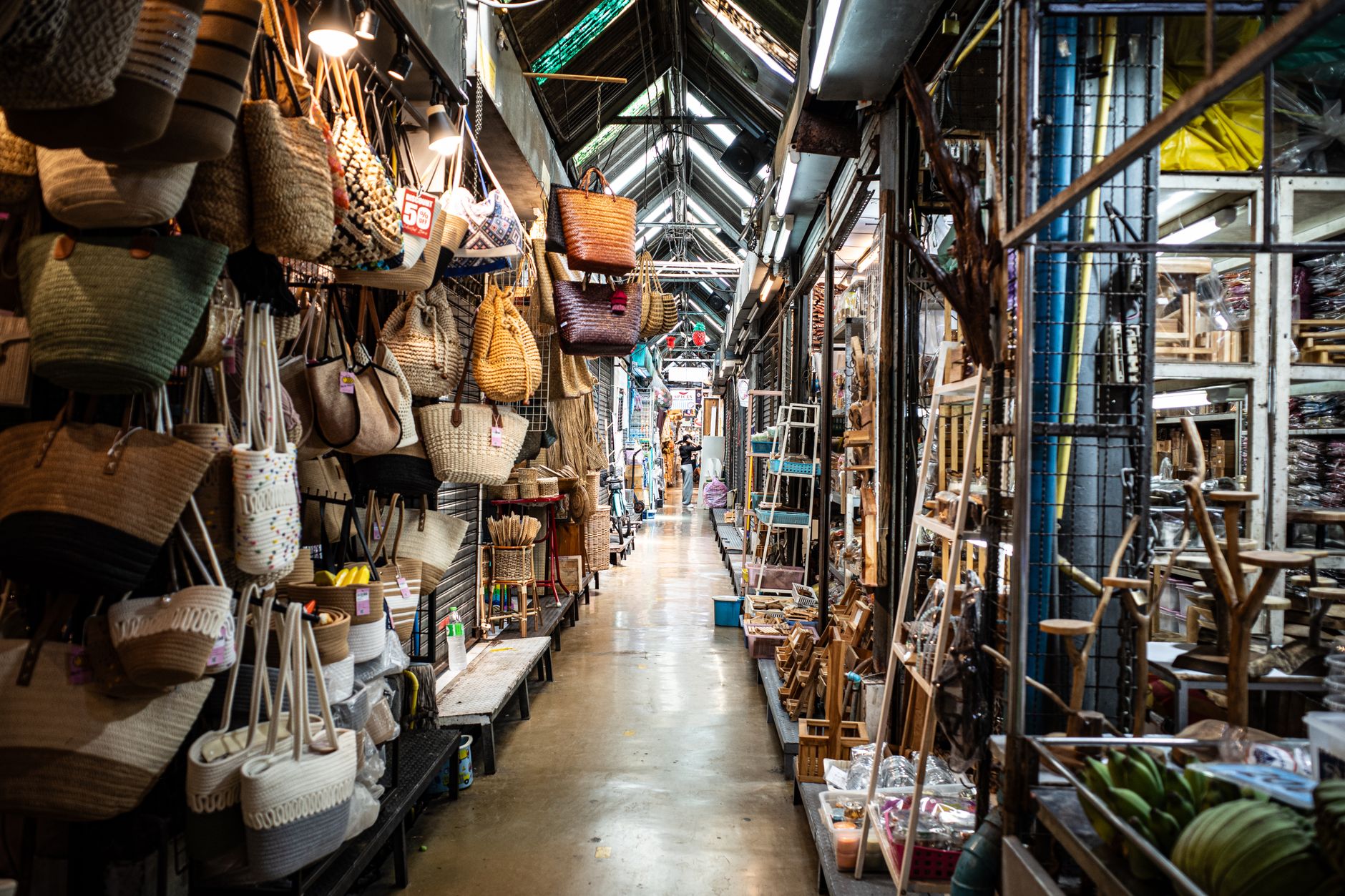
Morning: Visit Chatuchak Weekend Market if it’s a Saturday or Sunday (09:00–18:00); access by MRT Kamphaeng Phet or BTS Mo Chit. Allocate at least 2–3 hours for browsing clothing, ceramics and street food; carry cash and water and plan meeting points if in a group.
If not weekend: use morning for Lumpini Park and a walk through Silom or to visit Erawan Shrine and nearby shopping at CentralWorld or Gaysorn; these are connected by BTS Chidlom or Siam stations. From a central station, take the MRT to Phaya Thai and catch the Airport Rail Link if a traveller needs to head to the airport.
Lunch: Have a last lunch at a favourite local place — suggestions include Thip Samai for pad thai (if open) or a modern food court like Terminal 21’s Pier 21 for cheap local dishes (60–150 THB). Practical checkout note: many hotels will hold luggage after checkout; plan a late checkout or luggage storage if catching an evening flight.
Afternoon departure options: If an afternoon flight requires leaving early, use the Airport Rail Link from Phaya Thai or a metered taxi from Sukhumvit/Silom; budget 45–60 minutes via ARL and 45+ minutes by taxi depending on traffic. Final evening: if time allows, a brief river cruise or a last street-food crawl on Sukhumvit Soi 38 provides an easy end.
Best Local Experiences
Night markets and street food circuits: Yaowarat for seafood and sweets; Ratchada Train Night Market (Talad Rot Fai Ratchada) for late-night stalls and bars. Weekend market culture: Chatuchak for everything from antiques to plants and JJ Green for vintage items (weekend evenings). River commuting: use the Chao Phraya Express Boat from Sathorn (Saphan Taksin) to Tha Chang for efficient sightseeing and local transport.
Canal rides: Khlong Saen Saep Express Boat gives a fast east–west route through inner districts and costs under 20 THB per short hop. Temple rituals: morning alms at Wat Saket or early visits to Wat Pho for quieter experience and authentic monks’ chants. Cooking classes: half-day classes in old-town neighborhoods (prices around 900–1500 THB) teach market shopping and a handful of dishes.
Other organised events: weekend Muay Thai matches at Rajadamnern Stadium or Lumpinee offer a raw sporting experience; tickets vary widely so buy in advance for ringside seats.

Where to Stay
Old City (Rattanakosin/Khao San): Suits temple-focused travellers and backpackers who want quick access to Grand Palace and Wat Pho. Expect guesthouses from 500–1,500 THB/night (≈14–43 EUR/USD) and mid-range heritage hotels 2,000–4,000 THB (≈55–110 EUR/USD).
Sukhumvit (Asok, Thonglor, Ekkamai): Best for nightlife, restaurants and BTS access; good for mid-range and luxury travellers. Budget 1,000–3,000 THB/night for mid-range (≈28–83 EUR/USD) and 4,000+ THB for higher-end properties. Easy access to BTS Sukhumvit Line and many dining options.
Silom/Sathorn: Suits business travellers and those who want a balance between nightlife, Lumpini Park and river access via Saphan Taksin. Mid-range hotels commonly 1,200–3,500 THB/night (≈33–97 EUR/USD); high-end riverside hotels rise substantially. Choose near Sala Daeng or Saphan Taksin depending on priority for shopping vs river piers.
Food and Drink
Pad Thai: Stir-fried rice noodles with tamarind sauce, shrimp or tofu and crushed peanuts. Classic places: Thip Samai (Old City) or Pad Thai Mae Am for different price points — expect 60–200 THB per plate. Tom Yum Goong: Spicy-sour prawn soup with lemongrass and galangal available at mid-range restaurants and street stalls; expect 120–350 THB in a local eatery.
Boat noodles (Kuay Tiew Ruea): Small bowls served at Victory Monument or by canals; multiple bowls are common and each costs 10–30 THB. Mango sticky rice (Khao Niew Mamuang): Fresh mango with coconut milk and sticky rice—Mae Varee in Thonglor or street stalls in Siam for 60–120 THB. Jok (rice porridge): A common breakfast option — smooth rice porridge often topped with minced pork and egg, available at street stalls near Hua Lamphong, priced about 30–60 THB.
Drinks: Cha Yen (Thai iced tea) is a sweet, orange tea sold at street vendors for 20–40 THB; local beers like Singha or Chang cost 70–120 THB at bars. For a special dinner, a riverside seafood restaurant or a noted chef-driven spot will cost 800–2,500 THB per person.
Getting Around
Rail: BTS Skytrain (Sukhumvit Line and Silom Line) and MRT Blue Line cover central corridors; use BTS for north-south Sukhumvit–Siam flows and MRT for many east-west connections and to Chatuchak (MRT Kamphaeng Phet). Airport Rail Link (ARL) connects Suvarnabhumi to Phaya Thai. Expect single BTS or MRT fares from roughly 16–59 THB and MRT tokens starting about 16 THB.
River and canals: Chao Phraya Express Boat (flagged system, 15–40 THB) links many tourist piers; Khlong Saen Saep Express Boat is a cheap east–west canal route (about 8–20 THB). Taxis: Meter starts at 35 THB; airport taxi to central areas typically 300–500 THB plus 50 THB airport surcharge and tolls. Use Grab for app-based metered fares when available.
Passes and apps: Buy a Rabbit Card for BTS stored value and use it for convenience; purchase BTS One-Day Pass (about 140 THB) for unlimited Skytrain travel. Recommended apps: Grab (taxis), Google Maps or Moovit for transit routing and transit timetable checks.
Best Time to Visit
Cool season (November–February): Temperatures 22–32°C with lower humidity and highest tourist numbers; expect faster walking conditions but higher prices and busy attractions. Hot season (March–May): Temperatures 30–38°C and strong sun; midday sightseeing becomes tiring and indoor stops (malls, museums) are useful to break heat.
Monsoon season (June–October): Frequent heavy rains and higher humidity; afternoon storms can be intense but short and prices for accommodation are typically lower. November and December offer the best balance of manageable weather and festival activity (Loy Krathong in November), while April’s Songkran can be fun but disruptive for temple visits.
For best value without extreme rain, consider late October or November shoulder months when hotels drop rates slightly before peak season.
Budget and Practical Tips
Daily budget (per person, mid-range): Accommodation 1,200–3,000 THB (≈33–83 EUR/USD), food 500–1,000 THB (≈14–28 EUR/USD), transport 150–400 THB (≈4–11 EUR/USD), entry fees 300–800 THB (≈8–22 EUR/USD). A frugal traveller can aim for 800–1,500 THB/day; a comfortable mid-range traveller should budget 2,500–5,000 THB/day.
Tipping: Not mandatory but rounding up small bills at cafes or leaving 20–50 THB for good table service is common. For taxis, use the meter and round up; hotel porters typically receive 20–50 THB per bag.
Money and safety: Use ATMs in malls or banks and avoid street ATM machines at night; counterfeit notes can circulate—check larger bills for the security strip. Keep a photocopy or photo of passport and immigration card when out; petty theft is the main safety concern, especially on crowded market streets.
FAQ
Is Bangkok safe for solo travellers?
Generally yes for daytime sightseeing; exercise usual caution in crowded markets and at night—watch belongings, avoid poorly lit alleys and use trusted transport apps.
How do I get from Suvarnabhumi Airport to the city center cheaply?
Use the Airport Rail Link to Phaya Thai (about 45 THB) then switch to BTS or MRT for efficient travel; taxis cost more and take longer in rush hours.
Is a city pass worth buying?
No single city pass covers Bangkok’s spread efficiently; day passes for BTS (about 140 THB) make sense when using Skytrain heavily, but separate temple fees and boat fares still apply.
Are tuk-tuks cheap and recommended for sightseeing?
Tuk-tuks can be expensive and are often used for short novelty rides; always agree a price first and beware of drivers offering multi-stop 'sightseeing' that ends at commission-driven shops.
Are cards accepted widely?
Cards are common in malls, nicer restaurants and hotels; carry cash for markets, street food and small vendors. ATMs are widely available in malls and stations.
Can I drink tap water?
Tap water is not recommended for drinking; use bottled or filtered water and ask for sealed bottles if buying from small shops.
How much time do the main temples take?
Grand Palace 2–3 hours with lines, Wat Pho 1–1.5 hours, Wat Arun 45–60 minutes; factor in transit and queues between sites.
Is bargaining acceptable at markets?
Bargaining is common at Chatuchak and street markets for non-food items; start 30–50% below the asking price for new items and be prepared to walk away.
Conclusion
A focused 72-hour plan delivers the major temple circuit, a Chinatown food crawl, a market experience and a taste of modern neighbourhood dining if transit choices prioritise river and rail. The most lasting memory for many travellers is the contrast between noisy streets and quiet temple courtyards reached by short boat hops.
If time becomes tight, prioritise the Grand Palace and Wat Pho in the morning and an evening food tour in Yaowarat — those two blocks of time capture the city’s core visual and culinary identity more efficiently than trying to force in every museum or night market.
How this guide was prepared
This guide was prepared through a structured research that combines destination research, geographic context, itinerary planning logic, and content review.