
Three Days in Miami Beach: A Practical 72‑Hour Guide
A practical 3-day Miami Beach guide with walking times, transit tips, neighbourhood food picks, prices and what to skip to save time.
A hard-nosed 72-hour plan for seeing architecture, beaches, and local food without wasting time on long lines or overpriced tourist traps.
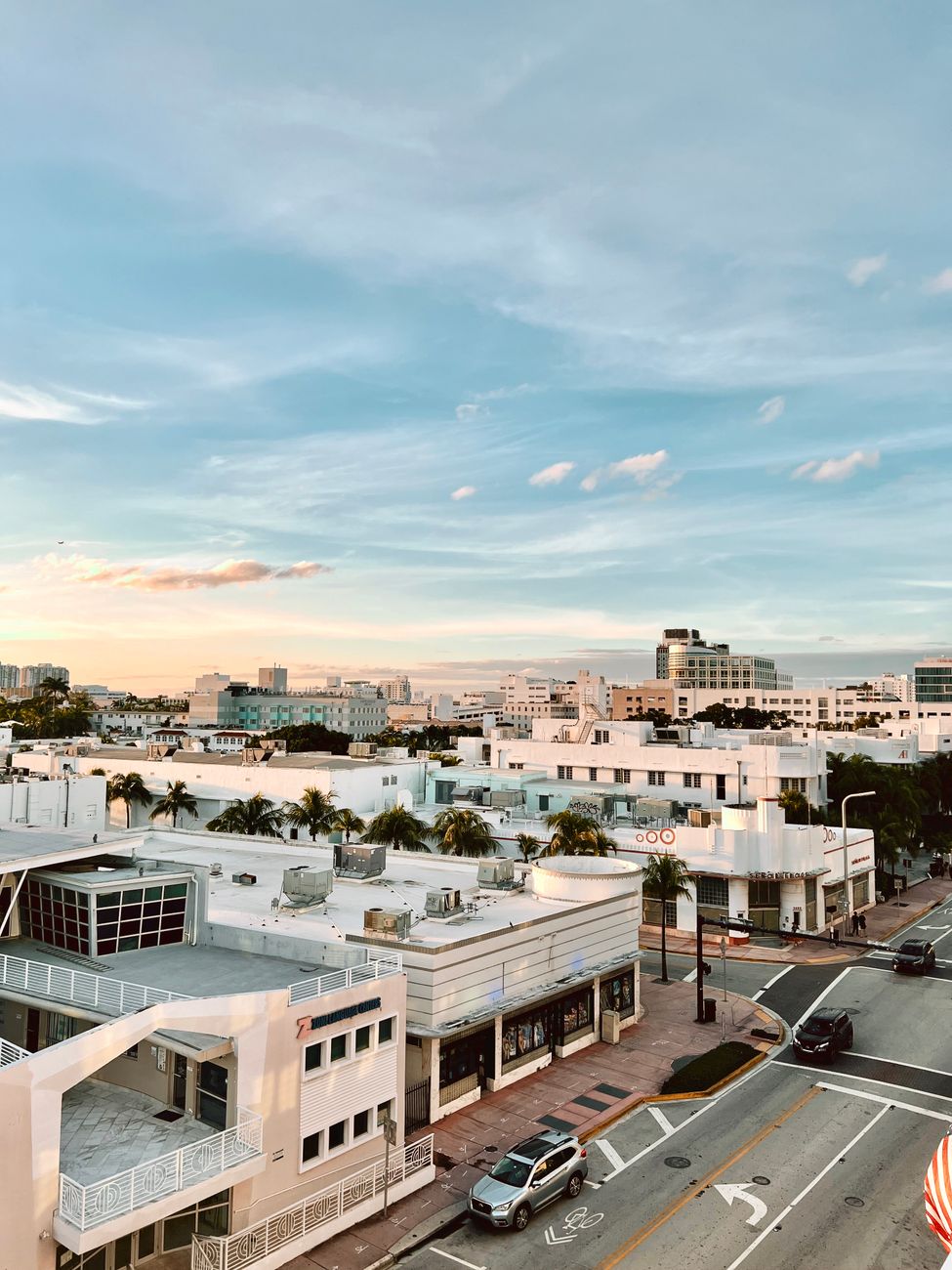
First impressions are neon, sand underfoot and a layered city where hotels, houses and parks sit side by side. The mood changes fast between South Beach nightlife, quieter Mid-Beach hotels and the long residential blocks of North Beach. Expect loud music and street activity after sunset in parts of South Beach and considerably calmer streets a few blocks north.
Many travel pieces treat the area as only a party strip and skip its architectural history, municipal parks and neighborhood markets. Those are worth time: the Art Deco plaques tell a compact story across a small, walkable grid and new public art sits next to century-old hotels.
This place suits short stays where time is split between beach time, a few paid attractions and evenings out. It is less good for long museum crawls — several major cultural institutions are in Miami proper rather than on the barrier island.
Is 3 days in Miami Beach enough?
Three days gives a solid introduction: Art Deco and South Beach on day one, Mid- and North-Beach calmer zones on day two, and a mix of parks, a boat option or museum on day three. Expect to skip in-depth visits to every museum or a day trip to the Everglades without adding extra time.
Who This Guide Is For
Best for travellers on a short, mid-price or moderately splurgey budget who want beaches, architecture, and nightlife in one trip. Less suitable for those wanting quiet, off-beach nature or a strictly cultural museum marathon.
Local Tips for Miami Beach
Practical details that most travel sites skip — specific to Miami Beach.
- Buy an Easy Card (reloadable) at Metrorail stations or online; it works on Miami-Dade Transit buses that serve the beach — base fare is $2.25 per ride and transfers are included for two hours.
- From Miami International Airport take the Route 150 Airport Flyer to Collins Avenue for a $2.25 fare with an Easy Card, but budget 45–60 minutes with traffic; an Uber/Lyft typically runs $30–$45 to South Beach off-peak.
- Use the free Miami Beach Trolley loops (look for color-coded stops on Collins Ave and Washington Ave) for short hops between North Beach, Mid-Beach and South Beach instead of paying for short Uber trips.
- Street parking on Collins Ave and Washington Ave is metered at about $3–4 per hour; pay with the ParkMobile app to avoid a ticket — garages like 17th Street generally run $2–4 per hour.
- Joe's Stone Crab follows the local stone-crab season (roughly October–May); expect market-price claw dishes often $40–75 per plate during season, and the restaurant can have long waits without a reservation.
How This Guide Was Prepared
This guide treats Miami Beach as a set of neighbourhoods rather than a single resort strip. Most guides focus only on South Beach nightlife and Ocean Drive; this one balances Art Deco, public parks, mid-beach resorts, and local markets with realistic transit and cost details. It warns about parking, seasonal crowds, and the limits of public transit so time isn't lost on logistics. This guide was prepared through a structured research that combines destination research, geographic context, itinerary planning logic, and content review.
Plan Your Stay in Miami Beach
Use these planning pages to compare areas to stay, expected costs, seasonal timing, and local transport before booking.
Why Visit
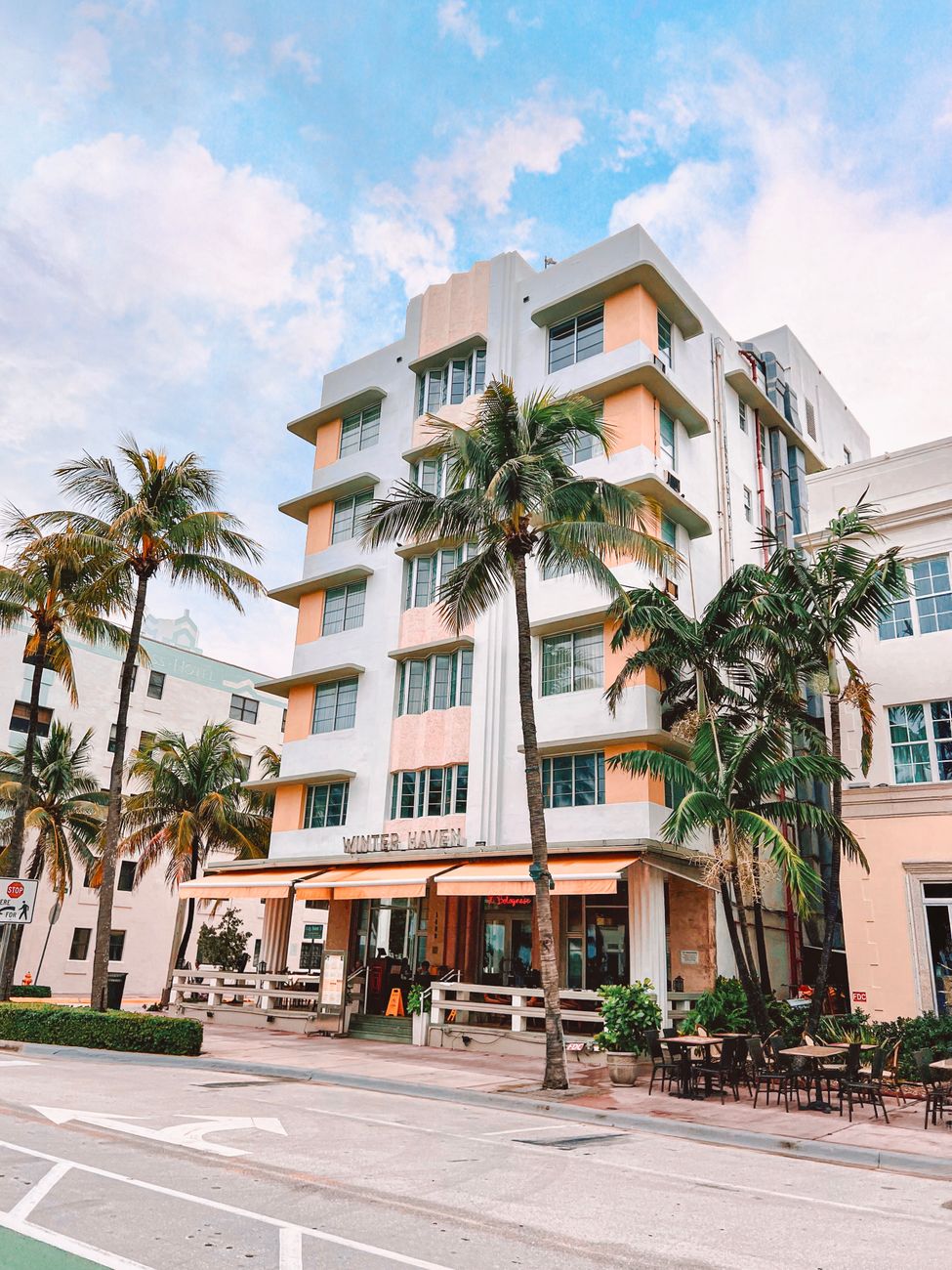
Architecture: the Art Deco Historic District contains hundreds of restored 1920s–1940s hotels with distinctive neon and pastel facades; guided tours are short and focused. Beaches and parks: beaches along Collins Avenue and the Miami Beach Boardwalk offer good sand, lifeguards and, at South Pointe Park, a compact waterfront with views of Fisher Island and cruise ships.
Food scene: a mix of classic seafood houses like Joe's Stone Crab, Cuban cafes and casual sandwich spots such as La Sandwicherie. Nightlife and events: clubs on Ocean Drive and venues such as Fillmore Miami Beach host concerts and late-night options.
Convenience: distances are short and most visitors can walk or use the free trolley between major areas, making three-day itineraries manageable without a car.
Quick Planning Tips
Arrive: the fastest airport option is rideshare or taxi from Miami International Airport; budget 20–40 minutes to South Beach off-peak and $30–$45. A cheaper, slower option is the Route 150 Airport Flyer bus to Collins Avenue for $2.25 with an Easy Card; expect 45–60 minutes with traffic.
Money and payment: most places accept cards, but use ParkMobile for street parking and carry small cash for carts or tips. Avoid a common mistake: planning to drive everywhere — parking fees and valet add up quickly and can erase any perceived convenience.
Timing: book Art Deco tours and any evening restaurant reservations in advance if visiting during December–March or during Art Basel week, when capacity and prices spike.
Day 1
Morning: Start at the Art Deco Welcome Center on Ocean Drive (walking tours and maps available; guided tours around $30). The strip from 5th Street to 15th Street hosts the densest concentration of Deco façades. Walk time from the Welcome Center to Lummus Park is under 5 minutes.
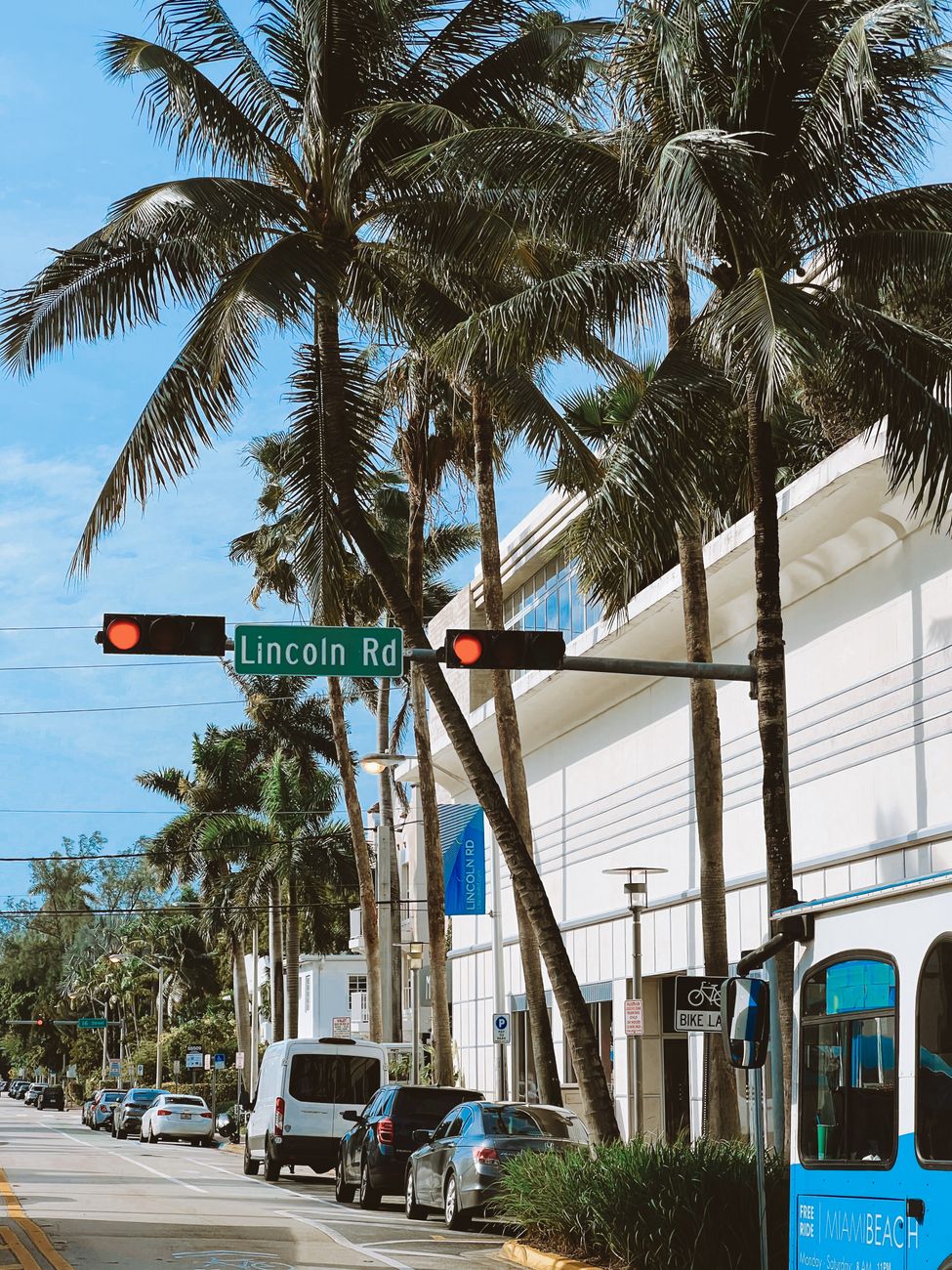
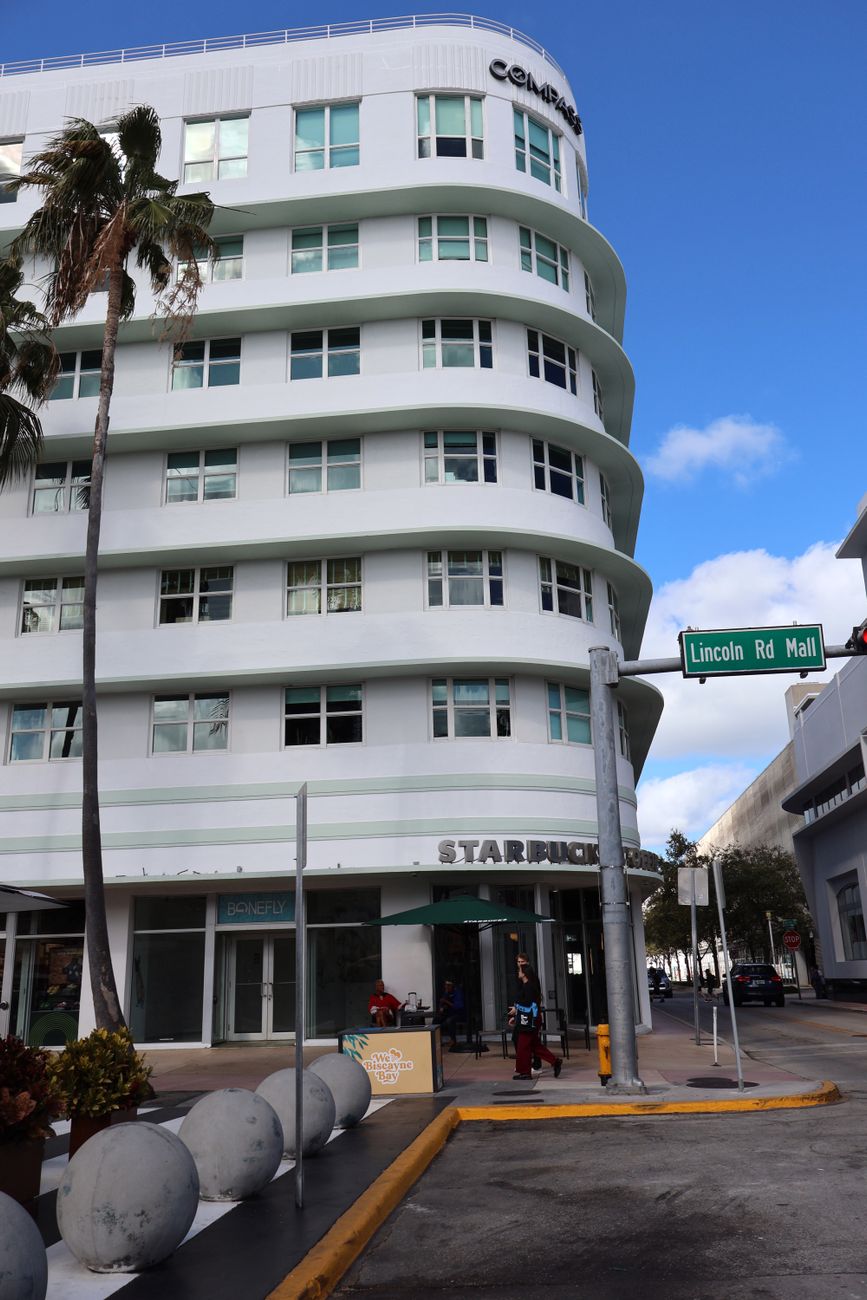
Late morning: Stroll north along the Miami Beach Boardwalk from Lummus Park toward 14th Street for ocean views and benches, then detour inland to Lincoln Road Mall for people-watching and shops; expect a 15–20 minute walk from Lummus Park to the center of Lincoln Road.
Lunch: Eat at La Sandwicherie (14th Street and Collins Ave) for a quick French-style sandwich and fresh greens for about $8–$14. After lunch, visit the Holocaust Memorial on Meridian Avenue (a 10-minute walk from Lincoln Road) and allow 30–45 minutes.
Afternoon: Head to the Bass Museum of Art on Collins Park (approximately 10 minutes on foot from Lincoln Road). Admission is generally about $10–$15. From the Bass, walk east toward the beach and relax at the lifeguarded stretch near 8th Street.
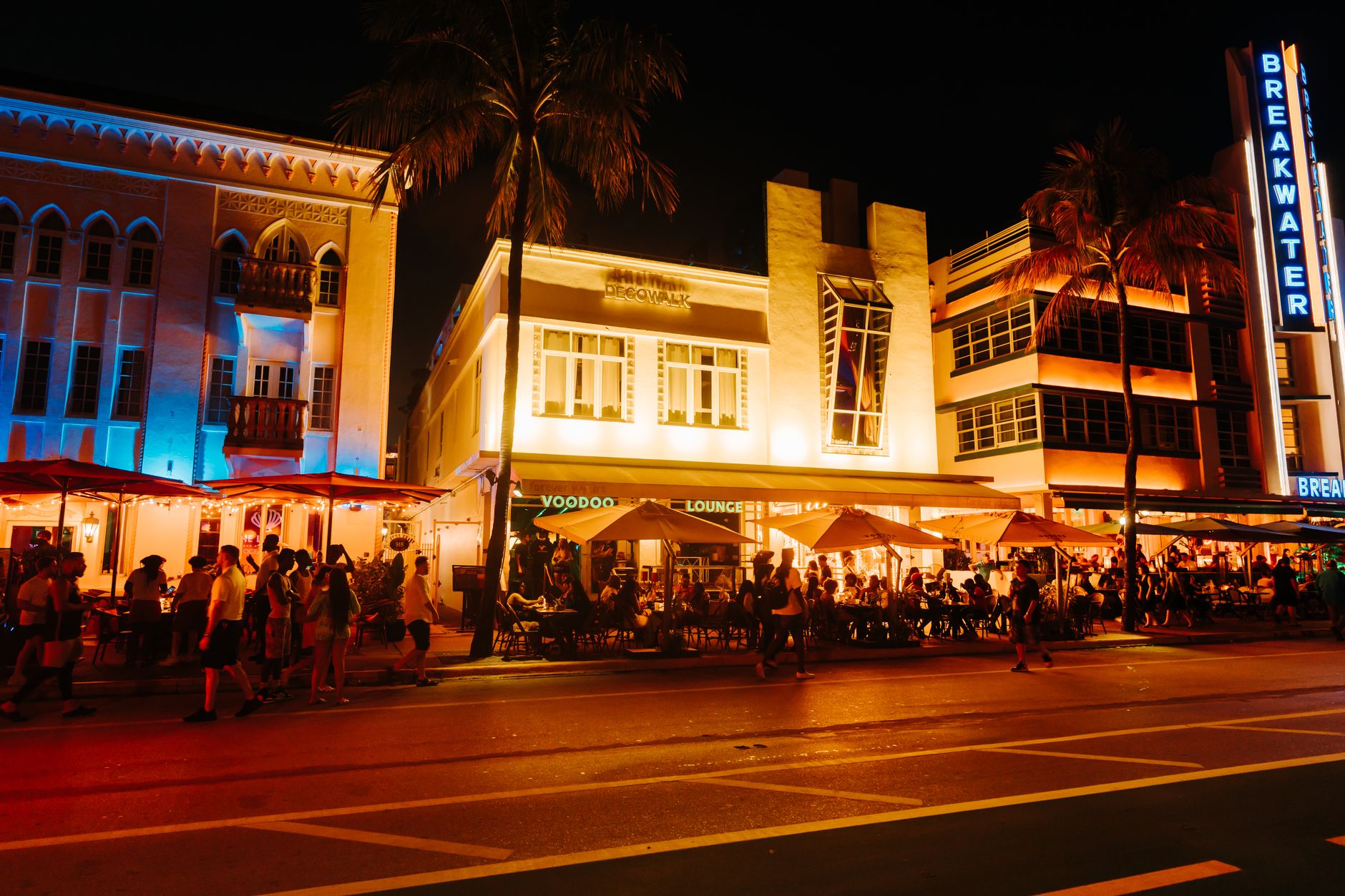
Evening: Dinner at Joe's Stone Crab is a classic choice when in season — reserve well in advance. After dinner, take a short walk south to South Pointe Park for sunset and city views, or sample a few bars on Collins Avenue if nightlife is desired.
Day 2
Morning: Head north to Mid-Beach and visit the Faena District (art installations and the Faena Forum). Travel time from South Beach to Mid-Beach is about 10–20 minutes by local bus or 10–15 minutes by trolley depending on route. Walk the sands near 41st Street for a calmer beach experience and fewer vendors.
Late morning: Check out the Miami Beach Botanical Garden and the nearby New World Center at 500 17th Street for small concerts or the SoundScape wallcast program; both are compact visits of 30–60 minutes. A bus or a 10–20 minute walk connects these sites from Mid-Beach.
Lunch: Try a casual spot in Sunset Harbour, such as Pura Vida or local cafés, where salads and bowls run $12–$20. Sunset Harbour is a short bus or scooter ride from the Faena area and is known for more neighborhood-style eateries.
Afternoon: Explore North Beach for a contrast: the residential blocks around 63rd Street and the Normandy Shores area are quieter, with local bakeries and beaches less crowded. Transit from Mid-Beach to North Beach is typically 15–25 minutes by bus or trolley.
Evening: Dinner in North Beach can be simple and local — look for small Cuban or Italian restaurants along Collins Avenue. For an alternative evening, return to South Beach for a concert at Fillmore Miami Beach or a film screening at the New World Center.
Day 3
Morning: Start at South Pointe Park for early light and views of Fisher Island; arrive 30–45 minutes before mid-morning to avoid heavier crowds. Walk the park, then continue along the Boardwalk heading north for a relaxed beachfront stroll toward 5th Street.
Late morning: Rent a bike from a local rental near Lincoln Road or from Citi Bike stations to cover more ground quickly; a 90-minute ride along the boardwalk to 23rd Street is a good loop. Biking reduces transit time between beaches and neighbourhoods.
Lunch: For a waterfront lunch, eat near South Pointe Marina where casual seafood and fish tacos cost $12–$25. After lunch, consider a 60–90 minute boat tour or a private small-boat rental from the marina for a view of Millionaire's Row and the skyline; tours run about $30–$60 per person depending on group size.
Afternoon: If departing later in the day, allow 1–1.5 hours to return to the hotel, collect luggage and travel to the airport. For an early afternoon flight, skip longer tours and head inland by taxi or rideshare — MIA is typically 20–40 minutes depending on traffic.
Evening: If staying the night, use the final evening to visit any missed spots: a quieter dinner in Sunset Harbour or a final walk on Ocean Drive. If catching a late flight, plan rideshares with buffer time for evening traffic.
Best Local Experiences
Lincoln Road Farmers Market: a Sunday market selling produce, pastries and street food near 16th Street; best for breakfast snacks and local vendors. Art Deco Weekend: held each January by the Miami Design Preservation League with guided tours, exhibits and street programming; book early.
South Beach Wine & Food Festival (SOBEWFF): an annual February event with big-ticket tastings and chef appearances — crowds and prices spike then. Miami Beach Pride: usually held in April with a parade and neighborhood parties concentrated around Washington Ave and Collins Ave.
New World Symphony SoundScape and Wallcast: free outdoor film and concert screenings projected on the New World Center wall; check the schedule for free evening events. Española Way: the small historic street between 14th and 15th Streets offers courtyard dining and late-night music.
Where to Stay
South Beach (SoFi and central South Beach): suits first-time visitors who want immediate access to Ocean Drive, Lummus Park and nightlife. Expect nightly rates roughly $180–$400 USD (160–360 EUR) depending on season; boutique hotels and large resorts both appear here.
Mid-Beach (between 23rd and 63rd streets): suits travellers who want quieter mornings with easy access to Faena and mid-island beaches. Nightly rates are typically $150–$350 USD (135–315 EUR) with several resort-style properties along Collins Avenue.
North Beach and Normandy Isle: suits budget-conscious travellers and those wanting a more residential feel and calmer beaches. Expect smaller hotels and rentals at roughly $90–$180 USD (80–160 EUR) per night. This area has fewer nightlife options but easier street parking and lower rates.
Food and Drink
Cuban cafecito / cortadito: strong espresso served from local Cuban cafés like Puerto Sagua; price around $2–$4. Cuban sandwich: pressed pork, ham, Swiss cheese and pickles on Cuban bread — try local diners for $8–$15.
Stone crab: seasonal specialty (October–May) best known at Joe's Stone Crab; expect $40–$75 per plate depending on market price. Key lime pie: a citrus dessert available across bakeries and restaurants; typical slice $5–$9.
La Sandwicherie: French-style sandwiches and salads — inexpensive and fast, $8–$14. Big Pink: diner-style portions and casual dinner options, $12–$25 per entree. For cocktails, classic rum-based drinks and mojitos are everywhere; expect $10–$18 at bars along Collins Avenue.
Breakfast option: island cafés on Lincoln Road or Española Way for eggs, fruit and coffee; full breakfast $10–$18. Street food: food trucks and carts near Lincoln Road and the beach serve empanadas, arepas or fish tacos for $4–$12.
Getting Around
Public buses: Miami-Dade Transit operates the Route 120 Beach MAX along Collins Avenue and the Route 150 Airport Flyer to MIA; base fare is $2.25 with the Easy Card or Easy Ticket. Free options: Miami Beach Trolley runs color-coded loops connecting North, Mid and South Beach neighborhoods — find stops on Collins and Washington Avenues.
Rail and regional: Metrorail and Metromover do not reach the barrier island; use Metrorail to connect to downtown Miami then transfer to buses or rideshares for the beach. Regional Tri-Rail connects to Miami but requires a transfer to Metrorail or buses to reach Miami Beach.
Apps and cards: use the Easy Card/Easy Ticket for Miami-Dade buses and the ParkMobile app for metered parking. Rideshare apps Uber and Lyft operate widely; taxis from MIA to South Beach run roughly $35–$60 depending on traffic. Consider Citi Bike for short trips; stations are concentrated around Lincoln Road and Ocean Drive.
Best Time to Visit
Winter (December–February): Peak season with pleasant temperatures around 65–80°F (18–27°C) and high crowds, especially during holidays and Art Basel in early December. Plan and book well in advance.
Spring (March–May): Warm weather 70–85°F (21–29°C) and busy periods like spring break and the South Beach Wine & Food Festival. Expect higher hotel rates in March.
Summer (June–August): Hot and humid 80–95°F (27–35°C) with frequent afternoon thunderstorms and cheaper hotel rates; beware of strong sun and plan indoor afternoons. Hurricane season runs June–November, with the highest risk August–September.
Fall (September–November): Lower prices and thinner crowds, but weather is variable and tropical storms are possible; September often has the best hotel deals if comfortable with the risk of rain.
Budget and Practical Tips
Daily budget example (mid-range traveler): Accommodation $150–$250 USD (135–225 EUR), food $40–$80 USD (36–72 EUR), transport $8–$20 USD (7–18 EUR), entry fees and activities $10–$50 USD (9–45 EUR). Total roughly $210–$400 USD (190–360 EUR) per day depending on choices.
Tipping norms: Restaurants typically expect 15–20% for good service and a small cash tip per drink at bars. Valet services commonly add $5–$10 when retrieving a car; check bills for added resort fees and parking charges.
Practical: Carry sunscreen and a refillable water bottle; many short walks are exposed. Use ParkMobile to pay meters to avoid parking fines. Reserve popular restaurants and tours during December–March and special event weeks to avoid long waits and surge pricing.
FAQ
Is Miami Beach safe for tourists at night?
Most tourist areas are generally safe but show typical city caution: avoid poorly lit side streets late at night, watch personal items on crowded sidewalks, and use rideshares or registered taxis after bars close.
What is the best way to get from MIA to South Beach?
Rideshare or taxi is fastest and most convenient (about 20–40 minutes off-peak, $30–$45). The Route 150 Airport Flyer bus is cheapest at $2.25 with an Easy Card but is slower and affected by traffic.
Is a city card worth buying for three days?
A general Miami pass is rarely cost-effective strictly for Miami Beach unless planning multiple paid attractions and boat tours; choose individual tickets for the Bass Museum, guided Art Deco tours, and a boat tour instead.
Are restaurants open year-round for stone crab?
Stone crab season typically runs October–May; Joe's Stone Crab and other seafood restaurants emphasize claws during that window and prices reflect the market.
Can Metrorail or Metromover be used to reach the beach?
Neither Metrorail nor Metromover reach the barrier island; transfer to Miami-Dade Transit buses or rideshares to cross the MacArthur Causeway or Venetian Causeway.
How much does parking cost near Ocean Drive?
Metered curb parking is about $3–$4 per hour; municipal garages run $2–$4 per hour and apps like ParkMobile are the standard payment method.
Are beaches crowded year-round?
Crowds peak December–March and during spring break; late morning and early afternoon are busiest. For quieter conditions, visit early morning or choose North Beach.
Conclusion
A 72-hour visit leaves a clear memory of Deco façades, ocean mornings and a lively evening scene. Prioritise a guided Art Deco walk, at least one long beach stretch and a meal at a seafood institution during stone-crab season if timing allows. If time runs short, skip an extra museum and use the saved time for the boardwalk and South Pointe Park — those provide a quicker and more reliable sense of what makes the place distinct.
How this guide was prepared
This guide was prepared through a structured research that combines destination research, geographic context, itinerary planning logic, and content review.