
3-Day Auckland Itinerary and Practical Weekend Guide
A concise, honest 3-day Auckland itinerary with transit tips, neighbourhood routes, costs and local hacks to plan a realistic weekend trip.
A practical 72-hour plan for seeing Auckland’s waterfront, volcanic cones, island ferries and food markets without wasting time on tourist fluff.
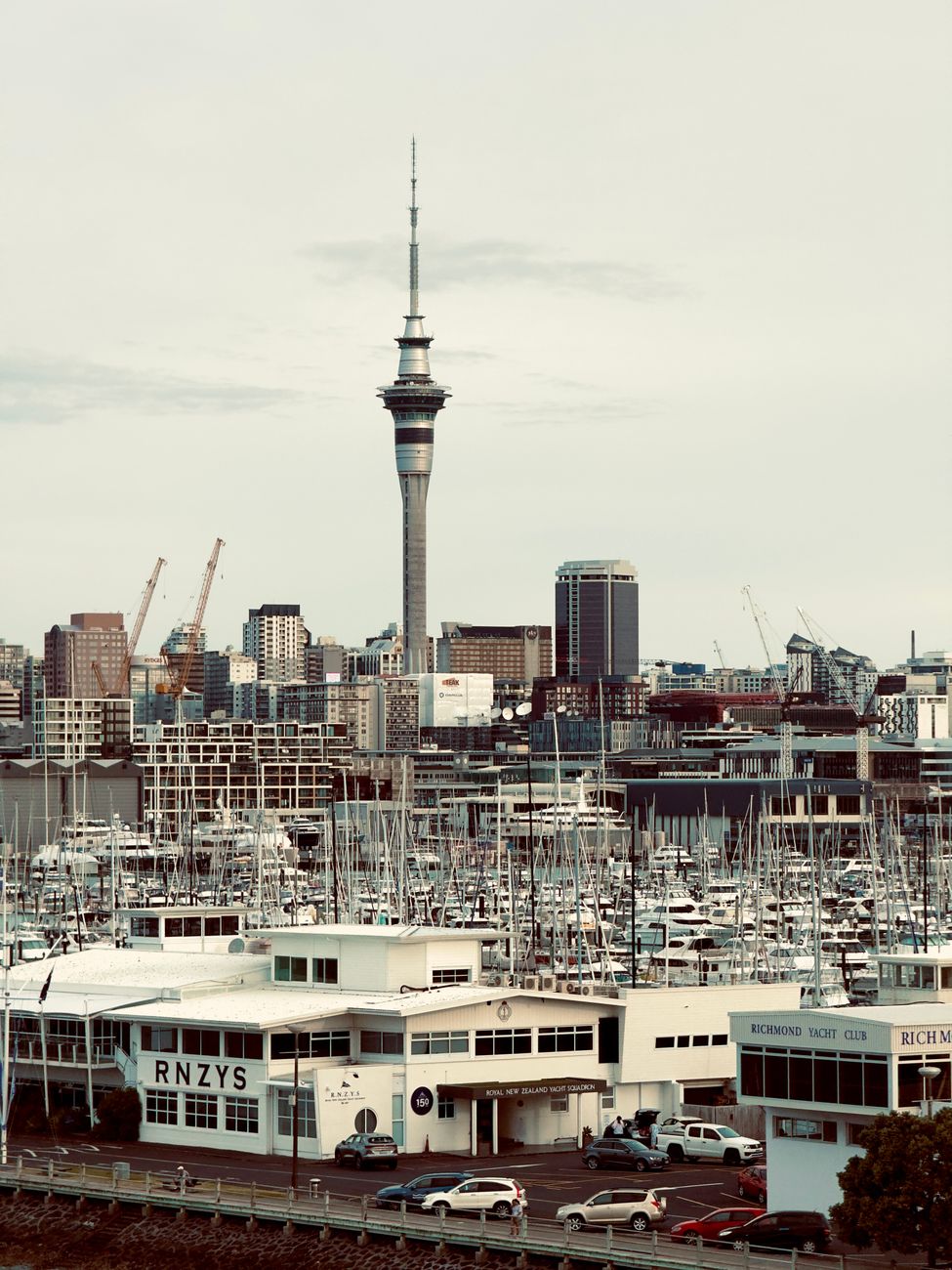
Auckland feels like a collection of peninsulas, harbours and low volcanic cones rather than a single dense downtown. A first impression is water everywhere, ferry terminals, scattered parks and streets that change character quickly as soon as one gets off Queen Street. Crowds concentrate on the Viaduct, Britomart and Sky Tower; away from those areas the city opens into residential suburbs with cafés and boutique shops. The city suits people who enjoy short ferry rides, harbour walks and viewpoints rather than walkers who expect a compact historic core.
Is 3 days in Auckland enough?
Yes—three days will cover central sights, one island or a west-coast beach and a neighbourhood walk up a volcanic cone. Expect to skip slower, longer excursions like Rotorua or an in-depth wine tour of Waiheke unless one day is entirely devoted to that island.
Who This Guide Is For
Best for travelers who want a mix of urban harbourside attractions, a single island trip, and easy walks rather than long drives. Not ideal for those wanting to pack multiple long-distance day trips into one weekend.
Local Tips for Auckland
Practical details that most travel sites skip — specific to Auckland.
- Buy an AT HOP card from a station or many dairies and supermarkets (card costs about NZD 10 to buy) and tag on/off for cheaper fares than cash.
- SkyBus from Auckland Airport to Queen Street runs regularly; expect about NZD 17–19 one-way and luggage space on each bus.
- Ferry operator Fullers runs Devonport services from Downtown Ferry Terminal (about NZD 7–9 one-way) and Waiheke return fares of roughly NZD 40–50 depending on time and service.
- La Cigale French Market in Parnell runs Saturday mornings (roughly 7:00–13:00) and is the most reliable weekend spot for breakfast pastries and produce.
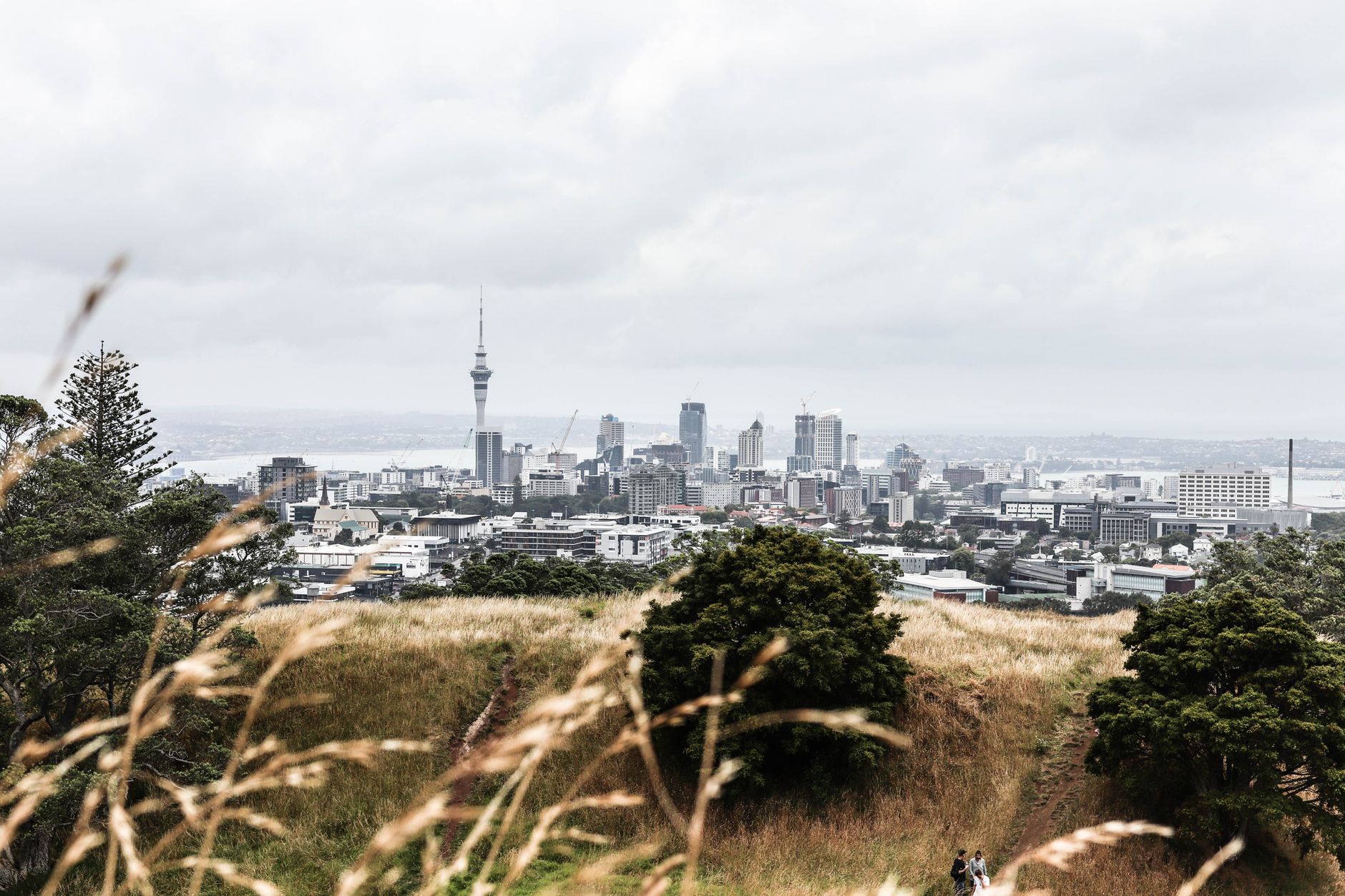
- Mount Eden (Maungawhau) walk to the crater rim takes 20–40 minutes from the top carpark and offers free 360° views; allow 45–60 minutes for walking and photos from central city spots like Queen Street.
How This Guide Was Prepared
Auckland is a coastal, car-shaped city where harbours, volcanic cones and island ferries define what to do and how long it takes. Many guides over-focus on the Sky Tower and miss the practical transit, ferry schedules and neighbourhood rhythms needed to actually move between harbourfront, Devonport and Waiheke in a weekend. This guide was prepared through a structured research that combines destination research, geographic context, itinerary planning logic, and content review.
Plan Your Stay in Auckland
Use this itinerary as your starting point, then compare areas to stay, transport options, seasonal timing, and realistic daily costs before booking.
Why Visit
Harbour access and islands are a real draw—Waiheke and Rangitoto are reachable on day trips from downtown and offer wine, volcanic lava fields and short hikes. The network of volcanic cones like Maungawhau / Mount Eden and One Tree Hill provides quick, free viewpoints that many cities lack. The city’s Pacific and Māori influences are visible in institutions such as Auckland War Memorial Museum and the Toi o Tāmaki gallery, making cultural stops brief but rewarding. Practical advantages include compact ferry and rail links to main sights and a lively food scene around Britomart, Parnell and Wynyard Quarter.
Quick Planning Tips
Best direct transport from Auckland Airport is SkyBus to Queen Street (book online for a small discount) or a taxi for door-to-door service; expect a taxi fare roughly NZD 65–95 to central city depending on traffic. Carry an AT HOP card and top it up to save on most buses, trains and ferries; cash fares are usually more expensive. Avoid assuming Ferries to Waiheke run like city trains—check Fullers timetables and purchase return tickets if possible, especially on summer weekends. One planning mistake to avoid is booking all evening dining in the Viaduct without a backup; service can be slow at peak times and reservations are recommended.
Day 1
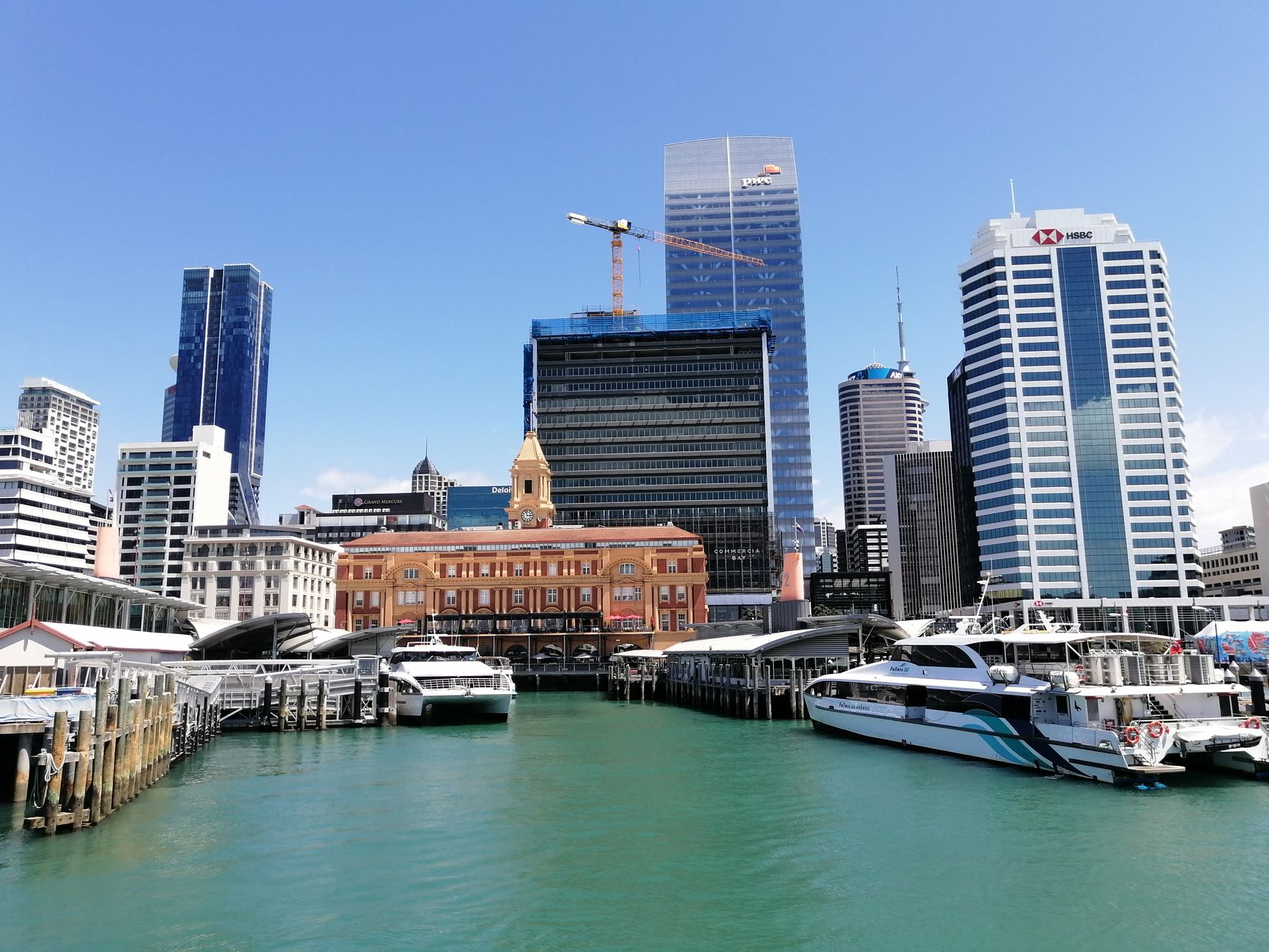
Start at Britomart and Federal Street for coffee and a quick walk around Britomart Station and Commercial Bay; allow 30–45 minutes. Walk 10 minutes to Viaduct Harbour for waterfront views, the yachting piers and lunch options at Fish Market or restaurants at 10–15 minutes’ walking distance. After lunch, head to Auckland Art Gallery Toi o Tāmaki on Kitchener Street—it's about a 12–15 minute walk up from the Viaduct and typically takes 1–1.5 hours to see highlights. From there walk or catch a short bus (route 70 or 75 depending on direction) to Albert Park and Queen Street for a look at central shopping and heritage buildings; walking times from the gallery to Queen Street are 8–12 minutes. Late afternoon, climb Mount Eden (Maungawhau) for sunset views—allow 40–60 minutes from the CBD by bus or taxi. For dinner try Depot Eatery & Oyster Bar in Britomart for casual shellfish and small plates (main plates NZD 20–35). End the night with a skyline view from Sky Tower observation deck or a drink in Viaduct; both are within a 10–15 minute walk from Britomart.

Day 2
Dedicate this day to the harbour and islands. Take a Fullers ferry from the Downtown Ferry Terminal to Devonport (about 12 minutes, NZD 7–9 one-way) and explore Devonport’s shops on Victoria Road and the short climb to North Head for harbour fortifications and views—plan 2–3 hours in total. Return to downtown and catch the Fullers ferry to Waiheke (allow 40–50 minutes each way, fares NZD 40–50 return). Expect at least a half-day on Waiheke for a winery visit—Mudbrick or Cable Bay are popular and a taxi or local bus connects the main wharf to vineyards (allow 20–30 minutes transfer on the island). If preferring Rangitoto, take the Fullers ferry from downtown and allocate 3–5 hours for the volcanic walk and return ferry. Evening options back in the city include dinner in Ponsonby Road for bistro-style menus and bars; Ponsonby is 10–15 minutes by bus or a 30-minute walk from Britomart.
Day 3
Use the morning for one or two smaller stops depending on departure plans. If the flight is in the afternoon, check out the Wynyard Quarter and Auckland Fish Market near the waterfront for breakfast and fresh fish stalls—allow 1–1.5 hours. From Wynyard, walk 10–15 minutes to the Viaduct or catch a short bus to Queen Street to pick up any last-minute shopping. If more time is available, visit the Auckland War Memorial Museum in the Domain (allow 1.5–2 hours) and be mindful that travel from central city is a 15–20 minute bus or cab ride. Practical note for departures: allow at least 90–120 minutes from central city to Auckland Airport for check-in and security on domestic flights; international flights need more time. If luggage storage is needed, check for luggage services at Britomart or airport options rather than relying on cafés to hold bags.
Best Local Experiences
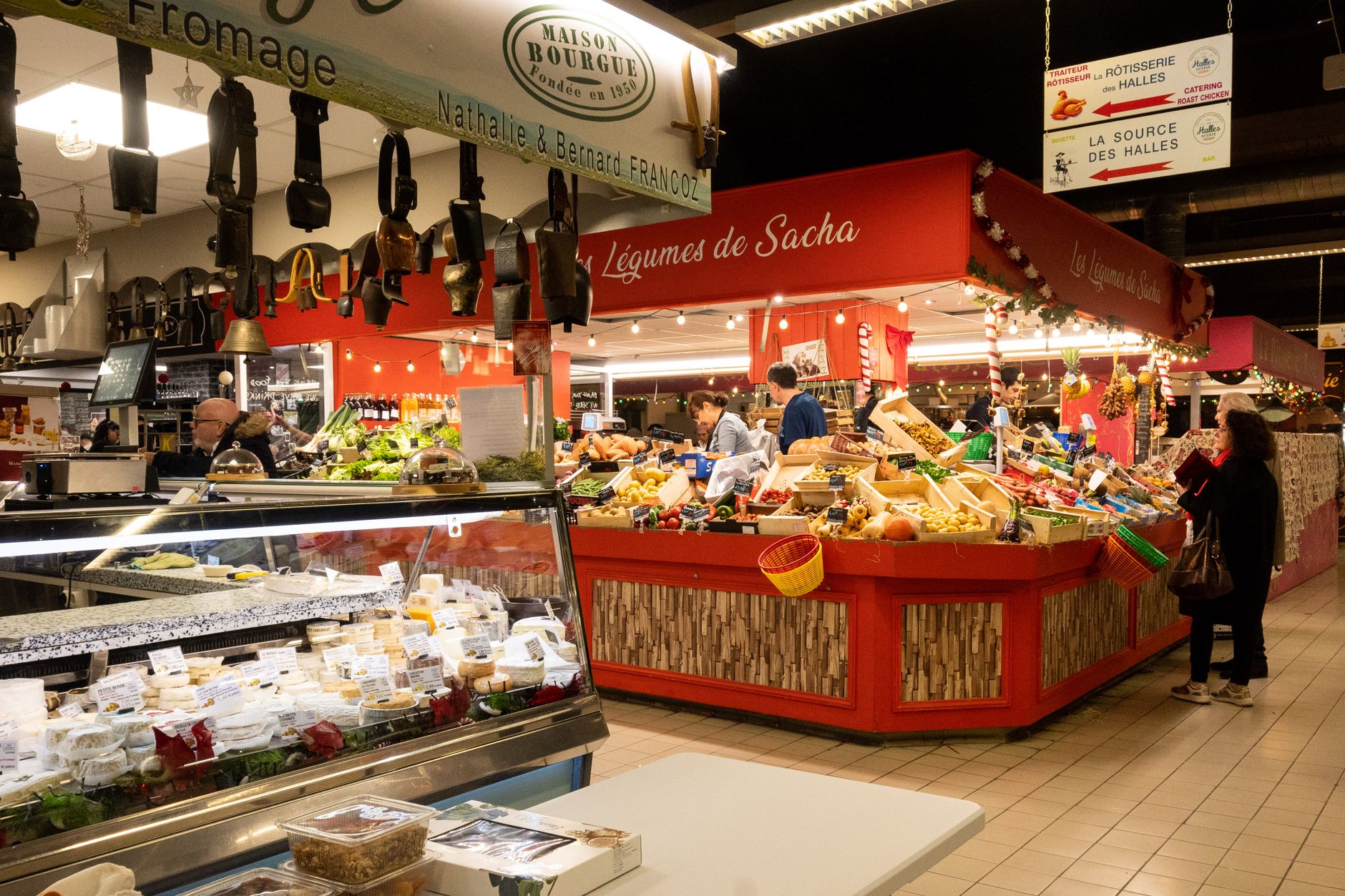
Take a ferry to Waiheke and do one vineyard tasting combined with a coastal walk—Mudbrick, Cable Bay and Stonyridge are common choices. Visit La Cigale French Market in Parnell on Saturday mornings for pastries, bread and small producers. Spend a morning at Ōtara Market on Otahuhu Road for Pacific Island fruit, kai and live music on Sundays. Hike Rangitoto Island from the wharf to the summit cone for a geological landscape and lava fields—plan at least 3–4 hours including boat transfers. Drive or take a shuttle to Piha or Karekare on the west coast for black-sand beaches and short coastal walks; both are a 40–70 minute drive from central city depending on traffic. Each of these experiences highlights different maritime, cultural and geological sides of the region without long travel to other islands or cities.
Where to Stay
Britomart / CBD: Suits visitors who want walkable access to ferries, restaurants and Sky Tower. Expect mid-range hotels from about NZD 160–300 per night (roughly EUR 85–160 / USD 90–175). Ponsonby: Suits diners and nightlife with boutiques and cafés on Ponsonby Road; short bus or taxi to the CBD. Apartment-style hotels and boutique rooms average NZD 150–280 per night (around EUR 80–150 / USD 85–160). Parnell / Newmarket: Suits museum visitors and those wanting quieter, leafy streets near the Domain; easy tram/bus links. Expect B&Bs and small hotels from NZD 140–240 per night (approx EUR 75–130 / USD 75–140). Devonport: Suits a relaxed, small-town feel with quick ferry access to downtown; expect guesthouses and boutique stays NZD 120–200 per night (EUR 65–110 / USD 70–115). Choose based on priorities: harbour access and nightlife in Britomart, food and bars in Ponsonby, quieter streets and galleries in Parnell.
Food and Drink
Flat white: An espresso-based coffee with velvety milk found at almost any good café—try Best Ugly Bagels or a local espresso bar; about NZD 4–5. Fish and chips: Classic takeaway at Auckland Fish Market in Wynyard Quarter or waterfront stands in Devonport; expect NZD 10–18 for a serving. Hāngī: Māori earth-oven dishes of roasted meat and root vegetables—look for community events or cultural performances offering hāngī meals; festival prices vary but expect NZD 20–35. Pavlova: Meringue topped with cream and fresh fruit at bakeries and cafés across the city; NZD 6–10 per slice. Street food: Ōtara Market and Auckland Night Markets serve Pacific-style fried dough, BBQ and dumplings—snack prices typically NZD 3–12. For dinner, Depot Eatery & Oyster Bar in Britomart offers seafood plates and mains around NZD 20–40, while Ponsonby has a range from mid-price bistros to higher-end restaurants.
Getting Around
Public transport uses the AT network with trains (Western Line, Southern Line, Eastern Line, Onehunga Line), buses covering the city, and Fullers ferries for harbour services. Use an AT HOP card for cheaper fares and to tag on/off; buy cards at stations, many dairies or online. Single urban fares with an AT HOP card typically range NZD 2.50–4.50 depending on zones; cash fares are higher. Day passes and weekly options exist for frequent travel; check AT.govt.nz for current caps. SkyBus runs to and from Auckland Airport for about NZD 17–20 one-way and taxis to the CBD cost roughly NZD 65–95 depending on traffic. For real-time journeys, use the AT Mobile app or Google Maps with transit overlay.
Best Time to Visit
Summer (December–February) offers the warmest weather, sea swimming and long days with temperatures around 20–25°C, but expect higher prices and busy ferries on weekends. Shoulder seasons (March–April and September–November) give milder weather around 14–20°C, fewer crowds and better value for accommodation—ideal for walks and island trips. Winter (June–August) is cooler, 8–15°C, with more rain and wind; many outdoor activities are quieter and some boutique wineries have reduced hours. For best value and manageable crowds, target March–April or September–October.
Budget and Practical Tips
Typical daily budget: Budget traveler NZD 80–120 (accommodation NZD 40–70, food NZD 20–40, transport NZD 10–20, entry fees NZD 10–20) which is roughly EUR 40–65 / USD 45–70. Mid-range traveler NZD 180–320 per day (accommodation NZD 140–220, food NZD 30–60, transport NZD 10–30, entries NZD 10–20) about EUR 95–170 / USD 100–175. Expect single-entry fees like Sky Tower observation NZD 30–45 and Auckland War Memorial Museum NZD 20–30 for tourists. Tipping is not mandatory; rounding up and 10% in nicer restaurants for service is appreciated but not required. Carry a small amount of cash for markets and small vendors, though cards are widely accepted.
FAQ
Is Auckland safe for solo travellers?
Generally yes—central areas are safe during daytime; exercise normal caution at night around poorly lit streets and late-night transport hubs.
Is an AT HOP card necessary?
Yes for savings—tagging on/off with an AT HOP card gives lower fares than cash and is accepted on most buses, trains and some ferries.
Is a city pass worth buying?
Only if planning to visit multiple paid attractions like Sky Tower and paid museum exhibits; check Go City Auckland options and total attraction costs before buying.
How long is the ferry to Waiheke?
Fullers ferries take about 40–50 minutes from downtown; some fast services are shorter but cost more—check timetables.
Can public transport get to the airport?
SkyBus is the reliable public coach option to the city; trains do not run directly to the airport and taxis or rideshare are common alternatives.
Is Auckland expensive compared with other NZ cities?
Accommodation and dining in central Auckland are generally more expensive than smaller New Zealand cities; costs for food and transport are comparable to other major Australasian cities.
Are there supermarkets and pharmacies open on Sundays?
Major supermarkets and pharmacies are open in central suburbs, but some smaller shops in residential neighbourhoods may have reduced hours on Sundays.
Is it easy to day-trip to Rotorua from here?
Possible but long—Rotorua is about a 3-hour drive each way, so an overnight stay is preferable to avoid a rushed day.
Conclusion
Three days gives a solid sampler: harbourfront and galleries, one island or a west-coast beach, and a summit or two for views. Most visitors will remember water on multiple sides—short ferry rides and volcanic cones—so prioritise one island or Rangitoto if short on time. If forced to cut one thing, skip a formal museum tour and use that half-day for a ferry and vineyard or a beach trip instead.
How this guide was prepared
This guide was prepared through a structured research that combines destination research, geographic context, itinerary planning logic, and content review.