
Clermont-Ferrand in 3 Days: Practical City Itinerary
Three-day practical itinerary for Clermont-Ferrand with transit steps, Puy de Dôme timing, neighbourhood plans, local dishes.
A clear, neighbourhood-by-neighbourhood 72-hour plan for Clermont-Ferrand that prioritises timing, transit and local food over glossy sightseeing lists.
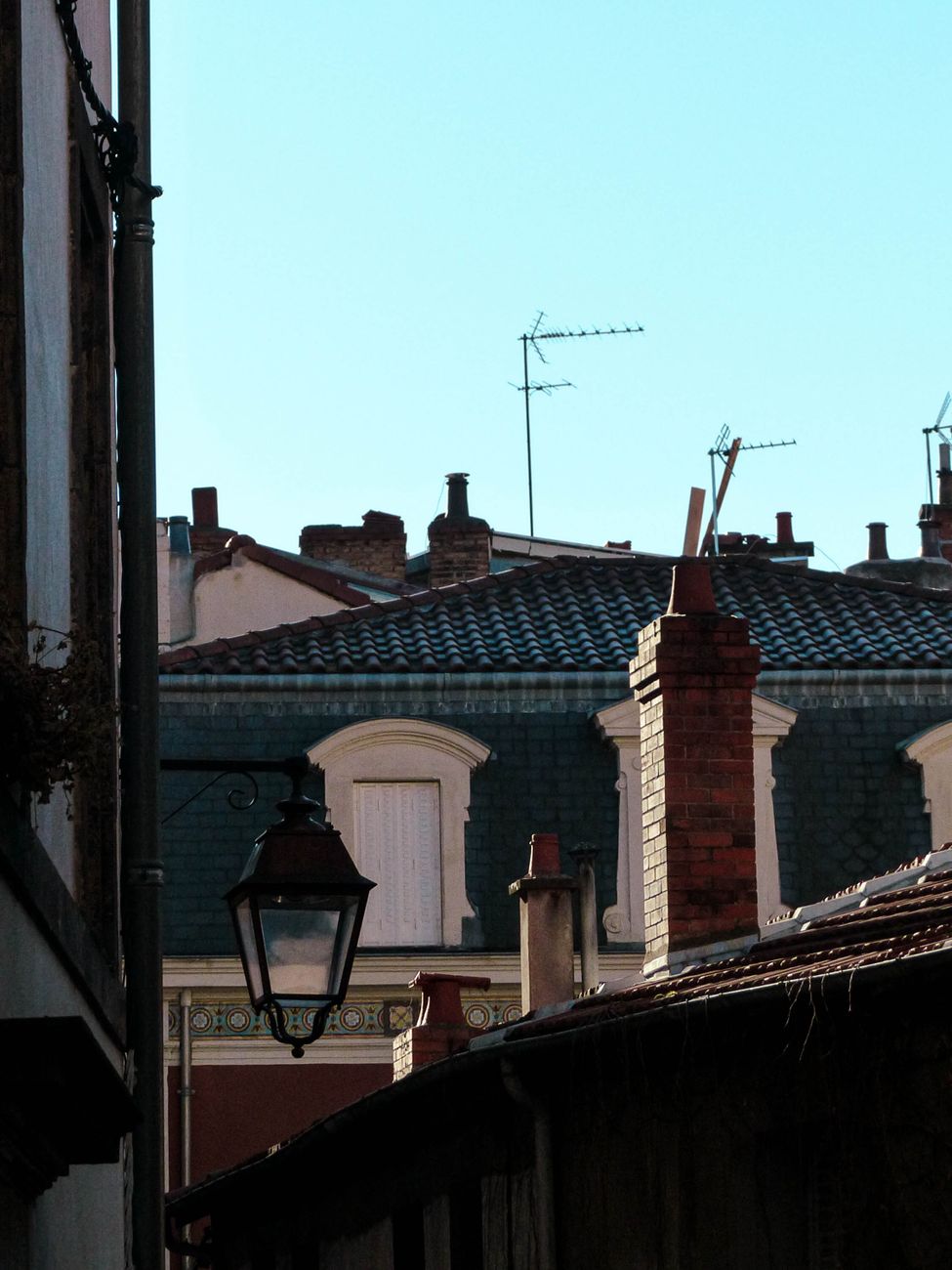
Expect a city whose most visible trait is black volcanic stone architecture—buildings around Place de Jaude and the cathedral have a heavy, dark look that surprises visitors who expect lighter limestone. The pace is that of a regional administrative centre: regular market mornings, school runs, university students clustered in bars, and a steady commuter traffic to nearby industrial towns. Early impressions often split between the cathedral’s visual impact and an urban, working feel rather than tourist gloss.
A typical visitor who likes concentrated history, museums and an easy natural outing will find this place efficient to navigate on foot. Those expecting a resort atmosphere, long pedestrianised promenades or nonstop nightlife may be disappointed. The best approach is to mix the big landmarks with market afternoons and one volcanic landscape visit for balance.
Is 3 days in Clermont-Ferrand enough?
Yes: three days is enough to see the cathedral, the Romanesque Basilique Notre-Dame-du-Port, the Musée Bargoin and a Puy de Dôme visit by the Panoramique train, while leaving time for one neighbourhood and market. Caveat: squeezing in long day trips to both Lyon and Saint-Étienne is unrealistic without cutting museum or market time.
Who This Guide Is For
Best for travellers who like compact city walks, local food, and short natural outings. Less suitable for travellers seeking a relaxed spa break or those wanting extensive Alpine hiking beyond Puy de Dôme.
Local Tips for Clermont-Ferrand
Practical details that most travel sites skip — specific to Clermont-Ferrand.
- The Panoramique des Dômes cog railway run by SNCF costs about €13.50 round-trip; booking morning slots during July–August avoids long queues at the lower station.
- T2C runs Clermont-Ferrand's bus network; single paper tickets are about €1.60 and must be validated on boarding—buy at machines, kiosks or use the T2C app.
- Place de Jaude is the main meeting point; the walk from Gare SNCF to Place de Jaude takes roughly 10 minutes via Rue d'Alsace-Lorraine.
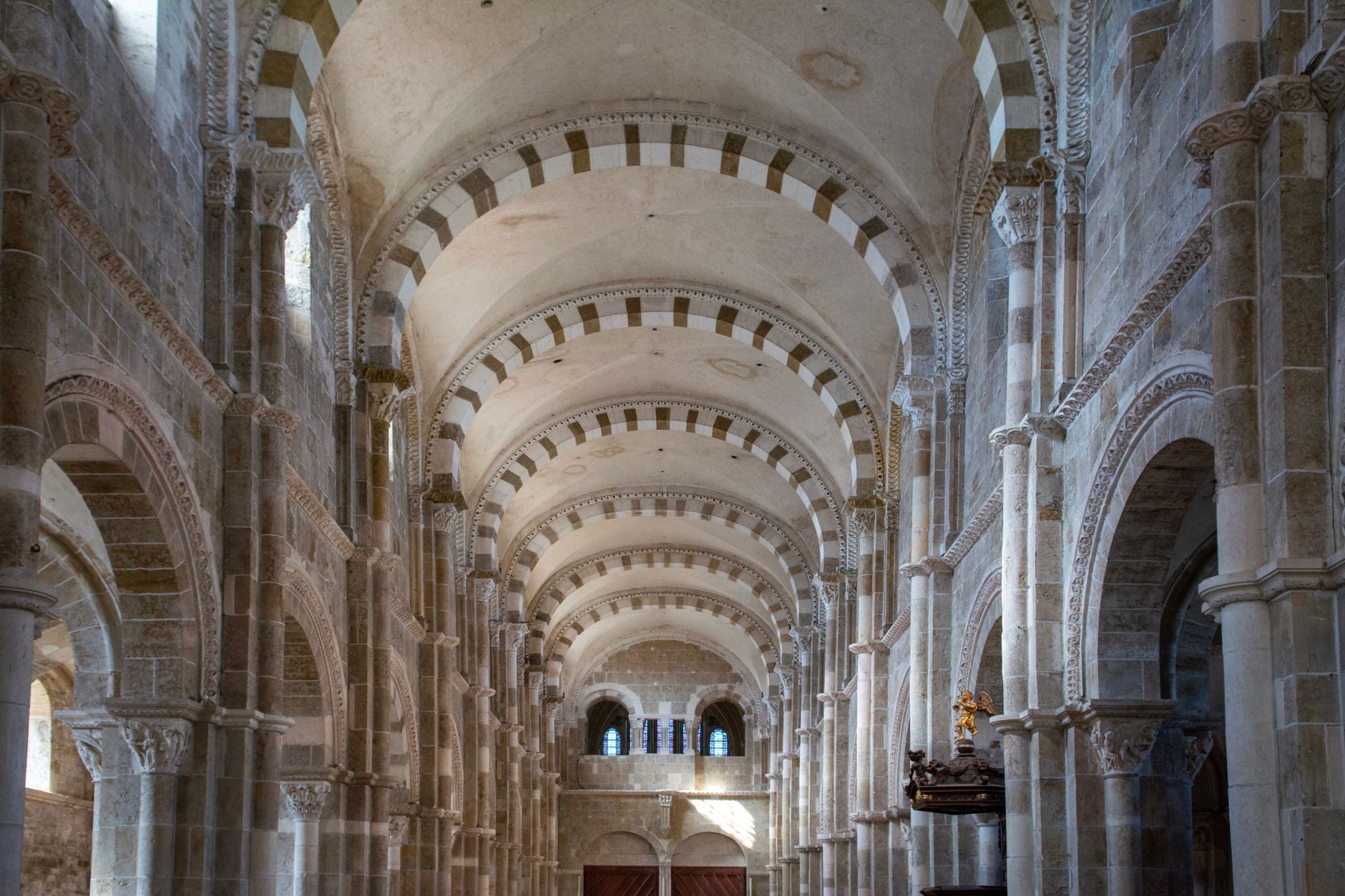
- Basilique Notre-Dame-du-Port is a UNESCO-listed Romanesque church and usually free to enter; look for guided visits posted at the tourist office on Rue du Port.
- Parc de Montjuzet gives one of the best skyline views of the dark-lava cathedral; a 20–30 minute climb from Place Delille or a short bus ride on T2C lines serving Montjuzet.
How This Guide Was Prepared
This guide treats Clermont-Ferrand as a compact regional capital defined by volcanic stone architecture, market life and a working-city rhythm rather than a postcard. Many guides over-focus on the cathedral photo-op and the Puy de Dôme summit; this itinerary balances those must-sees with neighbourhood walks, markets and realistic transit times. This guide was prepared through a structured research that combines destination research, geographic context, itinerary planning logic, and content review.
Plan Your Stay in Clermont-Ferrand
Use this itinerary as your starting point, then compare areas to stay, transport options, seasonal timing, and realistic daily costs before booking.
Why Visit
Historic Romanesque architecture appears in a compact set of sites such as Basilique Notre-Dame-du-Port and the cathedral, enabling several solid heritage visits without long transit. The nearby Puy de Dôme is a unique half-day option reachable by the Panoramique des Dômes cog railway, offering volcanic geology and panoramic views of the Chaîne des Puys.
Local food specialties—truffade, Saint-Nectaire cheese and pounti—provide a distinct regional culinary identity that is easier to sample here than in many larger French cities. Markets and covered halls give an authentic market culture experience.
The city works as a practical base for short rail trips to Lyon or Saint-Étienne, but it also stands on its own: museums such as Musée Bargoin and Musée d'Art Roger-Quilliot have focused local collections and manageable visit times.
Quick Planning Tips
Fly to Clermont-Ferrand Auvergne Airport (Aulnat) or arrive by SNCF to Gare de Clermont-Ferrand. From the airport, expect a taxi fare of about €25–35 to the centre; a shuttle bus service runs at limited times—check schedules in advance. Trains from Lyon, Saint-Étienne and Limoges arrive at Gare de Clermont-Ferrand; use SNCF Connect for regional schedules.
Carry some euros for markets and small cafés; most places accept cards but small vendors may not. Purchase single T2C bus tickets at machines or kiosks or via the T2C app; validate on boarding. Avoid planning a Puy de Dôme summit without a reserved Panoramique des Dômes slot in high season—queues can add an hour to travel.
Day 1
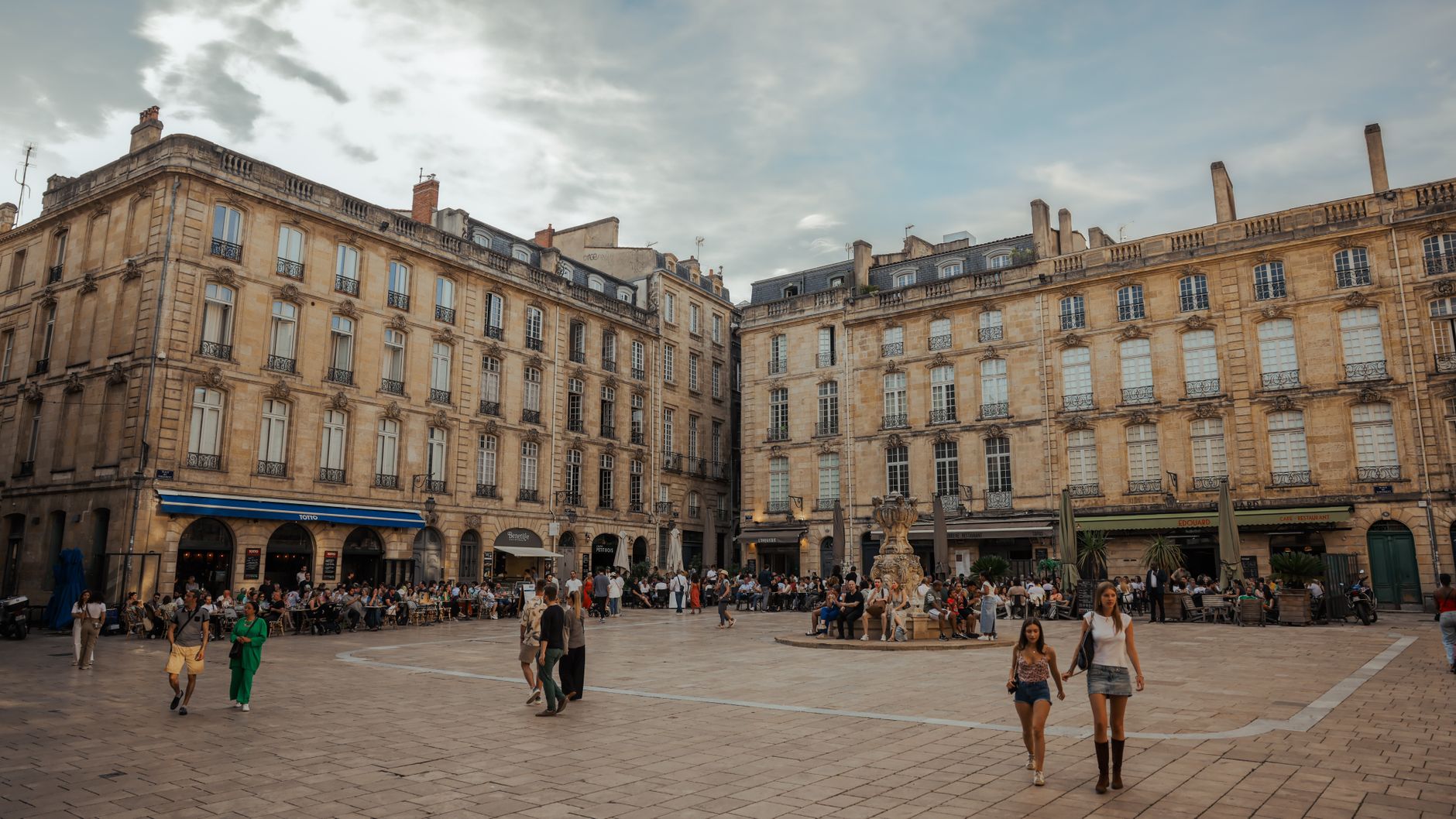
Start at Place de Jaude to orient—admire the Vercingetorix statue and the surrounding black-stone facades, then walk 5–10 minutes west along Rue d'Alsace-Lorraine to Gare SNCF if arriving by train. From Place de Jaude, walk north 10 minutes to Cathédrale Notre-Dame-de-l'Assomption; allow 30–45 minutes inside for architecture and stained glass.
After the cathedral, follow Rue de l'Orto to Jardin Lecoq (10–15 minute walk) for a relaxed park stroll and a coffee at one of the nearby cafés. Lunch suggestion: L'Atelier de la Place or a brasserie on Rue Blatin where truffade is often on the menu—expect €12–18 for a main.
Post-lunch, head to Musée Bargoin (15 minute walk from Jardin Lecoq) for archaeology and regional collections; plan about 1–1.5 hours. From Bargoin, walk 12 minutes to Parc de Montjuzet for late afternoon views over the cathedral and the old town. Evening recommendation: book dinner in the old town near Rue Saint-Esprit and finish with a drink in a bar near Place Gambetta.
Day 2
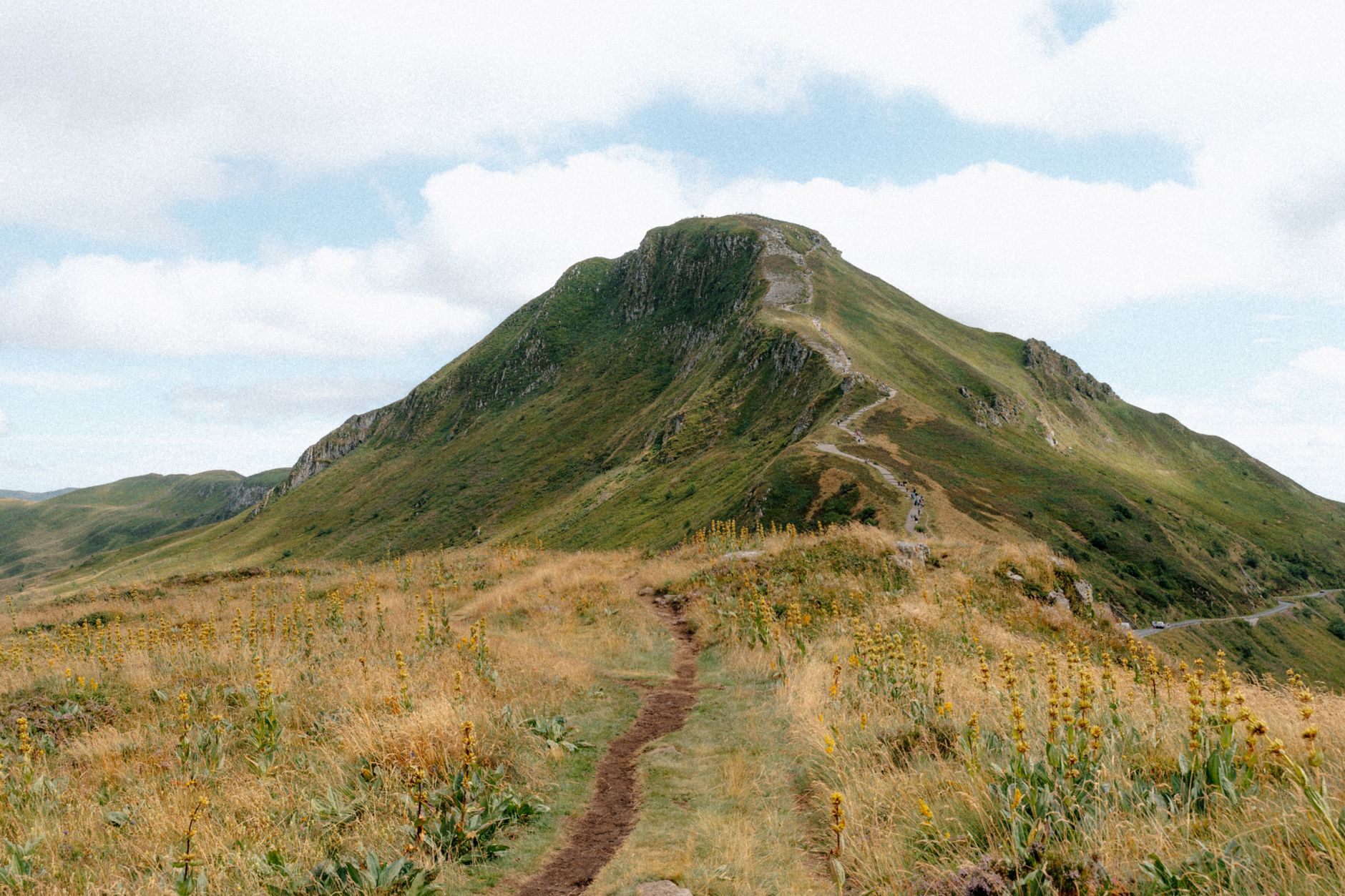
Dedicate this day to the volcanic landscape and a medieval quarter. Take the Panoramique des Dômes from La Bourboule/roadside lower station—plan for 45 minutes door-to-door from the city centre including transfer. Book a morning slot on the cog railway; allow 2–3 hours round-trip on the mountain for the train, summit walking and photos.
Back in the city, visit Quartier de Montferrand—the medieval town adjacent to the modern centre. Walk the arcaded streets, check local bakeries and the small square. Lunch suggestion: try a market stall or bistro in Montferrand for pounti or a cheese plate featuring Saint-Nectaire for €8–15.
Afternoon plans: Musée d'Art Roger-Quilliot for 1–1.5 hours (local art and rotating shows). End the afternoon at La Coopérative de Mai if a concert is scheduled; otherwise explore independent shops on Rue des Gras. Evening recommendation: a quieter dinner near Place Delille or along Rue du Port, followed by an after-dinner walk toward the cathedral for night views.
Day 3
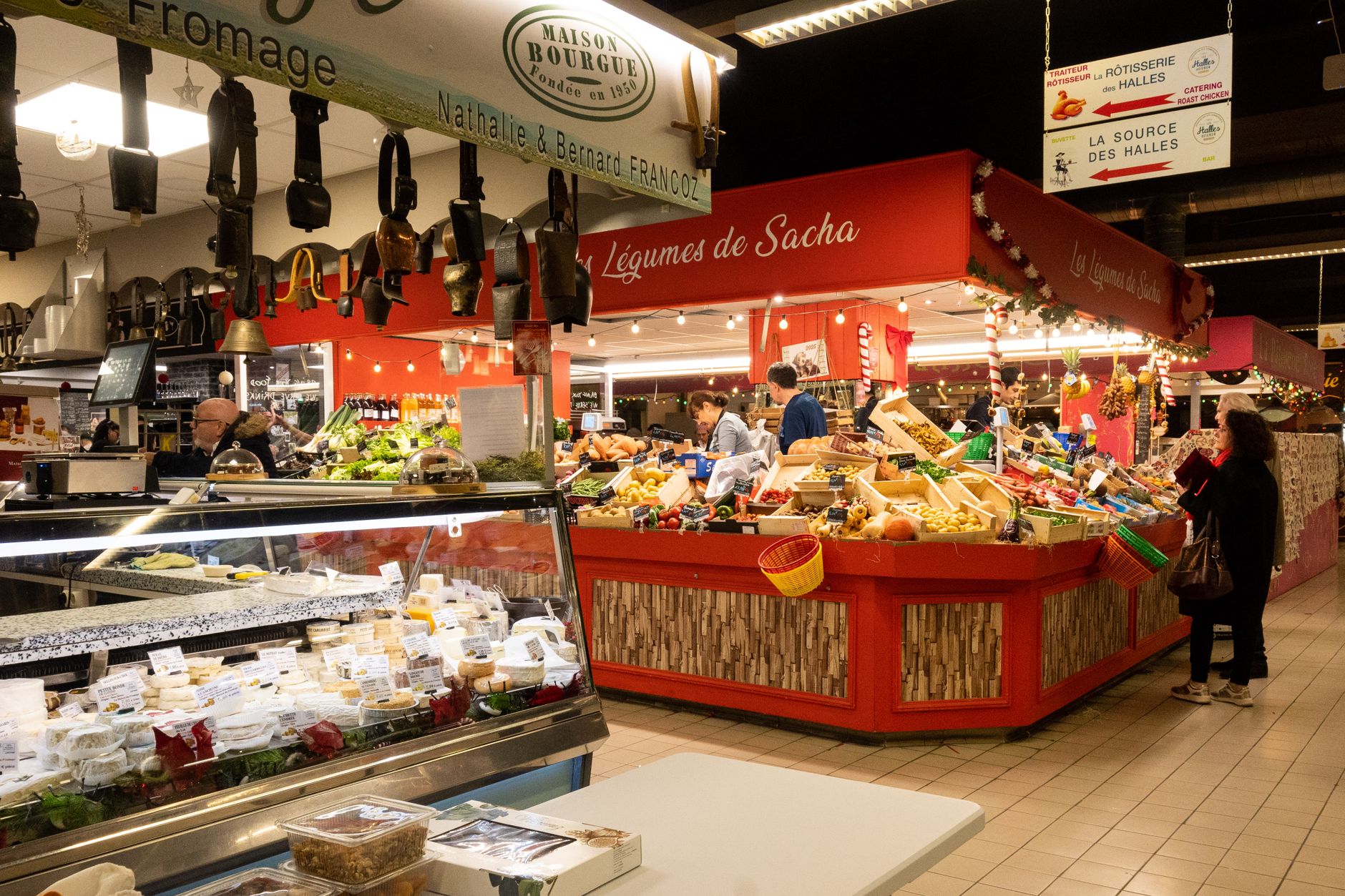
Use the final day for remaining museums, the covered market and a relaxed neighbourhood visit with an eye for departure logistics. Morning: visit Halles Saint-Pierre or the local covered market (check opening days; Saturdays are busiest) to sample cheeses, sausages and pastries; budget €5–12 for a tasting selection.
Midday: walk to Basilique Notre-Dame-du-Port (allow 20 minutes from the market) and spend 30–45 minutes inside; the Romanesque architecture is a compact visit. Lunch: a restaurant near Place de Jaude or a sandwich from a market stall if catching an afternoon train or flight.
If the return is an afternoon flight, transit time to the airport is roughly 25–35 minutes by taxi; allow extra time for check-in. For an afternoon train from Gare de Clermont-Ferrand, allow 20–30 minutes walking or a short bus on a T2C line to arrive 30 minutes before departure. Evening option for later departures: a last stroll along Rue du Port and a casual dinner near Place Gambetta.
Best Local Experiences
Shop the covered market (Halles Saint-Pierre) on a Saturday morning for local cheeses, charcuterie and candied fruits. Climb or ride the Panoramique des Dômes for the volcanic landscape and an easy summit walk with views of the Chaîne des Puys.
Walk through Quartier de Montferrand to see a preserved medieval layout and small local bakeries. Spend an evening at La Coopérative de Mai for regional and national live music acts; check the programme in advance. Visit Musée Bargoin for archaeological finds and local textile collections, and combine with a stroll around Jardin Lecoq for a balanced museum-plus-park afternoon.
Attend a local marché or food fair if dates align—seasonal markets for lentils or cheese sales happen in nearby villages and are often listed at the Clermont tourist office.
Where to Stay
Centre Ville / Place de Jaude: Suits first-time visitors who want to be within walking distance of the cathedral, shops and main restaurants. Expect mid-range hotels or small chains from about €80–140 per night (~€85–150 USD). This area is busiest and noisier at night.
Montferrand: Suits travellers who prefer a quieter, more local neighbourhood with medieval streets and bakeries. Small guesthouses or B&Bs often run €60–100 per night (~€65–110 USD). It’s a 10–15 minute walk to Place de Jaude.
Quartier des Salins / Jardin Lecoq: Suits visitors who want park access and slightly cheaper options; apartment rentals and two-star hotels run about €55–90 per night (~€60–100 USD). Good for budget travellers who still want a short walk to sights.
Book early for summer weekends and university exam periods; short-stay apartments are widely available for longer stays but check for mandatory tourist tax on booking confirmations.
Food and Drink
Truffade: thinly sliced potatoes cooked with tome fraîche and lardons until creamy. Find it in traditional brasseries such as those near Place de Jaude; expect €12–16 for a main.
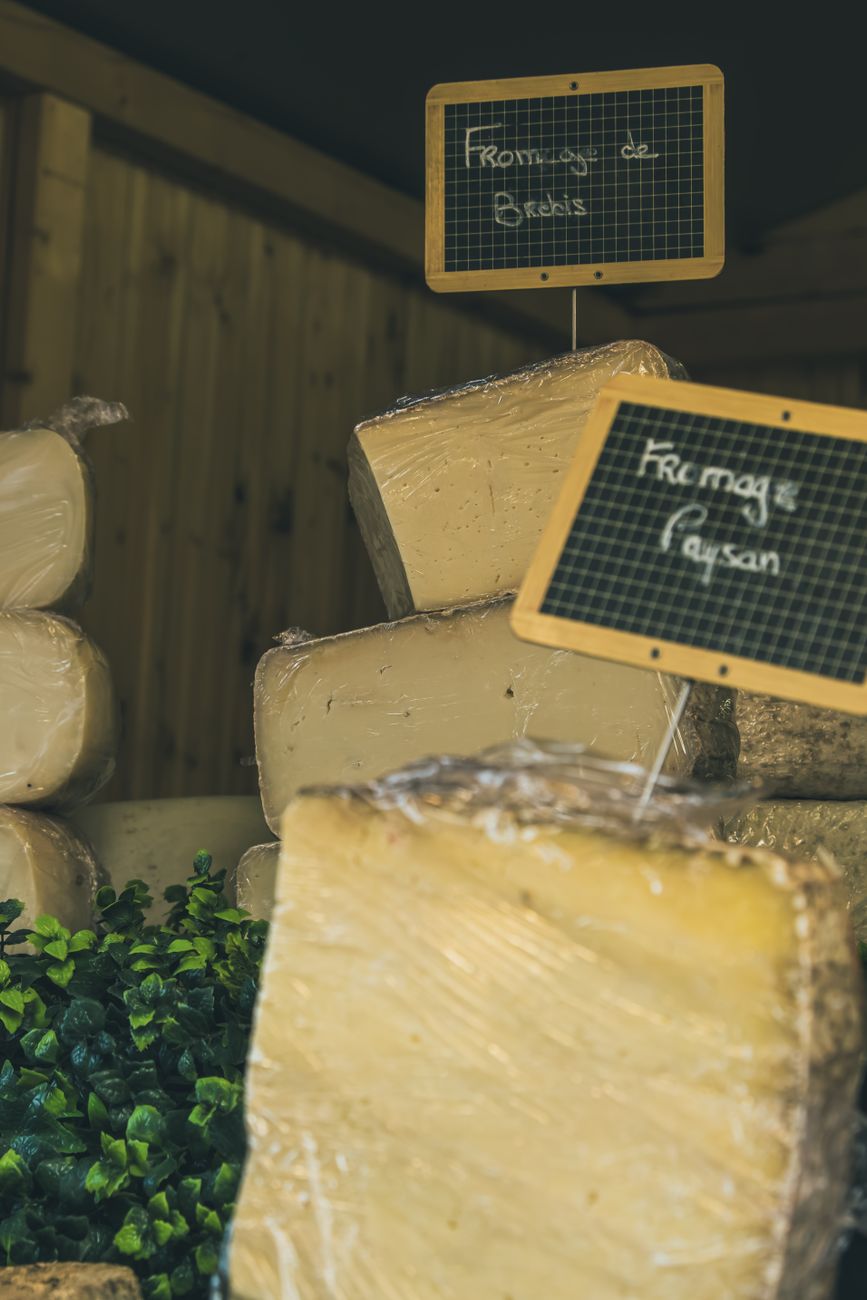
Saint-Nectaire: a local cow’s milk cheese from the Auvergne massif. Buy wedges at Halles Saint-Pierre or taste at cheese counters for €3–6 a portion. Pounti: a savoury loaf with meat, prunes and herbs; available at market stalls or simple bistros for €6–10.
Lentilles du Puy: lentils from nearby Le Puy-en-Velay appear on many menus; try in a warm salad or as a side for €6–10. Breakfast option: a café, croissant or pain au chocolat with espresso at a boulangerie—€3–5.
Street-food/quick option: market sandwiches and cheese plates from stalls at Halles Saint-Pierre for €4–8. Dinner recommendation: book a table at a local bistro serving regional dishes; expect €20–35 per person for two courses excluding wine.
Getting Around
Use the railway station Gare de Clermont-Ferrand for regional trains (TER Auvergne-Rhône-Alpes) to Lyon, Saint-Étienne and Limoges. Local buses and the urban network are run by T2C; buy tickets at machines, kiosks or by the T2C mobile app.
Single T2C ticket: about €1.60. A 24-hour pass is roughly €4.60 (check machines or the app for exact fares). Taxis from Clermont-Ferrand Auvergne Airport to the centre typically cost €25–35 depending on traffic. Use SNCF Connect for intercity timetables and the T2C app for local bus routes and live times.
Best Time to Visit
Late spring (May–June) and early autumn (September) offer the best combination of mild weather and fewer tourists. Temperatures typically range from 10–22°C in these months and museums are comfortably visited.
High season July–August brings warm weather (18–28°C) and the largest crowds at Panoramique des Dômes; book summit train tickets early and expect queues. Winter months (November–February) are quieter and colder (0–8°C); some small attractions and services reduce hours, but museum lines are short and hotel rates fall.
Budget and Practical Tips
Daily budget realistic breakdown (per person): Accommodation €60–120 (€65–130 USD), Food €25–50 (€28–55 USD), Local transport €3–6 (€3–7 USD), Entry fees for museums and Panoramique €10–20 (€11–22 USD). A conservative daily total: about €100–200 per day (€110–220 USD).
Small practical notes: many restaurants accept cards but some market stalls and small cafés prefer cash. Tipping custom: service is included on restaurant bills by law, but leaving a small tip (€1–3) for good service is appreciated. Carry a photocopy of passport details if staying in private rentals; tourist tax is charged per night in many hotels.
FAQ
How safe is Clermont-Ferrand for tourists?
The city is generally safe with normal urban precautions; pickpocketing can occur in crowded market areas and near transport hubs—keep valuables secure.
Is the Panoramique des Dômes worth it?
Yes for first-time visitors who want easy access to volcanic views; the cog railway saves a steep hike and offers clear summit access for most fitness levels.
Can public transport get me to Puy de Dôme?
Local buses run part-way toward the Puy de Dôme access points; most visitors transfer to the Panoramique des Dômes at the lower station—check SNCF and T2C schedules.
Are museums closed on Mondays?
Several museums have limited hours or close on Mondays—check Musée Bargoin and Musée d'Art Roger-Quilliot dates before planning.
Is a city pass worth buying?
There is no single pass that covers everything; buy Panoramique tickets separately and consider combined museum tickets only if planning multiple paid entries in one day.
What's the best way to get from the airport to the centre?
Taxi is fastest and costs about €25–35; a shuttle may run at limited times—confirm schedules ahead and allow extra time for flight delays.
Can day trips to Lyon be done by train?
Yes, Lyon is reachable by TER or intercity trains but it is a 1.5–2 hour ride; a day trip is possible but leaves less time locally.
Conclusion
A three-day stay will most likely be remembered for the dramatic black cathedral against the skyline, a market-filled morning sampling Saint-Nectaire and truffade, and an accessible volcanic summit at Puy de Dôme. If time runs short, prioritise a morning at Place de Jaude and the cathedral plus an afternoon at the Panoramique des Dômes; those two experiences together give the best sense of region and city in limited time.
Plan transit and museum days carefully to avoid closures and queueing, and allow an extra hour for market browsing and unplanned local discoveries.
How this guide was prepared
This guide was prepared through a structured research that combines destination research, geographic context, itinerary planning logic, and content review.