

3 Days in Eugene: A Practical Weekend Itinerary and Local Tips
A practical 3-day Eugene guide with workable itineraries, transit and cost estimates, local safety notes, and what to skip to use time efficiently.
A clear, honest three-day plan for Eugene focused on outdoor time, university neighborhoods, local breweries and markets, with realistic transit and cost notes.
Expect a mid-sized American college city with lots of green space, river paths and a visible craft-beer culture. Pace is generally relaxed; downtown blocks are walkable and the University of Oregon gives parts of the city a weekday pulse that quiets later in the evening.
Noise and crowds spike on football Saturdays at Autzen Stadium and during festival weekends; otherwise streets can feel small-town quiet. Public transit is serviceable for core sights but a bike or short rideshare trip will multiply options.
Is 3 days in Eugene enough?
Yes—three days are enough to cover downtown and the University of Oregon area, a good hike (Spencer Butte or Mount Pisgah), the Saturday Market and a couple of brewery taprooms. Expect to skip a deep Willamette Valley wine tour or a long day trip to Bend unless an extra day is added.
Who This Guide Is For
Best for walkers, cyclists, college sports fans, and travelers who enjoy local food and outdoor activity. Not a great fit for visitors seeking major museums or a dense urban nightlife scene.
Local Tips for Eugene
Practical details that most travel sites skip — specific to Eugene.
- Buy single-ride or day passes on the LTD Mobile Ticket app; a single adult fare is roughly $1.75 and a day pass about $4 — the EmX BRT accepts the same ticketing.
- Autzen Stadium game days create road closures on Franklin Boulevard and crowded parking; arrive at least 90 minutes before kickoff and use Park & Ride lots listed on the Ducks website.
- Spencer Butte trailhead parking on Thompson Road fills early on weekends; use the bike-friendly Riverbank Path from downtown (about 25–35 minutes cycling) as an alternative.
- Eugene Saturday Market runs along 8th Avenue near Willamette Street from late March through December (seasonal hours); many vendors close earlier on rainy days.
- Local breweries like Ninkasi, Oakshire and Cornucopia serve limited-release beers that sell out at the taproom; call ahead if a specific release is the reason for a visit.
How This Guide Was Prepared
This guide treats Eugene as a compact university and outdoor town where moving slowly yields better experiences than packing too many attractions. Most guides flatten the city into 'Portland light' or overstate dining scenes; the real draw is the mix of riverside green space, college culture, accessible hikes, and a surprisingly serious craft-beer scene. This guide was prepared through a structured research that combines destination research, geographic context, itinerary planning logic, and content review.
Plan Your Stay in Eugene
Use this itinerary as your starting point, then compare areas to stay, transport options, seasonal timing, and realistic daily costs before booking.
Why Visit
Accessible outdoor options within the city make a short trip feel full: Spencer Butte and Mount Pisgah both offer steep hikes with city views in under an hour from downtown. The riverfront parks and the Ruth Bascom Riverbank Path system provide easy cycling and scenic picnic spots along the Willamette.
A strong local brewing scene provides easy evening options without needing reservations; Ninkasi and Oakshire are easy to reach from central neighborhoods. The University of Oregon brings arts venues such as the Jordan Schnitzer Museum of Art and athletic events at Autzen Stadium that define a travel weekend for many visitors.

Quick Planning Tips
Fly into Eugene Airport (EUG, Mahlon Sweet Field) or arrive by Amtrak to Eugene Station; a taxi or rideshare from the airport to downtown runs roughly $30–45 depending on traffic. Use the LTD Mobile Ticket app for buses and EmX BRT rides to avoid needing exact cash on board.
Book lodging near the Willamette River or near the University for convenient walking access. Avoid planning an Autzen game day without confirming road closures and parking options because local streets fill fast.

Day 1
Morning: Start at the Saturday Market on 8th Avenue near Willamette Street (seasonal March–December). Allow two hours to browse crafts, local foods and street performers; expect crowds from late morning through early afternoon.
Midday: Walk three blocks to 5th Street Public Market for lunch options and boutique stores. Expect a 5–10 minute walk between the market and the riverbank paths.
Afternoon: Cross to Alton Baker Park and rent a bike at a local shop or ride the Riverbank Path; a loop to the path and back takes 60–90 minutes at a casual pace. From Alton Baker, a short rideshare or 10–15 minute bike ride takes you to the Museum of Natural and Cultural History at the University of Oregon — allow 60–90 minutes for exhibits (suggested donation $5–10).
Dinner: Eat at a brewery taproom such as Ninkasi or Oakshire — both serve food or local food-truck partners; budget $15–25 for a main and a beer. Evening: Check the Hult Center for a show or local music venue listings on a calendar; downtown options are within a 10-minute walk of the 5th Street area.

Day 2
Morning: Hike Spencer Butte from the Thompson Road trailhead; allow 2–3 hours for the round trip including summit time. Trail is steep and exposed in parts; wear sturdy shoes.
Midday: Return via University of Oregon neighborhoods and eat near University Street or on 13th Avenue. Expect a 10–20 minute drive or a 20–30 minute bike ride between Spencer Butte and the UO campus.
Afternoon: Visit the Jordan Schnitzer Museum of Art (free or donation-based entry on some days) and stroll along Franklin Boulevard for independent shops. Alternatively, drive 15–20 minutes to the Cascades Raptor Center in nearby Springfield and budget 60–90 minutes to see rehabilitated birds (admission roughly $12–15).
Dinner: Try a farm-driven restaurant on the Willamette Valley edge or a wood-fired place near downtown; evening options often fill on weekends so reserve when possible. Nighttime: If a University event is on, see whether tickets to a game or concert are available — those create the liveliest late-night scenes in the city.
Day 3
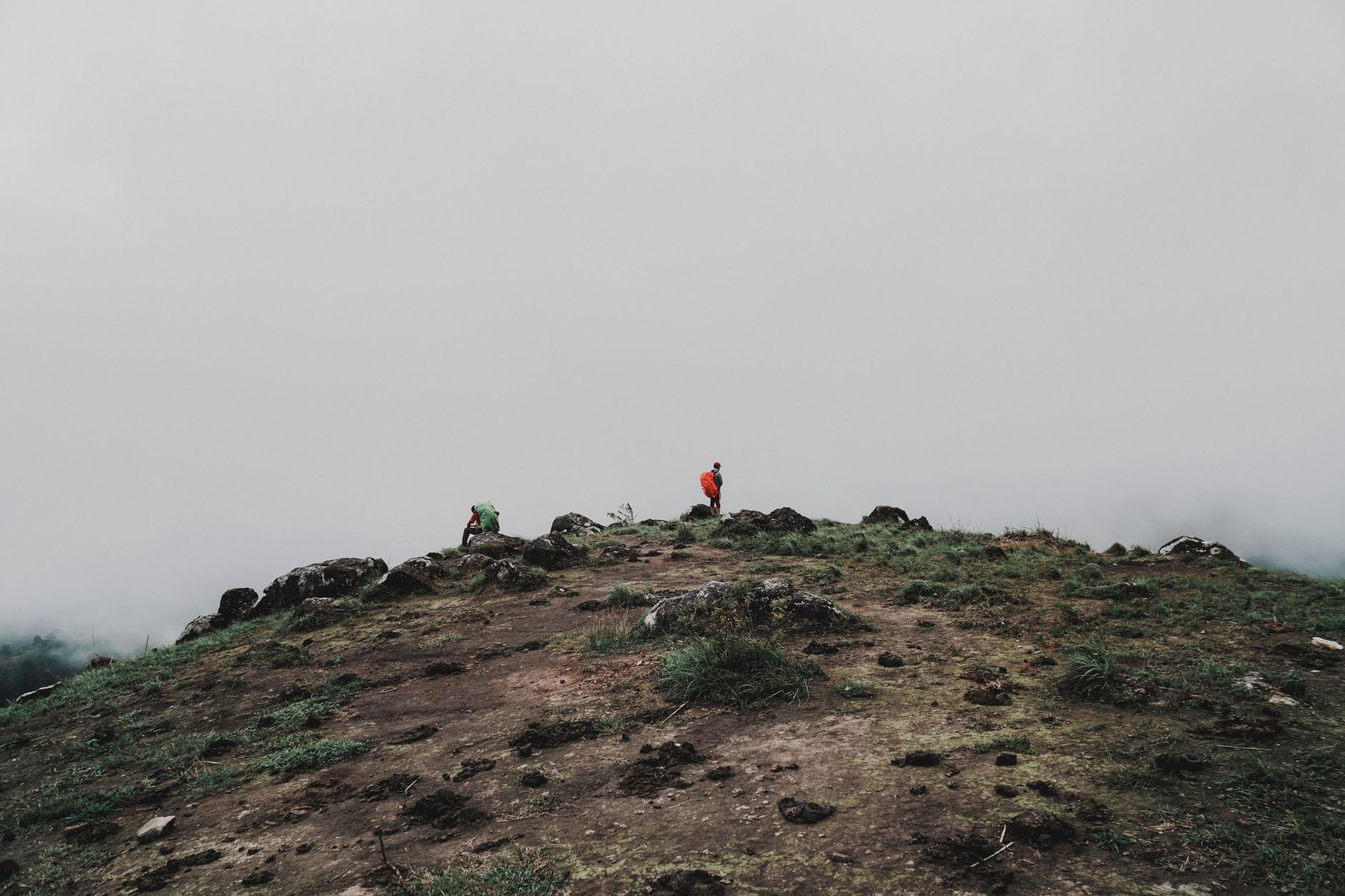
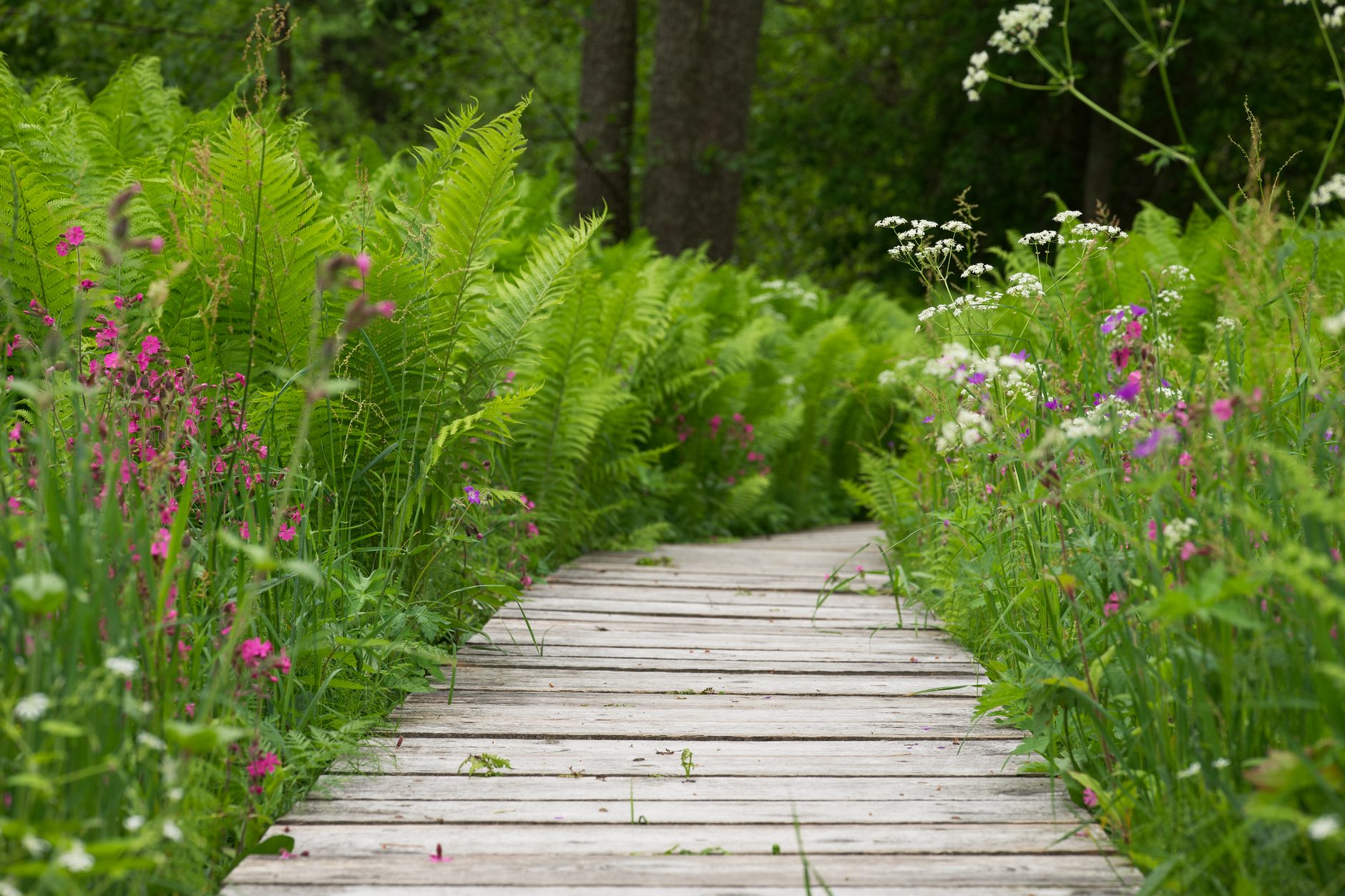
Morning: Head to Mount Pisgah Arboretum for a gentler trail and birding; plan 1.5–2.5 hours including the interpretive loop. Mount Pisgah is further south and feels quieter than Spencer Butte.
Midday: On the return, stop at a local café in the Whiteaker neighborhood for lunch and to see a different side of the city; expect a 15–25 minute drive from Mount Pisgah to Whiteaker.
Afternoon: Spend the final hours at the Hult Center plaza or walk the short stretch along the Willamette to Skinner Butte Park for a lookout over the city; both are good if checking out and heading to the airport. If catching an afternoon flight, allow 60–90 minutes to get from downtown to EUG by taxi or rideshare and 45 minutes minimum for security.
Evening: If time allows before departure, grab a final local beer or a boxed picnic from the Saturday Market vendors and use the riverbank paths for a last walk.
Best Local Experiences
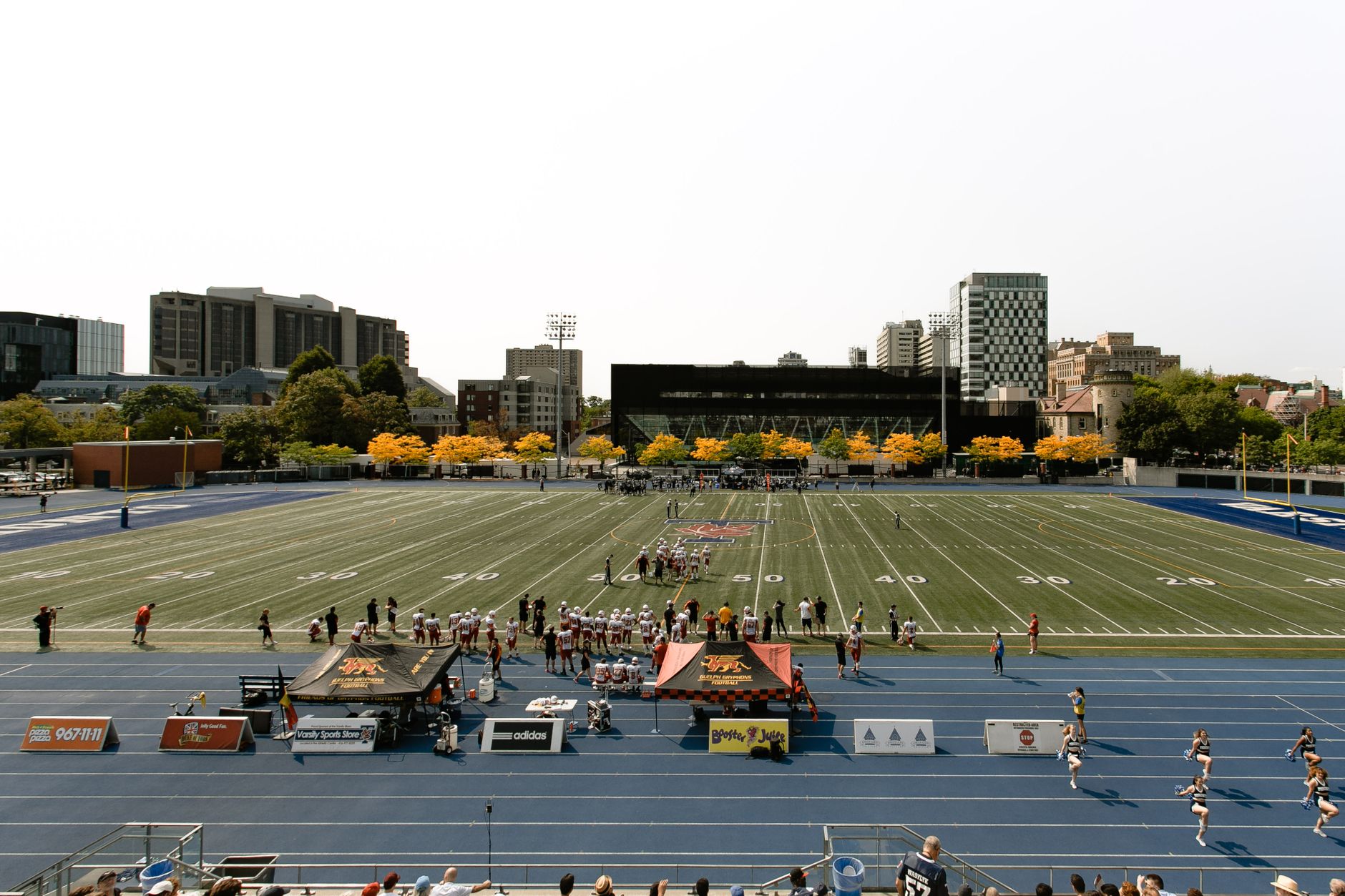
Attend an Autzen Stadium football game for the full college atmosphere and loud pre-game tailgates. Visit the Eugene Saturday Market on 8th Avenue for local artisans and seasonal food vendors.
Ride the Ruth Bascom Riverbank Path system from Alton Baker Park toward downtown for easy cycling and wildlife viewing. Sample taprooms at Ninkasi, Oakshire and Cornucopia for frequently rotating small-batch beers. Hike Spencer Butte for a short, steep workout with a city panorama; alternatively, the Mount Pisgah Arboretum offers calmer trails and spring wildflowers.
Additional options include the Cascades Raptor Center for bird rehabilitation, the monthly First Friday art walks in some neighborhoods, and a brewery or food-cart crawl in the Whiteaker district for late-afternoon tastings.
Where to Stay
Downtown (near 5th Street Public Market and the Hult Center): Suits visitors who want walking access to restaurants, markets and the river. Expect nightly rates roughly $120–220 USD (€110–200) depending on season and hotel class.
University neighborhood (near University of Oregon and Franklin Boulevard): Suits sports fans, museum-goers and visitors to campus events. Nightly rates vary by season; expect $110–200 USD (€100–180) with lower rates outside academic events.
Whiteaker/Jefferson Westside: Suits food-cart and brewery crawlers who prefer a casual, local neighborhood vibe. Smaller guesthouses and short-term rentals run about $80–150 USD (€75–135) per night, depending on proximity to downtown.
Food and Drink
Marionberry pie: A regional berry dessert found at farmers and bakeries; expect $4–6 per slice at market stalls and cafes. Good vendors appear at the Saturday Market.
Craft beer: Ninkasi, Oakshire and Cornucopia are local names. Expect $6–8 for a pint in taprooms; tasting flights are common ($8–12).
Breakfast option — biscuits and gravy or a hearty omelet at a neighborhood diner near the university: budget $8–12. Street food — food-cart tacos or seasonal crepes at Saturday Market stalls run $5–10 per item.
Dinner recommendation — a farm-to-table restaurant using Willamette Valley produce; mains usually $18–30. Coffee culture is strong; a regular coffee costs about $3–4 at indie cafés near the university.
Getting Around
Main public provider is Lane Transit District (LTD), operating local buses and the EmX bus rapid transit corridor between Eugene and Springfield. Buy fares on the LTD Mobile Ticket app, or pay cash on board (exact fare required).
Typical single-ride fare is about $1.75; a day pass costs roughly $4. Real-time schedules are available on the Transit app and at ltd.org. Airport transfers from EUG by taxi or rideshare average $30–45; downtown walkable distances make short rideshares inexpensive.
Bikes are a highly practical option for many visitors; the Riverbank Path network and city bike lanes make cycling safe for most itineraries. Driving is useful for Mount Pisgah or longer Willamette Valley trips, but parking near the university or during events can be limited.
Best Time to Visit
Late spring and early fall (May–June, September) offer the best combination of mild temperatures (50–75°F / 10–24°C) and fewer weekend festival crowds. Summer (July–August) is warm (60–85°F / 16–29°C) and busier with university students away but more outdoor events.
Winter months are cool and wet (40–55°F / 4–13°C) and some outdoor attractions are muddy; travel costs tend to be lower. Late summer can bring higher air quality concerns if regional wildfires occur; check conditions if planning outdoor hikes.
Budget and Practical Tips
Daily budget estimate per person: Accommodation $80–200 USD (€75–180) depending on neighborhood and season; food $25–60 USD (€22–55) covering breakfast, lunch (market or cafe) and dinner; transport $4–10 USD (€4–9) including local bus or a pair of rideshares; entry fees $0–20 USD (€0–18) depending on museums or Cascades Raptor Center.
Bring a rain shell and muddy-hike footwear outside of high summer. Tipping follows U.S. norms: 15–20% in sit-down restaurants and $1–2 per drink at bars. Expect to pay by card in most places, but carry a few cash bills for market stalls and late-night food carts.
FAQ
Is Eugene safe for solo travelers?
Yes—daytime areas around downtown, the University and the river paths are generally safe; exercise normal city caution at night, avoid poorly lit isolated areas and keep bags secured.
How do I get from the airport to downtown?
Taxi or rideshare runs about $30–45; some hotels offer shuttle information. LTD buses serve nearby routes but a direct airport bus requires checking current LTD schedules.
Is a city pass or card worth buying?
There is no single city card for all attractions; buying an LTD day pass is useful for unlimited local bus and EmX travel during a 24-hour window.
Can the main sights be done without a car?
Yes—downtown, the university, river paths and many breweries are walkable or a short bus/bike ride; reaching Mount Pisgah or some outlying wineries is easier by car.
Are there guided tours for breweries or the river?
Brewery tours are offered occasionally by individual breweries; river kayak or paddleboard rentals operate seasonally from outfitters in Alton Baker Park.
What should visitors know about Autzen Stadium traffic?
Roads around the stadium close before game time and parking fills early; use designated Park & Ride lots and allow extra travel time.
Are pets allowed on trails and in parks?
Dogs are allowed in many parks and on most riverbank paths but must be leashed in some areas; check Mount Pisgah Arboretum rules for specific leash requirements.
Is tipping expected at breweries and cafes?
Yes—bars and cafes commonly have a tip jar; 10–20% is standard for table service, and rounding up is common at counters.
Conclusion
Three days will leave a clear impression of a college-centered city with accessible outdoor options and a strong local-brewery scene. Visitors most often remember a summit view from Spencer Butte or a relaxed afternoon along the Willamette.
If time becomes tight, prioritize one hike (Spencer Butte or Mount Pisgah), the Saturday Market and an evening at a local brewery — those three elements capture the city's character better than trying to squeeze in distant day trips.
How this guide was prepared
This guide was prepared through a structured research that combines destination research, geographic context, itinerary planning logic, and content review.