
Practical 3-Day Guide to L'viv: Itinerary, Tips & Costs
Three-day practical itinerary for L'viv with transport tips, neighbourhood plans, realistic costs and food recommendations to plan a sensible long weekend.
A realistic 72-hour plan for L'viv that balances Old Town sights, neighbourhood walks, markets and local cafés, with transport tips and honest cost expectations.
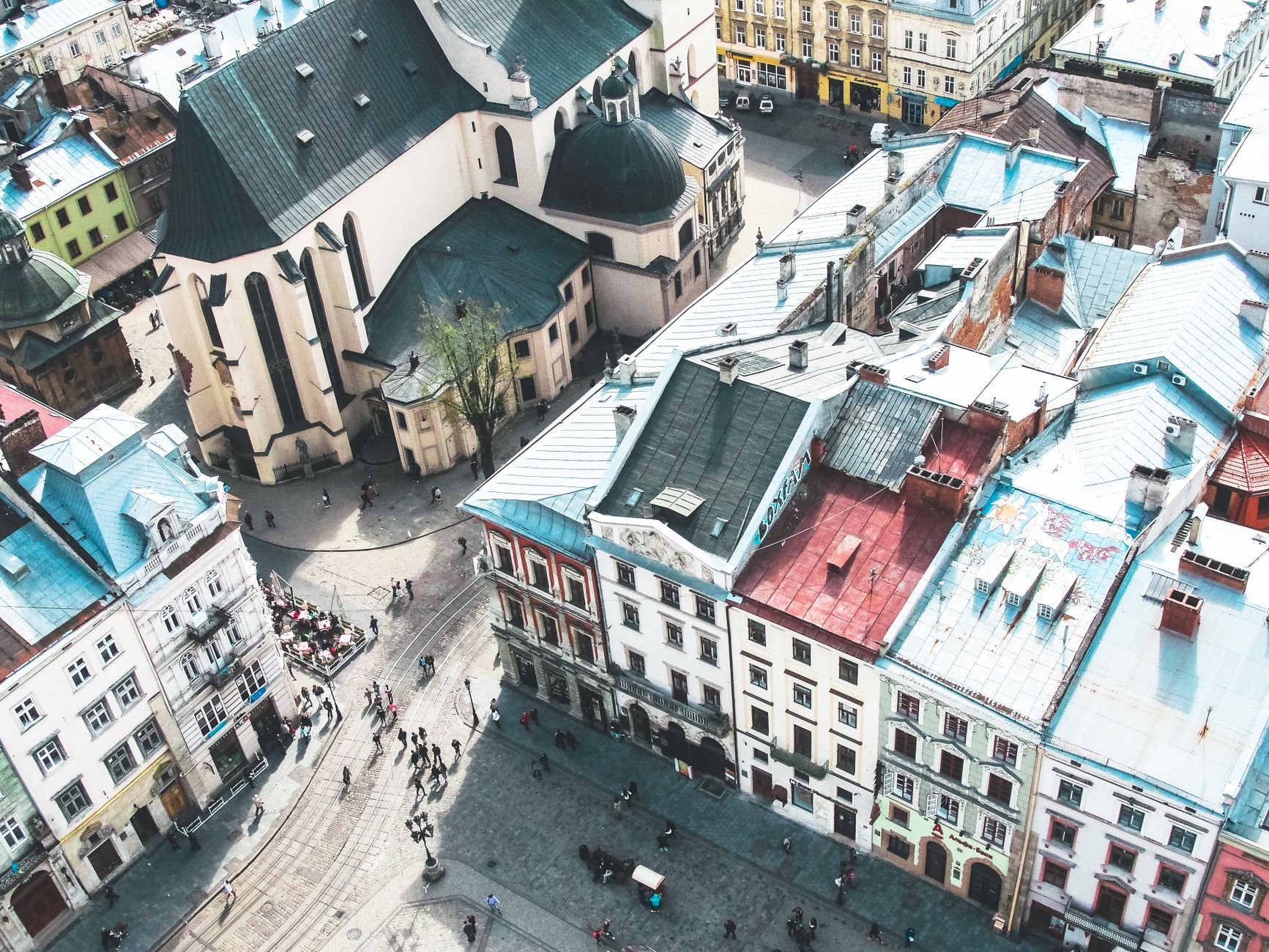
First impressions are often narrow: a compact cobbled centre, many ornate façades and cafés that take coffee seriously. Expect narrow alleys off Rynok Square, an active tram network and street vendors selling coffee and handmade chocolate.
The mood alternates between heavy-footed tourists around the Opera and quieter residential streets where children play and supermarkets hum. Many visitors arrive expecting a single homogeneous centre; the city actually rewards time spent in different districts such as Pidzamche, Sykhiv and the park areas to understand daily life.
Is 3 days in L'viv enough?
Yes: three days is enough to see the central landmarks, sample the coffee and museum scene, and explore one contrasting neighbourhood. The honest caveat: deep museum-hopping or a full-day trip to the Carpathians will have to be postponed.
Who This Guide Is For
Best for文化-minded walkers, café-focused travelers and those on a long weekend who prefer neighbourhood character over ticking every museum. Poor fit for travelers needing a fast-paced nightclub scene or those planning multiple long day trips.
Local Tips for L'viv
Practical details that most travel sites skip — specific to L'viv.
- Buy a LvivCityCard (options 24/48/72 hours) at tourist points or online; the 48-hour card commonly includes public-transport discounts and museum reductions and often costs roughly UAH 600–900 depending on included sites.
- From Danylo Halytskyi Airport take the SkyBus shuttle or a licensed taxi to Holovnyi Vokzal (main railway station); the shuttle takes about 30–50 minutes and a metered airport taxi typically runs UAH 300–500.
- Trams and trolleybuses are the backbone: central stops include Teatralna, Vokzalna and Rynok Square; single onboard cash fares are usually around UAH 10–20, while buying e-tickets via the city app can be cheaper.
- Vernisazh by the Armenian quarter and the stalls around Rynok Square accept mostly cash for small purchases; carry UAH 200–500 for market finds and street coffee from kiosks.
- Many small cafés list a service charge on the menu only when applied; tipping 5–10% in restaurants is common practice and rounding up for café orders is normal.
How This Guide Was Prepared
The city has an Austro-Hungarian street grid, strong café rituals and neighbourhood pockets that most short itineraries ignore. Many guides compress everything into Rynok Square and the Opera; this guide spreads time across Old Town, Pidzamche and Sykhiv so the three days show different urban layers, not just postcards. This guide was prepared through a structured research that combines destination research, geographic context, itinerary planning logic, and content review.
Plan Your Stay in L'viv
Use this itinerary as your starting point, then compare areas to stay, transport options, seasonal timing, and realistic daily costs before booking.
Why Visit
The architectural mix is unusually layered: Austro-Hungarian blocks, Polish-era churches and Soviet-era apartment belts sit within walking distance, which makes short stays feel varied. Museums like the Lviv National Art Gallery and the Pharmacy Museum offer more niche collections than national capitals, so three days can include both a major museum and specialist stops.
The café scene is a functioning local culture, not only for tourists; cafes such as Krakivska, Lviv Handmade Chocolate locations and small specialty roasters anchor neighborhoods. Markets and memorial sites like Lychakiv Cemetery provide tangible local narratives that differ from Odessa or Kyiv, and the city’s scale makes neighbour-to-neighbour exploration practical within a long weekend.
Quick Planning Tips
Arrival logistics: use SkyBus shuttle or a licensed airport taxi to Holovnyi Vokzal; traffic can add 10–20 minutes during peak hours. Carry both card and cash — many cafés take cards but markets and small tram vendors expect UAH cash.
Buy transport tickets before boarding where possible and keep stamps or e-tickets until inspectors check them. Avoid the mistake of booking every museum on the first day; spread indoor sights across mornings and reserve late afternoons for cafés and neighbourhood walks.
Day 1
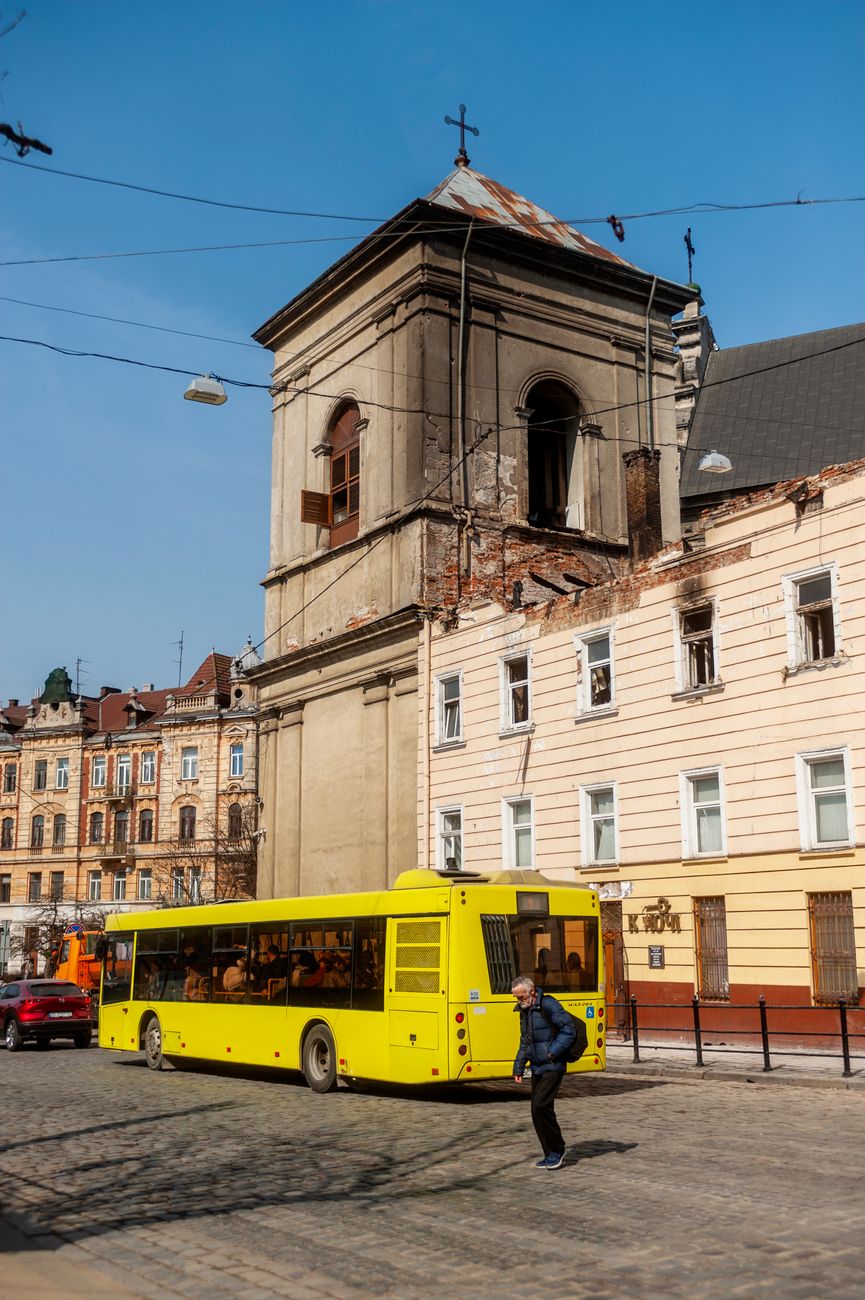
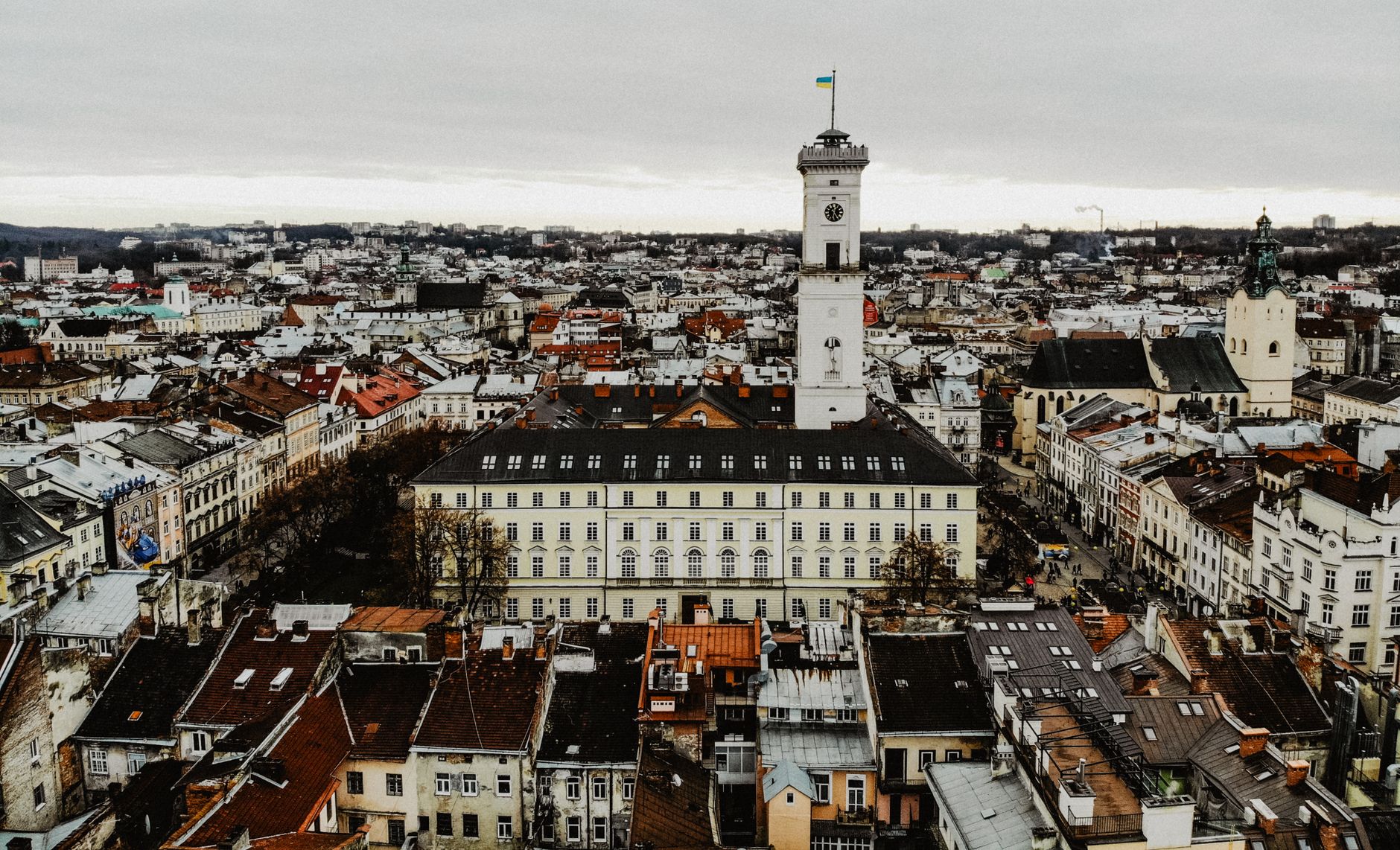
Morning: Start at Rynok Square to climb the Town Hall tower for a panorama (allow 45–75 minutes including queue). From the Town Hall, walk 2–6 minutes to the Latin Cathedral and then 3–5 minutes further to the Armenian Cathedral to compare interiors and architecture.
Late morning: Walk 5–10 minutes to the Pharmacy Museum on Market Square for a 30–45 minute visit. Lunch: eat at Kryivka (if comfortable with themed dining; expect UAH 250–450 per main) or try Baczewski Restaurant on Rynok Square for Galician dishes; both are within a 5-minute walk from the Town Hall.
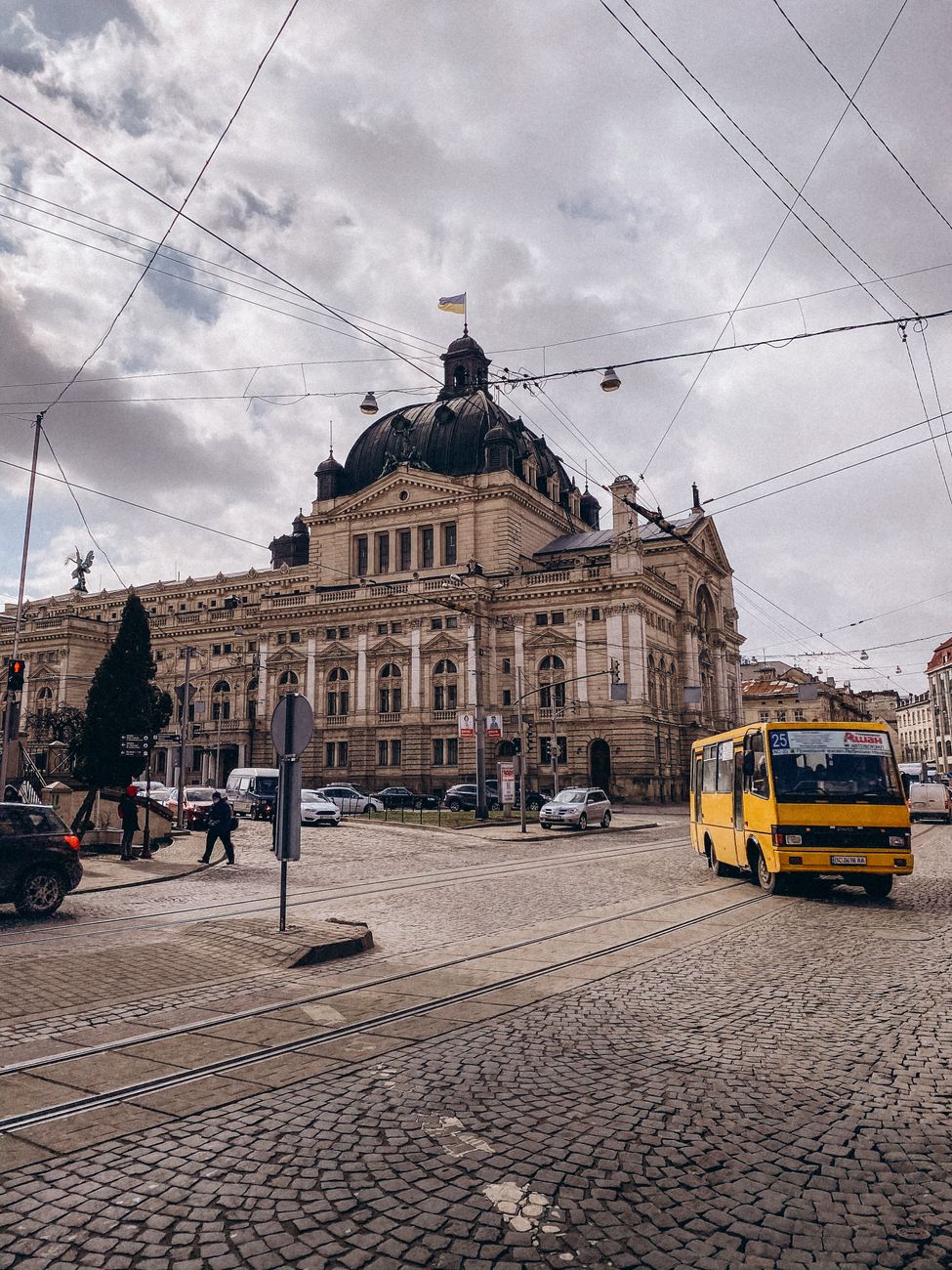
Afternoon: From Rynok Square walk 10–15 minutes to the Solomiya Krushelnytska Opera House for an exterior look and check the box office for same-day performance tickets (tickets can run UAH 150–800 depending on seat and performance). Then stroll 15–25 minutes up to High Castle (Vysokyi Zamok) viewpoint for sunset — steep walk or 10-minute taxi from the Opera.
Evening: Return to the Old Town for coffee or dessert at Lviv Handmade Chocolate and choose a small bar near Vulytsya Knyazha for a local beer. Expect short walks between these sites; the Old Town is compact and most transfers are under 20 minutes on foot.
Day 2
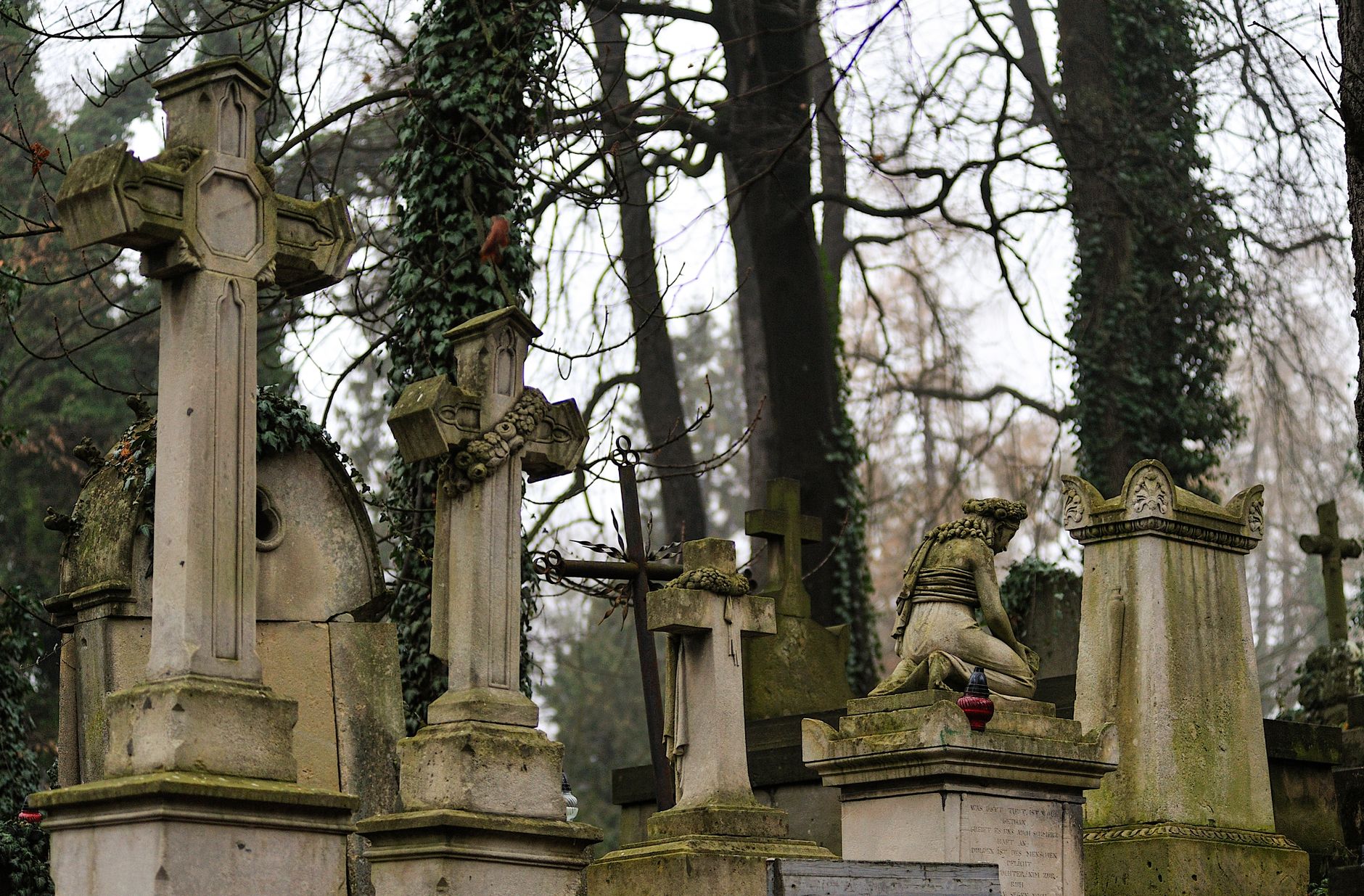
Morning: Head to Lychakiv Cemetery (allow 60–90 minutes) to see historic graves and sculptural memorials; it’s a 10–15 minute taxi or tram ride from Rynok Square. From Lychakiv, walk or take a short tram to the Potocki Palace and Botanical Garden area for a quieter green break.
Lunch: Try a neighbourhood café in Pidzamche — Žovkva or local coffee shops on Vulytsya Knyahynska — and sample banosh or syrnyky. Pidzamche is 10–15 minutes by tram or a 20–25 minute walk from the cemetery and offers small galleries, street art and independent cafés.
Afternoon: Spend the afternoon in the Shevchenkivskyi Hai open-air museum to see rural architecture from across the region; allow 2–3 hours including transit (tram plus short walk or short taxi). Then head to the Kryivka/Arsenal area for craft beer at Pravda Beer Theatre or local microbreweries.
Evening: Choose a restaurant in Sykhiv or return to the Old Town for a quieter dinner away from the main tourist clusters. Transit between these districts takes 15–30 minutes by tram or 10–20 by taxi depending on time of day.
Day 3
Morning: Reserve the morning for any remaining indoor museums — Lviv National Art Gallery or the Museum of Folk Architecture in Shevchenkivskyi Hai depending on preference. If planning an afternoon flight, pick a museum close to the railway station or the Old Town to reduce transfer time; many visitors do the Art Gallery early and leave luggage at a station locker.
Lunch: Eat near Holovnyi Vokzal or the Market Square; try local dumplings (varenyky) at a mid-range café and expect UAH 120–250 for a main. After lunch, visit the Lviv Coffee Mining Manufacture or the Lviv Handmade Chocolate museum for an accessible, 45–60 minute experience that doubles as souvenir shopping.
Afternoon option: For an afternoon flight, plan to be at Holovnyi Vokzal or your accommodation with luggage at least 2 hours before departure and allow 30–50 minutes to the airport by shuttle or taxi. If time allows, take a short tram ride to Stryiskyi Park for a last stroll before heading out.
Best Local Experiences
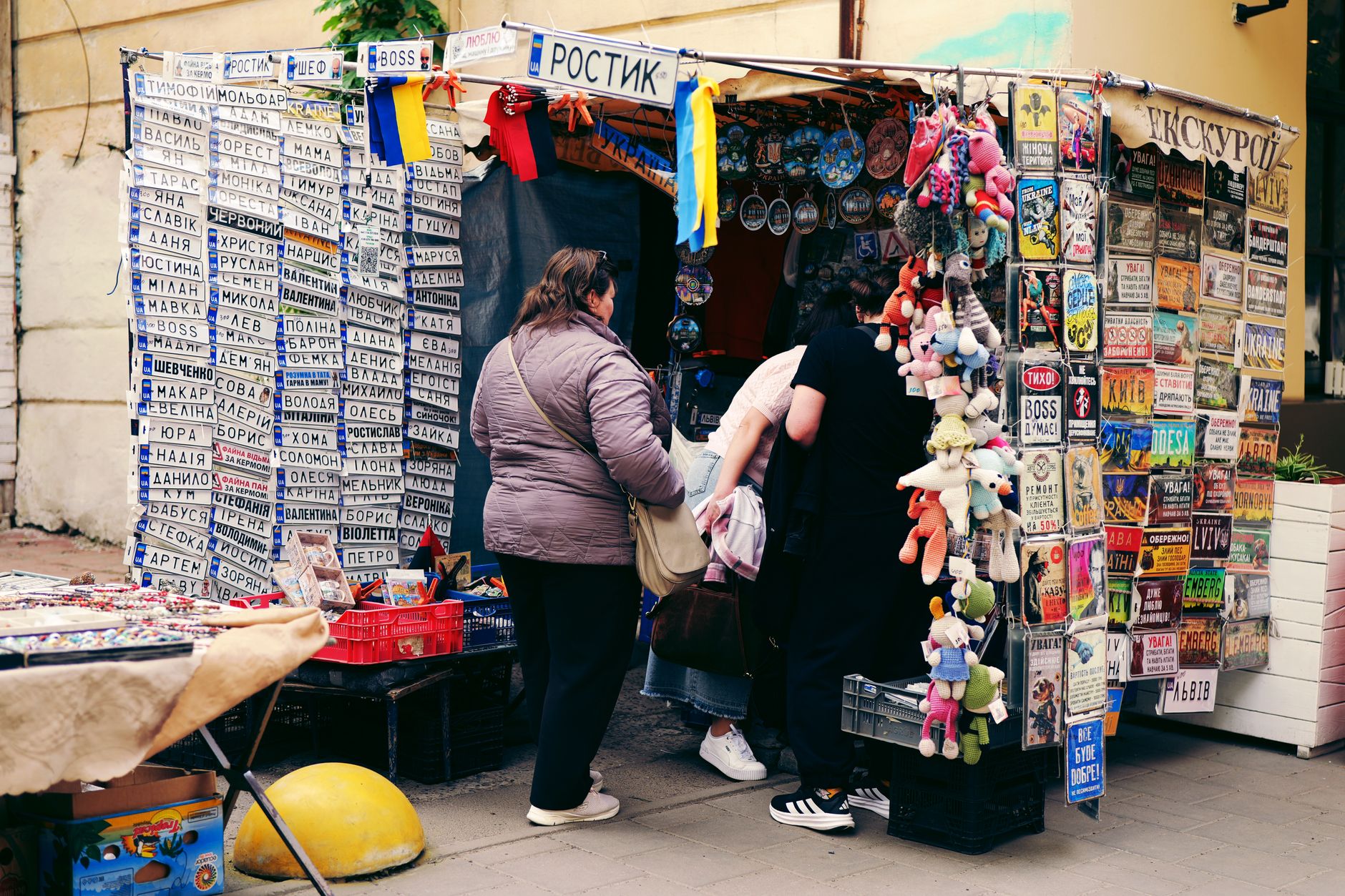
Vernisazh market by the Armenian quarter — weekend stalls sell folk art, prints and Soviet-era collectibles; bring cash and haggle politely. Lviv Coffee Festival (usually held in September) and independent roaster pop-ups across Old Town give a deeper look at local coffee culture.
The Lviv Handmade Chocolate museum and workshops offer short guided sessions and tastings. Shevchenkivskyi Hai open-air museum (Museum of Folk Architecture) shows regional wooden buildings and living crafts demonstrations. The evening roof-terrace bars around Rynok Square and the beer scene on Vulytsia Drukarska/Prostorn—small taprooms and microbreweries—are where locals drink after 20:00.
Where to Stay
Old Town / City Centre: Suits first-time visitors who want immediate access to Rynok Square, the Opera and cafés; many guesthouses and hotels here cost UAH 1200–3500 per night (approx. EUR 30–90 / USD 30–95). Expect more noise at night but maximum walkability.
Pidzamche & Ivan Franko area: Suits travellers who want independent cafés, street art and slightly lower prices; small apartments and boutique guesthouses commonly run UAH 900–2000 per night (approx. EUR 22–50 / USD 25–55). It’s a 10–20 minute tram ride to the Old Town.
Sykhiv and Holosko residential belts: Suits budget travellers and those staying longer; apartments and three-star hotels are cheaper (UAH 600–1200, approx. EUR 15–30 / USD 16–32) but expect 20–30 minutes transit to the centre. These areas are quieter at night and nearer some tram termini.
Food and Drink
Varenyky — Ukrainian filled dumplings, commonly filled with potato, cheese or cherries; good versions at Kryivka or local cafés for UAH 80–180. Borscht — beet soup usually with pampushky (garlic rolls); expect UAH 70–140 at mid-range restaurants.
Banosh — Hutsul cornmeal with brynza cheese and cracklings; find it in restaurants serving Hutsul or Galician cuisine for UAH 120–220. Syrnyky — fried farmer’s cheese pancakes for breakfast; cafés charge UAH 80–160. Lvivske beer — a regional brand found everywhere; pints are roughly UAH 40–80 at bars. Coffee culture: try a cup at a specialty roaster (Krakivska Roastery or local micro-roasters) for UAH 40–120.
Dinner recommendation: try Baczewski Restaurant for Galician and Polish-influenced dishes (mains UAH 200–500). Street-food option: grilled kabanos and cheese from market kiosks or local vendors for UAH 40–120.
Getting Around
Modes: trams (numerous numbered routes), trolleybuses and buses plus marshrutka minibuses and taxis. Key stops in the centre: Teatralna, Rynok Square, Vokzalna (for the railway station). Single onboard fares are commonly UAH 10–20 (buy in cash from conductor) and day passes or city cards vary; a day ticket or a LvivCityCard can save money if multiple rides and museum discounts are used.
Taxi and rideshare: use Uklon or Bolt apps for fair pricing; expect airport-to-centre taxi fares around UAH 300–500 depending on time and traffic. Useful apps: EasyWay for timetables and Google Maps for route planning; the city transport app and LvivCityCard app handle e-tickets where available.
Best Time to Visit
Spring (April–June): Temperatures 8–22°C; shoulder-season crowds and many cafés open terraces. Good value and comfortable walking weather.
Summer (July–August): 18–28°C; most crowded, higher prices for accommodation and some tourist queues. Early September offers similar weather with fewer crowds.
Autumn (September–November): 5–18°C; crisp days and lower rates after October. Winter (December–February): −5–5°C with snow likely; many museums and cafés remain open but expect shorter daylight and some services reduced. Best value months are April–June and September when weather is pleasant and crowds are smaller than midsummer.
Budget and Practical Tips
Daily budget (mid-range): Accommodation UAH 1200–2500 (EUR 30–60 / USD 33–67), food UAH 600–1000 (EUR 15–25 / USD 16–27), transport UAH 100–200 (EUR 2.5–5 / USD 3–6), entry fees UAH 200–500 (EUR 5–12 / USD 6–14). Budget travelers can cut accommodation to UAH 600–1200 and food to UAH 300–600.
ATMs are widespread but carry some cash for markets and tram tickets. Tipping: 5–10% in sit-down restaurants is common or round up the bill; cafés and kiosks typically expect rounding. Language: Ukrainian is primary; Polish and Russian are also common, and basic English appears in tourist spots.
FAQ
Is L'viv safe for solo travelers?
The central districts are generally safe during daytime; use normal city precautions at night, avoid poorly lit streets and keep an eye on belongings on trams.
Which transport option is best from the airport?
SkyBus shuttle to Holovnyi Vokzal is reliable and cheap; licensed taxis or rideshares (Bolt, Uklon) are faster door-to-door but cost more.
Is a city card worth buying?
A LvivCityCard can be worthwhile if planning 2–3 museum visits plus public transport; check included sites against intended visits before purchase.
Are cards accepted everywhere?
Cards work in most restaurants and shops; bring cash for markets, small kiosks and some tram conductors.
Can day trips to the Carpathians be done from here?
Yes, but a proper Carpathian hike or multi-peak day trip needs a full day; three days in the city leaves little time for an overnight mountain excursion.
Are English tours available?
Many guided tours in Old Town and the Opera offer English-language options, but book ahead in summer for guaranteed English guides.
Is it easy to walk between major sights?
Yes, the Old Town is compact and most major sights are 5–20 minutes apart on foot.
What about safety on public transport?
Public transport is generally safe, though pickpocketing can occur on crowded trams; keep bags closed and tickets validated.
Conclusion
Three days reveal two useful truths: the compact core is dense with museums, cafés and historic façades, and nearby neighbourhoods offer a very different everyday pace. Prioritise one major indoor museum, the High Castle viewpoint at sunset and a relaxed market or café stroll to get a balanced sense of the place.
If pressed for time, choose the Town Hall tower view, one in-depth museum visit and an evening in a neighbourhood bar — those three experiences together capture the city’s architectural variety, coffee culture and local atmosphere.
How this guide was prepared
This guide was prepared through a structured research that combines destination research, geographic context, itinerary planning logic, and content review.