

Cuernavaca in 3 Days: Practical Itinerary and Honest Tips
A practical 3-day guide to Cuernavaca with daily plans, transit tips, real prices for museums and markets, and honest advice for weekend travellers.
A realistic 72-hour plan for Cuernavaca focusing on central museums, markets, neighbourhood walks, and transfer options from Mexico City.
Cuernavaca is the capital of Morelos and behaves like a small regional capital rather than a tourist resort. Streets around the Zócalo, the tree-shaded Avenida Morelos and the pedestrian sections of Calle Matamoros form the most walkable core, while museums and colonial houses sit within short taxi or colectivo rides. Temperatures are noticeably warmer than in Mexico City; afternoons can be hot and humid, which shortens comfortable walking windows.
Expect a slower customer service pace than in large Mexican cities and fewer strictly English-language menus outside hotel restaurants. The city suits visitors who prefer compact cultural days, open-air markets and gardens over high-energy nightlife or mountain trekking. Many guidebooks suggest a single morning is enough—that underestimates museum density and relaxed Spanish-speaking cafe culture that reward lingering for a full day.
Is 3 days in Cuernavaca enough?
Three days in Cuernavaca are enough to cover the main colonial sights, the central museums, the Jardín Borda and a neighbourhood or two at a reasonable pace. Expect to skip a full-day trip to Tepoztlán or extended hikes if the schedule is tight.
Who This Guide Is For
Best for travellers who want museum visits, colonial architecture, easy markets and short restaurant meals rather than nightlife-driven trips. Not ideal for backpackers seeking cheap dorms or hikers wanting long mountain treks.
Local Tips for Cuernavaca
Practical details that most travel sites skip — specific to Cuernavaca.
- Buy bus tickets at the Primera Plus or Pullman de Morelos counter at Mexico City terminals for direct buses to Cuernavaca; travel time is typically 90–120 minutes depending on highway traffic.
- The Palacio de Cortés museum often charges around MXN 60–100 (about USD 3–6) for entry; weekends and holidays can be busier, so arrive early to avoid lines.
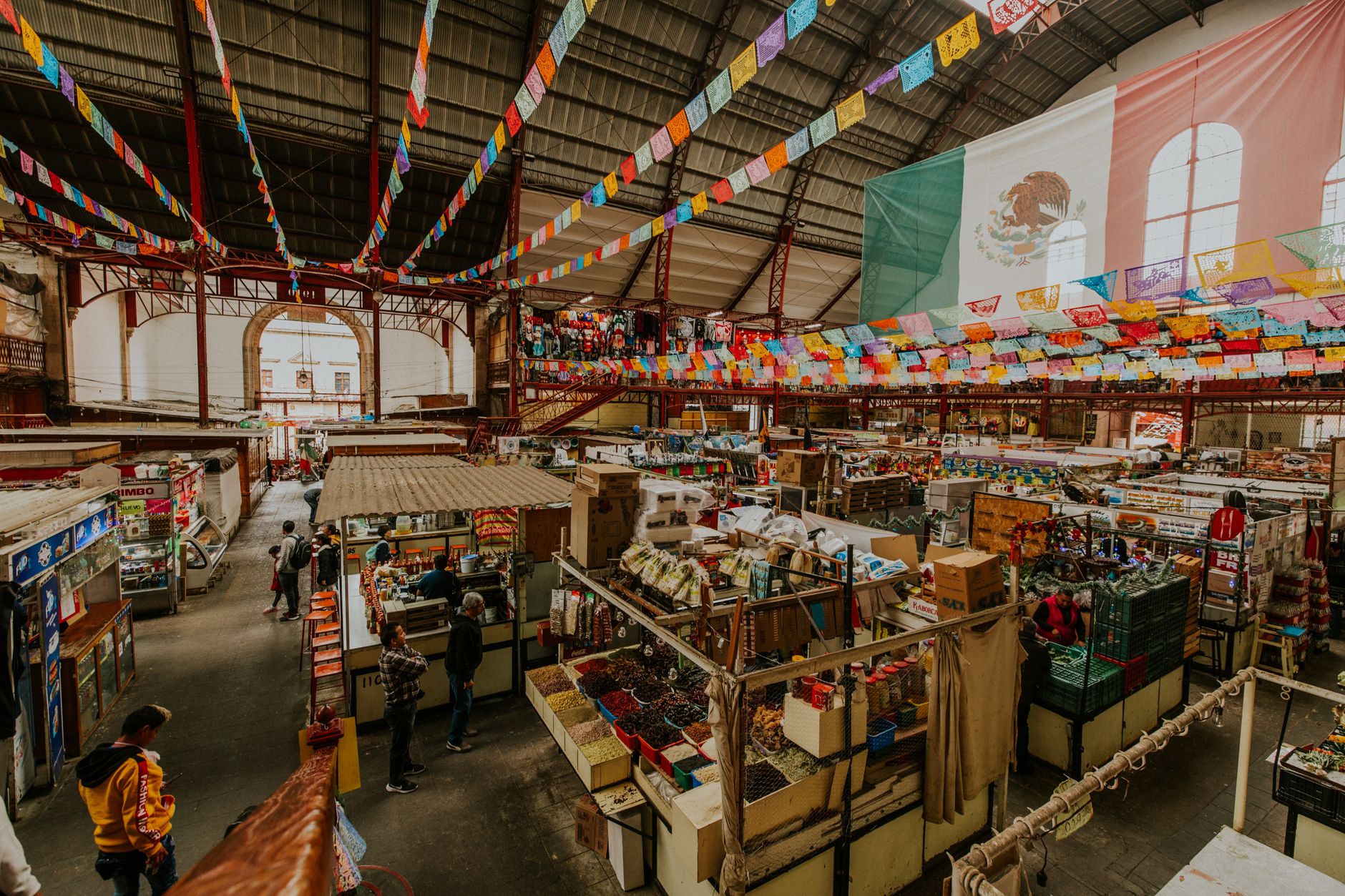
- Mercado Adolfo López Mateos opens by 7:00 but the best produce and prepared-food stalls peak 08:00–11:00; many vendors close by mid-afternoon on weekdays.
- Use Uber or Didi inside the city for clear fares; local colectivos run fixed routes from the central bus terminal to neighborhoods like Acapantzingo and Chamilpa and cost about MXN 8–12 per ride.
- Jardín Borda charges a small entrance fee (around MXN 30–50) and closes earlier than museums—check closing times before planning an evening visit.
How This Guide Was Prepared
Cuernavaca is a short, relaxed contrast to Mexico City: quieter streets, colonial plazas, and several compact museums within easy walking distance. Many guides overplay an easier day-trip narrative and skip how heat, limited public transit, and market hours shape a real weekend here. This guide was prepared through a structured research that combines destination research, geographic context, itinerary planning logic, and content review.
Plan Your Stay in Cuernavaca
Use this itinerary as your starting point, then compare areas to stay, transport options, seasonal timing, and realistic daily costs before booking.
Why Visit
Palacio de Cortés houses murals and a history exhibit in a 16th-century building that anchors the colonial center and offers a concise civic view without needing multiple sites. Jardín Borda is a formal 18th-century garden with ponds and shade lanes created for viceroyalty-era leisure; it makes a calmer alternative to crowded city parks.
Museo Robert Brady presents an eccentric private collection and period house that makes for an intimate museum visit, and Teopanzolco provides a compact pre-Hispanic ruin visible from the city center. The central market, Mercado Adolfo López Mateos, gives direct access to regional Morelense foods like cecina and local sweets at street-level prices. Travel time from Mexico City is short enough for weekend trips, so the city works well as a low-friction cultural weekend.

Quick Planning Tips
Arrive from Mexico City via Pullman de Morelos or Primera Plus coaches—tickets can be purchased online or at the terminal; expect 90–120 minutes depending on traffic. There is no airport in the city for commercial flights; the nearest major airport is Mexico City International (MEX).
Pay mostly in pesos: many markets, small museums and colectivos are cash-only and ATMs sometimes charge fees; bring MXN 500–1,500 in small bills for the first day. Avoid assuming all museums accept cards—carry coins or small bills for entrance fees around MXN 30–100.
Do not plan too many distant stops in a single morning; traffic and limited point-to-point transit make three centrally located activities per half-day realistic.

Day 1
Morning: Start at the Plaza de Armas (Zócalo) and the Catedral de la Asunción. The cathedral is adjacent to the plaza and can be toured in 20–30 minutes. Walk along Calle Matamoros for small cafés and local bakeries; chilaquiles at a central café will be ready by 09:00.
Midday: Walk 5–10 minutes to Palacio de Cortés. Allow 60–90 minutes to see the permanent halls and the mural work; entry is roughly MXN 60–100. After the palace, cross Avenida Morelos to the Museo Morelense or a nearby gallery for a shorter visit of 30–45 minutes.
Lunch: Eat at a traditional fonda near Mercado Adolfo López Mateos—look for tacos de cecina or plated mole; expect MXN 70–160 for a sit-down lunch. After lunch spend 30–60 minutes wandering Mercado Adolfo López Mateos: try aguas frescas or a local dessert stall.
Afternoon: Walk or take a short taxi (5–10 minutes) to Jardín Borda. Spend 45–75 minutes wandering shaded paths and the small exhibition rooms; check closing time in advance. Return to the Centro along Avenida Morelos for late-afternoon coffee.
Evening: Dine on Calle Humboldt or Avenida Morelos where mid-range restaurants and cantinas cluster; an early evening walk around the lit Zócalo is pleasant. If staying near the center, most places are within a 10–15 minute stroll.

Day 2
Morning: Begin in the Acapantzingo neighbourhood with a visit to Parque de Acapantzingo and its green areas; this area is 10–15 minutes by taxi from the Zócalo. Acapantzingo has small bakeries and breakfast spots open by 08:00.
Midday: Head to the Museo Robert Brady in Centro; it is a compact house-museum that takes 45–60 minutes and sits about a 10-minute walk from the Zócalo. Combine this with the nearby Museo de Arte Indígena or small private galleries along Calle Humboldt.
Lunch: Try a mid-day meal at Las Mañanitas restaurant (hotel restaurant) or a nearby comedor offering regional cecina dishes; expect MXN 120–250. After lunch take a colectivo or taxi to Teopanzolco archaeological site (about a 10–15 minute drive from Centro). Allow 60 minutes to walk the small pyramids and interpretation panels.
Afternoon: From Teopanzolco return to Centro and visit local artisan shops on Calle Matamoros and the pedestrian stretch of Avenida Morelos. Use this time to buy pastries or local sweets and to rest in a café before evening activities.
Evening: For a relaxed night, choose a terrace restaurant near Plaza de Armas or seek live music at a small bar on Avenida Morelos. Avoid late-night street wandering away from main plazas; taxis or Uber are reliable for short trips back to hotels.

Day 3
Morning: Use the morning to visit any missed museums or return to the market for goods; many shops open by 08:00. If checking out midday, keep luggage at the hotel or store it at the bus terminal locker and plan a brief final walk around Parque Melchor Ocampo or the boulevard.
Midday: Take a short taxi or colectivo to the modern shopping area around Galerías Cuernavaca if supplies, electronics or a quick sit-down meal are needed; this trip is about 10–15 minutes from Centro by car. Lunch near the mall is convenient for catching an afternoon bus if departing.
Afternoon: If the onward plan includes an afternoon bus or transfer to Mexico City, leave for the central bus terminal (Central de Autobuses) at least 90 minutes before departure during weekdays; for evening flights from MEX, allocate 3–4 hours including travel time. If staying until late afternoon, fit in a last 30–45 minute visit to a small local museum or a botanical café.
Evening: For an overnight departure, arrive at the bus terminal 60–90 minutes early for Primera Plus or Pullman; for airport transfers, prebook with an authorized taxi or use Uber for transparent fares and estimated time.

Best Local Experiences
Mercado Adolfo López Mateos: buy street food, fresh fruit and handicrafts while learning stall rhythms and local pricing. Jardín Borda: attend a temporary exhibition, enjoy shade paths and a small café—best in the morning.
Museo Robert Brady: spend time in the house rooms to understand private-collection displays and decorative arts not found elsewhere. Teopanzolco: watch sunset light on the pyramids or pick a morning visit to avoid heat.
Avenida Morelos pedestrian walks: see local shops, small leather goods and bakeries; useful for casual souvenir shopping. Local colectivos to Tepoztlán depart from the north side of the central bus terminal—combine a short market morning here with an afternoon in Tepoztlán when time allows.
An early Saturday morning visit to Mercado de Abastos (if open) will show wholesalers and bulk produce trade—ask for cecina from Yecapixtla vendors. Attend a local feria or municipal cultural event at Jardín Borda or Plaza de Armas if scheduled; these offer music and food in the evenings.
Where to Stay
Centro Histórico: Best for first-time visitors who want museums, the Zócalo, restaurants and short walks to Palacio de Cortés and Jardín Borda. Nightly prices range from around MXN 800 for basic guesthouses to MXN 2,500 for mid-range hotels (roughly EUR 40–125 / USD 45–130).
Acapantzingo: Suits travellers who want quieter streets, park access and local bakeries; accommodations here are smaller boutique hotels or B&Bs, about MXN 900–1,800 per night (EUR 45–90 / USD 50–95). Expect short taxi rides to the center.
Chamilpa / North neighborhoods: Good for lower-cost options and proximity to the bus terminal and highway for onward travel. Nightly costs are often MXN 600–1,200 (EUR 30–60 / USD 35–65). These areas are practical for early departures and value stays.
Pick a place within a 10–15 minute walk of the Zócalo for the most museum and restaurant choices. Many small hotels offer free breakfast and are family-run; confirm hot water and Wi-Fi before booking if those are essential.
Food and Drink
Cecina (Yecapixtla-style): thin-sliced salted or lightly smoked beef from nearby Yecapixtla, often served as tacos; available at Mercado Adolfo López Mateos and fondas for MXN 25–60 a taco. Try it with local salsas.
Chilaquiles: fried tortilla chips with salsa and toppings; a standard breakfast item at central cafés and hotels like Las Mañanitas for MXN 70–140. Expect coffee or juice extra.
Tlacoyos: masa patties stuffed with beans or cheese and topped with salsa; find them on Calle Matamoros and market stalls for MXN 20–50 each. They are a common midday snack.
Aguas frescas and tepache: fruit-based, non-alcoholic drinks sold at market stalls—try agua de jamaica or guanábana for MXN 15–30 per small cup. Tepache, a fermented pineapple drink, appears at market stalls and street sellers.
Dinner recommendation—local fonda or mid-range restaurant: order a morelense-style mole or grilled cecina plate in Centro for MXN 120–250 per person. For pastries and light coffee choose neighborhood panaderías near Jardín Borda in the afternoon.
Getting Around
No metro or tram system exists; travel is by local buses, colectivos, taxis, Uber and Didi. Colectivos run fixed routes from the central bus terminal to neighbourhoods like Acapantzingo, Chamilpa and northbound stops; fares are about MXN 8–12 per ride. Local urban buses are cheaper but slower and usually cash-only.
Single short taxi or Uber rides in the center typically cost MXN 30–80 depending on distance; an airport transfer or trip from Mexico City will be substantially more. Buy long-distance bus tickets at the Central de Autobuses counter for Primera Plus or Pullman de Morelos; these services have assigned seats and luggage compartments.
Apps: use Uber or Didi for reliable point-to-point pricing; Moovit helps with bus and colectivo routing though schedules are approximate. There is no unified city transit card—expect to pay fares in cash on buses and colectivos.
Best Time to Visit
High season runs December through April when temperatures are mild (daytime 22–28°C / 72–82°F) and rainfall is low; weekends are busier, especially around holidays. May through September is the rainy season with hot, humid afternoons and frequent showers; mornings are often fine but heavy storms can appear by late afternoon.
For value and fewer crowds, consider late October–November or late April when shoulder-season rates appear and weather is still pleasant. Avoid the heaviest rainfall months if outdoor touring is a priority, and note that public events around national holidays make plazas more crowded but also lively.
Budget and Practical Tips
Daily budget example (per person): Accommodation: MXN 800–2,000 (EUR 40–100 / USD 45–100) depending on level. Food: MXN 200–450 (EUR 10–22 / USD 12–24) for modest breakfasts, market lunches and a mid-range dinner. Transport: MXN 50–200 (EUR 2.50–10 / USD 3–11) for local taxis, colectivos and a short Uber. Entry fees: expect MXN 30–100 per museum; budget MXN 200–300 for three sites in two days.
Tipping: small-service culture applies—round up taxis, tip 10–15% in sit-down restaurants if service is not included, and leave MXN 10–20 for market bag carriers. Safety and packing: carry photocopies of ID, avoid showing expensive electronics in quieter streets at night, and keep small bills for market purchases. Carry sunscreen and a refillable water bottle—afternoons heat quickly and bottled water is inexpensive at markets.
FAQ
Is Cuernavaca safe for tourists?
Central tourist areas like the Zócalo, Jardín Borda and main museums are generally safe during daytime; standard precautions apply at night—stick to lit plazas, use Uber or taxis for late returns, and avoid isolated streets after dark.
How do I get from Mexico City to Cuernavaca?
Regular coaches run from Mexico City terminals with Pullman de Morelos and Primera Plus; travel time is 90–120 minutes depending on traffic—buy tickets in advance for busy weekends.
Is a city card or pass worth buying?
There is no widely used single Cuernavaca city pass—most visitors pay per museum and use cash for colectivos, so a card rarely saves money unless bundled by a private tour operator.
Can I visit Teopanzolco and the central museums in one day?
It is possible but tight—expect 6–8 hours when including transport, walking and museum time; mornings are best for Teopanzolco to avoid heat.
Are ATMs and card payments easy to use?
Cards work at larger hotels, restaurants and some museums, but markets and small fondas are often cash-only—carry MXN 500–1,500 on arrival.
Is public transport easy to navigate?
Colectivos and local buses cover main routes but lack fixed published timetables—use Uber or Didi for predictable fares and Moovit for approximate routing.
What is the average cost of museums?
Most small museums charge around MXN 30–100 per person; larger sites like Palacio de Cortés are at the higher end of that range.
Can day trips to Tepoztlán be done from Cuernavaca?
Yes, there are colectivos and buses to Tepoztlán from the central bus area; allocate at least a half-day for transit and hiking time.
Conclusion
A well-paced three-day visit will leave a clear impression of colonial architecture, garden spaces and an accessible set of small museums without feeling rushed. Most travellers will remember Palacio de Cortés murals, a market meal of cecina and the mellow shade of Jardín Borda. If time is short, prioritise the palace and Jardín Borda for a compact and representative experience.
How this guide was prepared
This guide was prepared through a structured research that combines destination research, geographic context, itinerary planning logic, and content review.