

Guanajuato in 3 Days: Practical Weekend Itinerary and Map
A practical three-day guide to Guanajuato covering museums, Callejón del Beso, El Pípila, Mercado Hidalgo, transport tips, and realistic costs.
A clear, no-nonsense three-day plan for Guanajuato with timing, transit notes, realistic prices and meal picks so a weekend trip feels efficient and honest.
Expect steep, narrow alleys, plazas packed with terraces, and a historic centre carved into a valley. The first impression is a city of levels: cars thread through tunnels below while pedestrians climb stairways and alleys above. Streets can be noisy after dark near Jardín de la Unión due to restaurants, bars and callejoneadas (musical walking tours). Visitors who picture a quiet colonial town may be surprised by the density of tour groups and festival crowds in October.
Is 3 days in Guanajuato enough?
Three days are enough to see the main museums, the Callejón del Beso, El Pípila viewpoint, and sample market food while moving at a steady pace. One honest caveat: a full experience of the Valenciana mine area and a relaxed Cervantino schedule require more time or sacrifice elsewhere.
Who This Guide Is For
Best for travelers who like museums, compact walking itineraries, and lively plazas; less suitable for travelers needing a slow, low-noise beach-style trip or those unwilling to climb steep streets.
Local Tips for Guanajuato
Practical details that most travel sites skip — specific to Guanajuato.
- Monumento al Pípila viewpoint is served by the Teleférico (funicular) from a station near Jardín de la Unión; a single ride costs about MXN 30–40 and saves a steep 15–25 minute climb.
- Museo de las Momias charges roughly MXN 80–120 for entry; lines form midday, so arrive at opening to avoid waiting and harsh sun.
- Shuttles from Aeropuerto Internacional del Bajío (BJX) run to Centro (Central de Autobuses) for about MXN 120–160; a private taxi or Uber costs around MXN 500–700 depending on luggage and time of day.
- Callejón del Beso is tiny and governed by local stall and photo traffic; visitors who expect an instant quiet photo should factor in a 10–20 minute wait during daytime and evening hours.
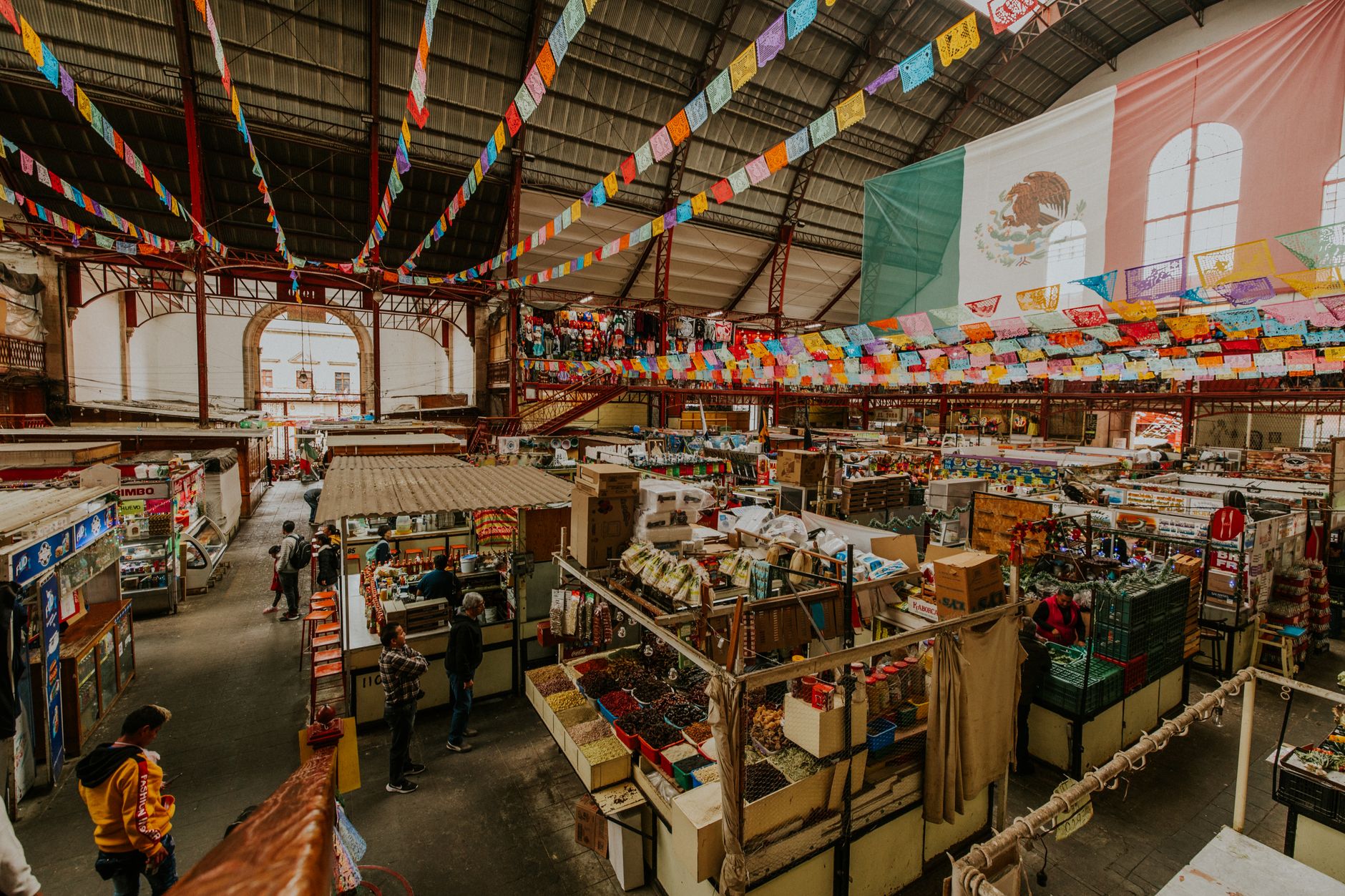
- Mercado Hidalgo has a ground floor of food stalls and a mezzanine with produce and souvenirs; early morning (08:00–10:00) offers the freshest tortas and café de olla and fewer crowds.
How This Guide Was Prepared
Guanajuato’s compact core rewards a short visit by offering dense cultural stops within very walkable but steep streets. Many guides over-romanticize narrow alleys and festival crowds while skipping practicalities like how to reach viewpoints, the funicular schedule, and the reality of noisy nights near Jardín de la Unión. This guide focuses on what fits into 72 hours: practical routing, transit realities, and where to accept crowds or skip attractions to save time. This guide was prepared through a structured research that combines destination research, geographic context, itinerary planning logic, and content review.
Plan Your Stay in Guanajuato
Use this itinerary as your starting point, then compare areas to stay, transport options, seasonal timing, and realistic daily costs before booking.
Why Visit
This city concentrates several museum experiences within a short walk: Museo de las Momias, Casa Diego Rivera, and the Alhóndiga de Granaditas sit close to each other and show very different sides of local culture. The view from Monumento al Pípila frames the coloured houses and is one of the quickest, most rewarding panoramas in central Mexico. Markets like Mercado Hidalgo and the neighbourhood around La Valenciana preserve miner-era architecture and food that differ from nearby San Miguel de Allende’s tourist offerings. The Festival Internacional Cervantino in October provides extensive theatre, classical music and street performances if dates align, but note higher prices and sold-out lodging then.

Quick Planning Tips
Fly into Aeropuerto Internacional del Bajío (BJX) near Silao; buy a shuttle to Central de Autobuses for MXN 120–160 or budget MXN 500–700 for a private taxi. Cash is heavily used in markets, small cafés and on minibuses; ATMs are common but carry small bills (MXN 20, 50, 100) for taxis and market purchases. Expect narrow streets that make driving awkward: park at official lots near El Pípila or at Central de Autobuses and walk. Avoid booking accommodation directly on Jardín de la Unión if sensitive to late-night noise; quieter options in Valenciana or Marfil are better for light sleepers.

Day 1
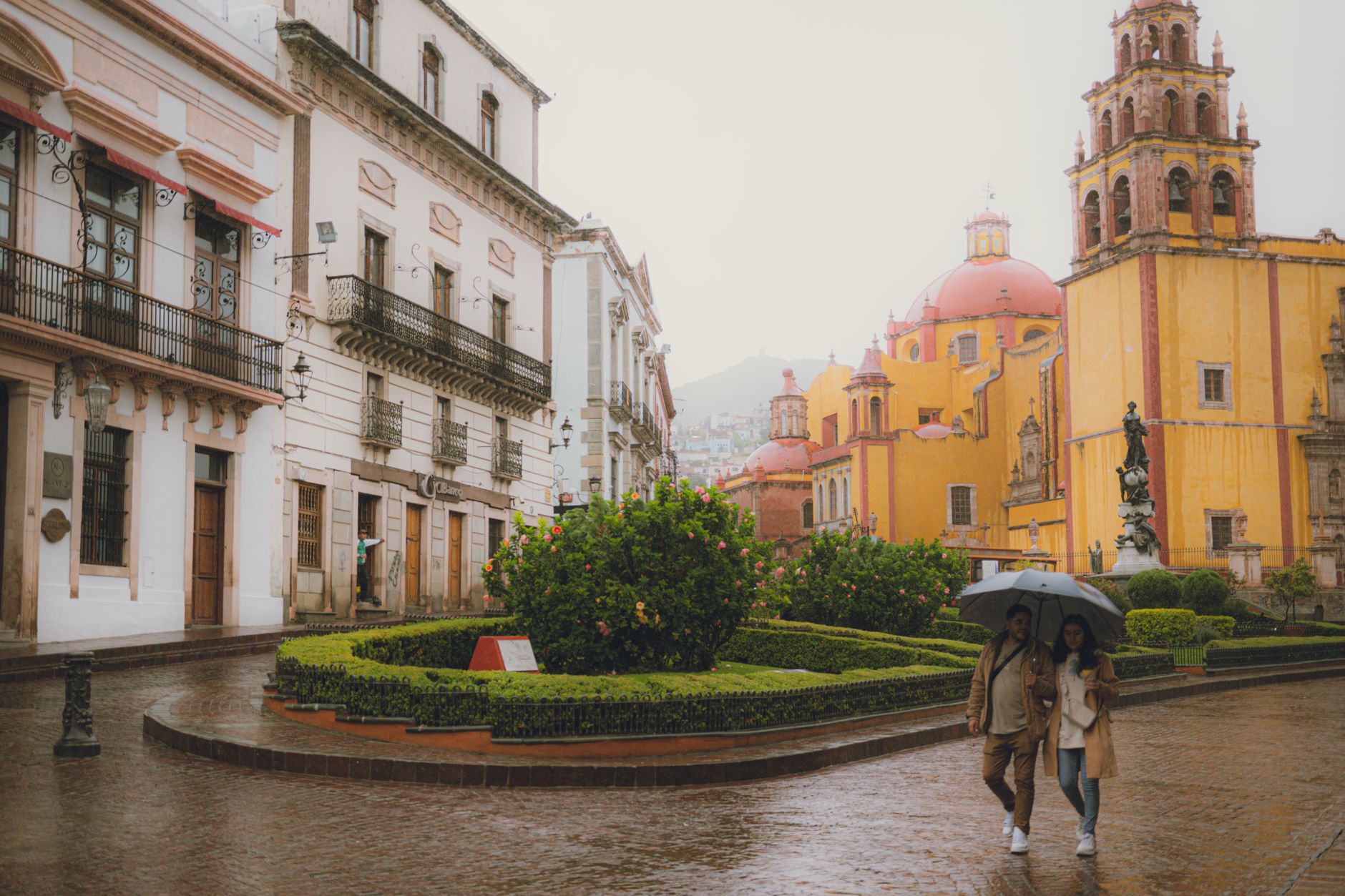
Late afternoon and evening: Walk to Callejón del Beso for a quick photo stop — allow 10–20 minutes for the alley itself due to limited space and queues. For dinner, reserve a table at Casa Valadez near the garden (mid-range, MXN 250–450 per person). Evening recommendation: join a callejoneada (musical walking tour) leaving from Jardín de la Unión around 21:00; the tour lasts 60–90 minutes and is a local tradition that runs most evenings.
Day 2
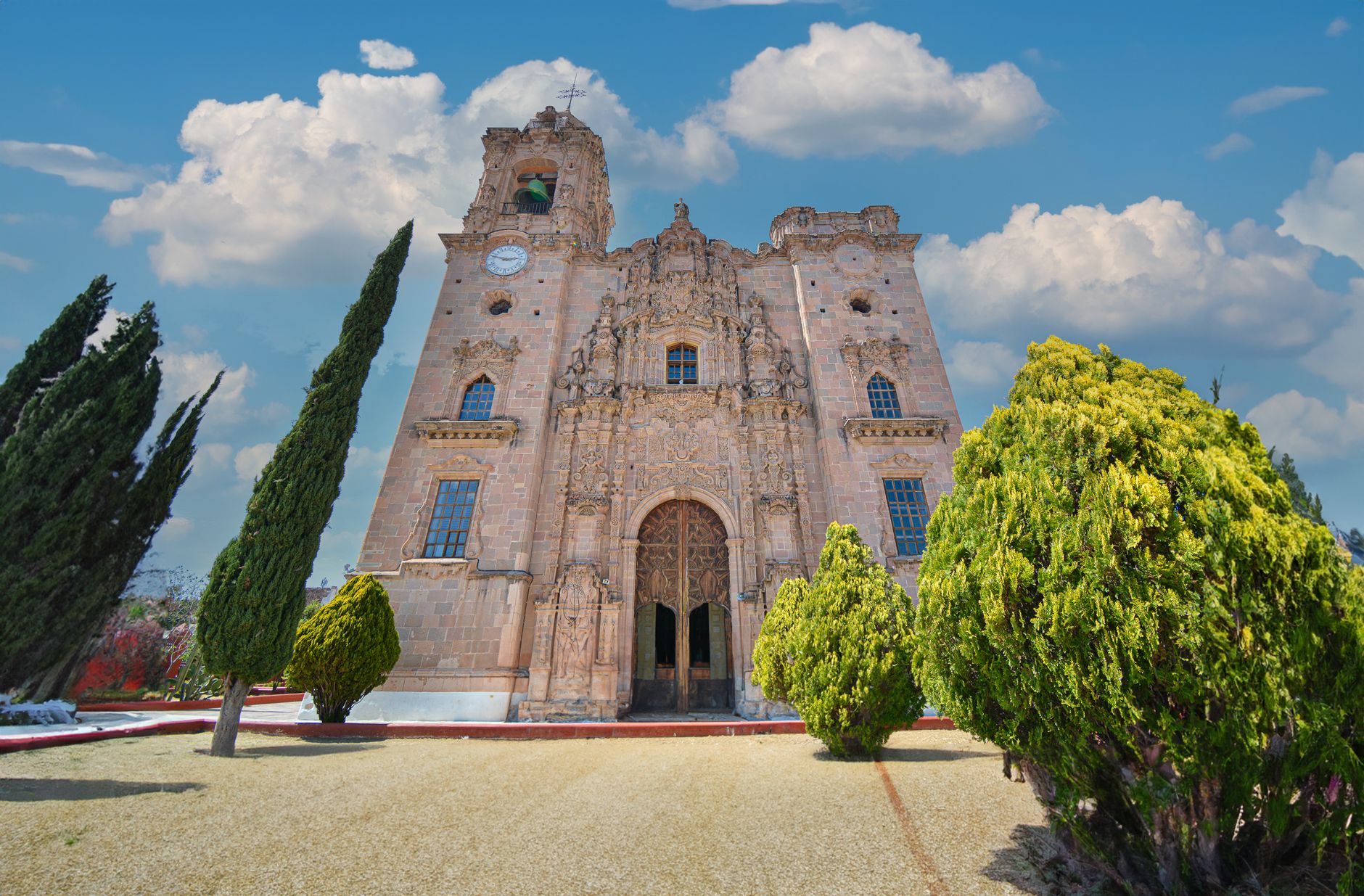
Afternoon: Walk the underground vehicular tunnels on foot where permitted and then visit Casa Diego Rivera (Museo Casa Diego Rivera) and Museo Iconográfico del Quijote for contrasting exhibitions; each museum takes 30–60 minutes. Evening: Dine in Marfil or near Plaza San Fernando for quieter options. If energy remains, a late evening stroll along Calle Positos and the university area offers lit facades and local student cafes. Transit notes: short taxi rides (MXN 40–100) are the fastest between these spread-out sites.
Day 3
Afternoon/Departure: Confirm shuttle or taxi booking the night before; if using Uber, request pickups from a main street such as Calle de Dolores or near the Central de Autobuses because many alleys are not drivable. If a traveler has time, a last stop at a verandah café around Jardín de la Unión lets for relaxed people-watching before the airport run.
Best Local Experiences
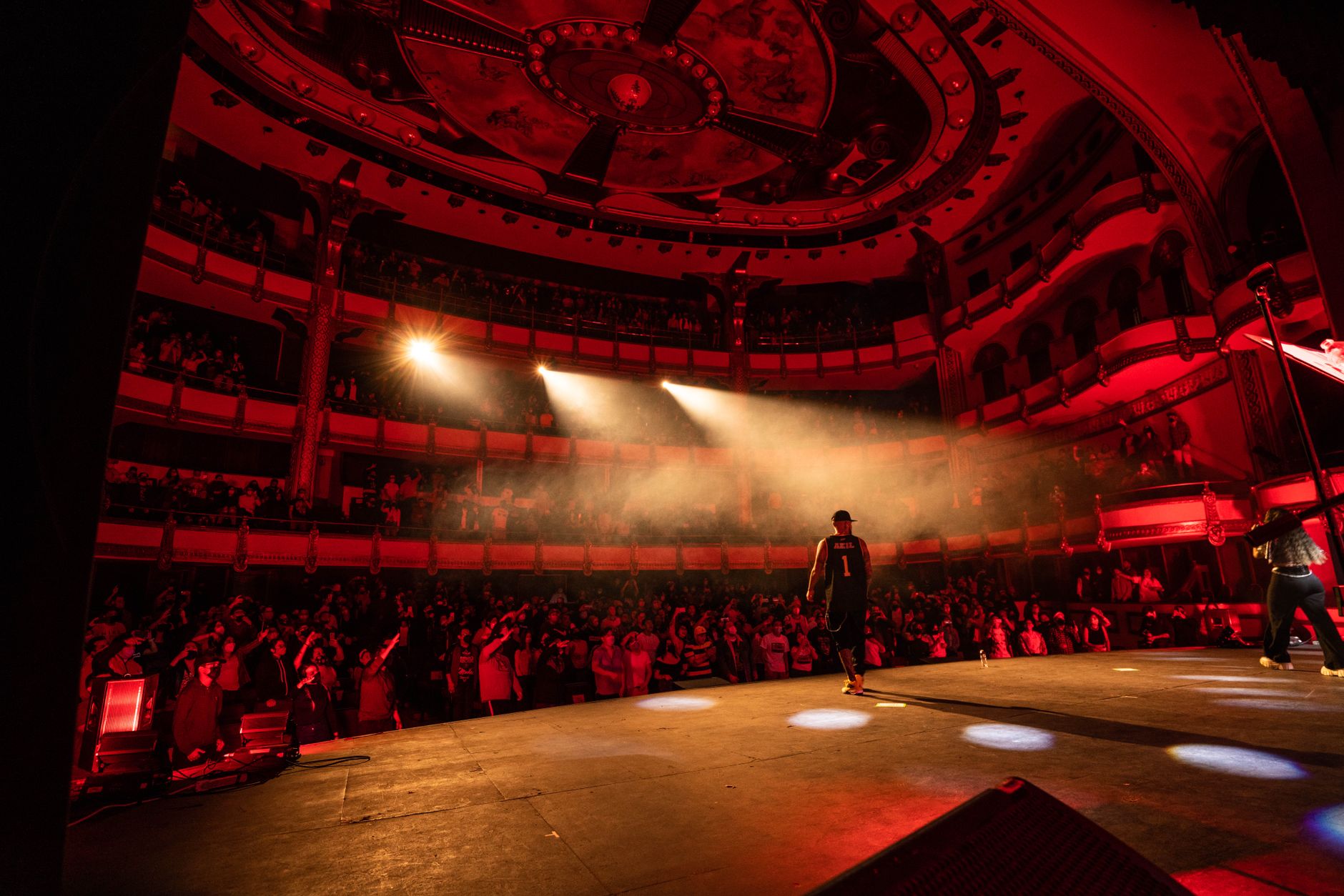
Festival Internacional Cervantino in October offers theatre, classical music, and street performance schedules across plazas and theatres including Teatro Juárez and Plaza de los Ángeles. Callejoneadas: evening student-led musical walks give local stories and songs; buy a seat on a small terrace or join the group. Funicular ride to Monumento al Pípila with city vista at sunset is a short, high-value experience. Mercado Hidalgo sampling: early-morning tortas, café de olla and pan dulce give a good local start. Visit Templo de la Valenciana and the old mine district to see baroque architecture and miner-era silver wealth. Walking inside the pedestrian alley network and experiencing the tunneled road system below is an urban curiosity unique to this valley city.
Where to Stay
Marfil / San Javier: Good for mid-range budgets and people wanting local eateries and bakeries nearby; rooms typically MXN 700–1,800 per night (~USD 40–100 / EUR 35–90). This area balances walking distance to Centro with calmer evenings.
Food and Drink
Enchiladas mineras: a local style often filled with potatoes and topped with salsa and cheese; look for them at Casa Valadez or Mercado Hidalgo stalls (MXN 80–150). Gorditas: thick corn pockets filled with pork, chicharrón or cheese; street stalls near Calle de la Presa offer them for MXN 30–60. Café de olla: spiced, cinnamon-sweetened coffee available at market stalls and cafés; a breakfast cup is MXN 20–40. Pozole and carnitas: available at midday stalls and small fondas around Plaza de la Paz (MXN 60–120). Sweets and confectionery: find alfeñiques and candied fruit at Mercado Hidalgo and bakeries (MXN 20–60 per item). Dinner recommendation: Casa Valadez for regional mains and central location, expect MXN 250–450 per person. Street food option: tacos or gorditas at Mercado Hidalgo or roadside stalls for MXN 30–100.
Getting Around
There is no metro system; transport modes are minibuses (colectivos), local buses, taxis, and ride-hail services like Uber and Didi when available. Main vehicle access is via the tunneled road network that feeds the Central de Autobuses de Guanajuato. Single local bus or colectivo fares are roughly MXN 10–12 (about USD 0.55–0.70), paid in cash to the driver. There is no widely used city transit card; most fares are cash. Use Moovit or Google Maps for route planning and to time funicular runs. Taxi fares inside the city typically run MXN 40–120 for short trips; a taxi or Uber from BJX costs about MXN 500–700. The Teleférico (funicular) to Monumento al Pípila costs about MXN 30–40 one way.
Best Time to Visit
October hosts Festival Internacional Cervantino and delivers packed schedules and higher accommodation prices; book many months ahead if attending. November to February brings cooler, drier weather (night temperatures near 5–10°C, daytime 18–24°C) and fewer tourists outside Cervantino season. March to May is warm and dry with daytime highs 22–30°C; shoulder-season crowd levels are moderate and prices better than October. June to September is the rainy season with heavy afternoon storms and higher humidity; expect occasional flooded alleys and canceled outdoor events. For best value and reasonably stable weather, aim for late March–May or November (avoiding Cervantino dates unless desired).
Budget and Practical Tips
Typical daily budget (mid-range traveler): Accommodation MXN 1,200–2,500 (~USD 65–140 / EUR 60–125), food MXN 300–600 (~USD 16–33 / EUR 15–30), local transport MXN 50–120 (~USD 2.50–6.50 / EUR 2.25–6), museum entries MXN 100–250 (~USD 5.50–14 / EUR 5–13). A conservative daily total around MXN 1,700–3,500 (~USD 95–195 / EUR 85–180). Street food and market meals keep costs low; sit-down dinners at Casa Valadez or similar raise totals. Tipping: restaurants commonly add 10–15% if service charge not included; taxis are often rounded up and small tips are appreciated by porters. Carry small bills for market purchases and bus fares and confirm museum opening days (some close Mondays).
FAQ
Is Guanajuato safe for tourists?
Central areas and tourist sites are generally safe in daytime; standard precautions apply after dark—use main streets, avoid poorly lit alleys alone, and keep valuables secure.
How do I get from Aeropuerto del Bajío (BJX) to the city?
Book the airport shuttle to Central de Autobuses (MXN 120–160) or use taxi/Uber (MXN 500–700); shuttles are cheapest and drop at the main bus hub.
Is a city pass or card worth buying?
There is no universal Guanajuato city card; some museums offer combo tickets, but purchases are typically per-site—evaluate based on which paid museums are priorities.
Are museums open daily?
Many museums close one weekday (often Monday) or have limited hours; check specific sites like Museo de las Momias and Alhóndiga de Granaditas before visiting.
Can Uber and Didi be used everywhere?
They operate in the area but narrow alleys and traffic rules may require pickups on main streets such as Calle de Dolores or near Mercado Hidalgo.
What should be expected for crowds during Cervantino?
October’s Cervantino brings large crowds, sold-out hotels and significant price inflation; expect queues and to reserve tickets and lodging months in advance.
Is walking practical for sightseeing?
Yes, but streets are steep; wear supportive shoes and plan for stairs—use short taxi rides for distant sites like La Valenciana if needed.
Conclusion
A three-day visit will leave a strong, compact impression: museum variety, a memorable viewpoint at Monumento al Pípila, noisy nighttime life around Jardín de la Unión, and market food that rewards early mornings. Prioritise a morning museum, the funicular viewpoint, and a market meal if time runs short. Plan for steep walking and narrow streets, and accept short taxi rides to save time or energy; these choices make a weekend both efficient and enjoyable.
How this guide was prepared
This guide was prepared through a structured research that combines destination research, geographic context, itinerary planning logic, and content review.