

Best Time to Visit Ubud — When to Go, Weather, Crowds, and Practical Tips
Decide the best time to visit Ubud with clear month-by-month weather, crowd and price signals, festival notes (Nyepi), and sustainable recommendations for a low-impact, authentic stay. Ideal as a support page for a 3 days in Ubud itinerary.
Ubud is an inland cultural and rice‑terrace destination whose experience changes with the seasons. This page helps you pick the best months for rice terraces, ceremonies, yoga retreats and quieter travel while keeping local-first, low-impact choices in mind.
Quick Answer
Ubud is an inland cultural and rice‑terrace destination whose experience changes with the seasons. This page helps you pick the best months for rice terraces, ceremonies, yoga retreats and quieter travel while keeping local-first, low-impact choices in mind.
Who This Page Is For
This page is for travelers planning a stay in Ubud who want clearer decisions about best time to visit, local logistics, timing, budgeting, and practical trip planning.
How This Page Was Prepared
This page was prepared through a structured editorial workflow that combines destination research, geographic context, and practical travel-planning review.
Plan the Rest of Your Trip
Use this page together with the full itinerary and the related planning pages below to make better booking, timing, transport, and budget decisions.
Best overall months: April–June and September–October (dry season shoulder months). Expect fewer tourists, lower prices, and pleasant weather for rice terraces and walking. Peak season: July–August and around Christmas/New Year — busy and more expensive. Monsoon season: November–March brings frequent heavy showers; travel is still possible but expect muddy trails, occasional road flooding and disrupted day trips.
Ubud sits in Bali’s central highlands and is best known for rice terraces, temples, art markets and wellness culture. It’s not a beach town — the vibe is inland, green and pedestrian-friendly. The right month for you depends on whether you prize sunshine, quiet lanes, temple ceremonies or lower prices. This page gives practical weather windows, crowd guidance, and local-first tips to time your trip to Ubud well and to link smoothly with a 3 days in Ubud itinerary or trips to nearby cities like Kuta and Yogyakarta.
What This Page Helps You Decide
Use this page to choose when to book your Ubud stay, plan activities for a 3-day trip, and decide whether to combine Ubud with coastal or Java itineraries. Practical decisions covered include:
– Which months have best hiking and rice terrace views
– When ceremonies and festivals affect opening hours and crowds
– When to expect better hotel rates and availability
– How weather affects day trips to Tirta Empul, Mount Batur sunrise treks, and coastal transfers to Kuta
You’ll find timing advice that favors local economies, quieter seasons, and low-impact choices when possible.
Top Recommendations
Month-by-month highlights
– April–June: Ideal shoulder months. Dry weather, green terraces after the rains, lower hotel rates than peak. Good for spa bookings and yoga retreats.
– July–August: Peak season — busiest, especially in central Ubud and around the Monkey Forest. Book hotels, drivers, and popular classes well in advance.
– September–October: Another shoulder window with warm, mostly dry days and thinner crowds. Rice fields remain attractive until harvest cycles begin.
– November–March: Monsoon season with heavy showers and higher humidity. Lower prices and quiet streets, but outdoor activities and trekking can be disrupted.
Festival timing to watch
– Nyepi (Balinese Day of Silence, usually March): island-wide closures — plan transport and arrival/departure carefully.
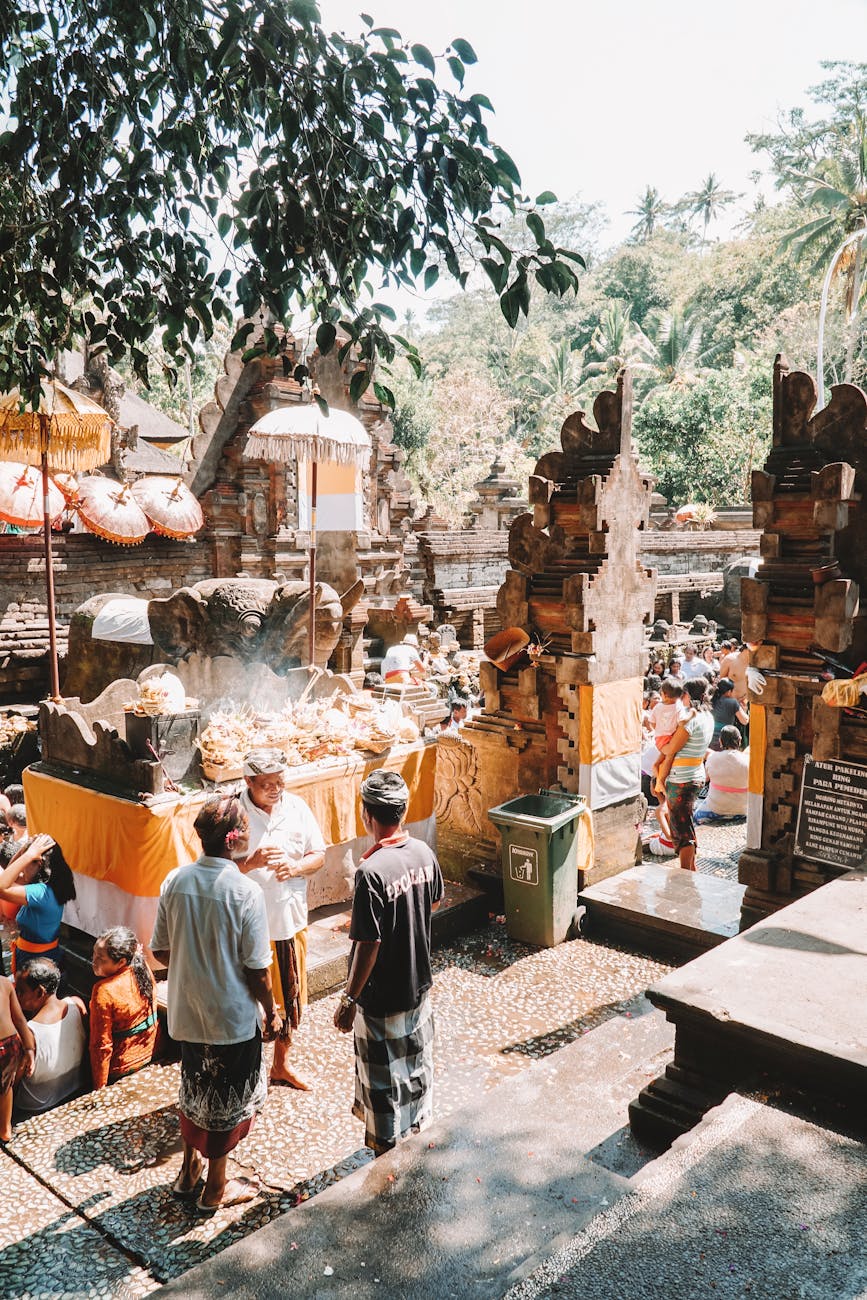
– Galungan and Kuningan: culturally rich but moveable by the lunar calendar; expect local ceremonies, colorful decorations, and possible temporary closures of some businesses.
Booking tips
– For a 3 days in Ubud plan, reserve accommodations and a driver/airport transfer in shoulder and peak seasons.
– Book spa treatments, cooking classes, and popular walks a few days in advance during busy months.
– For Nyepi, ensure your accommodation and host have clear instructions; many places operate as usual under hotel guidance but public transport and shops are closed.

Local Context
Neighborhoods and local realities
– Ubud center (around Ubud Palace and Ubud Market on Jalan Raya Ubud): lively, craft shops, restaurants and easy access to yoga studios. Best for first-time visitors but busiest.
– Penestanan and Nyuh Kuning: quieter, artist communities and boutique homestays within walking distance of central Ubud.
– Sayan and Campuhan: hillside lodges and river valley views; good for short hikes and sunrise walks.
– Tegallalang (north of Ubud): famous rice terraces — popular with day-trippers and photographers.
Transport realities
– Ngurah Rai (Denpasar) airport is typically 60–90 minutes by car to Ubud in light traffic, 2+ hours peak season or with heavy rains. Expect winding, narrow roads around Ubud.
– Public transport is minimal. Rent a scooter only if you’re experienced; otherwise hire a licensed driver or use hotel transfers for day trips.
– Driving times to nearby cities: Kuta (~1.5–2 hours), Seminyak/Kuta for beaches and nightlife; flights or trains are practical connections to Java cities like Surabaya, Malang and Yogyakarta with transfers via Denpasar or ferry+train.
Local etiquette and practical notes
– Dress modestly when visiting temples and carry a sarong or use temple-provided wraps. Remove shoes where required.
– Don’t step on canang (daily offerings) and avoid touching people’s heads. Be respectful photographing ceremonies and people.
– Support local warungs, craftspeople and licensed guides to keep tourism benefits local.

How to Choose Well
Match your priorities to the season
– If you want quiet streets, better hotel value and local interaction: choose April–June or September–October.
– If you want guaranteed sunshine for outdoor photo shoots and longer daylight: July–August but book in advance.
– If you seek lower prices and don’t mind rain: November–March; focus on spa days, workshops, and indoor cultural experiences.
Practical checklist for booking
– Reserve airport transfer or driver for arrival and departure to avoid long waits.
– Book your preferred accommodation early for July–August and major holidays.
– For Mount Batur sunrise treks, aim for dry months and check for volcanic advisories; use reputable operators.
– Plan one easy “rest” day into a 3 days in Ubud itinerary for massage, market browsing and a cooking class rather than packing every hour with outings.

Responsible and Local-First Tips
Make your visit benefit local people and places
– Stay in locally owned guesthouses or small hotels in Penestanan or Nyuh Kuning rather than only international chains.
– Eat at family-run warungs and order local dishes; ask where ingredients came from to support local producers.
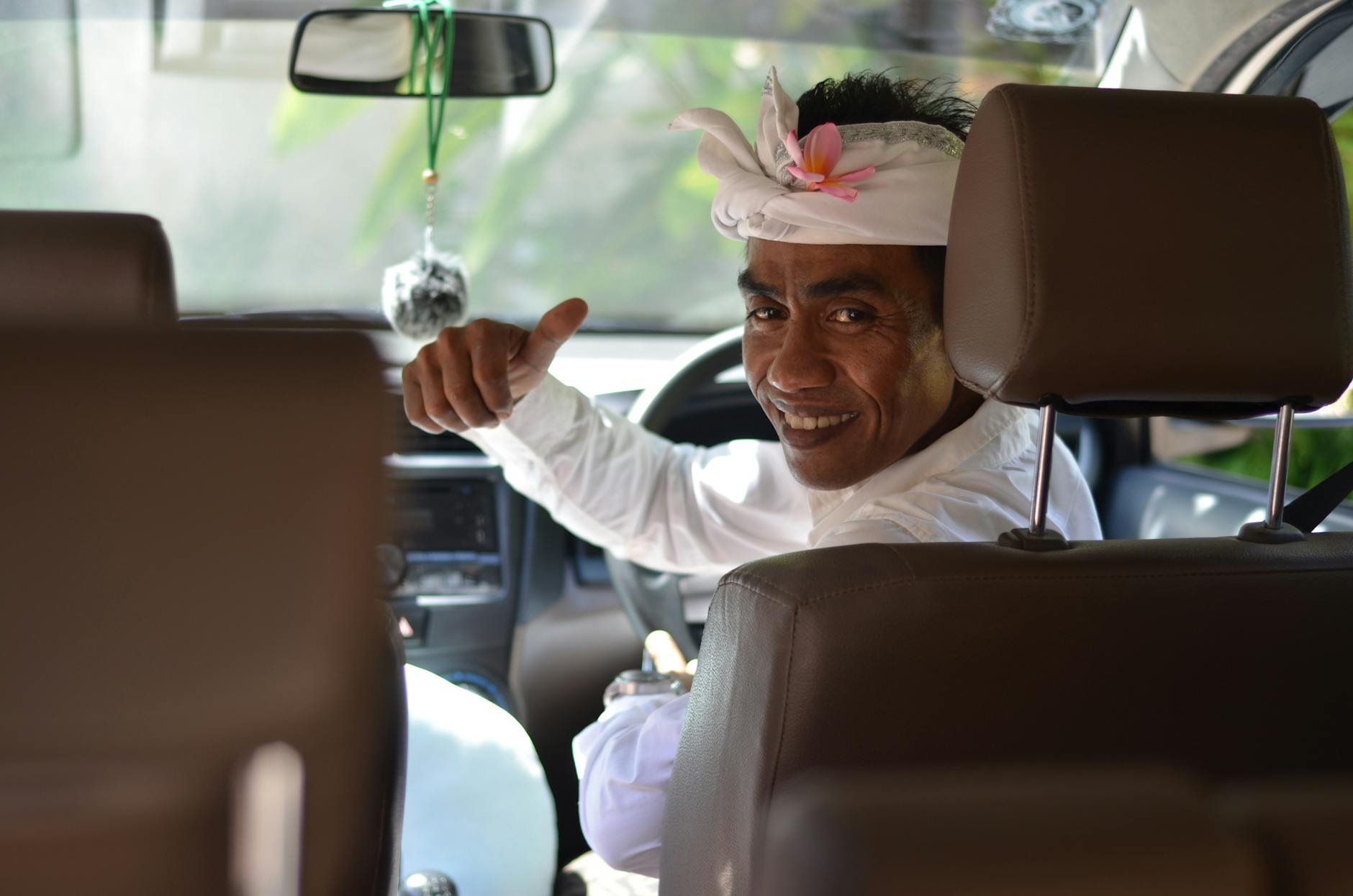
– Choose licensed guides and drivers; agree prices upfront and consider fair tipping.
– Avoid feeding or provoking monkeys at the Monkey Forest; follow staff guidance and secure belongings.
– Minimize single-use plastic: carry a refill bottle and buy from places that use bulk water dispensers.
– Respect rice-growing seasons: keep to official paths in Tegallalang and ask permission before photographing farmers closely.
– If you book wellness or yoga retreats, check for sustainable practices (local staffing, community engagement).
Common Mistakes to Avoid
Avoid these repeat pitfalls
– Expecting beaches: Ubud is inland; don’t book last-minute beach tours from Ubud without factoring travel time.
– Underbooking in peak season: failing to reserve accommodations, spa slots or drivers in July–August and holiday weeks.
– Riding a scooter if inexperienced: Ubud’s narrow, sometimes slippery roads are not ideal for novice riders.
– Ignoring Nyepi: travel and business closures affect plans — check the date before booking flights.
– Feeding or teasing monkeys: this leads to bites and stress for animals; follow rules at the Monkey Forest.
– Haggling aggressively at markets: negotiate fairly and remember many sellers are local artisans relying on tourism income.
FAQ
When is the best month to visit Ubud for rice terrace photos?
April–June and September–October give a good balance of green terraces, manageable crowds and more predictable weather. Early morning light on Tegallalang is best.
Is Nyepi a bad time to be in Ubud?
Nyepi is a unique cultural experience but it means island-wide closures (no traffic, shops or restaurants open). If you stay, coordinate with your accommodation and expect a quiet day indoors. Avoid planning arrivals or departures that day.
Can I combine Ubud with Kuta or Yogyakarta easily?
Yes. Kuta is a 1.5–2 hour road transfer from Ubud. For Yogyakarta, you’ll typically fly from Denpasar or combine ferry+train options; allow a day for travel when connecting.
Are there safety or health concerns during the monsoon?
Heavy rains can create slippery trails, occasional road flooding and delays. Check weather before treks, avoid small river crossings after storms, and bring quick-dry layers.
How far in advance should I book accommodations and activities?
For July–August and major holidays, book 6–12 weeks ahead. For shoulder months, 2–4 weeks is usually sufficient. Book trekking operators, spa treatments and popular cooking classes several days ahead year-round.
Conclusion
Choose shoulder months (April–June, September–October) for the best balance of weather, lower crowds and local-first benefits. Peak season delivers reliable sun but needs early booking; monsoon season brings quieter streets and lower prices but wetter conditions. Use this guidance to time a thoughtful, low-impact visit and link your plan to the 3 days in Ubud itinerary for a practical day-by-day structure. Consider sustainable choices — local homestays, licensed guides and responsible wildlife practices — to keep your visit positive for the community and environment.
How this guide was prepared
This guide was prepared through a structured research that combines destination research, geographic context, itinerary planning logic, and content review.