
Best Time to Visit Dubai — When to Plan Your 3-Day Trip
Practical advice on the best months to visit Dubai for a 3-day itinerary, including weather, events, transport realities, Ramadan tips, shoulder-season options, and sustainable local-first recommendations.
Choose Dubai’s cooler months (Nov–Mar) for comfortable sightseeing; use shoulder seasons (Oct, Apr) to avoid crowds and support local businesses. This page helps you match weather, events, and transport to a 3-day Dubai plan and nearby trips to Sharjah, Abu Dhabi, Muscat, Doha, and Manama.
Quick Answer
Choose Dubai’s cooler months (Nov–Mar) for comfortable sightseeing; use shoulder seasons (Oct, Apr) to avoid crowds and support local businesses. This page helps you match weather, events, and transport to a 3-day Dubai plan and nearby trips to Sharjah, Abu Dhabi, Muscat, Doha, and Manama.
Who This Page Is For
This page is for travelers planning a stay in Dubai who want clearer decisions about best time to visit, local logistics, timing, budgeting, and practical trip planning.
How This Page Was Prepared
This page was prepared through a structured editorial workflow that combines destination research, geographic context, and practical travel-planning review.
Plan the Rest of Your Trip
Use this page together with the full itinerary and the related planning pages below to make better booking, timing, transport, and budget decisions.
Best overall months: November through March for cool, dry weather and full outdoor options. Best balance of comfort and lower crowds: October and April (shoulder seasons). Avoid May–September for daytime heat unless you prioritize low prices and indoor activities. If your trip centers on culture or shopping, consider timing around the Dubai Shopping Festival (Jan–Feb) or Ramadan depending on whether you prefer quieter or culturally immersive travel.
This page helps you pick dates for a short, well-paced visit to Dubai that pairs clean sightseeing days with local experiences and practical transport. It is written for travelers who want to support local businesses, avoid peak discomfort, and make the most of a 3-day itinerary. Expect concrete guidance on months, events, neighborhood choices, and sustainable options for desert and city activities.
What This Page Helps You Decide
Use this page to choose exact dates for your 3-day Dubai itinerary and nearby day trips, considering:
– Weather and comfort for outdoor plans like Jumeirah beach, walkable Al Fahidi, or a Dubai Marina stroll.
– Crowd levels around Burj Khalifa and Dubai Mall and when to book timed-entry tickets.
– Whether to schedule a desert excursion (sunrise, sunset, or overnight) to minimize heat and impact.
– If your trip will include neighboring cities (Sharjah, Abu Dhabi) and the transport/time costs.
It also gives sustainable choices: local guides, family-owned restaurants, and responsible desert operators.
Top Recommendations
Plan for cooler months unless your priorities are indoor events or extreme budget rates.
– Best months: Nov–Mar. Expect daytime highs 24–30°C and cooler nights.
– Shoulder months: Oct and Apr — good compromise for fewer crowds and lower rates.
– Avoid: May–Sep for long, hot days (40°C+); plan early-morning or evening outings if visiting then.
Booking tips:
– Reserve Burj Khalifa and Dubai Mall attractions online for fixed slots.
– Book desert tours for sunrise or sunset and choose certified low-impact operators.
– If visiting during Ramadan, book restaurants with opening hours in advance and be respectful in public.
Nearby-city day trips:
– Sharjah: 30–40 minutes by taxi or shared bus — visit museums and local markets in the morning.
– Abu Dhabi: 1.5–2 hours by car or coach — schedule a whole day for Sheikh Zayed Mosque and Louvre Abu Dhabi.
– For Muscat, Doha, or Manama: check flight schedules; these are best as separate flights rather than long-road trips.
Local Context
Neighborhood realities:
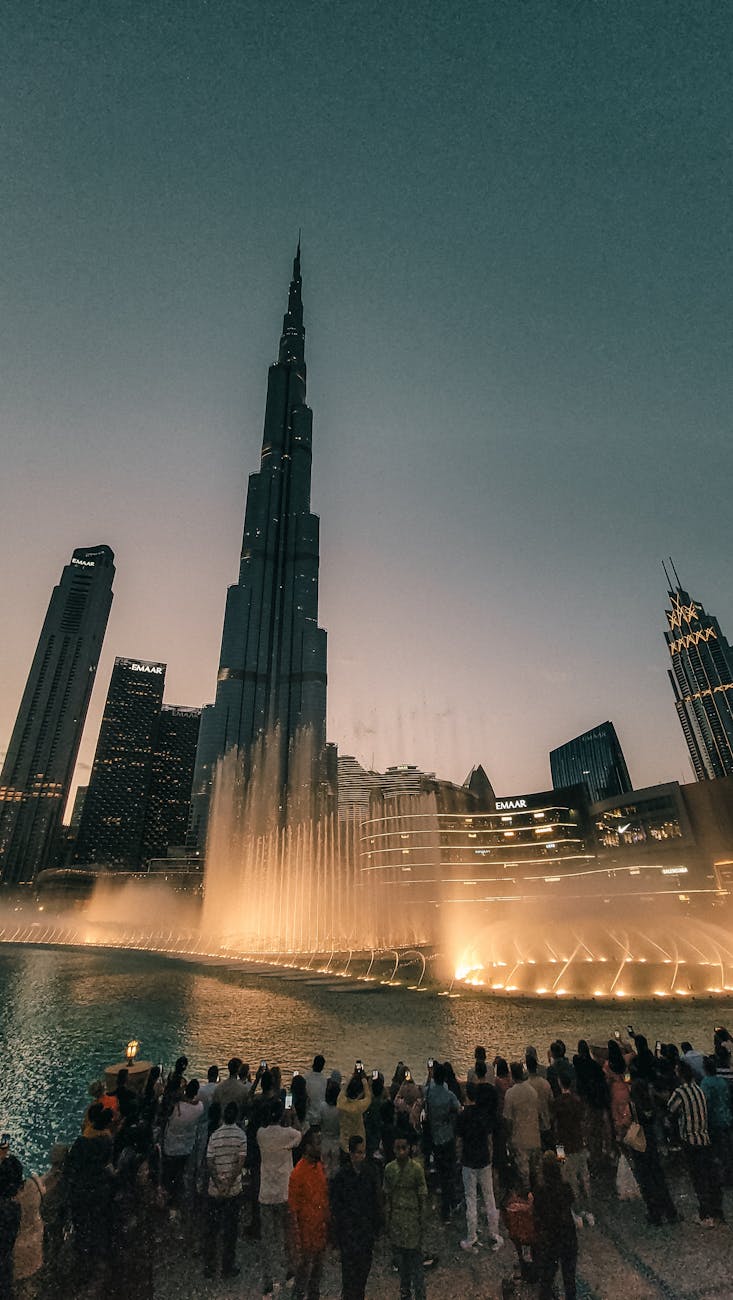
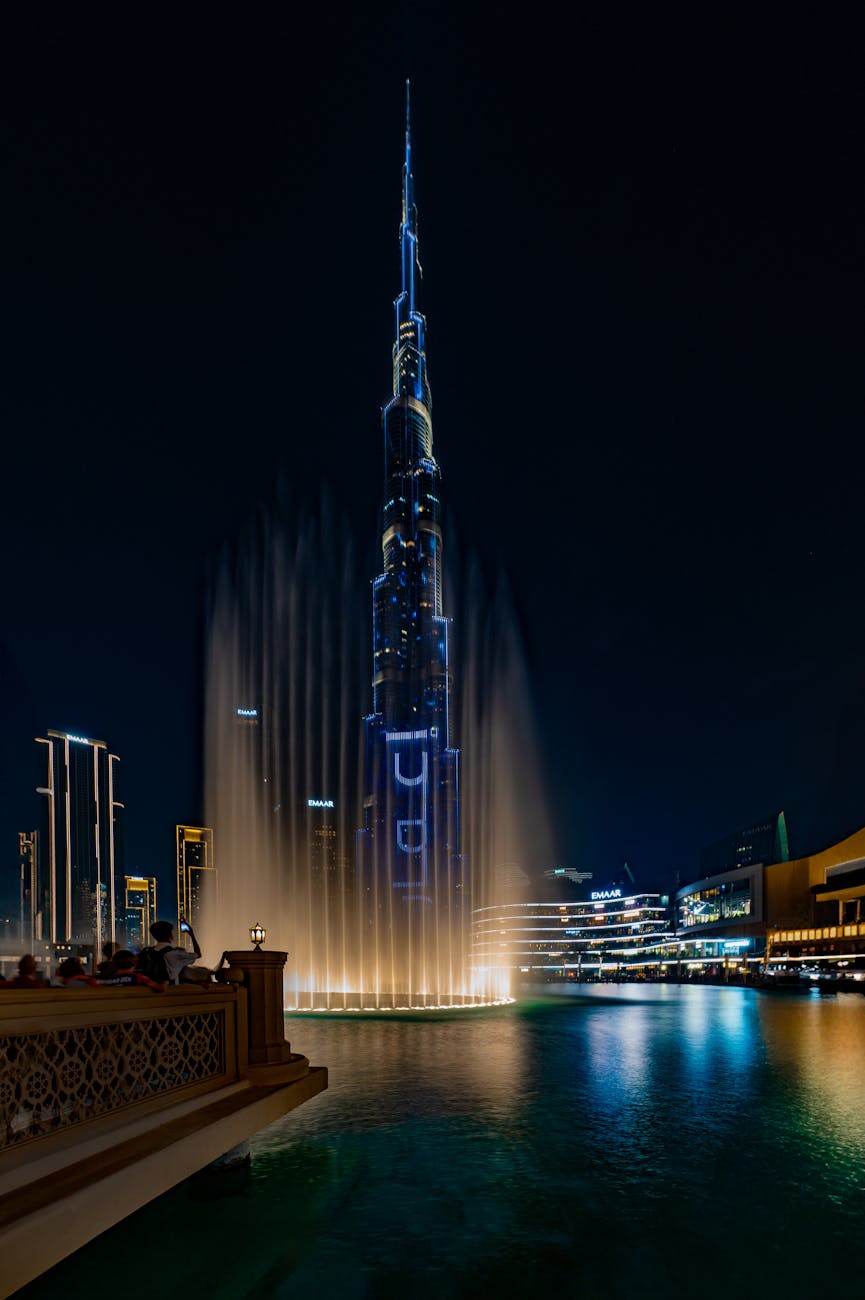
– Downtown/Dubai Mall/Burj Khalifa: Very touristy, excellent metro access (Red Line), strong pedestrian flows around the mall and fountain; expect queues during event nights.
– Dubai Marina and JBR: Lively waterfront, easy tram or taxi access, great for evening walks; boat tours operate year-round but are best in cooler months.
– Al Fahidi (Al Bastakiya) and Dubai Creek: Historic lanes, museums, and abra boats—cooler early mornings are ideal.
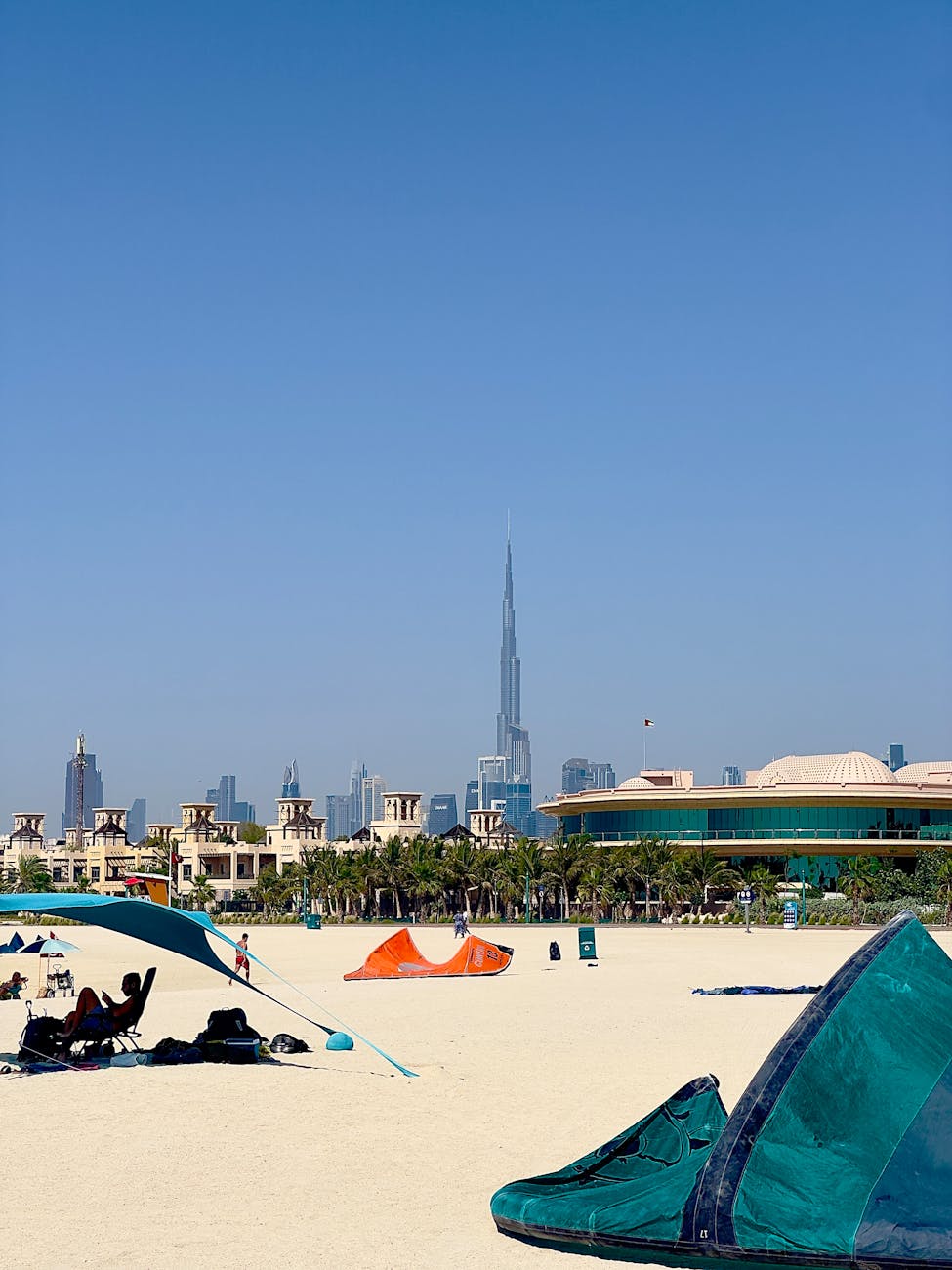
– Jumeirah and Kite Beach: Beach culture and local cafés; public beaches are best Nov–Apr.
Transport realities:
– Metro and tram connect most attractions on the main tourist axis; taxis and ride-hailing are abundant and reasonable for short trips.
– Airport (DXB) transfers are quick from Dubai’s central districts; allow extra time during peak travel seasons and holidays.
Seasonal patterns and events:
– Winter festival season (Dec–Feb) brings events and higher hotel rates.
– Dubai Shopping Festival (Jan–Feb) increases crowds but adds late-night shopping and discounts.
– Ramadan shifts dining hours and daytime business pace; many cultural experiences are available if you plan respectfully.
How to Choose Well
Match date choices to your priorities:
– If you want outdoor sightseeing (desert, beaches, walking tours): pick Nov–Mar.
– If you want lower prices and fewer tourists but tolerable weather: choose Oct or Apr.
– If you want big sales and late-night activity: Jan–Feb during the Shopping Festival.
– If you need cultural immersion: consider visiting during Ramadan for quieter days and special iftars, but plan meals and business hours carefully.
Practical booking advice:
– Reserve popular timed activities (Burj Khalifa, Dubai Aquarium, desert camps) at least 2–4 weeks ahead in winter; shoulder season may allow shorter lead time.
– For short trips linked to the main 3-day guide, group nearby activities by neighborhood to minimize cross-city travel and taxi miles.
– Consider refundable rates or flexible bookings if your trip overlaps major events or Ramadan dates (which shift each year).
Responsible and Local-First Tips
Sustainability and supporting local economies:
– Choose guided walking tours led by neighborhood-based companies in Al Fahidi, Deira, or Al Quoz to keep spending local.
– Prefer small cafés and family-run restaurants over international chains; try Emirati dishes and regional cafés in Deira and Jumeirah.
– Book desert experiences with operators who use low-impact practices: limits on group size, dune-friendly routes, and no off-trail driving in sensitive areas.
– Minimize single-use plastics: carry a refillable bottle (tap water is safe in hotels) and decline plastic cutlery.
– Use public transit where practical: the metro reduces congestion and emissions on the main tourist corridor.
– During Ramadan, support local businesses by joining iftar meals and booking services that benefit staff working unusual hours.
Small choices add up—choosing neighborhood shopping, local guides, and certified eco-tours keeps more revenue in the community.
Common Mistakes to Avoid
Avoid these frequent planning errors:
– Booking a daytime desert trip in summer—heat can make it unsafe and uncomfortable.
– Scheduling long cross-city itineraries without factoring Dubai’s size and traffic—group attractions by neighborhood.
– Assuming all businesses operate normally during Ramadan—check hours and book iftar in advance.
– Leaving timed-entry attractions like Burj Khalifa or aquarium to chance during high season—book in advance.
– Over-relying on taxis for every short hop—use the metro for reliable, cheaper travel along the Red Line.
– Choosing the cheapest desert operator without checking environmental and animal welfare practices—look for certified providers.
FAQ
When is Dubai too hot for outdoor sightseeing?
May through September are hot, with daytime highs often above 40°C. Plan outdoor activities for early morning or after sunset, or shift to indoor attractions in the afternoon.
Is Ramadan a bad time to visit Dubai?
Not necessarily. Ramadan offers cultural experiences and quieter days, but dining options and business hours change. Be respectful—avoid eating, drinking, or smoking in public during daylight and book restaurants ahead for iftar.
Can I do a desert trip during a short 3-day stay?
Yes—choose a sunset or overnight tour scheduled on an evening that doesn’t conflict with your main downtown activities. Pickup logistics are usually easy; allow 4–6 hours for a quality, small-group experience.
How should I split a 3-day itinerary to be low-impact and efficient?
Group attractions by neighborhood: Downtown + Dubai Mall/Burj Khalifa one day, Dubai Marina/JBR and Palm the next, and a morning in Al Fahidi/Deira with an afternoon desert or beach on the third day. This reduces cross-city travel and supports local businesses in each area.
Are there quieter months where hotels are cheaper but weather is okay?
October and April are shoulder months with lower rates than winter and more comfortable temperatures than high summer—good for value and lower crowds.
Conclusion
For a 3-day Dubai trip that balances comfort, local engagement, and low impact, aim for November–March or the shoulder months of October and April. Book key attractions and desert tours in advance, group activities by neighborhood to reduce travel time, and prioritize neighborhood dining and certified local guides to keep your visit sustainable. Use this advice alongside the main 3 days in Dubai itinerary to sequence days logically and consider day trips to Sharjah or Abu Dhabi when time allows.
How this guide was prepared
This guide was prepared through a structured research that combines destination research, geographic context, itinerary planning logic, and content review.