
Practical 3-Day Guide to Dhaka: Itinerary, Tips, Costs
Three-day Dhaka itinerary for efficient first-timers: neighborhood routes, transit cards, realistic costs, safety tips, and key sites if time is tight.
A frank, usable 72-hour plan that balances Old Dhaka's street life, key museums, and modern neighborhoods while accounting for traffic, heat, and sanitation realities.
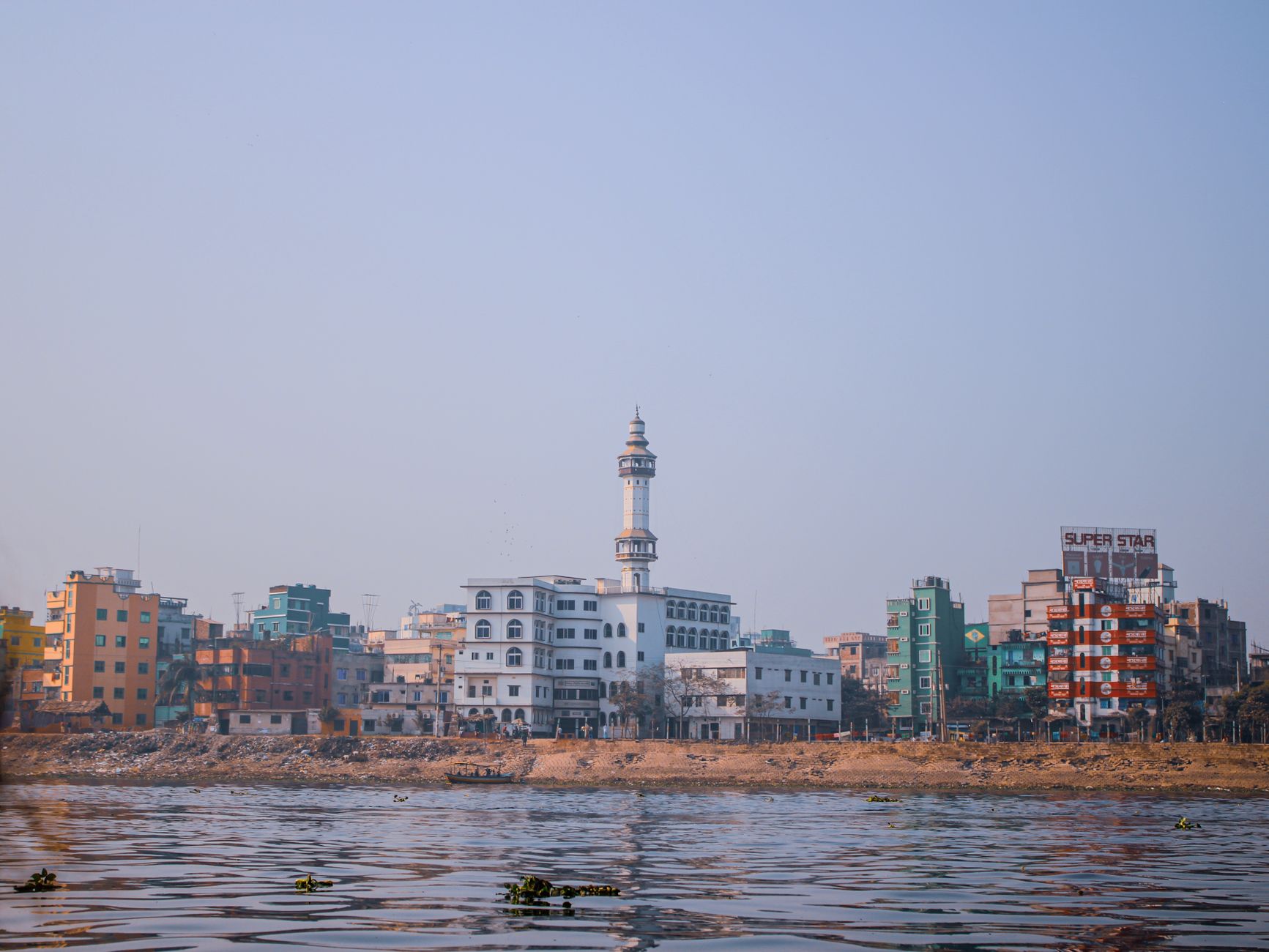
Expect intense density, constant street activity, and a city where commerce happens at curbside. First impressions are usually a mix of noise, crowds, and a relentless flow of small shops, rickshaws, and motorcycles alongside sudden riverside calm. Traffic can feel like the main local fabric; moving two kilometers by car at 5pm can take as long as visiting a museum. The place suits travelers who are curious about urban life, street food, and layered historical neighborhoods rather than those seeking quiet promenades or polished tourist infrastructure.
Is 3 days in Dhaka enough?
Three days are enough to see Old Dhaka (Lalbagh Fort, Ahsan Manzil, Sadarghat), a main museum, and one modern neighbourhood such as Gulshan or Dhanmondi. Expect to skip deeper excursions outside the metropolitan core and prepare for time lost in traffic.
Who This Guide Is For
Best for travelers who want active street-level experiences, street food, photography, and short cultural dives; not ideal for travelers needing quiet streets, easy wheelchair access, or a relaxed schedule.
Local Tips for Dhaka
Practical details that most travel sites skip — specific to Dhaka.
- MRT Line-6 (Uttara–Agargaon) is the fastest way across the northern corridor; tokens cost about BDT 20–60 depending on distance and smartcard top-ups save time at peak hours.
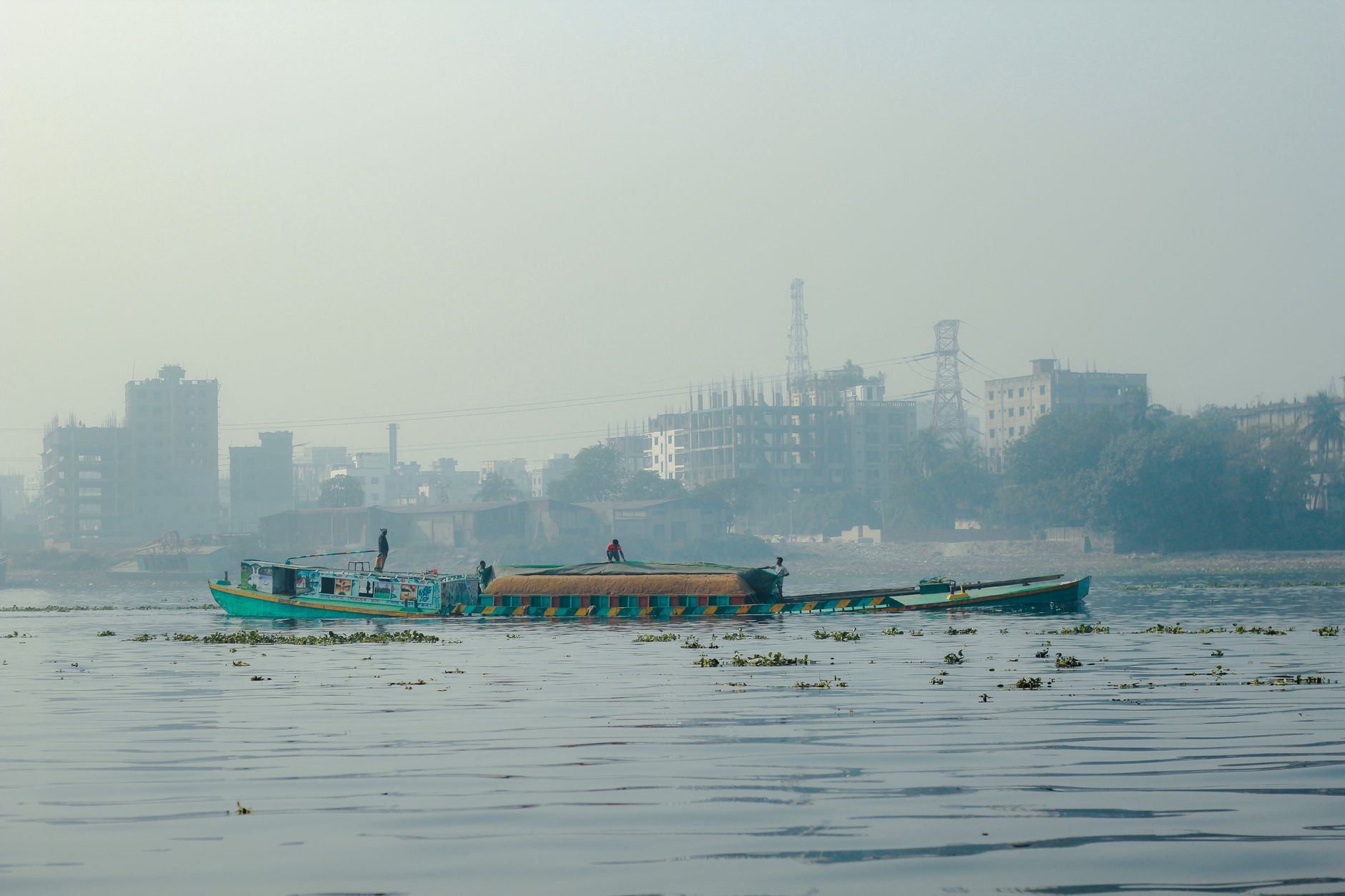
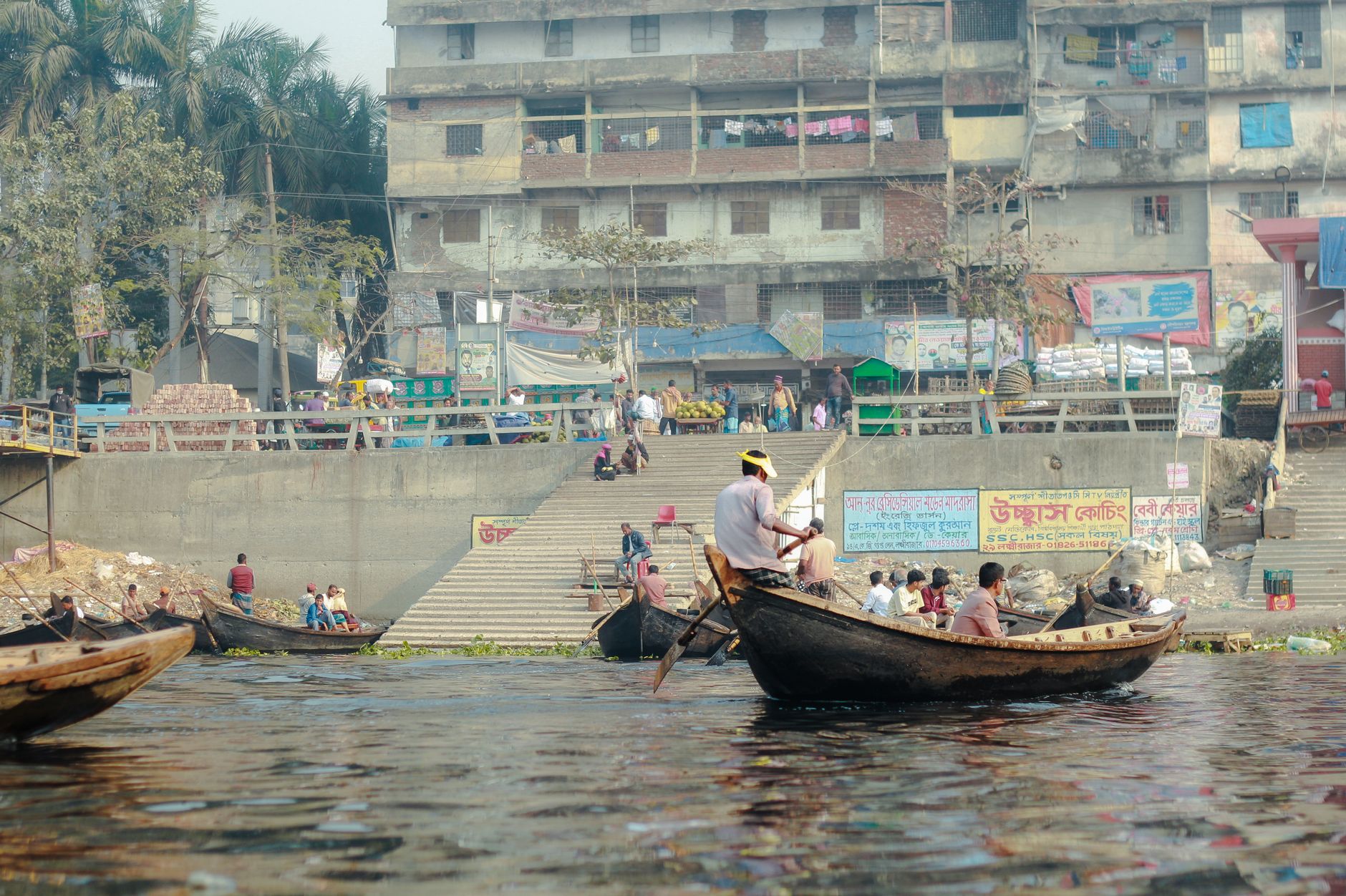
- Sadarghat River Terminal has frequent launches to Narayanganj and Munshiganj; small launches cost BDT 20–100 and leave early mornings and late afternoons when rivers are busiest.
- bKash and Nagad mobile wallets are accepted at many restaurants and ride apps, but most street vendors and small shops take only cash—carry BDT notes under BDT 1,000 for change.
- Pathao and Shohoz are the main ride‑hail apps; motorbike rides halve peak road time but avoid busy intersections with large luggage—expect app fares to surge during Eid and Ramadan.
- In Old Dhaka (Armanitola, Chawk) negotiate rickshaw fares before boarding—short trips start around BDT 20–40; drivers will assume small-change availability, so have coins and low notes.
How This Guide Was Prepared
This guide treats Dhaka as a dense, working megacity where moving between neighborhoods is the core challenge and the reward. Many guides treat it like a compact sightseeing circuit; real travel here means accepting slow transit, strong contrasts between Old Dhaka and Gulshan, and street-level encounters with commerce and food. This guide was prepared through a structured research that combines destination research, geographic context, itinerary planning logic, and content review.
Plan Your Stay in Dhaka
Use this itinerary as your starting point, then compare areas to stay, transport options, seasonal timing, and realistic daily costs before booking.
Why Visit
Old Dhaka offers tightly packed markets and architecture not replicated in nearby capitals; Ahsan Manzil and Lalbagh Fort show Mughal and colonial layers within a few blocks. Rivers are an operational lifeline here; Sadarghat ferry activity and a launch ride provide both transport and photography opportunities unlike landlocked cities. Food is a primary reason: Old Dhaka biryani, fuchka, and jhalmuri are regionally distinctive and available at street stalls and century‑old shops. Museums such as the Liberation War Museum and the Bangladesh National Museum explain national memory and textile traditions that are useful context for what appears on the streets.

Quick Planning Tips
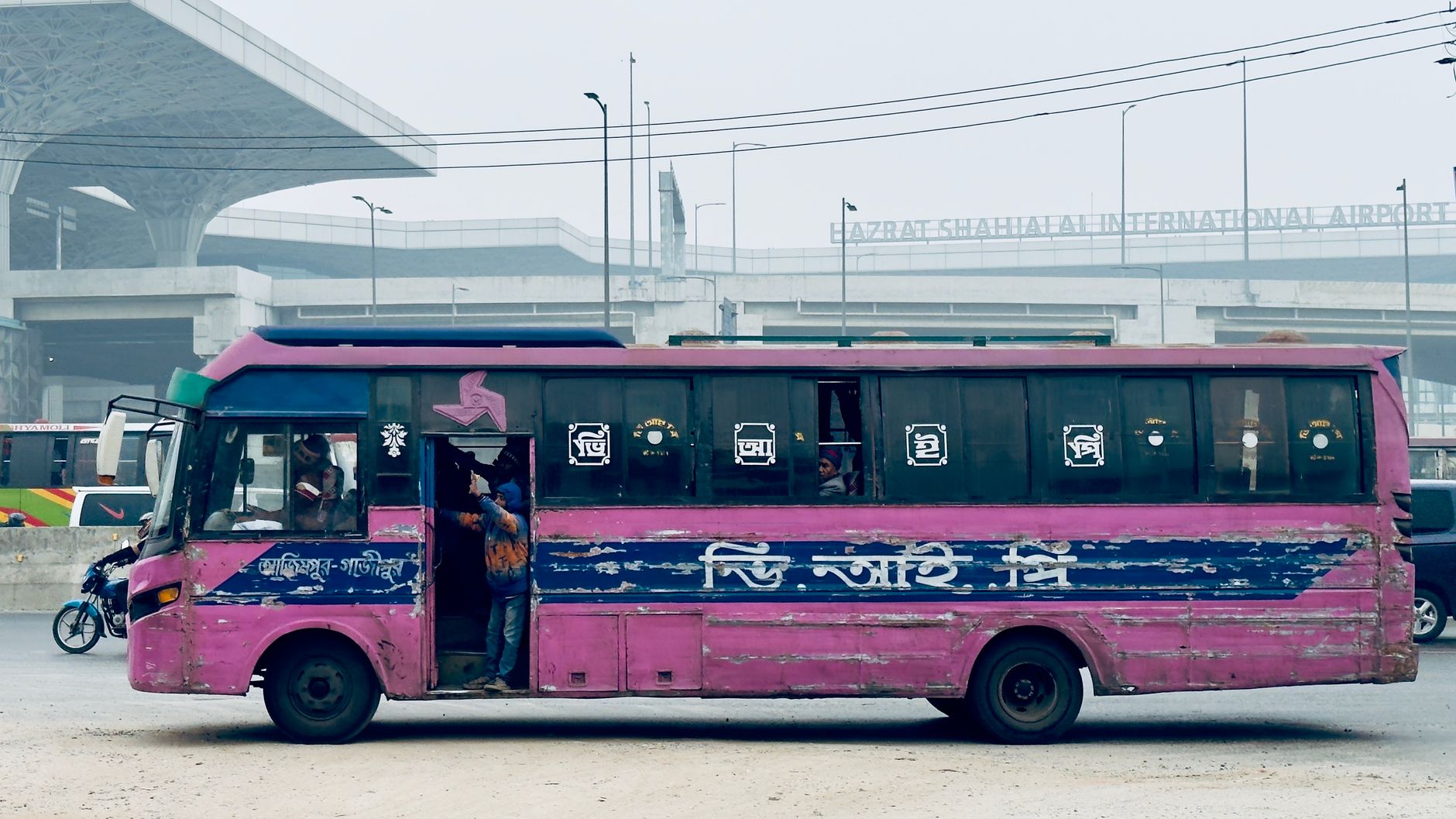
Fly into Hazrat Shahjalal International Airport (DAC) and use a prebooked app taxi or the metered airport taxi to reach Gulshan or Dhanmondi; allow 45–90 minutes depending on time of day. Carry cash (BDT) in small denominations because many markets and stalls refuse cards; use bKash or Nagad where possible but a local SIM helps. Avoid planning tightly scheduled inter-neighbourhood travel during 8:00–10:30 and 16:30–19:30 when roads are slow and journeys can double in time.
Day 1
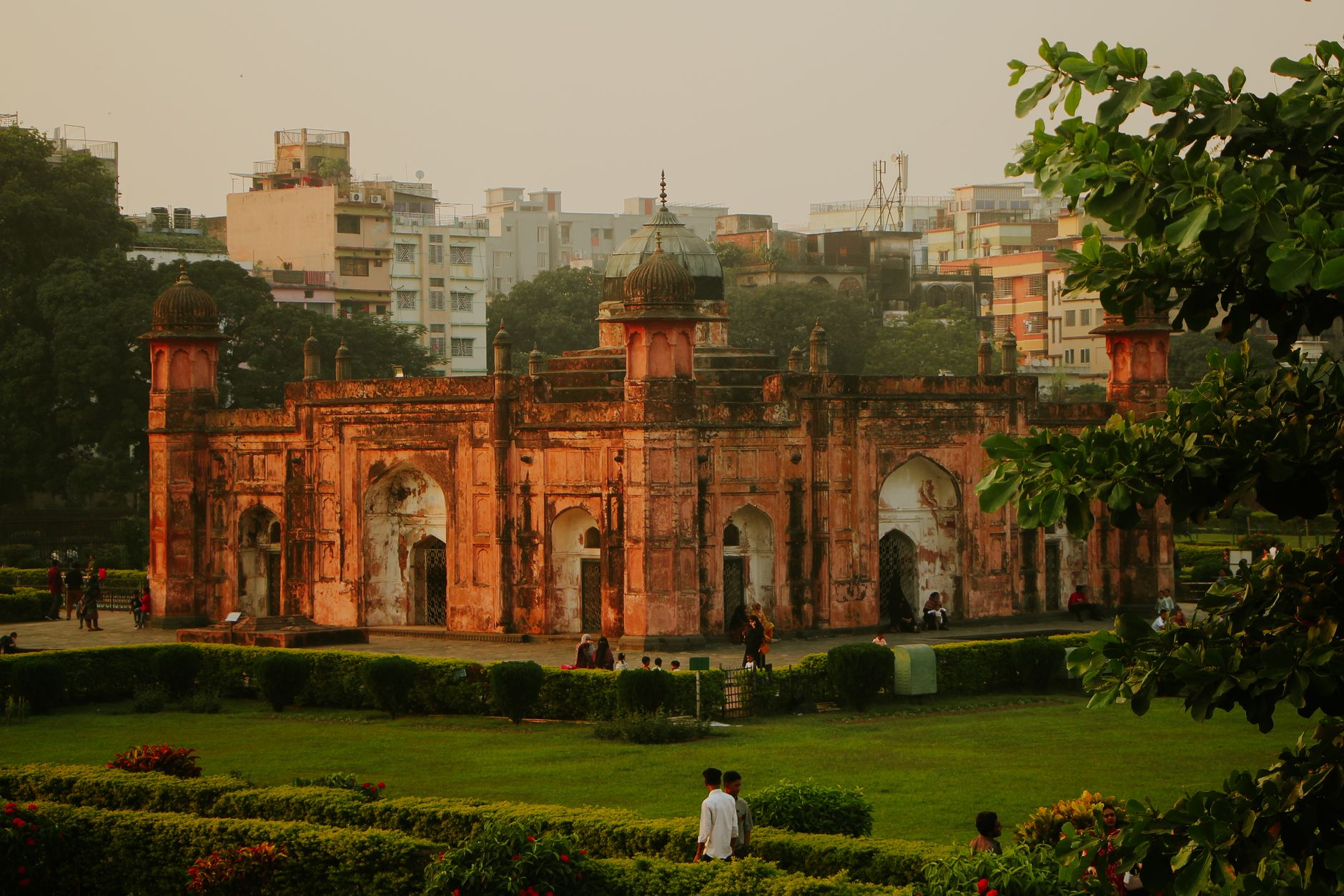
Start in Old Dhaka: begin at Lalbagh Fort (plan 60–90 minutes) to see the Mughal fort complex and gardens. Walk 10–15 minutes to Ahsan Manzil on Islampur Road; allow 45–60 minutes for the museum and rooftop photos. From Ahsan Manzil, walk 5 minutes to Sadarghat and take a short launch ride along Buriganga River—launch time to the jetty and back including waits can be 60–90 minutes. After the river, head to Chawk Bazaar for a fuchka and sweet shops; walking between Sadarghat and Chawk is 10–20 minutes through narrow lanes. Lunch at a known Old Dhaka spot such as Haji Biryani (expect BDT 300–600 per plate). In the afternoon visit the Star Mosque in Armanitola and nearby Armenian Church on Narinda Road (both within 10 minutes on foot). Finish with an evening stroll on the Buriganga riverfront or a rooftop cafe in Shankhari Bazar for night views.
Day 2
Shift to the modern side: start in Gulshan for breakfast and coffee and walk in Gulshan 2 lake area; allow 30–60 minutes depending on cafes. Take an app car (Pathao/Shohoz) 15–30 minutes to the Bangladesh National Museum near Shahbagh; spend 1–2 hours on ethnographic and art galleries. Walk 10 minutes to Ramna Park for a shaded stroll and people-watching for 30–45 minutes. From Shahbagh, ride or cycle rickshaw 15–25 minutes to Dhanmondi for a late lunch—try local specialty restaurants along Satmasjid Road. Afternoon options include a visit to Dhaka University and Curzon Hall (10–15 minutes from Dhanmondi) or Hatirjheel lake for sunset; Hatirjheel is 15–25 minutes by car from Dhanmondi. Evening: eat in Gulshan or Banani for a wider restaurant selection and safer late-night transit.
Day 3
Reserve the final day for one deeper interest and transit buffer for departure. Morning visit: Liberation War Museum (Mohakhali/Segunbagicha), allow 60–90 minutes to absorb exhibits. From there, take MRT Line-6 at Agargaon or a short app car to Mirpur for the National Zoo or to Baitul Mukarram mosque near Motijheel (20–35 minutes depending on traffic). If checking out or catching an afternoon flight, schedule no site more than 90 minutes from your hotel and leave two hours for airport transfer plus a margin—airport rides often take 45–90 minutes. For a final market stop, go to New Market or Aftabnagar crafts stalls for last-minute souvenirs (expect 30–60 minutes). End with a relaxed meal in Dhanmondi or a short rooftop visit to watch city lights.
Best Local Experiences
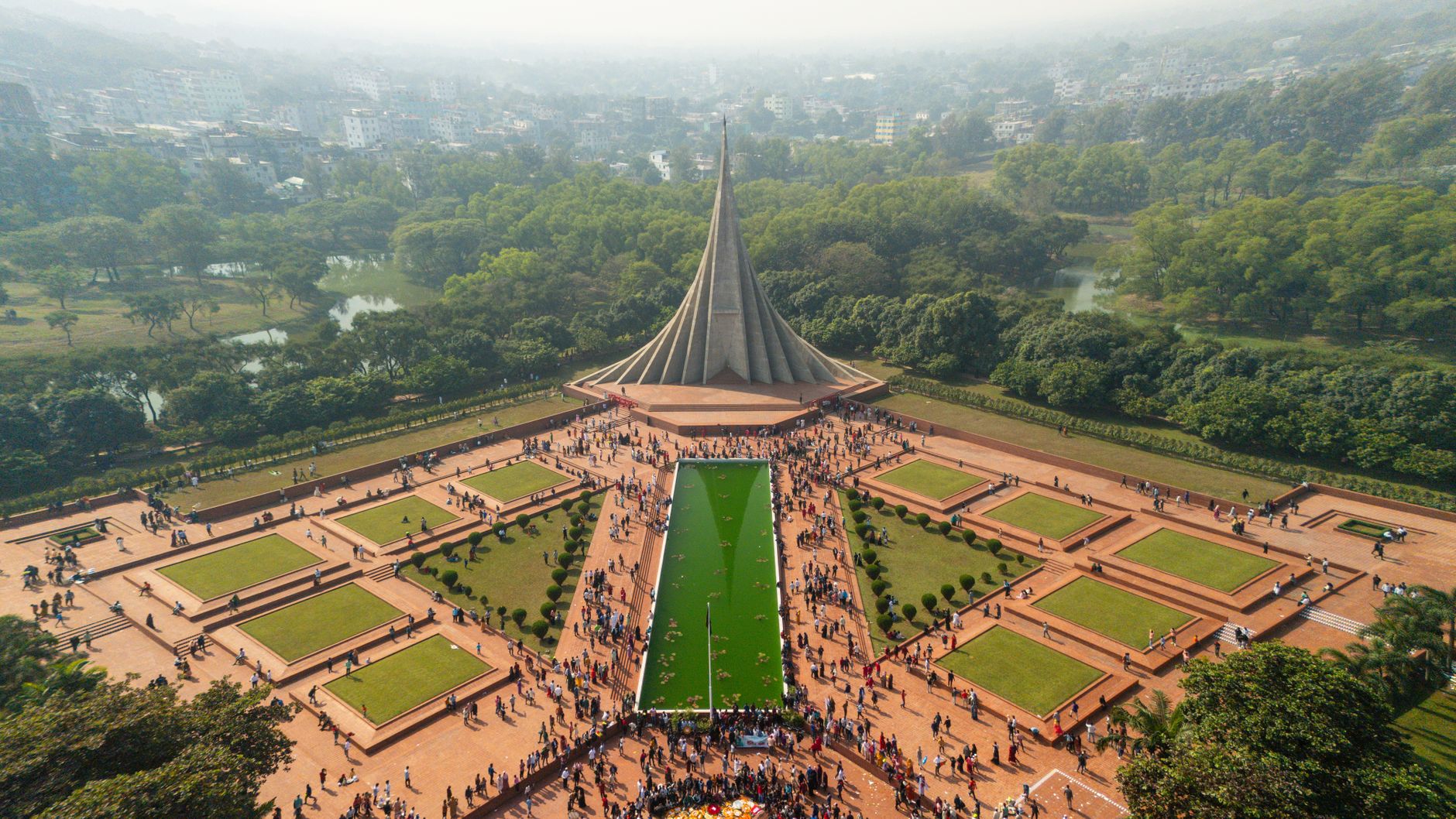
Ride a Buriganga launch from Sadarghat for river transport and market-front views. Visit Chawk Bazaar or Shankhari Bazar for sweets, wooden crafts, and street photography. Try an Old Dhaka food crawl covering Haji Biryani, Star Kabab (for kebabs), and roadside fuchka/puchka stalls near Chawk. Spend an evening at Hatirjheel or the Gulshan lake paths for comparatively calmer public space. Attend a Ramadan iftar street scene (seasonal) or a cultural show at the Bangladesh National Museum auditorium when listings match visit dates.
Where to Stay
Gulshan: suits expat-style comforts and safer late-night options, near embassies and Gulshan Lake; expect midrange hotels from BDT 6,000–15,000/night (≈ €50–€130 / $45–$115). Dhanmondi: good for budget and midrange travellers who want cafes, student life, and Satmasjid Road; expect guesthouses and midrange hotels BDT 3,000–8,000/night (≈ €25–€70 / $28–$75). Old Dhaka (Sadarghat/Islampur areas): best for visitors prioritizing early-morning street scenes and photography; basic guesthouses and boutique homestays run BDT 1,200–4,000/night (≈ €10–€35 / $11–$37).
Food and Drink
Kacchi Biryani: slow-cooked meat layered with rice, best in Old Dhaka at Haji Biryani or similar; price BDT 300–700 per plate. Fuchka (puchka): hollow fried shells filled with spiced water and potato, sold at Chawk Bazaar or roadside stalls; expect BDT 10–30 for a plate. Jhalmuri: a roadside puffed rice snack with mustard oil and spices, sold near universities and parks; usually BDT 20–60. Borhani: a yogurt-based spicy cooling drink commonly served with biryani and wedding food; small glass BDT 15–40. Street tea (cha): brewed strong with condensed milk at tea stalls in Gulistan or Old Dhaka; cups cost BDT 10–40. For dinner in a sit-down setting, try Star Kabab in Old Dhaka or family-style restaurants in Dhanmondi; expect main courses BDT 200–800.
Getting Around
MRT Line-6 (Uttara–Agargaon) is the primary metro; tokens cost about BDT 20–60 depending on distance and smartcards ('Rapid Pass') reduce queuing time. Trams are not present; major surface options are buses (Dhaka Transport Coordination Authority routes), app cars (Pathao, Shohoz, Uber), and cycle rickshaws for short lanes. Single metro/bus fares start at roughly BDT 20; there is no widely used day pass—store-value smartcards are the practical alternative. Airport taxi from Hazrat Shahjalal to Gulshan or Dhanmondi is typically BDT 800–1,500 depending on traffic (≈ €7–€13 / $7–$14). Use apps Pathao, Shohoz, and the MRT official app for schedules and balance top-up.
Best Time to Visit
November–February offers the most comfortable weather with daytime highs around 25–30°C and lower humidity; this is peak tourist season and prices can be higher. March–May warms up with temperatures 30–35°C and increasing humidity; daytime walking becomes tiring and afternoons are better reserved for indoor sites. June–October is the monsoon season; expect heavy rain, occasional floods in low-lying streets, and fewer tourists—this yields lower accommodation rates but some market and transport disruptions. For best value with tolerable weather, target late November or February.
Budget and Practical Tips
Daily budget examples: budget traveler—BDT 2,000–3,500 (≈ €17–€30 / $18–$33) covering guesthouse, street food, and local transport. Midrange—BDT 6,000–12,000 (≈ €52–€104 / $56–$112) covering a midrange hotel, mixed restaurant meals, and a few app-car trips. Luxury—BDT 15,000+ (≈ €130+ / $140+) for higher-end hotels and private drivers. Typical entry fees: Liberation War Museum often asks a small donation or BDT 20–100, National Museum around BDT 30–200 depending on gallery and foreigner rates. Tipping: service charges are not always added; leave BDT 20–100 in casual eateries and 5–10% in full-service restaurants if no service charge is listed.
FAQ
Is Dhaka safe for solo travelers?
Central areas like Gulshan, Dhanmondi, and major tourist sites are generally safe in daylight; exercise caution at night, avoid isolated lanes, and keep valuables concealed.
How long should I allow for airport transfer?
Allow 45–90 minutes door-to-door depending on time of day; add a 30–60 minute buffer for international flights.
Are taxis metered and which apps work best?
Metered airport taxis exist but app cars (Pathao, Shohoz, Uber) are reliable and often easier for non-Bengali speakers; check expected fare before booking.
Is a city card or tourist pass worth buying?
No widely accepted city tourist pass exists; use the MRT smartcard for metro convenience and rely on cash/app payments for attractions.
Is street food safe to eat?
Many travelers enjoy street food with minimal problems, but prefer busy vendors with high turnover and avoid uncooked salads; carry hand sanitizer.
Can public transit reach Old Dhaka?
Old Dhaka is poorly served by the metro; use app cars to the edge and walk or take a cycle rickshaw into the narrow lanes.
Are English speakers common among staff at hotels and museums?
Hotel staff, museum attendants, and restaurant hosts in tourist areas usually speak functional English but street vendors usually do not.
Is tipping expected for boat or rickshaw drivers?
Small rounding up is common; for longer river launches or hired rickshaw tours add BDT 20–100 depending on distance.
Conclusion
A well-planned 72 hours will leave clear impressions: the sheer density of commerce, Old Dhaka's layered streets, and the contrast with quieter lakes and museum precincts. Expect to remember river launches, intense market scenes, and strong local flavors more than polished monuments. If time becomes tight, prioritize one full Old Dhaka day (Lalbagh Fort, Ahsan Manzil, Sadarghat, Chawk Bazaar) and one modern-neighborhood evening; these combined choices show the city's clearest contrasts.
How this guide was prepared
This guide was prepared through a structured research that combines destination research, geographic context, itinerary planning logic, and content review.