
Best Time to Visit Lima, Peru — When to Plan Your 3-Day Stay
Practical month-by-month guidance for visiting Lima: weather, neighborhoods, crowd levels, festivals, and sustainable tips to plan your 3-day itinerary and connections to Cusco, Arequipa and beyond.
Lima’s coast is mild but seasonal: December–March offers the clearest skies and warmest beaches, June–September brings cool fog and lower visibility. Choose travel dates by priorities—sun, food, festivals, or lower prices—and use shoulder months for clearer weather with fewer crowds.
Quick Answer
Lima’s coast is mild but seasonal: December–March offers the clearest skies and warmest beaches, June–September brings cool fog and lower visibility. Choose travel dates by priorities—sun, food, festivals, or lower prices—and use shoulder months for clearer weather with fewer crowds.
Who This Page Is For
This page is for travelers planning a stay in Lima who want clearer decisions about best time to visit, local logistics, timing, budgeting, and practical trip planning.
How This Page Was Prepared
This page was prepared through a structured editorial workflow that combines destination research, geographic context, and practical travel-planning review.
Plan the Rest of Your Trip
Use this page together with the full itinerary and the related planning pages below to make better booking, timing, transport, and budget decisions.
Best overall for sun and beach: December–March (warmest, most sunshine). Best balance of clearer skies and lighter crowds: April–May and October–November (shoulder seasons). Avoid expecting bright blue skies June–September — mornings are often foggy and overcast, though temperatures stay mild.
Choose dates by priority: sun and ocean activities vs lower prices and cultural events. If you plan to connect to Cusco for trekking, align with Cusco’s dry season (May–September).
Lima sits on a cool desert coast influenced by the Humboldt Current. The city’s weather patterns and fog (locally called garúa) shape what you’ll see from neighborhood streets to seaside cliffs. This page distills practical choices for timing a short trip — especially helpful if you’re pairing Lima with Cusco, Arequipa, or other Peruvian destinations or using our main 3 days in Lima itinerary as your on-the-ground plan.
What This Page Helps You Decide
This page helps you pick dates, where to base yourself for a 3-day stay, what to pack, and whether to book must-see restaurants and tours in advance. Use it to:
– Choose neighborhoods for daytime and evening plans (Miraflores, Barranco, San Isidro, Centro Histórico).
– Decide if you need extra buffer days for domestic flights to Cusco or Arequipa.
– Time cultural events (for example, Señor de los Milagros in October) and avoid peak holiday overcrowding.
For a ready-to-use plan, see our 3 days in Lima itinerary that fits most arrival times and sustainable, local-first choices.

Top Recommendations
Pick dates by activity:
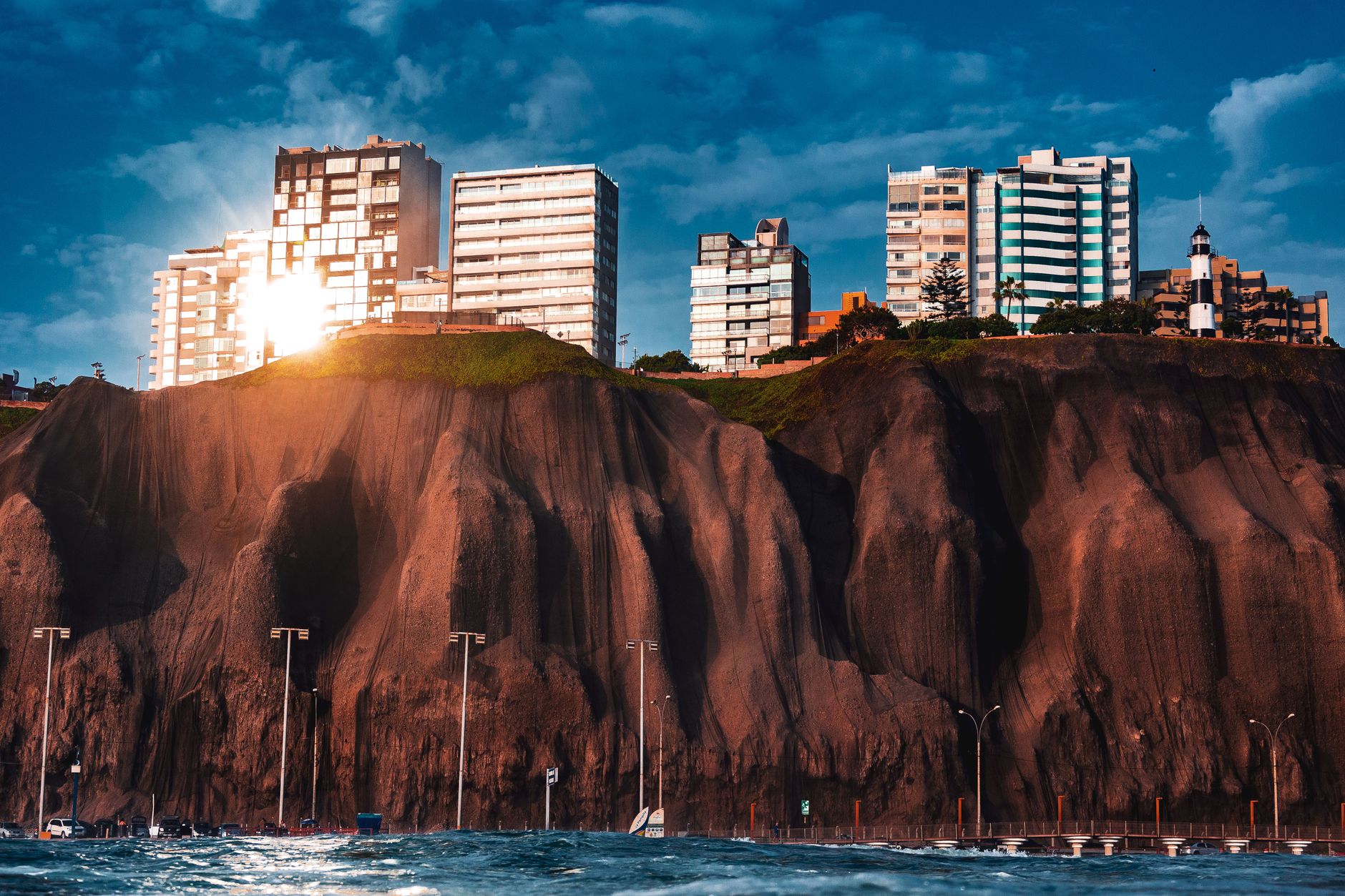
– For beaches and sun: travel December–March and aim for Miraflores or the Costa Verde. Expect warm afternoons and cooler mornings.
– For fewer crowds and still-good weather: try April–May or October–November.
– For cultural immersion: October’s Señor de los Milagros procession is powerful but crowded — plan ahead and respect local rituals.
Accommodation and booking tips:
– Base in Miraflores or Barranco for the easiest 3-day logistics; San Isidro is quieter and good for business travelers.
– Reserve top restaurants, cooking classes, and popular neighborhood walking tours at least 2–4 weeks ahead, longer in peak season.
Sustainable choices:
– Favor family-run guesthouses, neighborhood restaurants, and licensed local guides who spread tourism benefits across the city.
Local Context
Climate and seasons:
– Lima is a coastal desert. Rain is rare; the main change is cloudiness from the garúa (June–September).
– December–March is warmest and sunniest; mornings can still be pleasantly cool.
Neighborhood realities:
– Miraflores: safe, walkable, great for parks, ocean views and night life.
– Barranco: bohemian streets, art, and nightlife — good for evenings and local cafés.
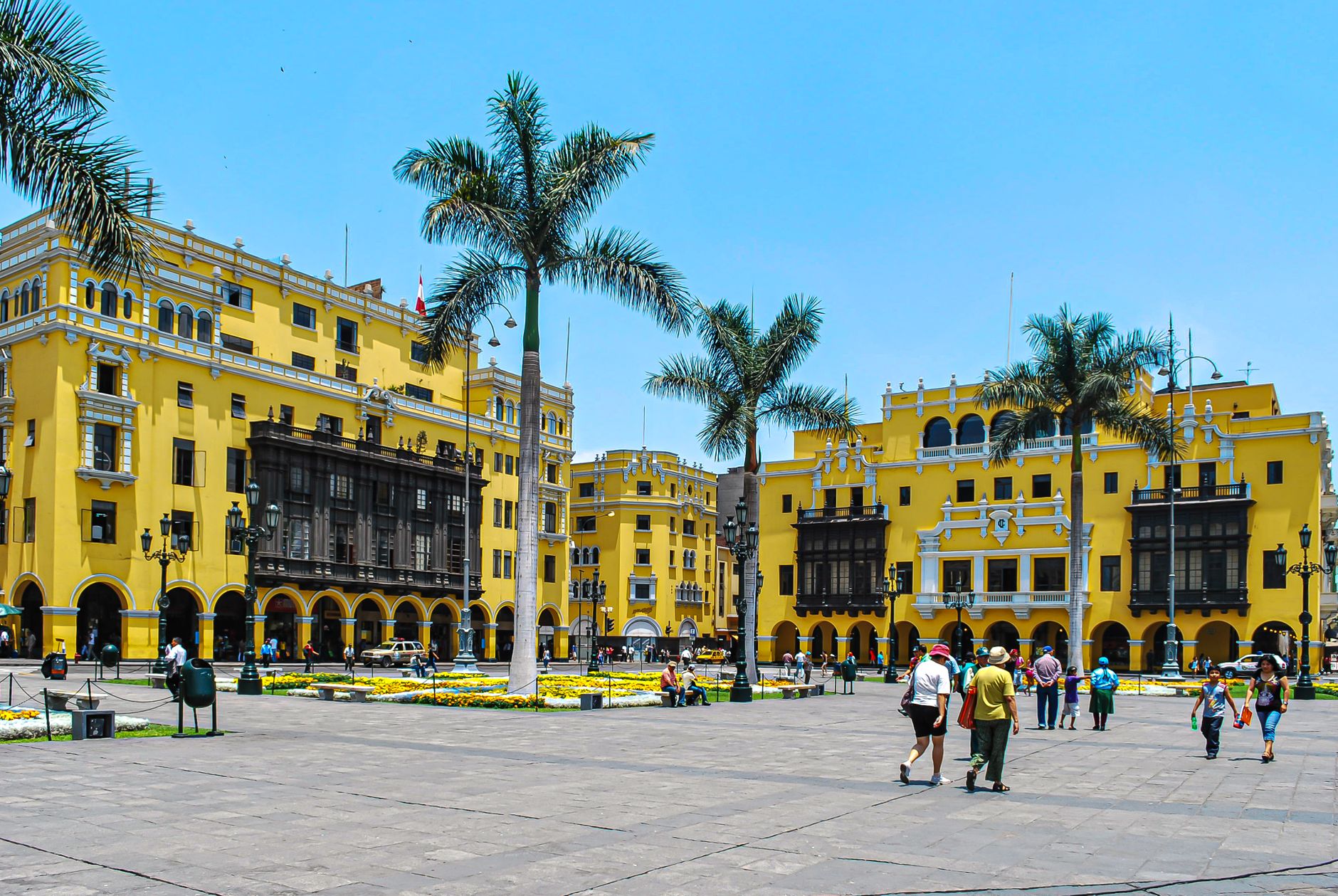
– Centro Histórico: colonial sights and museums; expect crowds and heightened security measures around major holidays.
Transport realities:
– Traffic can be heavy at peak hours; allow extra time for airport transfers to Jorge Chávez.
– Use licensed taxi apps (Uber, Beat, Cabify) or official taxis from stands; the Metropolitano and Line 1 metro cover some corridors but are not a citywide substitute for taxis or buses.
Etiquette and safety:
– Greet with a brief handshake; small talk is common. Tip around 10% in casual restaurants and check for service charges at higher-end places.
– Keep valuables secure, especially in crowded markets and central districts.
How to Choose Well
Match season to purpose:
– Food and markets: Lima’s gastronomic scene runs year-round; evenings are liveliest in neighborhoods like Miraflores and Barranco.
– Beach time: December–March. If you’re short on time but want a sunny day, prioritize front-facing ocean hotels in Miraflores.
– Combining with inland Peru: align with the interior — Cusco and highland treks are best May–September (dry season). If you must do both, choose shoulder months.
Booking practicalities:
– Domestic flights to Cusco or Arequipa sell out in the dry season — book 4–8 weeks ahead, more during Argentine and European holidays.
– Reserve top restaurants and guided market or culinary tours in advance. Many small cooking classes cap at 6–12 people.
– Build a buffer day when arriving to Lima before long domestic connections to accommodate delays.
Responsible and Local-First Tips
Support the local economy and minimize impact:
– Eat at neighborhood cevicherías and family-run restaurants rather than international chains.
– Book licensed local guides and small-group tours that pay fair wages and respect neighborhoods.
– Use low-impact transport: walk the Malecón, take the Metropolitano for rapid corridors, or share rides instead of private SUVs when possible.
– Bring a reusable water bottle — Lima’s tap water is treated but many prefer bottled; if using bottled water, recycle responsibly.
– When visiting religious events or neighborhoods during festivals, observe respectfully, ask before photographing, and avoid obstructing processions.
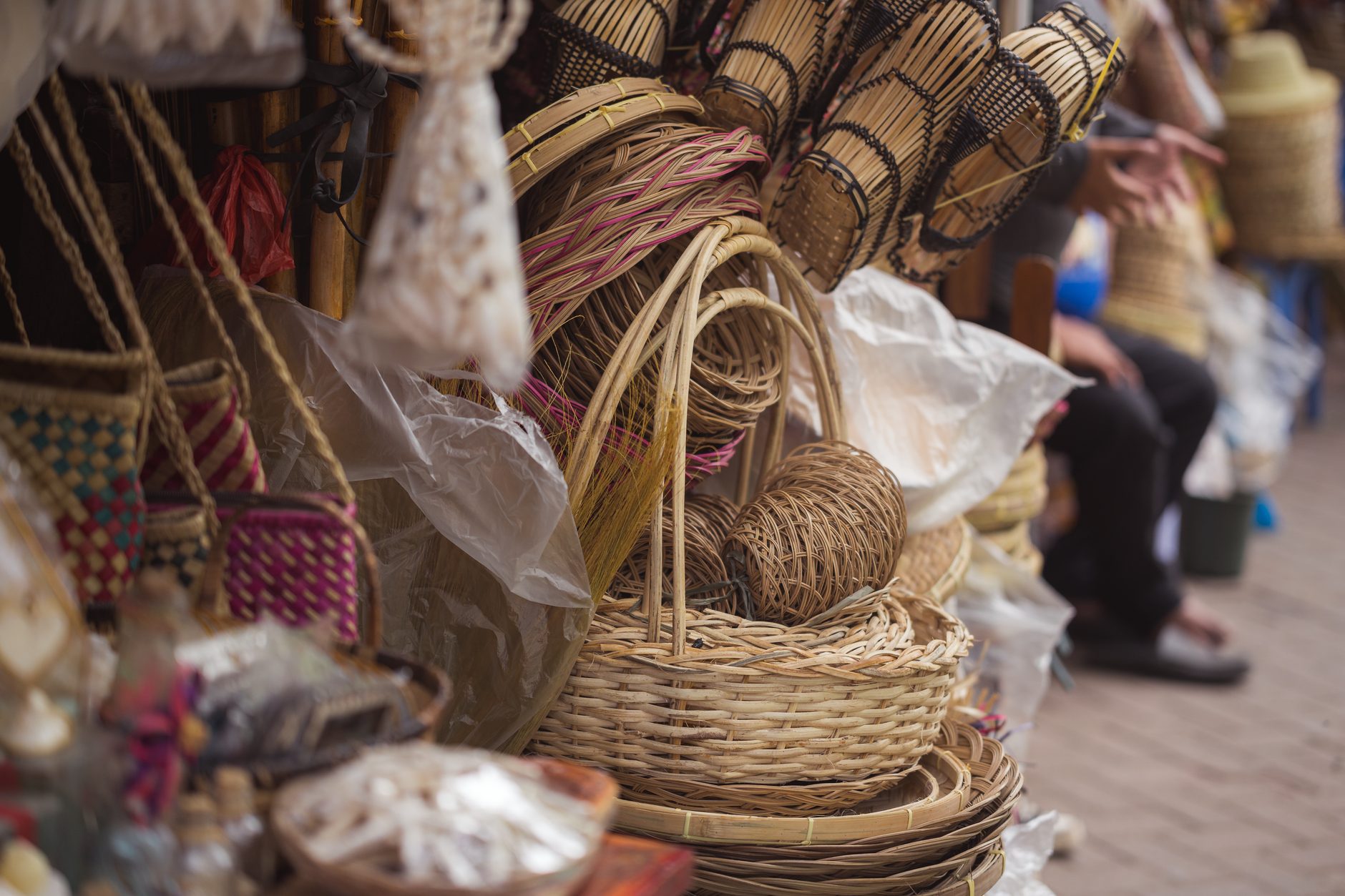
– Buy crafts directly from artisans and cooperative stalls rather than unregulated hawkers.
Common Mistakes to Avoid
- Expecting constant sunshine year-round — many visitors are surprised by June–September foggy mornings.
- Scheduling tight same-day connections to Cusco or Arequipa after international arrival — allow a buffer day for delays.
- Taking unlicensed taxis at night; use app-based or official stands.
- Assuming all beaches are swimmable — currents can be strong; check local advice and lifeguard flags.
- Waiting to book popular culinary tours and top restaurants during high season or festival weekends.
- Forgetting small bills and cash for neighborhood markets; many small vendors still prefer cash.
FAQ
When is the best month for sunshine in Lima?
The clearest months are typically December through March. If you want guaranteed sun for coastal walks and beach time, pick dates in this window.
Is Lima rainy in winter?
Not in the conventional sense — winter (June–September) brings cool temperatures and persistent marine fog (garúa) with low visibility rather than heavy rain.
Should I visit Lima in October for Señor de los Milagros?
Yes if you want a profound cultural experience, but expect crowds, road closures, and limited availability at hotels and restaurants; book early and follow local guidance.
How far is Lima from Cusco and when should I travel between them?
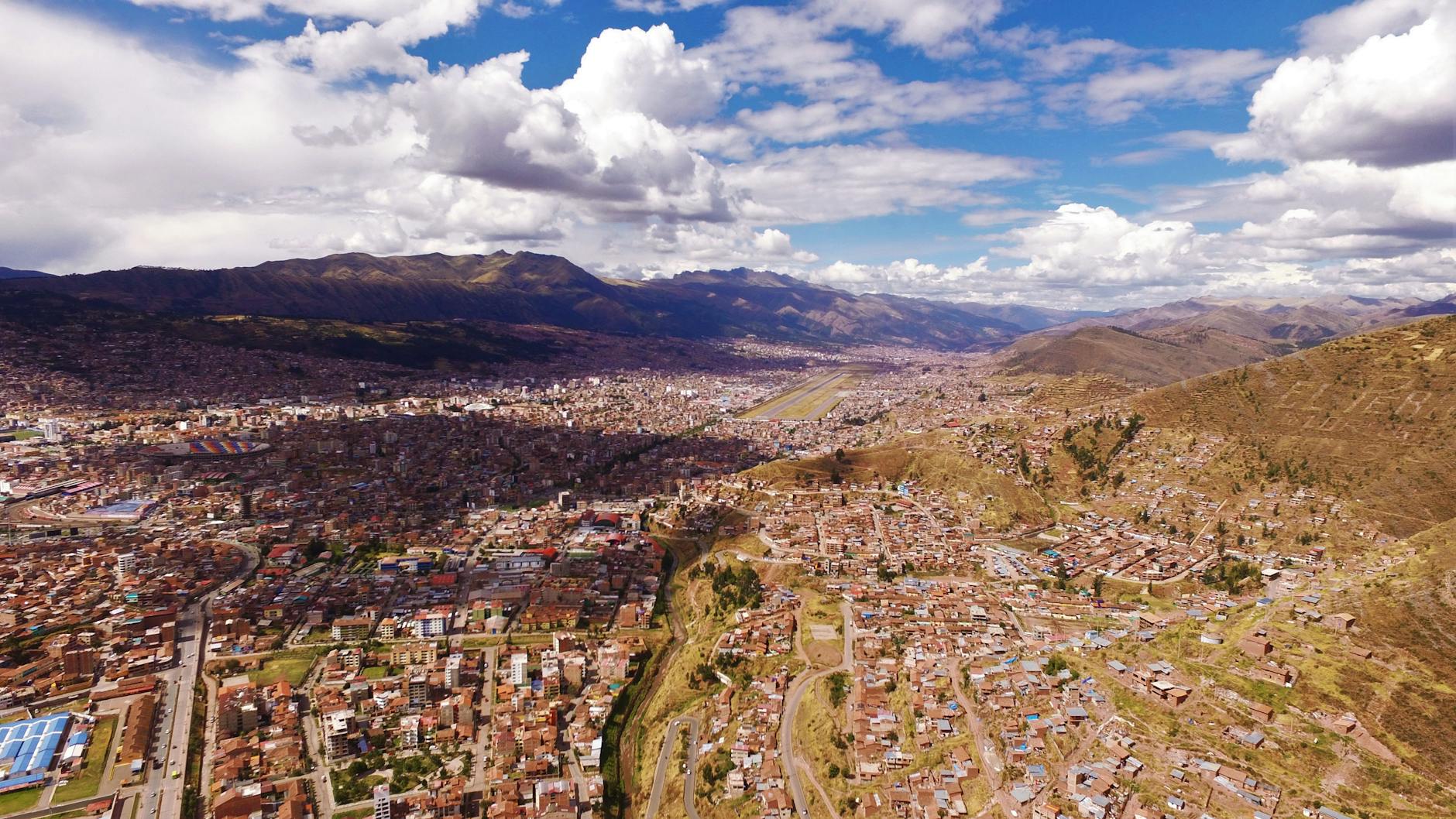
Direct flights are about 1 hour 30 minutes. For trekking or dry-weather sightseeing in the highlands, plan Cusco between May and September; coordinate your Lima stay with domestic flight availability.
Do I need to reserve restaurants and tours in advance for a 3-day trip?
Reserve top restaurants and any small culinary or market tours 2–4 weeks in advance, earlier during December–March and festival periods. For a 3-day itinerary, pre-book at least your arrival transfer and one guided neighborhood walk.
Conclusion
Choose Lima’s timing based on what matters most: sunshine and beaches (Dec–Mar), fewer crowds (shoulder months), or cultural festivals (October). Base yourself in Miraflores or Barranco for a compact 3-day visit and use our 3 days in Lima itinerary to plan daily routes. If you’re extending to Trujillo, Cusco, Arequipa, Puno, or Iquitos, align dates with those destinations’ seasons and prioritize sustainable, local-first experiences wherever possible.
How this guide was prepared
This guide was prepared through a structured research that combines destination research, geographic context, itinerary planning logic, and content review.