
3 Days in Donostia / San Sebastian: A Practical Itinerary
Plan 3 days in Donostia / San Sebastian with this practical itinerary covering major sights, neighborhoods, food, and transport.
A compact, honest itinerary for three days in Donostia / San Sebastián focused on food, coastline, neighbourhoods and realistic logistics.
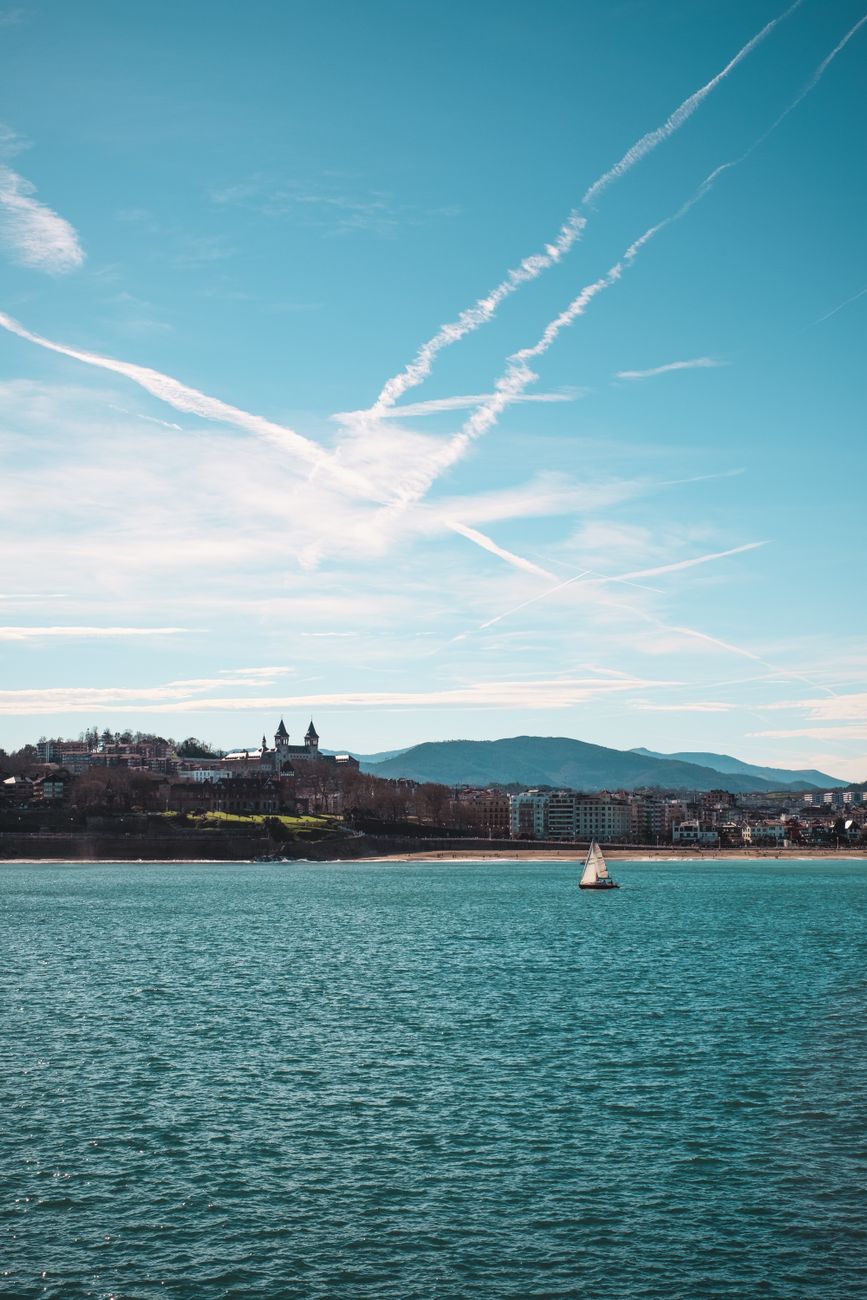
First impressions are usually shoreline light, a long shell-shaped bay and dense, walkable streets that switch between tourist crowds and quiet residential blocks within two or three streets. The place rewards slow movement: short walks reveal shopfronts selling salted cod, basque cheeses and specialist bakeries; sharp changes in mood happen when a market opens or a school lets out.
Expect compact scale rather than grand boulevards. Noise levels vary — mornings at the markets are alive but not overcrowded; evenings in Parte Vieja can be loud and hard to navigate by wheelchair or stroller because many bars squeeze onto a narrow street.
Many visitors assume the experience is all about a single beach and a few restaurants. The better plan is to mix one long walk along the promenade with two or three targeted food or museum stops, leaving time to sit on a bench and watch the sea conditions shift.
Is 3 days in Donostia / San Sebastian enough?
Three days are enough to get a solid feel for La Concha, Parte Vieja pintxos, Monte Urgull and one major museum while enjoying a beach stroll and a proper pintxo crawl. The honest caveat: there won't be time for a full-day trip to the inland cider houses or a relaxed day-trip to Bilbao without cutting museum or food stops.
Who This Guide Is For
Best for food-oriented travellers, short coastal city-breaks and people who prefer walking and public transport over driving. Not ideal for visitors who want to use the stay as a base for long day-trips to multiple inland towns on the same schedule.
Local Tips for Donostia / San Sebastian
Practical details that most travel sites skip — specific to Donostia / San Sebastian.
- Buy a MUGI transport card at a tobacco shop or Dbus booth for discounted bus fares in Gipuzkoa and to load Euskotren season fares — the card itself costs about €5 retail and saves on single fares.
- Parte Vieja pintxo bars cluster on Calle 31 de Agosto and Calle Fermin Calbetón; bring cash and expect most pintxos to be €2.50–€4 each, with sit-down plates at the same bars reaching €10–€18.
- Funicular de Igueldo single ticket is roughly €4.50–€6.50; consider the one-way ticket down by foot after sunset for better light and fewer crowds.
- San Telmo Museoa has a standard entry around €7–€9; buy online for timed slots during high season to avoid queues at the door.
- Euskotren line E2 runs the San Sebastián–Hendaye route and is the practical rail link to Irun and coastal towns; check the Euskotren app for schedules and zone fares.
How This Guide Was Prepared
This guide treats Donostia / San Sebastián as a tight mix of seaside promenades, serious food culture and small-scale museums rather than a checklist of famous views. Many guides overemphasize panoramic photos and expensive restaurants and skip the weekday rhythm, local market times and transit quirks that decide whether three days feel rushed or relaxed. This guide was prepared through a structured research that combines destination research, geographic context, itinerary planning logic, and content review.
Plan Your Stay in Donostia / San Sebastian
Use this itinerary as your starting point, then compare areas to stay, transport options, seasonal timing, and realistic daily costs before booking.
Why Visit
The food scene provides concentrated access to Basque cuisine: pintxos bars in Parte Vieja and places like Borda Berri or La Cuchara de San Telmo let small-plate tasting without hotel-formal expense. The bay and promenades such as Paseo de la Concha offer a compact seaside stroll that fits into any weather window and gives a genuine local rhythm beyond sunbathing.
Small museums like San Telmo Museoa and the Aquarium reveal maritime and regional culture in human-scale exhibits; Tabakalera works as a modern cultural center with rotating shows and a rooftop view. The presence of both a serious surfing beach at Zurriola and calmer family swimming at La Concha makes it possible to mix activity types in a single short trip.
Quick Planning Tips
The best airport transfer option is a 20–30 minute taxi from San Sebastián Airport (IATA: EAS); expect €20–€30 depending on luggage and time of day. From Madrid or Bilbao, the tren (Euskotren or Renfe) arrives at Estación del Norte or Amara; check the Euskotren and Renfe timetables in advance for late trains.
Carry an EMV bank card and small cash for pintxos bars that prefer cash; ATMs are widely available but check bank fees. Buy a MUGI card before using buses or regional trains for cheaper fares and paperless top-ups via the Mugi or Euskotren apps.
Avoid arriving on a Sunday morning if planning to buy from Mercado de la Bretxa for a full fresh-produce experience; the market is busiest Friday and Saturday mornings, and parts of it slow down much earlier on Sundays.
Day 1
Morning: Start at Playa de La Concha and walk the full promenade toward Ondarreta, about 30–40 minutes end-to-end at an easy pace. Stop for coffee near Plaza de la Constitución or at Calle Arrasate to watch morning deliveries and earlier walkers.
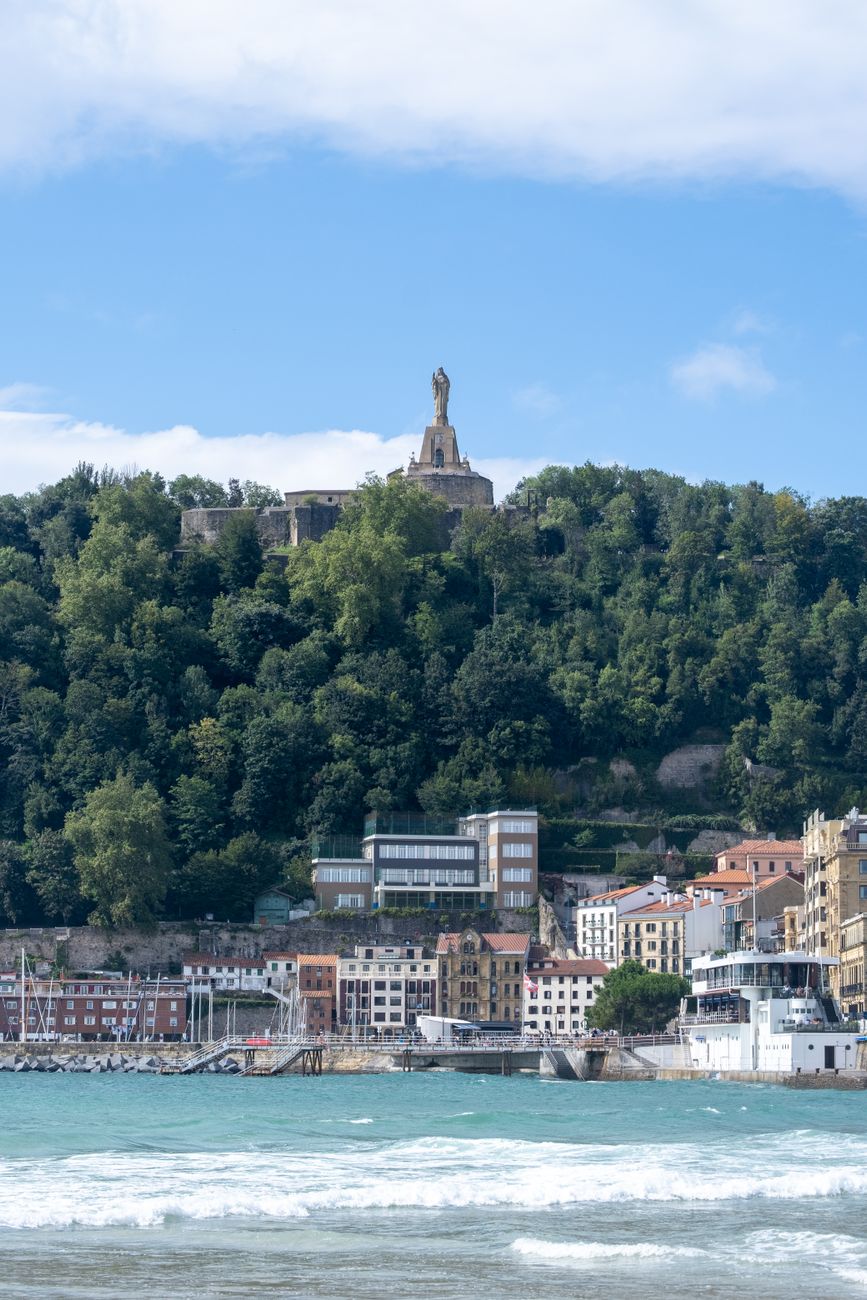
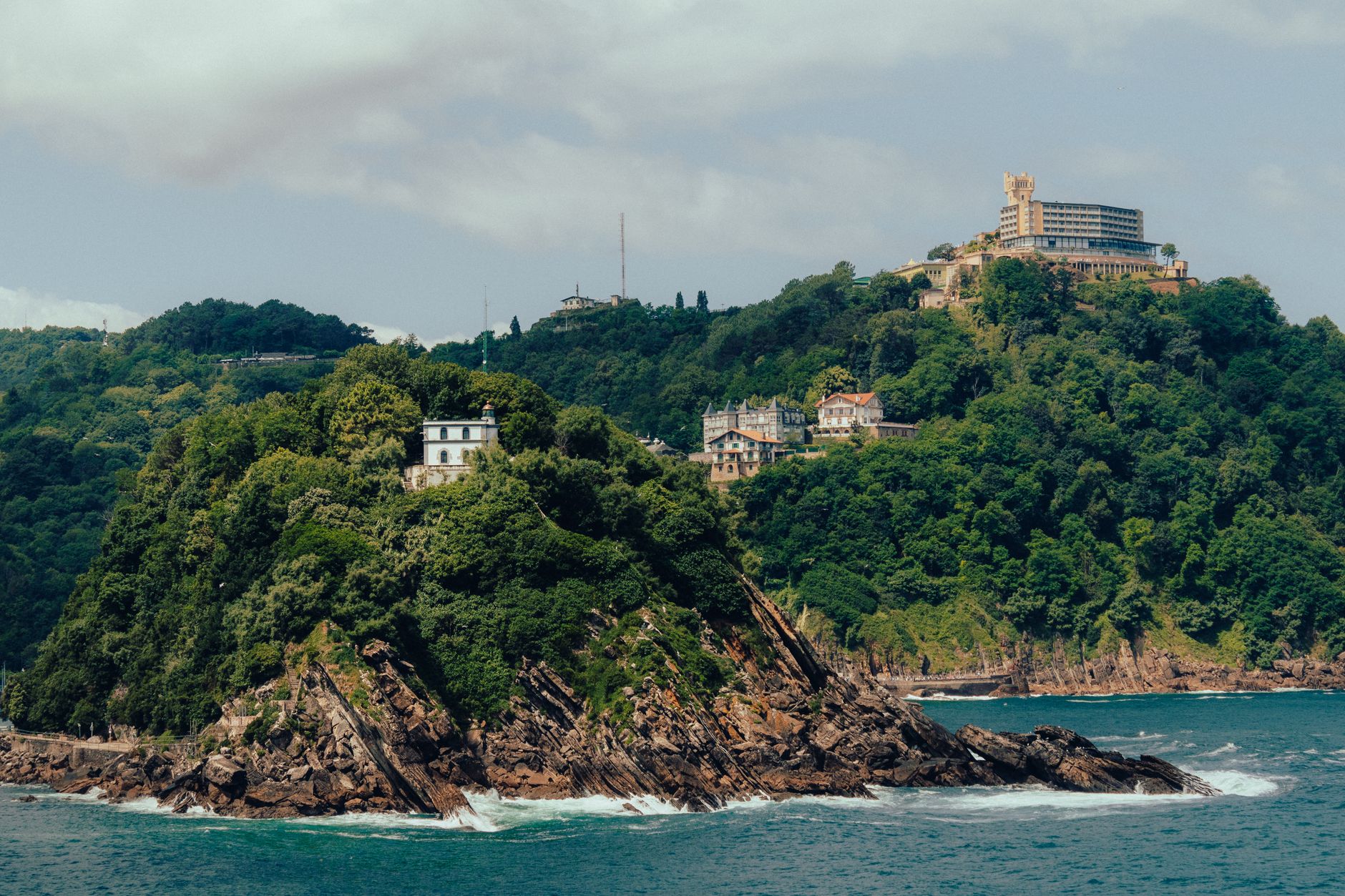
Late morning: Climb Monte Urgull from the south side via the Castillo de la Mota path (allow 45–60 minutes round-trip including pauses). The viewpoints give direct sightlines over La Concha and the Kursaal. Monte Urgull's military museum panels and the Sagrado Corazón sculpture are compact but informative.
Lunch: Descend into Parte Vieja and eat at Borda Berri or La Cuchara de San Telmo for a focused pintxo menu; allow €12–€25 per person depending on how many plates are shared. Expect a 5–10 minute walk from the Monte Urgull exit to the main bar streets.
Afternoon: Visit San Telmo Museoa (allow 1.5–2 hours). From the museum, walk to Mercado de la Bretxa (10–15 minutes) to browse produce, cheeses and cured fish stalls. Evening: Return to Calle 31 de Agosto for an extended pintxo crawl. Try to visit three different bars rather than staying in one; late-night crowds peak 21:30–23:30 so book a table for specialty places like Bar Nestor if aiming for steak.
Day 2
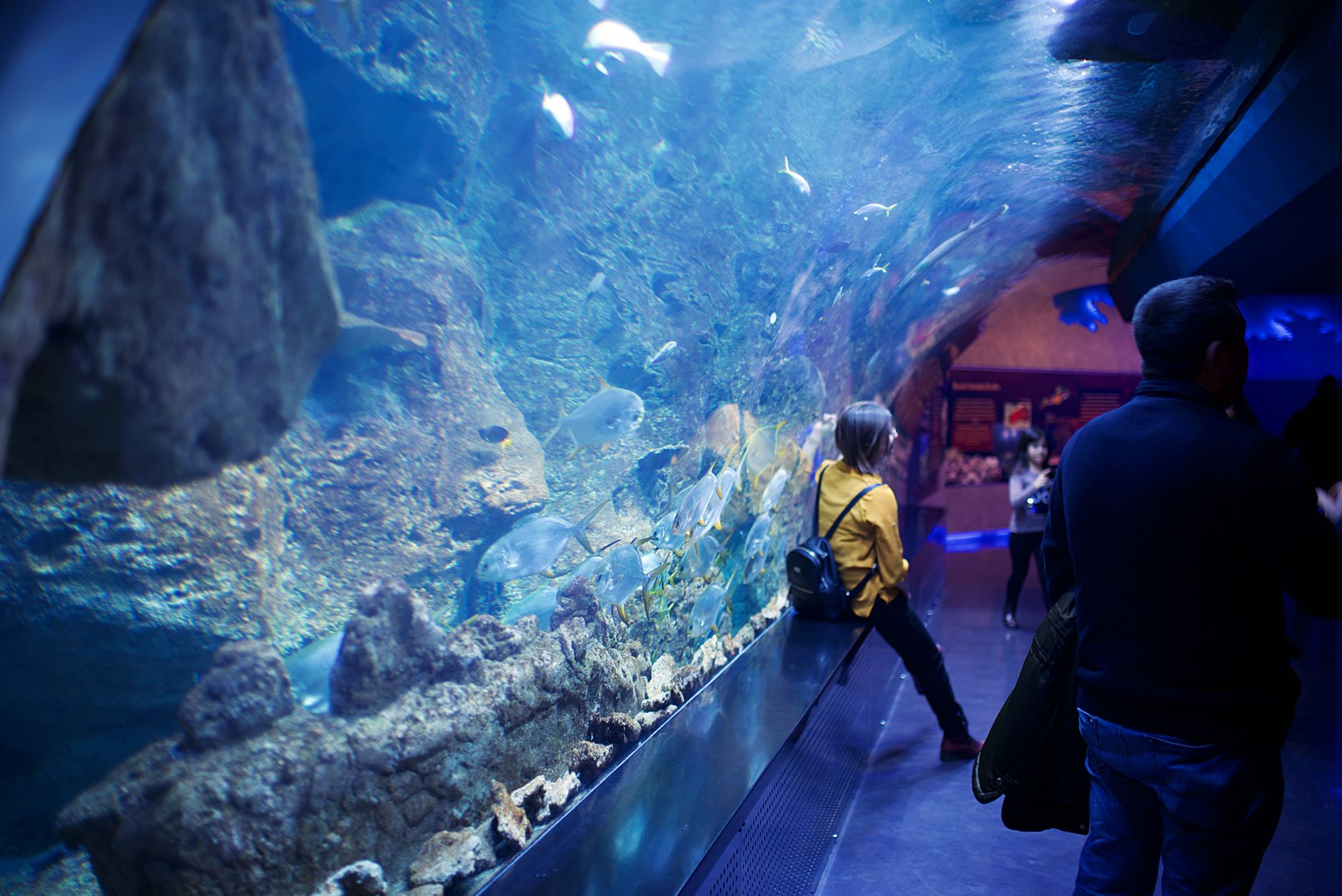
Morning: Cross the Kursaal area to the Aquarium Donostia and allow 1.5–2 hours to see the tunnel tank and local species; the walk from the main promenades is 15–20 minutes. The aquarium sits at the mouth of the Urumea river and is easy to reach on foot from central hotels.
Late morning: Walk up to Peine del Viento at the western end near Ondarreta. Time the visit to check swell levels; it's a 20–30 minute walk from the aquarium along the coast and offers very different wind and wave conditions compared with La Concha.
Lunch: Take a short bus or 25-minute walk to Gros neighbourhood for a fish-forward lunch near Calle Peña y Goñi; Gros has surf shops and younger cafés, with more modern options at slightly lower prices than Parte Vieja.
Afternoon: Spend the afternoon in Gros; visit small galleries or stroll Zurriola beach where surfers gather. If the weather is poor, head to Tabakalera for contemporary exhibitions and a rooftop view (5–10 minutes from Antigua train station by foot). Evening: Dine in Gros for a different local energy and then return by walking across the Kursaal bridge toward La Concha at night.
Day 3
Morning: Visit Mercado de la Bretxa early (08:00–10:30) for tapas-market breakfast options and to buy picnic items; from central lodging it's typically a 5–15 minute walk. After the market, head to the nearby Boulevard and try a local baker's morning pastry.
Late morning: Reserve time for Monte Igueldo via the funicular; allocate 1.5–2 hours including the ride, viewpoints and a walk around the small park. The funicular platform is at Paseo de Miraconcha end and the trip takes about 2–3 minutes each way with queues in high season.
Lunch: Have a relaxed meal back in the city with pintxos or, for a special splurge, book a txuleta (steak) at Bar Nestor if available — note limited portions and opening times. Allow transit or walking time of 20–30 minutes between Monte Igueldo and Parte Vieja depending on route.
Afternoon: If checking out midday or catching an afternoon flight, pack luggage at the hotel and use a taxi for the airport (20–30 minutes). Alternatively, store bags at Amara or Estación del Norte left-luggage facilities and visit a final museum or a café on the riverbank. Evening: For departures later in the night, finish with a final walk along Paseo Nuevo to watch waves hit the rocks.
Best Local Experiences
Mercado de la Bretxa on a Saturday morning for local cheeses, anchovies and pintxo-sized snacks. Parte Vieja pintxo crawl on Calle 31 de Agosto and Calle Fermin Calbetón; move between standing counter bars and sit-down tapas bars to compare styles.
Peine del Viento by Eduardo Chillida at low and high tide to see how the sculptures interact with waves. A ferry or walk along the Urumea river to see the Kursaal architecture and the bridges that define the town's river section.
A surf-spot observation at Zurriola beach to watch local surfers; Gros cafés nearby suit people watching and casual seafood. A visit to an Astigarraga sagardotegi (cider house) is a true local ritual, but it requires a dedicated evening and reservations during season.
Tabakalera contemporary arts centre for rotating exhibitions, a useful rooftop viewpoint and several small cultural cafés. San Telmo Museoa for Basque society exhibits and the museum's accessible scale.
Where to Stay
Parte Vieja (Old Town): Suits travellers focused on pintxos and nightlife who want instant access to bars and the main tourist concentration. Rooms here can cost €90–€180 per night in high season (≈€95–€190 USD); expect noise after 21:00.
Centro / Boulevard / La Concha: Best for first-time visitors who want classic views and a 5–15 minute walk to most sights. Mid-range hotels typically run €110–€220 per night (≈€115–€230 USD) with easy access to the promenade and taxi ranks.
Gros and Zurriola: Preferred by those seeking a younger, surf-oriented vibe and slightly lower prices. Expect €75–€140 per night (≈€80–€150 USD) and faster access to modern cafés and the Zurriola surf beach.
Choose location based on priorities: nightlife proximity, promenade views or quieter residential streets. Booking well ahead for summer weekends is necessary to secure mid-range options at reasonable prices.
Food and Drink
Pintxo de tortilla: a thick, sliceable Spanish omelette served at many bars; try at Bar Txepetxa or Gandarias for €1.80–€3.50 per portion. Pintxo de anchoa (anchovy): small skewers or montadito style, available in Parte Vieja for €2.50–€4.
Txuleta (Basque steak): large grilled rib steak served in specialist restaurants like Bar Nestor; expect €30–€60 per person depending on size and shared portions. Bacalao pil-pil: cured cod cooked with olive oil and garlic emulsified sauce, available at mid-range restaurants for €14–€22.
Kokotxas (cod cheek): a traditional local delicacy found in seafood restaurants and some pintxo bars for €12–€20. Breakfast option: pastel de nata is common, but try a local 'bollería' item and a café con leche at Panadería Errotabarri; breakfast runs €2.50–€5.
Street food: pintxos on the bar counters are effectively the local street-food experience; expect to pay per piece and order standing at the bar for the most authentic pace. For drink, try txakoli (slightly sparkling white wine from the Basque coast) by the glass for €3.50–€6 at wine bars.
Getting Around
Local buses are operated by Dbus; common routes include lines 16 and 17 for beachfront and east–west travel. The regional commuter rail Euskotren (line E2) links the town to Irun and Hendaye; use it for coastal trips and shorter inter-city hops.
Buy a single Dbus ticket for around €1.50–€1.80 cash, or load trips on a MUGI card for discounted fares and daily capping on some routes. A 24-hour travel pass for multiple bus trips may be available seasonally; check the Dbus website or Mugi app for current options.
Taxis from the airport typically cost €20–€30 and take 20–30 minutes depending on traffic; local taxi stands are at the main train stations and in the city centre. Useful apps and cards: Mugi card and app for local fare management, Euskotren app for train timetables and fares, and the Dbus site/app for bus times and real-time positions.
Best Time to Visit
Late spring (May–June) offers mild temperatures of about 15–22°C and fewer crowds than July–August while most outdoor attractions are available. Summer (July–August) brings the highest visitor numbers, warm days around 22–26°C and crowded pintxo streets and beaches.
Early autumn (September–October) provides a weather window similar to late spring with the sea still swimmable on good days and fewer tour groups. Winter months (November–February) are quieter, cooler (8–14°C) and useful for lower accommodation rates but expect more rain and fewer outdoor activities.
Budget and Practical Tips
Suggested daily budget (per person): Budget: €70–€100 (≈€75–€110 USD) covering hostel or budget private room (€30–€50), food (€25–€35), local transport (€5–€10) and one modest entry fee. Mid-range: €130–€220 (≈€140–€240 USD) including a mid-range hotel (€90–€150), food and one or two paid activities.
Entry fees: San Telmo Museoa ≈ €7–€9, Aquarium ≈ €10–€15, Monte Igueldo funicular ≈ €4.50–€6.50. Pintxos typically €2.50–€4 each; sit-down meals from €15–€35 depending on restaurant.
Tipping: Service charges are not automatic in most casual bars; rounding up or leaving 5%–10% in restaurants for good service is normal but not obligatory. Carry small change for bar tabs; splitting the bill at many pintxo bars is handled by the server noting dishes rather than individual checks.
FAQ
Is Donostia / San Sebastián safe for solo travellers?
Yes. Crime levels are low compared with larger cities, but standard precautions apply for late-night walking in busy pintxo streets and watch belongings in crowded bars.
What’s the best way to get from Bilbao to Donostia / San Sebastián?
Regular buses and trains connect the cities; buses can be cheaper and take about 1h15–1h30, while trains via Euskotren or Renfe vary by service. Check schedules for fastest options.
Is a city card worth buying?
A city card rarely pays off unless planning multiple paid museum visits and public transport trips; single-ticket purchases plus targeted online tickets for San Telmo and the Aquarium are often cheaper.
Are pintxos bars cash-only?
Many accept cards, but smaller counters still prefer cash for small orders; keep €20–€40 in change to avoid awkward moments.
What transit options exist for day trips to Hondarribia or Bilbao?
Use Euskotren E2 for coastal towns like Hondarribia and Hendaye; for Bilbao, regional buses or Renfe services are the usual options with longer travel time.
Can the beaches be swum year-round?
Swimable conditions are common May–September; water remains cool outside those months and local lifeguards are seasonal, so check flags and local advice.
Conclusion
Three days provide enough time to combine coastal walking, food exploration and one or two museums while leaving pockets of unplanned time to sit and watch the sea. The aspect most likely to be remembered is the food rhythm — short, stacked plates and late-night bar culture — paired with the visual contrast between quiet residential streets and busy pintxo lanes.
If time is tight, prioritise a morning at La Concha, an afternoon on Monte Urgull and an evening pintxo crawl in Parte Vieja; these three slices convey what makes the place special without overpacking the schedule.
How this guide was prepared
This guide was prepared through a structured research that combines destination research, geographic context, itinerary planning logic, and content review.