

3 Days in Zaragoza: Practical Weekend Itinerary and Tips
A concise 3-day Zaragoza guide with realistic itineraries, transport tips, food recommendations and approximate costs to plan a practical weekend trip.
A no-nonsense 72-hour plan for Zaragoza covering must-see monuments, neighbourhood afternoons, tapas routes, transport costs and realistic timing for a long weekend.
Expect a city where religious festivals, university activity and an everyday working rhythm shape public life more than heavy tourism. First impressions often mix the scale of Plaza del Pilar with quieter residential streets that have simple cafés, local markets and occasional modern architecture from Expo 2008.
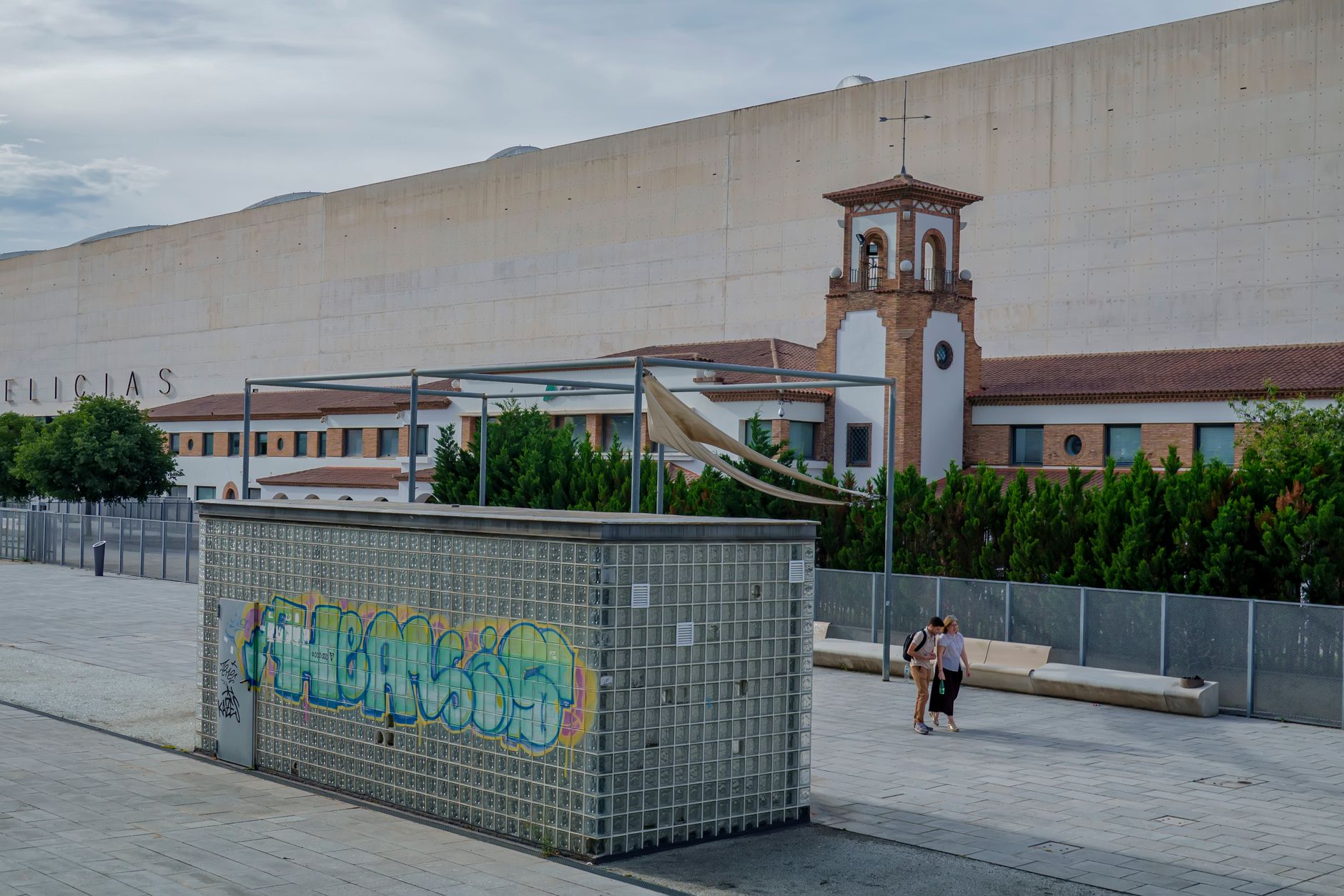
Crowds concentrate at the basilica and along the Ebro riverside at midday and during weekends, but much of the historic centre clears out in the afternoon siesta window and fills again for evening tapas. Noise levels are moderate in the centre and lower in neighbourhoods such as Delicias and El Gancho.
Many visitors arrive expecting a compact, intensely touristed old town; reality is a larger, spread-out urban area with a strong local identity tied to Aragonese food and regional government. This suits travelers who want short walks between distinctive museums, Roman remains and a lively tapas quarter without the travel queues of bigger capitals.
Is 3 days in Zaragoza enough?
Yes: three days lets a traveler cover Plaza del Pilar, the Aljafería, the Expo 2008 park and a good tapas crawl without rushing. Caveat: there won't be time for lengthy day trips to the Pyrenees or full wine-region tours.
Who This Guide Is For
Best for history-minded urban explorers, food-focused travelers and short-break visitors using AVE or regional flights. Less suitable for those wanting extended mountain hikes or luxury resort stays.
Local Tips for Zaragoza
Practical details that most travel sites skip — specific to Zaragoza.
- The Basilica del Pilar allows entry free but the tower viewpoint (Torre del Pilar) has a small fee (roughly €3–4) and closes earlier than the basilica; check hours before planning sunset views.
- El Tubo refers to streets around Calle Estébanes and Calle Libertad; tapas bars fill from about 9:00pm and many close around midnight rather than the later hours common in Madrid.
- Aljafería’s main ticket office is on Calle de los Diputados; adult entry typically runs around €5–8 and the palace is closed some Mondays and religious holidays.
- Zaragoza-Delicias station serves AVE trains to Madrid and Barcelona; arriving by AVE saves travel time and drops visitors a short tram or taxi ride from the historic centre.
- Mercado Central on Plaza José María Forqué opens early for produce and small bars — go before 11:00am to see stalls and a busy local breakfast scene.
How This Guide Was Prepared
This guide treats Zaragoza as a compact working city with strong local rhythms rather than a polished tourist showpiece. Many guides over-emphasize a single landmark and ignore how easy it is to mix Roman ruins, Moorish architecture and everyday tapas culture over three days. This guide was prepared through a structured research that combines destination research, geographic context, itinerary planning logic, and content review.
Plan Your Stay in Zaragoza
Use this itinerary as your starting point, then compare areas to stay, transport options, seasonal timing, and realistic daily costs before booking.
Why Visit
Religious and civic architecture in close range: Plaza del Pilar and the Basilica del Pilar sit beside Roman remains like the Foro de Caesaraugusta and the Roman walls, so a short walking route shows several eras in about two hours. The Aljafería Palace offers a rare surviving taifa-era palatial complex with Christian additions; it stands apart from more common Andalusian monuments and is an accessible example of Moorish-era power in the north.
A convincing regional food scene: El Tubo and the surrounding streets concentrate pinchos and small plates, while markets such as Mercado Central provide a look at local produce like borraja and longaniza. A modern-redevelopment contrast: the Expo 2008 area, Parque del Agua and the Pabellón Puente show how the city reworked riverfront space and are worth an afternoon for architecture and green space.
Good transport links for short trips: high-speed rail at Zaragoza-Delicias connects to Madrid and Barcelona, making this a practical base for a short stay or a stopover en route. Museums are small and focused, so a reasonable itinerary can include several without museum fatigue.

Quick Planning Tips
Arrive to Zaragoza-Delicias for the fastest rail connections; AVE links to Madrid and Barcelona cut overland travel time dramatically. For flights, Zaragoza Airport is outside the city — taxis cost roughly €25–35 to central areas and the airport shuttle or regional buses run less frequently than trains.
Carry a small amount of cash for market purchases and small tapas bars; cards are widely accepted but some bars and market stalls prefer cash. Avoid planning museum visits on Mondays: several small museums and the Aljafería may be closed or operate reduced hours.
Look up opening hours for the Basilica del Pilar tower if aiming for panoramic views, and check tram schedules late at night; public transport frequency drops after 23:00, so book a taxi app like Free Now or use local taxi ranks for late returns.
Day 1
Morning: Begin at Plaza del Pilar to absorb the scale of the basilica and the west façade of the cathedral complex. Allow 60–90 minutes to visit the interior of Basilica del Pilar, take photos at Puente de Piedra and, if open, climb the Torre del Pilar viewpoint for city and Ebro views (allocate 30 minutes for the tower visit).
Midday: Walk 5–10 minutes to Museo del Foro de Caesaraugusta and the nearby Roman walls and remains. Plan 60–80 minutes here to see the archaeological museum and the layout of the Roman forum beneath the modern streets.
Lunch: Head into El Tubo (Calle Estébanes and Calle Libertad) for a tapas lunch — try a sequence of pinchos such as croquetas, morcilla slices and a glass of local Garnacha at bars like Casa Lac or El Champi; a tapas lunch for two with drinks typically costs €20–35.
Afternoon: Walk 10–15 minutes to the Museo Pablo Gargallo (sculpture) and then 10 minutes more to Patio de la Infanta (Ibercaja collection) for decorative arts and an atmospheric courtyard; each stop needs about 45–60 minutes. If energy remains, cross to the banks of the Ebro for a relaxed stroll along Paseo Echegaray.
Evening: Return to El Tubo for a pinchos crawl. Tapas bars fill after 9:00pm; alternate standing tapas with one sit-down dinner if desired. Expect to finish the evening by 23:00–00:00 unless staying for late drinks in the central bars.

Day 2
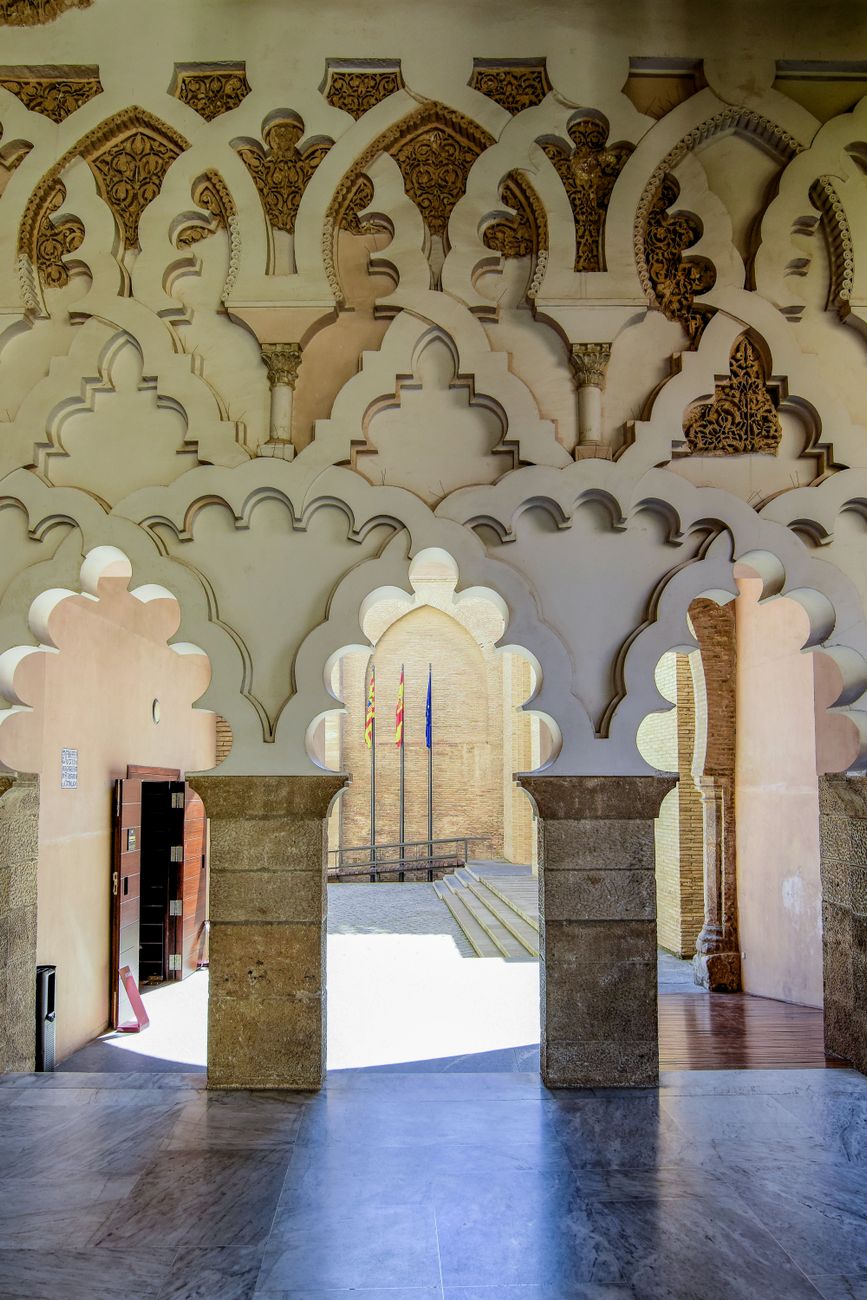
Morning: Take a tram or short taxi to Aljafería Palace and reserve at least 90 minutes to two hours for the palace and its exhibits. The palace interior requires careful walking on uneven surfaces; guided audio often clarifies the Moorish and later Christian phases.
Midday: From Aljafería, walk or bus about 15 minutes to the large Mercado Central on Plaza José María Forqué for a market lunch or fresh tapas plates at stall counters. Markets here start winding down after 14:00, so aim for an early lunch to experience the best stalls.
Afternoon: Spend the afternoon in the Expo 2008 area. Walk across Pabellón Puente to Parque del Agua Luis Buñuel and allocate 90–120 minutes for riverside paths, the aquarium area and the modern landscaping. A short bike rental or electric scooter works well for covering the park quickly.
Evening: Return toward Romareda or Delicias neighbourhoods for dinner away from the tourist core. Choose a local tavern serving ternasco de Aragón (roast lamb) or pollo al chilindrón. Expect a main course price around €12–20 at a mid-range restaurant. Finish with a quiet riverside walk near Plaza del Pilar if energy remains.
Day 3
Morning: Start with a visit to a specialist museum—Museo del Fuego y de los Bomberos or the Museo de Zaragoza if exhibitions appeal—allow 60–90 minutes depending on interest. Both are within a 10–20 minute taxi or tram ride from central hotels.
Midday: Walk to Mercado Central or a nearby café for a light lunch and pick up local cured meats to take home. If the schedule includes a midday train or an afternoon flight, plan museum visits so they finish at least 2–3 hours before departure to allow time for luggage collection and transfer.
Afternoon option A (departing later): If time permits, use the afternoon for a short neighbourhood exploration in El Gancho and San Pablo, where older residential streets show typical Aragonese architecture and small bars serving vermut. Allocate 60–120 minutes for this quieter exploration.
Afternoon option B (early departures): If catching a late afternoon AVE or flight, collect bags from the hotel and head to Zaragoza-Delicias station; allow 30–45 minutes for an inner-city taxi and 20–30 minutes extra for security/boarding. For airport departures, budget 40–50 minutes by taxi depending on traffic.
Evening: For those staying, close the trip with a relaxed meal near the river and a nightcap at a local vermutería. If short on time, prioritize the basilica viewpoint or a single memorable meal of ternasco.

Best Local Experiences
Mercado Central (Plaza José María Forqué) for morning produce, fresh tapas counters and local small cafés. Visit before 11:00 for the liveliest stalls.
El Tubo pinchos crawl, especially along Calle Estébanes and Calle Libertad; stand at a bar for a quick bite and move on to sample several specialties. Best between 21:00–23:30.
Aljafería guided visit to see Islamic-era architecture and the Cortes de Aragón rooms; book ahead in high season and allow two hours.
Parque del Agua Luis Buñuel and Pabellón Puente from Expo 2008 for modern riverside design and bike paths; rent a bike near the park to cover more ground.
Roman sites grouped under Foro de Caesaraugusta and the Roman theatre remains for compact archaeology visits; these are within easy walking distance of Plaza del Pilar.
Additional experiences: a vermouth hour at a local vermutería, shopping for longaniza de Graus at specialty shops, and catching a small classical or chamber-music concert at Patio de la Infanta when scheduled.

Where to Stay
Casco Histórico / Old Town: Suits visitors who want to walk to Plaza del Pilar, El Tubo and several museums. Expect many small boutique hotels and guesthouses, nightly rates roughly €70–120 (about €75–130 USD) for mid-range rooms during shoulder seasons.
Delicias / Near Zaragoza-Delicias station: Best for travelers arriving or departing by AVE who prefer practical access to trains. Accommodation ranges from budget to mid-range; expect €50–90 per night (about €55–95 USD). Some hotels in this area feel more business-oriented and quieter at night.
Rabal / Expo area and Parque del Agua: Suits visitors who want more modern riverside walks and easy access to Parque del Agua. Options include mid-range hotels and apartment rentals; nightly costs typically €60–110 (about €65–120 USD).
Romareda / Universidad: Good for those wanting a local residential feel and quieter evenings; near stadium and parks. Prices here are similar to Delicias and often lower on weekends. When booking, verify whether breakfast is included and proximity to tram stops to save taxi time.
Food and Drink
Ternasco de Aragón — young roast lamb from the Aragon region, served roasted or grilled; a good version at mid-range restaurants like Casa Lac or Casa Pedro, main course ~€12–20.
Migas a la aragonesa — fried breadcrumbs with chorizo or bacon and often a fried egg; found in traditional taverns and market bars, about €6–9 as a tapa.
Bacalao ajoarriero — salt cod mashed with garlic, peppers and olive oil, often on a slice of bread; try at specialist taverns in El Tubo for €4–7 per portion.
Breakfast option: churros with hot chocolate or a tostada con tomate y jamón at cafés near Plaza del Pilar; expect €3–6.
Street-food/pincho: varied pinchos in El Tubo — croquetas, tortilla slices and small skewers; most pinchos cost €1.50–4 each.
Drink: local Garnacha or Cariñena DO wines and a ritual mid-afternoon or pre-lunch vermut; a glass of vermut typically €2–3 and a 15cl glass of decent regional wine €2.50–4.
One dinner recommendation: reserve a table for ternasco at a traditional restaurant outside the busiest tourist strip to avoid inflated prices and thin portions.
Getting Around
City tram: Tram Line 1 connects parts of the city and links to central tram stops; frequency is good during daytime but check timetables late at night. Urban buses cover areas beyond the tram’s reach; routes are listed at main stops and on the operator website.
Trains: Zaragoza-Delicias handles AVE high-speed services to Madrid and Barcelona and regional MD/ALVIA trains. For short intercity travel, booking AVE saves time but costs more than regular trains. Taxi: airport taxis to central areas typically range €25–35; urban taxi rides within the centre are usually €6–12 depending on distance and time of day.
Tickets and passes: single tram/bus tickets are around €1.30–1.50; check for a reloadable card at kiosks for multiple journeys. Use apps like Renfe Cercanías/Adif for trains and Free Now or local taxi apps for ride requests. Walking is often the fastest way within the historic centre.
Best Time to Visit
Spring (April–June) offers mild temperatures (12–25°C) and lower hotel rates than summer; this is a practical choice for outdoor walking and park visits. Expect moderate crowds during Holy Week and local festivals.
Summer (July–August) brings hot weather (25–38°C) and an afternoon lull; museums and restaurants often shift to later hours and some small shops close for siesta. Air conditioning is common in hotels but outdoor activities are uncomfortable during heat peaks.
Autumn (September–October) is similar to spring with pleasant temperatures (13–24°C) and fewer tourists; grape harvests in the wider region mean occasional wine events. Winter (November–February) can be cold (0–12°C) with occasional fog; fewer tourists and lower prices are the main advantage.
Budget and Practical Tips
Typical daily budget (mid-range traveler): accommodation €70–100, food €25–40, transport €3–6, entry fees/museums €6–15; total roughly €110–160 per day (about $120–175 USD), excluding shopping or day trips. Lower-budget travelers can reduce costs with a hostel or budget hotel (€30–50), market meals and more walking.
Museum entry: many small museums charge €3–8; Aljafería is toward the higher end. Tapas-wise, standing pinchos are economical — plan €1.50–4 per piece.
Tipping: leave small change for good service in cafés and 5–10% at sit-down restaurants if the service was attentive, but tipping is not obligatory. Cash is handy at markets and for small tapas bars, though cards work at most restaurants and hotels.
Carry a photocopy of ID when using discount passes and verify opening hours for sites that close on Mondays. For late arrivals, check tram and bus timetables or have a taxi app ready because night services are sparser.
FAQ
Is Zaragoza safe for solo travelers?
Yes, central areas are generally safe during the day; typical precautions apply at night, especially in quieter streets after midnight.
What's the best way to get from Zaragoza-Delicias station to Plaza del Pilar?
A taxi takes about 10–15 minutes; tram or bus connections add 15–25 minutes depending on transfers.
Are museums closed on Mondays?
Many are closed or operate reduced hours on Mondays; plan museum visits for other days or check individual museum schedules in advance.
Is a Zaragoza Card or tourist pass worth buying?
A tourist card can be worth it if planning to visit multiple paid sites like Aljafería and several museums in 48 hours; calculate based on current prices and planned entries.
Can one visit the Aljafería without a guided tour?
Yes, the palace offers independent entry with information panels; guided tours are useful for deeper context and are scheduled at set times.
How late do tapas bars in El Tubo stay open?
Most busy tapas bars peak 21:00–23:30 and many close around midnight on weekdays; weekends may be slightly later.
Conclusion
Three days will leave a clear impression of the city’s main eras: Roman remains, the basilica and a Moorish palace, plus a solid taste of local food culture. Visitors usually remember the contrast between the open scale of Plaza del Pilar and the concentrated tapas streets of El Tubo.
If time becomes tight, prioritize a morning at Plaza del Pilar plus a focused visit to Aljafería and an evening pinchos crawl; that sequence captures the key architectural, historical and culinary highlights.
How this guide was prepared
This guide was prepared through a structured research that combines destination research, geographic context, itinerary planning logic, and content review.