
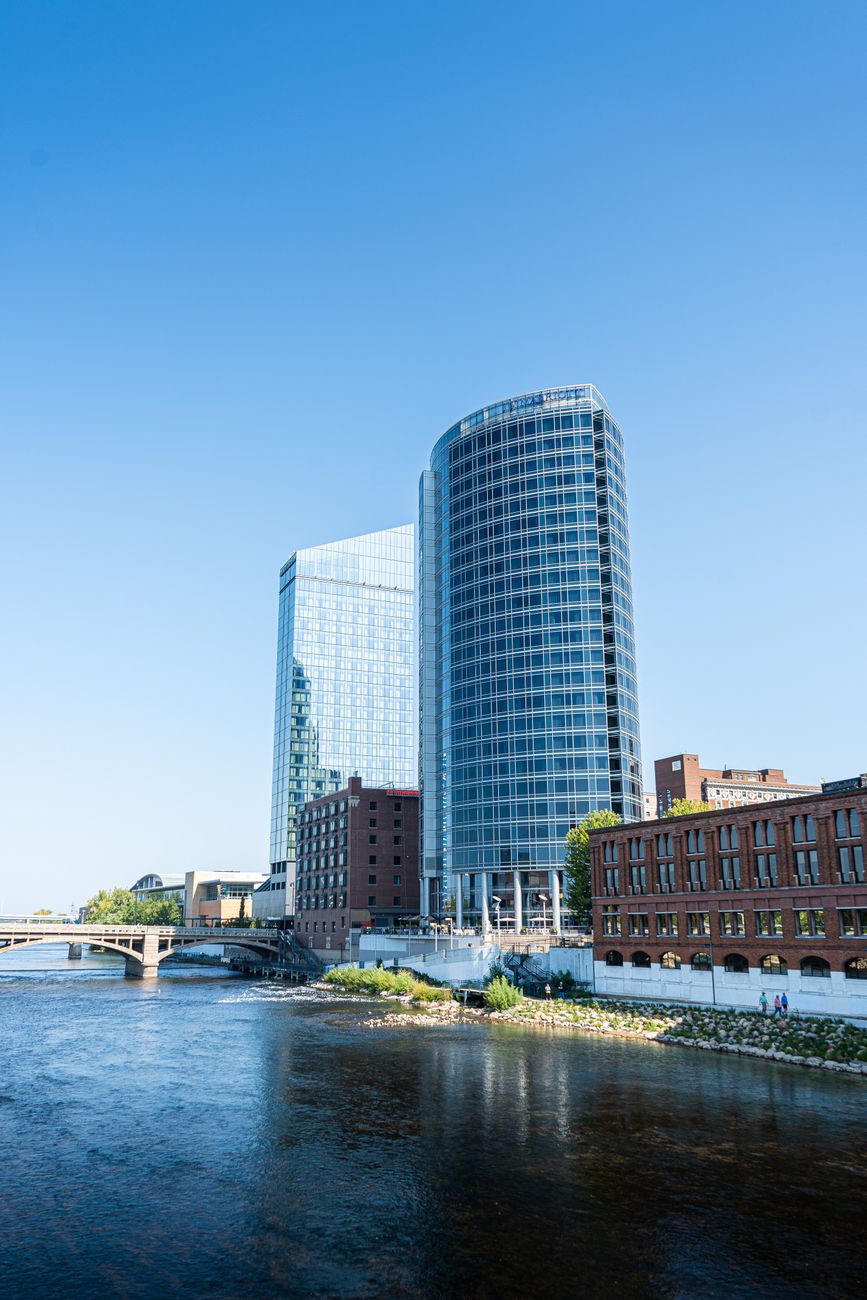
Three-Day Grand Rapids Itinerary: Art, Beer, Parks & Riverwalk
A practical 3-day Grand Rapids guide with transit tips, museum hours, brewery stops, neighbourhood routes and realistic budgets for a busy weekend trip.
A realistic, walkable three-day plan that balances museums, breweries, riverfront walks and a major garden without pretending every attraction can be done at a sprint.
Expect an urban place where craft beer, civic museums and riverfront parks define most visitor routes. First impressions usually hinge on a compact downtown corridor along Monroe Center and Fulton Street with a broad green ribbon in the Grand River; noise levels are moderate and summer weekends bring real crowd spikes around breweries and markets. Visitors often overestimate how easy it is to see everything; transit exists but some highlights require short rides or patience with parking.
This plan suits people who prefer paced cultural days and brewery stops over adrenaline or long wilderness excursions. Neighborhoods such as Heritage Hill, Eastown and the West Side each have distinct feels and deserve time on foot rather than drive-by checklists. The goal is practical routing: spending less time backtracking and more time at a museum, garden, or bar that fits the traveler's taste.
Is 3 days in Grand Rapids enough?
Three days gives a solid overview: downtown museums, a brewery circuit, the Frederik Meijer Gardens and one neighbourhood walk are all realistic. One honest caveat: skipping deeper day trips to nearby lakes or taking only a surface-level look at every museum will be necessary.
Who This Guide Is For
This itinerary works best for travelers who like museums, craft beer and walkable neighbourhood exploration on a modest budget. Heavy outdoor adventurers or those wanting to visit multiple lakes should plan extra days.
Local Tips for Grand Rapids
Practical details that most travel sites skip — specific to Grand Rapids.
- Buy Frederik Meijer Gardens timed-entry tickets online (adult general admission typically around $18–$20) to avoid long weekend lines in summer.
- The Rapid operates local buses and the Silver Line BRT on Division Avenue; single-ride cash fare is about $1.75 and a day pass is roughly $3.50 — use the 'The Rapid' mobile app or Parkeon/Transit for card and trip planning.
- ArtPrize runs for about two weeks starting in late September and turns downtown galleries, churches and storefronts into exhibits; many venues run timed entries or special hours during the event.
- Downtown street parking and most lots use ParkMobile; expect weekday meter rates around $1.75–2.00 per hour on Fulton and Monroe Center.
- Founders Brewing Co. on Ottawa Ave NW fills quickly on weekend afternoons — plan a reservation for group tours or arrive early for the taproom and expect to pay $6–10 for a 12–16 oz draft.
How This Guide Was Prepared
This guide treats Grand Rapids as a medium-sized regional hub where public events and breweries shape the tourism calendar more than one landmark. Many guides overstate how compact downtown is and underplay local event dates like ArtPrize; this plan focuses on timing and logistics so a traveler spends time seeing things rather than circling for parking. This guide was prepared through a structured research that combines destination research, geographic context, itinerary planning logic, and content review.
Plan Your Stay in Grand Rapids
Use this itinerary as your starting point, then compare areas to stay, transport options, seasonal timing, and realistic daily costs before booking.
Why Visit
Reason one: concentrated museum options. The Grand Rapids Art Museum (GRAM) and the Grand Rapids Public Museum both sit in or near the downtown core, offering compact, high-value visits that fit into a half-day each. Reason two: a genuine craft-beer scene anchored by Founders Brewing Co. and regional breweries such as Brewery Vivant and Perrin — brewery tours and taproom flights make tasting efficient.
Reason three: Frederik Meijer Gardens & Sculpture Park in Holland Park is a major draw for gardeners and sculpture fans and can fill a full morning or afternoon. Reason four: annual events like ArtPrize radically change downtown movement and viewing public art across churches, plazas and retail windows; timing a visit for late September delivers a different, more chaotic feel than summer weekends. Practical advantage: downtown is compact enough to explore on foot for core sights, while short rides connect to parks and neighbourhoods without long transfers.

Quick Planning Tips
From Gerald R. Ford International Airport (GRR) the fastest practical option to downtown is a rideshare or taxi—expect roughly 30–40 minutes and $30–45 depending on traffic. Amtrak Pere Marquette arrives at the Vernon J. Ehlers Station downtown; the station is a short walk from Rapid Central Station bus hub.
Carry a credit card that works with the 'The Rapid' mobile app and ParkMobile for parking payments; many garages accept cards only. One planning mistake to avoid: assuming weekend craft-brewery visits are walk-in—book taproom reservations for Founders or arrive before peak hours to avoid long waits.

Day 1
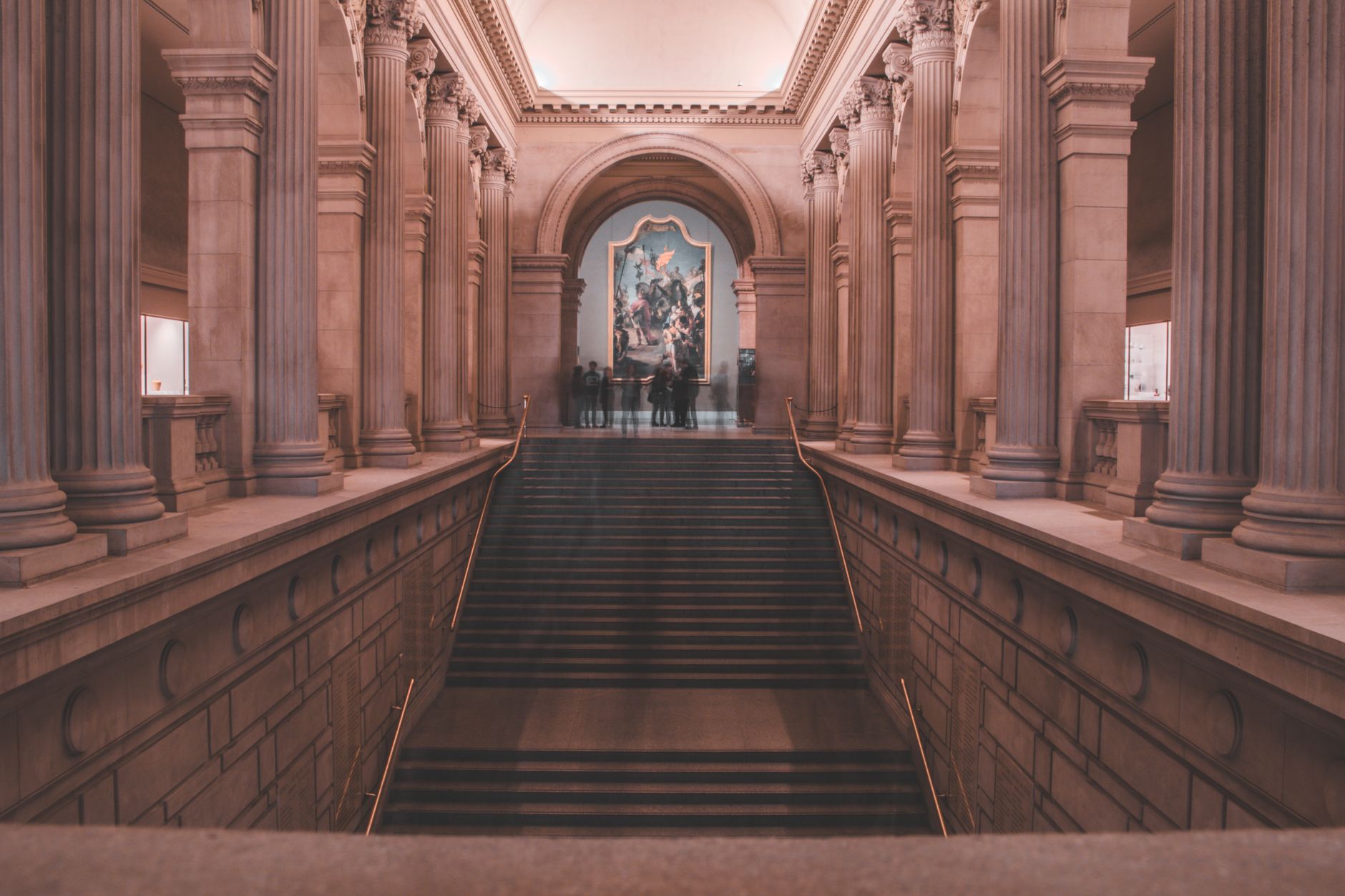
Start at the Grand Rapids Art Museum (GRAM) on Monroe Center; plan 60–90 minutes for the permanent collection and any special exhibitions. From GRAM walk 8–12 minutes east along Monroe to the Gerald R. Ford Presidential Museum on Pearl Street; allow 20–40 minutes for the key exhibits and the outdoor Kennedy-era displays.
After the Ford Museum, walk 10 minutes to the Grand Rapids Public Museum on Monroe Avenue; its mix of local history and the planetarium makes it a good second museum stop and allows for lunch nearby at the Downtown Market Grand Rapids (a 6–8 minute walk). The Downtown Market has multiple vendors—try the fish tacos or a wood-fired pizza; plan $12–18 per plate.
In the afternoon, follow the Riverwalk along the Grand River toward the Fish Ladder and Floodwall; walking from the Public Museum to the Fish Ladder is about 15 minutes and offers good photo spots. For dinner, reserve a table at HopCat on Monroe Center for burgers, craft beers and its signature fries; expect $15–25 per person. End the evening with a brewery visit at Founders Brewing Co. on Ottawa Ave NW, about a 10–12 minute drive or a 25–30 minute walk from downtown, for a tasting flight and lively taproom atmosphere.
Day 2
Spend the morning in Heritage Hill and Eastown. Start with a guided or self-guided walk through Heritage Hill Historic District to see turn-of-the-century architecture; the neighborhood is roughly a 15-minute walk north of downtown and walking the main avenues takes 45–60 minutes. Catch a coffee and pastry at a local bakery on Fulton Street in Eastown, then browse independent shops along Wealthy Street; Eastown feels more residential and its businesses are spread across a few blocks.
After lunch, hop a Rapid bus or rideshare to Brewery Vivant on Eastern Avenue NE in the East Hills area; transit from downtown is 10–15 minutes by car or 20–30 minutes by bus depending on route. Brewery Vivant is in a converted church and focuses on Belgian-style beers—allow 60–90 minutes for a tasting and tour. Next, visit the Grand Rapids Public Museum's outdoor or seasonal activities if in summer, or head to the Van Andel Arena area to see how downtown changes when an event is scheduled. For dinner, try Marie Catrib's for Mediterranean-influenced plates; it's a local mainstay for evening dining and is about a 10-minute drive from Eastown.
Evening recommendation: check the Van Andel Institute or local calendar for a concert or play; live events are common and will change pedestrian flow downtown.

Day 3
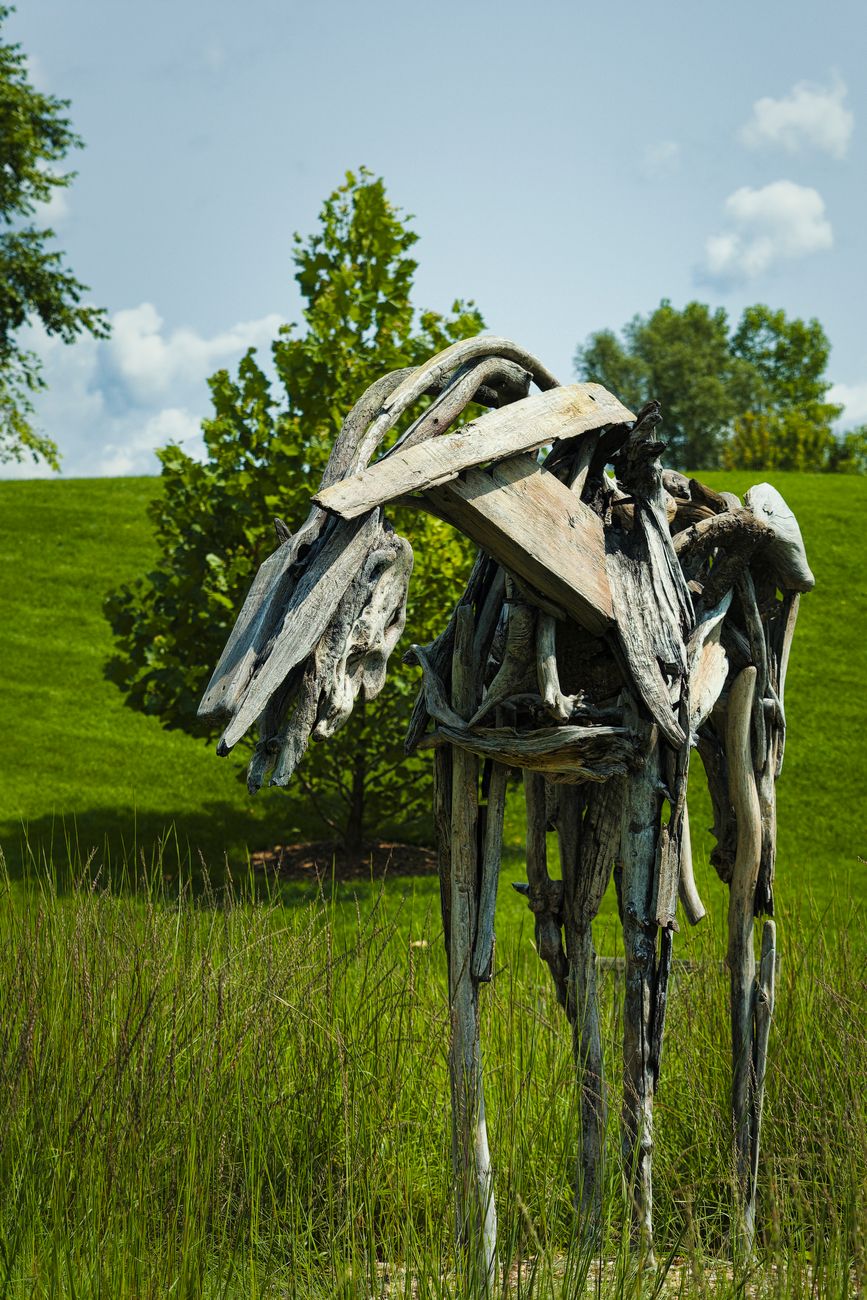
Reserve the morning for Frederik Meijer Gardens & Sculpture Park; plan two to three hours to walk the outdoor sculptures, conservatory and American prairie landscape. From downtown it's a 15–25 minute drive; buses are available but slower. Bring comfortable shoes—distances between major sculptures and greenhouse spaces add up.
After Meijer Gardens, head to John Ball Park and John Ball Zoo for views of the river and a short zoo visit; driving between the garden and the zoo is about 20 minutes. For lunch, stop at a riverside café on the West Side or return to Downtown Market for a faster option if trying to catch an afternoon train. Practical note for departures: if checking out midday and catching a late-afternoon flight from GRR, leave downtown no later than three hours before scheduled flight time to allow for rideshare pickup and airport security. If using Amtrak Pere Marquette, the station is downtown near Rapid Central Station—store extra bags at your hotel if planning a morning at Meijer Gardens and collect them before leaving for the station.
Evening option for late departures: a final walk along the Riverwalk near the Fish Ladder or a quick stop at Founders for a last pint before heading to transit or the airport.
Best Local Experiences
ArtPrize (late September to early October) radically alters downtown with hundreds of site-specific works across galleries, cafes and public plazas—plan extra walking time and check the official map. Downtown Market Grand Rapids on Ionia Ave offers a rotating line-up of local vendors and food classes; visit mid-morning for fewer crowds.
Fulton Street Farmers Market brings local produce and prepared food in summer and runs many community events. Brewery touring is a major activity: Founders Brewing Co., Brewery Vivant, Perrin Brewing (on the west side) and Mitten Brewing Co. each have different taproom styles and schedules. The Grand Riverwalk and Fish Ladder at the river offer an unusually accessible way to see the river's flow and learn about the dam operations. Finally, Heritage Hill Historic District provides an architectural walking route of restored homes that contrasts sharply with downtown commercial blocks.
Where to Stay
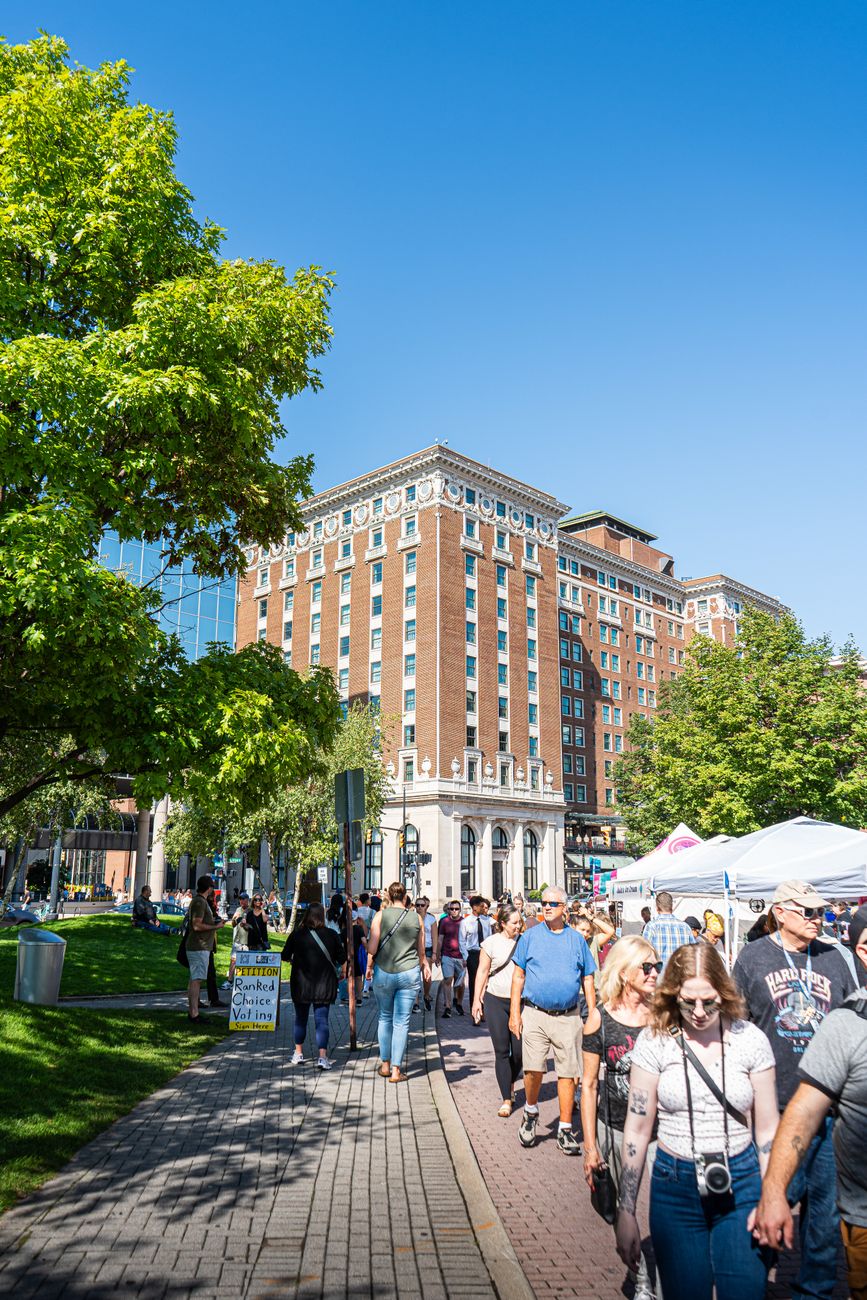
Downtown / Monroe Center: Best for first-time visitors who want immediate access to museums, restaurants and the Rapid Central Station. Expect mid-range hotels to start around $120–$180 per night (USD), roughly €110–€165. This neighborhood suits those who prefer walking to evening events.
Heritage Hill / Cherry Hill: Suits travellers wanting quieter evenings and easy access to architectural walks. Bed-and-breakfasts and boutique guesthouses range from $90–$150 per night (USD), about €80–€140, and are a short bus ride or 15–20 minute walk to downtown.
Eastown and Wealthy Street area: Good for food-focused visitors and those seeking local bars and coffee shops. Small hotels and rentals here typically run $80–$140 per night (USD), €75–€130, and provide quicker access to East Hills breweries and Fulton Street vendors. For budget travelers, consider short-term rentals west of the river where nightly rates can be lower but add rideshare time.
Food and Drink
Founders Brewing Co. (Ottawa Ave NW): Not a dish but a must-try for craft beer fans—core beers such as All Day IPA or KBS range from $5–9 per pour. Expect busy weekends and $6–10 for specialty pours.
HopCat (Monroe Center): Known for its 'Crack Fries' and broad tap list; typical entrée prices are $12–$20. It's an easy casual dinner with good beer options.
Marie Catrib's (various locations): A local favorite for Mediterranean-inspired plates and vegetarian options; mains run $12–20 and breakfast choices start near $8–12.
Downtown Market vendors: street-food style tacos, wood-fired pizza and fresh oysters appear regularly; most vendor plates are $8–16 and are good for a fast lunch.
Breakfast option: Anna's House offers hearty American breakfast plates—expect $9–14 per entrée and long lines on weekend mornings. For a light street-food pick, check food trucks around Calder Plaza in summer for sandwiches and local specialties priced $7–12.
Dessert/local product: Michigan cherry pie or tart appears in bakeries such as Michigan-based bakeries and at Downtown Market; slices run $3–6.
Getting Around
The Rapid is the primary public transit operator; the Silver Line BRT runs on Division Avenue and connects northern stops to downtown with faster, limited-stop service. Local bus routes operate from Rapid Central Station; use 'The Rapid' mobile app or Transit for schedules.
Single-ride cash fare is about $1.75 and a day pass is roughly $3.50—exact change is required on buses without app payment. Microtransit and on-demand services branded under The Rapid provide shorter, localized rides in some neighbourhoods. Rideshare services (Uber/Lyft) are widely available and often beat taxis for price and wait time; taxi from Gerald R. Ford International Airport to downtown runs roughly $30–45.
A rental car is convenient for visiting Frederik Meijer Gardens, John Ball Zoo and outlying breweries, while downtown parking is handled via ParkMobile; many garages accept card payment only. Biking is practical along the Riverwalk and some neighbourhood streets; look for local bike rentals in summer.
Best Time to Visit
Late spring through early fall (May through September) offers the best weather and the fullest range of outdoor activities. Average highs in summer reach the mid-70s to low-80s °F (24–28 °C) with occasional heat spikes; expect busiest crowds during June–August weekends near breweries and markets.
Early fall (late September–October) gives cooler highs in the 50s–60s °F (10–18 °C) and ArtPrize brings large visitor numbers; this offers strong cultural value but higher hotel rates and crowding. Winter months are cold and snowy with highs often below freezing (20s–30s °F, around -5 to 1 °C); expect quieter museums and lower rates but limited outdoor options.
For lower rates and manageable crowds while still accessing outdoor sites, target May or mid-September.
Budget and Practical Tips
Realistic daily budget (mid-range traveler): Accommodation $120–160 USD per night (~€110–€150). Food $35–60 USD per day (~€30–€55) if mixing market meals, one sit-down dinner and snacks. Local transport $5–10 per day (~€4–€9) using day passes or occasional rideshares. Entry fees: GRAM $8–12, Frederik Meijer Gardens $18–20, Grand Rapids Public Museum $8–12—plan $30–40 for two paid attractions in a day.
Tipping norms follow US practice: 15–20% at sit-down restaurants, $1–2 per drink at bars, and 10–15% for taxis when service is good. Cash is useful for small vendors and some parking meters, but cards and mobile payment are widely accepted. For value, buy timed tickets for major attractions and use ParkMobile to avoid wasting time hunting for quarters.
FAQ
How safe is downtown at night?
Downtown is generally safe for tourists but exercise standard urban caution—avoid poorly lit side streets late at night and keep valuables out of sight.
Is a rental car necessary for three days?
Not strictly; downtown, museums and many breweries are reachable via short rides or The Rapid, but a car simplifies visits to Frederik Meijer Gardens and John Ball Zoo.
Are museum passes or a city card worth buying?
There is no widely used single 'city card' that covers most attractions; buy timed tickets for Frederik Meijer Gardens and check GRAM for combined promotions during special exhibitions.
What's the best way to get from Gerald R. Ford International Airport to downtown?
Rideshare or taxi is the fastest and most convenient—allow 30–40 minutes and $30–45. Public transit options are slower and require transfers.
Are breweries walkable from downtown?
Some, like Founders and HopCat, are in or close to downtown, but Brewery Vivant and Perrin are short drives or bus rides away.
Can Amtrak be used to reach Grand Rapids?
Yes. The Pere Marquette line connects Chicago to Grand Rapids at the local station near Rapid Central Station, which is convenient for downtown access.
Is tipping required at breweries and bars?
Tipping is customary at table service and for bartenders—leave $1–2 per drink or 15–20% for table service.
Conclusion
A well-paced three-day visit will leave a clear sense of what makes this place different from other Midwestern cities: approachable museums, an outsized brewery scene and a riverfront that shapes downtown circulation. Travelers who prioritize one area—museums, breweries or gardens—should plan each day around that focus rather than trying to do everything.
If time becomes tight, prioritize Frederik Meijer Gardens or the GRAM plus one brewery visit and a Riverwalk walk; those choices showcase art, horticulture and local social life in a way that matches most weekend itineraries. Practical planning—timed tickets, ParkMobile for parking and checking event calendars—keeps the trip smooth and leaves space for unexpectedly good meals or a brewery tour that runs long.
How this guide was prepared
This guide was prepared through a structured research that combines destination research, geographic context, itinerary planning logic, and content review.