

3 Days in Dresden: Practical Itinerary and Local Tips
A no-nonsense 3-day Dresden guide with walking routes, tram and S-Bahn tips, realistic museum costs, neighbourhood picks, and daily budgets.
A clear, actionable 72-hour plan to see Dresden’s main museums, walk the Elbe, cross the Blue Wonder, and spend an evening in Neustadt with realistic times, costs and transit notes.
An approachable river city with a clearly legible centre and one very different arts quarter across the Augustusbrücke. The downtown core compacts rebuilt baroque monuments, courts and galleries along short blocks, meaning a lot can be seen on foot with a few tram rides. Streets around the Hauptbahnhof and Prager Straße feel post-war and busy; cross the Elbe and Neustadt becomes relaxed, with cafés, street art and late-night bars.
Expect busy hours at the Frauenkirche, the Zwinger and the Semperoper foyer; weekends attract more domestic visitors than many guidebooks suggest. Services are efficient but many museums run timed-entry or close Mondays in low season, so plan and reserve specific time slots when possible. Useful local rhythms: early-morning museum runs, long lunches in Neustadt on sunny days, and riverbank walks at sunset by the Brühlsche Terrasse.
Is 3 days in Dresden enough?
Yes: three days is enough to cover the Frauenkirche, Zwinger museums, Semperoper, Grünes Gewölbe and a full afternoon in Neustadt. Caveat: outpatient visits limit time inside large collections—skip one major museum if museum-depth is wanted.
Who This Guide Is For
Best for cultural travellers who like museums, architecture and neighbourhood walks and are comfortable using trams and short regional trains. Poor fit for travellers who want a relaxed pace with long leisure breaks or people wanting to use the time as a base for long day trips every day.
Local Tips for Dresden
Practical details that most travel sites skip — specific to Dresden.
- Buy a VVO single AB zone ticket from a DVB ticket machine or the VVO mobil app — a single ticket in the city is around €2.80; a 24‑hour VVO ticket is roughly €7.50 and pays off if making three trips.
- Book Grünes Gewölbe (Green Vault) timed tickets well in advance online — popular morning slots sell out; full-price adult tickets are about €12–€14.
- From Dresden Airport (DRS) take the S2 S-Bahn to Dresden Hauptbahnhof (roughly 20–25 minutes) — trains run roughly every 30 minutes; check DB Navigator for exact times.
- Neustadt’s Alaunstraße and Kunsthofpassage are best reached by tram lines 3, 8 or by walking from Neustadt station (10–15 minutes); Kunsthofpassage’s Courtyard of Elements mural is free to see.
- On the Elbe, use the MS Stadt Wehlen or the Sächsische Dampfschiffahrt (historic steamers) for a scenic upstream leg to Pillnitz in summer; tickets vary by route but budget €15–€25 for common trips.
How This Guide Was Prepared
Dresden rewards focused, walk-and-tram itineraries: compact historic core, a very different Neustadt arts quarter, and wide riverfront promenades. Many guides over-emphasise grand reconstruction and under-explain how to move between concentrated museum clusters and lively residential neighbourhoods, or how seasonality reshapes openings and crowds. This guide was prepared through a structured research that combines destination research, geographic context, itinerary planning logic, and content review.
Plan Your Stay in Dresden
Use this itinerary as your starting point, then compare areas to stay, transport options, seasonal timing, and realistic daily costs before booking.
Why Visit
The museum density in a small area is unusually high: the Zwinger complex, Gemäldegalerie Alte Meister and Grünes Gewölbe have concentrated collections that can be seen with short walks between them. Historic reconstruction is visible but honest: the Frauenkirche offers modern stonework beside original fragments and an interpretive exhibit that explains the 20th-century destruction and restoration.
Neustadt gives a very different urban rhythm: Alaunstraße, Kunsthofpassage and the cafés near Louisenstraße provide contemporary local life and street art. The Elbe and its bridges, especially the Loschwitzbrücke (Blue Wonder), offer accessible riverside walks and boat connections to Pillnitz Palace. Practical access makes it efficient: a short S-Bahn or tram ride connects many sites, so three days can be used productively without long transfers.

Quick Planning Tips
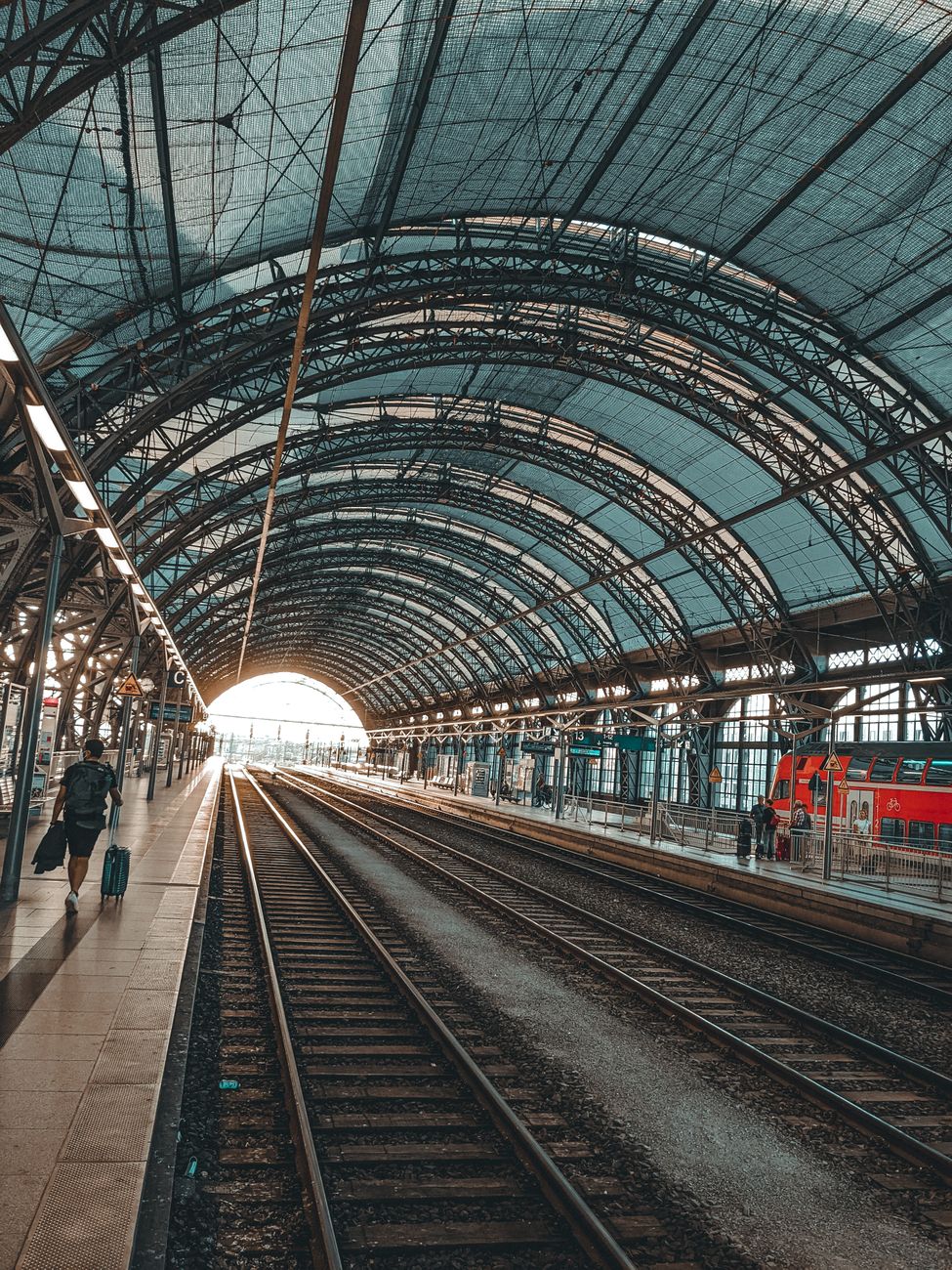
Fly into Dresden Airport (DRS) or arrive at Dresden Hauptbahnhof if coming by train. The S-Bahn S2 runs from the airport to Hauptbahnhof and Neustadt; journey time around 20–25 minutes from the airport to Hauptbahnhof. For inner-city travel use DVB trams and buses; buy VVO tickets at machines, in the DVB Fahrinfo app or the VVO mobil app to avoid fines.
Carry a credit card and some cash; many smaller cafés and market stalls accept only EC cards or cash. One planning mistake to avoid is assuming all museums accept walk-ins—reserve Grünes Gewölbe and popular Semperoper tours online. Check seasonal opening hours for Pillnitz and river steamer timetables in advance.
Day 1
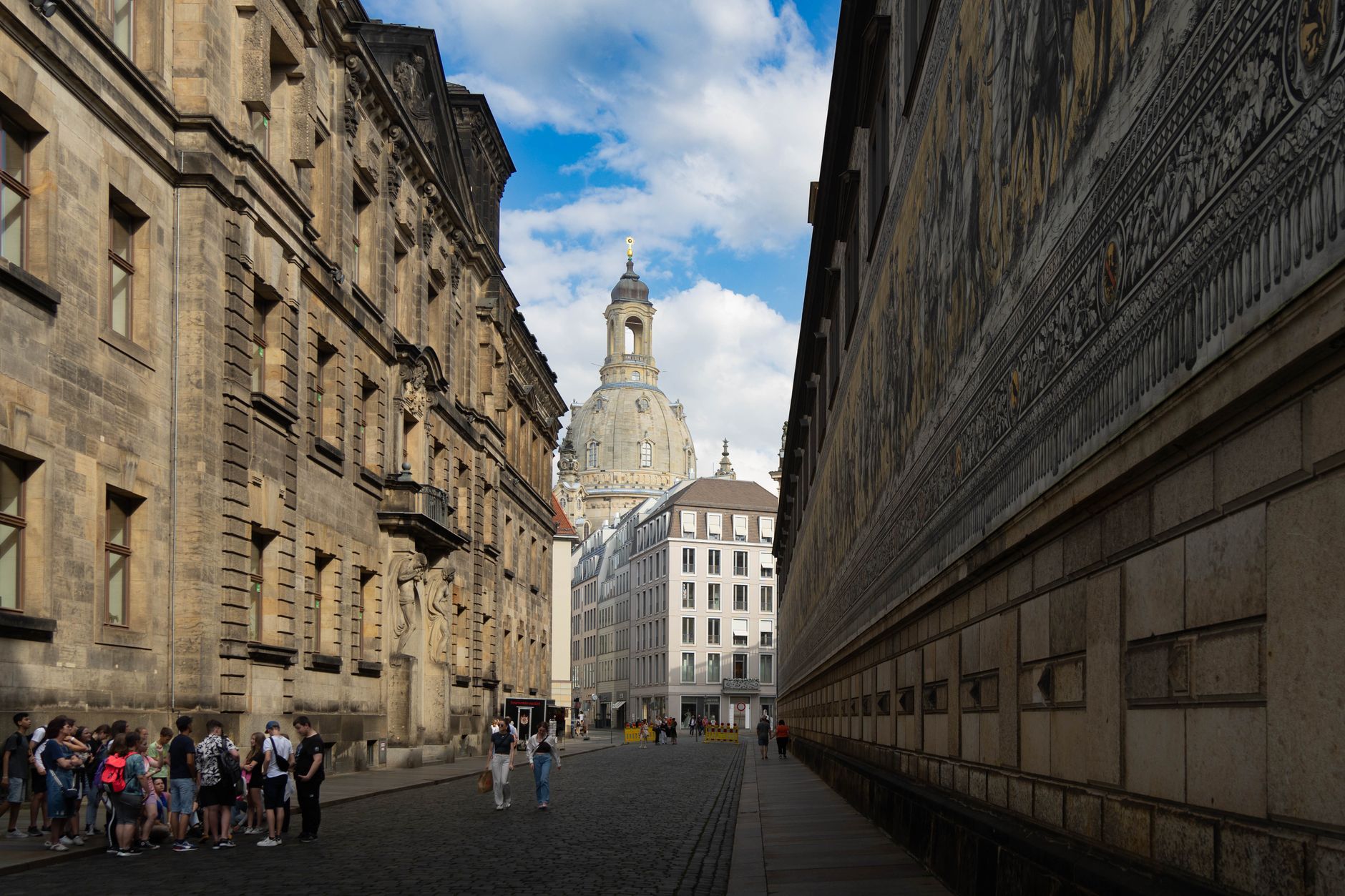
Start at the Frauenkirche in the morning: visit the church interior and, if time allows, climb the dome (dome climb around €8–€10). From the Frauenkirche, stroll 5–10 minutes to the Zwinger complex: spend 1.5–2.5 hours between the Porzellansammlung and the Gemäldegalerie Alte Meister (entry for Alte Meister roughly €12–€14). Walk across the long courtyard to Semperoper and book a 45–60 minute guided tour or check for an afternoon performance (tour about €10–€14).
After museum time, walk 10 minutes along the Brühlsche Terrasse and down to the Augustus Bridge for views of the river and the Neustadt skyline. Lunch at ALEX Dresden on the Neumarkt offers reliable local and international dishes with river views; main courses €10–€18. Mid-afternoon visit to Pfunds Milchladen for its painted tiled interior and dairy products (short 7–12 minute walk). End the day with dinner in the Innere Neustadt or Folkklubs near Alaunstraße; evening recommendation is a riverside walk across Augustus Bridge after sunset for city lights and quieter views.

Day 2
Spend a full day in Neustadt and Loschwitz to contrast the reconstructed centre. Begin at Neustadt Hauptstrasse and Alaunstraße for coffee and a morning walk; allow 60–90 minutes for cafés and boutiques. Walk to Kunsthofpassage (10–15 minutes) to see the Courtyard of Elements and small studios; this area is good for street photography and a light lunch at one of the courtyard cafés.
After lunch, take tram or S-Bahn to the Loschwitz/Blaues Wunder area (tram plus short bus or a 20–30 minute tram ride depending on line). Cross the Loschwitzbrücke (Blue Wonder) on foot for panorama views and continue to the Schloss and Lingnerterrassen walk. If time allows, schedule a visit to the Panometer Dresden (Asisi panorama) in the afternoon — exhibitions vary; tickets around €10–€12. Dinner in Neustadt on Louisenstraße offers small bistros and Saxon dishes; evening recommendation is to sample local beers at a neighborhood pub and listen to live music if available.
Day 3
Reserve the last day for Pillnitz, an extra museum, or finishing any missed collections. Morning: catch an S-Bahn and regional bus or a steamer to Pillnitz Palace and Park; plan 2–3 hours to walk the riverside gardens and see the castle complex. Returning to the centre, visit the Militärhistorisches Museum or the Verkehrsmuseum (Transport Museum) depending on interests; expect 1.5–2 hours each and entry fees around €6–€8.
For travellers checking out and catching an afternoon flight or train, keep the morning light and leave extra time for luggage and transit: taxi from Hauptbahnhof to the airport costs roughly €20–€30, S-Bahn about 20–25 minutes. Lunch near the Hauptbahnhof at a quick bistro or the Hauptbahnhof food hall provides convenience before departure. Evening recommendation if staying late is to finish with a short Elbe riverbank walk and a drink near Brühlsche Terrasse to close the visit.

Best Local Experiences
Striezelmarkt (Christmas market) in Striesen/Altmarkt during December is a centuries-old market with local Stollen and crafts — plan for crowds and cold weather. Kunsthofpassage in Neustadt offers its Courtyard of Elements and small design shops — best in dry weather when courtyards are open. Pfunds Milchladen on Bautzner Straße is a tiled dairy shop open during shop hours; it’s a short photo stop and good for buying local cheeses and spreads.
Take a steamship ride with Sächsische Dampfschiffahrt along the Elbe to Pillnitz or Meissen for a different perspective on the city and the river landscape. Visit the Panometer Dresden for the immersive panorama exhibits by Asisi — rotating themes, check opening hours and book ahead for busy weekends. Explore the Neustadt flea stalls and late-night bar scene around Görlitzer Straße for local nightlife and secondhand finds.

Where to Stay
Innere Altstadt: Suited for first-time visitors who want walking access to Frauenkirche, Zwinger and Semperoper; expect fewer late-night bars and more tourist services. Nightly prices roughly €90–€180 (EUR) / $95–$190 (USD) for mid-range hotels in peak season.
Neustadt (Äußere Neustadt/Alaunstraße): Suited for travellers who want nightlife, cafés and street life within walking distance to the Elbe; more boutique guesthouses and apartments. Nightly prices roughly €60–€120 / $65–$130 depending on season and apartment size.
Blasewitz/Loschwitz: Suited for quieter, residential stays near the Blue Wonder and river promenades, good for families and people seeking scenic walks. Expect small B&Bs or mid-range hotels from €70–€130 / $75–$140 per night. Consider location versus transit time — staying outside the core adds tram or short S-Bahn rides but rewards quieter evenings.
Food and Drink
Dresdner Stollen: A dense, fruit-studded Christmas cake available in Konditoreien such as Cafe Schinkel or Lila Bäcker; a whole loaf is €12–€25 depending on size. Eierschecke: A layered Saxon cake made from quark, custard and a cake base; try at Café Milchmädchen or nearby Konditoreien for €3–€4 per slice.
Quarkkeulchen: Small potato-and-quark pancakes, pan-fried and dusted with sugar—found at seasonal market stalls and some traditional restaurants; portions €4–€7. Radeberger Pilsner: the regional beer brewed in Radeberg; expect €3–€4 for a 0.3–0.5l in a pub. Street food options include currywurst and döner near the Hauptbahnhof for €3–€6; a full sit-down dinner in a mid-range restaurant is €12–€25 per person. Breakfast option: a Bäcker breakfast with rolls (Brötchen), coffee and jam at a local bakery for €3–€7.
Getting Around
Public transport is run by DVB under the VVO tariff. Key S-Bahn lines: S1, S2, S3 connect suburbs and short regional towns; S2 serves the airport. Trams are numerous — common central lines include 3, 4, 8 and 10 which serve the Hauptbahnhof, Neustadt and many inner districts. Buy single tickets (Einzelfahrt) from machines or in the VVO mobil app.
Single ticket prices in the city are about €2.80 (check current VVO fares); a 24‑hour city/zone ticket is roughly €7.50. DB Navigator and VVO mobil are the best apps for timetable planning; DVB Fahrinfo is useful for live tram positions. Taxi from Hauptbahnhof to the airport typically costs €20–€30; rides within central districts usually range €7–€15 depending on distance and time of day.
Best Time to Visit
Spring (April–May) brings milder weather with daytime highs around 12–18°C and lower hotel prices than summer; riverside walks are pleasant and gardens start to bloom. Summer (June–August) sees highs typically 20–27°C with occasional 30°C spells; attractions have longer hours but more crowds, especially river steamers and outdoor cafés.
Autumn (September–October) offers cool days 10–18°C and good value for hotels; leaf-colour on the Elbe is attractive. Winter (November–February) is cold, often near freezing with December busiest for the Striezelmarkt; museums are warm options but some river services and palace gardens reduce hours. Best value months combining weather and fewer crowds are late April–May and September.
Budget and Practical Tips
Reasonable daily budget for a mid-range traveller: Accommodation €70–€130 / $75–$140, food €25–€40 / $27–$43, transport €6–€10 / $6.50–$11, entry fees €10–€25 / $11–$27. Total suggested daily range €110–€205 / $120–$220 depending on hotel choice and museum visits.
Museum entry examples: Gemäldegalerie Alte Meister €12–€14, Grünes Gewölbe €12–€14, Panometer €10–€12. Tipping: restaurants expect rounding up and 5–10% for good service; cafés and bakeries typically leave small change. Carry a small supply of cash for market stalls, bakery counters and some smaller bars; cards are widely accepted but not universal for very small purchases.
FAQ
Is Dresden safe for solo travellers?
Yes; central districts and Neustadt are generally safe during daytime and evening. Usual city precautions apply at night in quieter streets and near transport hubs.
Which card or pass is worth buying?
For transport, buy VVO 24‑hour tickets if making multiple trips in a day. A Dresden City Card can offer museum discounts and some transport options — worth it only if planning several paid attractions and card benefits align with planned visits.
How to get from the airport to the city centre?
The S-Bahn S2 connects Dresden Airport (DRS) with Dresden Hauptbahnhof in roughly 20–25 minutes; taxis cost about €20–€30.
Are most museums open every day?
No; several museums close on Mondays or have reduced hours in winter. Check individual museum websites and reserve timed tickets where offered.
Can a single day cover the Zwinger and Grünes Gewölbe?
It’s possible but rushed: allocate at least 2 hours for Alte Meister and 1.5–2 hours for Grünes Gewölbe; better to split across two half-days.
Is English widely spoken?
Basic English is usually understood in museums, hotels and restaurants; in smaller shops and markets, a few German phrases help.
Are river steamers reliable for scheduling trips to Pillnitz?
Steamers operate seasonally with higher frequency in summer; timetables are published and sometimes affected by water levels — book or check forecasts on service days.
Conclusion
Three days will leave a clear memory of reconstructed monuments, concentrated museum visits and a distinctly different Neustadt atmosphere. Most travellers will recall the Frauenkirche view, a Zwinger gallery, a Blue Wonder bridge walk and an evening on the Elbe more than any single meal. If time becomes tight, prioritise one major museum (Alte Meister or Grünes Gewölbe) plus a long riverside walk and a Neustadt evening — that mix gives a useful cross-section of what the city offers.
How this guide was prepared
This guide was prepared through a structured research that combines destination research, geographic context, itinerary planning logic, and content review.