

Best Time to Visit New York City
Practical, sustainable advice on when to visit New York City for first-timers and repeat visitors. Season-by-season tips, transport realities, neighborhood guidance, booking windows, and low-impact options tied to a 3-day itinerary and nearby cities.
Choose the right season and neighborhood for your 3-day NYC trip. Prefer shoulder seasons for smaller crowds, lower prices, and more walkable weather; favor transit, bikes, and neighborhood businesses to keep your visit low-impact.
Quick Answer
Choose the right season and neighborhood for your 3-day NYC trip. Prefer shoulder seasons for smaller crowds, lower prices, and more walkable weather; favor transit, bikes, and neighborhood businesses to keep your visit low-impact.
Who This Page Is For
This page is for travelers planning a stay in New York City who want clearer decisions about best time to visit, local logistics, timing, budgeting, and practical trip planning.
How This Page Was Prepared
This page was prepared through a structured editorial workflow that combines destination research, geographic context, and practical travel-planning review.
Plan the Rest of Your Trip
Use this page together with the full itinerary and the related planning pages below to make better booking, timing, transport, and budget decisions.
Best all-around months: mid-April to mid-June and September to early November — comfortable weather, good transit reliability, and thinner crowds than summer or winter holidays.
If you want the cheapest hotel rates and lowest crowds: January–February (post-holidays), but expect cold, possible snow, and shorter daylight.
If you want holidays and decorations: late November through December, but plan and book far in advance and expect heavy crowds around Rockefeller Center and Midtown.
This page helps you pick the best time to visit New York City based on weather, crowds, budgets, and sustainable choices. It's written to support a practical 3-day NYC itinerary: if you already have dates in mind, this guide shows how to shape those 72 hours across neighborhoods like Midtown, Chelsea, Greenwich Village, and Brooklyn.
It also points to short trips to nearby destinations—Jersey City, Brooklyn borough neighborhoods, Newark, Jamaica (Queens), and Staten Island—so you can plan low-impact day trips that benefit local economies.
What This Page Helps You Decide
Use this page to choose:
- When to book flights and hotels for your 3-day NYC trip.
- Which neighborhood to base yourself in (Midtown for first-timers, Lower Manhattan or Brooklyn for local flavor).
- Whether to schedule major attractions (Statue of Liberty, Broadway, museums) early in the morning or during shoulder-season to avoid crowds.
- Which nearby day trips make sense by transit: a walkable Jersey City waterfront for skyline views, a Brooklyn day exploring DUMBO and Williamsburg, or the free Staten Island Ferry.
Each choice includes practical booking windows and sustainable alternatives to high-impact sightseeing.
Top Recommendations
Season-by-season guidance:
- Spring (mid-April–June): Best balance of weather and crowds. Cherry blossoms and outdoor seating open. Book museums and Broadway 2–6 weeks ahead for peak shows.
- Fall (September–early November): Crisp weather and excellent walking conditions; peak foliage in late October. Shoulder-season hotels are still available midweek.
- Summer (June–August): Warm to hot and humid. Expect festival crowds, high hotel rates, and crowded transit. Favor early-morning sightseeing and neighborhood dining outside Midtown.
- Winter (December–February): Holiday lights in December—but heavy crowds early December through New Year’s Eve. January–February are the quietest and cheapest months for hotels; pack for cold and possible snow.
Booking tips:
- Reserve Broadway, Statue of Liberty/Ellis Island tickets, and popular museum timed entries in advance.
- For lower environmental impact, choose a centrally located neighborhood and use subway, Citi Bike, or walking instead of taxis.

Local Context
Neighborhoods and transport realities:
- Midtown and Times Square: convenient for first-time sightseeing but busy and noisy; hotels are pricier.
- Lower Manhattan (Financial District, West Village, SoHo): walkable to many attractions, closer to ferry services.
- Upper West/Upper East Sides: quieter, family-friendly, near Central Park and major museums.
- Brooklyn neighborhoods (DUMBO, Williamsburg, Brooklyn Heights): excellent local food scenes and skyline views; short subway or ferry rides from Manhattan.
Transit notes:
- The subway runs 24/7, but service changes happen frequently — check MTA advisories before travel.
- Airports: JFK and LaGuardia (Queens) and Newark (New Jersey). Allow extra time for peak-hour transfers and security.
- Bikes and ferries are efficient, low-impact ways to see waterfronts (Staten Island Ferry is free and offers Statue of Liberty views).
Local etiquette and customs:
- Tip 15–20% in restaurants; tip porters and rideshare drivers appropriately.
- Stand to the right on escalators, walk on the left; keep sidewalks moving.
- Respect quiet in residential neighborhoods after 10pm.

How to Choose Well
Decide by priority rather than one-size-fits-all months:
- If you want fewer tourists and better hotel deals: choose January–February or early March.
- If you prefer comfortable weather and local outdoor life: select spring or fall and plan outdoor neighborhoods like the West Village or Brooklyn.
- If you care about low-impact travel: pick shoulder months, rely on transit and ferries, and spread visits across neighborhoods to avoid over-concentrating around Times Square.
Practical selection checklist:
- Check major events (NYC Marathon, Fashion Week, United Nations General Assembly) that affect hotel availability and street closures.
- Match neighborhood to itinerary: use the 3-day NYC itinerary for a sample routing that minimizes back-and-forth transit and supports local businesses.

Responsible and Local-First Tips
Put money into neighborhood economies and reduce your footprint:
- Use subway, ferries, and Citi Bike instead of rideshares for short trips.
- Eat at neighborhood restaurants, bodegas, and farmer markets rather than only at tourist hubs.
- Book off-peak timed entries for museums to reduce crowding and energy use.
- Choose accommodations with sustainability practices or small local hotels and guesthouses when possible.
- Bring a reusable water bottle and coffee cup; many cafes will refill or offer discounts.
Low-impact activity ideas:
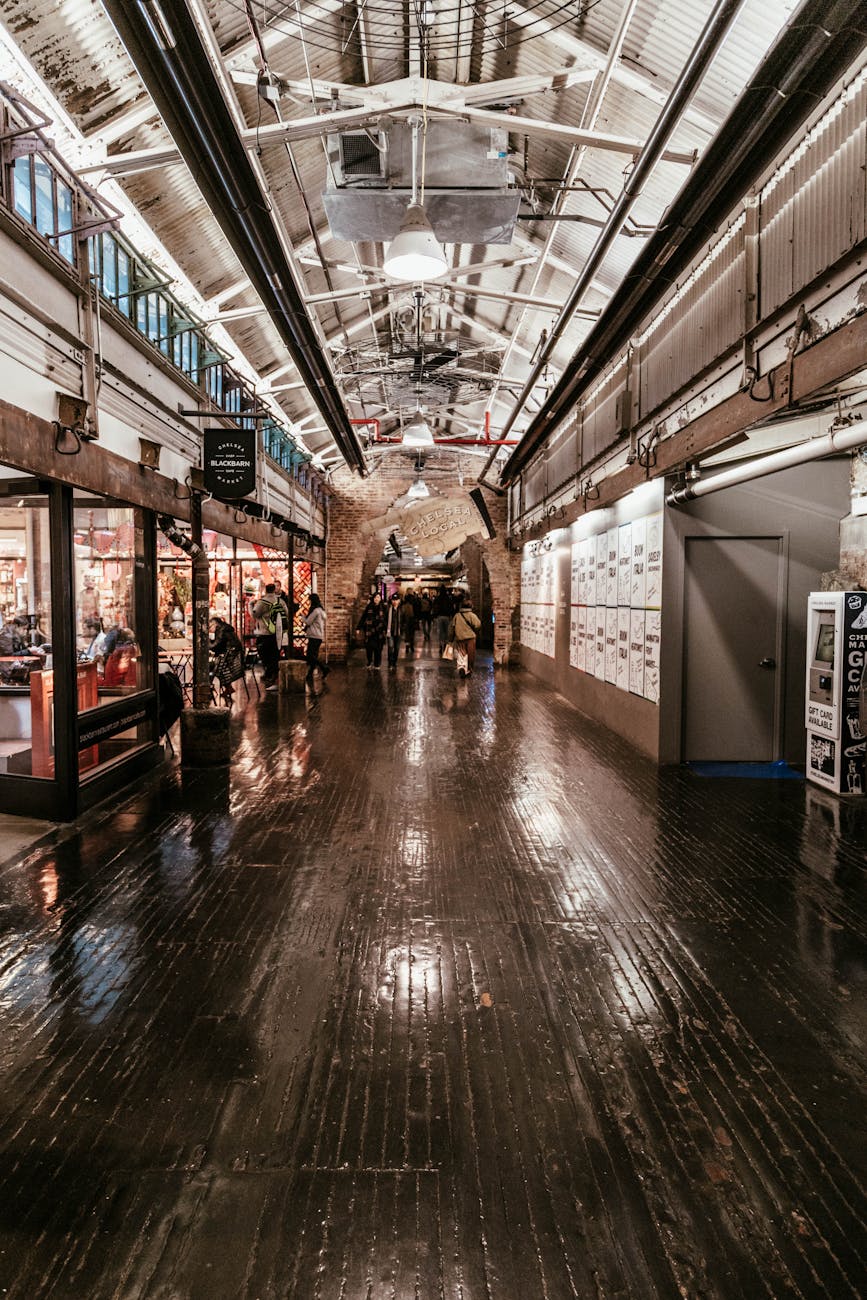
- Walk the High Line early morning and explore Chelsea Market for local vendors.
- Take the Staten Island Ferry for free skyline views and support Staten Island businesses after arrival.
- Spend an afternoon in Brooklyn neighborhoods to spread tourism dollars beyond Manhattan.

Common Mistakes to Avoid
Avoid these frequent errors:
- Underestimating travel time: Manhattan looks small on a map but walking between distant neighborhoods is slower than a short subway ride.
- Booking last-minute for Broadway, Statue of Liberty, or popular museums during busy seasons.
- Staying only in Times Square: you'll pay more and miss local character.
- Ignoring subway service alerts and planning long surface-transit detours during peak replacement works.
- Assuming taxis are faster than the subway during rush hour — often they're slower and more expensive.
A better approach: base yourself near one or two neighborhoods and plan each day to minimize backtracking.
FAQ
When is the best month to visit New York City for mild weather and fewer crowds?
Late April to mid-June and September to early November provide the best mix of mild weather, outdoor dining, and manageable crowds.
Are hotels cheaper in winter?
Yes — January and February are typically the cheapest months for hotels. Expect cold weather and shorter daylight; plan indoor activities and allow time for subway delays in snow.
Do I need to book Broadway and Statue of Liberty tickets in advance?
Yes for popular shows and the Statue of Liberty’s pedestal or crown access. For general admission to the island, book ahead in peak seasons; consider the free Staten Island Ferry for a low-impact alternative view.
Is New Year’s Eve worth it?
Times Square is iconic but extremely crowded and requires advance free-ticket planning; for a festive but lower-impact experience, choose neighborhood events, rooftop bars with reservations, or holiday lights in Dyker Heights (Brooklyn).
How easy is it to visit Jersey City or Newark from Manhattan?
Jersey City is a short PATH or ferry ride away and offers great skyline views; Newark is reachable by NJ Transit or Amtrak from Penn Station and is convenient if flying in through Newark Liberty Airport. Both make good low-distance day trips that support local businesses.
Conclusion
Pick dates that match your priorities: spring and fall for comfort and walking, winter for bargains, and summer for festivals if you don't mind crowds. Base yourself in one or two neighborhoods to reduce transit time and support local businesses. For a compact plan, follow our 3 days in New York City itinerary to see how days flow and to find sustainable day-trip ideas to Jersey City, Brooklyn neighborhoods, Newark, Jamaica (Queens), or Staten Island.
Small choices—using transit, eating in neighborhood restaurants, visiting outside peak hours—have a big impact on the quality of your trip and on local communities.
How this guide was prepared
This guide was prepared through a structured research that combines destination research, geographic context, itinerary planning logic, and content review.