

3-Day Practical Guide to Essaouira: Itinerary and Tips
A practical 3-day itinerary for Essaouira with transit tips, market times, food recommendations, and neighborhood lodging advice for realistic planning.
A realistic, no-nonsense 3-day plan for Essaouira focused on walking the medina, tasting fresh seafood at the port, trying surf or kitesurf lessons, and shopping argan products without getting overcharged.
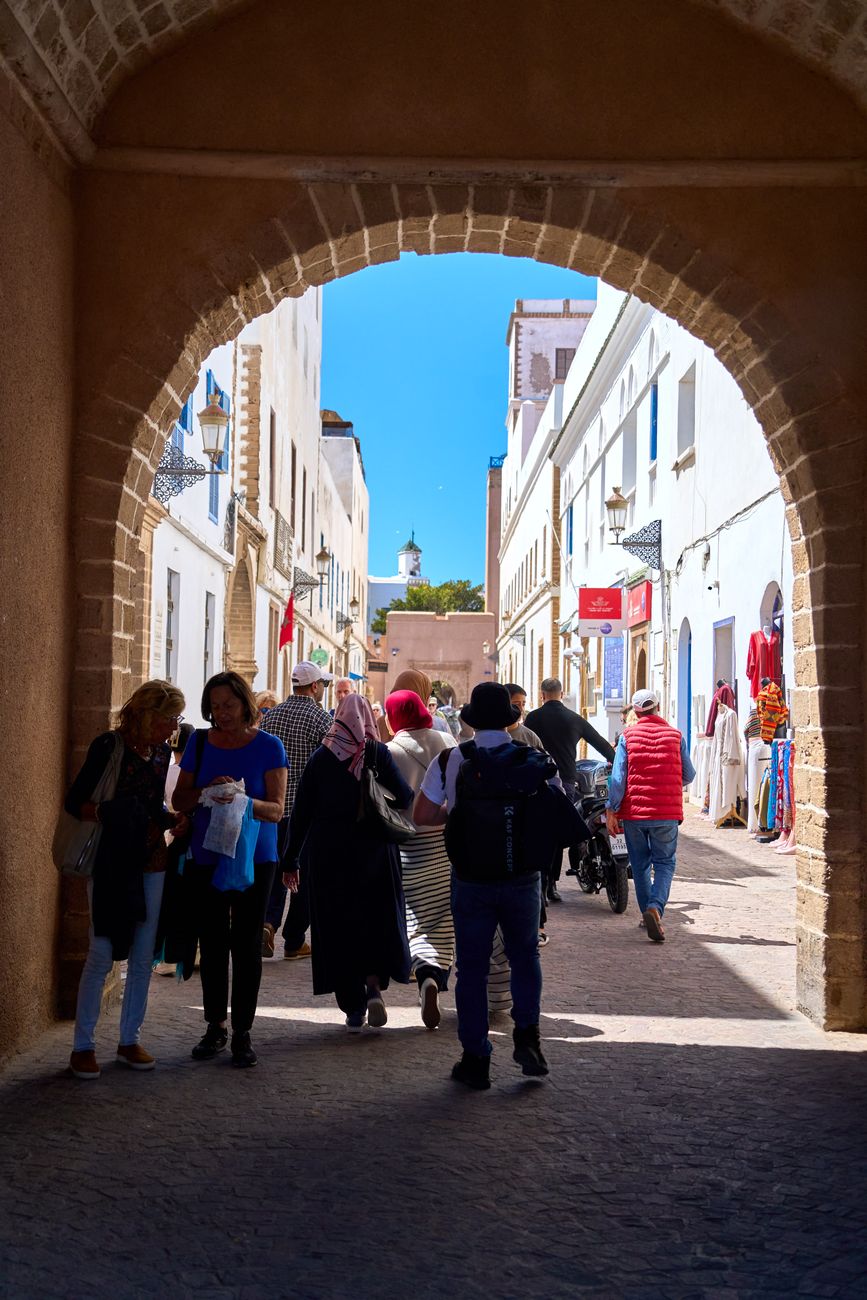
Expect a small Atlantic port where wind and light dominate how things feel. Streets are low, mostly whitewashed houses with blue doors, and the medina lanes move at walking pace; many businesses still close for mid-afternoon; plan around that rhythm.
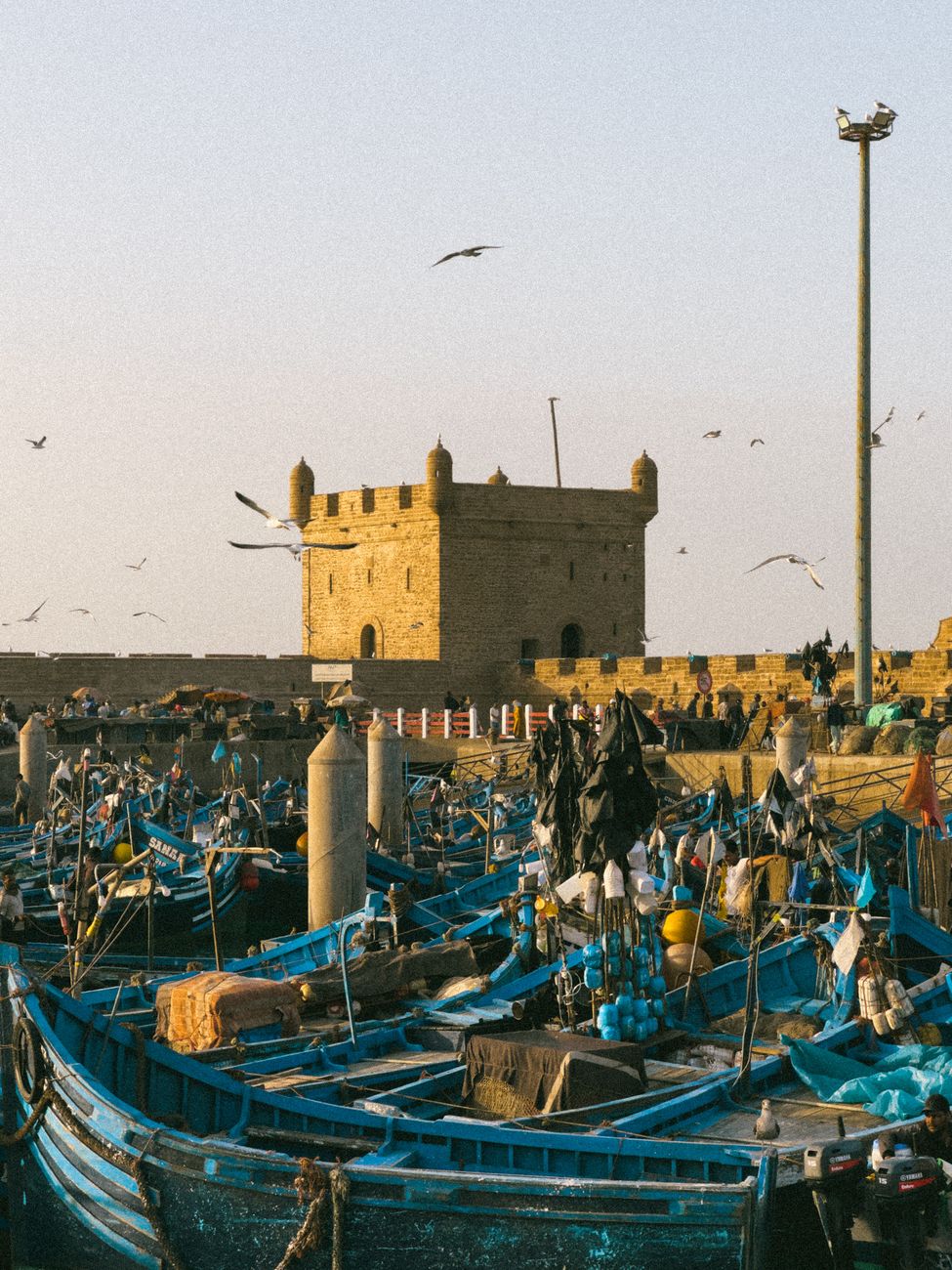
First impressions are often salt air, seagulls above the port and the sound of waves hitting the ramparts. Visitors who arrive expecting a busy Moroccan metropolis will be surprised by how compact and coastal this town is; it suits people who like to walk, sit by the sea and eat seafood rather than those seeking late-night bars or big museums.
Crowds concentrate near Place Moulay Hassan and the Skala in high season, but the medina has quieter lanes a few minutes away. Windy days affect beach plans and photography, so check wind forecasts before booking lessons or beachside tables.
Is 3 days in Essaouira enough?
Yes—three days are enough to cover the medina, the ramparts, the port fish market, a surf or kitesurf lesson, and a day trip to Diabat or Sidi Kaouki. One honest caveat: full immersion in local craft workshops and a visit to the Gnaoua Festival (if it coincides) will require more time or careful scheduling.
Who This Guide Is For
Best for travellers who prefer coastal towns, seafood, active water sports, and relaxed walking; less suitable for visitors who want a museum-heavy, gallery-focused trip or those who dislike strong winds or limited nightlife.
Local Tips for Essaouira
Practical details that most travel sites skip — specific to Essaouira.
- CTM and Supratours run regular buses from Marrakesh to Essaouira (about 2.5–3 hours) and tickets bought at the CTM counter or on ctmbus.ma cost roughly 100–130 MAD one-way.
- The Port de Pêche fish market has the auction around 08:00–10:00; bring small change to buy grilled sardines at the stalls for about 30–50 MAD per plate.
- Sidi Mohammed Ben Abdallah Museum (in the medina near Place Moulay Hassan) usually charges about 30 MAD for entry and is commonly closed on Mondays, so plan accordingly.
- Petit taxis are the local in-town cabs; short trips inside town are normally 10–20 MAD if agreed before boarding—meters are not used in town.
- Argan cooperatives on Rue Skala and the lanes off the port will offer demonstrations; insist on jar pricing (small jar ~60–150 MAD) before any tasting to avoid pushy sales tactics.
How This Guide Was Prepared
Essaouira feels like a low-rise Atlantic port where wind shapes the day; most guides sell a postcard version and ignore how the wind, coastal light and slow pace change what can be done in a short trip. This guide focuses on practical sequencing—when to see the fish market, when to book water-sport lessons, and how to choose neighbourhoods and transport so three days actually feel full rather than rushed. This guide was prepared through a structured research that combines destination research, geographic context, itinerary planning logic, and content review.
Plan Your Stay in Essaouira
Use this itinerary as your starting point, then compare areas to stay, transport options, seasonal timing, and realistic daily costs before booking.
Why Visit
Fresh Atlantic seafood is the main reason to visit: grilled sardines at the Port de Pêche and fish tagines in family-run places are consistently better than inland coastal towns. The port is a working fish market where auctions happen in the morning and simple grills serve cheap, fresh plates for about 30–60 MAD.
The town’s ramparts—Skala de la Ville and the old walls—offer direct ocean views and a different coastal fortification style from big cities; they are easy to explore on foot and require no entry fee. The medina is compact, which makes it possible to browse crafts and argan shops without wasting hours of travel between districts.
Water sports are a major draw: steady northeasterly winds create reliable conditions for kitesurfing and windsurfing; surf schools and kiteschools on Plage d'Essaouira and nearby Sidi Kaouki cater to beginners and intermediates. Finally, the Gnaoua World Music Festival (late June) gives a concentrated cultural experience with street concerts, but it fills accommodation fast, so plan early if attending.

Quick Planning Tips
Arrive by CTM or Supratours bus from Marrakesh for reliability and air-conditioned coaches; the trip takes 2.5–3 hours and costs about 100–130 MAD one-way. If driving from Marrakesh expect 2.5 hours; the N8 then R207 route can be windy with small trucks, so allow extra time and avoid night driving.
Currency is Moroccan dirham (MAD); smaller stalls accept cash only and ATMs in the medina can be unreliable—withdraw in Marrakesh or at the main bank near Place Moulay Hassan. Travel cards and many restaurants accept cards, but have cash for taxis, market stalls and smaller cafés.
Avoid booking wind-dependent activities for the last day: wind changes can cancel lessons and transfers; schedule surf or kite lessons on Day 2 to allow a makeup day. Also, check museum opening days—the Sidi Mohammed Ben Abdallah Museum often closes on Mondays, so plan visits around that.

Day 1
Morning: Start at Place Moulay Hassan to get bearings and a coffee; the square faces the port and is where buses often stop. From the square walk 3–5 minutes to the Port de Pêche to watch the fish auction and choose a grilled fish stall for a mid-morning snack; expect a 5–10 minute walk between the square and the port. Buying grilled sardines at a stall will cost about 30–50 MAD.
Late morning: Walk 5–10 minutes along the ramparts to Skala de la Ville. Explore the cannons and sea-facing bastions; this route is exposed so wear a windbreaker. From Skala de la Ville, follow Rue laâqibat into the medina—this should take 10 minutes on foot and brings you into the heart of craft shops and argan cooperatives.
Lunch: Eat at a known local choice like La Table by Madada or a staffed grill near the port for fresh fish tagine or grilled dorade—budget 80–150 MAD per person for a sit-down meal. After lunch, visit the Sidi Mohammed Ben Abdallah Museum (about 30 MAD entry) which is a short 3–6 minute walk inside the medina; check opening hours and avoid Mondays.
Afternoon: Spend two hours wandering the medina lanes past the Mellah and boutique craft shops; expect many narrow alleys and frequent stops for photographs. If energy allows, walk 20 minutes or take a short taxi (10–20 MAD) to Plage d'Essaouira for a late-afternoon stroll and to see surfers.
Evening: Return to Place Moulay Hassan for sunset and a light dinner; many cafés put tables on the square. If wind is strong, pick an indoor restaurant rather than a beach table and consider listening to live gnawa or acoustic music at a local bar for a relaxed evening.
Day 2
Morning: Book a surf or kitesurf lesson on Plage d'Essaouira or at a school on the beach; beginner surf lessons typically cost 300–500 MAD for a 2–3 hour session while kitesurf introductory lessons are 600–1200 MAD for a half-day including equipment. Most schools meet on the main stretch of beach; allow a 10–15 minute walk from the medina or a short taxi ride (10–20 MAD).
Late morning: After lessons, rinse off and head back to the medina to visit craft workshops around Rue Skala and the area near the ramparts. Budget time to see argan oil cooperatives—buy a small jar for 60–150 MAD and avoid on-the-spot pressure to purchase larger items.
Lunch: Try a beachfront café such as Le Chalet de la Plage or restaurant in the port area for a fish tagine or seafood platter (budget 100–180 MAD). After lunch, take a taxi or local mini-bus (grand taxi to nearby sites) for a 20–30 minute transfer to the coastal village of Diabat to see the ruined palace silhouettes and the sacral tree-lined parts of the shoreline.
Afternoon: Explore Diabat on foot for an hour, then continue to Sidi Kaouki (about 30–40 minutes by car from Diabat) for a quieter beach scene and more surf options; taxis for the whole trip are common and should be priced beforehand (expect 200–350 MAD for a day hire from town). Return to the medina late afternoon to shop or rest.
Evening: Choose a restaurant in the medina for dinner—try a family-run place offering Moroccan salads, fish tagine, and local bread for a more local experience. If timing aligns with Gnaoua festival events in June, look for evening concerts around Place Moulay Hassan and the port area.

Day 3
Morning: Early morning return to the Port de Pêche if missed on Day 1 to see remaining stalls and buy breakfast oranges or pastries; allow 30–60 minutes. Alternatively, take a guided walking tour of the medina focused on the Mellah and Jewish heritage sites—these tours typically last 90 minutes and start near Place Moulay Hassan.
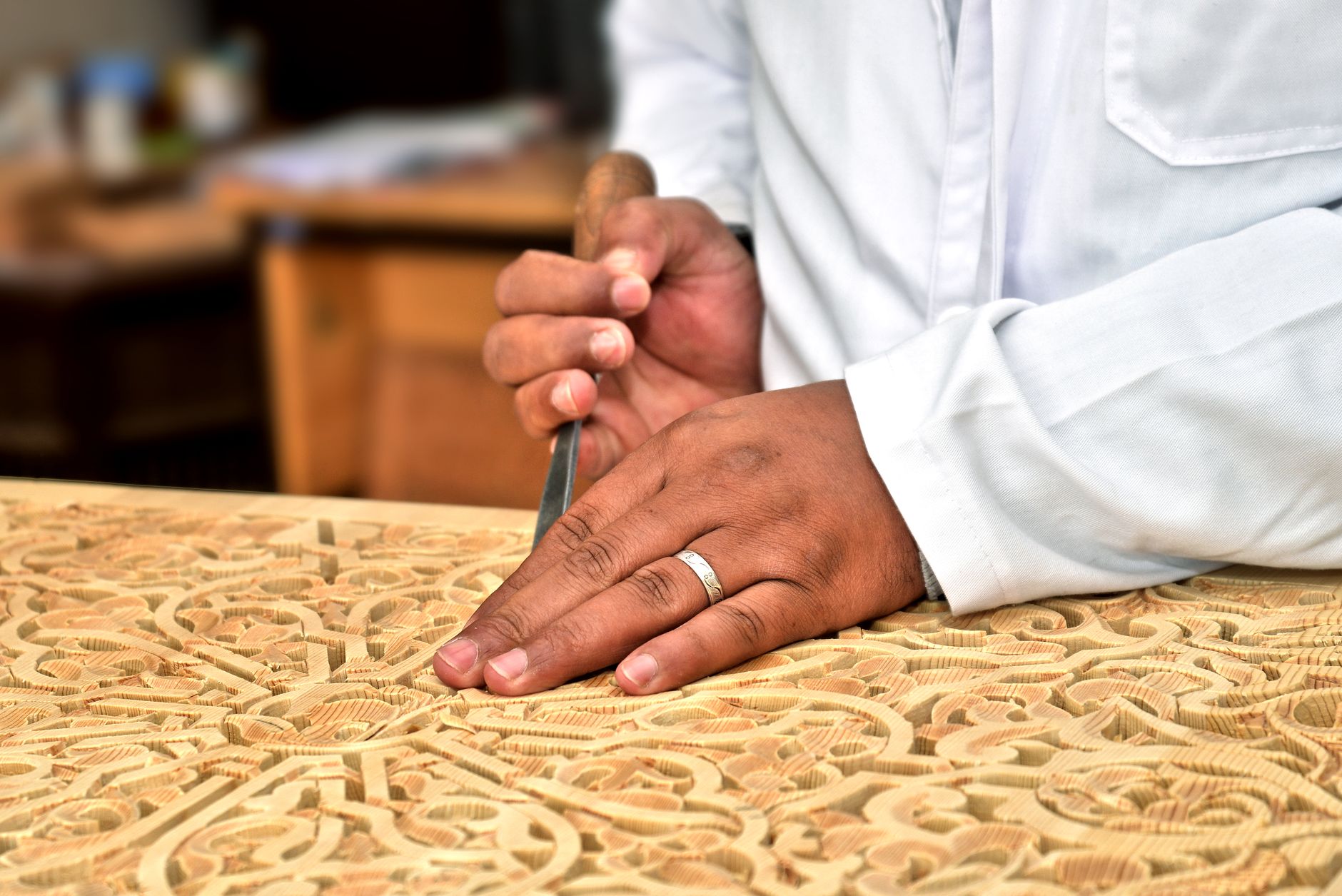
Late morning: Visit craft workshops that specialise in thuya wood and textile work on Rue Laâqibat; thuya souvenirs and inlaid wood boxes are local specialties, with small items starting around 150–300 MAD. Walk times between these workshops and the ramparts are generally 5–15 minutes on foot.
Lunch: Eat at a recommended mid-range spot like Chez Sam or Taros for an affordable meal (80–150 MAD). After lunch, if checking out of accommodation, store bags at the riad or hotel; most places will hold luggage for free or a small fee while using the last afternoon.
Afternoon: If catching a late flight or bus, use the final hours for a relaxed walk along the ramparts or a last shopping stop on rue de la Kasbah—plan 30–60 minutes buffer to reach the bus station or airport. Taxi to Essaouira Mogador Airport from the medina should be around 40–100 MAD depending on luggage and negotiation; CTM coaches leave from the Gare Routière and depart for Marrakesh in the mid-afternoon and evening.
Evening: If time allows before departure, have a final mint tea near the port and watch the light over the Atlantic. For those with an afternoon flight, avoid booking activities that end close to departure—traffic and wind can delay transfers.
Best Local Experiences
Port de Pêche fish auction and grilled stalls: arrive 08:00–10:00 for live auctions and cheap plates of grilled sardines. Walking the Skala de la Ville and ramparts: short walks with wide ocean views; bring wind protection.
Gnaoua World Music Festival (late June): concentrated live music around Place Moulay Hassan and the port—book months ahead if attending. Argán cooperative visits and a tasting of amlou (almond, argan and honey spread): ask for jar prices up front and expect small demonstrations that often lead to sales.
Surf and kitesurf lessons at Plage d'Essaouira and nearby Sidi Kaouki: steady winds in summer make lessons reliable; book lessons for Day 2 to allow rescheduling. Morning markets around the medina and the Mellah: leatherwork, thuya wood, and textile stalls appear in the lanes near Rue Laâqibat and behind the Skala; haggle with clear target prices.
Where to Stay
Medina (Riads near Place Moulay Hassan): suits travellers who want immediate access to the port, cafés and the ramparts. Expect riad nightly rates from about 400–900 MAD (≈40–90 EUR/USD) depending on season and amenities. These are walkable to most attractions but have narrow streets, which can mean luggage must be carried short distances.
Kasbah / Port area: suits those who prefer more sea-facing rooms and easier access to seafood restaurants and the Port de Pêche. Small hotels and guesthouses cost roughly 450–1000 MAD per night (≈45–100 EUR/USD). Some properties have terraces with direct ocean views that are pleasant at sunset but windy.
Diabat / Sidi Kaouki (outside town): suits travellers who want quieter beaches and surf access; expect guesthouses and surf camps charging 250–700 MAD per night (≈25–70 EUR/USD). Allocate time and taxi budget for transfers back into town (20–40 minutes), which can be convenient for evening dining back in the medina.
Food and Drink
Grilled sardines (sardines grillées): whole fish grilled at port stalls for roughly 30–50 MAD; best at Port de Pêche around mid-morning. Fish tagine (tajine de poisson): stewed fish with tomato, preserved lemon and spices served at mid-range restaurants for 80–150 MAD; try near the port or at Chez Sam.
Amlou: a local spread made from argan oil, almonds and honey served with bread for breakfast or snacks; buy jars from cooperatives for 60–150 MAD. M’hanncha and other almond pastries: Moroccan pastries sold in patisseries in the medina, expect 10–25 MAD per piece.
Bread and breakfasts: try msemen or baghrir at small cafés with mint tea for about 15–35 MAD. Street food and snacks: orange juice stands near Place Moulay Hassan for about 10–20 MAD and pastry stalls in the medina selling small pastries and flatbreads. Dinner recommendation: a fish platter at a reputable port-side restaurant or a riad dinner for about 120–220 MAD per person including starter and dessert.
Getting Around
Walking is the primary way to move inside the medina; distances are short and alleys are often pedestrian-only. Petit taxis serve in-town trips—agree a fare before getting in; typical short ride is 10–20 MAD. Grand taxis handle longer routes to Sidi Kaouki or Diabat and can be hired for half-day or day rates; expect 200–350 MAD for a day hire.
There is no metro or tram; intercity connections use CTM and Supratours coaches. Single CTM ticket Marrakesh–Essaouira is about 100–130 MAD; buy online at ctmbus.ma or at the counter. For local navigation, offline maps like Maps.me and Google Maps are useful; ride-hailing apps are unreliable in town so rely on negotiated petit taxi fares and hotel bookings for transfers.
Airport transfers: Essaouira Mogador Airport is roughly 15 minutes from the medina; expect a taxi fare of 40–100 MAD depending on luggage and negotiation. For luggage-heavy transfers to Marrakesh, pre-book a private transfer or use CTM to reduce stress.
Best Time to Visit
Spring (March–May): pleasant temperatures 18–24°C, moderate winds and fewer tourists—strong value for outdoor activities and walking. Summer (June–August): temperatures 20–28°C but steady northeasterly winds peak in summer, which is excellent for kitesurfing but can make beach lounging chilly; expect higher accommodation rates in July and August.
Autumn (September–October): warm sea temperatures and easing winds; good balance of surf and calmer beach days with fewer crowds than high summer. Winter (November–February): cooler days 12–20°C and more frequent rain; best rates on hotels but some guesthouses close certain rooms out of season. For the Gnaoua festival plan for late June—accommodation sells fast and prices jump.
Budget and Practical Tips
Typical daily budget (mid-range traveller): accommodation 400–800 MAD (≈40–80 EUR/USD), food 150–250 MAD (≈15–25 EUR/USD), local transport 30–100 MAD (≈3–10 EUR/USD), entry fees and activities 50–300 MAD (≈5–30 EUR/USD). Total per day about 630–1,450 MAD (≈63–145 EUR/USD) depending on activities like surf lessons or private transfers.
Hostel dorms and budget guesthouses can drop accommodation to 150–300 MAD per night (≈15–30 EUR/USD). Tipping: in cafés and restaurants leave 5–10% for table service if service is good; for taxi drivers rounding up is normal. Bargaining: haggle in souk stalls and for textiles but accept fixed prices for museum entries, professional services and listed surf school rates.
Practical tip: bring small-denomination MAD notes for market stalls and tips. Many small businesses prefer cash; ATMs work in town but may impose limits; withdraw once on arrival if possible. When booking lessons, ask about equipment condition and instructor certification; reputable schools provide helmets and life vests.
FAQ
Is Essaouira safe for solo travellers?
Yes. Street crime is low compared with larger Moroccan cities, but common-sense precautions apply—watch belongings in crowded areas and avoid walking alone late at night in poorly lit lanes.
How long does it take to get here from Marrakesh?
CTM or Supratours buses take about 2.5–3 hours; private cars are similar but can be faster with no stops. Expect 3 hours in busy traffic.
Are there taxis or public transport from the airport?
Yes. Essaouira Mogador Airport has taxis to the medina (about 40–100 MAD). No metro; use petit taxis or pre-booked transfer for larger groups.
Is a city card or pass worth it?
No standard city card exists for Essaouira; most attractions are free or low-cost and activities like surf lessons and cooperative visits are paid directly, so a pass is not necessary.
Can cards be used in the medina?
Many small shops and food stalls prefer cash; larger hotels and restaurants accept cards. Carry cash for markets and taxis.
Is English widely spoken?
Many service workers speak basic English and French; Arabic and Darija are common. Staff in hotels, surf schools and tourist shops usually speak enough English to book services.
When are markets busiest?
The fish market is busiest early morning (08:00–10:30). The medina markets fill up mid-morning to late afternoon, with afternoons quieter due to siesta and wind.
Are there health or safety concerns for swimmers?
Strong currents and winds exist on some stretches; swim at supervised areas near popular beaches or follow surf school advice and avoid swimming alone in high wind.
Conclusion
Three days allow a balanced view: morning markets and the port, ramparts and medina lanes, plus at least one water-sport or coastal excursion. Most travellers will remember the port grills, the windy Atlantic light over the ramparts and the slow midday pace more than any single museum.
If short on time, prioritise an early visit to the Port de Pêche and a walk along Skala de la Ville at sunset; these two experiences capture the working-port and coastal character quickly and can be fitted into even a tight schedule.
How this guide was prepared
This guide was prepared through a structured research that combines destination research, geographic context, itinerary planning logic, and content review.