
Marrakesh in 3 Days: Practical Itinerary, Costs and Tips
Three-day Marrakesh guide with realistic day plans, transit and taxi costs, where to eat and sleep, souk bargaining rules, and what to skip if short on time.
A no-nonsense, three-day plan for Marrakesh focused on realistic timing, local costs, transit options and the souk etiquette travelers actually need to know.
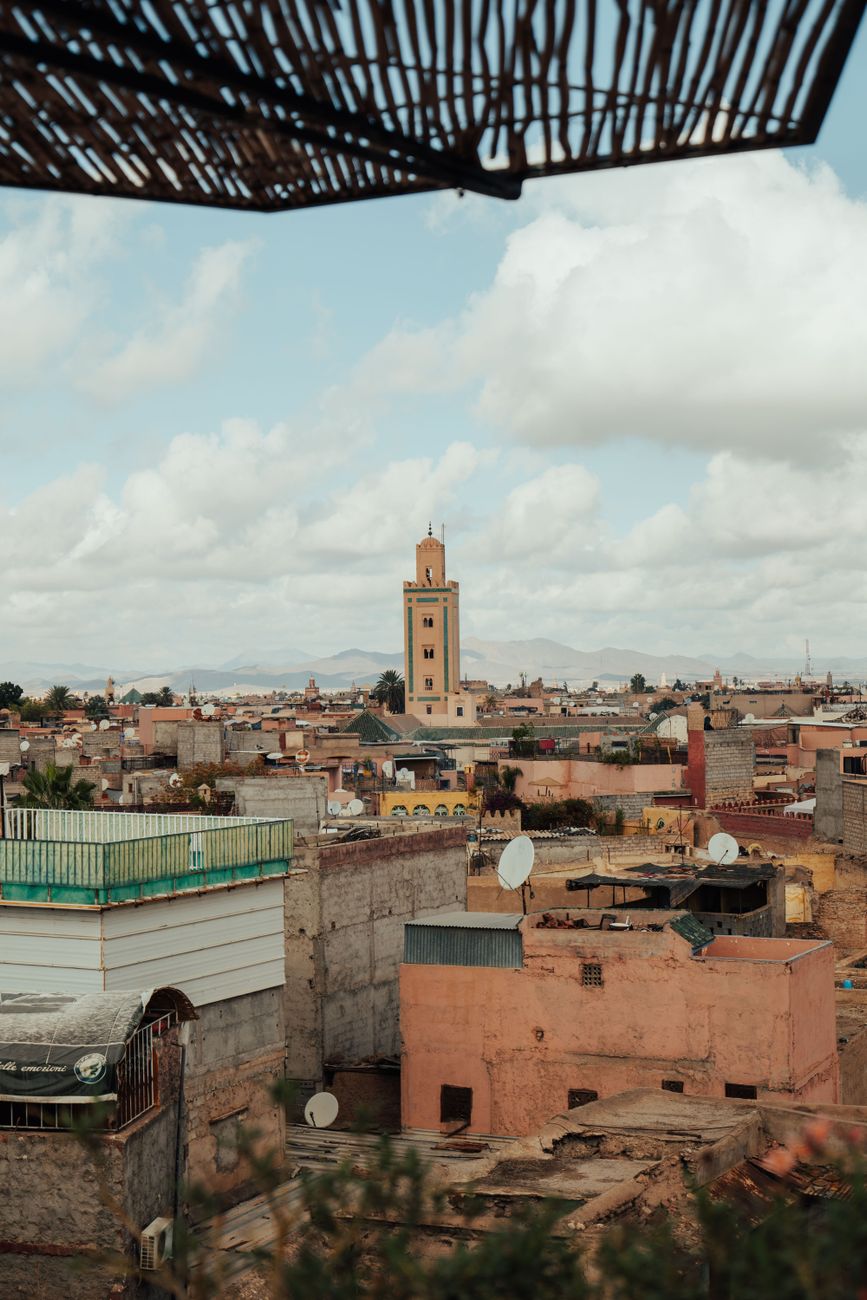
First impressions are full sensory overload: narrow alleys, steady pedestrian traffic, call to prayer and a mix of motorbikes and pedestrians in the medina. Expect heat in summer and dust in busy corners; noise levels rise at dusk around Jemaa el-Fnaa. The city moves faster than coastal towns like Essaouira, with commerce concentrated inside the medina and newer life in Gueliz and Hivernage.
Many visitors assume everything in the medina is open 24 hours; in reality shops follow family rhythms and close for lunch or early evening. This place suits travelers who like short walks, negotiating in markets, and staying in a riad courtyard to escape midday heat. Those who want wide boulevards and extensive public transit will find the layout intense and taxi-dependent.
Is 3 days in Marrakesh enough?
Yes—three days allow a focused introduction: the medina and Jemaa el-Fnaa, the Majorelle/Berber Museum area, and one neighbourhood or day trip. Expect to skip some museums or longer day trips; choose priorities instead of trying to see everything.
Who This Guide Is For
Best for first-time visitors who want a compact mix of medina life, gardens and craft workshops; less suitable for travelers seeking slow countryside trekking or deep museum study.
Local Tips for Marrakesh
Practical details that most travel sites skip — specific to Marrakesh.
- Buy a local SIM at Menara Airport from Maroc Telecom (IAM) or Orange; a 10–15 GB tourist bundle costs about 80–120 MAD and includes data and local minutes.
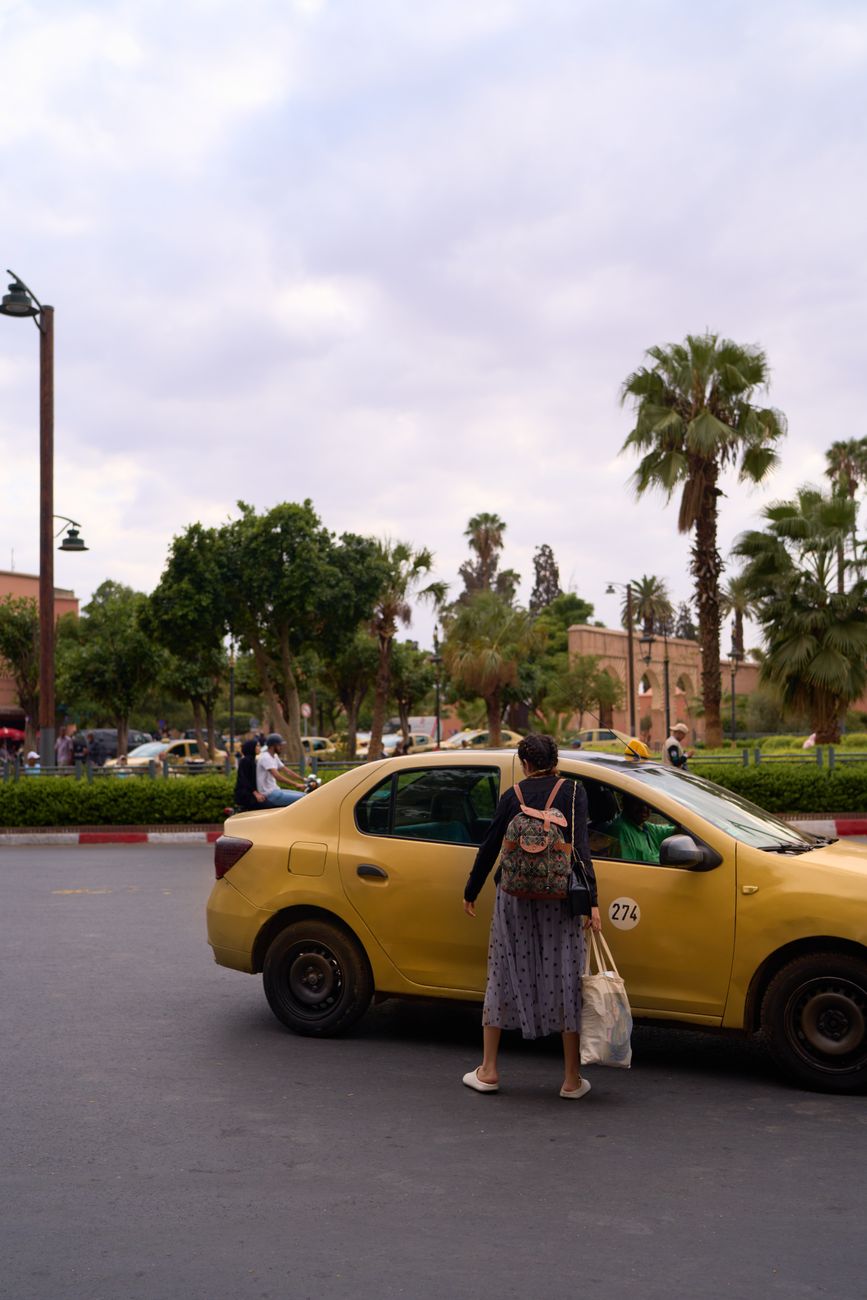
- Ask for the meter in a petit taxi (small, red) and expect a daytime fare from Menara Airport to the medina of roughly 70–100 MAD; negotiate or insist on the meter if the driver quotes a flat rate.
- Souk Semmarine and the stalls off Rue Mouassine get quieter after 20:00; most leather workshops in Bab Debbagh and the tanneries finish by 11:00, so visit those in the morning.
- Jemaa el-Fnaa performers and snake charmers often expect a tip for photos; offer small notes (10–20 MAD) rather than coins to avoid crowding and disputes.
- Carry small denominations (10–50 MAD) for water, toilets near Bab Doukkala, and mosque helpers; many vendors do not have change for 200 MAD notes.
How This Guide Was Prepared
This guide treats Marrakesh as a city where pace, crowds and sensory overload matter for planning; it prioritizes timing and realistic costs over glossy highlights. Many guides cram every monument into one day and ignore how the medina operates—this plan staggers visits, names exact streets, transit and market rhythms so days feel doable rather than frantic. This guide was prepared through a structured research that combines destination research, geographic context, itinerary planning logic, and content review.
Plan Your Stay in Marrakesh
Use these planning pages to compare areas to stay, expected costs, seasonal timing, and local transport before booking.
Why Visit
The medina offers concentrated craft and market life unmatched nearby: hammam services, leather workshops at Bab Debbagh, and brass and woodworkers clustered around Rue Bab Agnaou. Majorelle Garden and the adjacent Yves Saint Laurent Museum provide a calm, design-focused contrast to market noise and show how 20th-century collectors reshaped a neighborhood.
Historic palaces and monuments are compact: Bahia Palace and El Badi Palace are within walking distance of Jemaa el-Fnaa and illustrate different architectural eras. Food scenes range from grilled meats at Djemaa el-Fna stalls to modern Moroccan at Gueliz restaurants, making it a short culinary trip. Nearby railway and CTM links make day trips to Essaouira or Casablanca feasible for those who want a coastal or urban contrast.

Quick Planning Tips
Fly into Menara Airport (RAK); it's a short ride but allow 30–60 minutes for luggage and traffic to the medina. Official airport taxis serve arrivals; have small MAD notes ready and confirm the meter or fixed fare before leaving. Intercity buses use CTM or Supratours at the Gare Routière near Bab Doukkala for trips to Essaouira or Casablanca.
Cash in Moroccan dirham is essential in the medina; ATMs are in Gueliz and at the airport but expect queues. Credit cards are accepted in higher-end riads and many Gueliz restaurants but not in most souk stalls. Avoid booking a late-night arrival without confirming taxi arrangements and a clear address—many riad entrances are tiny and GPS drops markers off by a short alley.
Day 1
Start in Jemaa el-Fnaa and allow at least two hours to watch the square change from daytime market to nighttime food stalls. Walk north from the square to Koutoubia Mosque (visible from the square) for exterior views and photos; non-Muslims cannot enter but the gardens are pleasant for a 20-minute stroll. From Koutoubia, head west along Avenue Mohammed V to the nearby Musée de Marrakech for a quick 45–60 minute visit (check opening hours).
Lunch at Café des Épices on Rue Souk Kchacha or at the rooftop of Terrasse des Épices provides a clear view of the souk alleys; expect 60–120 MAD for a main dish. After lunch, walk 8–12 minutes to Bahia Palace for ornate rooms and gardens; allow 45–60 minutes and check the ticket desk for current fees. From Bahia Palace, a 7–12 minute walk brings El Badi Palace to view the ruins and stork nests; allow 45–60 minutes. Evening suggestion: return to Jemaa el-Fnaa for dinner among the food stalls—choose vendors with visible crowds and clear pricing to minimize surprises. For a quieter end to the day, seek a riad with a rooftop terrace in the medina for mint tea.

Day 2
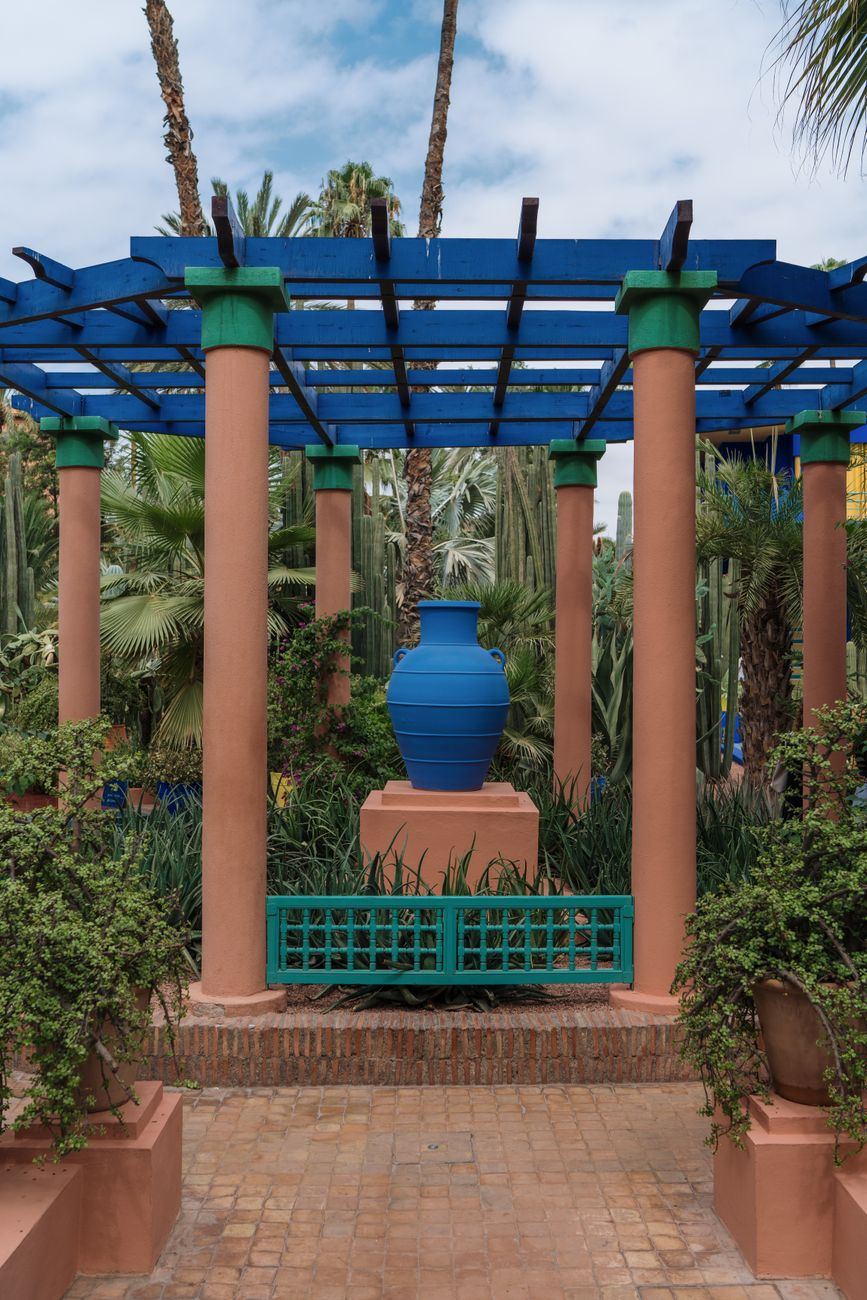
Start with the Majorelle Garden and Yves Saint Laurent Museum in the early morning to avoid long lines; expect a 15–20 minute taxi from most medina riads (or 20–30 minutes on foot from Bab Doukkala). Allow 1.5–2 hours to see both the garden and museum; combined entry is often 70–120 MAD depending on the season. After the garden, walk or take a short taxi to the Yves Saint Laurent gardens café for a late-morning drink.
Midday, head to the Marrakech Museum and the nearby Ben Youssef area for a look at traditional tile and carved plasterwork—Ben Youssef Madrasa may have restricted entry times, so check the schedule. Lunch in Gueliz on Avenue Mohamed V gives a modern contrast: restaurants and cafés here serve salads, tagines and French-Moroccan choices with mains around 80–160 MAD. Afternoon options include a hammam treatment in a recommended womens' or mixed hammam in the medina; book ahead for a 60–180 minute session. For evening, explore Hivernage's plated restaurants and live-music venues or a rooftop bar on Rue Harroun Errachid for a less crowded night.
Day 3
Use this day for either a relaxed neighbourhood visit or a short excursion. Begin in the Mellah (Jewish Quarter) near Place de la Kasbah to see the Jewish cemetery, spice shops and the exterior of Lazama Synagogue; allow 45–75 minutes. From there, walk 8–12 minutes to the Saadian Tombs for 30–45 minutes of ornate tilework. Combine with a visit to the nearby Mouassine district to see local artisans and photography studios.
If staying longer in town, use the afternoon for a day trip: Essaouira is about 2.5–3 hours by CTM bus from the Gare Routière, and Agadir is a longer drive. For late departures, plan transport in advance—expect a private airport taxi to cost 200–300 MAD late at night, or arrange a hotel transfer. If catching an afternoon flight, keep the morning light: visit Menara Gardens for a short walk and return to your riad to collect luggage; leave at least two hours for airport check-in plus traffic buffer.
Best Local Experiences
Spend time in the Jemaa el-Fnaa square at dusk to observe the market changeover and try a stall with visible local customers. Walk the alleys off Souk Semmarine to see brass workshops and carpet sellers rather than only the main souk arteries. Visit the Bab Debbagh tanneries in the morning for leather processing; enter through Rue Bab Debbagh and expect strong smells.
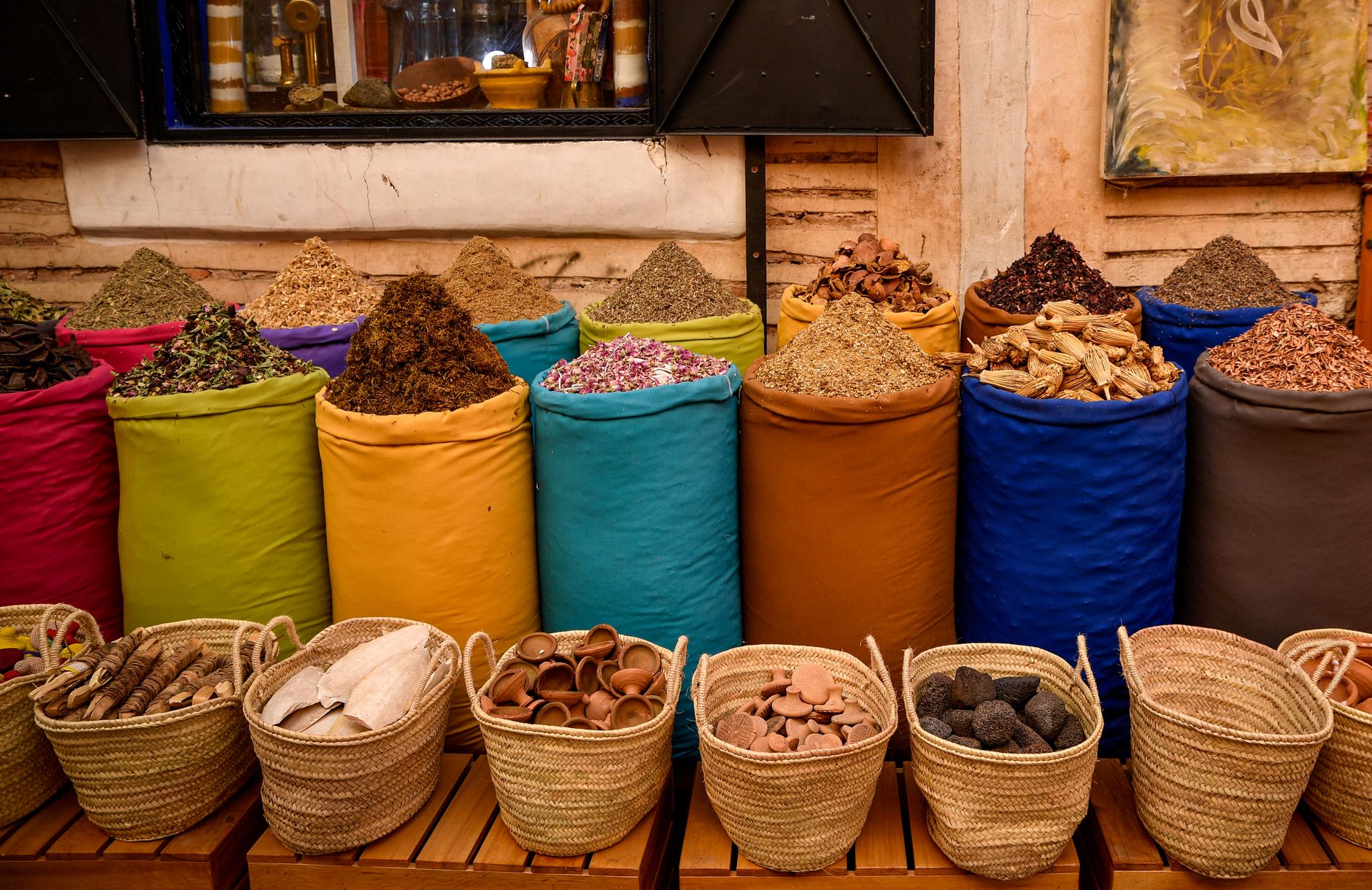
Join a cooking class at a riad kitchen to learn tagine technique and couscous steaming—many classes include a market tour to buy spices at the Souk of the Spice Sellers. Take an excursion to the Ourika Valley or a shared minibus for a mountain day if a cooler landscape is needed. Attend a traditional music evening (gnawa or malhun) at a riad or small venue in Mellah or the Kasbah for an authentic performance.

Where to Stay
Medina (near Jemaa el-Fnaa and Koutoubia) suits travelers wanting direct access to souks and monuments; stay in a riad courtyard for cooler interiors and céntric location. Nightly prices: basic riad rooms 350–700 MAD (35–70 EUR/USD), mid-range riads 700–1,500 MAD (70–150 EUR/USD), small luxury riads 1,500–4,000 MAD (150–400 EUR/USD).
Gueliz and Hivernage suit visitors who prefer wide streets, modern restaurants and easier taxi access. Gueliz hotels range 500–1,200 MAD (50–120 EUR/USD) per night for mid-range options. Hivernage has larger hotels and some nightlife; expect 800–2,500 MAD (80–250 EUR/USD) for higher comfort.
For budget travelers, Bab Doukkala and the area near the Gare Routière have hostels and simple hotels from 150–350 MAD (15–35 EUR/USD). Those who value a quiet courtyard should budget for a riad with fewer than ten rooms and read recent guest notes about street noise and access for cars.
Food and Drink
Tagine: a slow-cooked stew served in an earthenware pot; common fillings are lamb with prunes, chicken with preserved lemon and olives. Good versions found at Café Clock or Chez Lamine in the medina; expect 60–140 MAD.
Couscous: semolina steamed with vegetables and meat, usually eaten Friday in traditional settings; try at Le Foundouk or local family-run places for 70–150 MAD. Harira: a lentil-and-tomato soup served at many stalls around Jemaa el-Fnaa and during Ramadan; a bowl costs 10–25 MAD.
Mint tea: green gunpowder tea with abundant spearmint and sugar; available everywhere and often offered as a hospitality gesture—expect 10–30 MAD in cafés. Street grilled meats: seek vendors in Jemaa el-Fnaa or near El Badi; mixed grilled skewers (brochettes) cost about 20–40 MAD each. For breakfast, try msemen (pan-fried flatbread) with honey or nutella at street stalls near Place des Ferblantiers for 8–20 MAD.
Getting Around
No metro exists; transport relies on petit taxis (small, red, city taxis), grand taxis (shared or private larger cars for outside routes), and urban buses. Local buses are operated by ALSA and run numbered routes through Gueliz and to some medina stops; single fares are roughly 4–6 MAD depending on distance. CTM and Supratours provide intercity buses from the Gare Routière near Bab Doukkala.
Taxis: expect airport transfers to the medina to be 70–100 MAD daytime; private transfers or late-night rides can be 200–300 MAD. Use apps Careem or Heetch for private car bookings where available; both accept cards and can show driver details. For walking, bring a paper map or download offline maps — GPS markers often point to the nearest street entrance, not the riad door.
Best Time to Visit
Spring (March–May) and autumn (September–November) offer the best balance: daytime highs usually 22–30°C and cooler nights, moderate crowds and reasonable hotel rates. Summer (June–August) can exceed 38–45°C during heat waves; museums are quieter but outdoor walking is uncomfortable mid-day.
Winter (December–February) has cool mornings and evenings—temperatures often 6–18°C—and lower hotel rates, though some garden plantings slow growth. Avoid religious or national holidays without checking local schedules: Ramadan changes opening hours, and the Marrakech International Film Festival in November increases room rates and crowds in certain neighbourhoods.
Budget and Practical Tips
Daily budget ranges depending on style. Budget traveler: 350–550 MAD per day (35–55 EUR/USD) covering a hostel or simple riad, street food, a public bus and a couple of paid sights. Mid-range traveler: 900–1,800 MAD per day (90–180 EUR/USD) for a comfortable riad, sit-down meals, taxis and two paid attractions. Luxury: 2,000+ MAD per day (200+ EUR/USD) covers higher-end riads, private transfers and guided tours.
Typical entrance fees: Majorelle Garden around 70–120 MAD, El Badi or Bahia 50–100 MAD, small museums 30–70 MAD—prices change, so check current rates. Tipping is customary: 5–10% for table service if service charge not included, 10–30 MAD for porters and small helpers, and 20–50 MAD for guided half-day tours depending on service quality.
FAQ
Is Marrakesh safe for solo travelers?
Many areas are safe by day; expect petty theft risks in crowded spots like Jemaa el-Fnaa. Keep valuables zipped, use a money belt in the medina and avoid poorly lit side alleys after midnight.
How to get from Menara Airport to the medina?
Official airport taxis operate from arrivals; daytime fares to the medina are about 70–100 MAD. Some hotels offer paid transfers—book in advance for late arrivals.
Are maps and apps reliable inside the medina?
GPS can be imprecise near narrow alleys; download offline maps and note major gates (Bab Doukkala, Bab Agnaou) and riad addresses to show drivers.
Is a city pass worth buying?
No widely used all-in-one pass exists; buy tickets individually—Majorelle often requires timed-entry reservations at busy times.
Can visitors use public buses and which apps help?
ALSA runs city buses with single fares ~4–6 MAD. Use Careem or Heetch for reliable private rides; CTM app or website for intercity buses.
Do most places accept credit cards?
Higher-end riads and restaurants accept cards, but most souk stalls and small cafés are cash-only—carry MAD for purchases under 100 MAD.
Conclusion
A focused three-day visit yields a clear sense of market life, a calm garden or two, and a neighbourhood contrast between the medina and Gueliz. Expect sensory intensity in the medina, some haggling and slow walking paces through narrow alleys. If time is tight, prioritize an early visit to Majorelle Garden and two medina circuits—one at morning and one at dusk—to feel both sides of city life. That approach delivers memorable meals, craft encounters and enough time to rest in a riad courtyard.
How this guide was prepared
This guide was prepared through a structured research that combines destination research, geographic context, itinerary planning logic, and content review.