
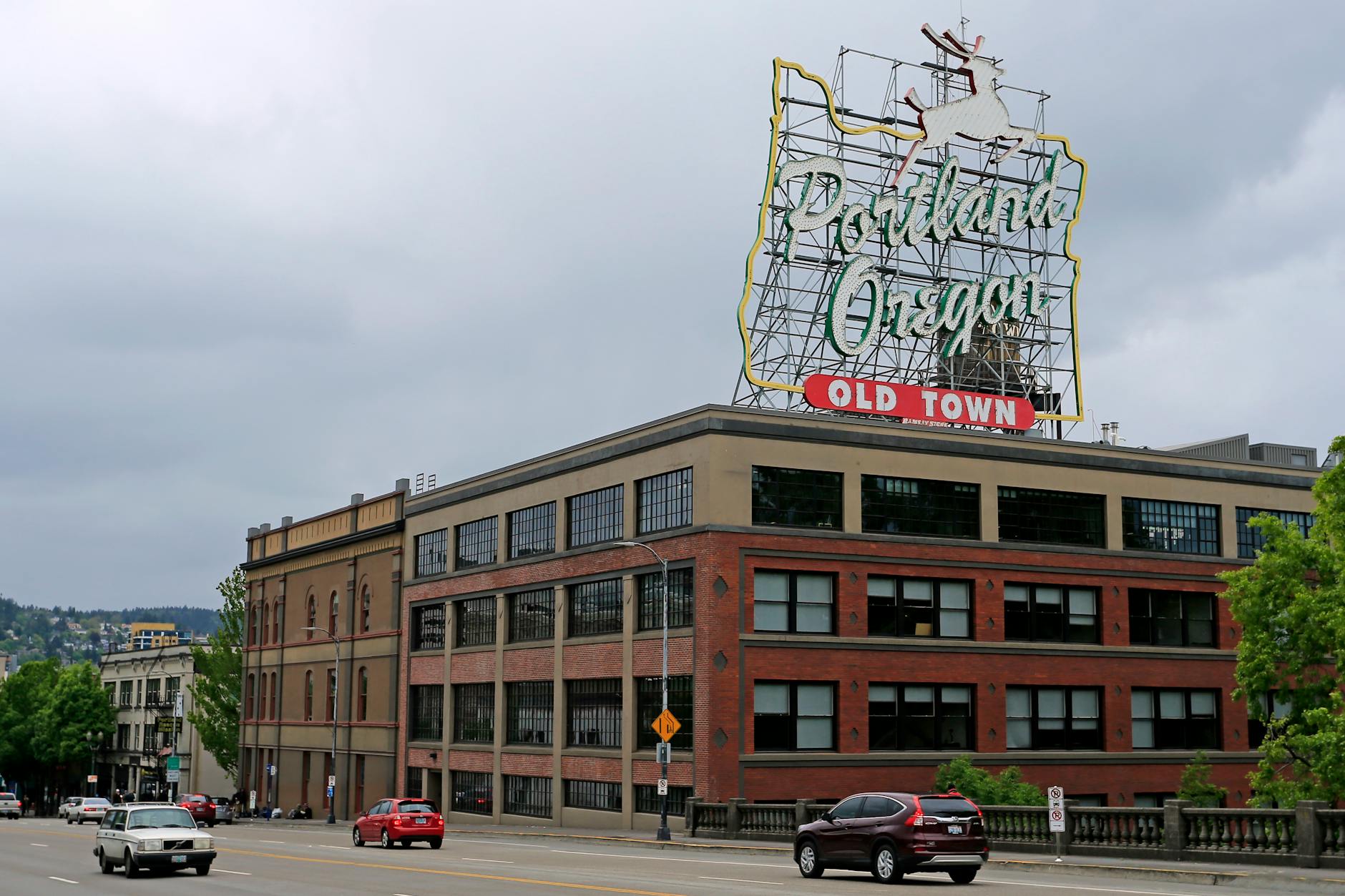
3 Days in Portland: A Weekend Guide to Food, Parks, and Culture
Three-day Portland itinerary: explore bookstores, food carts, breweries, parks, and a Gorge day trip. Neighborhoods, transit tips, and must-see sights for a…
A curated 3-day plan to taste, hike, and wander through the city's best neighborhoods, museums, parks, and food scenes—perfect for a long weekend escape.
Expect a green, creative, and walkable city where coffee, craft beer, and independent shops meet big urban parks and accessible hikes. It suits foodies, art lovers, outdoor enthusiasts, and anyone who enjoys easy neighborhood strolling and a lively local scene. Three days is ideal: one full day for downtown and museums, one for north and northeast neighborhoods with food and breweries, and one for an outdoor half-day — either Forest Park or a quick trip to waterfalls in the Columbia River Gorge. This pace gives time to sample food carts, visit a major garden or museum, and still relax without rushing.
Quick Answer
A curated 3-day plan to taste, hike, and wander through the city's best neighborhoods, museums, parks, and food scenes—perfect for a long weekend escape.
Who This Guide Is For
This guide is best for first-time visitors, couples, solo travelers, and anyone planning 3-day city break, weekend getaway, food & drink in Portland with a balance of highlights, local character, and reasonable spending.
How This Guide Was Prepared
This guide was prepared through a structured editorial workflow that combines destination research, geographic context, itinerary planning logic, and practical travel review.
Plan Your Stay in Portland
Use this itinerary as your starting point, then compare areas to stay, transport options, seasonal timing, and realistic daily costs before booking.
Why Visit
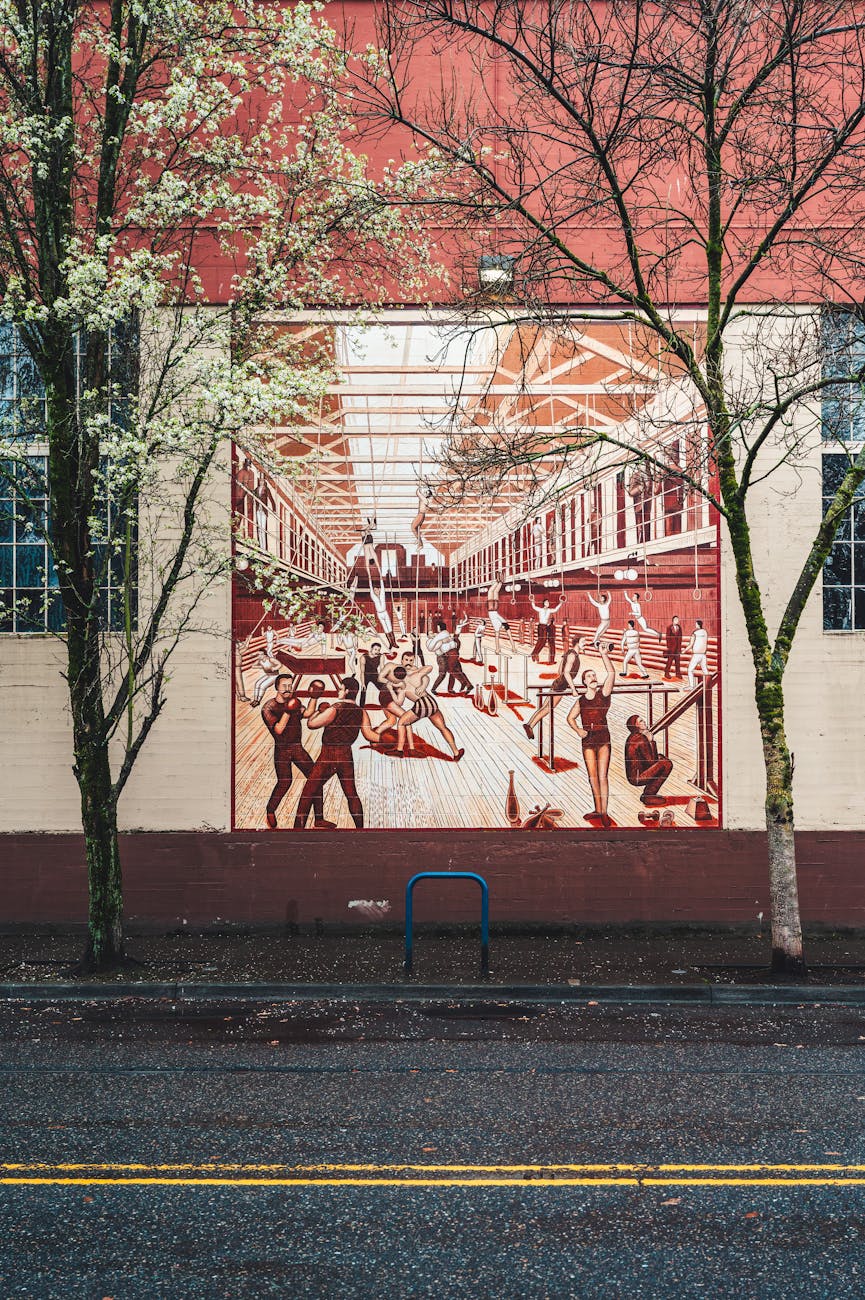
The city blends urban comforts with immediate access to nature. You can browse world-class independent bookstores, tour microbreweries, and then be in mossy forest trails within 20 minutes. The food scene is inventive and approachable: food cart pods, farm-driven restaurants, and doughnuts that are part of the local lore. Neighborhoods each have distinct personalities — the Pearl for galleries and shops, Alberta for murals and late-night eateries, and Southeast for bars and small plates. The compact downtown and reliable transit make a three-day visit efficient and rewarding.
Quick Planning Tips
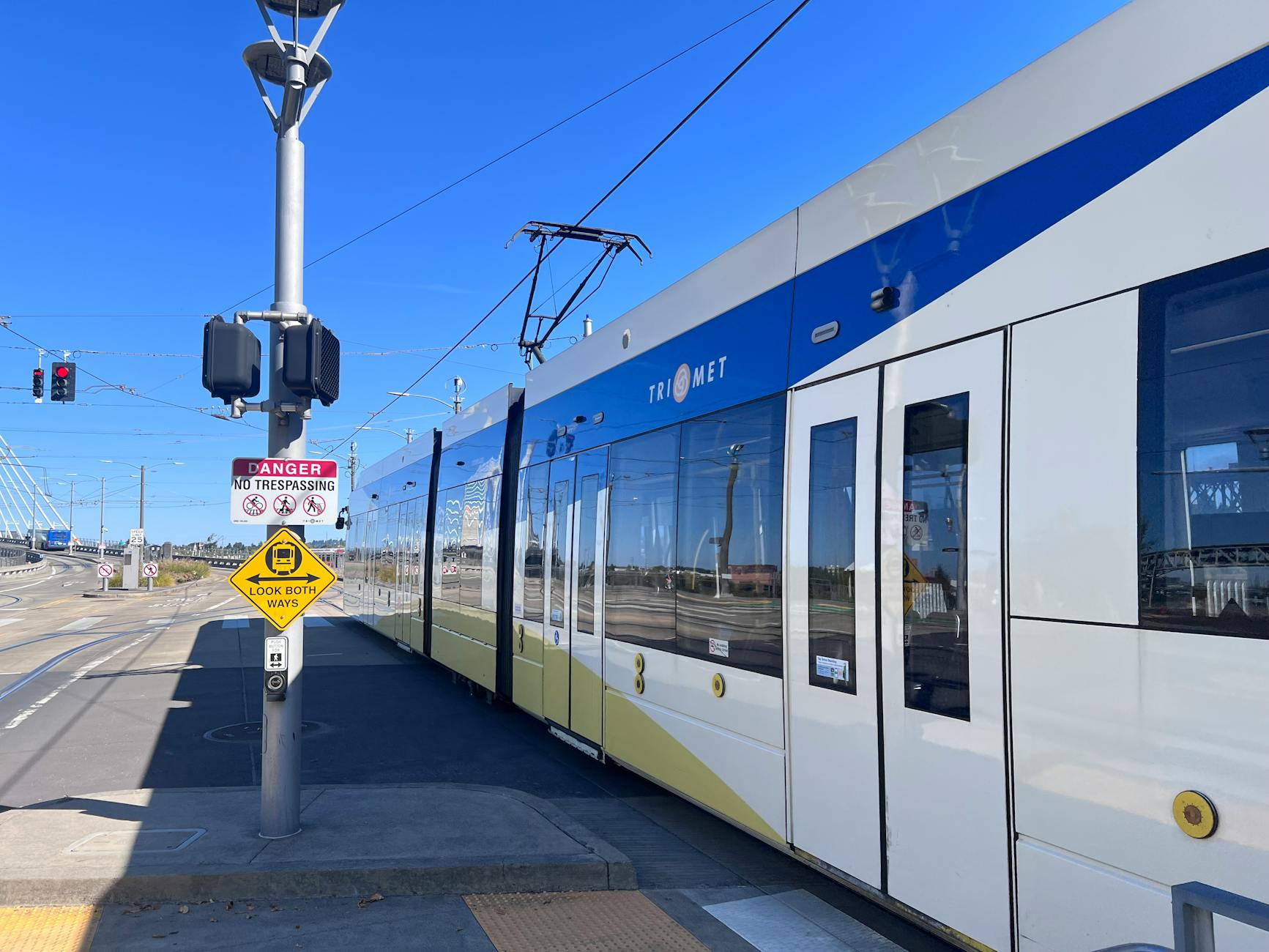
Buy a Hop Fastpass for frequent MAX, streetcar, and bus rides, or use the TriMet app for single tickets. Pack a lightweight rain jacket and layers — weather changes quickly. Reserve dinners for popular restaurants, especially on weekends. Aim to start mornings early for hikes or museum visits to avoid crowds. Keep cash for small vendors but most places accept cards. If you plan a Gorge waterfall day, leave early to secure parking and check trail conditions.
Day 1
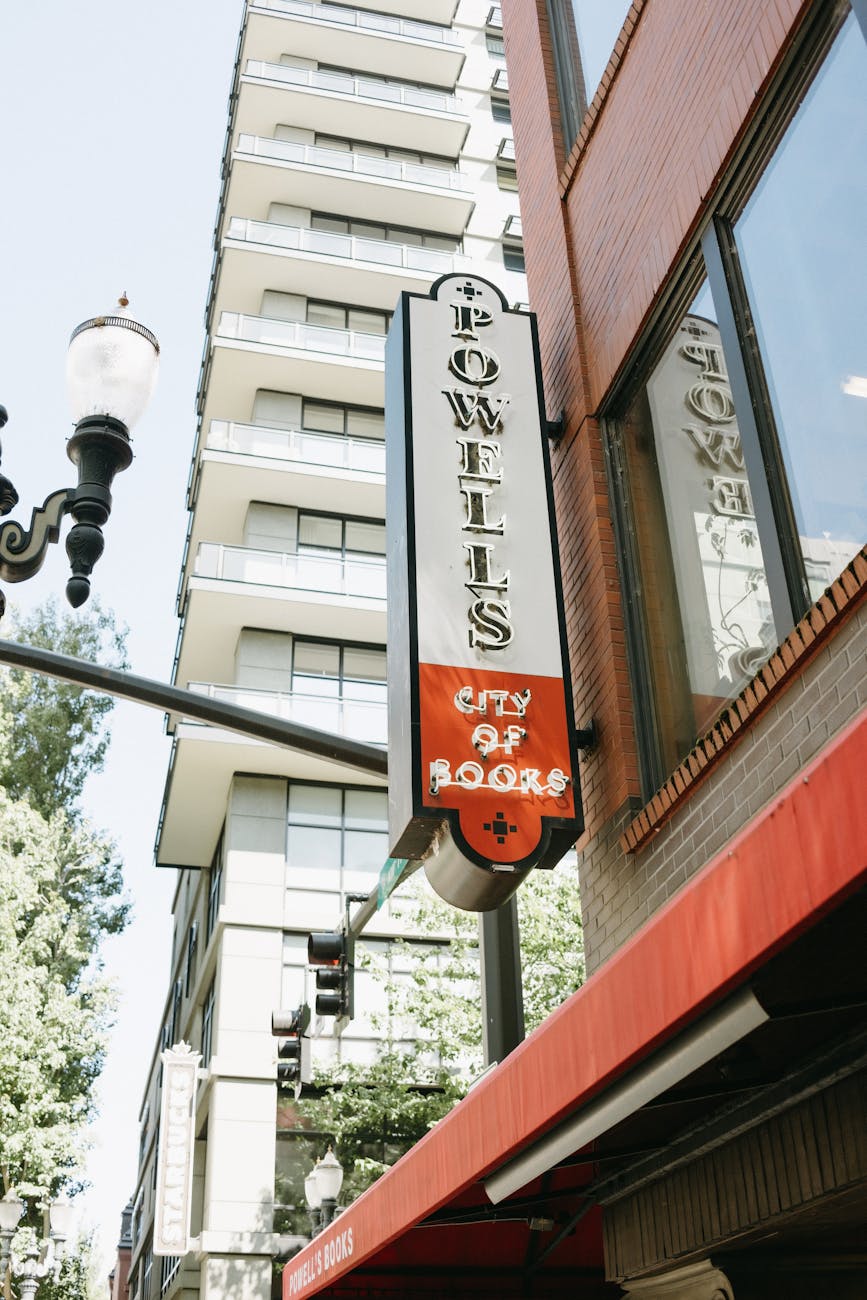
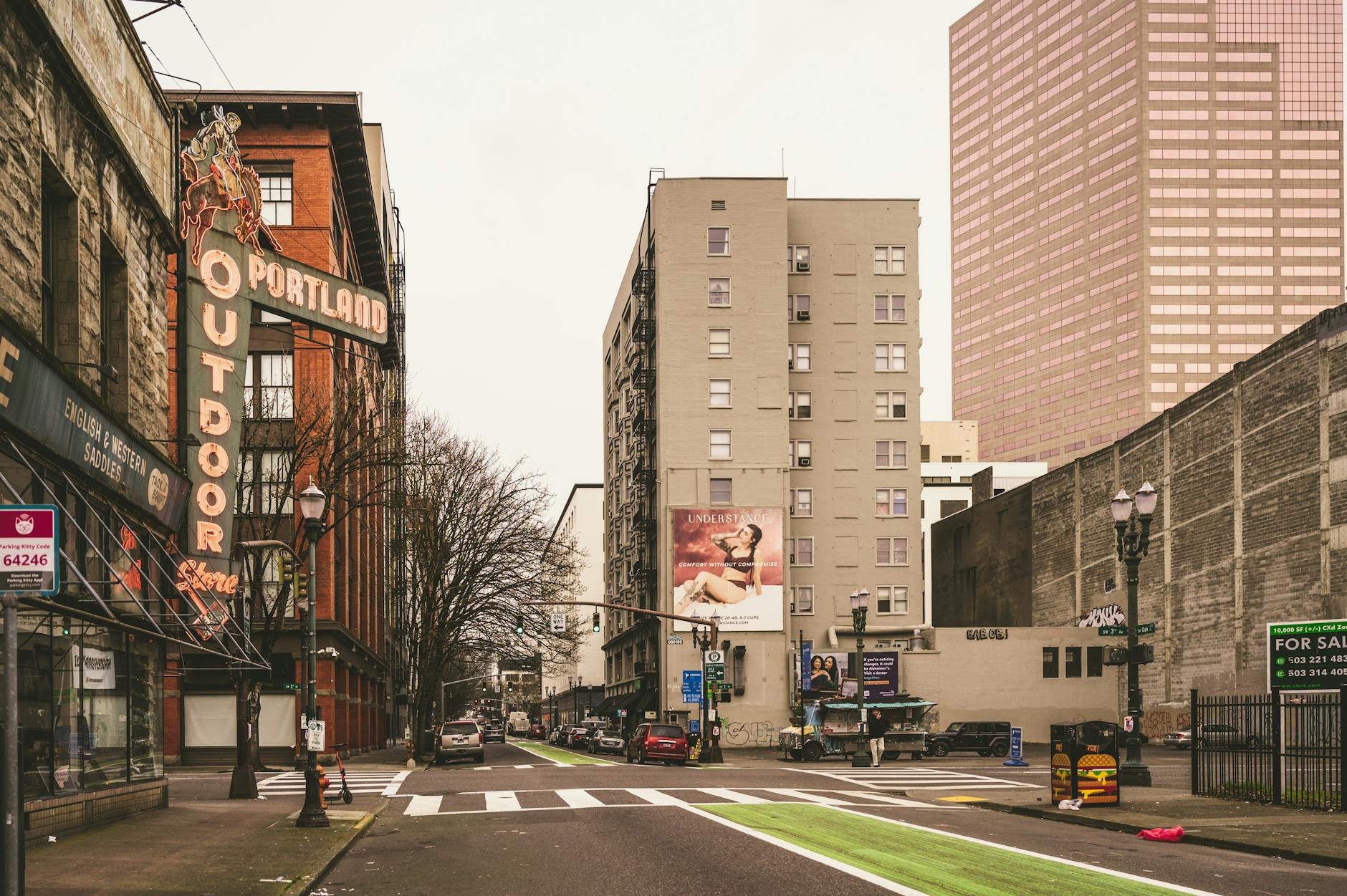
Morning: Begin in downtown with coffee from a local roaster and a few hours at Powell's City of Books. Walk to the Portland Art Museum or take the streetcar to the Pearl District for galleries and boutique shops. Lunch: Head to Pine Street Market or a nearby food cart pod for diverse choices. Afternoon: Cross the river to Washington Park to visit the Japanese Garden and International Rose Test Garden. Evening: Return to the Pearl or Old Town for dinner. Try a cocktail bar or a brewpub on Naito Parkway.
Day 2
Morning: Explore North and Northeast — start on Mississippi Avenue for brunch, vintage shops, and street art. Walk nearby Parsons Meadow or take a short drive to Cathedral Park under the St. Johns Bridge. Lunch: Grab a sandwich from a neighborhood cafe or a food truck. Afternoon: Do a brewery or distillery crawl in the area or head to Lan Su Chinese Garden and Old Town Chinatown. Evening: Eat along Alberta Street or Division/Clinton in Southeast for lively dining and dessert at a famous doughnut shop.
Day 3
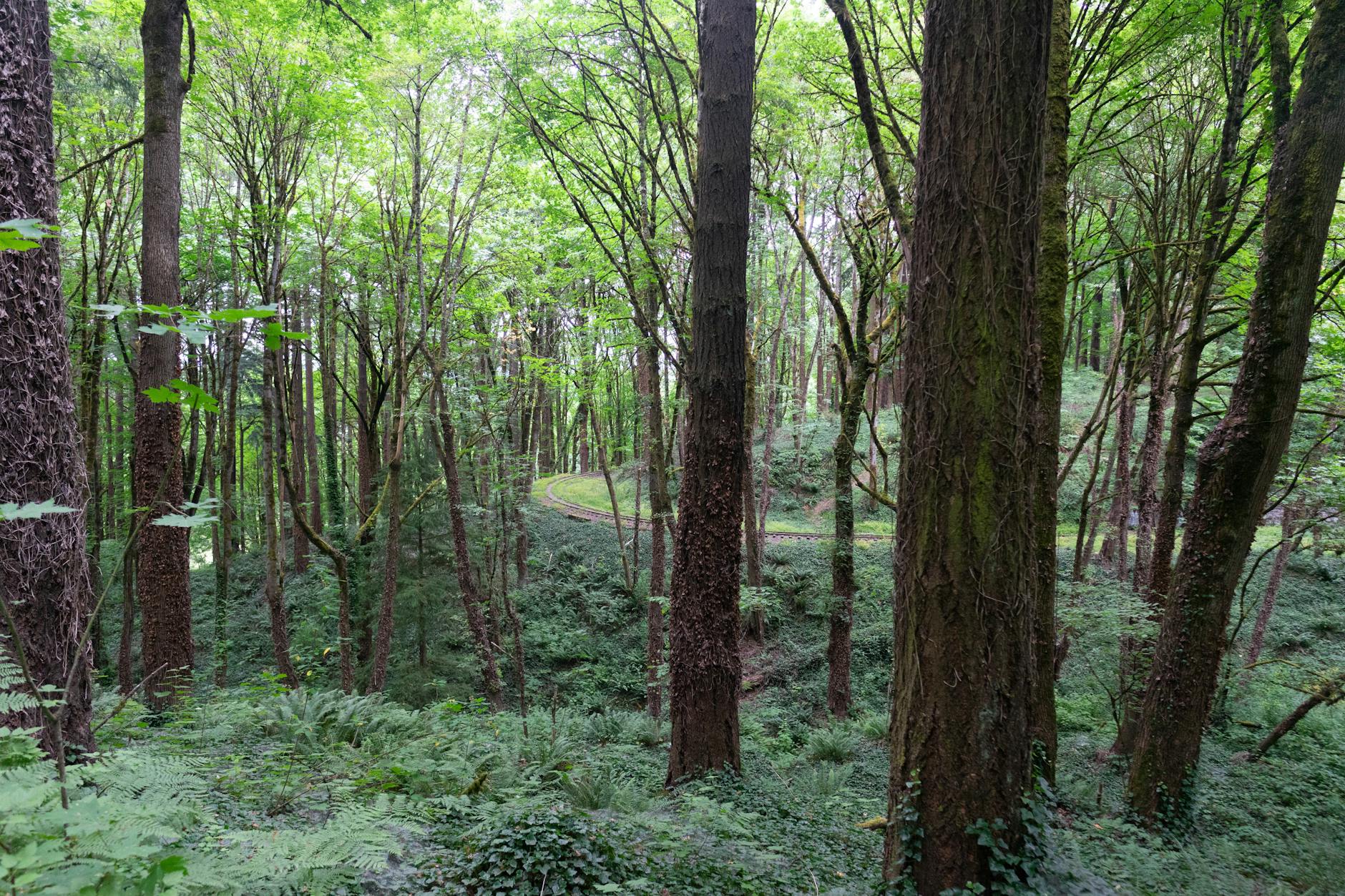
Option A — Urban outdoors: Spend the morning in Forest Park on the Wildwood Trail for a 2–3 hour loop, then visit Pittock Mansion for panoramic views. Afternoon: Return to the city for OMSI or a relaxing walk along Tom McCall Waterfront Park. Option B — Gorge half-day: Drive 30–45 minutes to Multnomah Falls and nearby falls like Latourell. Pack water and a light snack. Evening: Finish with a sunset stroll along the river and a farewell dinner in the Pearl or South Waterfront.
Best Local Experiences
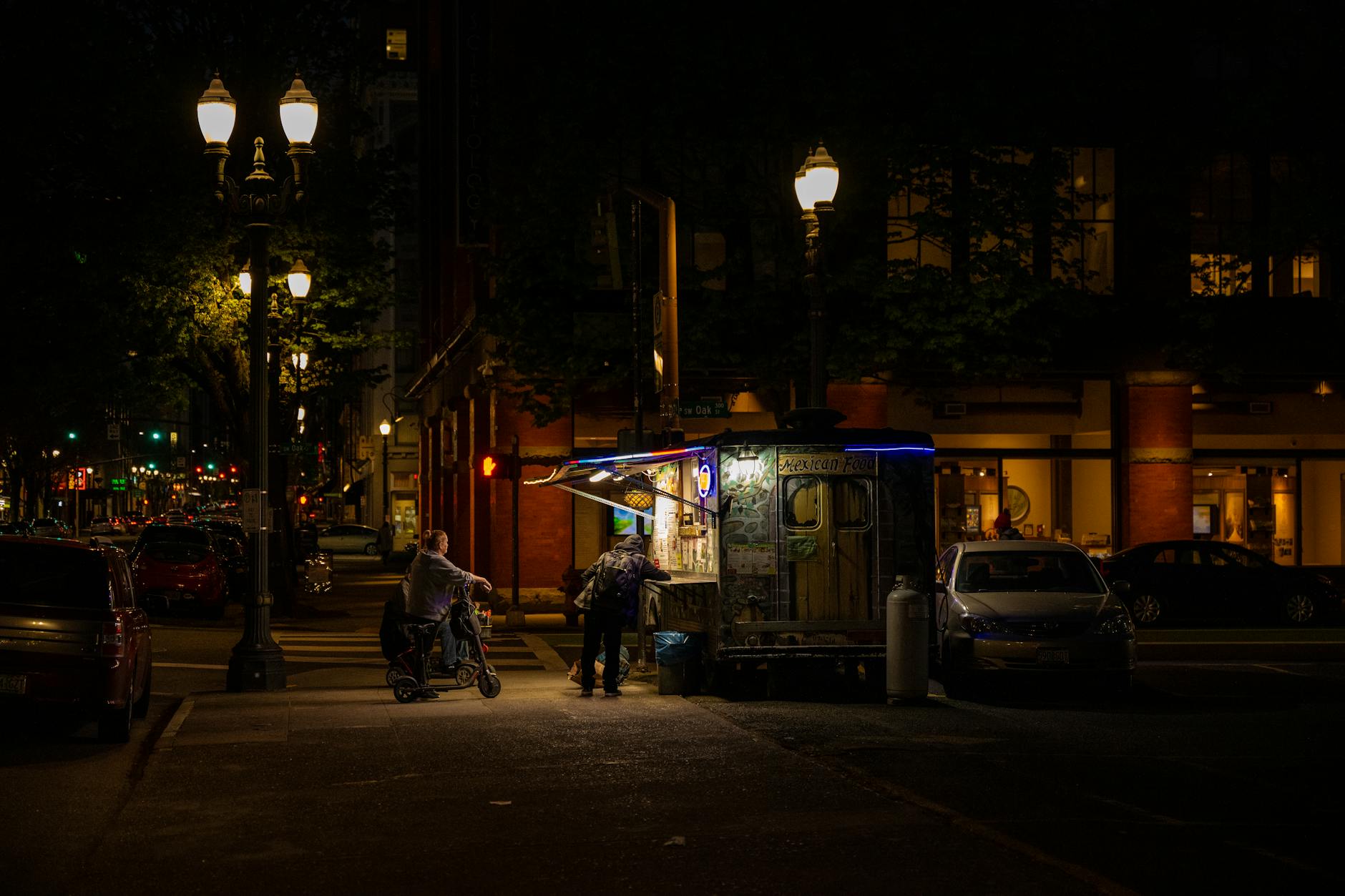
Browse Powell's for rare finds and local lit. Do a self-guided brewery crawl in Southeast — seek mixed-style taprooms. Eat from a food cart pod; favorites cluster on Division, the Alberta corridor, and Cartlandia. Catch a Saturday Market under the waterfront during warmer months. Bike the Eastbank Esplanade or rent a Lime for short hops. For nature, hike in Forest Park or drive to the Gorge for classic waterfall views. Attend a live show at a small music venue in Mississippi or Alberta for local bands.
Where to Stay
Downtown/Old Town: best for first-time visitors, easy walking to museums and Powell's. Pearl District: upscale boutiques and restaurants, quiet evenings. Alberta Arts District: artsy, good for late-night dining and murals. Southeast (Division/Clinton): lively bars and food scenes, walkable neighborhoods. South Waterfront: modern hotels and river views, close to the streetcar. Book near a streetcar or MAX stop to minimize driving. Consider an apartment rental for groups who prefer kitchen access.
Food and Drink
Start mornings with Stumptown or local roasters. Try Pine Street Market for curated lunch options. Hit food cart pods on Division, Alder Street alternatives like Cartlandia, and neighborhood carts on Mississippi for dinner. For sit-down meals, reserve farm-to-table restaurants in the Pearl or Southeast. Sample craft beer at Deschutes, Breakside, or smaller taprooms; many offer flights. Don’t miss a classic doughnut stop for the quirky local experience. For cocktails, look for bars emphasizing local spirits and seasonal ingredients.
Getting Around
Use TriMet’s MAX light rail, buses, and the Portland Streetcar; buy a Hop Fastpass for convenience. Downtown is compact and walkable; the Pearl and Northwest are easy on foot. Rideshares and cabs fill gaps late at night. Rent a bike for flat riverfront routes; be cautious on hillier streets. If driving, expect limited parking in popular neighborhoods and parking meters downtown. For the Columbia River Gorge, a car is easiest. Plan extra time for bridge traffic during commute hours.
Best Time to Visit
Late spring through early fall (May–September) offers the best weather and open gardens. Summer brings festivals and long daylight, but popular spots can be busy. Early fall has mild weather and fewer crowds. Winters are rainy and green; bring layers and expect shorter daylight hours. For flower fans, late spring is ideal for the Rose Garden and blooming displays. Book accommodations earlier for summer weekends and holiday periods.
Budget and Practical Tips
Daily costs: budget travelers can manage on $60–100 per day (hostel or budget hotel, food carts, public transit); mid-range trips average $150–300 with hotels and sit-down meals. Expect coffee for $3–5 and casual meals $10–20; sit-down dinners $25–50. Tipping: 15–20% for service is standard. Carry a lightweight umbrella, and use apps for TriMet and restaurant reservations. Be mindful of parking fees and limited street parking downtown. Safety: stay aware in late-night areas and park in well-lit locations.
FAQ
Is three days enough to see the highlights?
Yes. Three days covers downtown museums, at least two neighborhoods, and either Forest Park or a Gorge half-day trip.
How do I get from the airport to downtown?
Take the MAX Red Line to downtown; it’s affordable and drops you near the city core in about 40–45 minutes.
Are food carts safe for tourists?
Absolutely. Food cart pods are inspected and popular with locals; look for busy stalls for the best turnover and freshness.
Do I need a car to explore?
Not for downtown and neighborhood exploration. A car helps for the Columbia River Gorge or flexible day trips outside the metro area.
What's the tipping culture?
Standard US tipping: around 15–20% for table service, $1–2 per drink at bars, and tip drivers for deliveries and rideshares.
Any safety concerns?
Use usual urban precautions, avoid poorly lit areas at night, and secure belongings. Park in reputable lots for long stays.
Conclusion
A three-day visit delivers a balanced feel for the city's creative energy, food culture, and nearby nature. With a sensible base in downtown or the Pearl and a Hop card for transit, you can move quickly between bookstores, gardens, breweries, and trails. Mix neighborhoods, reserve one flexibility-filled morning for a hike or Gorge visit, and leave space for unexpected discoveries like a street mural, a memorable coffee shop, or a local music set. This approach turns a weekend into a satisfying, compact introduction that invites a longer return trip.
How this guide was prepared
This guide was prepared through a structured research that combines destination research, geographic context, itinerary planning logic, and content review.