
3-Day Fort Lauderdale Guide: Practical Weekend Itinerary
A no-nonsense three-day Fort Lauderdale guide with transit, beach and museum plans, costs, and timing to help craft a realistic weekend trip.
A clear, three-day plan for Fort Lauderdale covering beaches, Las Olas, museums, boating options and realistic transit and budget advice.
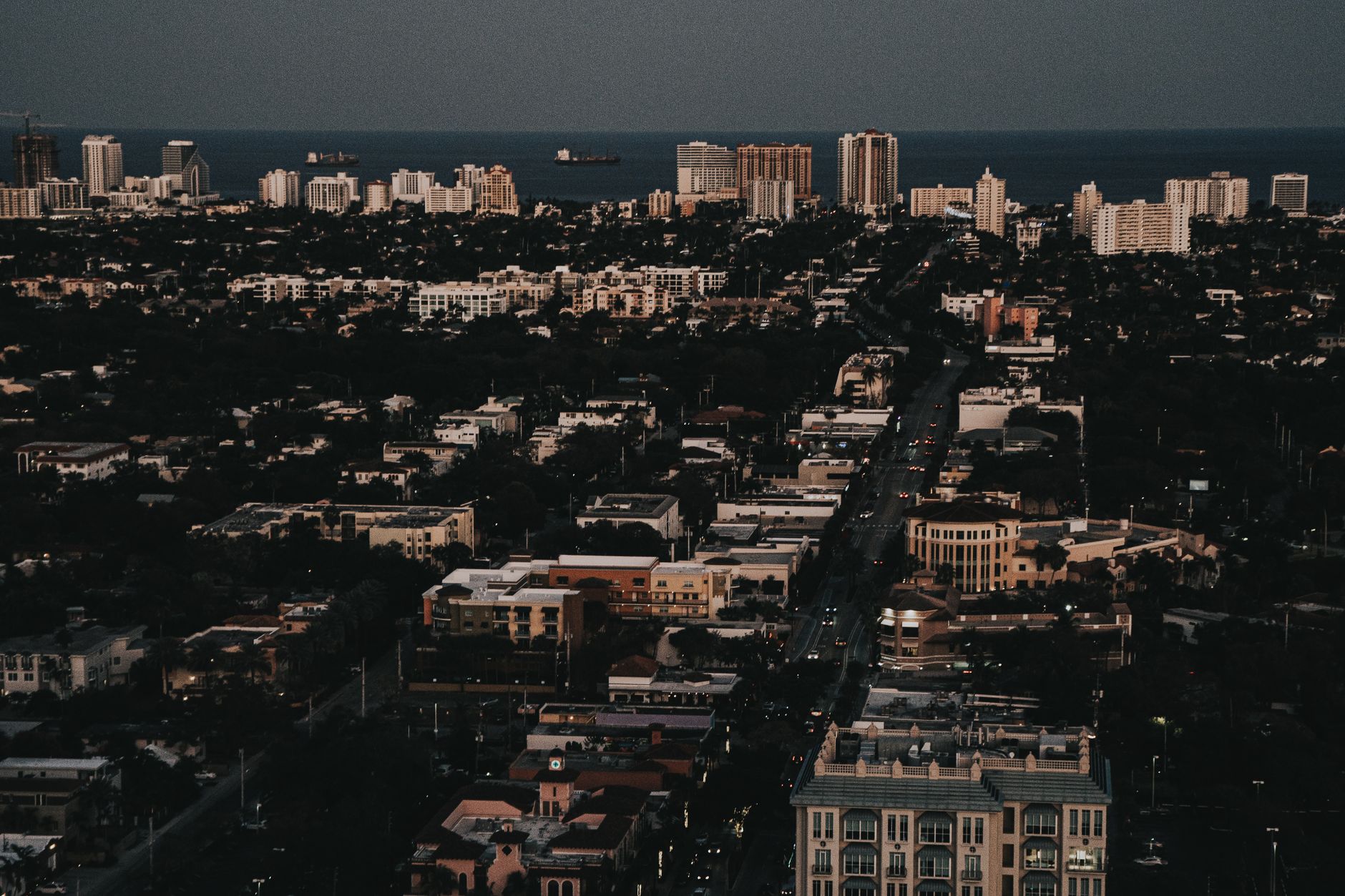
Expect a coastal city where boating, shipping and tourism intersect. The first impression is palm-lined streets, a working port at Port Everglades, and a downtown split between Las Olas Boulevard and the Riverwalk corridor. Noise from the airport and frequent charter flights is part of the soundscape near the beach and some downtown blocks. Many visitors come expecting only long, empty beaches or a Miami-like club scene; instead find a mix of family-friendly beach areas, concentrated dining on Las Olas, and quieter residential islands like Rio Vista and Victoria Park. This place suits travelers who want beach time plus practical access to museums and a short boat trip; those seeking a dense urban museum scene or late-night clubbing will feel limited.
Is 3 days in Fort Lauderdale enough?
Three days can cover the waterfront, Las Olas Boulevard, a major museum or two and a short Everglades or boating outing. Expect to skip deeper Miami excursions or a full-day Keys drive; travel time to other South Florida highlights will cut into beach and museum time.
Who This Guide Is For
Best for weekenders who want a balance of beach time, museums and boating; good for couples, families and short-stay business travelers. Poor fit for travelers wanting extensive nightlife or an inexpensive backpacking trip without a car.
Local Tips for Fort Lauderdale
Practical details that most travel sites skip — specific to Fort Lauderdale.
- Brightline stops at Fort Lauderdale Brightline station (near Broward County Convention Center); trains to MiamiCentral take about 30–40 minutes and fares often start around $10 one-way if booked ahead.
- Sun Trolley runs several free or low-cost loops including the Las Olas Link and Beach Link—use it to avoid circling for parking on weekends.
- Use the ParkMobile app for metered parking on Las Olas and Fort Lauderdale Beach; many municipal meters accept only cards or ParkMobile after 2020.
- Fort Lauderdale Beach public parking lots and private lots charge $10–25 per day depending on season and events—arrive early on weekends to secure street parking.
- Stone crab season runs roughly October 15–May 15; restaurants such as 15th Street Fisheries and Coconuts serve fresh stone crab at market rates during that window.
How This Guide Was Prepared
Fort Lauderdale mixes a working port, a boating culture and a compact downtown that many guides reduce to 'beach + nightlife.' This guide treats the canals, Port Everglades shipping activity, and Las Olas street-level life with equal weight and explains practical limits—noise from the airport, parking friction, and the need for timing when visiting museums or the Bonnet House. This guide was prepared through a structured research that combines destination research, geographic context, itinerary planning logic, and content review.
Plan Your Stay in Fort Lauderdale
Use this itinerary as your starting point, then compare areas to stay, transport options, seasonal timing, and realistic daily costs before booking.
Why Visit
A network of canals and the Intracoastal make boat activity central: sightseeing by water taxi or private charter is more than scenic—it’s how locals get around and socialise. Las Olas Boulevard concentrates restaurants, art galleries and small boutiques in a walkable strip with sidewalk seating and pedestrian crossings. Bonnet House and Hugh Taylor Birch State Park offer a contrasting green experience: Bonnet House is a historic estate and gardens beside the Intracoastal, while Hugh Taylor Birch is an urban coastal hammock with trails and picnic spots. The Riverwalk Arts & Entertainment District places the Broward Center for the Performing Arts and the NSU Art Museum within a short walk of each other, allowing a museum-and-show afternoon without long transfers. Practical advantages include a relatively small downtown footprint that reduces transit time between major attractions, and Brightline rail that connects to Miami and West Palm Beach for optional day trips.

Quick Planning Tips
Fly into Fort Lauderdale-Hollywood International Airport (FLL) and use Brightline, Tri-Rail plus a short shuttle, or rideshare to downtown—Brightline from the airport to downtown requires a short shuttle or taxi. Bring a credit card and set up the ParkMobile app for parking payments on Las Olas and the beach; some meters no longer accept cash. Avoid booking beachfront parking for every day; pick one morning for the beach and use public transit or a trolley loop for museum and dining days to save time and money. A common planning mistake is underestimating afternoon sun and winds that change beach conditions; pack a light windbreaker and reef-safe sunscreen.

Day 1
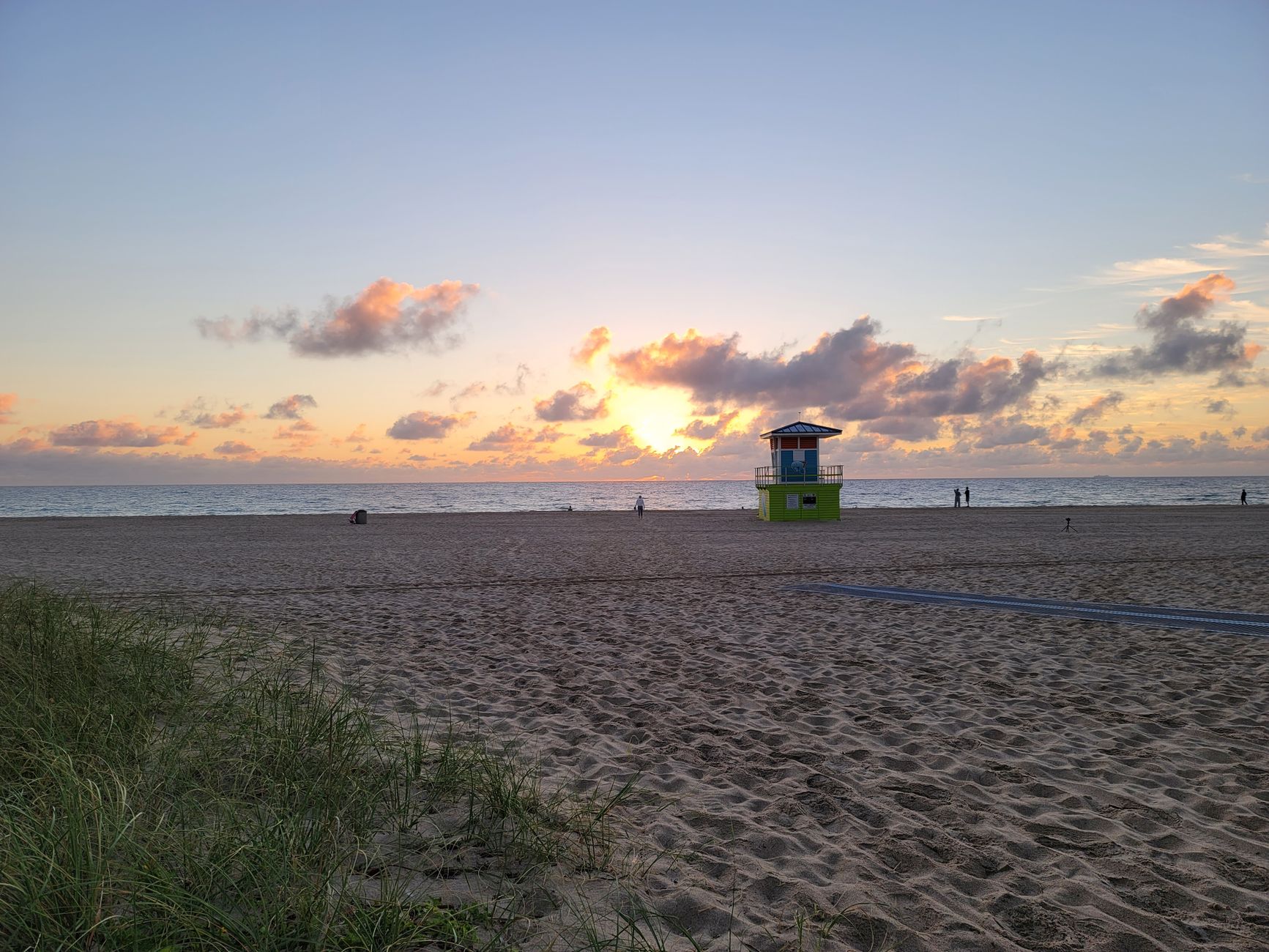
Morning: Start at Fort Lauderdale Beach Park for sand and a short walk on the Broadwalk. Expect 10–20 minutes on foot between the main beach strip and the beachfront cafes; public restrooms and outdoor showers are near the main parking lots. Midday: Walk or Sun Trolley to Las Olas Boulevard (about 10 minutes from the main beach by car or trolley). Explore galleries, stop for lunch at Coconuts or Louie Bossi for seafood or Italian on Las Olas (Coconuts offers waterfront seating; main courses $18–35). Afternoon: Head inland to Bonnet House Museum & Gardens (about a 5–10 minute drive from central Las Olas). Allow 1.5–2 hours for the house and gardens; general admission runs around $18–25. Late afternoon: Walk part of the Riverwalk Arts & Entertainment District toward the Broward Center for the Performing Arts (10–15 minute walk from Las Olas) and check what exhibitions or performances are scheduled. Evening: Dinner back on Las Olas or try 15th Street Fisheries near the Intracoastal for seafood; finish with a riverside drink near the Riverwalk. Expect short waits at popular restaurants on weekend evenings; reservations are advisable.
Day 2
Morning: Explore the Museum of Discovery and Science and the adjacent Riverwalk greenway; plan for 2–3 hours for exhibits and the IMAX (admission roughly $20–25). It’s a 10–15 minute walk from the Broward Center area. Midday: Walk to Las Olas for lunch or catch a local food truck depending on the day's schedule; many cafes open around noon. Early afternoon: Take a water taxi from the Intracoastal to see the Millionaire’s Row mansions and Port Everglades shipping channels (water taxi routes connect key docks along the river; a single hop is 10–20 minutes). Late afternoon: Visit Stranahan House for a guided history tour (allow 45–60 minutes; admission roughly $12–18). Evening: Ride the Sun Trolley or a short rideshare to FATVillage Arts District for a different scene—street art, galleries and occasional First Fridays events. This day shifts from family-friendly museum time to maritime and arts neighbourhood exploration, with travel by water taxi and short rideshares between spots.

Day 3
Morning: Rent a bike or take a short ride to Hugh Taylor Birch State Park for trails, canoe launches and a quieter beach access point (park entry fee is modest; plan 1.5–2 hours). It’s a 5–10 minute drive from the central beach area. Midday: Return to Las Olas or the downtown Riverwalk for a last lunch—Louie Bossi or G&B Oyster Bar are solid choices for seafood or pasta; expect mains in the $18–35 range. Afternoon option A (flight passengers): If checking out and catching an afternoon flight, store luggage at a downtown hotel or use a rideshare directly to FLL—allow 30–45 minutes from downtown to the airport by car depending on traffic. Afternoon option B (longer stay): Book an Everglades half-day airboat tour departing from the Sawgrass Recreational Park area (travel time 30–50 minutes by car). Evening: For final-night drinks, choose a rooftop bar on Las Olas or a quiet waterfront spot on the Intracoastal. This day's notes emphasize timing for departures and provide realistic transfer windows to the airport.

Best Local Experiences
Ride the water taxi along the Intracoastal to see private islands and marine traffic; frequent stops let visitors hop off on Las Olas, Tarpon River and near the Broward Center. Attend FATVillage’s First Fridays for open galleries and food trucks—the event draws local artists and small crowds and runs monthly. Walk the Riverwalk Arts & Entertainment District between the Broward Center and Esplanade Park for concerts or seasonal events. Visit Bonnet House Museum & Gardens for its mix of art, coastal habitat and local history in a preserved estate setting. Try a charter or small-group boat trip out of Port Everglades for sunset dolphin-watching or a short offshore fishing trip; departure points are easy to reach from the Las Olas area. These activities highlight the boating and arts culture specific to this area rather than generic beach time.

Where to Stay
Las Olas Boulevard: Suits those wanting restaurants and galleries within walking distance; rooms range from boutique B&Bs to mid-range hotels; expect $150–300 per night (roughly €138–276 / $150–300). Fort Lauderdale Beach / A1A: Best for beach-first travelers who want early-morning sand access and ocean views; chain hotels and independent inns cost $140–350 per night (€129–322 / $140–350), higher on holiday weekends. Downtown / Riverwalk: Suits travelers attending performances or who want quick Brightline access; hotels here are convenient for transit to Brightline and the Broward Center, with rates around $120–250 per night (€110–230 / $120–250). For budget stays, consider small guesthouses slightly inland near Federal Highway where rates can dip under $100 in low season; note that inland spots require short rides to the beach.
Food and Drink
Key lime pie: A tart custard dessert with a graham crust; a decent slice at local cafes like Rocco’s Tacos or big seafood spots costs about $6–9. Cuban cafecito (espresso): Small, sweetened espresso found at local Cuban cafes and bakeries on Broward Boulevard and near Flagler Village; expect $2–3. Grouper sandwich: A pan-seared or fried grouper fillet served on a roll—find it at Coconuts or 15th Street Fisheries for $12–20. Conch fritters: Fried batter with conch meat common at beachside bars and seafood spots; $6–10 for an appetizer portion. Stone crabs (seasonal Oct 15–May 15): Sold by weight and priced per cluster at seafood restaurants like 15th Street Fisheries and Old Salty’s—market price varies but plan $25–35 per half-pound during season. Breakfast option: Crushed avocado toast or egg plates at a Las Olas cafe such as The Alchemist Coffee Project, $8–14. Street food: Food trucks at FATVillage or weekend markets serve tacos, arepas or poke bowls, $8–15. Dinner recommendation: Louie Bossi on Las Olas for pasta and cocktails; mains typically $18–30.
Getting Around
Transit options include Brightline (Brightline station downtown), Tri-Rail commuter trains, Broward County Transit (BCT) buses and the Sun Trolley downtown loops. Broward County Transit single bus fare is approximately $2.25; a 1-day BCT pass runs about $5.50—buy tickets via the Broward County Transit app or at vending machines. Brightline connects downtown to MiamiCentral and West Palm Beach; fares from Fort Lauderdale to Miami often start around $10 one-way when booked early. Tri-Rail links to northern Broward and Palm Beach counties and integrates with local shuttles; use the Tri-Rail app or SFRTA GoPass for tickets. Sun Trolley runs free or low-cost Las Olas and beach loops—check current schedules online. Taxi or rideshare from Fort Lauderdale-Hollywood International Airport to downtown typically ranges $25–35 depending on traffic; always allow 30–45 minutes travel time to downtown. Use the ParkMobile app for most street parking and ParkWhiz or SpotHero for garage reservations.
Best Time to Visit
High season: December through April brings the warmest, driest conditions and the largest crowds; daytime temperatures usually range 70–80°F (21–27°C). Expect hotel rates and restaurant waits to peak over winter holidays and spring break weeks. Shoulder seasons: Late April to June and October to mid-November offer lower rates and warm weather (mid-70s to mid-80s°F / 24–29°C) with fewer crowds; late spring can be windy on the beach. Low season: June through September is hot and humid with frequent afternoon thunderstorms; temperatures commonly reach 85–92°F (29–33°C). Hurricane season runs June 1–November 30; travel insurance and flexible bookings are recommended for summer and early fall. For best value with reasonable weather, aim for late April–early June or October.
Budget and Practical Tips
A realistic daily budget for a mid-range traveler: accommodation $120–250 (USD) per night (€110–230), meals $40–75 per day (€37–69), local transport $5–25 per day (€4.50–23), entry fees and activities $15–60 per day (€14–55). Example low-end day: budget hotel $80, breakfast $8, public transit $5, cheap lunch $12, a museum $20 = around $125 (€115). Expect dinner at a mid-range restaurant to cost $25–40 per person before drinks. Tipping norms follow U.S. standards: 15–20% in restaurants, $1–2 per bag for porters, and rounding up or $1–2 for bar service. Carry a card and some small bills for tips and small vendors; many beach parking lots accept only card or mobile payment. Safety-wise, treat waterfront and tourist areas like any busy city: secure valuables, avoid poorly lit streets late at night, and keep an eye on parking meters to avoid fines.
FAQ
Is Fort Lauderdale safe for tourists?
Most tourist zones are generally safe during daytime; standard precautions apply—avoid poorly lit streets at night, store valuables out of sight and monitor vehicles for signs of break-ins in crowded parking areas.
How do I get from Fort Lauderdale-Hollywood International Airport to downtown?
Options include Brightline with a nearby shuttle or direct rideshare/taxi (25–35 USD), Tri-Rail plus a shuttle from certain stations, or local shuttle services; allow 30–45 minutes depending on traffic.
Is a city pass or card worth buying?
There is no single dominant city card; pick passes or tickets based on specific needs—NSU Art Museum and Museum of Discovery and Science offer combined discounts occasionally, and booking Brightline or water taxis in advance saves money when available.
Can the water taxi serve as practical transport?
Yes—water taxi routes between Las Olas, downtown docks and selected beachfront points work well for hopping between attractions and reduce parking stress, though schedules can be limited in off-peak hours.
Is public transit convenient for tourists?
Public transit covers major corridors via BCT buses and the Sun Trolley for short loops; Brightline and Tri-Rail are useful for regional travel; expect some reliance on rideshares for off-schedule transfers.
Are beaches swimmable year-round?
Beaches are swimmable most of the year, but summer brings higher jellyfish risk and stronger afternoon winds; lifeguards are present at main beach sections during peak hours.
Do museums and attractions require reservations?
Popular sites like Bonnet House and Museum of Discovery and Science accept walk-ins but weekend crowds and special events can sell out—reservations are recommended for timed-entry exhibits and performances at the Broward Center.
Is Fort Lauderdale expensive compared to Miami?
Prices are often similar for beachfront and tourist areas, but off-beach hotels and inland dining can be cheaper than prime Miami Beach locations.
Conclusion
A three-day trip will leave memories of boating, Las Olas dining and at least one museum or estate garden visit. What most travelers remember are short water taxi hops, the mix of commercial shipping at Port Everglades and leisurely waterfront dining rather than nonstop nightlife. If time becomes tight, prioritise a morning at Fort Lauderdale Beach and an afternoon on Las Olas or a water taxi tour—those two experiences capture the maritime character and street-level life most efficiently.
How this guide was prepared
This guide was prepared through a structured research that combines destination research, geographic context, itinerary planning logic, and content review.