

3-Day Princeton Itinerary: Practical Weekend Guide for Visitors
A realistic 3-day Princeton plan with transit tips, campus priorities, museums, canal walks, and specific local eats like Hoagie Haven and The Bent Spoon.
A candid, walkable 72-hour plan focusing on campus highlights, riverfront walks, theater and practical transit advice for a true weekend in Princeton.
The first impression is an ordered small town where ivy-covered stone buildings meet independent shops on a single main street. Walking pace dominates: people move between lecture halls, office jobs, and tea shops rather than long subway commutes. Noise is moderate; weekends feel quieter than weekdays because many students and faculty run on an academic timetable. Visitors often arrive expecting nonstop activity and are surprised that the best discoveries depend on timing — a mid-morning campus walk, an afternoon museum visit, or a farmers market on a Saturday.
Is 3 days in Princeton enough?
Three days is enough to get a solid feel for the campus, museum collections, the Delaware & Raritan Canal towpath and a neighbourhood like Palmer Square. The honest caveat: a day trip to Philadelphia or more time in surrounding Mercer County will have to wait.
Who This Guide Is For
Best for travelers who like college architecture, short museum visits, and walkable small-town rhythms; not a great fit for those wanting a late-night club scene or a packed museum marathon.
Local Tips for Princeton
Practical details that most travel sites skip — specific to Princeton.
- Use the Princeton Branch 'Dinky' between Princeton Station (on campus) and Princeton Junction — the ride is about 4–5 minutes but trains can be infrequent, so check the NJ Transit eTix/NJ Transit app before timing connections.
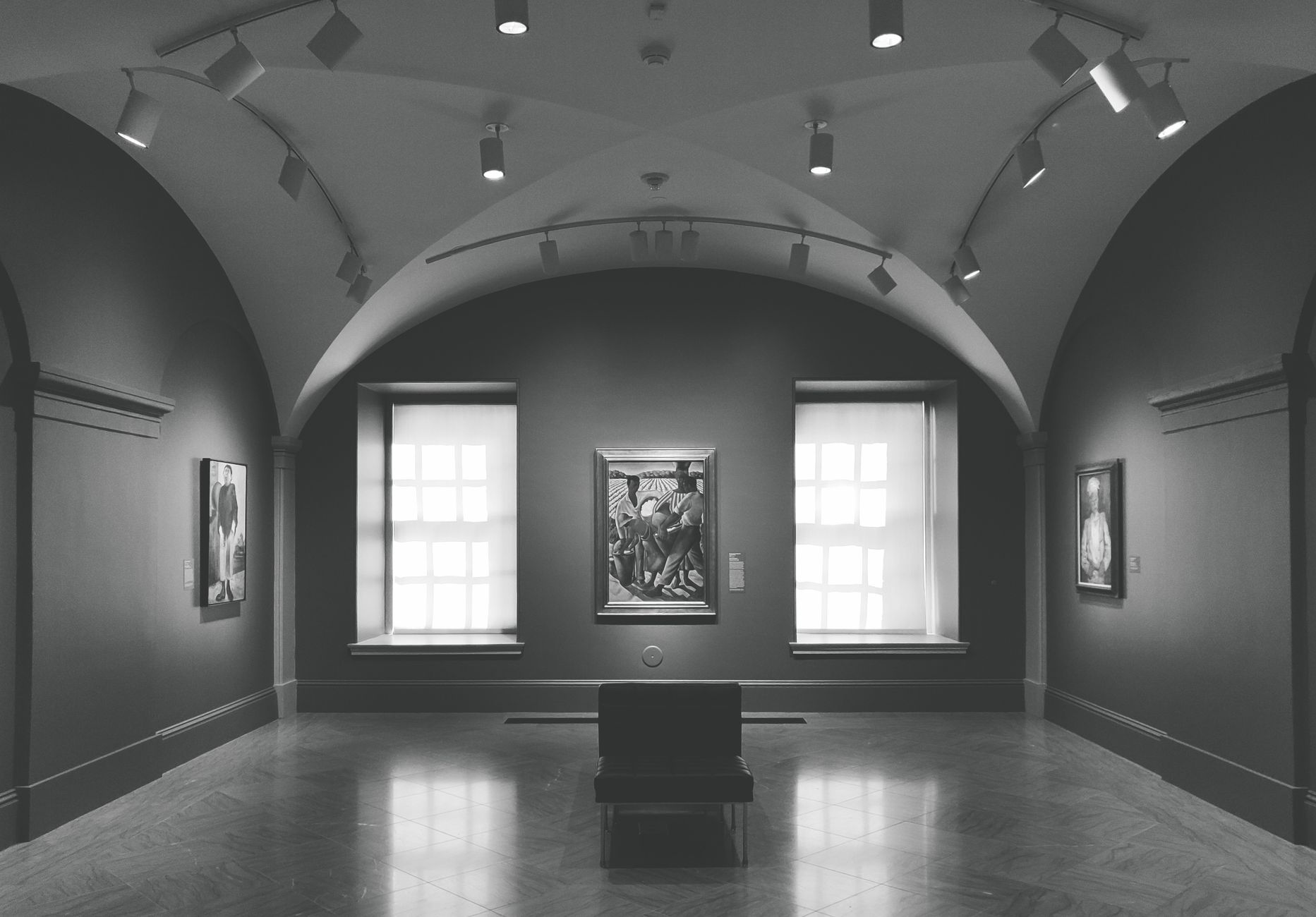
- Princeton University Art Museum (near FitzRandolph Gate on Washington Road) has free admission year-round, so prioritize exhibitions rather than skipping it for cost reasons.
- The Office of Admissions runs free public walking tours of the campus (seasonal schedule) — reserve a slot on the admissions website if a guided campus overview is a priority.
- Albert Einstein is buried in Princeton Cemetery near Stony Brook; the site is small and respectful behavior is expected, and it’s a short walk from the north side of campus.
- Princeton Farmers Market sets up in Palmer Square during spring–fall (Thursday and Saturday mornings); many vendors accept cards, but small cash for cheese or baked goods is still useful.
How This Guide Was Prepared
Princeton is a small college town where the university campus shapes daily life and most visitor patterns; the best three-day visits treat the campus like a neighbourhood, not a museum. Many guides either inflate the town into a single-day stop or sell it as a nonstop nightlife destination; the real appeal is daytime walking, weekend markets, seasonal outdoor sights and a handful of dependable restaurants. This guide was prepared through a structured research that combines destination research, geographic context, itinerary planning logic, and content review.
Plan Your Stay in Princeton
Use this itinerary as your starting point, then compare areas to stay, transport options, seasonal timing, and realistic daily costs before booking.
Why Visit
The university campus is the main draw: walkable quadrangles, Nassau Hall, Prospect House and the University Chapel offer architecture and public sculpture not found in a typical small town. The Princeton University Art Museum holds strong collection highlights—Greek ceramics to modern works—without an admission fee, allowing short, focused visits. Outdoor options like the Delaware and Raritan Canal towpath and Princeton Battlefield State Park give easy nature breaks within a short distance of the center. The town also supports dependable food stops, from late-night hoagies to artisanal ice cream, which makes planning meals simple rather than stressful.

Quick Planning Tips
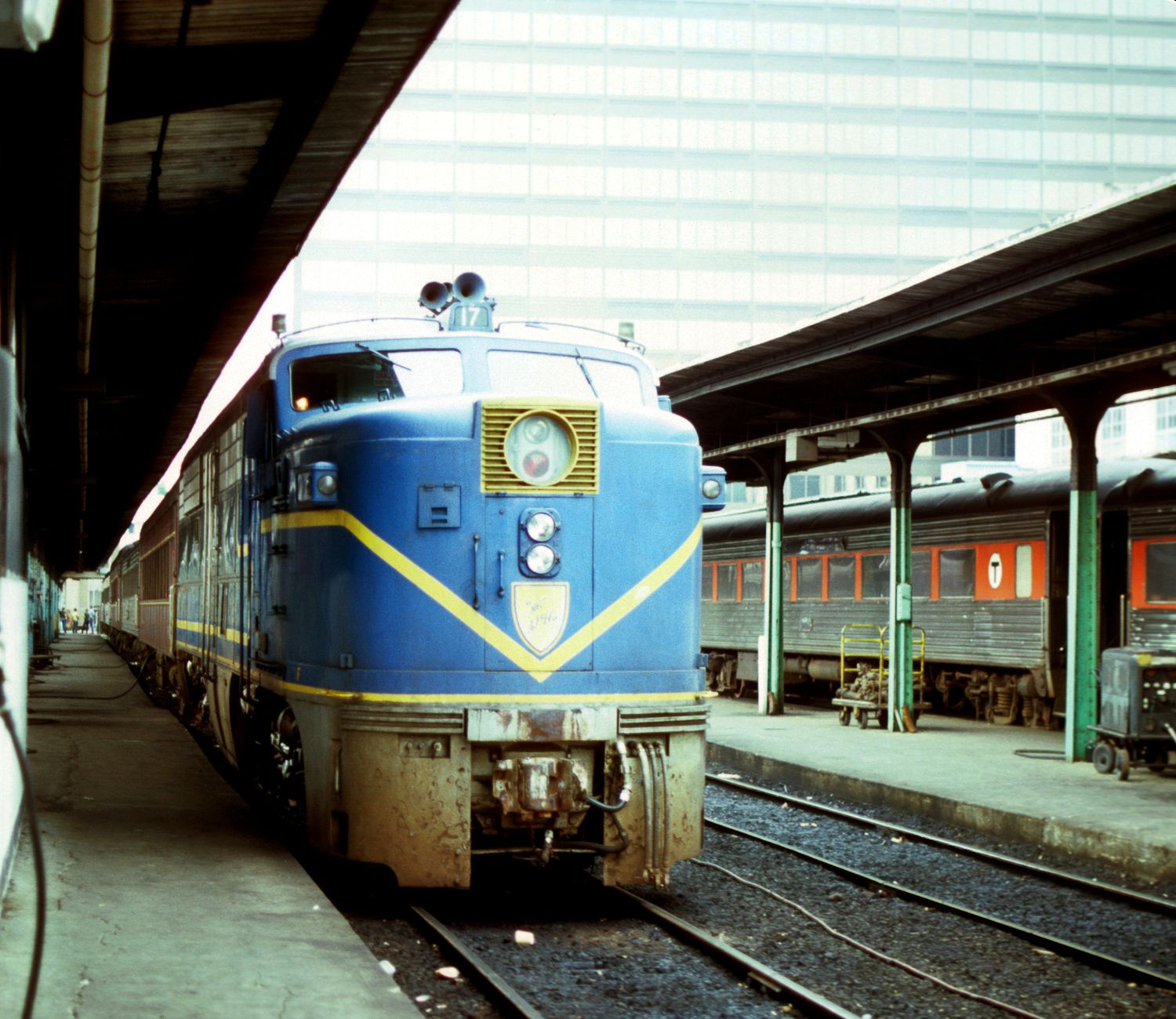
Most long-distance arrivals come via Amtrak or NJ Transit to Princeton Junction; take the Princeton Branch 'Dinky' into town or a short taxi if schedules don't align. Buy NJ Transit e-tickets on the NJ Transit app for trains; campus and downtown are compact so cashless options are widely accepted but bring a small amount of cash for market stalls. One planning mistake to avoid is squeezing too many indoor museum hours into a single day—the museum and chapel are best sampled in short sessions so time remains for outdoor walks and a theatre performance.
Day 1
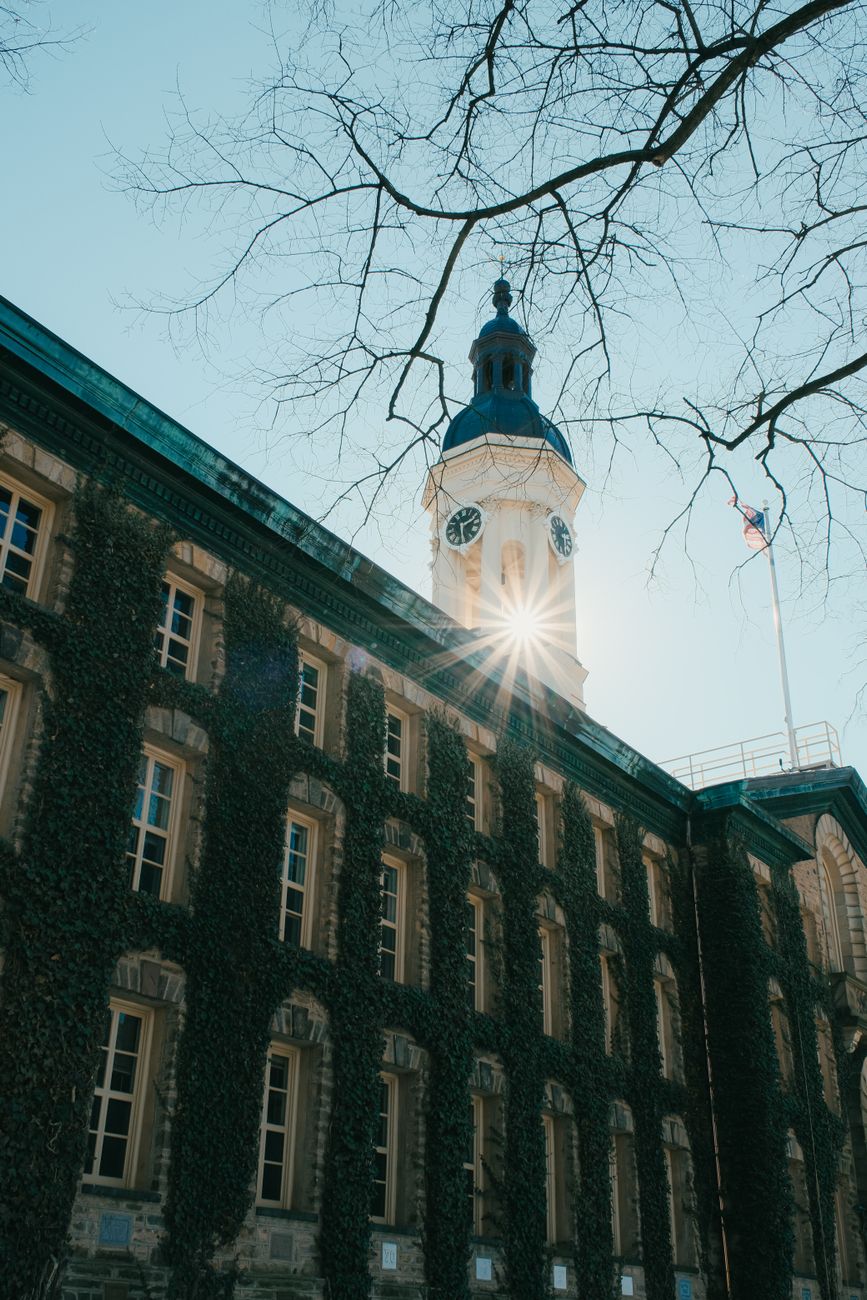
Morning: Start at FitzRandolph Gate and walk into the main campus. Visit Nassau Hall and stroll to the Princeton University Art Museum (allow 60–90 minutes); the museum is compact and free, so aim for particular sections rather than trying to see everything.
Midday: Walk along Nassau Street (about 5–10 minutes) to Palmer Square for lunch at Hoagie Haven (classic hoagies, order the regular size) or a sit-down at Mistral if reservations are possible. Expect a 5–10 minute walk between the museum and Palmer Square.
Afternoon: After lunch, walk 10 minutes to Prospect House and the University Chapel; the chapel tours are short but show the interior woodwork and stained glass. From the chapel, head 15–20 minutes on foot to the Delaware and Raritan Canal towpath entrance for a 30–60 minute towpath walk.
Evening: Return to Palmer Square for an early dinner or tickets at McCarter Theatre Center on Witherspoon Street (check performance times and student rush tickets). If staying out later, the downtown bars close earlier than a big city, so expect quieter streets after 11pm.
Day 2
Morning: Take the short walk to Morven Museum & Garden (about 10–15 minutes from Palmer Square) to see the State Historic Site exhibits; allow 60–90 minutes. Morven’s grounds are good for a relaxed stroll on a clear morning.
Midday: Catch a short local bus or walk (20–25 minutes) to Princeton Battlefield State Park and the Clarke House for Revolutionary War context and open fields; the park has free admission but limited parking on busy days.
Afternoon: Head back toward town and spend the afternoon on a guided admissions tour of the university (book ahead) and then visit the campus science buildings or small departmental galleries that interest the traveller. Transit between the battlefield and downtown takes about 10 minutes by taxi or 25 minutes on foot.
Evening: Dinner at Triumph Brewing or The Peacock Inn (if seeking a higher-end sit-down) and, if available, an evening performance at McCarter Theatre or a lecture on campus. The tone of the day is historical and green spaces rather than downtown shopping.

Day 3
Morning: Use the morning for a longer walk along the Delaware and Raritan Canal towpath or an early coffee at Small World Coffee on Witherspoon Street; both are calming ways to finish a short visit. If checking out of accommodation, leave luggage at the hotel desk and take a last short walk around the back streets east of Nassau Street.
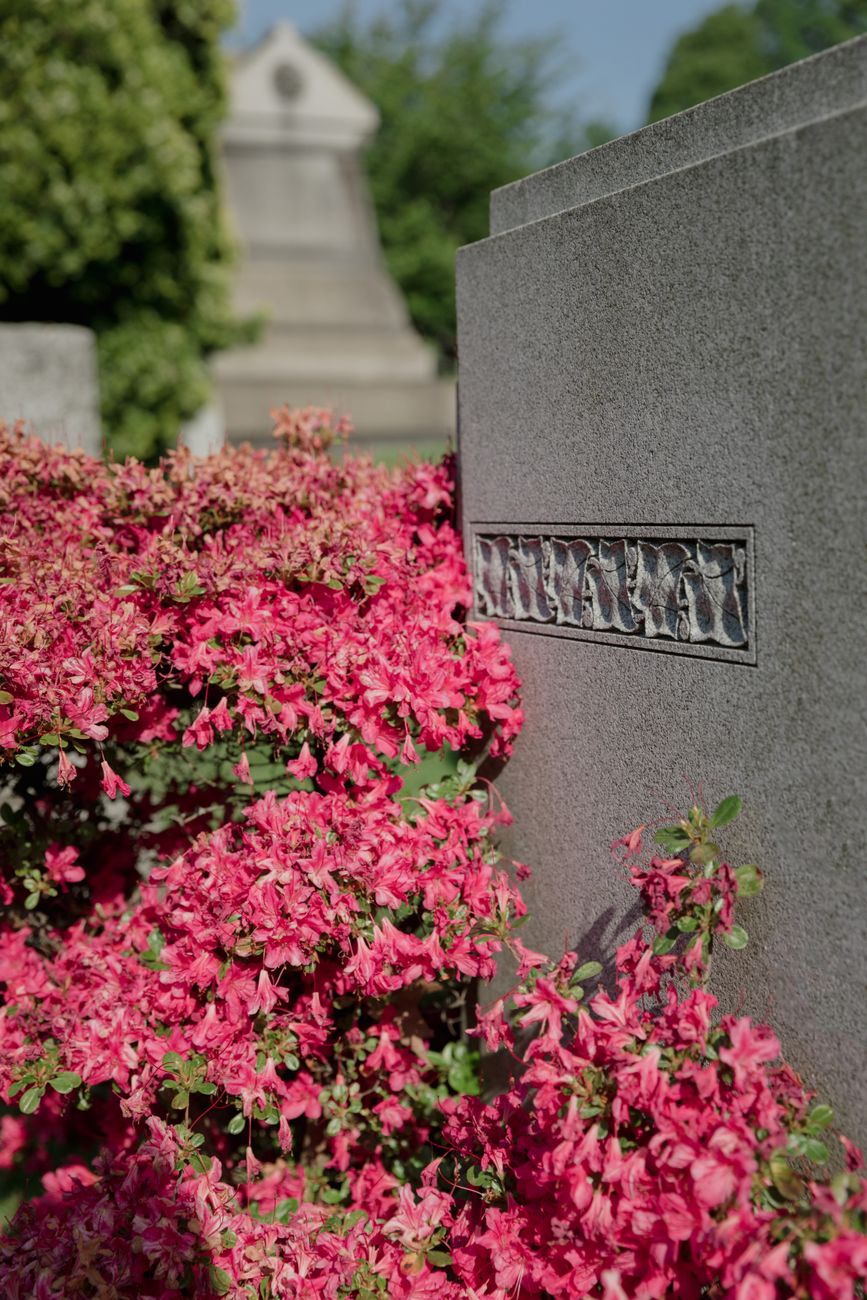
Midday: Visit Princeton Cemetery to see Albert Einstein’s grave and other notable interments; combine this with a quick stop at the Princeton University Art Museum if time was tight earlier. The cemetery is a short 10–15 minute walk from campus edges.
Afternoon (for departures): If catching a mid-afternoon flight, plan to leave for Princeton Junction 45–60 minutes before scheduled departure trains; taxi from downtown to Princeton Junction is about 10–15 minutes depending on traffic. If using Newark Liberty Airport, allow extra time for the longer taxi or ride-hail transfer to the airport — traffic varies and it can be slow on weekday afternoons.
Evening: For those staying later, a relaxed final meal at a Palmer Square cafe or a return to Hoagie Haven for a casual dinner works well; otherwise prioritize getting to Princeton Junction or a booked taxi early rather than squeezing a last museum hour.
Best Local Experiences
Princeton University campus walking tour (book via the Office of Admissions) gives an orientation to architecture and key buildings. Princeton University Art Museum is free and compact enough for focused visits on specific collections. McCarter Theatre Center presents regional theatre, dance and music—check season schedules for special performances. The Delaware and Raritan Canal towpath offers flat walking or biking along water and is excellent for a sunrise or late-afternoon walk. The Palmer Square Farmers Market (spring–fall) is where local cheese, baked goods and prepared foods are easiest to sample. Additional experiences: wandering Nassau Street shops, a visit to Morven Museum & Garden for New Jersey history, and a respectful visit to Princeton Cemetery to see the graves of prominent scientists and writers.
Where to Stay
Palmer Square / Downtown: Best for first-time visitors who want immediate access to restaurants, shops and campus gates. Expect boutique hotels and inns; typical nightly rates run roughly $160–$300 USD (approximately €150–€275) depending on season.
University Area (around Prospect and Washington Road): Suits those prioritizing quiet walks on campus and early morning access to the museum and chapel. Options are limited to small guesthouses and university visitor housing during term; expect $120–$220 USD per night (roughly €110–€200).
Suburban Princeton (east side, near Route 1 or Princeton Junction): Good for motorists or those connecting by train; cheaper hotel chains and park-and-ride access to Princeton Junction. Expect $100–$160 USD per night (about €90–€145), but add taxi or taxi-ride costs into town if not using the Dinky.
Food and Drink
Hoagie Haven (Witherspoon Street) — classic New Jersey hoagies and late-night sandwiches; regular hoagies are inexpensive, roughly $7–$12. The Bent Spoon (Palmer Square) — artisanal ice cream and sorbets made with local ingredients; single scoop about $4–$6. Small World Coffee (Witherspoon Street) — reliable espresso shop and breakfast pastries, café breakfast around $6–$12. Triumph Brewing (downtown) — local brewery with hearty pub meals; entrees $14–$26. Taylor Ham / pork roll sandwich — a regional New Jersey breakfast staple found at local delis and diners; expect $3.50–$7 depending on setup.
For a splurge dinner, The Peacock Inn offers a full dining menu with tasting options; mains typically $30–$50 per person. A simple street-food style meal (hoagie or coffee + pastry) can be under $15, while a sit-down dinner will usually run $30–$60 per person before drinks.
Getting Around
Rail: NJ Transit Northeast Corridor stops at Princeton Junction; use the Princeton Branch 'Dinky' to reach downtown Princeton Station. Bus: local NJ Transit buses serve the region; check the NJ Transit website or app for route numbers and schedules. Tickets and apps: buy train and bus tickets with the NJ Transit app (eTix) or at ticket machines at Princeton Junction.
Typical local single-ticket fares for short rides (Dinky or local bus) are around $1.60–$3.50. There is no standard city day pass specific to Princeton; rail day passes vary by corridor so check NJ Transit before travel. Taxi/ride-hail to Newark Liberty Airport can cost approximately $90–$130 depending on traffic; Philadelphia Airport runs about $110–$160. Local walking covers most downtown needs; bring a maps or Transit app for bus/train timing.
Best Time to Visit
Spring (April–June): Temperatures 45–75°F (7–24°C). Campus is green, gardens are active and the farmers market is in full swing; this is high value for outdoor walking. Summer (July–August): Temperatures 70–90°F (21–32°C). More tourists and some campus buildings may have reduced hours; plan early outings to avoid midday heat. Fall (September–November): Temperatures 40–65°F (4–18°C). The fall foliage on campus is the most popular time and weekends are noticeably busier—book hotels early. Winter (December–March): Temperatures 20–45°F (-6–7°C). Quieter streets and lower hotel rates but some museum hours and tours can be limited; snow can affect schedules.
Budget and Practical Tips
Daily budget (midrange traveler) in USD with EUR approximations: Accommodation $120–$220 (€110–€200), Food $40–$70 (€35–€65), Local transport $10–$30 (€9–€28), Entry fees and extras $10–$40 (€9–€36). Expect a three-day moderate budget around $570–$1,000 total depending on hotel choice.
Tipping: standard U.S. norms apply—restaurants 15–20% pre-tax for table service; $1–$2 per drink at bars; $1–$2 per bag for bell services and $2–$5 for taxi drivers depending on distance. Practical tips: bring comfortable walking shoes for campus cobblestones and slightly hilly side streets; check theatre run times in advance as performance nights affect dinner availability.
FAQ
How safe is downtown Princeton?
Downtown is generally safe with routine small-town issues like occasional pickpocketing; standard urban caution after dark is sensible — stick to well-lit streets and known routes.
What is the easiest way from Newark Airport?
Take NJ Transit or Amtrak to Princeton Junction, then the Dinky to Princeton Station; a taxi from Newark to downtown runs roughly $90–$130 depending on traffic.
Is there a Princeton city pass worth buying?
No single official city pass exists; many core attractions are low-cost or free (Princeton University Art Museum), so individual tickets and reservations work better.
Can visitors tour the university campus without a reservation?
Yes, self-guided campus walks are common, but official guided tours from the Office of Admissions should be reserved during peak season for a structured overview.
Are there good vegetarian or vegan dining options?
Yes — many downtown cafes and Palmer Square restaurants offer vegetarian and vegan choices; check menus online and call for larger group needs.
Is the Princeton Branch 'Dinky' free?
No, the Dinky requires a paid NJ Transit ticket for the short shuttle; purchase via eTix or at ticket machines at Princeton Junction.
What should be left off a short itinerary if time is tight?
Skip extra municipal museums and prioritize a campus walking tour, the Art Museum and a D&R Canal walk — those three show the core contrasts of architecture, art and landscape.
Are museums and theatres open year-round?
Museums have regular hours but may shorten them in winter; theatres run seasonal schedules—check each venue’s calendar before booking.
Conclusion
A three-day visit will most likely be remembered for walking across the campus, the museum collections, an easy canal towpath walk and a few dependable meals in Palmer Square. If time runs short, prioritize the Princeton University Art Museum plus a guided campus tour and one outdoor walk along the D&R Canal or at the battlefield; those produce the clearest sense of place in limited time. Plan travel times around train schedules and evening closing times so the trip feels relaxed rather than rushed.
How this guide was prepared
This guide was prepared through a structured research that combines destination research, geographic context, itinerary planning logic, and content review.