
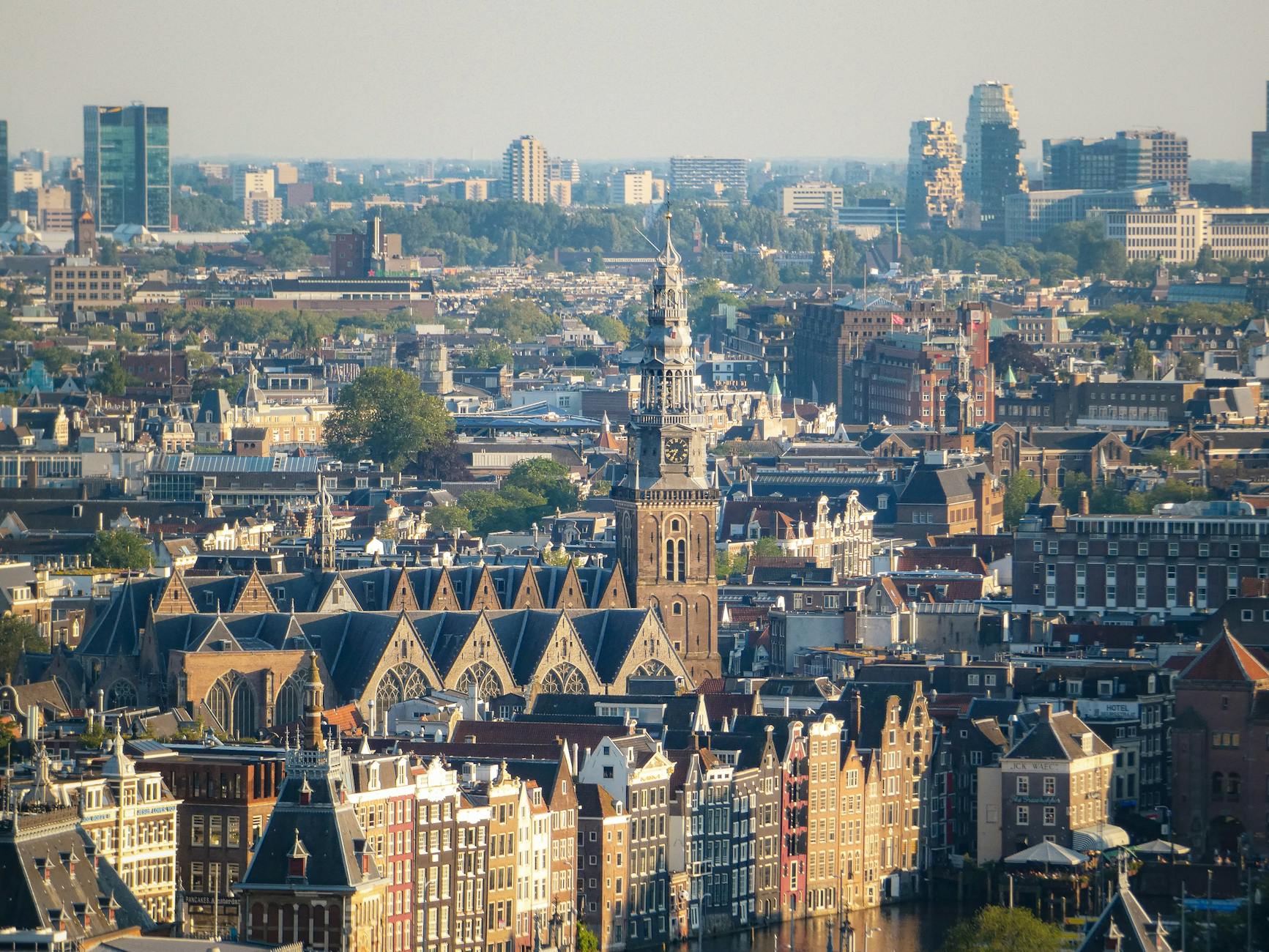
Responsible Travel in Amsterdam — Practical Support for Your 3-Day Trip
Sustainable, local-first advice for visiting Amsterdam: neighborhood choices, biking and transit realities, seasonal timing, booking tips, day trips to Haarlem/Utrecht/The Hague, and low-impact activities to pair with a 3-day itinerary.
Concise, practical guidance to help you make low-impact, locally beneficial choices in Amsterdam. Includes neighborhood picks, transport realities, booking advice for popular museums, day-trip options, and tips to avoid common tourist pitfalls while supporting local businesses.
Quick Answer
Concise, practical guidance to help you make low-impact, locally beneficial choices in Amsterdam. Includes neighborhood picks, transport realities, booking advice for popular museums, day-trip options, and tips to avoid common tourist pitfalls while supporting local businesses.
Who This Page Is For
This page is for travelers planning a stay in Amsterdam who want clearer decisions about responsible travel, local logistics, timing, budgeting, and practical trip planning.
How This Page Was Prepared
This page was prepared through a structured editorial workflow that combines destination research, geographic context, and practical travel-planning review.
Plan the Rest of Your Trip
Use this page together with the full itinerary and the related planning pages below to make better booking, timing, transport, and budget decisions.
If you have three days, prioritize walking, public transit, and local bike co-ops; prebook the Anne Frank House and major museums; and spread visits across neighborhoods (Jordaan, De Pijp, Museumplein, Oost) to avoid crowds. Consider one low-impact day trip by train to Haarlem or Utrecht rather than another overnight in the center. See our 3 days in Amsterdam guide for a ready itinerary you can adapt to shoulder-season timing.
This page supports our main 3 days in Amsterdam guide with practical, low-impact advice for travelers who want authentic experiences and to put money into local businesses. It focuses on neighborhood choices, realistic transport options, booking and timing tips, and sustainable activities you can add to a short stay. Use this as a quick-reference companion when planning each day of your 3-day itinerary.
What This Page Helps You Decide
Use this page to choose:
– Where to stay: central neighborhoods vs nearby towns like Haarlem or Hoofddorp for lower impact.
– How to move: when to rent a bike, when to take trams/ferries, and when to walk.
– What to prebook: top museums and ticketed attractions.
– Which day trip to pick: Haarlem, Utrecht, The Hague, Amersfoort, or Hoofddorp by train.
It’s tailored to slot into the main 3-day guide so you can swap activities for quieter times and greener choices.
Top Recommendations
Essentials to add to your 3-day itinerary:
– Prebook timed tickets for Anne Frank House and high-demand museum slots (Rijksmuseum, Van Gogh). Anne Frank tickets often sell out weeks in advance.
– Choose a local bike rental cooperative or social enterprise (look for well-maintained Dutch-style bikes with lights and locks).
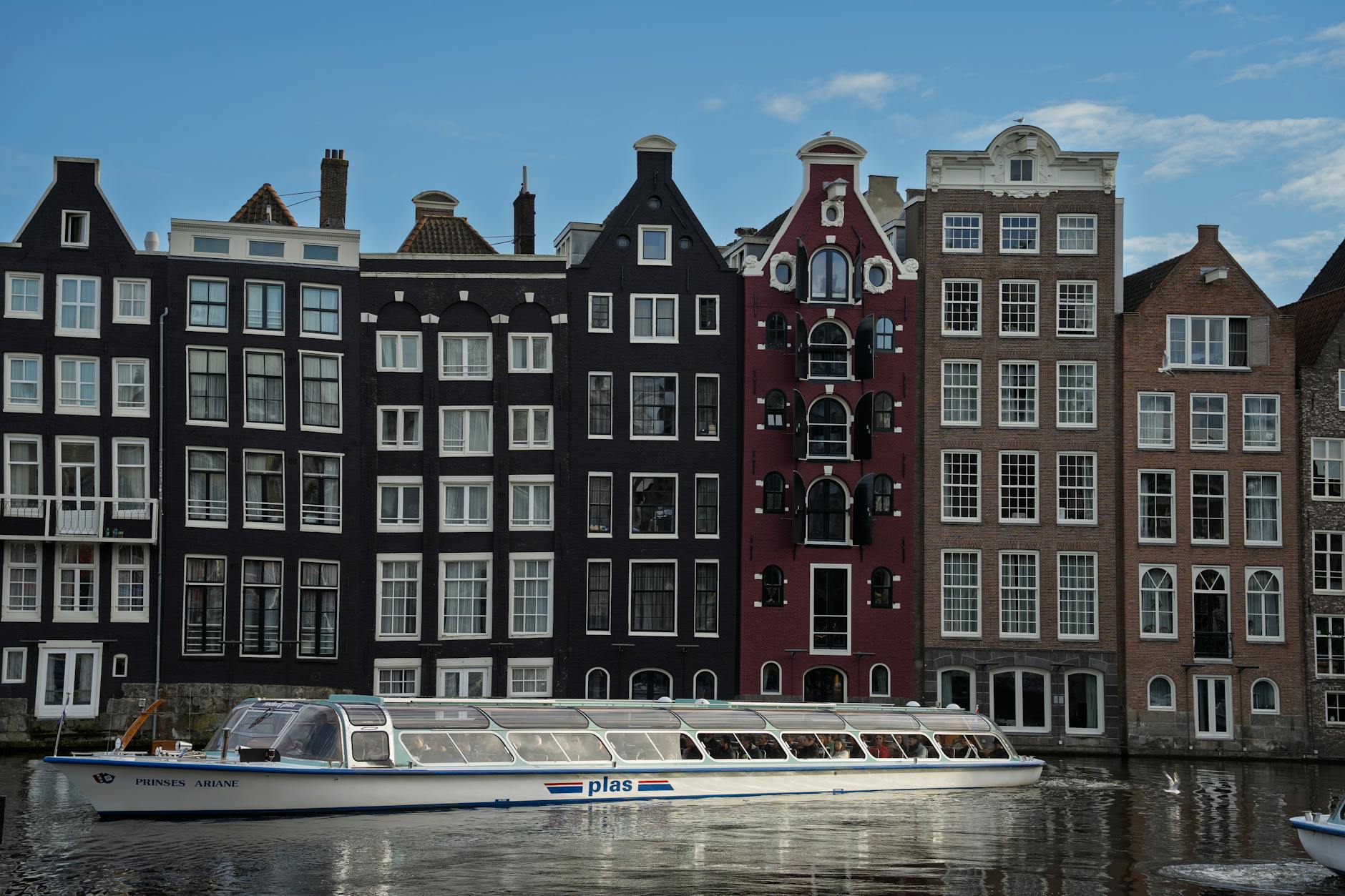
– Take an electric canal tour or a small operator that advertises electric boats; traditional diesel tours are common but avoid them when possible.
– Visit markets run by locals: Albert Cuyp Market (De Pijp) for food, Noordermarkt (Jordaan) on Saturdays for food and antiques.
– Spend at least one afternoon in Oost or Noord for contemporary art spaces, cafés, and fewer tourists.
Booking notes:
– Weekday mornings in shoulder seasons (April–May, September–October) are usually quieter.
– Use the NS train for day trips—Haarlem ~15 minutes, Utrecht ~30 minutes, The Hague ~50 minutes—book nothing special, just use contactless or an OV-chipkaart.
Local Context
Amsterdam is a compact city with intense cycling culture and a long-running local conversation about visitor pressure. Seasonal patterns matter:
– High season: April–August, with peaks during tulip season in April and King's Day (April 27).
– Shoulder seasons: late March–May and September–October offer good weather and fewer crowds.
– Low season: November–February is quieter and often cheaper but colder and shorter days.
Transport reality:
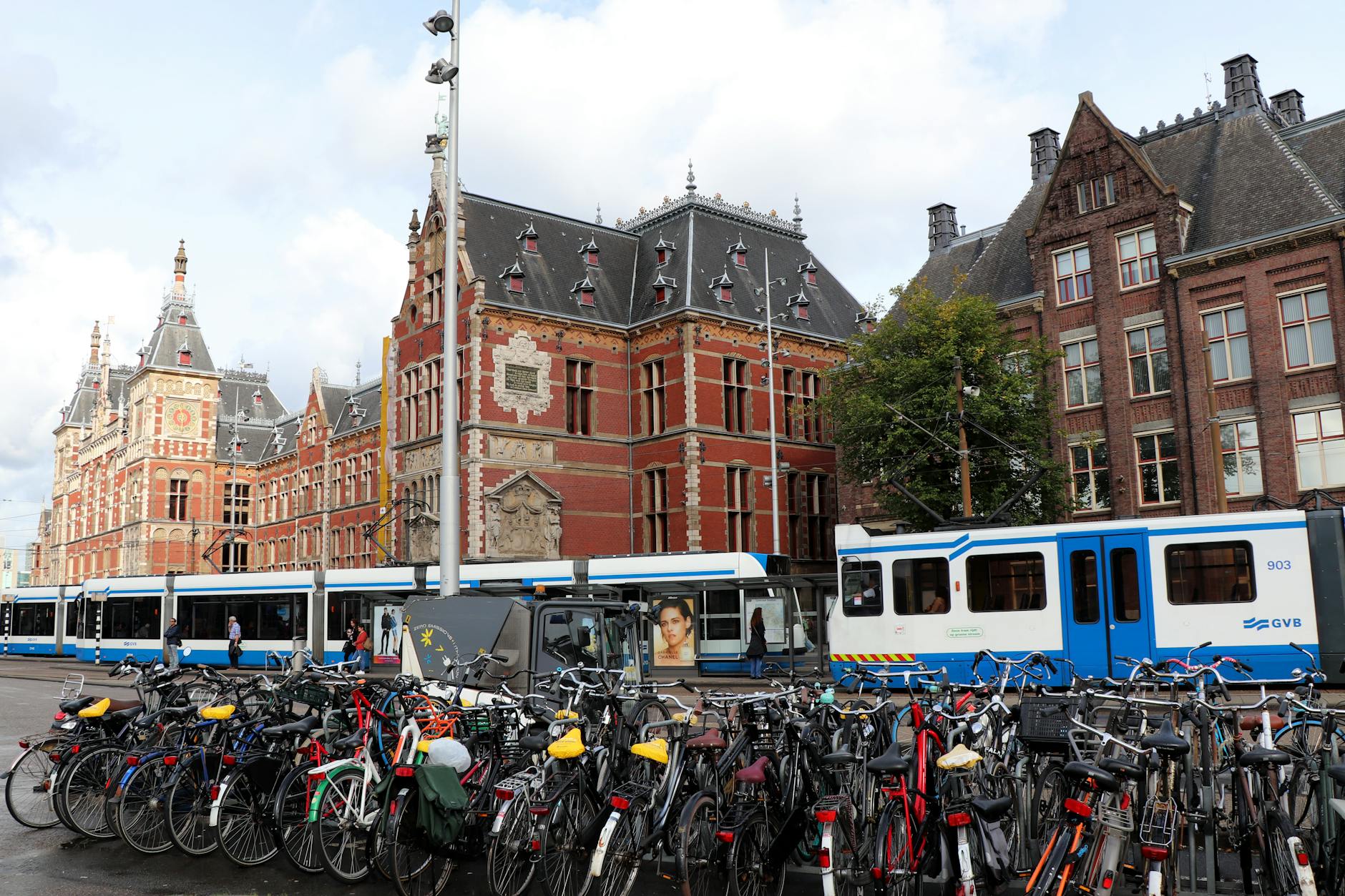
– Bikes have priority on cycle lanes; trams are frequent; ferries to Noord from behind Centraal are free and run often.
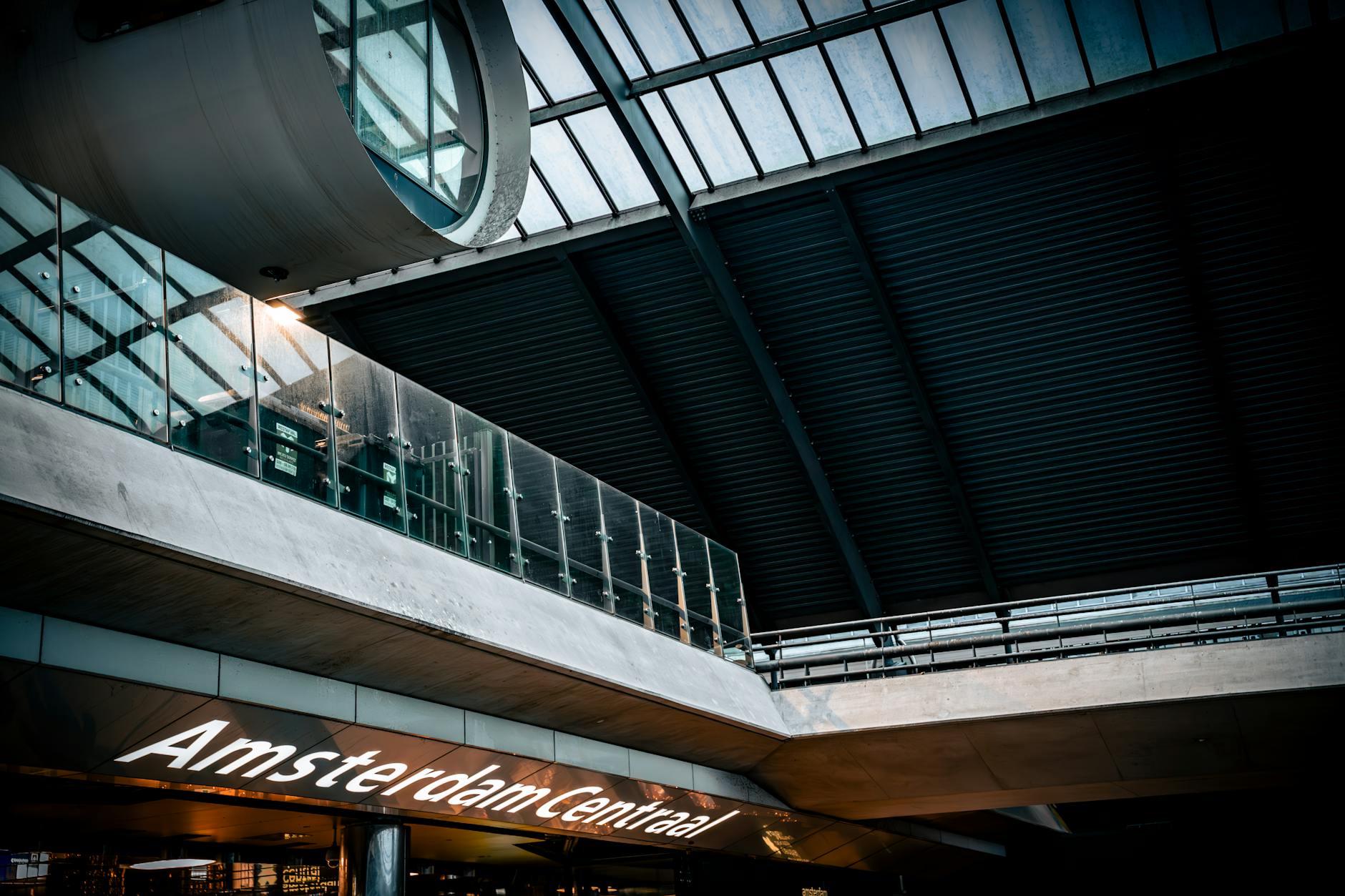
– Expect crowds around Centraal Station, Dam Square, and the main museum strip midday.
Local etiquette and rules:
– Don’t walk in cycle lanes. Look both ways at bike crossings.
– In the Red Light District, do not photograph people in windows, and keep noise to a minimum at night.
Housing and neighborhood effects:
– Short-term rentals affect local housing; consider staying in surrounding towns or longer-stay options to reduce pressure.
How to Choose Well
Select neighborhoods and services with local impact in mind:
– Stay:
– Jordaan: historic canals, independent shops, close to Anne Frank House; good for walking.
– De Pijp: lively cafés and the Albert Cuyp Market; more local nightlife.
– Oost: residential, creative, and less touristy; easy tram links to the center.
– Noord: creative scene across the IJ; take the free ferry from Centraal.
– Consider nearby Haarlem or Utrecht for lower-cost, lower-impact bases with fast train links.
– Transport:
– Use trams, trains, and ferries where possible; buy contactless or load an OV-chipkaart for convenience.
– Rent bikes from reputable local businesses; check brakes and lights before leaving.
– Tours:
– Prefer small-group, locally run walking tours and certified local guides.
– For canals, choose electric or low-emission operators.
– Timing:
– Shift museum visits to early morning or late afternoon and reserve midday for walking neighborhoods to avoid crowds.
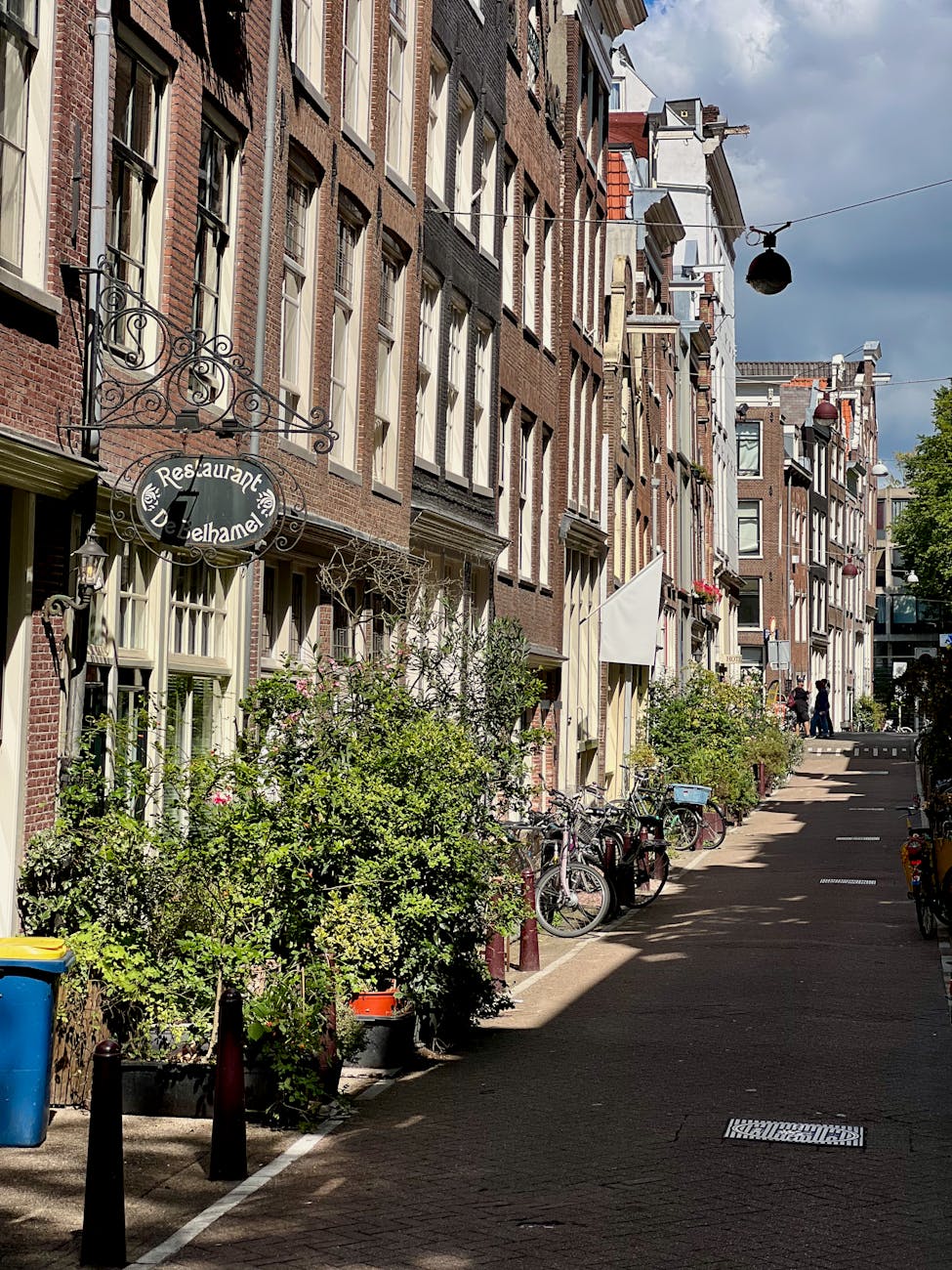
Responsible and Local-First Tips
Practical ways to keep your trip local and low-impact:
– Spend in local restaurants, independent shops, and markets rather than international chains on Dam Square.
– Pack a refillable water bottle and reusable shopping bags; many cafés and shops support reuse.
– Choose accommodations with green certifications or that clearly support local staff and suppliers.
– Hire guides from local co-ops or community initiatives; they keep income in neighborhoods.
– Offset: prefer behavioral changes (public transport, bike use, eat local) over carbon-offset box-ticking.
– Time your visit to avoid high-impact days like King's Day unless you plan to participate respectfully and book well ahead.
Common Mistakes to Avoid
Frequent errors that reduce enjoyment and increase impact:
– Renting the cheapest tourist bike from a street stall without checking brakes or gears—safety and comfort suffer.
– Assuming everything is walkable from Centraal—some neighborhoods are better reached by tram or ferry.
– Leaving Anne Frank House or major museum bookings to the last minute; timed entries sell out.
– Eating exclusively in the tourist core (Dam Square) instead of exploring local neighborhoods for better quality and local income.
– Taking the busiest midday canal cruise; choose early morning, evening, or electric tours.
– Photographing people in sensitive areas (Red Light District) or refusing to follow local etiquette.
FAQ
Is cycling safe for visitors in Amsterdam?
Yes if you follow local rules. Use cycle lanes, stay predictable, signal clearly, and avoid walking in bike lanes. Rent well-maintained bikes from reputable local shops and practice in a quiet area before entering busy streets.
How do I get to nearby cities like Haarlem or Utrecht?
Trains from Amsterdam Centraal and Amsterdam Sloterdijk run frequently. Haarlem is about 15 minutes, Utrecht about 30 minutes, The Hague about 50 minutes. Use contactless payment or an OV-chipkaart; no advance booking needed for standard tickets.
When should I visit to avoid crowds and reduce impact?
Shoulder seasons (late March–May and September–October) balance weather and lower crowds. Avoid peak weeks around King’s Day and major holidays if you prefer quieter streets.
Do I need to prebook major attractions?
Yes for the Anne Frank House and highly popular museum time slots. For Rijksmuseum and Van Gogh, book ahead to skip long lines. For smaller museums and markets you can often turn up, but check opening days—some smaller museums close Mondays.
Any special etiquette in the Red Light District?
Be respectful: do not photograph people in windows, keep noise levels down, and avoid leaning on windows. Follow local signage and do not intrude into private spaces.
Conclusion
Amsterdam rewards travelers who slow down, choose local providers, and travel with low impact. Use public transit, rent responsibly, prebook key sites, and spread visits across neighborhoods or a nearby town to reduce pressure on the center. If you’re planning a short stay, pair these choices with the practical schedule in our 3 days in Amsterdam guide to get the most authentic, sustainable experience while supporting local communities.
How this guide was prepared
This guide was prepared through a structured research that combines destination research, geographic context, itinerary planning logic, and content review.