
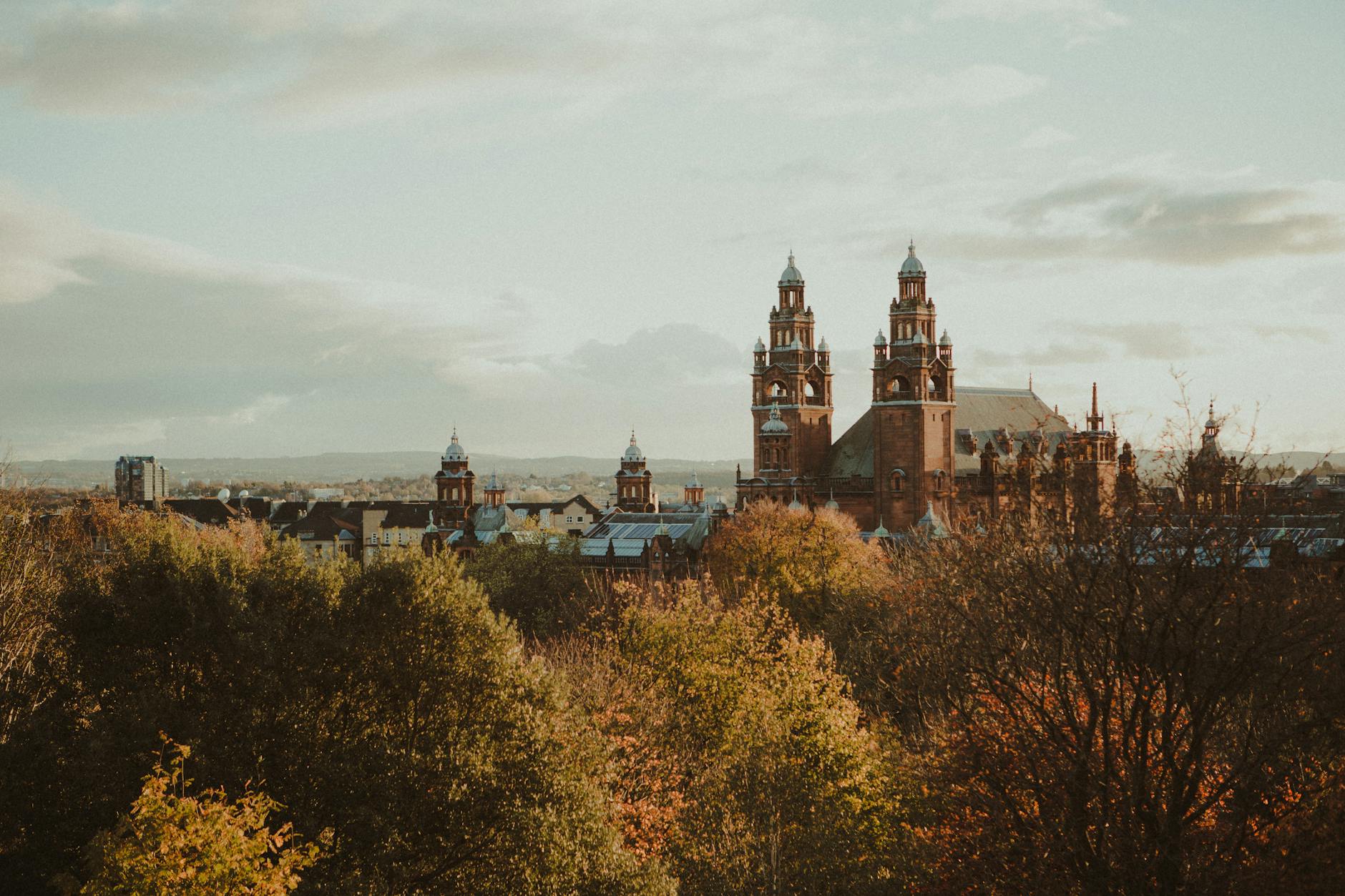
3 Days in Glasgow: A Weekend Itinerary for Culture, Food and Music
Spend 3 days in Glasgow exploring museum-rich neighborhoods, West End charm, Riverside walks and vibrant food and music scenes. A packed, easy weekend plan.
A focused 3-day guide to Glasgow that balances big-name museums, West End cafés, riverside attractions and live music. Ideal for a cultural weekend or short city break.
Glasgow is a lively, big-hearted city where Victorian grandeur meets streetwise creativity. It suits art and music lovers, food explorers and travelers who like a city that’s walkable but surprises at every turn. Three days is just right: enough time to sample top museums, roam the leafy West End, soak up the Clyde waterfront and still catch an evening gig without rushing. You’ll get a clear sense of the neighborhoods, discover signature architecture and enjoy nights out—perfect for a packed weekend or a short cultural break.
Quick Answer
A focused 3-day guide to Glasgow that balances big-name museums, West End cafés, riverside attractions and live music. Ideal for a cultural weekend or short city break.
Who This Guide Is For
This guide is best for first-time visitors, couples, solo travelers, and anyone planning 3-day city break, weekend break, cultural in Glasgow with a balance of highlights, local character, and reasonable spending.
How This Guide Was Prepared
This guide was prepared through a structured editorial workflow that combines destination research, geographic context, itinerary planning logic, and practical travel review.
Plan Your Stay in Glasgow
Use this itinerary as your starting point, then compare areas to stay, transport options, seasonal timing, and realistic daily costs before booking.
Why Visit
The city mixes world-class museums with a thriving independent food and music scene. Architecture ranges from medieval cathedral lanes to Charles Rennie Mackintosh interiors and modern waterfront design. Neighborhoods are distinct—City Centre for shopping and galleries, West End for university charm and cafés, Finnieston for restaurants and the Hydro for big concerts. Three days lets you sample each side: museum mornings, park afternoons and lively evenings.
Quick Planning Tips
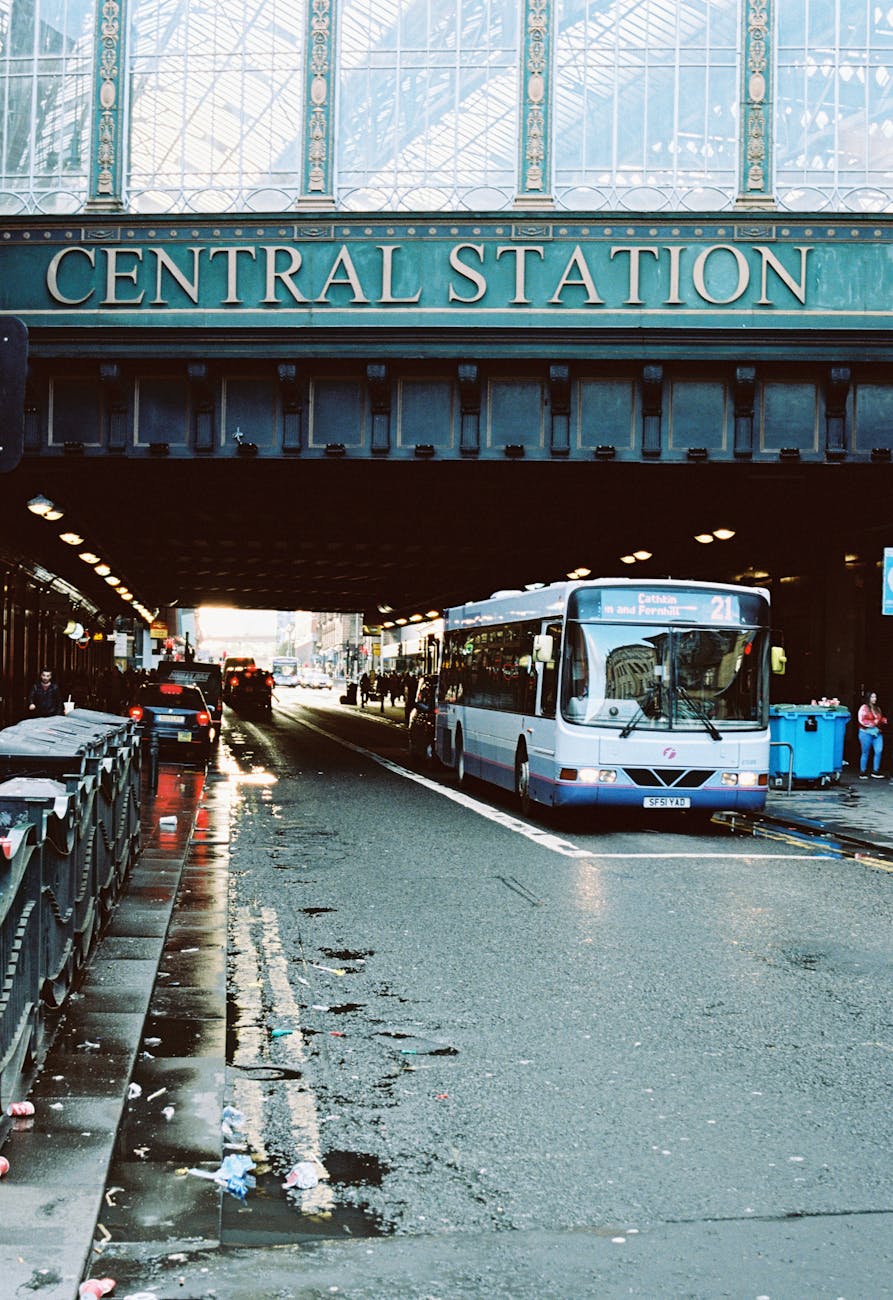
Base yourself in or near the City Centre or West End to cut commuting time. Buy advance tickets for popular shows at the SSE Hydro and special exhibitions at Kelvingrove or the Burrell Collection. Pack a light waterproof and comfy walking shoes—streets are best explored on foot. Trains link to Edinburgh (≈50 minutes) and day trips to Loch Lomond or Stirling are straightforward from Queen Street or Central stations.
Day 1
Morning: Start at Buchanan Street for shopping and the Gallery of Modern Art (GoMA). Walk to Royal Exchange Square and grab coffee in Merchant City.
Afternoon: Head east to Glasgow Cathedral and the adjacent Necropolis for views and history. Nearby, the People’s Palace on Glasgow Green tells social history.
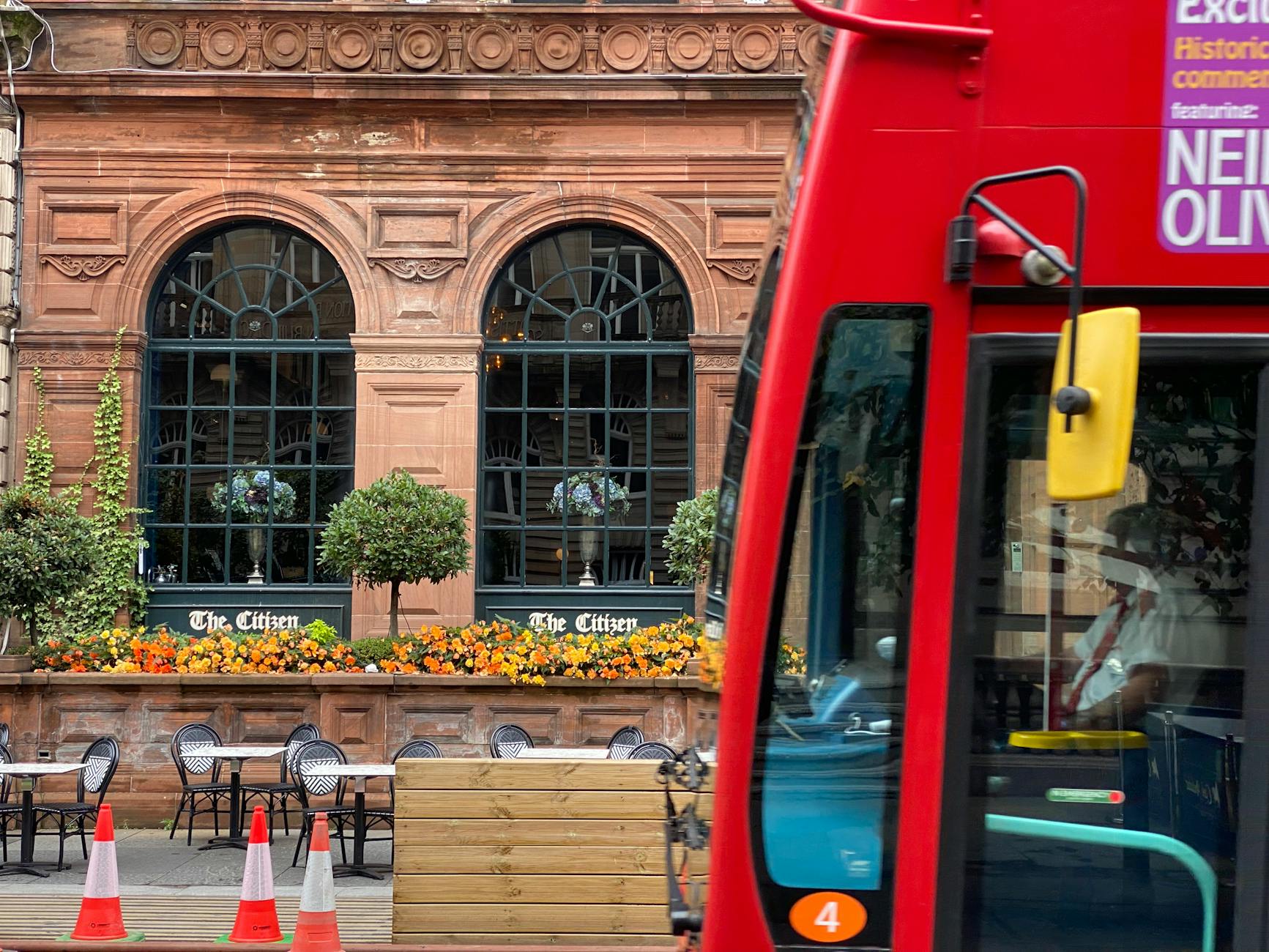
Evening: Dine in Merchant City or try restaurants in Finnieston. Finish with a pub or live music spot in the city centre.
Day 2
Morning: Take the subway or a short taxi to the West End. Visit Kelvingrove Art Gallery and Museum—plan 1.5–2 hours—and stroll Kelvingrove Park.
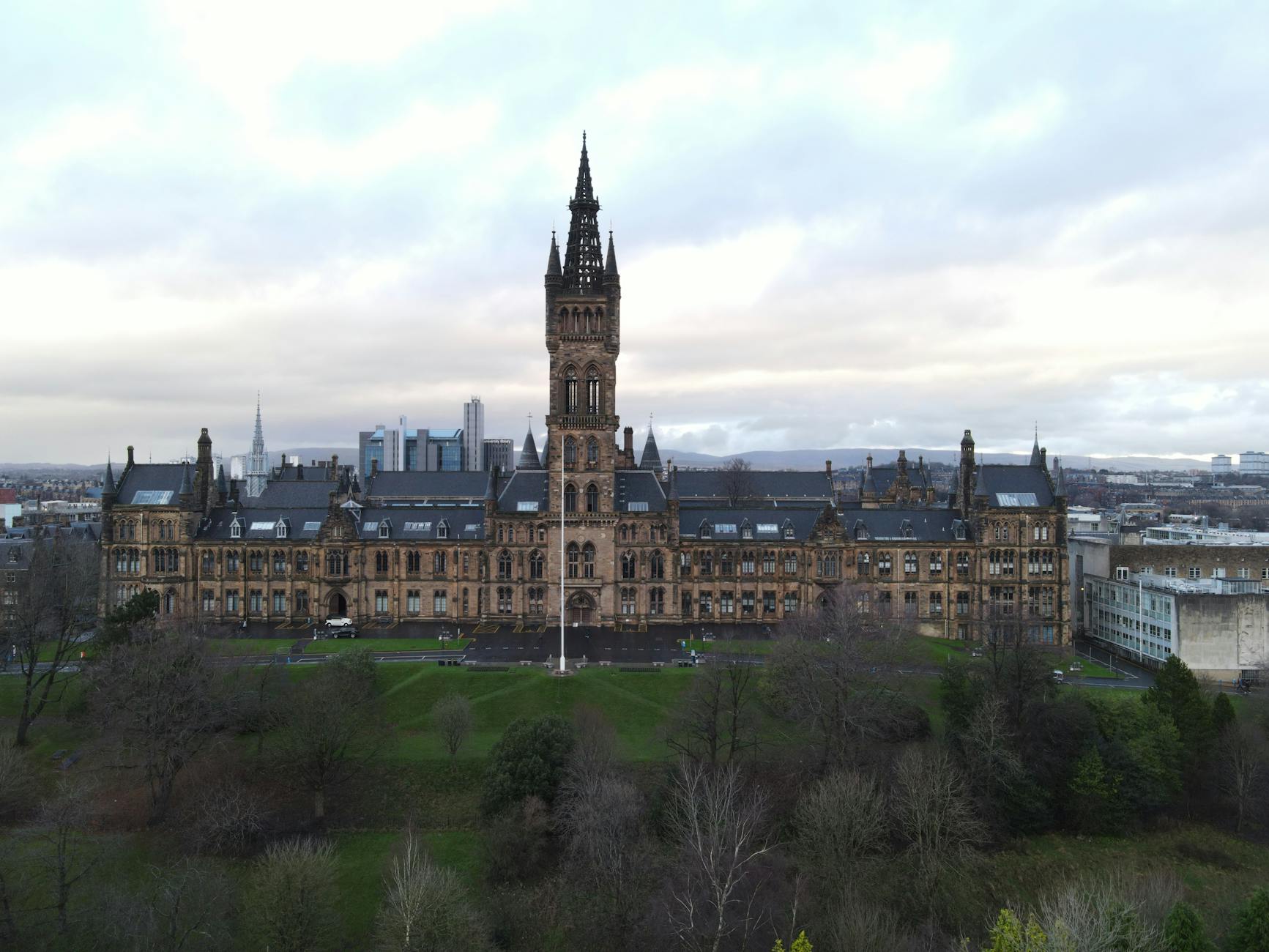
Afternoon: Walk to the University of Glasgow and the Hunterian Museum. Explore Byres Road shops and the Botanic Gardens for a relaxed break.
Evening: Eat on Ashton Lane, a cobbled, lamp-lit strip of restaurants and bars. Consider an indie gig or a ceilidh for a local music fix.
Day 3
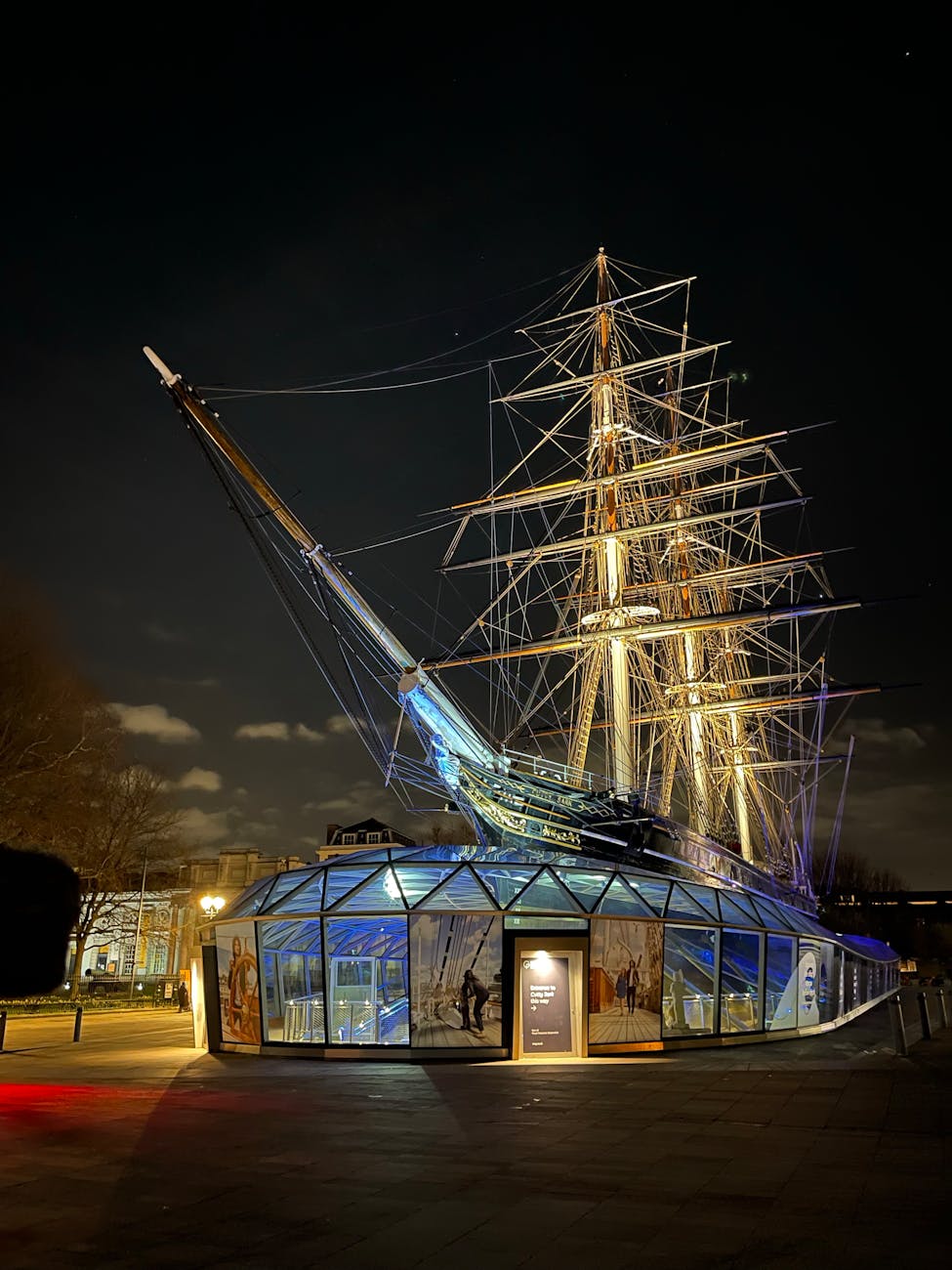
Morning: Take the tram or bus to the Riverside Museum for transport displays and step aboard the Tall Ship Glenlee.
Afternoon: Cross the Clyde for a leisurely walk along the waterfront or head south to Pollok Country Park to visit the Burrell Collection. Alternatively, use this afternoon for a day trip to Loch Lomond (trains to Balloch) or Stirling.
Evening: Return to the city for a final night—try seafood in Finnieston or a gastropub in the Merchant City.
Best Local Experiences
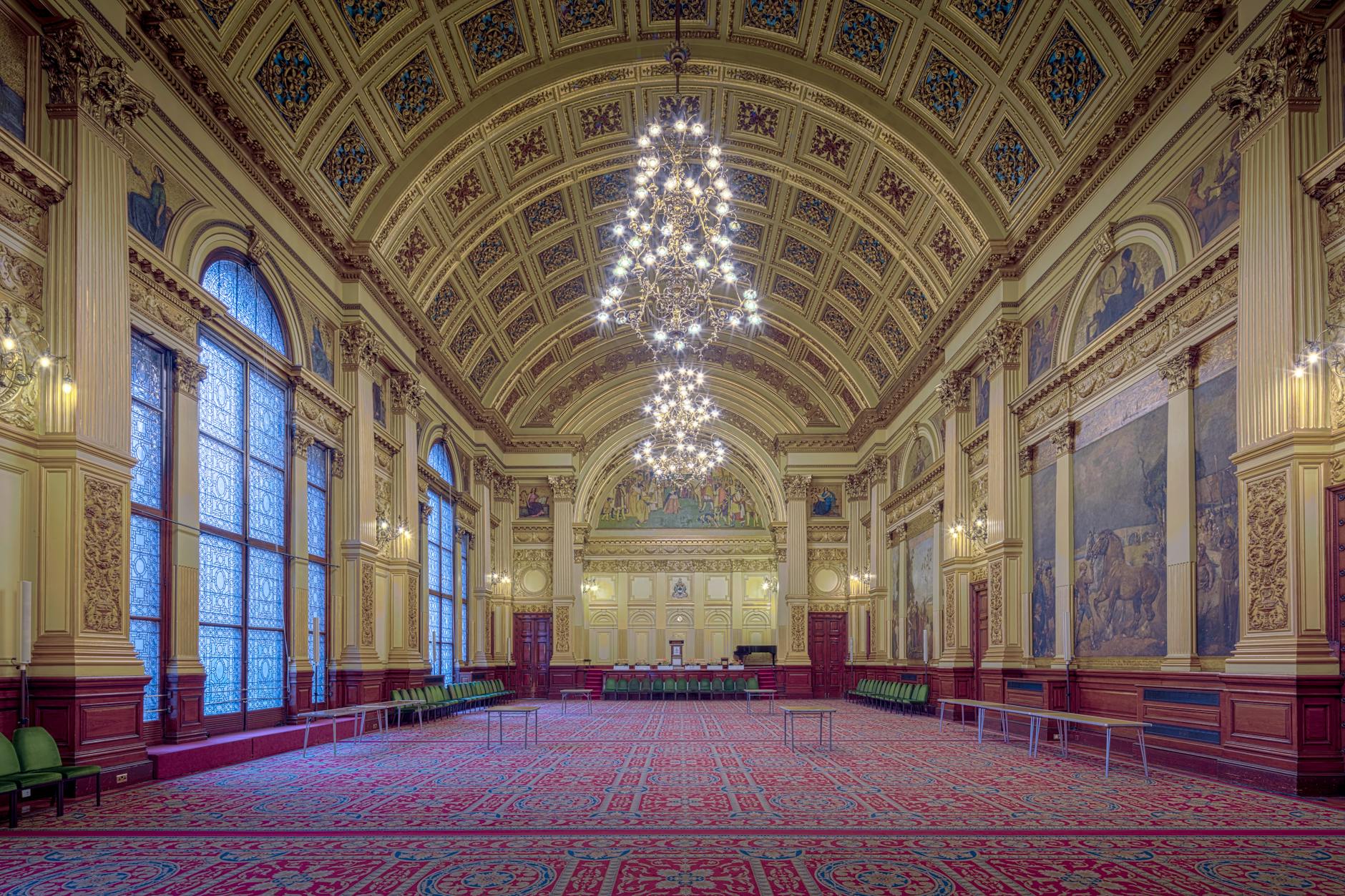
Catch a live show at King Tut’s Wah Wah Hut or the SSE Hydro. Join a street art walk in the city centre and visit small independent galleries dotted across the West End. Sample late-night seafood in Finnieston and hunt for vintage finds at the Barras market on the weekend. For architecture fans, book a Mackintosh-focused tour at the Lighthouse and view the University’s gothic halls.
Where to Stay
West End: atmospheric, near Kelvingrove and cafes—great for relaxed mornings. City Centre/Buchanan Street: best for first-time visitors who want shops, transport links and nightlife. Merchant City: stylish for restaurants and bars. Finnieston: ideal for foodies and concert-goers near the Hydro. Look for hotels or well-reviewed B&Bs within walking distance of a subway or main train station to maximize three days.
Food and Drink
Start mornings with a West End café on Byres Road. Try hearty local dishes like haggis, Cullen skink or modern Scottish tasting menus at well-regarded restaurants in Finnieston. For casual eats, sample pies, craft burgers and international street food on Sauchiehall Street and in the Merchant City. Pubs serve quality local ales and craft beer; book ahead for popular dinner spots and evening gigs.
Getting Around
Glasgow is compact and walkable between many attractions. The Subway (circular line) links the city centre and West End quickly; buses cover the rest. Trains run from Central and Queen Street to regional destinations and Edinburgh. Taxis and ride-hailing apps are widely available. Glasgow Airport is 15–30 minutes from the centre by shuttle bus or taxi—allow extra time for peak hours.
Best Time to Visit
Late spring through early autumn (May–September) gives milder weather and longer daylight for walking. Festivals pop up year-round—Celtic Connections in January attracts music fans while summer brings outdoor events. If you prefer fewer crowds and lower prices, shoulder seasons (April or October) balance weather with quieter attractions.
Budget and Practical Tips
Many national museums are free—plan for paid special exhibitions. Use contactless cards or Apple/Google Pay; cash is accepted but less common. Tipping in restaurants is customary but not mandatory (10–15% for good service). Book major concert or theatre tickets in advance. Carry a compact waterproof and expect intermittent rain even in summer.
FAQ
Is 3 days enough to see Glasgow?
Yes. Three days covers major museums, the West End, Clyde waterfront and an evening of music while leaving room for a short day trip.
How do I get from Glasgow Airport to the city centre?
Regular shuttle buses and taxis connect the airport to the city; journey time is typically 15–30 minutes depending on traffic.
Are museums free?
Many of the city’s national museums and galleries offer free entry, though special exhibitions and private sites may charge.
Can I day-trip to Loch Lomond or Edinburgh from the city?
Yes. Trains to Edinburgh take about 50 minutes; trains to Balloch (Loch Lomond) run via Queen Street and take around an hour.
Is Glasgow safe for tourists at night?
The city is generally safe in well-lit central areas and popular neighborhoods, but use normal urban precautions and avoid poorly lit streets late at night.
Conclusion
Three days reveals a lot: great museums, leafy university streets, a lively food and music scene and an intriguing riverside. Prioritise a neighborhood each day, book any major shows in advance and leave a flexible afternoon for wandering. Whether you’re here for art, architecture, or evening gigs, this compact plan helps you make the most of a weekend in the city.
How this guide was prepared
This guide was prepared through a structured research that combines destination research, geographic context, itinerary planning logic, and content review.