
Where to Stay in Miami Beach: Neighborhoods, Practical Tips, and Sustainable Choices
Practical guide to choosing where to stay in Miami Beach—neighborhood breakdowns (South Beach, Mid‑Beach, North Beach, Sunset Harbour), transport realities, seasonal advice, booking tips, and local-first recommendations to support a 3-day itinerary.
Compare South Beach, Mid‑Beach, North Beach, and neighborhood options near Lincoln Road and Sunset Harbour. Practical booking advice, transport realities, and sustainable tips to pair with the 3 days in Miami Beach itinerary.
Quick Answer
Compare South Beach, Mid‑Beach, North Beach, and neighborhood options near Lincoln Road and Sunset Harbour. Practical booking advice, transport realities, and sustainable tips to pair with the 3 days in Miami Beach itinerary.
Who This Page Is For
This page is for travelers planning a stay in Miami Beach who want clearer decisions about where to stay, local logistics, timing, budgeting, and practical trip planning.
How This Page Was Prepared
This page was prepared through a structured editorial workflow that combines destination research, geographic context, and practical travel-planning review.
Plan the Rest of Your Trip
Use this page together with the full itinerary and the related planning pages below to make better booking, timing, transport, and budget decisions.
If this is your first visit and you want beach time and Art Deco ambiance, stay in South Beach (between 5th and 23rd Streets). For a quieter, family-friendly stretch with large resorts and calmer evenings, choose Mid‑Beach (roughly 23rd–63rd Streets). North Beach (63rd Street north) favors budget travelers and a more residential, local feel. Sunset Harbour and Flamingo Park give walkable food-and-cafe neighborhoods if you prefer to cook, shop locally, and avoid late-night noise.
Quick neighborhood shortlist:
– South Beach: best for first-timers, nightlife, iconic beach scenes
– Mid-Beach: calmer, resort spas, good for families and slower mornings
– North Beach: affordable, local community, quieter beaches
– Sunset Harbour/Flamingo Park: neighborhood feel, independent shops
Note: distances look short on a map but traffic, parking, and walkability matter. Use this page with the 3 days in Miami Beach itinerary to match nights to activities and reduce back-and-forth travel.
This page helps you choose where to stay in Miami Beach with an emphasis on practical trade-offs: beach proximity, noise, cost, and local character. It’s written to support the companion 3 days in Miami Beach itinerary by pointing you to neighborhoods that suit a short visit, plus sustainable and local-first lodging choices. Expect clear, usable advice—seasonal patterns, transit realities, and booking tips—so you can pick a place that matches your priorities.
What This Page Helps You Decide
Use this guide to make these decisions quickly:
- Which neighborhood fits your trip length and energy (party vs. relaxed)?
- Whether to prioritize oceanfront, bay views, or a walkable neighborhood with cafés and markets.
- When to visit: shoulder months to avoid crowds and lower rates.
- Transport trade-offs: car rental vs. rideshare vs. local buses and bikes.
- Booking checklist: resort fees, noise, beach access, cancellation policy.
This page complements the 3 days in Miami Beach plan by helping you match accommodation choices to each day of your itinerary and to nearby day trips to Miami, Fort Lauderdale, or West Palm Beach.
Top Recommendations
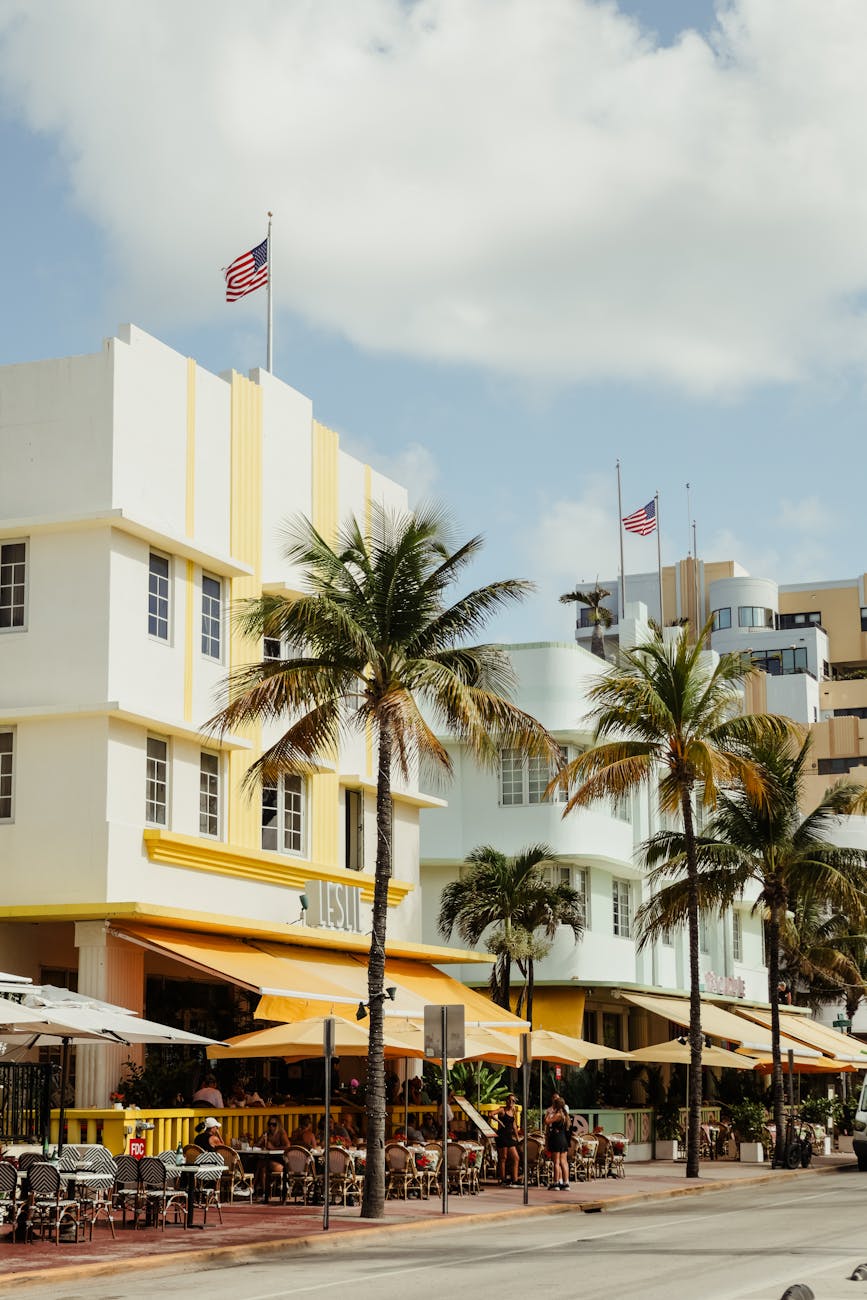
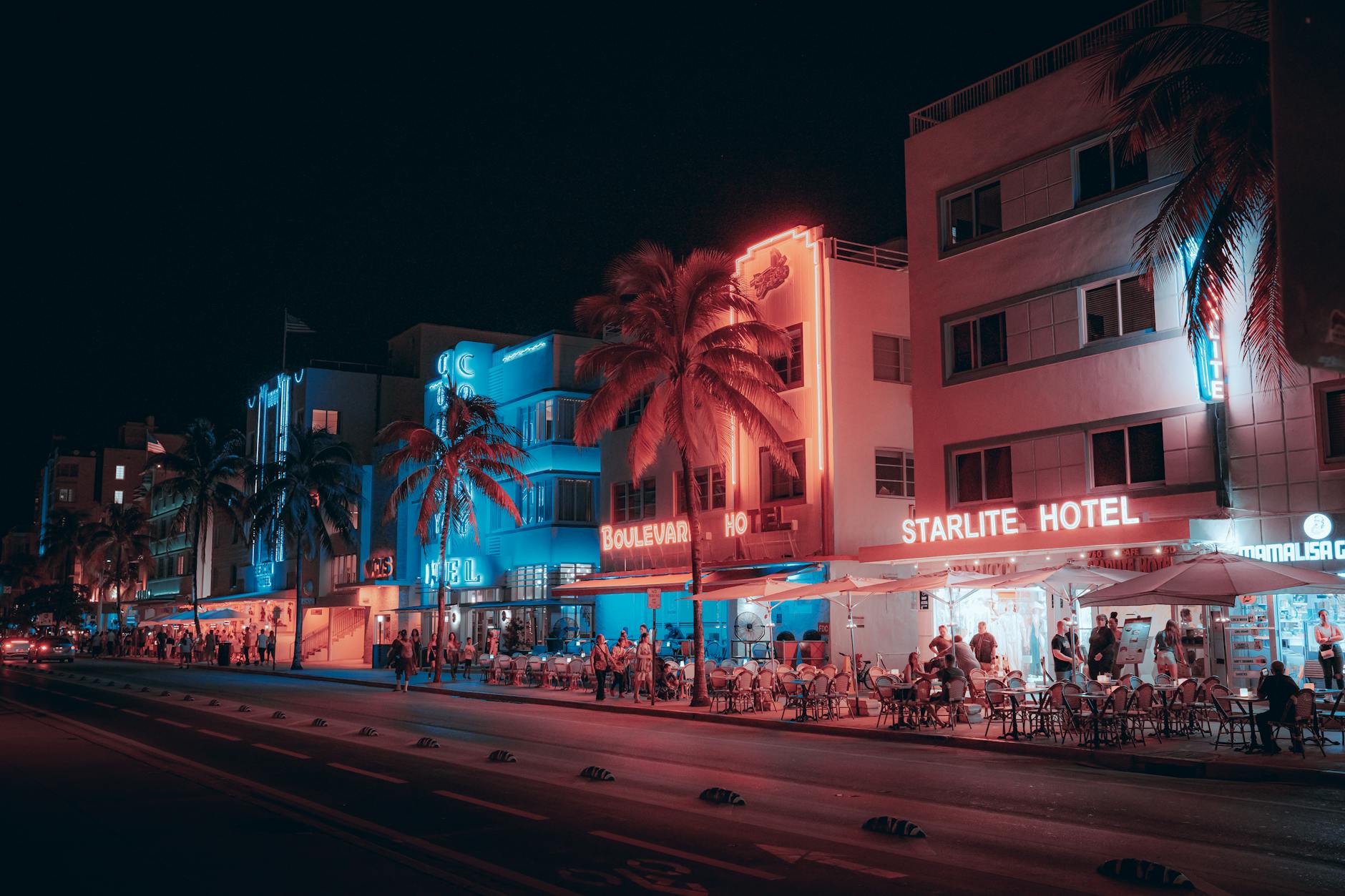
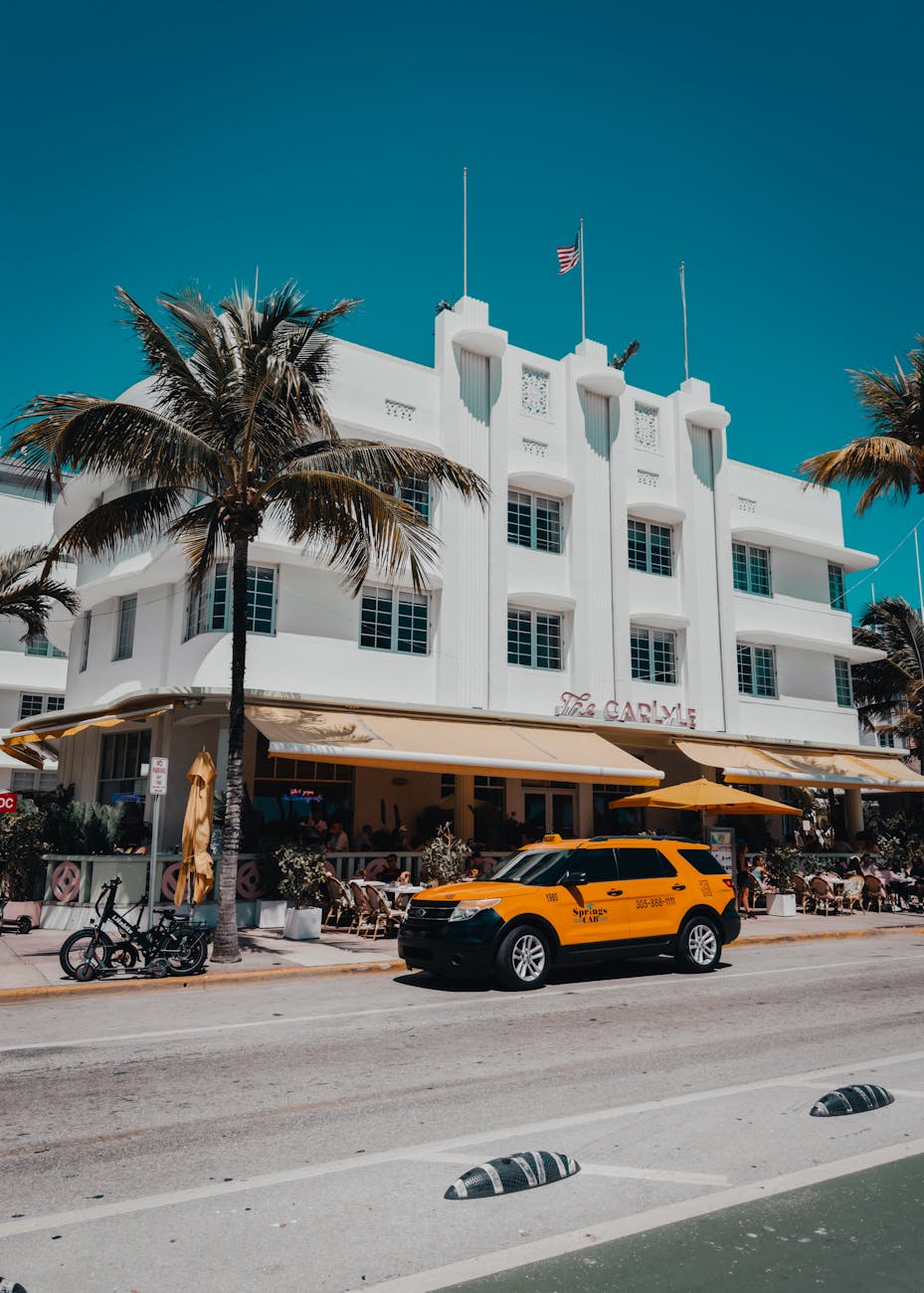
South Beach (Art Deco / Ocean Drive): Best for first-timers who want iconic beaches, easy restaurant access, and nightlife. Book away from Ocean Drive if sleep is a priority—choose side streets or Lincoln Road area hotels.
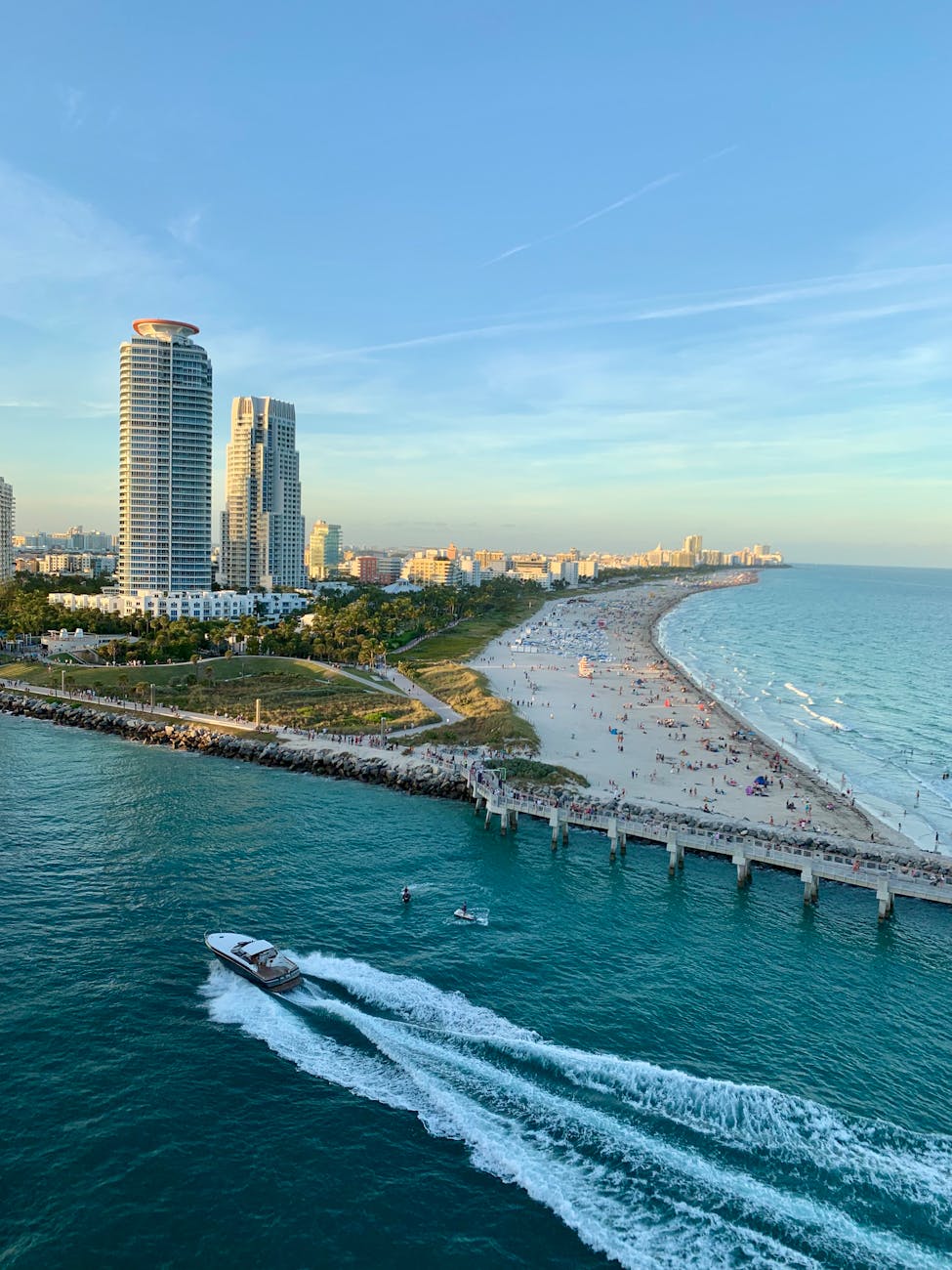
Mid‑Beach (41st–63rd Streets): Good for families and travelers who want a quieter beach and larger resorts with pools and spas. Easier access to the Miami Beach Boardwalk for long walks to South Beach.
North Beach and Normandy Isles: Budget-friendly and residential; local diners, quieter public beaches, and the North Beach Bandshell cultural calendar. Ideal for travelers who prefer a neighborhood stay and lower nightly rates.
Sunset Harbour and Flamingo Park: Walkable micro-neighborhoods with independent cafés, boutique grocers, and waterfront dining. Great for longer stays and supporting local businesses.
Booking tips:
– Check for nightly resort fees and parking charges before you book.
– If you rely on rideshares, budget more time for Friday–Sunday evenings.
– For sustainability, favor locally owned guesthouses or eco-minded hotels that publish water and energy policies.
– If following the 3-day itinerary, staying in South or Mid‑Beach reduces travel time to major sights on day 1 and 2; consider one night in a quieter area on day 3 to unwind.
Local Context
Neighborhood notes:
– South Beach (5th–23rd Streets): concentration of Art Deco hotels, Ocean Drive restaurants, and Lincoln Road shopping. High foot traffic and late-night noise are common.
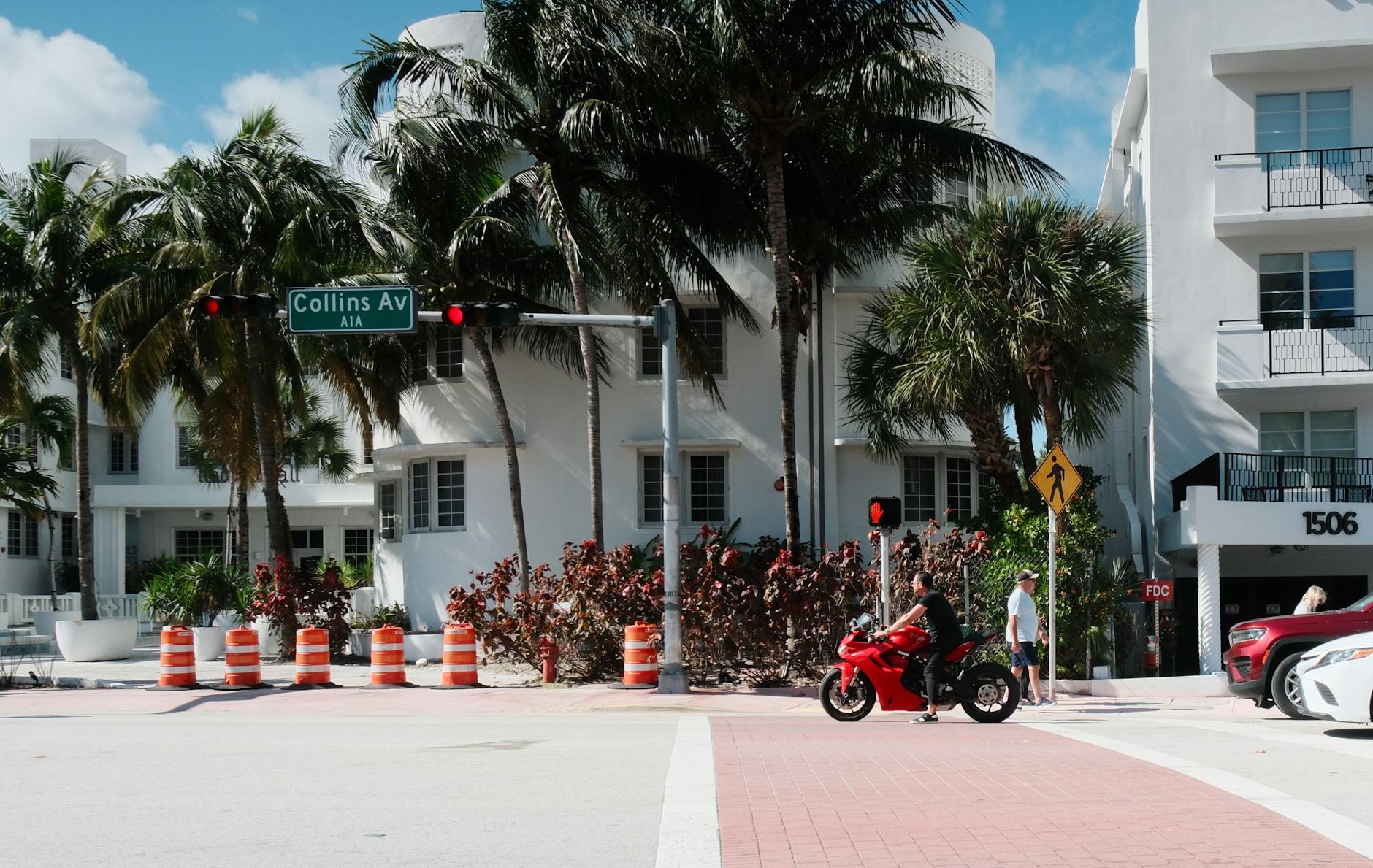
– Mid‑Beach (23rd–63rd Streets): resorts along Collins Avenue and quieter residential blocks inland. Access to the Miami Beach Boardwalk makes walking to South Beach feasible.
– North Beach (63rd+): community-oriented blocks, local bakeries, and the North Beach Bandshell programming in summer.
Seasonal patterns and crowds:
– High season: November–April (cooler, drier, higher prices).
– Shoulder months: May and October (warmer but fewer visitors, better rates).
– Busy periods to avoid if you dislike crowds: Spring Break (March), Art Basel week (early December), and holiday weeks.
Transport realities:
– Miami Beach has no heavy rail. Expect rideshares, local buses (South Beach Local), and occasional jitneys. Brightline rail connects Miami to Fort Lauderdale and West Palm Beach from Miami central stations; add a 20–40 minute car or rideshare to cross Biscayne Bay.
– Parking is expensive and limited on South Beach. Many hotels charge for parking; street meters and city lots add up.
Local etiquette and practicalities:
– Tipping: 15–20% at sit-down restaurants; $1–2 per drink at bars.
– Beach etiquette: don’t leave valuables unattended, clear trash, and avoid setting up on dune-protected areas.
– Quiet hours: residential zones observe quieter late nights—respect neighbors and guests.
How to Choose Well
Match neighborhood to traveler type:
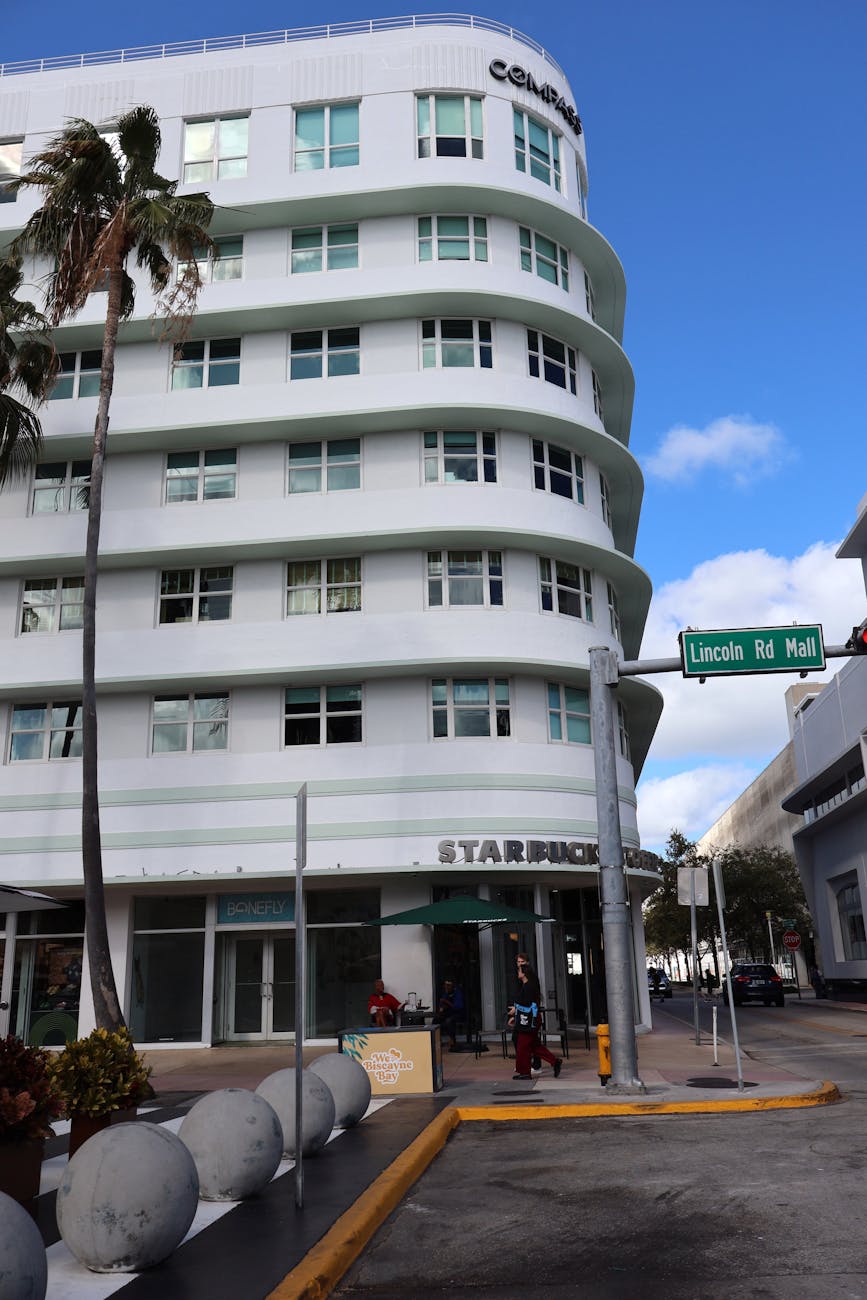
– First-timers and nightlife seekers: South Beach near Lincoln Road or Española Way.
– Families and relaxation: Mid‑Beach resorts with pools and direct beach access.
– Budget or longer stays: North Beach for apartment rentals and calmer streets.
– Food-and-cafe-focused travelers: Sunset Harbour and West Avenue for independent restaurants.
Practical booking checklist:
– Verify resort fees, taxes, and parking charges; include them in your budget.
– Read recent reviews about noise and A/C reliability—Miami humidity makes good A/C essential.
– Check exact beach access: some hotels charge for private sections or require crossing busy roads.
– Plan arrival timing: Miami International Airport (MIA) is 25–35 minutes by car in light traffic; allow more time during rush hours.
Timing and flexibility:
– Book 6–8 weeks ahead for peak season; 3–4 weeks often suffices in shoulder months.
– If you plan day trips to Miami, Fort Lauderdale, or West Palm Beach, prioritize proximity to major roads or rideshare access rather than the absolute closest beach block.
Responsible and Local-First Tips
Support local businesses and reduce impact:
- Choose locally owned hotels, guesthouses, or small B&Bs over large international chains when possible.
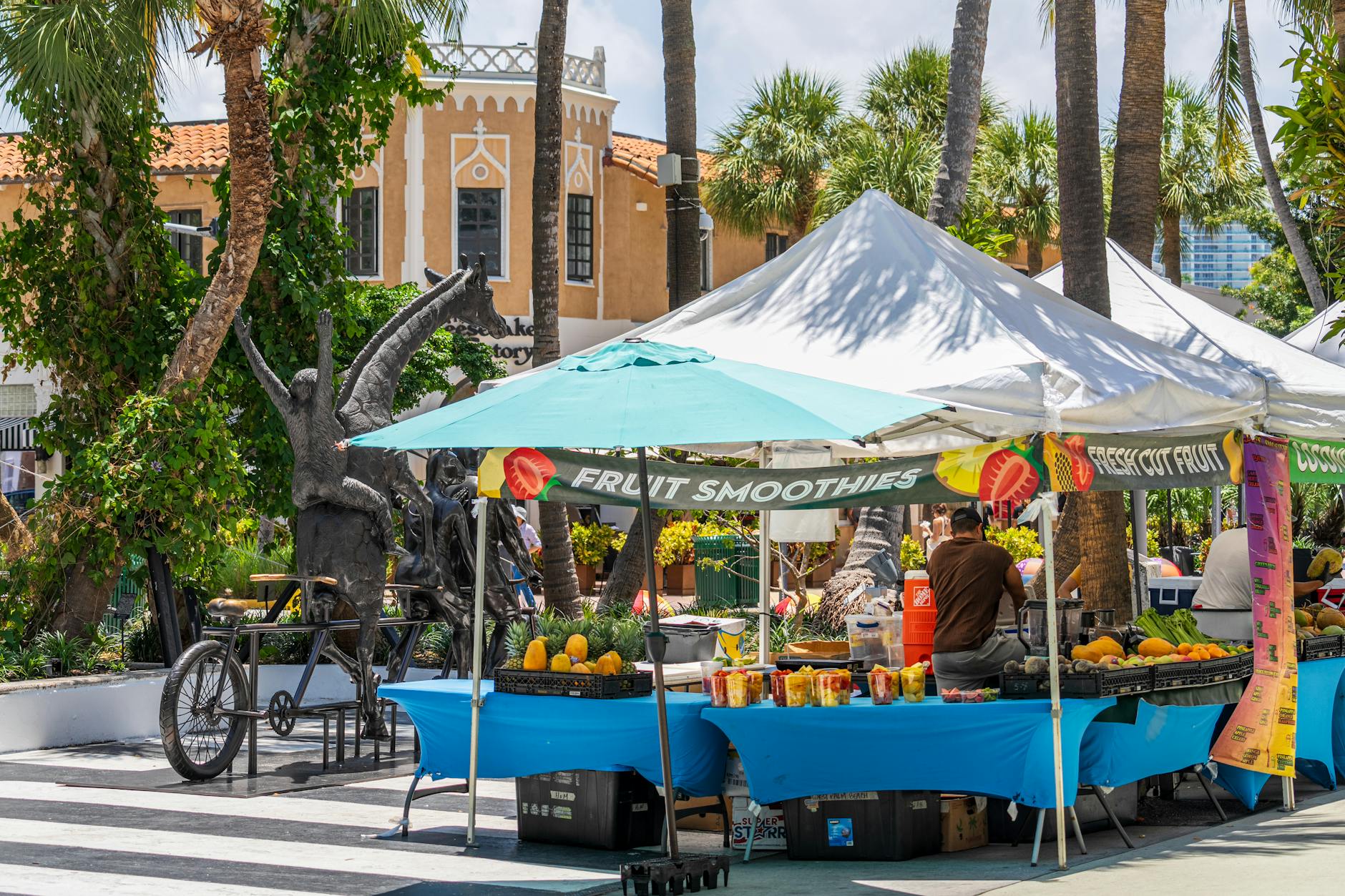
- Spend at neighborhood markets and independent restaurants—Lincoln Road vendors, Sunset Harbour Market, and local fishmongers supply community income.
- Favor low-impact transport: walk, rent a bike, or use Citi Bike Miami for short hops; avoid unnecessary car rentals on the island.
- Reduce waste: bring a reusable water bottle and ask hotels to skip daily linen changes when acceptable.
- Respect protected areas: stick to marked beach access points, avoid walking on dunes, and don’t disturb sea turtle nesting zones (seasonal signage appears spring–summer).
- Book tours and water activities with operators that follow wildlife guidelines and minimize fuel use; look for certification or clearly stated policies.
These choices help keep visitor spending in the local economy and lower your environmental footprint while staying in Miami Beach.
Common Mistakes to Avoid
Avoid these frequent errors:
- Choosing Ocean Drive front row for quiet—expect loud music and late-night crowds.
- Ignoring resort and parking fees when comparing nightly rates.
- Booking last-minute during high season—prices and availability tighten quickly.
- Underestimating distances; walking along the Boardwalk is pleasant, but crosstown trips to Wynwood or Downtown Miami require a car or rideshare.
- Assuming public transit will run late at night; plan rideshares after midnight.
- Leaving valuables unattended on the beach or in unlocked cars.
A practical rule: check total trip cost (room + fees + parking) and recent guest reviews about noise and A/C before confirming a reservation.
FAQ
Which neighborhood is best for a 3-day first visit?
South Beach is the most convenient for a short, iconic visit—close to beaches, Art Deco architecture, and Lincoln Road. For quieter evenings, split a night in Mid‑Beach.
Is Miami Beach walkable?
The barrier island is walkable along the coast and in compact neighborhoods like Lincoln Road and Sunset Harbour, but crosstown trips and visits to downtown Miami usually require a rideshare or bus.
How do I get from Miami International Airport to Miami Beach?
Rideshares and taxis are the easiest—expect 25–45 minutes depending on traffic. Public bus options are cheaper but slower. For groups, compare flat-rate airport shuttles.
Are resort fees avoidable?
Some independent hotels and guesthouses do not charge resort fees. Always check the booking fine print and consider contacting small properties directly for a transparent rate.
When is the best time to visit to avoid crowds?
May and October are good shoulder months—warm weather but fewer visitors. Avoid Spring Break weeks and holiday periods if you want lower crowds.
Are beaches safe to swim year-round?
Generally yes, but check local lifeguard flags for rip currents, and note that thunderstorms are more common in summer afternoons. Follow posted warnings and lifeguard advice.
Can I bring a car onto Miami Beach?
Yes, but parking is limited and expensive. If you plan to stay on the island and use local amenities, consider skipping a rental and relying on rideshares and bikes to minimize cost and emissions.
Conclusion
Choose a neighborhood that matches your energy level and travel goals: South Beach for the classic experience, Mid‑Beach for calmer family stays, North Beach for budget-minded travelers, and Sunset Harbour for local shopping and dining. Book with attention to resort fees, parking, and noise. Use local transport, support independent businesses, and pair your choice with the 3 days in Miami Beach itinerary for efficient sightseeing.
If you plan onward travel, consider easy extensions to nearby Miami, Fort Lauderdale, or West Palm Beach—Brightline rail and rideshares make multi-city travel practical. Thoughtful choices will reduce impact and increase benefits to the local economy during your stay.
How this guide was prepared
This guide was prepared through a structured research that combines destination research, geographic context, itinerary planning logic, and content review.