
Aguascalientes in 3 Days: Practical Itinerary and Tips
A compact, practical 3-day guide to Aguascalientes covering transport, Feria Nacional de San Marcos timing, museums, markets, food and realistic budgets.
A straight-talking 3-day plan for Aguascalientes that balances Centro sights, neighborhood markets, a museum-heavy day and a short trip for regional food and guava products.
Expect a compact, walkable downtown with clear public plazas, a modest skyline and a strong calendar of local events. First impressions are of wide tree-lined promenades in Centro and an emphasis on civic spaces rather than tourist spectacle. Streets near Plaza de la Patria and Catedral are pedestrian-friendly, while arterial roads toward Altaria and the bus terminal feel more functional and car-focused.
A common misread before arrival is thinking this will feel like nearby Guadalajara or León; the pace here is smaller and more local-run businesses than big-city nightlife. Cultural highlights concentrate in Centro and the Jardín de San Marcos area rather than spread across distant suburbs. This layout suits visitors who like city museums, easy day walking and short taxi hops rather than long transit rides.
Is 3 days in Aguascalientes enough?
Yes—three days is enough to cover Centro landmarks, key museums, Jardín de San Marcos and a short trip for regional food or parks. Expect to skip slower explorations of every museum and avoid a full agricultural-tour day to nearby towns unless an extra day is added.
Who This Guide Is For
Best for cultural short-break travelers who like museums, plazas and local markets and who prefer walking plus short taxi rides. Less suitable for travelers wanting a slow rural escape, multi-day hiking, or a low-budget overnight-only stop.
Local Tips for Aguascalientes
Practical details that most travel sites skip — specific to Aguascalientes.
- Feria Nacional de San Marcos runs across late April into early May and uses Jardín de San Marcos and Plaza de Toros Monumental; hotels and palenque tickets sell out and prices spike during fair days.
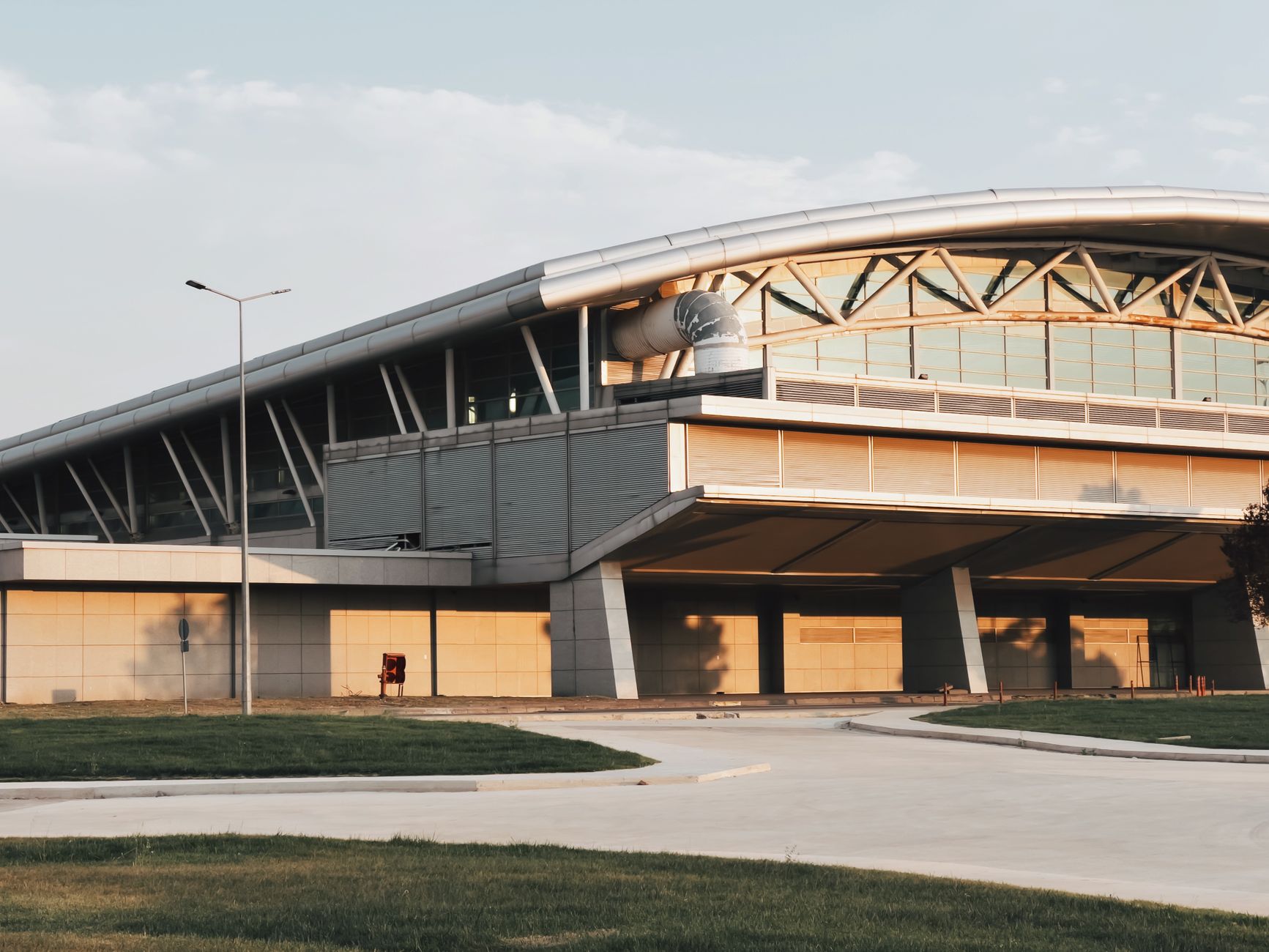
- Aeropuerto Internacional de Aguascalientes (AGU) sits about 15–25 minutes from Centro; airport taxi rates are generally MXN 200–300 while Uber/DiDi often costs MXN 150–220 to downtown.
- City buses are the backbone of local transit; a single bus fare is about MXN 12 (cash). Many smaller vendors and mercado stalls still prefer cash, so carry coins and small bills.
- Intercity buses to Guadalajara or León leave from the Central de Autobuses (Primera Plus, ETN) — Guadalajara is roughly 3 hours and León about 2 hours by modern coach.
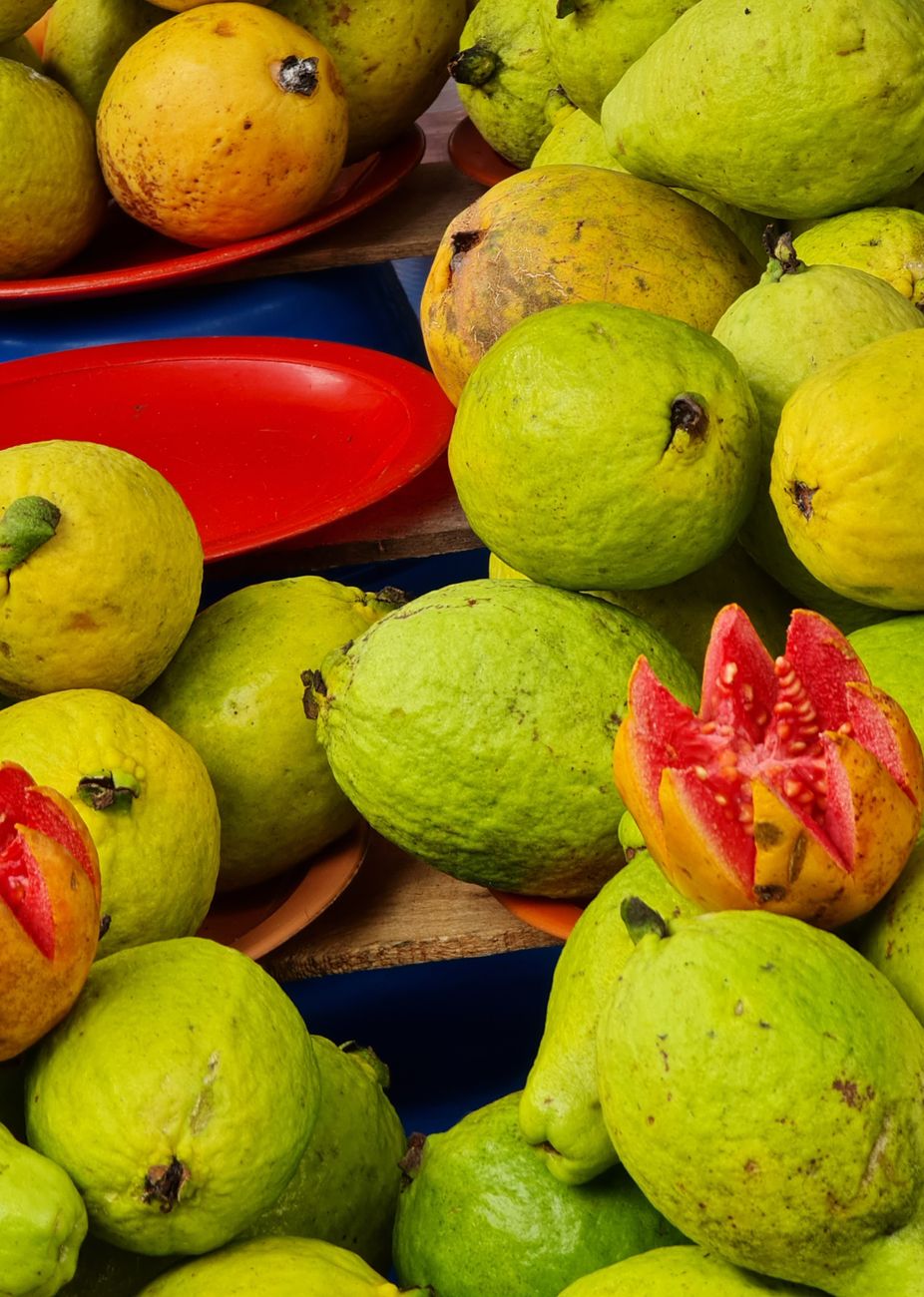
- Calvillo (about 45–60 minutes by car) is the regional guava center: buy guava preserves, cajeta and candied guava at mercados and family-run tiendas for local souvenirs.
How This Guide Was Prepared
Three days here is about measured observation rather than racing through dozens of sites. Most guides overpack itineraries and ignore everyday logistics: frequency of buses, cash habits at markets, how the Feria Nacional de San Marcos changes opening hours and hotel prices. This guide prioritizes realistic walking times, transit options, and which local routines to expect so the weekend feels manageable instead of exhausted. This guide was prepared through a structured research that combines destination research, geographic context, itinerary planning logic, and content review.
Plan Your Stay in Aguascalientes
Use this itinerary as your starting point, then compare areas to stay, transport options, seasonal timing, and realistic daily costs before booking.
Why Visit
Access to a strong event calendar is a major draw: the Feria Nacional de San Marcos is one of Mexico's longest-running fairs and transforms public space with performances, bullfights and palenque shows. Cultural museums concentrate: the Museo Nacional de la Muerte offers a focused theme and the Museo Regional de Aguascalientes explains local art and trades.
Centro's plazas and government palaces give a compact civic route that can be covered on foot with frequent stops for coffee and market snacks. The city's proximity to Calvillo makes a short half-day trip for guava products and rural markets easy from a base in town. Practical advantages include short taxi rides, a central bus terminal with reliable coaches to Guadalajara and León, and lower daytime crowds outside fair dates.
Quick Planning Tips
Fly into Aeropuerto Internacional de Aguascalientes (AGU) or arrive by Primera Plus/ETN at Central de Autobuses; both places connect to Centro by taxi or Uber in 15–25 minutes. Cash is useful: city buses take about MXN 12 per ride and many mercados and fondas are cash-only, so carry small bills and coins.
Avoid visiting during Feria week without hotel reservations; prices for mid-range rooms often double and events require separate tickets. Reserve palenque or Plaza de Toros Monumental tickets ahead of time if specific concerts or fights matter. Pack sunscreen and a light jacket: days can be warm and nights noticeably cooler.
Day 1
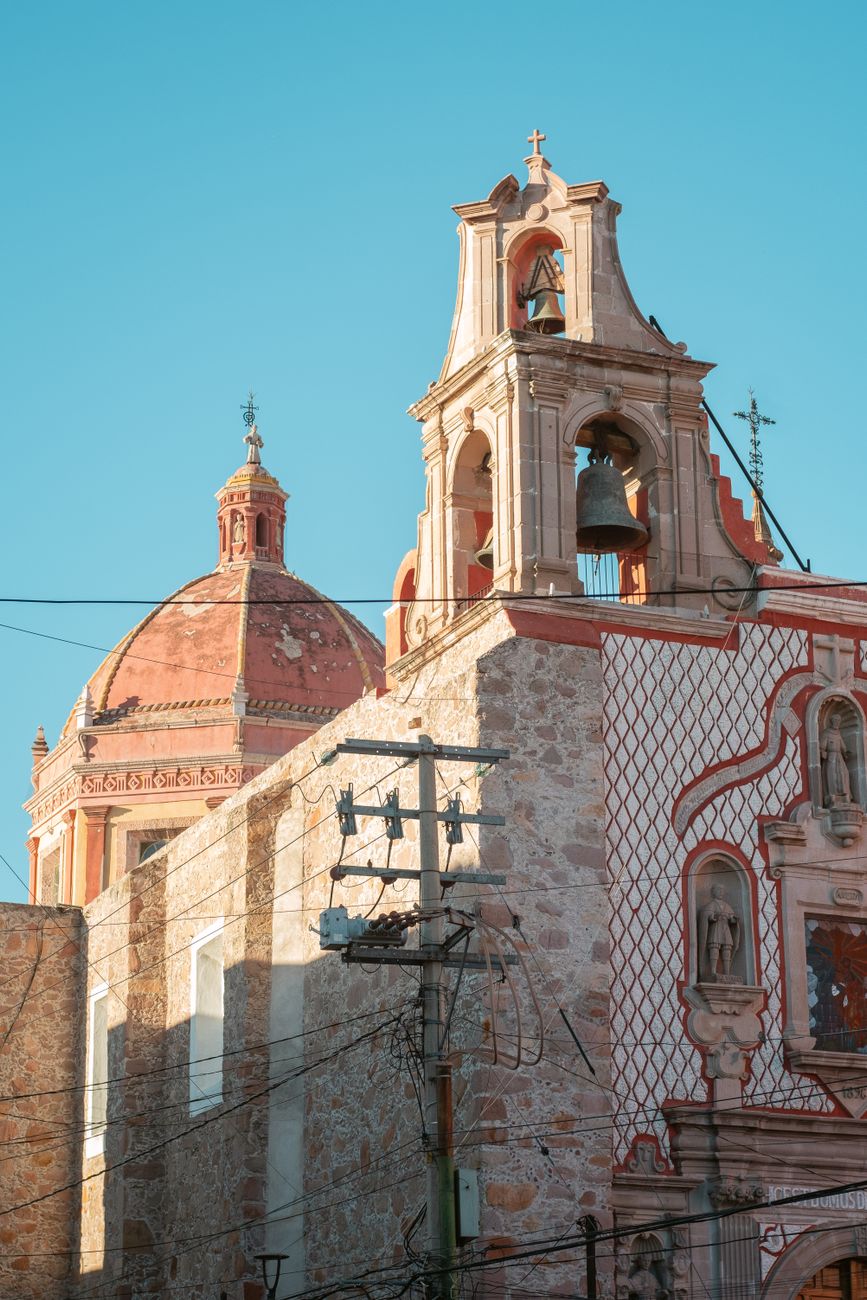
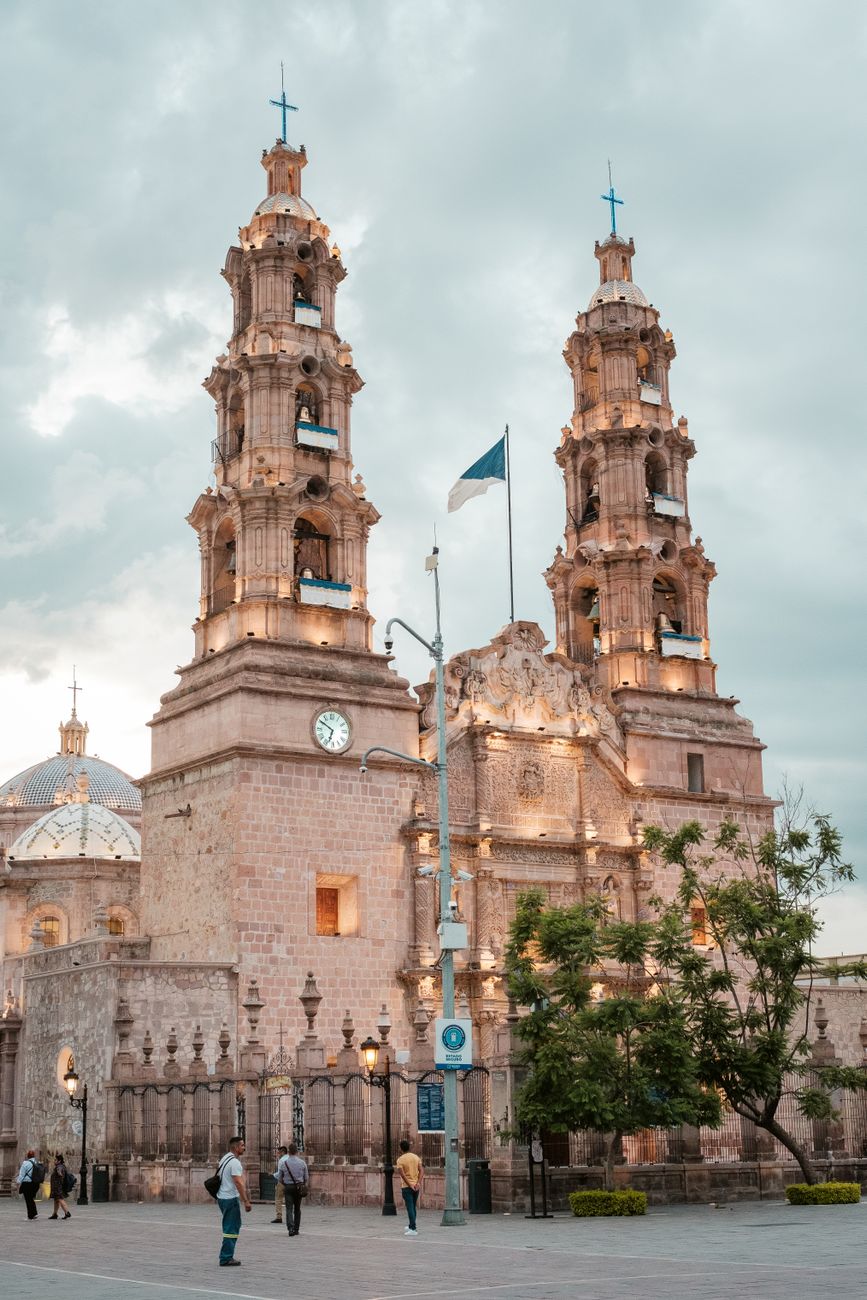
Morning: Start at Plaza de la Patria. Walk 2–5 minutes to Catedral Basílica de Nuestra Señora de la Asunción for interior and façade details; allow 30–45 minutes for both. From the cathedral, a 5–10 minute walk brings you to Museo Regional de Aguascalientes where local art and colonial-era exhibits explain the state's economy and crafts; plan 1–1.5 hours.
Lunch: Walk 5 minutes to Mercado Juárez (or the Centro market near Calle Aguascalientes) for tortas, enchiladas and aguas frescas; expect MXN 60–120 per person. Afternoon: From the market take a short taxi or 10–15 minute walk to Museo Nacional de la Muerte for a focused thematic visit about death iconography and popular culture; allow 1 hour. Next, stroll 15 minutes to Parque Tres Centurias for a relaxed riverside walk and light photography.
Transit times: all these stops are in Centro and walkable; taxis are 5–10 minutes between any two sites if tired. Dinner: Try a mid-range fonda or traditional restaurant near Calle Independencia for regional enchiladas or grilled meats (dinner MXN 150–300). Evening: End at Jardín de la Plaza or a café near Plaza de la Patria for an easy night drink and people-watching.

Day 2
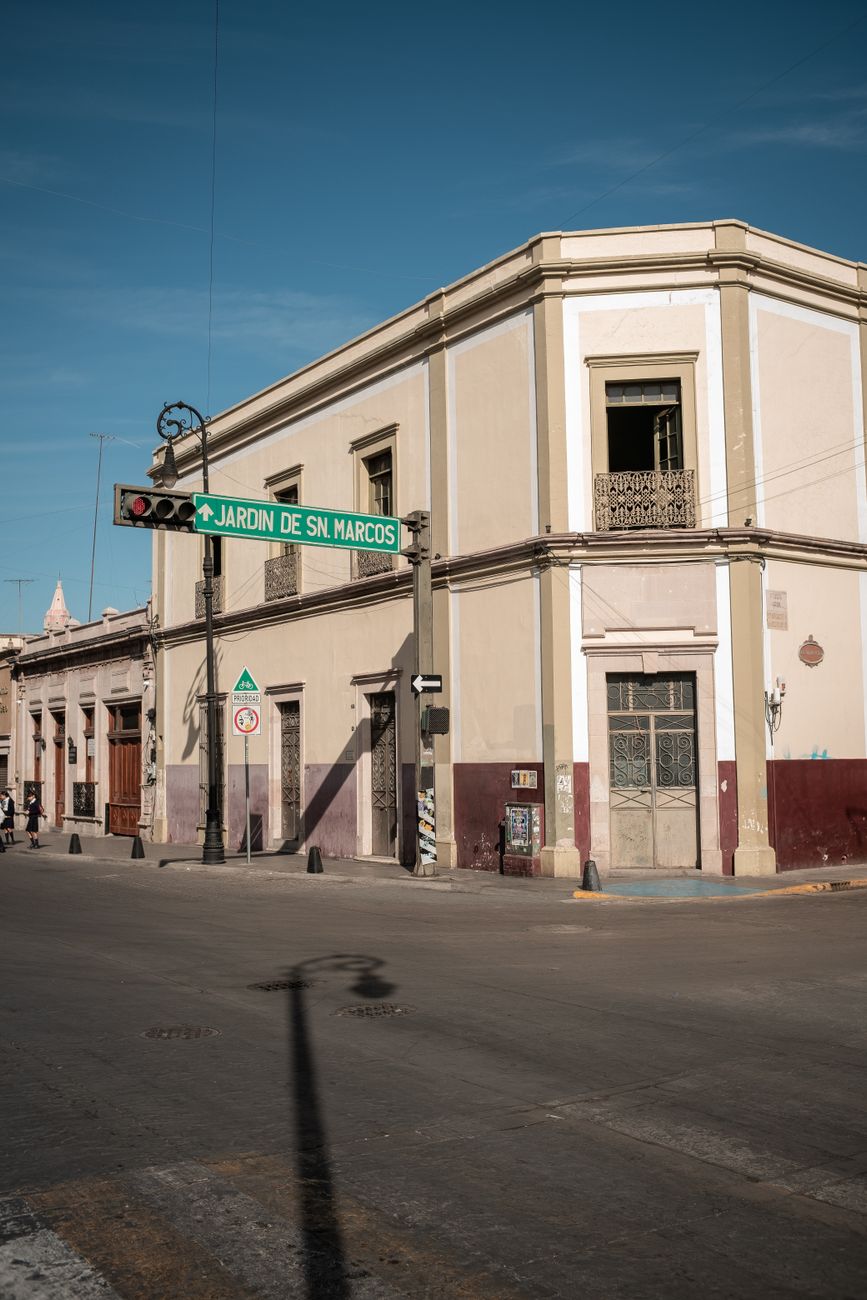
Morning: Head to Jardín de San Marcos, the square that anchors fair activity and local gatherings. From Centro it is a 15–20 minute walk or a single short taxi. Spend time in nearby streets observing stall layouts and silver or leather shops that cater to fair traffic. If timing coincides with Feria, budget for crowds and paid events such as palenque shows at the fairgrounds or ticketed bullfights at Plaza de Toros Monumental.
Lunch: Choose a sit-down spot along Avenida Independencia or a popular taquería in the San Marcos neighborhood; expect MXN 80–180 per person. Afternoon: Visit smaller cultural spaces around San Marcos, such as municipal galleries or the local Casa de la Cultura — these rotate exhibits and cultural programming; plan 1–2 hours total. Later, take a 10–15 minute taxi to Altaria Shopping Center for shopping, a modern mall contrast and a quick coffee.
Evening: Return to Centro (10–15 minutes by taxi) for a quieter dinner. If there is a concert or teatro event at the Teatro Aguascalientes, book ahead and factor ticket time into the evening plan. This day deliberately focuses on the festival and neighborhood atmosphere rather than museum-heavy sightseeing.
Day 3
Morning: Choose one of two options depending on departure plans. Option A (museum deep-dive): Return to Museo Regional or seek out the José Guadalupe Posada-related exhibits; spend 1–2 hours. Option B (short regional trip): Book a 45–60 minute taxi or colectivo to Calvillo to visit guava orchards, buy preserves and see a provincial market; allow half a day including travel.
If checking out of accommodation late morning for an afternoon flight, leave luggage at the hotel desk and take a short 30–45 minute exploratory walk through Centro shops and bakeries. Lunch: Eat at a fonda near Plaza de la Patria or pick up guava sweets in Calvillo (prices for snacks MXN 40–120).
Afternoon travel note: For flights from AGU aim to leave Centro 90 minutes before recommended airport arrival time to allow for check-in and security; taxi or Uber from Centro typically takes 15–25 minutes. If departing by intercity coach, arrive at Central de Autobuses at least 30 minutes before boarding to confirm platform and luggage.
Best Local Experiences
Feria Nacional de San Marcos — attend a daytime paseo, book palenque or Plaza de Toros Monumental events and try fair food stalls. Jardín de San Marcos — early morning and late evening are best for a calmer view of local life when stall setup or breakdown occurs. Museo Nacional de la Muerte — a focused, unique museum that treats death iconography as popular culture and is unlike typical regional museums.
Parque Tres Centurias — an accessible green stretch used for short walks and weekend family time. Central de Autobuses excursions — use Primera Plus or ETN coaches for efficient day trips to Guadalajara or León, ideal for extending the itinerary if time allows. Calvillo market — pick up guava sweets and local preserves; many small producers sell by weight. Mercado stalls in Centro — search for tortas, enchiladas and tamales at inexpensive prices and watch shopkeepers who work by the day.

Where to Stay
Centro (Centro Histórico): Suits first-time visitors who want walking access to Plaza de la Patria, Museo Regional and cathedral. Expect boutique hotels and mid-range chains; typical nightly rates MXN 700–1,500 (about USD 40–85 / EUR 35–75) for decent mid-range options.
San Marcos / Jardín de San Marcos: Good for fair attendees and those who want neighborhood life and local bars. Rooms near the Jardín are convenient for evening events but get noisy during the fair; expect MXN 800–1,800 per night (USD 45–100 / EUR 40–95).
Near Central de Autobuses / Altaria: Practical for late arrivals or onward bus travel. Hotels here skew business-friendly and often cheaper for single travelers; expect MXN 600–1,200 (USD 35–65 / EUR 30–60). For budget travelers, small guesthouses and shared-room hostels in Centro can be found under MXN 400–600 but check reviews and inclusion of air conditioning during hotter months.
Food and Drink
Enchiladas Aguascalientes style — a regional take on enchiladas offered at local fondas in Centro; typically corn tortillas rolled with chicken or cheese and topped with salsa, price MXN 60–120 at a mercado stand. Tacos al pastor — available at street taquerías around Plaza de la Patria; expect MXN 15–30 per taco. Guava sweets from Calvillo — candied guava, preserves and cajeta-based confections sold in markets and specialty shops; small jars or packages MXN 80–250 depending on size.
Pozole and regional soups — find at traditional lunch spots near Mercado Juárez for MXN 70–130. Coffee and pan dulce breakfast — bakeries around Calle Independencia and nearby plazas sell coffee and pastries for MXN 40–90, a practical morning option. For dinner at a sit-down mid-range restaurant look for grilled meats or regional specialties with prices MXN 150–300 per person. Beer and mezcal are widely available; local craft beers appear in some bars but the strongest culinary draw remains market food and guava products.
Getting Around
No metro or light rail exists; city movement relies on buses, taxis and ride-hail services. City buses run many routes across Centro and towards suburbs with a single fare around MXN 12; carry cash. Intercity coaches use Central de Autobuses with Primera Plus and ETN serving Guadalajara, León and San Luis Potosí.
Ride-hailing apps Uber and DiDi operate and are useful for late-night travel when bus frequency drops. Typical airport taxi cost MXN 200–300; Uber/DiDi often undercuts that. Use Google Maps or Moovit to check bus routes and arrival times; taxis can be flagged through apps or by hotel staff. Bicycle use is possible around park zones like Parque Tres Centurias, but dedicated city bike systems are limited and short taxi hops are often faster.
Best Time to Visit
Spring (March–May) delivers warm, dry days and is the most popular season because Feria Nacional de San Marcos usually occurs in late April–early May. Expect daytime highs in the mid-20s to low-30s °C and cool nights. Summer (June–August) brings higher humidity and afternoon thunderstorms; highs often reach the low to mid-30s °C and visibility can be reduced for outdoor plans.
Autumn (September–November) cools down with fewer tourists and often lower prices; daytime highs in the low to mid-20s °C and comfortable evenings. Winter (December–February) is dry and cooler with nights near 5–10 °C and daytime highs around 18–22 °C. For best value and pleasant walking weather pick March or late October–November, and avoid Feria week if on a strict budget.
Budget and Practical Tips
Sample daily budget (midrange): Accommodation MXN 900–1,500 (USD 50–85 / EUR 45–75), Food MXN 200–400 (USD 12–22 / EUR 10–20), Transport MXN 70–150 (buses and short taxis) (USD 4–8 / EUR 3.5–7), Entry fees and incidentals MXN 100–400 (USD 6–22 / EUR 5–20). Budget travelers can aim for MXN 700–1,000 per day; splurgers for hotels and private transfers should budget MXN 2,000+.
Tipping norms: 10–15% in sit-down restaurants if service is not included; round up taxi fares or add a few pesos for assistance with luggage. ATMs are widely available in Centro and at the airport; avoid street exchangers. Carry small bills for mercados and buses, and confirm card acceptance before ordering at smaller eateries.
FAQ
Is Aguascalientes safe for solo travelers?
Central areas and tourist routes are generally safe during daytime; use normal precautions at night, avoid poorly lit side streets and prefer taxis or ride-hailing after 22:00.
How do I get from AGU airport to Centro?
Airport taxi is the simplest option (MXN 200–300); Uber/DiDi usually costs MXN 150–220 and takes 15–25 minutes depending on traffic.
Are buses easy to use for visitors?
Yes, but buses require cash (single fare ~MXN 12); use Google Maps or Moovit for route planning and expect reduced frequency late at night.
Is a city card or tourist pass worth buying?
There is no widely used all-in-one tourist card; individual museum tickets are inexpensive so a pass rarely pays off for a short 3-day stay.
What should be avoided during Feria Nacional de San Marcos?
Avoid last-minute hotel booking and expect heavy traffic near Jardín de San Marcos; plan extra time for short trips and pre-buy concert or palenque tickets.
Can day trips to Guadalajara or León be done from here?
Yes—Primera Plus and ETN coaches run regularly from Central de Autobuses; Guadalajara takes about 3 hours and León around 2 hours on modern coaches.
Are markets open on Sundays?
Major markets in Centro operate on Sundays but smaller shops may close or have reduced hours; Feria activity changes normal schedules during fair weeks.
How much should I tip taxi drivers?
There is no strict rule; rounding up or adding MXN 10–30 for longer rides is customary, more for assistance with luggage.
Conclusion
A focused three-day visit will be remembered for civic plazas, museum visits and the atmosphere around Jardín de San Marcos if timing aligns. Prioritize Plaza de la Patria, Museo Nacional de la Muerte and a mercado lunch for a representative short trip. If time is tight, choose either a morning museum loop and an afternoon spent buying guava products in Calvillo; that mix captures both urban culture and the region's most distinctive edible souvenir.
How this guide was prepared
This guide was prepared through a structured research that combines destination research, geographic context, itinerary planning logic, and content review.