
3 Days in Guayaquil: A Charming Port-City Itinerary
Make the most of 3 days in Guayaquil: Malecón 2000, Cerro Santa Ana, Parque Histórico, seafood, markets and smart transit tips for a weekend escape.
A focused, practical 72-hour itinerary that balances riverside sights, colonial streets, wildlife and the best seafood. Ideal for first-timers and short-stop travelers.
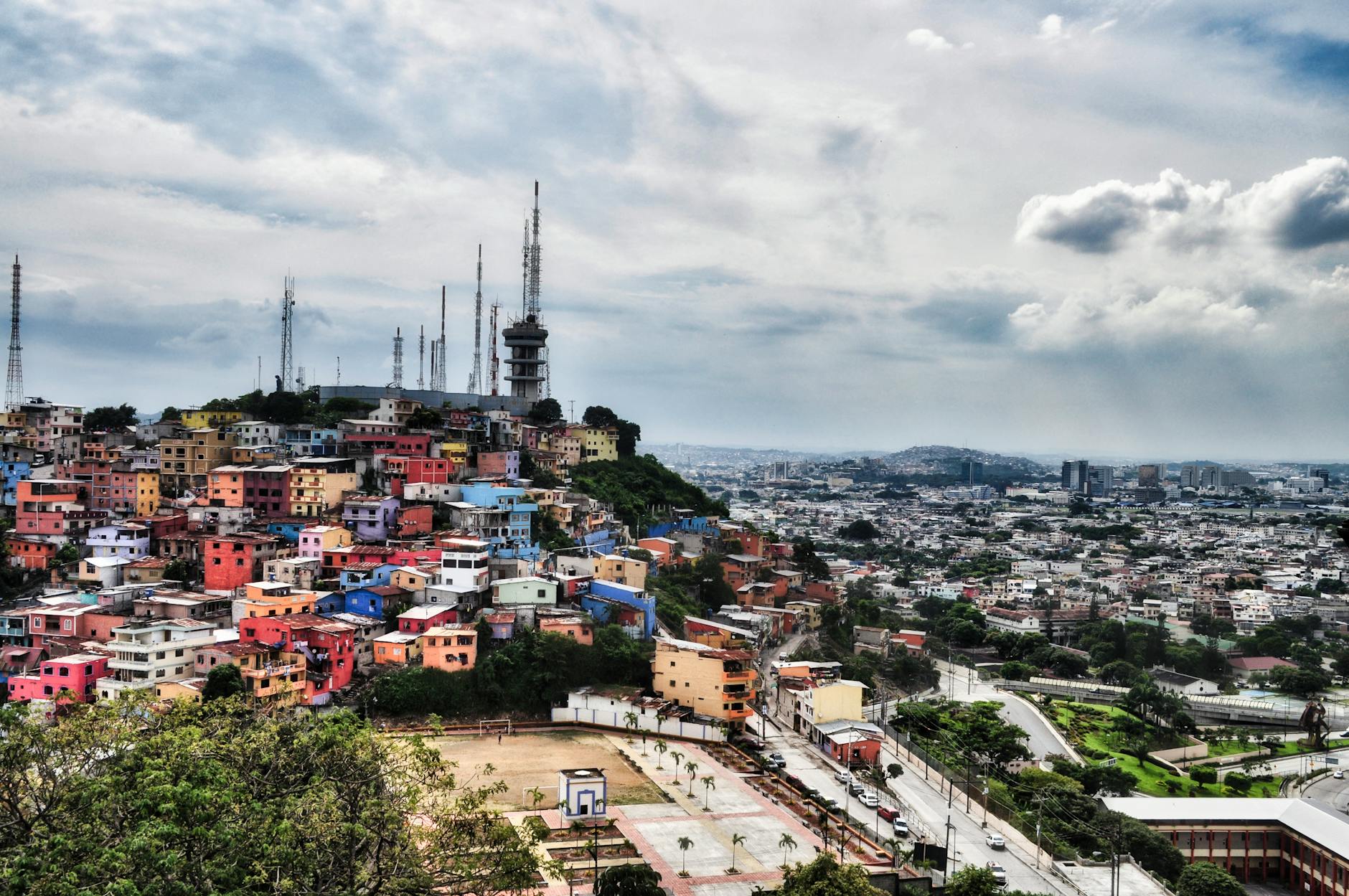
A lively Pacific port with a warm, tropical pulse, this city blends modern riverside promenades with a colorful colonial hill and genuine street life. It suits food lovers, photographers, short-stop travelers heading to the Galápagos or anyone after a vibrant weekend city break. Three days is ideal: you can stroll Malecón 2000, climb Cerro Santa Ana and explore Las Peñas, fit a museum and a nature-focused half-day at Parque Histórico or Isla Santay, and still leave time for late-night seafood and market browsing. This guide gives a tight, transit-friendly plan with neighborhood tips, meals, and safety notes.
Quick Answer
A focused, practical 72-hour itinerary that balances riverside sights, colonial streets, wildlife and the best seafood. Ideal for first-timers and short-stop travelers.
Who This Guide Is For
This guide is best for first-time visitors, couples, solo travelers, and anyone planning 3-day city break, weekend getaway, cultural in Guayaquil with a balance of highlights, local character, and reasonable spending.
How This Guide Was Prepared
This guide was prepared through a structured editorial workflow that combines destination research, geographic context, itinerary planning logic, and practical travel review.
Plan Your Stay in Guayaquil
Use this itinerary as your starting point, then compare areas to stay, transport options, seasonal timing, and realistic daily costs before booking.
Why Visit
Riverside renewal meets old-world charm: a restored waterfront, public art, lively markets and a compact historic hill with galleries and cafés. The city is a major culinary gateway for Ecuadorian seafood and coastal dishes.
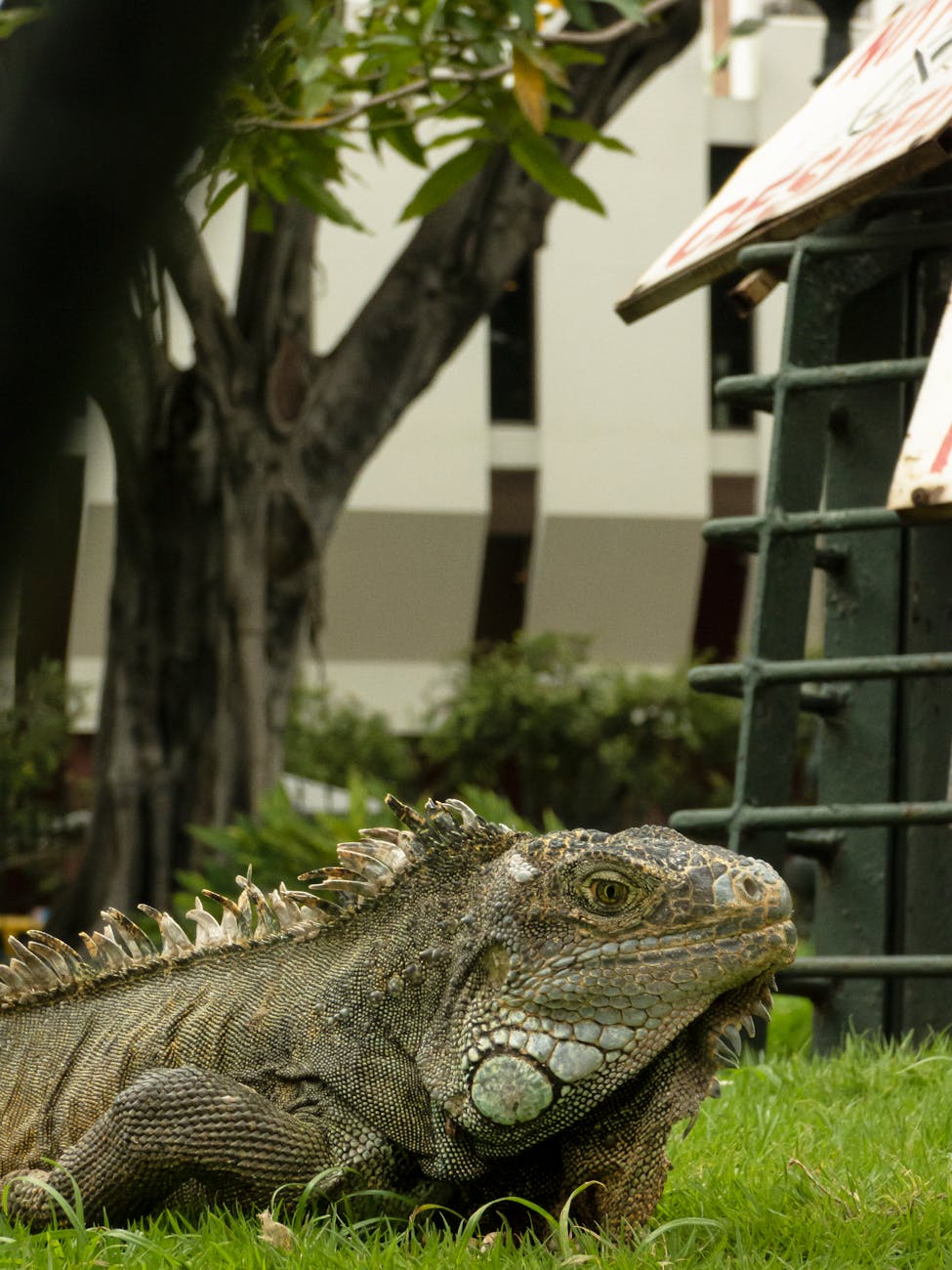
Highlights include accessible museums, playful iguanas in Parque Seminario, and easy day trips to mangroves or nearby islands. It’s a practical base for longer Ecuador travel while offering a distinct coastal vibe that differs from Ecuador’s highland capitals.
Quick Planning Tips
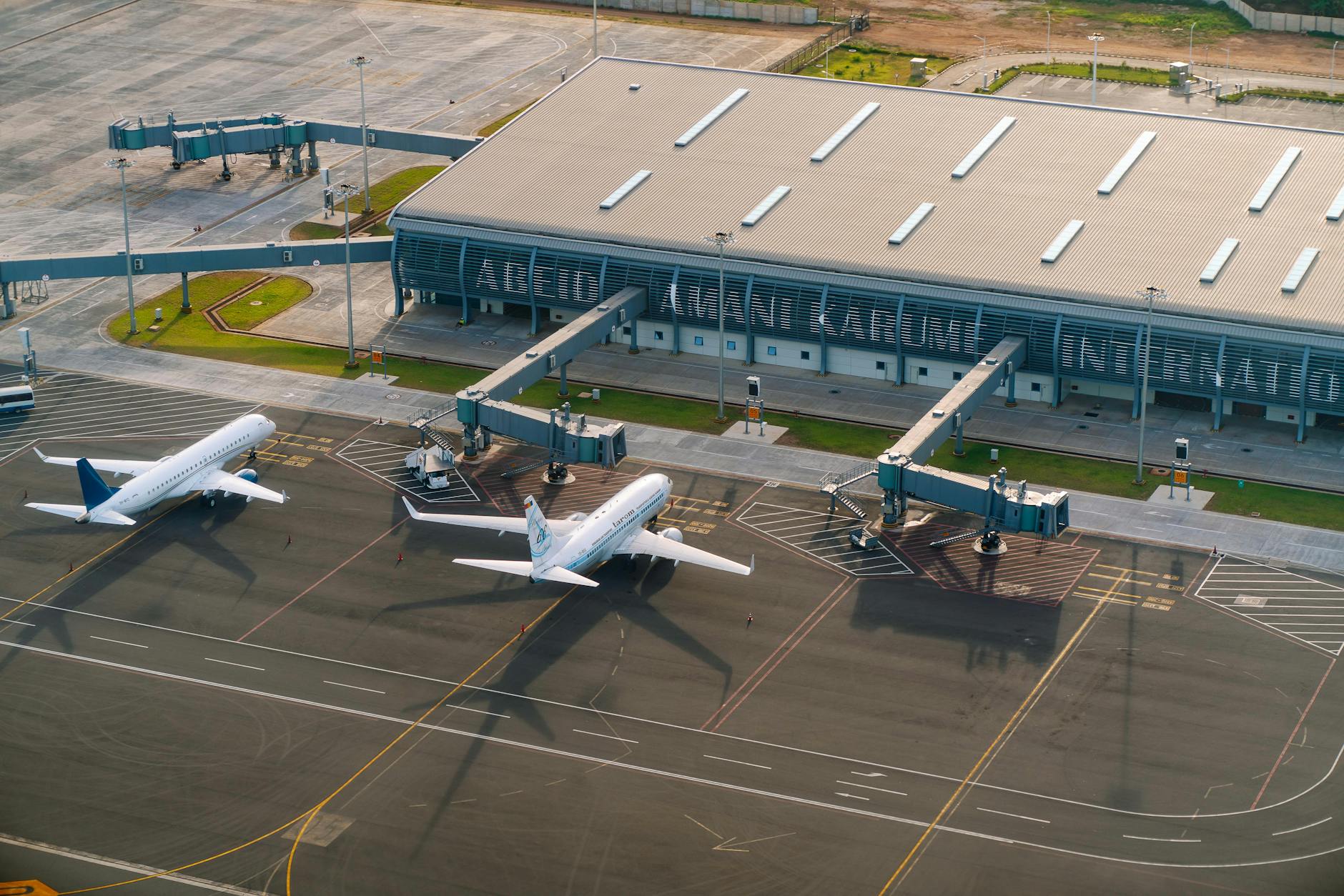
Fly into José Joaquín de Olmedo International Airport; it’s a short taxi ride to the Malecón. Ecuador uses the US dollar—carry small bills for markets. Spanish is dominant; basic phrases open doors.
Use sunscreen and a light rain shell; coastal humidity is high. Download a local taxi app (Uber and Cabify operate here) and learn the Metrovía BRT routes for budget travel. Keep valuables discreet near busy markets and at night stick to well-lit streets.
Day 1
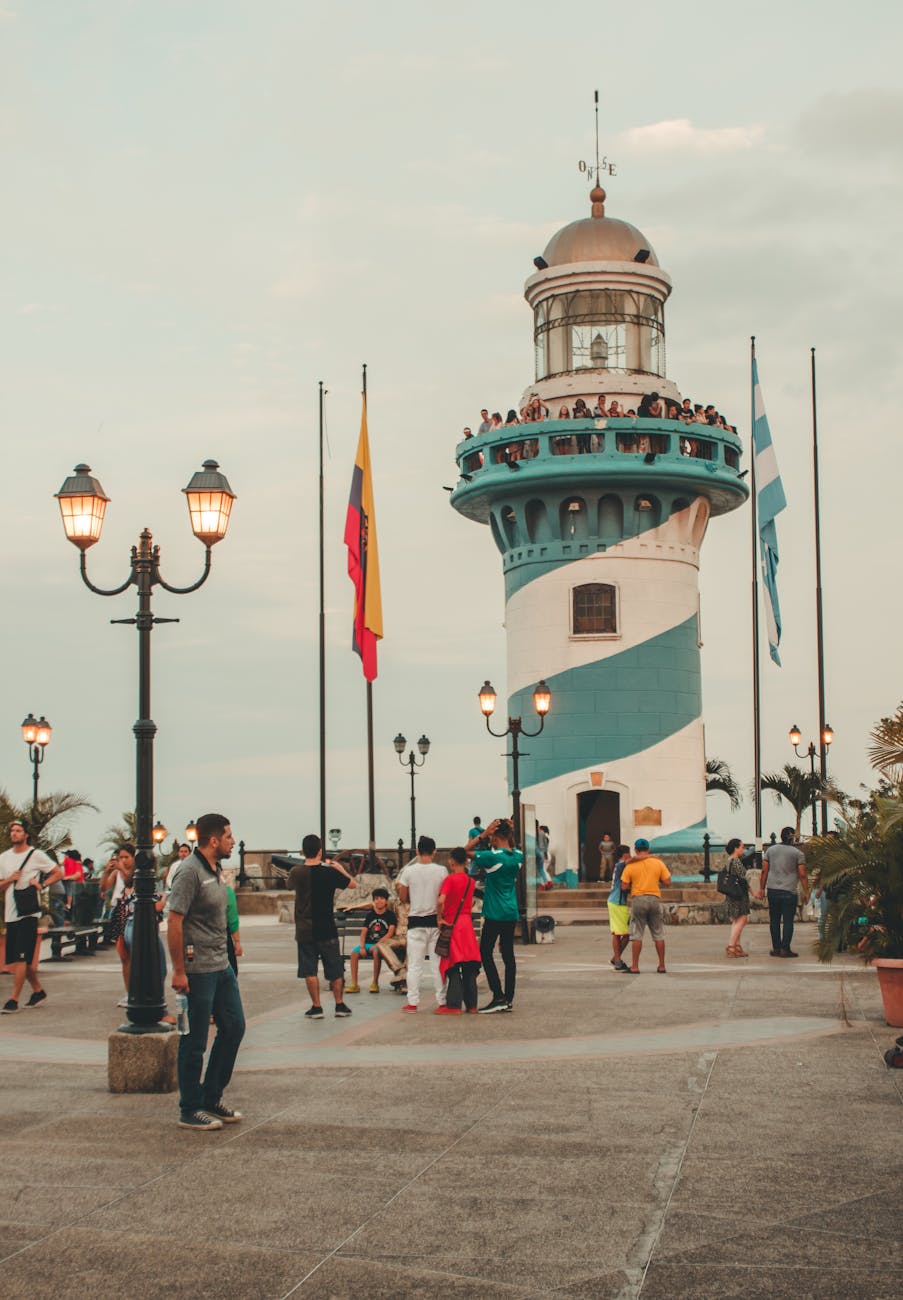
Morning: Start at Malecón 2000—walk the riverfront, see monuments and gardens, then cross to Parque Seminario to meet the iguanas and visit the Catedral Metropolitana.
Lunch: Try a seafood ceviche or encebollado at a popular riverside cevichería.
Afternoon: Climb Cerro Santa Ana’s 444 steps for panoramic views, explore the colorful houses of Las Peñas, pop into small galleries and the Museo Nahim Isaías if open.
Evening: Return to the Malecón for an alfresco dinner; consider a rooftop bar in Puerto Santa Ana for night views.
Day 2
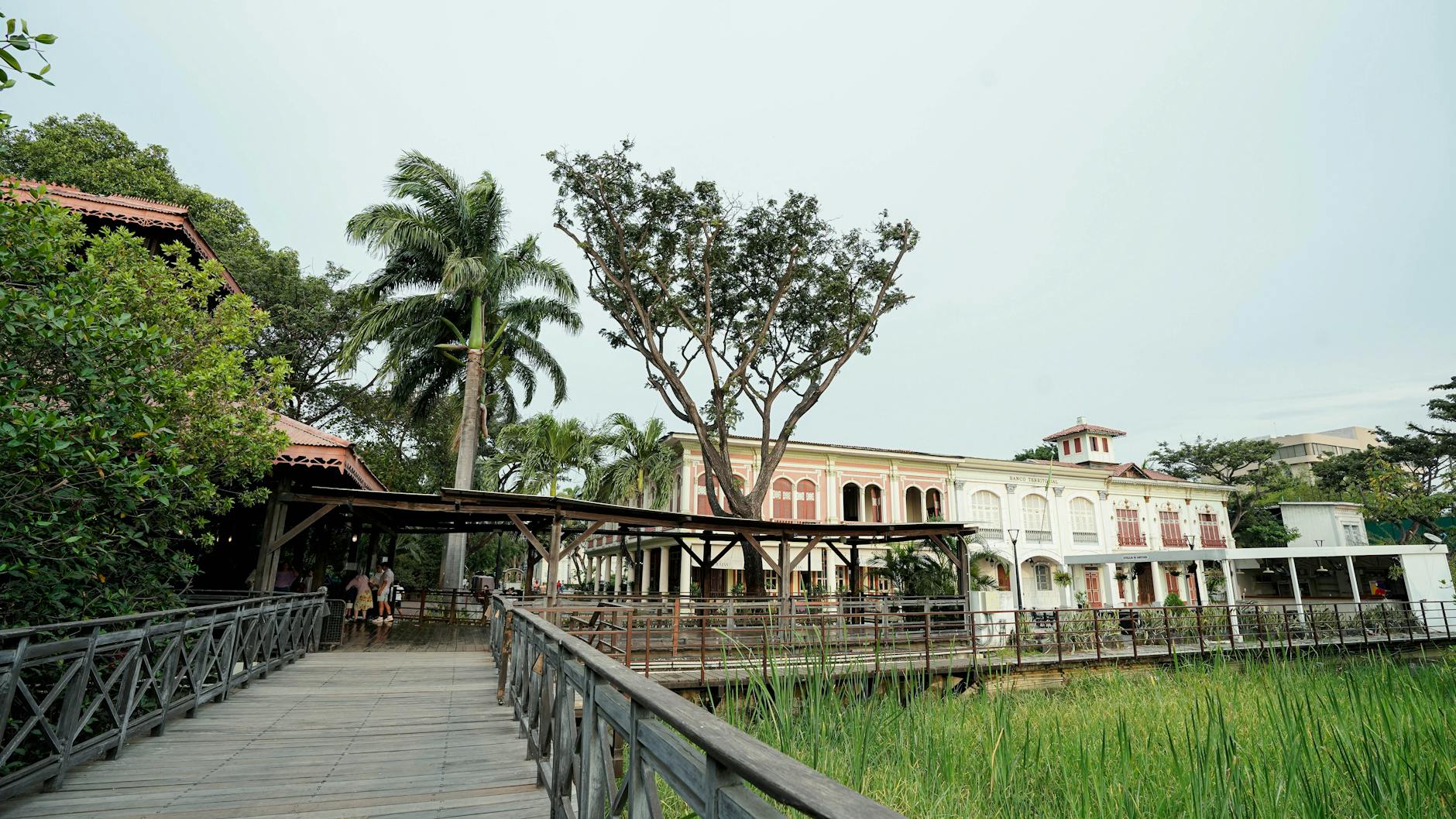
Morning: Take a half-day to Parque Histórico Guayaquil — a mix of restored haciendas, wildlife enclosures and local cultural exhibits. It’s great for photos and a nature break inside city limits.
Lunch: Head to Urdesa or Las Peñas for traditional dishes—try bolón de verde for a quick, local meal.
Afternoon: Visit the MAAC for contemporary Ecuadorian art and stroll the Malecón again for different light. Optional: short boat to Isla Santay for cycling and mangrove scenery.
Evening: Sample more coastal cuisine—look for restaurants offering typical menu del día for value and freshness.
Day 3
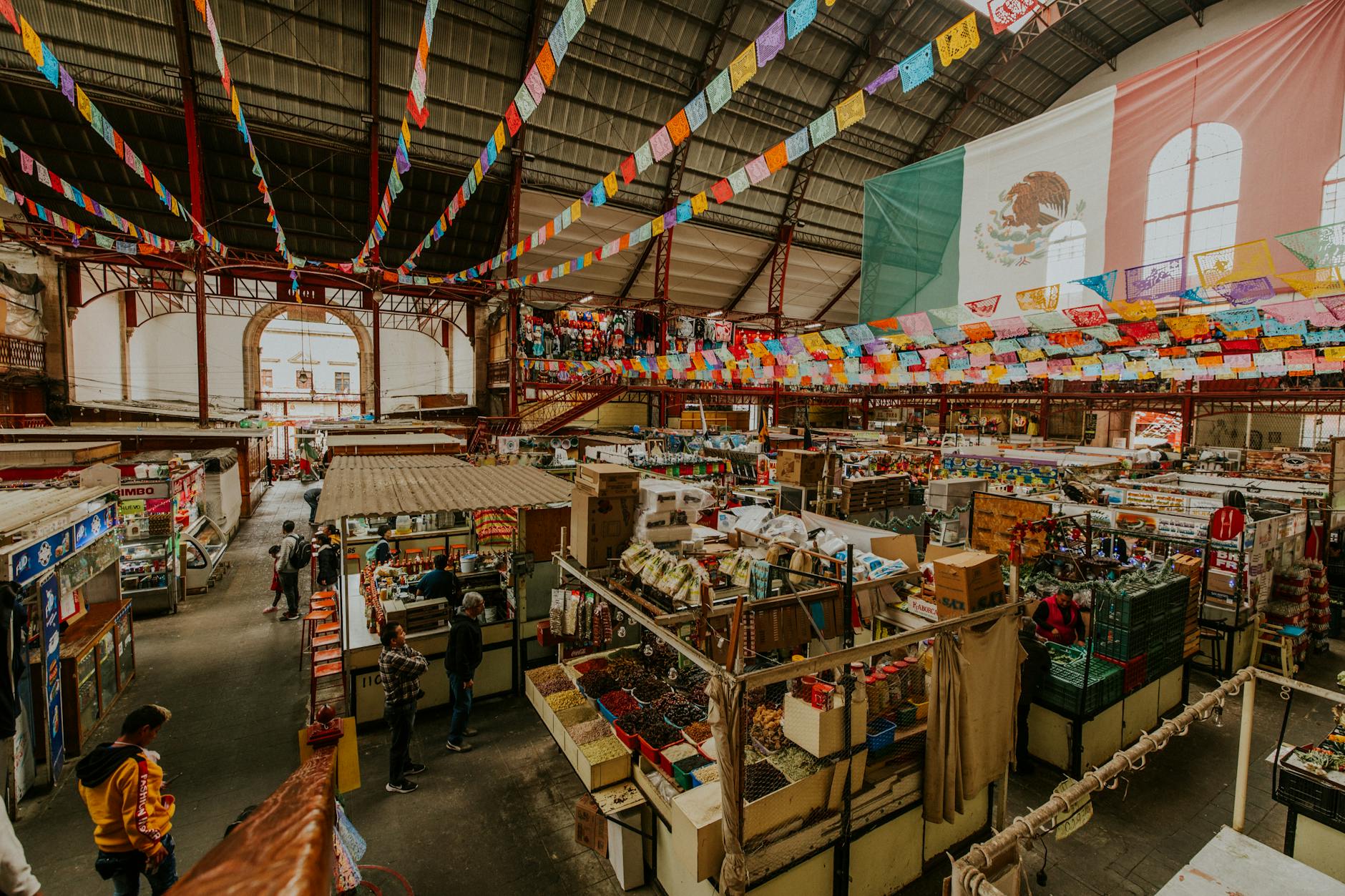
Morning: Explore a local market—Mercado Artesanal or Mercado Sur—for souvenirs, fresh fruit and street snacks. Try local juices and small plates.
Late morning: Visit the Museo Antropológico y de Arte Contemporáneo (MAAC) if you missed it, or relax in Parque Centenario.
Afternoon: Cross to Samborondón for a contrast: modern shops and upscale dining, or linger in Urdesa for cafes and bakeries.
Evening: Finish with a sunset cruise on the Guayas River or a final seafood dinner on the Malecón. Pack for a final walk under the lit bridges.
Best Local Experiences
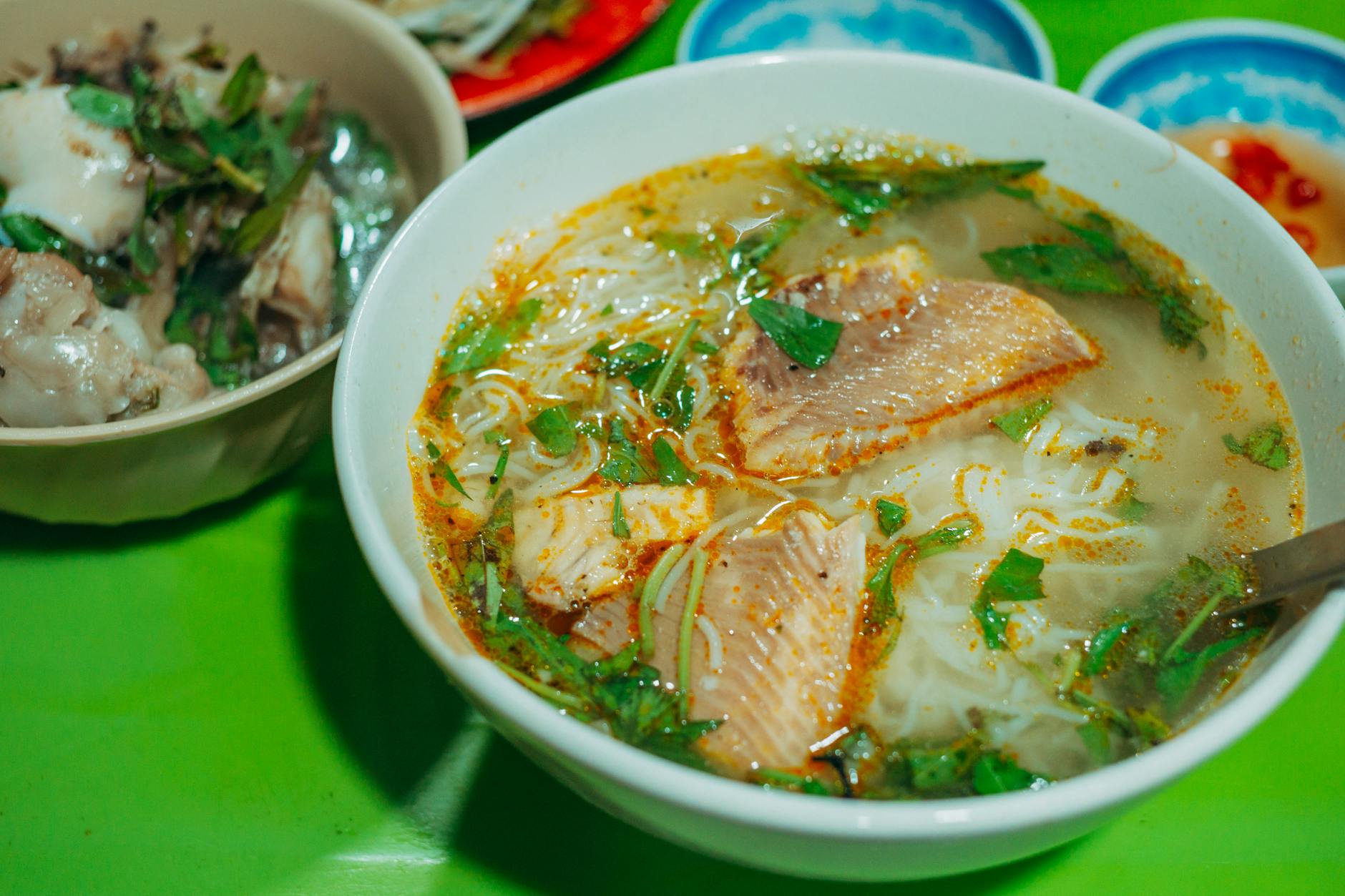
Taste encebollado for breakfast—a hearty fish soup locals love. Follow that with a ceviche crawl along the Malecón or in Las Peñas.
Climb Cerro Santa Ana at golden hour for photography. Visit Parque Seminario to see iguanas up close and chat with vendors in Las Peñas.
For nature, bike or hike Isla Santay. For nightlife, try live music venues around Puerto Santa Ana and Urdesa. If timing allows, catch a fútbol match for lively local atmosphere.
Where to Stay
Malecón / Puerto Santa Ana: Best for riverside views, easy walking to main attractions and evening dining.
Las Peñas: Charming boutique stays and immediate access to Cerro Santa Ana and galleries.
Urdesa: Good mid-range neighborhood with cafes, bakeries and nightlife.
Samborondón: Upscale hotels and gated communities for families or those wanting quieter, luxurious options.
Book near the Malecón for the most efficient use of three days.
Food and Drink
Must-eats: ceviche, encebollado, bolón de verde and other coastal specialties. Try grilled fish, shrimp dishes and plantain-based snacks. Street vendors and markets offer excellent, inexpensive bites.
Restaurants: Seek out family-run cevicherías on the Malecón and boutique spots in Las Peñas. For a splurge, choose a waterfront seafood restaurant at sunset.
Drinks: Fresh fruit juices, local craft beer and coffee are widely available. Ask for recommendations—locals point to the best stalls.
Getting Around
The city center is compact and walkable along the waterfront. Use Metrovía BRT buses for longer city rides; they’re inexpensive and reliable. Taxis and ride-hailing apps (Uber, Cabify) are convenient—confirm fares or use the app meter.
From the airport it’s a 20–30 minute drive to downtown in normal traffic. If visiting Isla Santay or outlying reserves, book a guided transfer or arrange with your hotel.
Best Time to Visit
Choose the drier months (roughly June to November) for more sun and lower humidity. Coastal weather is warm year-round but can be rainy and humid during the wet season (typically January–April).
Shoulder months offer fewer crowds and good prices. Avoid heavy rain periods if you plan outdoor excursions to mangroves or island trips.
Budget and Practical Tips
Currency: US dollar—carry small bills for market vendors. ATMs are common; credit cards are accepted at larger restaurants.
Tipping: Around 10% in restaurants is typical; check if service is included.
Safety: Use common-sense precautions—avoid poorly lit areas after dark, secure belongings in busy markets and use hotel safes for passports. Stay hydrated and wear sunscreen.
Connectivity: Buy a local SIM or use hotel Wi-Fi. Learn basic Spanish phrases for smoother interactions.
FAQ
Is Guayaquil safe for tourists?
Most visits are trouble-free if you use normal precautions: stay in busy areas at night, secure valuables, and use reputable taxis.
How do I get from the airport to the Malecón?
Taxis and ride-share apps take 20–30 minutes; agree a fare or use the app to avoid confusion.
Do they use US dollars?
Yes, Ecuador’s official currency is the US dollar—carry small bills for markets.
Can I visit the Galápagos from here?
Flights to the Galápagos depart mainly from Quito and Guayaquil; you can connect from here via local airlines.
What should I eat first?
Start with encebollado for breakfast and a ceviche for lunch—both are local specialties.
Is English widely spoken?
Spanish is dominant; hotel staff and some guides speak English, but basic Spanish helps.
Conclusion
Three days provides a balanced taste of the waterfront, colonial hill, museums and nearby nature without rushing. Prioritize a morning on the Malecón, a Cerro Santa Ana climb, a nature half-day at Parque Histórico or Isla Santay and plenty of seafood stops. With smart transit choices, a short stay yields memorable photos, flavors and neighborhood discoveries—perfect for a weekend break or a short Ecuadorian coastal immersion.
How this guide was prepared
This guide was prepared through a structured research that combines destination research, geographic context, itinerary planning logic, and content review.