
Practical 3-Day Guide to Havana: Where to Go and What to Skip
A no-nonsense 3-day plan for Havana with realistic timings, transport notes, prices and mistakes to avoid for a tight weekend visit.
Three days in Havana can deliver Old Havana sights, Vedado nightlife, and a coastal walk along the Malecón — if travel logistics and slower local services are factored into the schedule.
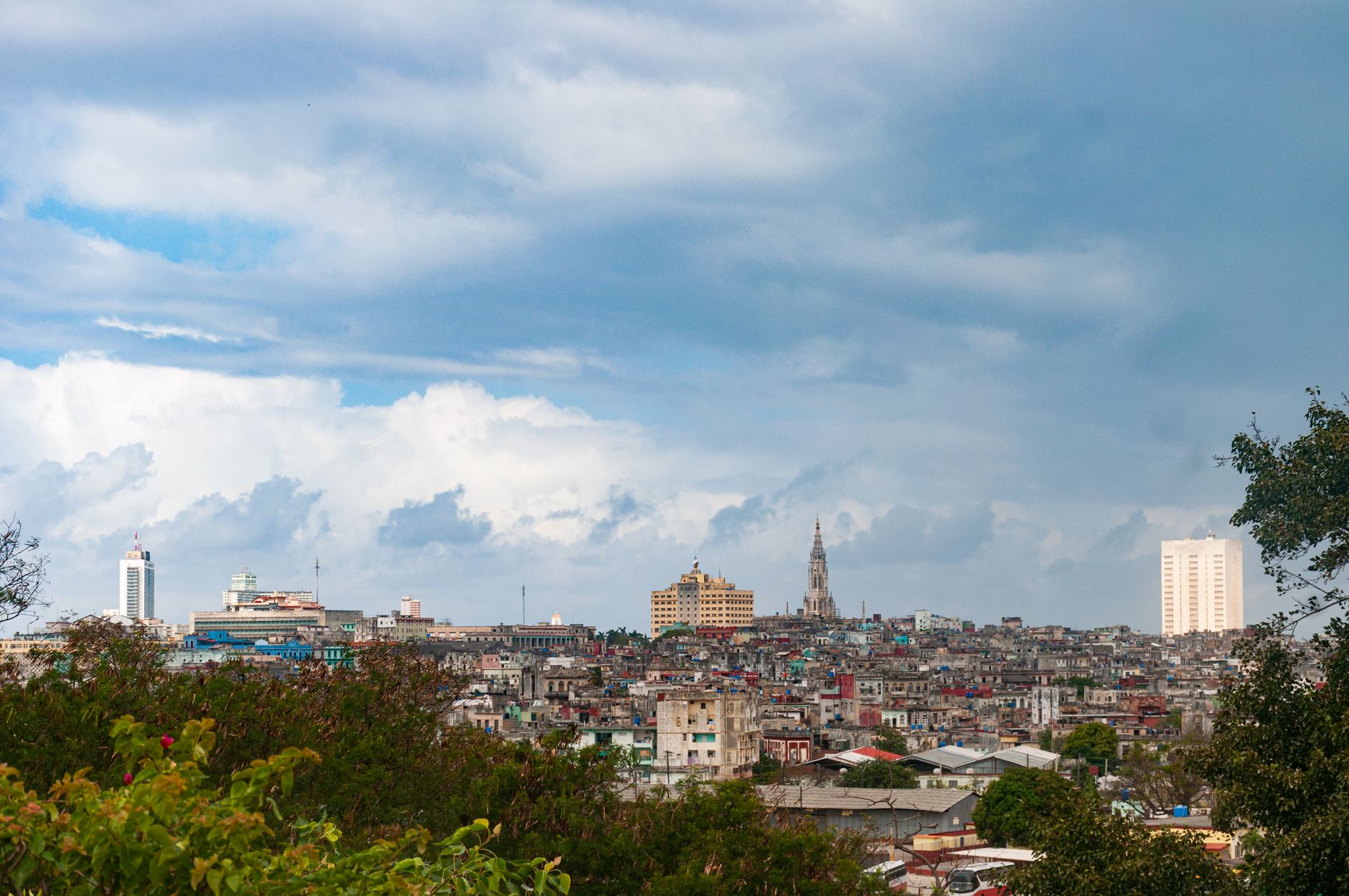
First impressions are a mix: weathered colonial buildings, constant road noise from classic cars, and a public life that happens on the street. Pace is slow compared with other capitals; bureaucratic services and shops often take longer and close earlier than expected.
Expect a blend of restored plazas alongside blocks still in repair. That means great photo moments and occasional disappointment when a museum or café is closed without notice.
This environment suits travellers who accept improvisation, enjoy street-level photography, want music and nightlife, and can manage basic Spanish or a patient translator app. It is less suitable for those who need precise timetables or card-based payments.
Is 3 days in Havana enough?
Three days are enough to see Old Havana’s main squares, walk the Malecón, visit a major museum, and experience Vedado nightlife. Expect to skip more offbeat museums and longer day trips unless willing to sacrifice time or start very early.
Who This Guide Is For
Best for travellers who want concentrated cultural and street-life experiences, who can manage some basic Spanish or patient bargaining, and who are comfortable with cash-based logistics. Poor fit for travellers expecting fast, card-friendly modern city services or strict timetables.
Local Tips for Havana
Practical details that most travel sites skip — specific to Havana.
- Buy Nauta internet cards at ETECSA oficinas (for example Oficina Central on Calle Monte). A 1-hour Nauta login usually costs about 1–2 USD equivalent; keep the paper login for re-use in public Wi‑Fi zones.
- Fábrica de Arte Cubano (Calle 26, Vedado) often charges an entrance fee in cash — typically 5–10 USD — and opens late (after 9pm), so plan nights around its schedule rather than daytime museum hours.
- Use oficinal Cubataxi or prearranged hotel taxis for airport runs; a fixed-rate taxi from José Martí Airport to Old Havana normally costs around 20–35 USD depending on vehicle and luggage.
- Take an almendrón (shared classic car) only for short trips and always agree the price up front; common routes include Vedado–Habana Vieja along the Malecón and between 23rd Avenue in Vedado and the Prado.
- Book Viazul intercity bus tickets online or at the Viazul desk (Terminal de Ómnibus Nacionales) at least 24–48 hours in advance — day-of tickets often sell out toward Varadero and other beach destinations.
How This Guide Was Prepared
This guide focuses on realistic pacing in Havana: slower services, cash logistics, and neighbourhood-by-neighbourhood days rather than an overambitious checklist. Many guides pack too many museums into Old Havana or assume reliable card payments; this one prioritizes what’s actually reachable on foot or by short taxi rides and flags where time and money are likely to be lost. This guide was prepared through a structured research that combines destination research, geographic context, itinerary planning logic, and content review.
Plan Your Stay in Havana
Use this itinerary as your starting point, then compare areas to stay, transport options, seasonal timing, and realistic daily costs before booking.
Why Visit
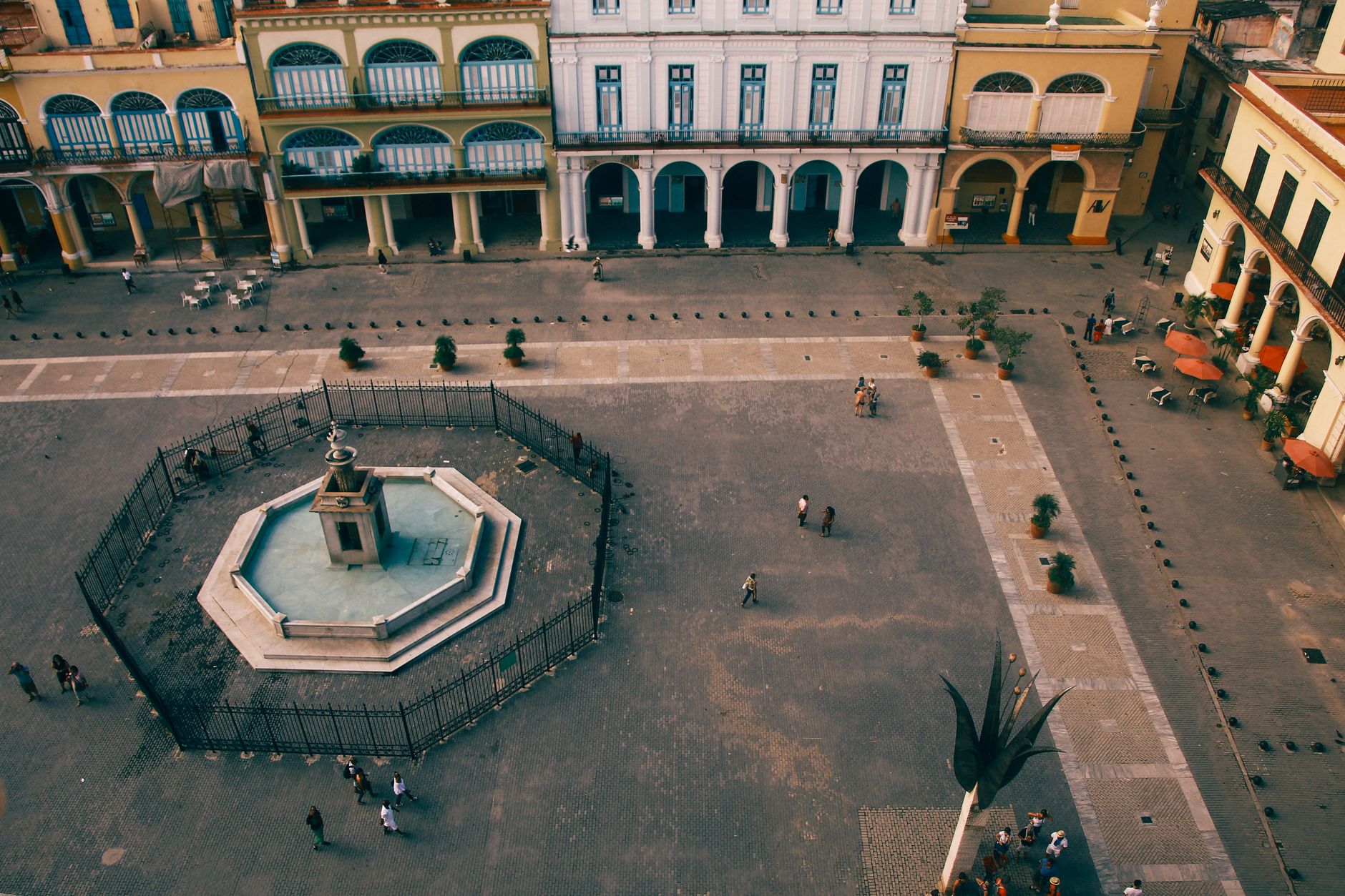
Historic squares in Old Havana — Plaza Vieja, Plaza de la Catedral and Plaza de Armas — offer compact walking itineraries with colonial architecture and open-air cafes. Expect street musicians and antique shops concentrated within easy walking distance.
The seawall called the Malecón provides a long, free public walk that shows everyday life, fishermen, and classic cars; an early-morning or late-evening walk avoids daytime heat. The view is local life rather than curated beachfronts.
Modern cultural life is focused in Vedado: Fábrica de Arte Cubano on Calle 26 and live music venues near 23rd Avenue deliver late-night programming. These spots show contemporary Cuban arts and nightlife, different from the historic center.
Finally, Hemingway-related sites — Finca Vigía (Casa Museo) and El Floridita — provide literary and cocktail history that many visitors prioritize, all reachable with short taxi rides from central neighbourhoods.

Quick Planning Tips
Fly into José Martí International Airport (HAV) and budget 30–60 minutes to get through immigration and a further 20–45 minutes to central neighbourhoods by taxi depending on traffic. Use official airport taxis or prebook a transfer rather than relying on walk-up offers that lack clear pricing.
Bring cash in euros or Canadian dollars to change at CADECA kiosks; many businesses do not accept foreign cards and ATMs are unreliable. Buy ETECSA Nauta internet cards at official ETECSA offices or at hotel reception to log into public Wi‑Fi hotspots.
Avoid planning tight, multi-site days that depend on public transport times; instead group activities by neighbourhood (Old Havana, Vedado, Miramar). Reserve evening shows like Tropicana at least two days ahead to secure seats and confirm performance nights.

Day 1
Morning: Start in Old Havana at Plaza de Armas. Allow 45–75 minutes for the plaza, book stalls and the San Francisco de Paula building nearby. Walk 5–10 minutes to Plaza de la Catedral to inspect the cathedral façade and nearby coffee stands.
Late morning: Walk along Calle Obispo toward Plaza Vieja (5–12 minutes). Plaza Vieja has restored colonial buildings, craft shops and cafes; plan 45–75 minutes for a relaxed visit and a simple street-side lunch at El Patio (within the square) or a paladar on Obispo where a full meal runs about 8–15 USD.
Afternoon: Walk 10–20 minutes to El Capitolio and take photos outside; the National Museum of Fine Arts is a 10–15 minute taxi ride if museum time is preferred. Allocate 1–2 hours for either option, accounting for possible entry lines.
Evening: Dinner at Doña Eutimia in Plaza de la Catedral for classic ropa vieja or fish (main courses around 8–15 USD). After dinner, walk (10–20 minutes) to a rooftop bar such as the one at Hotel Ambos Mundos for a view of Old Havana and live music if available.
Day 2
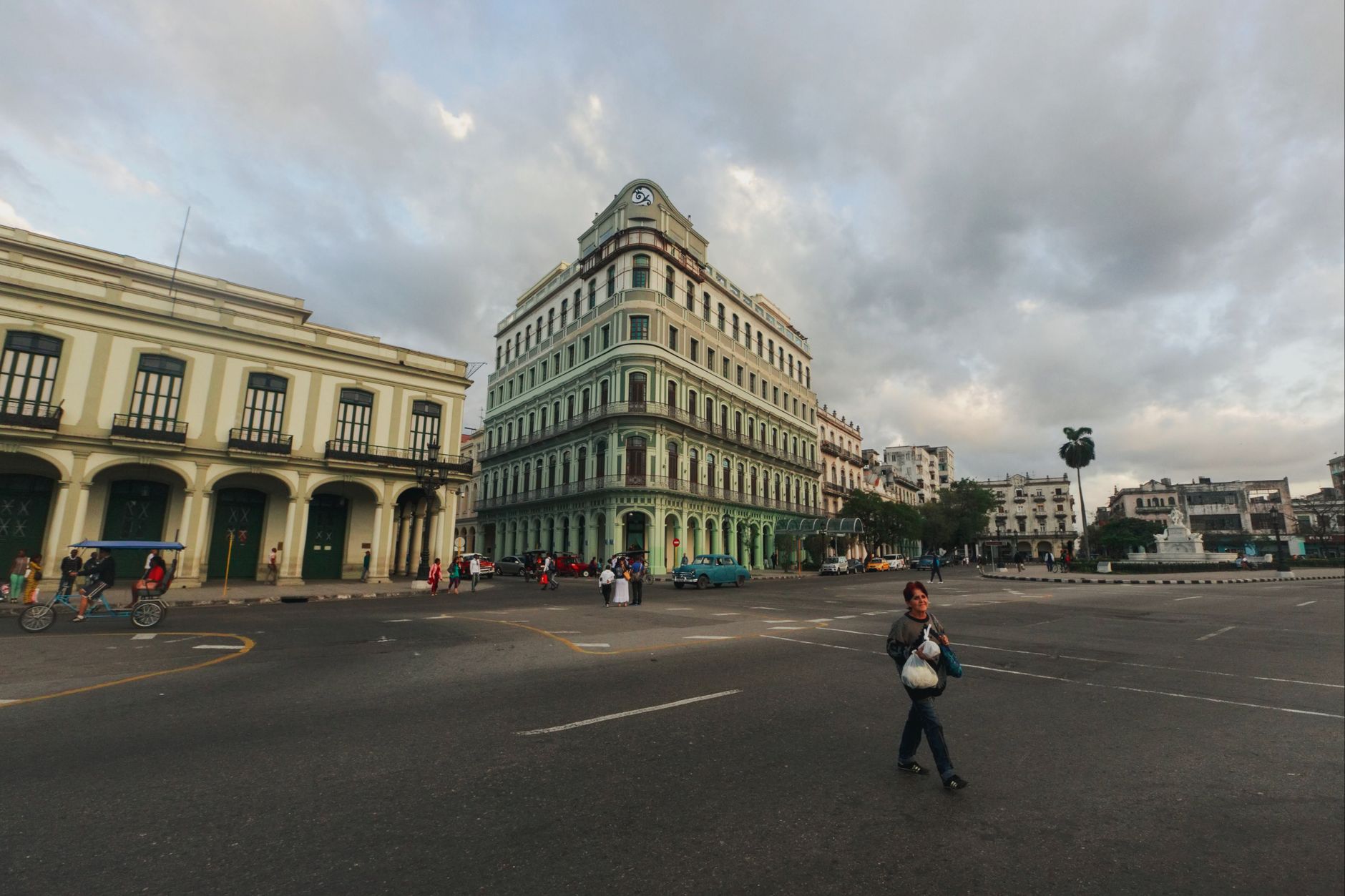
Morning: Head to Vedado by taxi (10–20 minutes from Old Havana). Start at Paseo del Prado and walk toward the Hotel Nacional de Cuba (about 10–15 minutes). The hotel lobby and gardens are public-access and useful for history and photo ops.
Late morning: Visit the Museo Nacional de Bellas Artes (approx. 10 minutes by taxi or a 25-minute walk depending on pace) and budget 1–2 hours for Cuban art collections. Tickets vary; expect a small entry fee charged in CUP or equivalent.
Afternoon: Have lunch in Vedado (options include paladares on Calle 23). Then visit Fábrica de Arte Cubano on Calle 26 between 11 and 13; allow time to explore galleries and outdoor installations — plan arrival in the late afternoon before the site gets busiest at night.
Evening: Stay in Vedado for dinner and nightlife. Many visitors combine an early dinner (15–30 USD at a polished paladar) with a late entry to FAC or live music on Callejón de Hamel on a Sunday for rumba performances.
Day 3
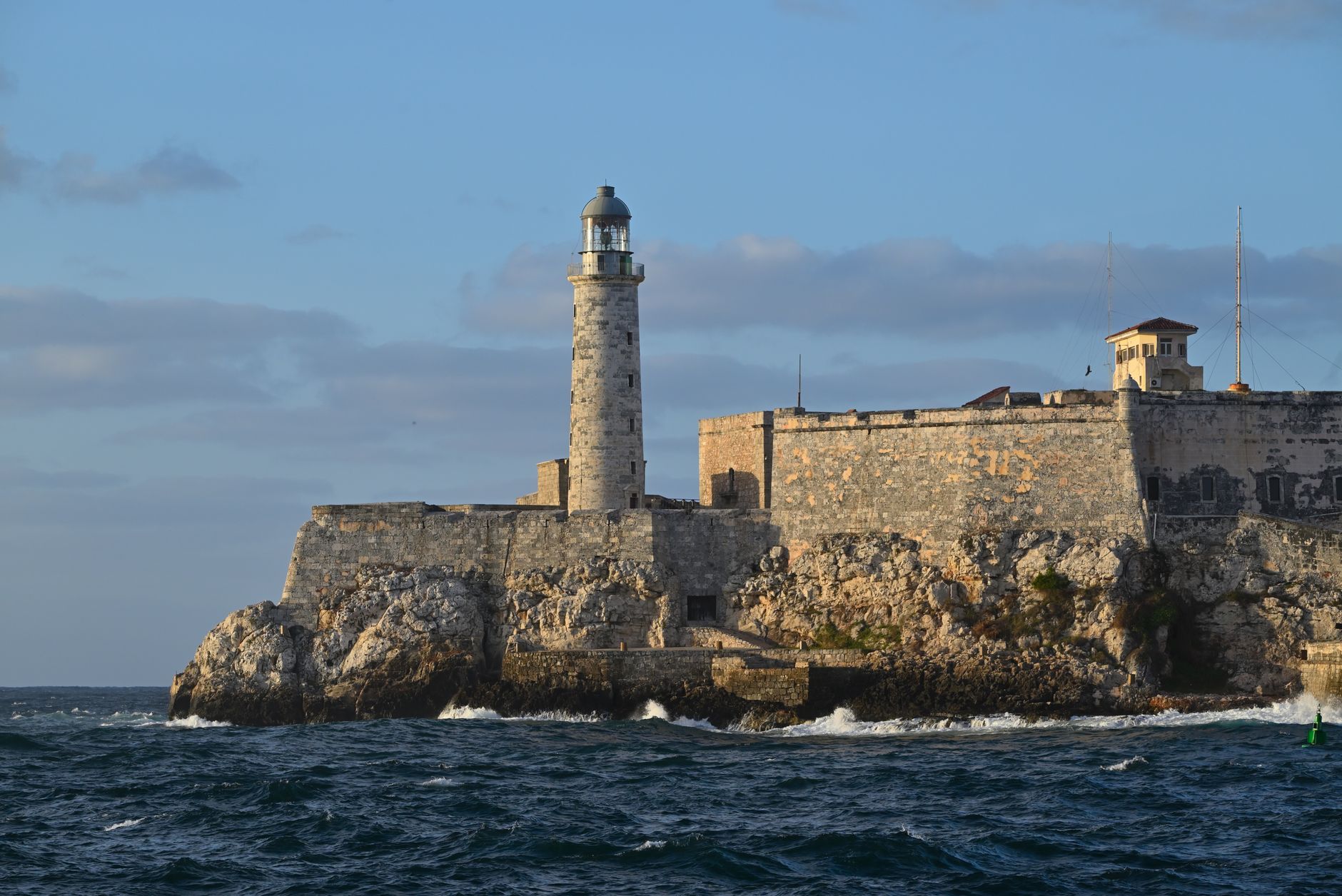
Morning: Take a short taxi to the Castillo de los Tres Reyes del Morro at the entrance to Havana Bay for coastal views and a lighthouse walk; allow 45–75 minutes. From there, return to Habana Vieja for a visit to the Museo de la Revolución (20–30 minute taxi round trip from the Morro) and plan 1–2 hours inside.
Late morning: Walk along the waterfront toward El Floridita and La Bodeguita del Medio for a quick cocktail or mojito photo stop; both are within 10–20 minutes on foot through the historic core.
Afternoon: If checking out of accommodation, leave luggage at the hotel or a luggage storage service and take a taxi to Miramar for a relaxed final meal at a seaside paladar or to the Tropicana grounds for a daytime tour if an evening show was not booked. Budget 30–60 minutes for travel between central neighbourhoods.
Evening/Departure note: For an afternoon or evening flight from José Martí, allocate at least 2.5–3 hours for airport transfer and check-in from central areas. Use an official taxi or prebooked transfer rather than trying to find last-minute private cars.
Best Local Experiences
Walk the Malecón at sunrise or sunset — locals fish along the seawall and residents socialize there nightly. This is a public routine rather than a staged attraction.
Attend a night at Fábrica de Arte Cubano for rotating exhibitions, DJs and performance art; check opening nights and the modest entry fee. Sunday afternoon in Callejón de Hamel offers Afro-Cuban rumba and painted murals; arrive before the performance to find a spot.
Eat at a paladar for a home-run meal in a converted house — common names include Doña Eutimia in Habana Vieja and La Guarida (reserve ahead). Visit Finca Vigía (Hemingway’s house) in San Francisco de Paula for a literary detour and original memorabilia.
Ride in an almendrón for a short, photogenic hop and learn to negotiate prices first. Stop at the Hotel Nacional’s lobby and gardens for a historical setting and views over the Malecon.

Where to Stay
Habana Vieja: Suits visitors who want to walk to the main plazas and museums. Close to Plaza Vieja, Plaza de la Catedral and the harbour. Expect private casa particular rooms from about 25–60 USD/night (600–1,500 CUP) and mid-range hotels from 80–150 USD (2,000–3,750 CUP).
Vedado: Suits nightlife and cultural venues such as Fábrica de Arte Cubano and restaurants along Calle 23. Near Paseo del Prado and Hotel Nacional. Expect casa rooms from 30–70 USD (750–1,750 CUP) and international hotels or boutique options from 70–140 USD (1,750–3,500 CUP).
Miramar: Suits travellers wanting quieter streets, embassies and coastal paladares; farther from Old Havana by taxi (20–30 minutes). Expect higher-end casas and small hotels from 60–150 USD (1,500–3,750 CUP) and occasional villa rentals for groups.
Food and Drink
Ropa vieja — shredded beef stew served with rice and plantains; find reliable versions at paladares such as Doña Eutimia for about 8–12 USD. Arroz con pollo — chicken with yellow rice and occasional vegetables; common in family-run paladares for 5–10 USD.
Tostada and café cubano for breakfast — a pressed ham-and-cheese sandwich or sweet roll with strong espresso; expect 1–3 USD at street cafés. Tostones (twice-fried plantains) as street food or side dish; a serving costs around 1–3 USD at food stalls.
Cuban mojito and daiquiri — classic cocktails served at El Floridita (daiquiri) and La Bodeguita (mojito); historic venues add a premium: cocktails around 4–8 USD. Try local street snacks like croquetas from small kiosks for 0.5–2 USD.
Dinner recommendation: La Guarida for a higher-end paladar experience with creative fusion dishes (advance booking advised; mains 15–30 USD).
Getting Around
No metro system; main public transit is Omnibus Metropolitanos buses and numerous private taxis. Shared classic cars called almendrones operate on set routes and are useful for short hops but require price negotiation before boarding.
Intercity coach operator Viazul runs scheduled buses to Varadero and other towns — purchase tickets at viazul.com or at the Viazul desk (Terminal de Ómnibus Nacionales). Taxi from José Martí Airport to Old Havana typically costs 20–35 USD; a short in-city taxi ride is usually 3–10 USD depending on distance.
Buy single local bus tickets on board for small fares in CUP (often under 1 USD equivalent); day passes for public buses are uncommon for tourists. Use offline maps and save addresses; Cuban mobile data via ETECSA is available with Nauta cards, and Cubataxi app can help with taxi booking where it works.
Best Time to Visit
High season runs from November to March: cooler, dryer weather (around 20–27°C) and higher prices; expect more tourists and fuller restaurants and hotels. April to June offers shoulder-season value with rising temperatures (25–31°C) and fewer crowds.
Hurricane season from June to November brings heat, heavy rain and the risk of cancelled services; August–September is busiest for storms and least reliable for travel plans. For the best balance of weather and value aim for late November–early December or late February–April.
Budget and Practical Tips
Daily budget estimate (mid-range traveller): Accommodation 30–100 USD (750–2,500 CUP), food 15–35 USD (375–875 CUP), transport 5–15 USD (125–375 CUP), entry fees and activities 10–30 USD (250–750 CUP). Total daily: roughly 60–180 USD (1,500–4,500 CUP).
Lower-budget travellers can reduce accommodation to 25–40 USD/night with casa particulars and eat for 6–10 USD/day at street stalls. Higher-end travellers should expect 100+ USD/night for boutique hotels and 40–70 USD/day for dining in upscale paladares.
Tipping: in restaurants, 10% is appreciated but not always expected; small tips (20–50 CUP) for porters, and rounding up fares for taxis are common. Keep small denominations of CUP for tips and small purchases.
FAQ
Is Havana safe for tourists?
Central areas are generally safe during daytime; petty theft and opportunistic scams occur in crowded spots, so keep valuables secure and avoid poorly lit streets at night.
Can US credit/debit cards be used in Havana?
Most US-issued cards are not accepted due to restrictions; bring cash in euros or Canadian dollars and change at CADECA offices to get local currency (CUP).
Is a Havana city card or tourist pass worth buying?
There is no single comprehensive city card that covers all museums and transport; buying individual museum tickets and using cash for taxis is more practical for short stays.
What is the fastest way from José Martí Airport to the city center?
An official airport taxi or prebooked private transfer is the fastest and most reliable option, typically 20–45 minutes depending on traffic and destination.
Are taxis easily available and how much do they cost?
Taxis are plentiful in tourist areas; short rides within central neighbourhoods commonly cost 3–10 USD, while longer trips across town rise to 10–25 USD. Always agree the price before starting.
Is it possible to use ride-hailing apps?
Some services like Cubataxi operate but availability varies; many travellers arrange hotel taxis or use street-hail for immediate needs.
Can visitors drink tap water safely?
Tap water is chlorinated and generally considered safe in hotels in central districts, but many travellers prefer bottled water; bring a reusable bottle to refill where appropriate.
Should Tropicana be booked in advance?
Yes — the Tropicana nightclub shows can sell out and require advance booking to guarantee seating and avoid disappointment.
Conclusion
Three days here deliver a clear sense of daily life, colonial plazas and a taste of contemporary arts, but require realistic expectations about transport, cash, and internet. The most memorable single element for many travellers is time spent on the Malecón and the contrast between restored squares and everyday neighbourhood life.
If time runs short, prioritise a loop that includes Plaza Vieja or Plaza de la Catedral, a Malecón walk and a late-evening visit to Fábrica de Arte Cubano or a live-venue in Vedado; that mix captures historic sights, sea air, and modern culture within a compact schedule.
How this guide was prepared
This guide was prepared through a structured research that combines destination research, geographic context, itinerary planning logic, and content review.