
Three-Day Brno Itinerary: Practical 72-Hour Travel Guide
A candid 3-day plan for Brno with neighbourhood-based days, transport tips, realistic budgets, and must-book sights like Villa Tugendhat.
A no-nonsense 72-hour plan for Brno that prioritises walking, key museums, markets and one booked architectural highlight.
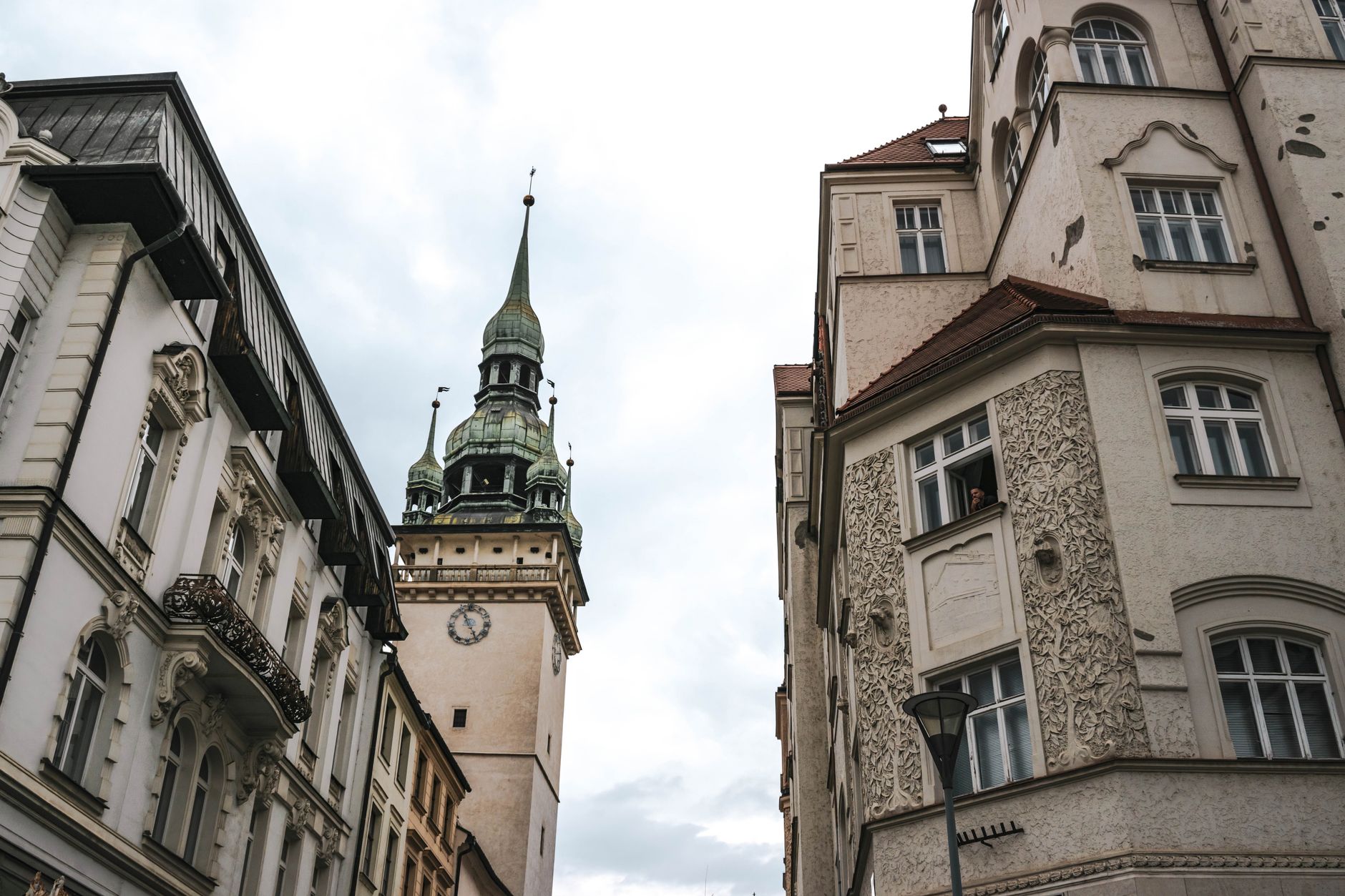
First impressions are of a compact city centre threaded by trams, a prominent Gothic-neoand baroque cathedral silhouette on a hill, and a sense that local life happens in markets and cafés rather than on grand tourist boulevards. The pace shifts between weekday business hours around the Brno Exhibition Centre and relaxed market mornings at Zelný trh. Visitors often overestimate how much can be seen on foot; short tram rides and a few steep streets are part of the experience. This suits travellers who prefer architecture, museum time and honest cafés to forced sightseeing sprints.
Is 3 days in Brno enough?
Three days give enough time to see the cathedral and Špilberk, book and tour Villa Tugendhat, and sample the main museums and markets. The honest caveat: a day trip to nearby wineries or a full exhibition programme at the Brno Exhibition Centre will have to be postponed.
Who This Guide Is For
Best for travellers who like walkable cities, mid-range budgets and architectural history; less suitable for those wanting beach time or large-scale nightlife scenes. Good for culture-focused weekenders and regional business visitors extending a work trip.
Local Tips for Brno
Practical details that most travel sites skip — specific to Brno.
- Book Villa Tugendhat well in advance on the official portal; guided tours typically cost around 350–490 CZK and require arriving 10–15 minutes before the slot.
- Zelný trh (Vegetable Market) runs daily, with the fresh produce and dairy stalls busiest between 7:00 and 10:00; pick up a warm klobása from the stall near Náměstí Svobody for a quick snack.
- The Brno Ossuary under the Church of St. James sells combined tickets with the church for about 100–140 CZK and is accessed via the narrow stair beside the church, not from the main square.
- Use the DPMB ticket machines (yellow) or the DPMB Info and IDOS apps for timetables; expect a single public-transport ticket to be roughly 30 CZK and a 24-hour pass near 110 CZK.
- Trams climb the city’s slopes—allow an extra 10–20 minutes between stops around Špilberk and the Cathedral of St. Peter and Paul because of steep streets and pedestrian crossings.
How This Guide Was Prepared
This guide treats Brno as a working regional capital with short, dense experiences rather than a list of must-see postcards. Many guides either squeeze in too many day trips or reduce the city to Villa Tugendhat; the realistic visit balances the modernist architecture, the lively market life around Zelný trh and the castle hill without pretending everything is in the compact centre. This guide was prepared through a structured research that combines destination research, geographic context, itinerary planning logic, and content review.
Plan Your Stay in Brno
Use this itinerary as your starting point, then compare areas to stay, transport options, seasonal timing, and realistic daily costs before booking.
Why Visit
Villa Tugendhat gives a rare inside look at a major functionalist landmark with original fittings and guided tours that reveal modernist domestic life. The city’s market culture at Zelný trh and the nearby cafés provide a straightforward way to experience local food without tourist inflation. Špilberk Castle offers a mix of military history, panoramic views and a compact museum collection, useful when time is limited. The Mendel Museum and Moravian Museum specialise in regional science, agriculture and archaeology, meaning the cultural narrative here links rural Moravia and urban industrial history in ways different from Prague or Ostrava.

Quick Planning Tips
Arrive at Brno-Tuřany airport then take the direct BUS 76 to Hlavní nádraží (main station) and expect about 20–30 minutes; a taxi costs roughly 400–500 CZK to the centre. Buy DPMB single tickets at yellow machines, via the DPMB Info or IDOS apps, or on some tram drivers’ machines; keep validated ticket stubs until checked. Credit cards are widely accepted in cafés and shops, but bring small notes or coins for market stalls and older ticket machines. Avoid planning Villa Tugendhat for the first morning without a pre-booked slot; if the tour is missed, the queue cannot be bypassed.

Day 1
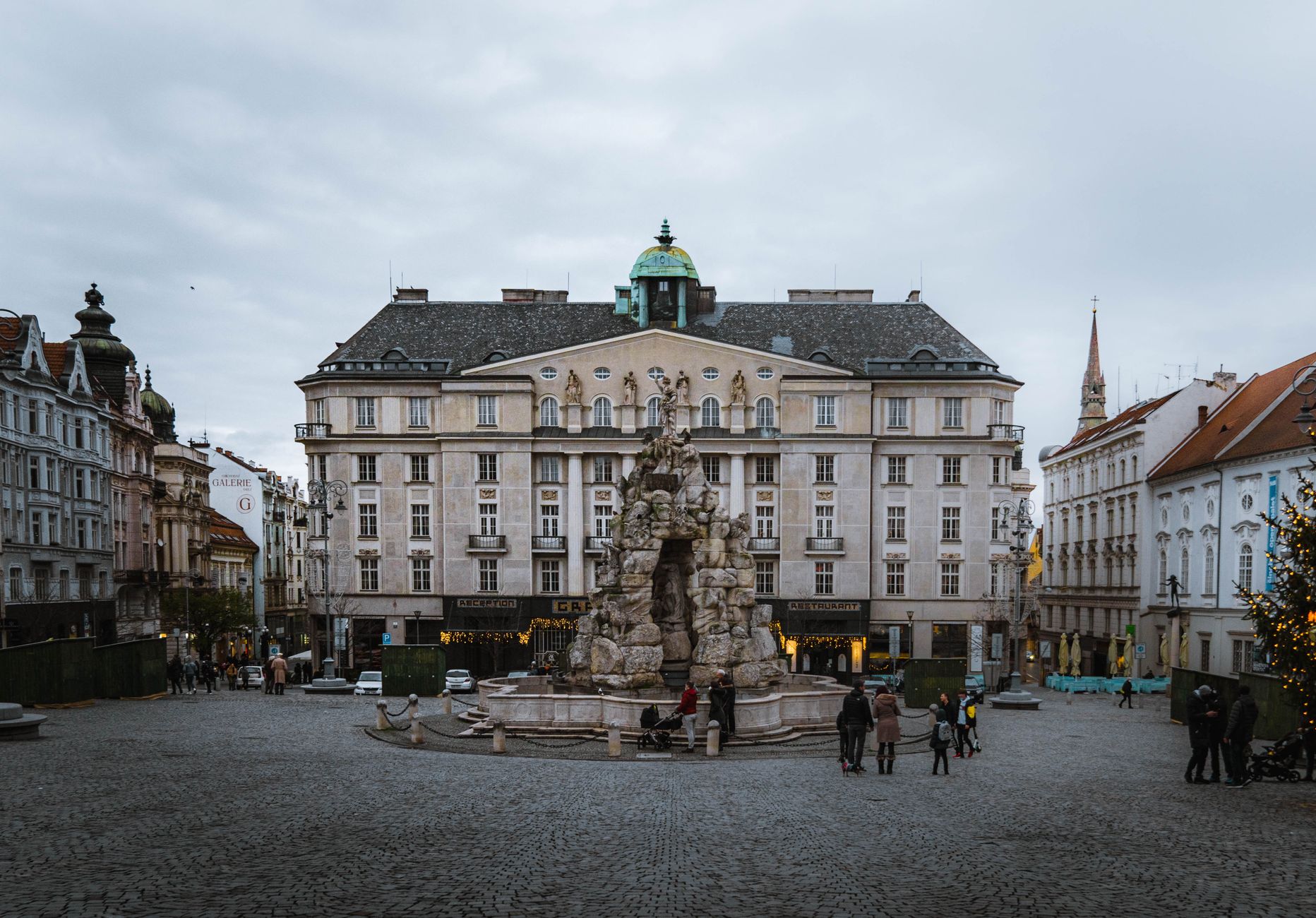
Start at Freedom Square (Náměstí Svobody) to get bearings and see the modernist fountain and surrounding cafés. From there walk 2–5 minutes to Zelný trh (Vegetable Market) for morning stalls, fresh quark, and a quick klobása; expect 30–60 minutes. Next head uphill 10–15 minutes to the Cathedral of St. Peter and Paul (Petrov) for the tower view — climb times vary but allow 30–45 minutes including photos and interior time. Lunch at Lokál U Caipla or a similar full-meal lokál near the square offers traditional Czech mains for about 180–280 CZK. After lunch take tram or walk 10–20 minutes to Špilberk Castle; allow 1.5–2 hours for the museum, fortifications and the park viewpoint. Late afternoon can be allocated to the Moravian Museum on Zelný trh if exhibitions and time permit; entry fees are modest, often around 120–160 CZK. For dinner, try a modern Moravian bistro such as Výčep Na Stojáka in the city centre for local beers and shareable plates. End the evening with a short walk through Lužánky Park or a relaxed drink at a pub near Česká street.
Day 2
Dedicate this day to modernist and scientific sights. Start at Villa Tugendhat—arrive 10–15 minutes before your booked guided tour; tours usually last about 40–50 minutes. From Villa Tugendhat take tram or bus 20–30 minutes back toward the centre and stop at Komenského náměstí for the Mendel Museum; the short Mendelian exhibits and the monastery garden take about 60 minutes. Lunch in the Veveří or Černá Pole neighbourhoods offers cafés frequented by students and researchers; expect sandwiches or mains for 130–220 CZK. After lunch head to the Brno Ossuary at the Church of St. James—plan 45–75 minutes including the tight stair descent and exhibition. Finish the afternoon at the Brno Exhibition Centre (BVV) if an event is on—public transport from the centre is 15–25 minutes, or choose the nearby Villa Löw for smaller exhibitions. Evening recommendation: a craft-beer bar in the old town or a concert at the Sono Centrum depending on listings.
Day 3
Use this day for a neighbourhood walk, markets and any missed museums. Start with a relaxed breakfast near Jakubské náměstí, then walk to the Old Town along Husova; expect 20–30 minutes between main squares at an easy pace. Visit small specialist shops on Česká street and the Church of St. Michael for local architectural details. Midday, head to Lužánky Park for a picnic or light snack and a break from cobbled streets; the park is 10–15 minutes from the main square. If checking out and catching an afternoon flight, store luggage at the hotel or Hlavní nádraží lockers, then allow two hours to reach the airport from the centre including buffer—bus 76 is 20–30 minutes, taxis 25–40 minutes depending on traffic. For a last lunch try a pork schnitzel or vegetable goulash at a centrally located restaurant for about 160–280 CZK. Finish the trip with a stroll up to Špilberk’s viewpoint if missed earlier, which offers the clearest city panorama before departure.
Best Local Experiences
Morning market life at Zelný trh—buy fresh rolls, fruits, and locally made tvarůžky cheese from vendors near the fountain. A guided tour inside Villa Tugendhat reveals period fittings and original design that require advance booking. The Brno Ossuary beneath St. James is a short, claustrophobic visit unlike more famous ossuaries and feels uniquely local. Visit the Mendel Museum at the Augustinian Abbey to see Mendel’s pea experiments and original manuscripts. Attend a trade fair or concert at the Brno Exhibition Centre (BVV) if dates align; events here shape the city’s calendar. Weekend flea market stalls sometimes appear near the main train station or along Lidická; times vary so check local listings. An evening in a cellar wine bar (vinárna) sampling Moravian whites gives a quick regional contrast to Prague’s beer culture.

Where to Stay
City Centre / Old Town (between Náměstí Svobody and Zelný trh): Suited for first-time visitors who want walkability to most sights and restaurants. Expect mid-range hotels and private apartments from 1,200–2,400 CZK per night (≈ €48–96 / $52–104). Veveří / Černá Pole: Suited for travellers who prefer quieter streets, near Villa Tugendhat and university faculties; good cafés and a more local evening scene. Nightly rates here are often 900–1,600 CZK (≈ €36–64 / $39–69). Brno-centrum around Hlavní nádraží and the Exhibition Centre: Best for rail or fair travellers, practical for early trains and events; basic hotels and business stays run 800–1,800 CZK per night (≈ €32–72 / $35–78).
Food and Drink
Klobása: a grilled sausage often sold at market stalls on Zelný trh and near Freedom Square—expect 50–90 CZK. Tvarůžky (Olomoucké tvarůžky-style cheese sold locally): a pungent soft cheese available at specialist stalls; sample portions cost around 40–80 CZK. Svíčková: marinated beef with creamy sauce, usually served in traditional restaurants such as Lokál or U Caipla for 180–260 CZK. Trdelník is available from street vendors, but better to try local pastries in a café; street versions cost about 60–90 CZK. Breakfast option: open-faced sandwiches or rolls with cottage cheese and smoked ham from a café or bakery near Zelný trh for 80–140 CZK. For dinner, try a Moravian wine bar (vinárna) with small plates and regional wines—bottles start around 200–350 CZK and glasses 60–120 CZK.
Getting Around
DPMB runs trams and buses in the city; there is no metro. Common tram lines include 1, 4 and 6 among others that connect the main squares, university areas and the Exhibition Centre. Regional trains operate from Hlavní nádraží with services to Prague, Ostrava and Katowice. Single public-transport tickets are around 30 CZK; a 24-hour pass is about 110 CZK. Taxi from the airport to the centre costs roughly 400–500 CZK, while an Uber or Bolt fare can be slightly cheaper depending on demand. Use the DPMB Info app for routes and the national IDOS app for intercity timetables and connections.
Best Time to Visit
Late spring (May–June) and early autumn (September) offer the clearest weather with daytime highs around 18–24°C and fewer crowd peaks than July–August. Summer (July–August) brings the warmest days, 22–28°C, but also the highest number of tourists and more booked-out Tugendhat tours. Winter months see daytime temperatures often between -2°C and 5°C; there are fewer visitors and lower accommodation prices but shorter daylight and possible snow. For best value and workable weather, target late April–June or September; avoid mid-December to mid-January if the goal is outdoor walking rather than seasonal markets.
Budget and Practical Tips
Daily budget estimates for a mid-range traveller: accommodation 1,200–1,800 CZK (≈ €48–72 / $52–78), food 500–800 CZK (≈ €20–32 / $22–35), local transport 30–110 CZK (single vs day pass ≈ €1.20–4.40), entry fees 100–490 CZK depending on museums (≈ €4–20 / $4–21). A tight-budget day can be managed for about 900–1,300 CZK total; a more comfortable day 2,000–3,000 CZK. Tipping norm in cafés and casual restaurants is small rounding up or 5–10% for table service; taxis typically are rounded up to the nearest 10–20 CZK. Carry a mix of card and cash: many smaller stalls and some museum ticket desks prefer cash, while most restaurants take cards.
FAQ
Is Brno safe for solo travellers?
Yes; the centre is generally safe with low violent crime. Normal urban theft precautions apply, especially at crowded markets and on public transport.
How do I get from the airport to the city centre?
Bus 76 connects Brno-Tuřany airport with Hlavní nádraží in about 20–30 minutes; taxis cost roughly 400–500 CZK depending on traffic.
Is a city card or pass worth buying?
There is no single unified tourist card covering all sights; day transport passes are useful if making multiple tram/bus trips but museum combination tickets are sold case-by-case, so research individual entry fees before buying a transport-only pass.
Can Villa Tugendhat be visited without advance booking?
Very rarely; guided tours sell out early in high season. Booking online in advance is strongly advised.
What are the best transport apps to use?
Use DPMB Info for city routes and IDOS for regional and intercity timetables; mobile ticketing is available through accepted apps or on-street machines.
Are English-language tours and signs common?
Major museums, Villa Tugendhat and main attractions offer English signage or guided tours; smaller neighbourhood museums may have limited English material.
Is public transport easy to use for visitors?
Yes; trams and buses are frequent within the centre. Validate tickets after boarding and keep them for possible inspections.
Conclusion
Three days in this city reward travellers who prioritise architecture, market life and one or two museums rather than trying to force an exhaustive list. The most memorable moments are likely to be a booked Villa Tugendhat tour, the market atmosphere at Zelný trh, and the viewpoint from Špilberk. If time runs short, prioritise Villa Tugendhat or Špilberk—choose the architectural interior or the panorama rather than attempting both on the same day.
How this guide was prepared
This guide was prepared through a structured research that combines destination research, geographic context, itinerary planning logic, and content review.