
Heidelberg in 3 Days: Practical Itinerary and Local Tips
A practical three-day itinerary for Heidelberg with transit tips, realistic budgets, neighborhood plans, and exact times for walking between sights.
A clear, no-nonsense three-day plan for Heidelberg covering Old Town, the castle and Königstuhl, riverside walks, neighbourhood food, transit and budgets.
A compact riverside university town with a ruined hilltop castle and a long pedestrian main street, Heidelberg gives a strong first impression of narrow streets, steady tourist flows and a student presence that keeps cafés open late. Expect pronounced elevation changes: the castle and Königstuhl are above the Old Town and visible from many vantage points, which means short visits often include stair climbs or a funicular ride. The mood is relaxed by day, crowded at key photo spots like the Alte Brücke and the castle terraces during summer weekends. Practical travellers will notice seasonal closures around university breaks, a small but noticeable tourist industry clustered on Hauptstraße, and an easy network of regional trains that make short day trips to Mannheim or Speyer straightforward. This town suits people who prefer compact sightseeing on foot, short museum stops and scenic walks along the Neckar rather than marathon city museums.
Is 3 days in Heidelberg enough?
Three days are enough to cover the Altstadt (Old Town), Heidelberg Castle including a Bergbahn ride to Königstuhl, a long riverside walk or boat trip, and one neighbourhood like Neuenheim. The caveat: regional wine routes and deeper hikes in the Odenwald require extra time and must be skipped.
Who This Guide Is For
Best for travelers who like compact, walkable towns, moderate hills and museums with short visits. Poor fit for those wanting big-city nightlife, long museum crawls, or multi-day wine-country exploration on the same trip.
Local Tips for Heidelberg
Practical details that most travel sites skip — specific to Heidelberg.
- Buy VRN single and day tickets from the DB Navigator or the VRN app; a one-way inside Heidelberg city is usually around €2.60 and a TagesTicket (single person day pass) about €6–8 depending on zones.
- The Bergbahn funicular departs from the Kornmarkt/Marktplatz area and runs in two sections to Königstuhl; a round trip including castle entry and museum discounts typically totals around €9–€12 — tickets sold at the lower station machines.
- Boat cruises leave from the Alte Brücke (Old Bridge) near the Karlstor and run 45–60 minute scenic trips along the Neckar; expect €8–€12 for a short round trip and schedule gaps outside high season.
- Most shops on Hauptstraße and many stores in the Altstadt are closed on Sundays; bakeries and some cafés remain open but plan grocery and shopping runs for weekdays or Saturday mornings.
- University semester dates change the local rhythm: during lecture periods the student cafés, posters and late-evening cafés are active; during semester breaks (July–September) the town feels quieter and some university-related exhibitions close.
How This Guide Was Prepared
Heidelberg pairs a very walkable Old Town and a ruinous hilltop castle with a lively student presence that many guides underplay. Most guidebooks show postcard views but skip the practical friction: steep climbs, crowded summer evenings at the Neckar, and the local transit quirks that matter to tight schedules. This guide was prepared through a structured research that combines destination research, geographic context, itinerary planning logic, and content review.
Plan Your Stay in Heidelberg
Use this itinerary as your starting point, then compare areas to stay, transport options, seasonal timing, and realistic daily costs before booking.
Why Visit
The ruined Schloss is the single most recognisable reason to visit; the castle complex (castle courtyard, apothecary museum and terraces) provides skyline views over the Neckar and Old Town. The university precinct offers a different tempo — the Studentenkarzer and Universitätsplatz show a strong academic culture and student-run cafés around Grabengasse and Untere Straße keep evenings active. The riverside and Philosophenweg opposite the Old Bridge offer easy, scenic walks with multiple viewpoints and photo angles across the river. Practical logistics are another reason: the Hauptbahnhof and regular regional trains make arrivals and departures simple, and nearby S-Bahn connections enable half-day trips to Mannheim or Speyer without a rented car.

Quick Planning Tips
Arrive by train if possible: direct regional and some ICE services reach the Hauptbahnhof, with a 10–15 minute tram or bus to the Old Town. From Frankfurt Airport, direct regional trains run to Heidelberg in roughly 45–60 minutes; a taxi will cost about €100–€150 depending on time and traffic. Use the VRN app or DB Navigator to buy tickets and check zones before boarding — inspectors issue fines for wrong tickets. Carry small change for Dresden-style coin-operated castle lockers and for bakery purchases; many smaller cafés accept cards but cash is still common. Avoid planning the castle, a Philosophenweg walk and a long market stop in one half-day; uphill sections and photography crowds make that an overambitious schedule.

Day 1
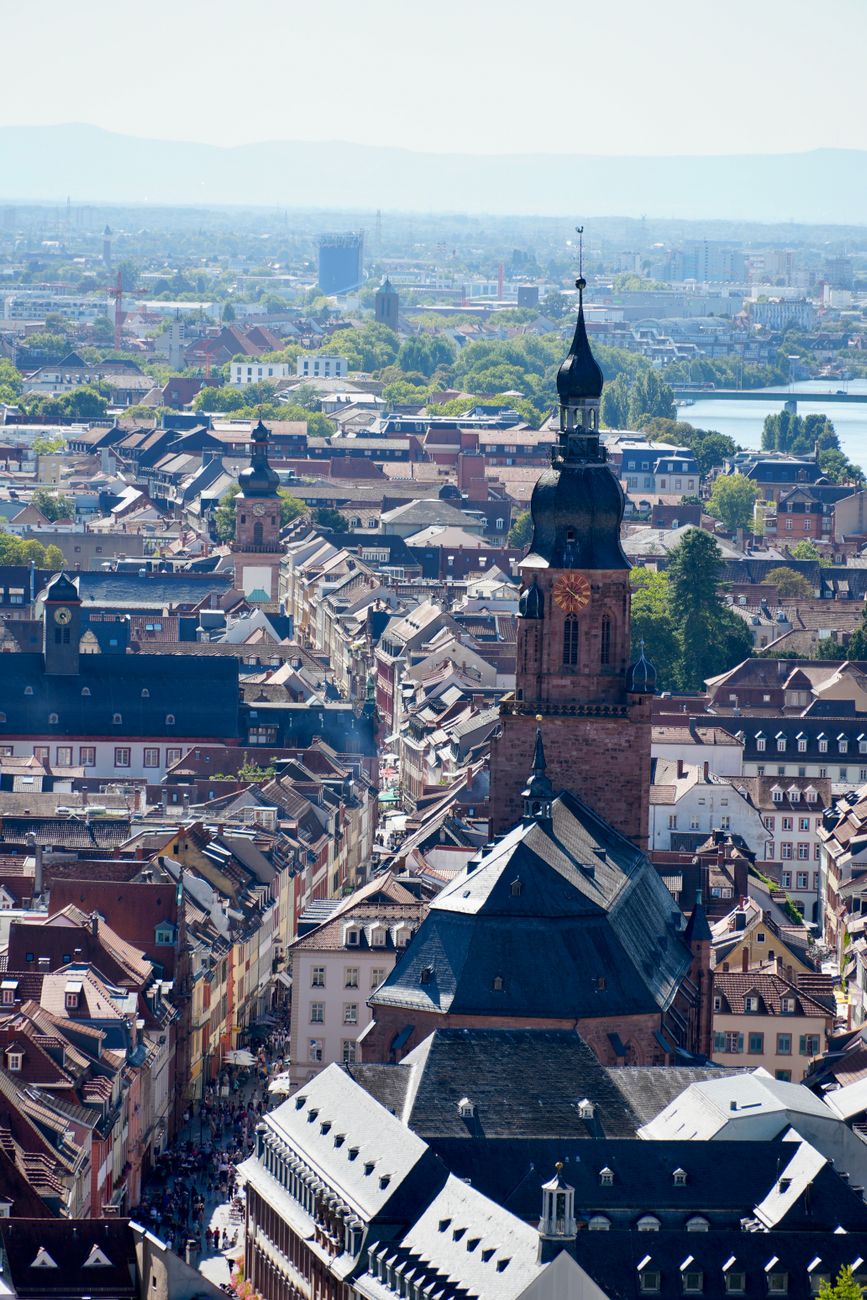
Morning: Start on Hauptstraße at Bismarckplatz and walk toward Marktplatz; allow 30–40 minutes from Hauptbahnhof by tram or bus. Explore the Marktplatz and the red sandstone Church of the Holy Spirit; the square is compact and takes 20–30 minutes to scan galleries and stalls.
Late morning: From Kornmarkt, take the Bergbahn funicular up to the castle. The funicular ride is 5–10 minutes total and avoids the steep 20–40 minute walk. Spend 1.5–2 hours in the Schloss complex: the apothecary museum, castle courtyard and terraces. Castle admission including museum is roughly €7–€9 per person, and combined Bergbahn tickets with entry are often sold together.
Lunch: Return to the Old Town and eat at Vetter's Alt Heidelberger Brauhaus or a neighbouring tavern for regional dishes (allow €12–18). Expect a 10–15 minute walk from the Kornmarkt area back to a riverside table.
Afternoon: Cross the Alte Brücke and walk part of the Philosophenweg for a different vantage point; the uphill path and viewpoints add 45–75 minutes depending on stops. Alternatively, book a 45-minute Neckar boat cruise from the bridge to relax and see riverfront villas.
Evening: Dinner in Untere Straße where student-run pubs and small restaurants stay open later. For a quieter nightcap, cross to Neuenheim and try a local wine bar by the riverside — buses run back to the Hauptbahnhof until around midnight.
Day 2
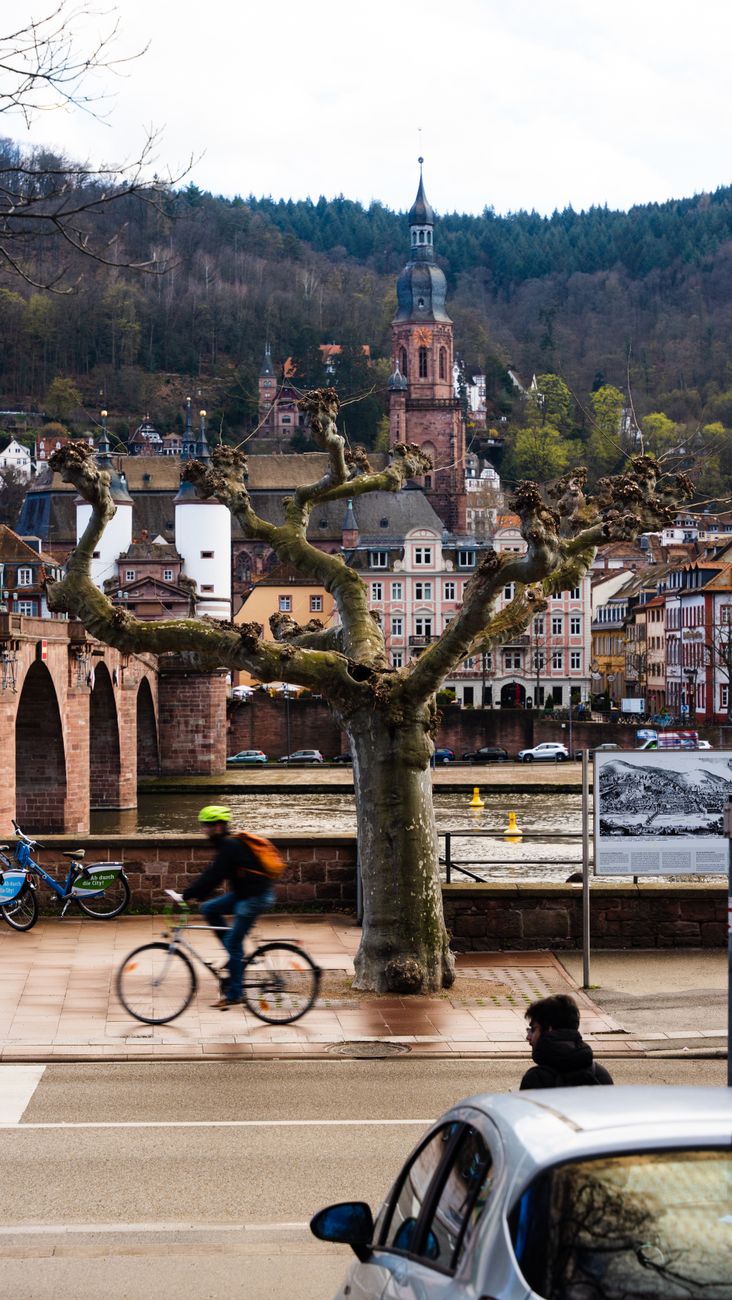
Morning: Spend the first part of the day in Neuenheim on the north bank of the Neckar. Walk from Kornmarkt across the Old Bridge and head to the Neuenheimer Feld or the small cafés along Ladenburger Straße. Allow 30 minutes to cross and settle in. Visit the Philosophical Faculty area and the university botanical plots if open; cafés in Neuenheim have later crowds and calmer terraces.
Late morning: Ride a short tram or bus back toward the Kulturhaus Karlstor area to visit the Kurpfälzisches Museum for regional art and archaeology; budget 1–1.5 hours. Admission usually runs €3–€6 depending on temporary exhibitions.
Lunch: Eat at a café near Universitätsplatz or try a sandwich at a local Bäckerei like Bäckerei Zimmermann for €3–6. The university cafés serve economical lunches and offer insight into student life.
Afternoon: Take a tram or bus to the eastern side of the Old Town and explore the hand-operated locks of the Studentenkarzer and the Old University library area. Spend time in the pedestrian lanes for independent shops and local bookshops — allow 1–2 hours including browsing.
Evening: For dinner, sample Palatinate dishes at a brauhaus near the river, then go to the Kornmarkt terrace for late light. Public buses and some night services connect back to the Hauptbahnhof; last services vary by weekday so check the VRN timetable.
Day 3
Morning: Reserve the third morning for anything skipped or a longer nature-focused option. Take the Bergbahn higher to Königstuhl if the first visit stayed lower; the Königstuhl summit offers marked trails and a lookout that requires another 45–90 minutes if hiking. Alternatively, use the morning for a slow visit to the Schloss Apothecary Museum if that was missed.
Late morning: Return to the Old Town and visit the Studentenkarzer (student prison) and the University Library for quick historical stops; each takes 20–40 minutes. Stop at a bakery on Große Mantelgasse or Marktplatz for a coffee and pastry (€2–4).
Lunch: For a last meal, choose a riverside restaurant near the Alte Brücke or a compact tavern on Untere Straße. Allow 1–1.5 hours and budget €12–25 depending on restaurant style.
Afternoon (departure note): If checking out and catching an afternoon train or flight, keep the last morning within 10–20 minutes of your accommodation and the Hauptbahnhof. Taxis to the airport will take 45–60 minutes to Frankfurt Airport and cost about €100–€150; regional trains to Frankfurt take 45–60 minutes and avoid traffic risk. If luggage storage is needed, use lockers at the Hauptbahnhof or station baggage facilities for an extra €3–6.

Best Local Experiences
Attend a Schlossbeleuchtung (castle illumination) event if visiting in summer when scheduled fireworks and lighting draw local crowds; check exact dates before booking. Walk the Philosophenweg for layered views of the Old Town and the river; early morning or late afternoon reduces crowds. Take a 45–60 minute Neckar boat trip from the Alte Brücke to see riverside villas and small river locks. Visit the Wochenmarkt on Universitätsplatz or Marktplatz on weekday mornings for local produce, regional cheeses and bakers — Saturday markets are liveliest. Try the Studentenkarzer at the University Museum for the odd graffiti and student history. For seasonal experiences, sample Federweißer and Zwiebelkuchen at autumn wine festivals in nearby villages or at local stalls. Attend a performance at Theater Heidelberg for contemporary German theatre programming and regional music events at the Stadthalle or smaller venues near the river.

Where to Stay
Altstadt (Old Town): Suits first-time visitors who want direct access to Hauptstraße, Marktplatz and walking routes to the castle. Expect small boutique hotels and guesthouses; typical nightly rates range from €90–€160 (about $100–$180) depending on season and room size. This area is noisy in summer evenings and can be crowded.
Neuenheim: A quieter, residential neighbourhood on the north bank that suits couples and families who prefer calmer evenings near riverside cafés and parks. Neuenheim offers apartments and mid-range hotels with nightly prices typically €80–€140 (€90–$155). Short bus or bridge walks return to the Old Town in 10–20 minutes.
Bahnhofviertel/Bergheim: Best for budget travelers and those arriving late or leaving early thanks to proximity to Hauptbahnhof. Expect business hotels and budget chains with nightly rates around €60–€110 (about $65–$120). Sound insulation varies; request a room away from the main road if light sleepers.
Food and Drink
Handkäse mit Musik: A regional sour milk cheese served with onions, vinegar and oil, typically found in traditional taverns such as the Old Town inns; price about €4–7 as a starter. Saumagen: A Palatinate-style stuffed pork sausage often on menus at brauhauses and family-run restaurants; expect €10–16 for a portion. Zwiebelkuchen (onion tart): Seasonal in autumn and sold at markets or wine stands; price around €3–5 per slice. Breakfast option: a baker’s breakfast from a local Bäckerei (for example at Bäckerei Zimmermann or market stalls) with bread rolls and coffee for about €4–7. Street food/snack: try a Brötchen with regional cheese or a currywurst at fast stalls near the Hauptbahnhof for €3–6. Dinner recommendation: a riverside brauhaus such as Vetter’s Alt Heidelberger Brauhaus for local beer and hearty mains; main courses typically €12–20. Local drink: Neckar valley Riesling and Rieslaner wines at wine bars in Neuenheim or in wine taverns; glass prices typically €3.50–6.
Getting Around
Public transport is run under VRN (Verkehrsverbund Rhein-Neckar) and includes regional trains (Deutsche Bahn and S-Bahn RheinNeckar), buses and limited tram services in the region. Key routes: regional trains to Mannheim, Frankfurt and Karlsruhe; useful S-Bahn services connect the Rhine-Neckar area. Single-ride prices inside city typically start around €2.60; VRN TagesTicket for one person is around €6–8 depending on zones. Buy tickets in the VRN app, DB Navigator or at station machines; inspectors check frequently. Taxis to Frankfurt Airport cost roughly €100–€150 while trains are cheaper and more reliable for timed connections. Use the DB Navigator app for intercity and regional train times and the VRN app for local buses and zone-based tickets.
Best Time to Visit
Spring (March–May): Temperatures typically 8–18°C. Fewer crowds in April and May with flowering riverside scenes; good value for accommodation. Summer (June–August): Temperatures usually 18–27°C. Peak visitor numbers and event dates such as the castle illumination happen in this period; expect queues and higher prices. Autumn (September–November): Temperatures 10–17°C. Shoulder season offers wine events and milder crowds; September and early October combine decent weather and lower rates. Winter (December–February): Temperatures around 0–6°C. Christmas markets draw weekend visitors in December but expect quieter weekdays and lower hotel rates outside market dates. Best value months are April–May and September when weather and prices balance.
Budget and Practical Tips
Daily budget estimates per person: budget traveler €70–100 (about $75–110); mid-range €120–200 ($130–220); these totals assume accommodation, meals, local transport and modest entries. Typical nightly accommodation: budget €60–110, mid-range €90–160, higher-end €180+. Food: breakfasts €4–8, casual lunches €8–15, dinner at a mid-range restaurant €15–30. Transport: single VRN rides €2.60–3.50, TagesTicket €6–8. Entry fees: Schloss museum €7–9, Kurpfälzisches Museum €3–6, boat cruise €8–12. Tipping: round up small bills and leave 5–10% in sit-down restaurants; taxis expect small rounding or a few euros. Practical tip: bring comfortable shoes for cobbles and steps, and carry a small umbrella; late trains are frequent but check schedules on DB Navigator for timed connections.
FAQ
Is Heidelberg safe for solo travelers?
Yes; general street safety is good, though standard urban caution applies at night in quieter streets. Pickpocketing is rare but be mindful in crowded tourist spots.
Can the castle be visited without using the Bergbahn?
Yes; there is a steep pedestrian route from Kornmarkt that takes 20–40 minutes. The Bergbahn funicular is faster and worth it for tight schedules or hot days.
Is a VRN day pass worth it?
If planning multiple bus or S-Bahn journeys in one day, a TagesTicket (about €6–8) usually pays off compared with single fares. Use the VRN app to compare.
Are there luggage storage options at the Hauptbahnhof?
Yes; lockers and station baggage services are available for small fees (€3–6) depending on size and duration.
How easy is it to do day trips to Mannheim or Stuttgart?
Mannheim is a 15–20 minute regional train ride; Stuttgart requires a longer regional or Intercity connection of roughly 1–1.5 hours. Trains are frequent and easy with DB Navigator.
Is English widely spoken in restaurants and shops?
Yes, staff in tourist-facing businesses usually speak at least basic English, though attempting a greeting in German is appreciated.
Are there seasonal closures to watch for?
Some university-run exhibitions and student cafés close during semester breaks in July–September; check opening times for museums and smaller venues in advance.
Conclusion
Three days allow a paced look at the Old Town, a substantive visit to the castle and Königstuhl, a riverside walk or boat trip and a neighbourhood afternoon in Neuenheim or Bahnhofviertel. The most memorable items for most travellers are the castle terraces over the Neckar, the long pedestrian Hauptstraße with its coffee houses, and the short but steep Philosophenweg views. If time is tight, prioritise the Bergbahn plus castle visit and an early Philosophenweg walk; those two provide the clearest sense of what distinguishes the place from nearby industrial centres.
How this guide was prepared
This guide was prepared through a structured research that combines destination research, geographic context, itinerary planning logic, and content review.