

3-Day Sioux Falls Itinerary: Practical Weekend Guide and Tips
A practical 3-day plan for Sioux Falls covering Falls Park, SculptureWalk, zoo and transit tips, with realistic budgets and seasonal advice.
A straightforward, walkable 72-hour plan that balances Falls Park, downtown art and food, a neighborhood walk, and a nature day — with realistic timing and costs.
Sioux Falls feels like a midsize river city where the downtown map concentrates its best sights within a few walkable blocks. The first impression is green ribbons of parkland along the Big Sioux River, public art on Phillips Avenue, and a surprising number of free outdoor attractions clustered around Falls Park.
The pace is relaxed during weekdays and noticeably busier on warm weekend mornings at the falls and the Farmers Market. Many visitors assume this area is primarily a transit hub; the reality is a compact center with good walking options but limited off-hours transit.
This place suits people who want a short mix of city and outdoors: galleries, a science center, public sculptures, and bikeable greenways. It is less good for travelers seeking an all-night music scene or dense metropolitan transit where buses run every 10 minutes.
Is 3 days in Sioux Falls enough?
Yes — three days gives time to see Falls Park, the Washington Pavilion, SculptureWalk and a nature outing without rushing. One honest caveat: deeper exploration of nearby Black Hills or long day trips will have to wait for a longer trip.
Who This Guide Is For
Best for first-time visitors who prefer walkable downtowns, public art, family-friendly museums, or short outdoor hikes. Less suitable for travelers expecting a major nightlife scene or those wanting to use only public transit for everything.
Local Tips for Sioux Falls
Practical details that most travel sites skip — specific to Sioux Falls.
- Falls Park’s observation tower and pedestrian bridge sit on the Big Sioux River and are free; arrive early on summer weekends to avoid crowding at the falls overlook.
- Sioux Falls Regional Airport (FSD) is about 7 miles and a 15–20 minute drive to downtown; taxi or rideshare fares typically run $20–35 depending on traffic and surge.
- The Sioux Area Metro (SAM) fixed-route buses serve downtown and neighborhoods; single-ride fares are around $1.50 and a day pass is roughly $3 — check the city transit page for exact passes.
- The downtown Farmers Market runs May through October on Saturdays along Phillips Avenue near SculptureWalk; vendors often sell out by late morning on sunny weekends.
- Chislic (cubed red meat, often deep-fried) is a regional must-try; local spots such as Minervas and neighborhood bars serve portions commonly priced between $8–14.
How This Guide Was Prepared
This guide treats Sioux Falls as a small river city with surprisingly distinct districts rather than a generic Midwestern stopover. Many guides list attractions but skip realistic timing, transit limits, and local staples like chislic and the Farmers Market schedule. This guide was prepared through a structured research that combines destination research, geographic context, itinerary planning logic, and content review.
Plan Your Stay in Sioux Falls
Use this itinerary as your starting point, then compare areas to stay, transport options, seasonal timing, and realistic daily costs before booking.
Why Visit
Falls Park and the Big Sioux River are the primary reason to visit: the waterfall is compact but dramatic and framed by accessible paths and viewpoints. The riverside experience is immediate and requires little planning.
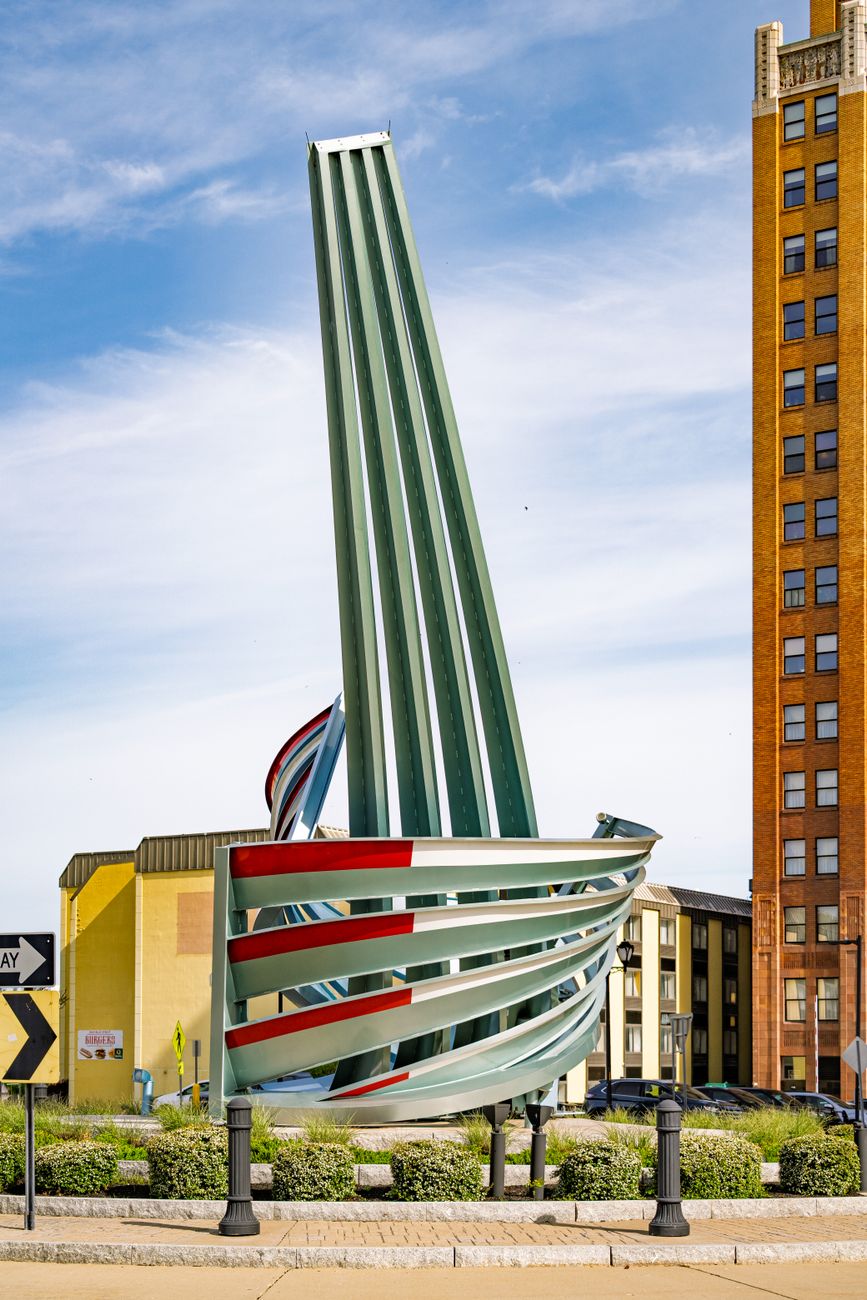
The Washington Pavilion houses the Kirby Science Discovery Center and visual arts galleries that offer hands-on exhibits and rotating shows; this makes it useful for families and anyone wanting a museum day without long transit. SculptureWalk on Phillips Avenue provides a concentrated public-art loop that can be done between coffee stops and shops.
Outdoor options extend beyond the falls: the Big Sioux River Greenway and local trails offer easy hikes or bike rides without leaving town. A cultural layer of civic events, summer farmers markets, and neighborhood restaurants gives a clear weekend rhythm distinct from nearby larger cities.
Quick Planning Tips
The fastest route from Sioux Falls Regional Airport (FSD) to downtown is a 15–20 minute taxi or rideshare ride; some hotels offer airport shuttles but schedules are limited. Driving from I-29 exits into downtown takes around 10–15 minutes depending on time of day.
Carry USD cash for small fares and markets, but most places take cards. If using buses, keep exact change or purchase a pass where available; transit frequency drops after early evening and on Sundays.
Avoid arriving at Falls Park late on Saturday if the Farmers Market is running — parking fills and nearby streets enforce short-term limits. Book any popular Washington Pavilion shows or zoo tickets ahead for summer weekends to avoid turnaways.
Day 1
Start at Falls Park in the morning to catch the light on the falls and walk the observation bridge and viewing platforms. Allow 60–90 minutes to walk both banks and climb the short stairways to the river-level viewpoints.
From Falls Park, walk 10–15 minutes northwest to Phillips Avenue and SculptureWalk. This outdoor sculpture route runs along several blocks of downtown and is paired with cafes; plan 45–60 minutes for the loop and a coffee stop. Lunch at Minervas on Phillips Avenue provides steaks and local bar fare; a main course is typically $12–25 and it sits steps from many sculptures.
After lunch, cross to the Washington Pavilion (5–7 minutes on foot from Phillips Avenue) for the Kirby Science Discovery Center and rotating gallery exhibitions; expect 90–120 minutes for a proper visit. Late afternoon can be spent strolling the Big Sioux River Greenway toward Falls Overlook for photos.
Evening recommendation: dine on Phillips Avenue or a nearby brewpub and catch any local live music listings; downtown bars and restaurants often keep late hours on Friday and Saturday nights.

Day 2
Begin in the Cathedral of Saint Joseph area for a short architectural walk and nearby Pettigrew Home & Museum; the Pettigrew Home gives a window into late 19th-century local politics and runs guided tours with modest admission, so check times. The walk between the cathedral and Pettigrew is about 5–10 minutes.
Take a mid-morning tram or bus to the Great Plains Zoo & Delbridge Museum — the zoo is a 10–15 minute drive from downtown. Allocate at least two hours to see the exhibits and the attached Delbridge Museum of Natural History; adult admission is commonly in the low teens (USD). The zoo works well as a family-focused half-day.
Afternoon options: return to downtown Phillips Avenue for late shopping or head to McKennan Park for a quieter green space and a 20–25 minute walk or short drive from the zoo. Dinner at a neighborhood restaurant near 10th Street and Phillips gives a local feel away from the busiest weekend blocks.
Evening recommendation: visit a local brewpub or cocktail bar; weekday evenings are mellow and weekends can be busy on Phillips Avenue.

Day 3
Reserve the morning for the Farmers Market on Phillips Avenue if visiting between May and October; vendor stalls, regional produce, and ready-to-eat booths run until early afternoon and are busiest before noon. Markets are a good last-minute souvenir stop and a place to sample local products.
After the market, take the Big Sioux River Greenway for a longer walk or bike ride (rentals available seasonally). A loop from downtown along the Greenway to local neighborhoods and back can take 60–120 minutes depending on pace.
If checking out midday or catching an afternoon flight from FSD, plan transit or rideshare to the airport allowing at least 90 minutes for travel and security. If time allows, stop at a local deli or sandwich shop near the airport for a quick meal.
Evening recommendation if staying late: finish with a sunset view over the falls or a casual dinner in a quieter neighborhood spot — both provide a calmer counterpoint to earlier, busier downtown hours.

Best Local Experiences
Walk the full SculptureWalk loop on Phillips Avenue to see rotating public art and note the plaques that list artists and materials. Visit Falls Park early for river-level photos and to see the observation tower views.
Spend a half-day at the Washington Pavilion to combine the Kirby Science Discovery Center with gallery exhibitions and performance schedules. Attend the Saturday Farmers Market on Phillips Avenue from May through October for local produce, crafts, and quick regional food samples.
Take the Big Sioux River Greenway for a longer nature stretch; look for migratory birds and kayaks in summer. Visit the Great Plains Zoo & Delbridge Museum for close-up animal exhibits and small live-animal feedings. Find chislic at neighborhood bars or Minervas to try a regional specialty that local residents often recommend.
Where to Stay
Downtown/Phillips Avenue: Suited for first-time visitors who want walkable access to Falls Park, SculptureWalk, restaurants, and the Washington Pavilion. Expect mid-range hotels and boutique options around USD 110–170 per night (≈€100–155).
Falls Park / Historic Core: Best for visitors prioritizing riverfront views and short walks to the falls and observation points. Options include inns and chain hotels; typical nightly costs run USD 120–180 (≈€110–165).
South or East Side neighborhoods (near Empire Mall area): Suited for travelers with a car who want lower nightly rates and mall/restaurant access; chain hotels and larger parking areas are common at USD 80–120 per night (≈€75–110). These areas are 10–15 minutes by car to downtown.
Book well in advance for summer weekends and festival dates. Many hotels offer free parking and breakfast, which is useful given limited late-night transit.
Food and Drink
Chislic: Cubed red meat, often skewered and fried or grilled; commonly served with toothpicks and sometimes served with fry sauce. Try at local pubs and at restaurants such as Minervas; expect USD 8–14 per portion.
Fry sauce: A mayo-and-ketchup-based dip served with fries and many bar foods; available across casual restaurants and diners and usually included with fries at no extra charge.
Breakfast option — coffeehouse pastries and biscuits: Local coffee shops on Phillips Avenue and near Falls Park serve breakfast sandwiches and biscuits; expect USD 4–9 for a pastry or sandwich.
Street/market food: At the Saturday Farmers Market find prepared foods like bratwurst, tacos, and regional pies; vendor servings commonly cost USD 5–12.
Dinner recommendation: For a more formal meal, downtown steakhouses and American bistros on Phillips Avenue offer mains from USD 15–30. For family-friendly casual dinners, look in the historic core where portions are generous and prices moderate.
Getting Around
Sioux Area Metro (SAM) runs fixed-route buses connecting downtown with residential neighborhoods; frequency is best during weekday daytime and limited in evenings. Single-ride fares are about USD 1.50 and local day passes around USD 3; check the city transit page for exact passes and schedules.
Rideshare services (Uber, Lyft) operate in the area and are the most reliable option late at night or for airport runs. Taxis and hotel shuttles are available; a taxi from Sioux Falls Regional Airport (FSD) to downtown typically costs USD 20–35.
Walking is practical for downtown discoveries: Falls Park, SculptureWalk, and the Washington Pavilion are within a few blocks of each other. For biking and longer river-trail trips, bring a rental or use a local shop that rents bikes seasonally.
Best Time to Visit
Summer (June–August) brings warm weather and the fullest events schedule; daytime highs often sit between 75–90°F (24–32°C) and parks and markets are busiest. This is the best time for outdoor activities but expect higher hotel rates and busier parking at Falls Park.
Shoulder seasons (May, September) offer milder temperatures — daytime highs around 55–75°F (13–24°C) — fewer crowds, and lower accommodation costs. Spring can be muddy along the Greenway after rain.
Winter (December–February) is cold with frequent below-freezing days and snow; highs often range from 0–30°F (−18–−1°C). If visiting a winter holiday or to see frozen falls, pack for wind and shortened daylight hours.
Budget and Practical Tips
Sample daily budget (per person): Accommodation mid-range USD 120 (≈€110 / $120), food USD 35–60 (≈€32–55 / $35–60), local transport USD 3–10 (≈€3–9 / $3–10), attraction fees USD 10–20 (museum or zoo). A realistic low-to-mid budget day is USD 170–210 total.
Entry fees: Washington Pavilion exhibits and science center typically charge around USD 7–12 for special exhibits; Great Plains Zoo adult admission commonly runs in the low teens. Falls Park and SculptureWalk are free.
Tipping norms follow US standards: 15–20% for sit-down restaurant service, $1–2 per drink at bars, and rounding up or 10–15% for taxi rides if service was good. Many restaurants add a service charge for large groups, so check the bill.
Practical note: many smaller shops and market vendors accept cards, but some are cash-only; bring small bills for quick purchases at the Farmers Market.
FAQ
Is Sioux Falls safe for solo travelers?
Yes; downtown and park areas are generally safe in daytime. Usual urban caution applies at night—stick to well-lit streets and use rideshares or taxis after late hours.
How long does it take to walk from Falls Park to the Washington Pavilion?
It takes about 10–15 minutes on foot between Falls Park and the Washington Pavilion via Phillips Avenue and nearby streets.
Is a city card or pass worth buying?
There is no widely promoted city-wide tourist card; individual attraction memberships or advance tickets for the Washington Pavilion or zoo are useful for savings and guaranteed entry on busy days.
Can the area be done without a rental car?
Yes for a downtown-focused visit: walking, occasional SAM buses, and rideshares cover most needs. For extended trips outside the city or visiting dispersed neighborhoods, a rental car is more convenient.
What are the transit options to Sioux Falls Regional Airport (FSD)?
Options are taxi, rideshare (Uber/Lyft), and limited hotel shuttles. Public buses do not provide frequent direct service to the airport; plan taxi or rideshare for reliable timing.
Are there day-trip options nearby worth squeezing into a 3-day stay?
Nearby state parks and outdoor areas exist, but most meaningful day trips (Badlands, Black Hills) require a much earlier start and are better reserved for a longer itinerary.
Conclusion
A well-paced three-day visit delivers the essentials: Falls Park, downtown SculptureWalk and galleries, a family-friendly museum or zoo visit, and time on the Big Sioux River Greenway. What will stick in memory is the abrupt contrast between the tight downtown and the open river greenways — both are walkable and offer easy photo moments.
If time becomes tight, prioritize Falls Park and a short SculptureWalk loop plus one indoor attraction like the Washington Pavilion. Those choices give the clearest sense of what sets the area apart from nearby larger cities.
How this guide was prepared
This guide was prepared through a structured research that combines destination research, geographic context, itinerary planning logic, and content review.