
Best Time to Visit Paphos — Season-by-Season Guide for a 3-Day Trip
Practical, local-first advice on when to visit Paphos: best months for beaches, archaeology, hiking Akamas, turtle watching, and lower-impact shoulder seasons. Tips for getting around and where to stay for a 3-day itinerary.
Paphos is pleasant year-round, but for fewer crowds, warm sea, and outdoor exploring aim for April–May or September–October. Use this page to pick dates, choose neighborhoods, and plan sustainable activities that complement our 3 days in Paphos itinerary.
Quick Answer
Paphos is pleasant year-round, but for fewer crowds, warm sea, and outdoor exploring aim for April–May or September–October. Use this page to pick dates, choose neighborhoods, and plan sustainable activities that complement our 3 days in Paphos itinerary.
Who This Page Is For
This page is for travelers planning a stay in Paphos who want clearer decisions about best time to visit, local logistics, timing, budgeting, and practical trip planning.
How This Page Was Prepared
This page was prepared through a structured editorial workflow that combines destination research, geographic context, and practical travel-planning review.
Plan the Rest of Your Trip
Use this page together with the full itinerary and the related planning pages below to make better booking, timing, transport, and budget decisions.
Best overall months: April–May and September–October.
Why:
– Weather: warm days, cooler nights, comfortable for walking and archaeology.
– Crowds: far fewer than July–August; easier bookings and parking.
– Cost: lower rates than peak summer.
If you want sea-swimming and beach party energy choose June–August (expect heat and crowds). For hiking, wildlife and quieter villages, prefer the shoulder months. Winters are mild but wetter and some seaside businesses reduce hours.
This page gives clear, practical guidance on when to visit Paphos so your 3-day plan feels relaxed, authentic and low-impact. It balances weather, crowds, sea conditions, and local rhythms. If you’re pairing this with our main itinerary, see the 3 days in Paphos guide for recommended daily plans and suggested hotels.
Expect compact advice — the goal is to help you pick dates and neighborhoods that match your priorities: archaeology, beaches, hiking, or quiet local life.
What This Page Helps You Decide
Use this page to make four practical decisions:
- When to pick precise travel dates (balance warmth vs. crowds).
- Which neighborhood to base yourself in for a 3-day visit (Kato Paphos, Old Town, Coral Bay, Peyia).
- Whether to rent a car or rely on buses and taxis.
- When to book tours (turtle trips, Akamas boat trips, archaeological guided tours).
See our 3 days in Paphos guide for sample itineraries that match each season and neighborhood choice.

Top Recommendations
By traveler type:
- Beach-focused: Mid-June to September for warm sea; be prepared for busy beaches and higher prices.
- Culture & archaeology: April–May and September–October are ideal for exploring Paphos Archaeological Park, Tombs of the Kings and Old Town without midday crowds.
- Hiking and Akamas Peninsula: March–May and October; avoid peak summer heat and heavy summer traffic on narrow roads.
- Budget and low-impact: Late October–November and February–March offer lower prices; some services reduce hours so check before booking.
Practical booking tips:
– Book accommodations and car rentals early for July–August.
– Reserve conservation-led turtle tours in June–August; choose small operators or NGOs.
– For a compact trip, base in Kato Paphos for harbor access, or Old Town for local tavernas — the 3 days in Paphos guide matches activities to these bases.

Local Context
Neighborhoods and what they offer:
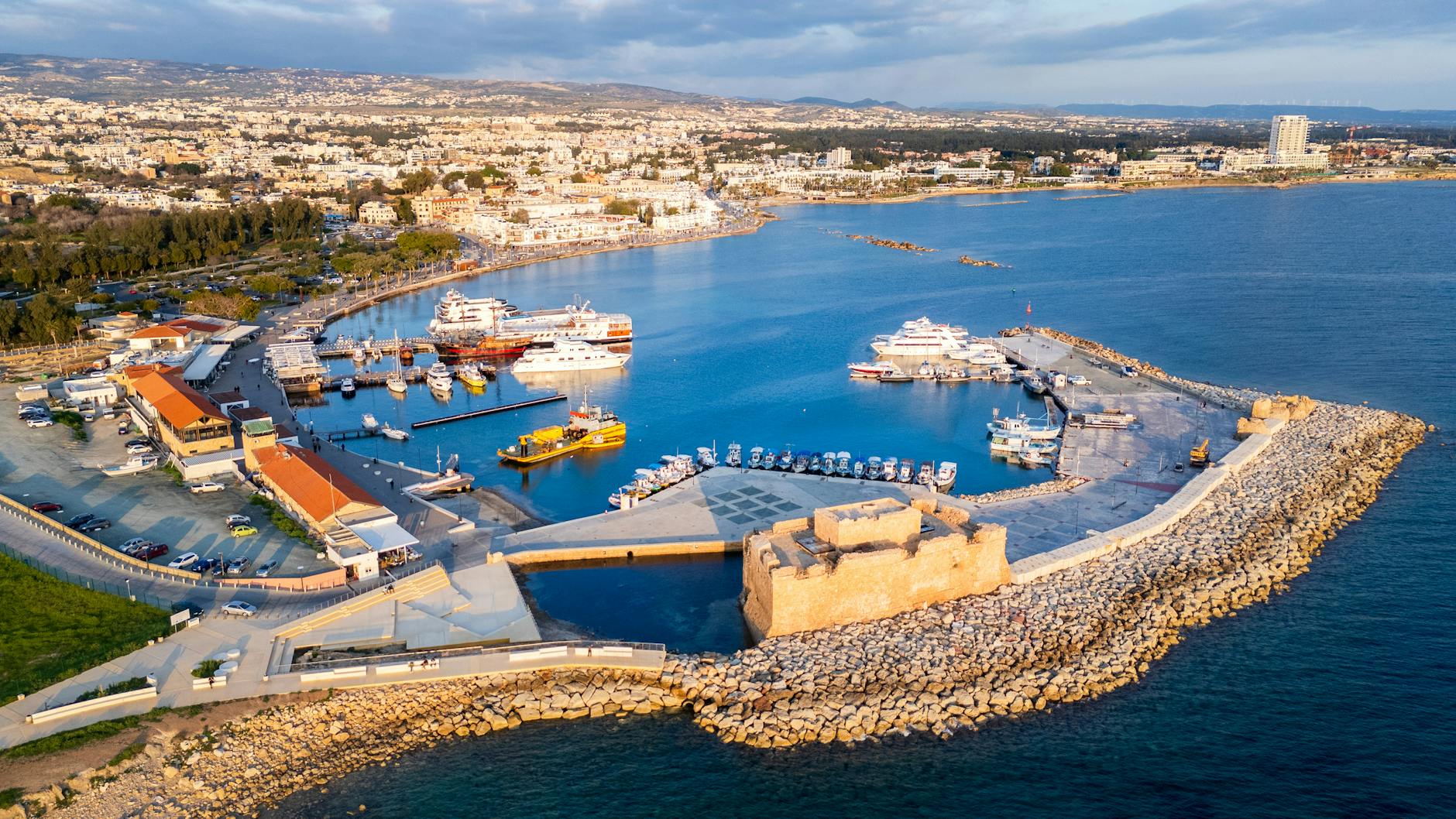
– Kato Paphos (harbour): Waterfront hotels, archaeology sites, entry point for boat trips.
– Old Town (Paphos Town): Markets, tavernas, everyday local life and better value stays.
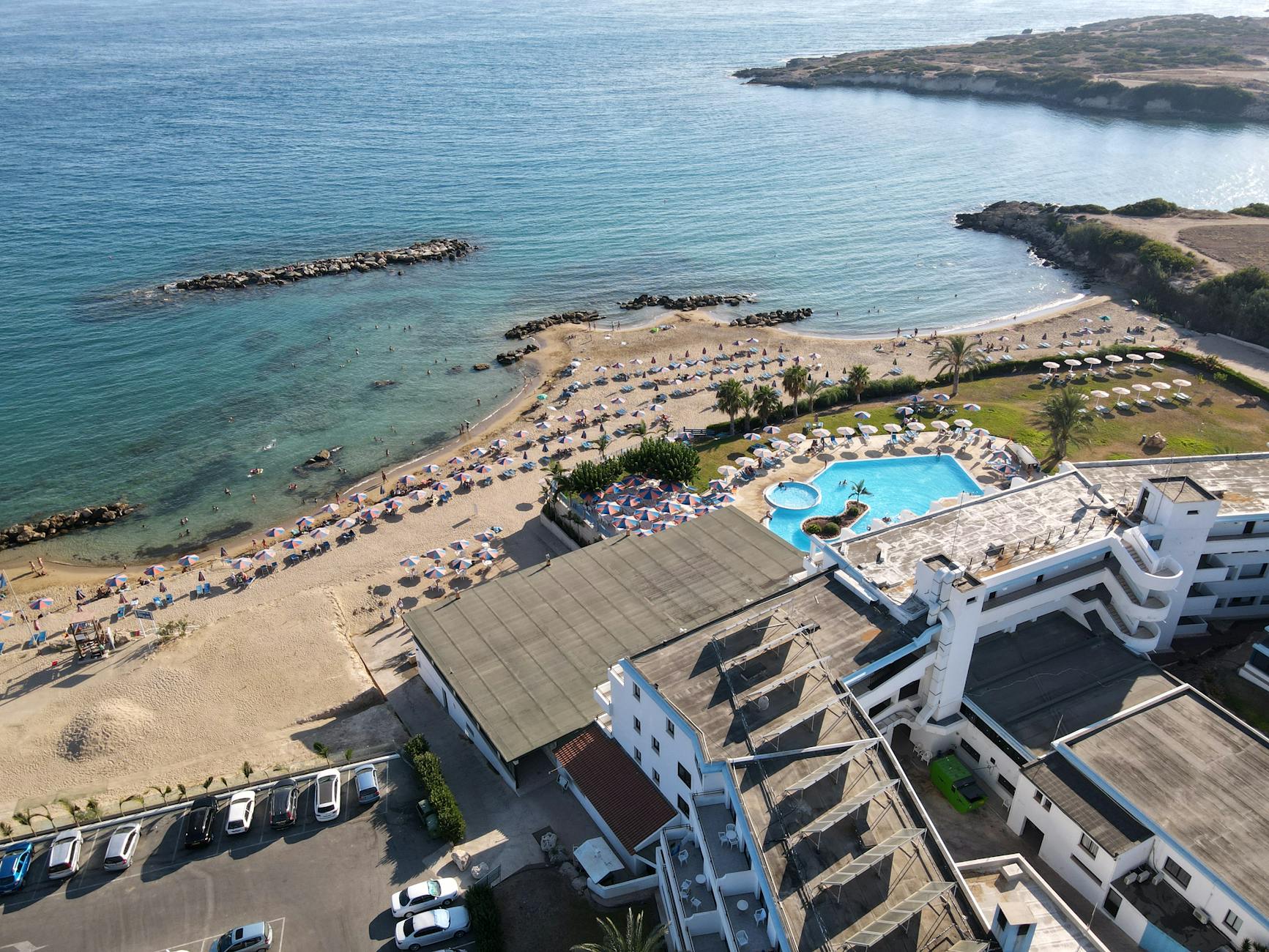
– Coral Bay and Peyia: Sandy beaches and resort-style accommodations; good for families.
– Geroskipou and surrounding villages: Local confectioneries, small tavernas and quieter rural character.
Transport realities:
– Paphos International Airport (PFO) is the nearest commercial airport.
– Public buses run on main coastal routes but schedules thin out in low season and evenings.
– A rental car is practical for Akamas, Lara Bay, and rural villages; expect narrow roads and limited parking near popular beaches in summer.
Seasonal patterns:
– Summer (Jul–Aug): Hot (often 30–35°C) and crowded; book early.
– Shoulder seasons (Apr–May, Sep–Oct): Best balance of weather and crowding.
– Winter (Nov–Feb): Mild but rainy; some small hotels and sea-activity operators suspend services.
Local etiquette:
– Dress modestly in religious buildings and village centers.
– Use small local businesses and tip modestly for good service.
– Respect quiet hours in residential areas, especially late summer evenings.

How to Choose Well
Match dates to your priorities:
- If your 3-day plan focuses on beaches and swimming: pick late June–September. Book beachfront accommodation early and expect higher taxi use.
- If your 3-day plan is archaeology and local tavernas: choose April–May or September; you’ll have cooler walking conditions and more seating in outdoor cafes.
- If hiking Akamas or seeing wildlife: avoid mid-summer heat. Aim for spring or autumn and join guided hikes to protect fragile habitats.
Choose where to stay:
– Kato Paphos: best for first-time visitors, short transfers from airport and easy access to sites and boats.
– Old Town: best for local food, markets and lower-impact stays with family-run guesthouses.
– Coral Bay / Peyia: best if your trip prioritizes beaches and resort conveniences.
Transport choice:
– No car? Base in Kato Paphos/Old Town and plan a few organized day tours.
– With a car? You can reach Lara Bay and Akamas early in the day to avoid crowds and help with low-impact parking.
Refer to the 3 days in Paphos itinerary for day-by-day allocations matched to each base.
Responsible and Local-First Tips
Prioritize low-impact choices that benefit locals and ecosystems:
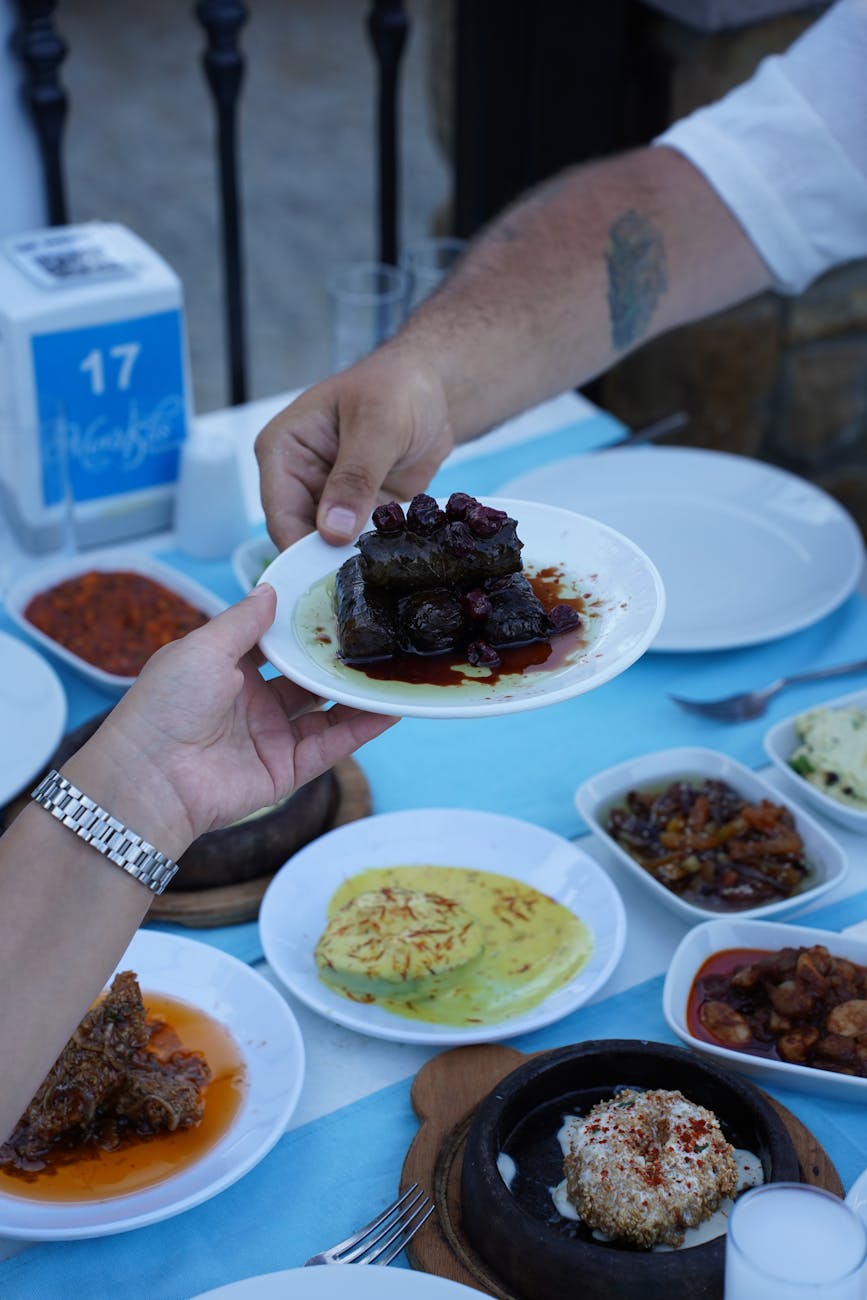
- Support small businesses: eat at family-run tavernas, buy honey and loukoumi in Geroskipou, and choose local guides.
- Turtle protection: nesting season is June–August. Only join accredited or NGO-led night watches; never use bright lights or approach nesting turtles.
- Choose reef- and marine-safe sunscreen and avoid anchoring on seagrass beds; select operators who follow sustainable boating practices.
- Minimize single-use plastics: carry a refillable bottle and shop at the Old Town market for unpackaged produce.
- Walk and bike where practical in Kato Paphos and Old Town; use buses or shared transfers for longer routes when possible.
These choices make your visit more authentic and leave a positive impact on Paphos’ communities and habitats.
Common Mistakes to Avoid
Avoid these common planning errors:
- Underestimating travel time: narrow rural roads and summer traffic can make short distances take longer.
- Relying only on buses: services are sparser off-peak and in evenings; have a fallback (taxi or rental).
- Visiting Akamas midday in summer: intense heat and limited shade; go early or late and bring water and sun protection.
- Disturbing wildlife: never approach turtle nesting sites or cliff-nesting birds; follow guide instructions.
- Booking last-minute in July–August: hotels and car rentals sell out; prices peak.
- Assuming everything operates year-round: some small tavernas, boat operators and hotels close in low season — check opening hours.
FAQ
When is the sea warm enough to swim?
Sea temperatures generally make comfortable swimming from late May through September. Early June and September are often warm without peak crowds.
Is Paphos worth visiting in winter?
Yes — winter is mild and good for archaeology, village visits and lower prices. Expect more rain and reduced hours for some sea-based activities.
Can I see loggerhead turtles from Paphos?
Yes, Lara Bay (Akamas) is a nesting area June–August. Join accredited night watches or conservation-led tours and never disturb nests.
Do I need a car in Paphos?
A car is recommended if you plan to explore Akamas, Lara Bay, Polis or remote villages. For a short stay focused on Kato Paphos and Old Town, buses and walking can be sufficient.
How far in advance should I book?
For July–August, book accommodations and car rentals 2–4 months ahead. For shoulder seasons you can often secure good options with 2–6 weeks’ notice, but special events and holiday weekends fill earlier.
Conclusion
For a balanced 3-day trip to Paphos, choose April–May or September–October for the best mix of weather, quieter sites and lower impact. If you prioritize swimming and full summer energy, plan for June–August and book in advance. Wherever you go, favor local businesses, join certified tours for wildlife viewing, and pick early-morning or late-afternoon windows for outdoor activities to reduce heat exposure and crowds.
Ready to plan daily logistics? Read the 3 days in Paphos guide to pair dates with a practical itinerary and side trips to Limassol, Nicosia, Larnaca or the nearby resorts along the south coast.
How this guide was prepared
This guide was prepared through a structured research that combines destination research, geographic context, itinerary planning logic, and content review.