
Honolulu in 3 Days: Practical Itinerary and Costs
A frank 3-day Honolulu plan with transit, realistic prices, neighbourhood picks and what to skip to make the most of a short stay.
A clear, practical three-day plan for Waikiki, downtown and a North Shore half-day, with transit tips, meal picks and realistic budgets.
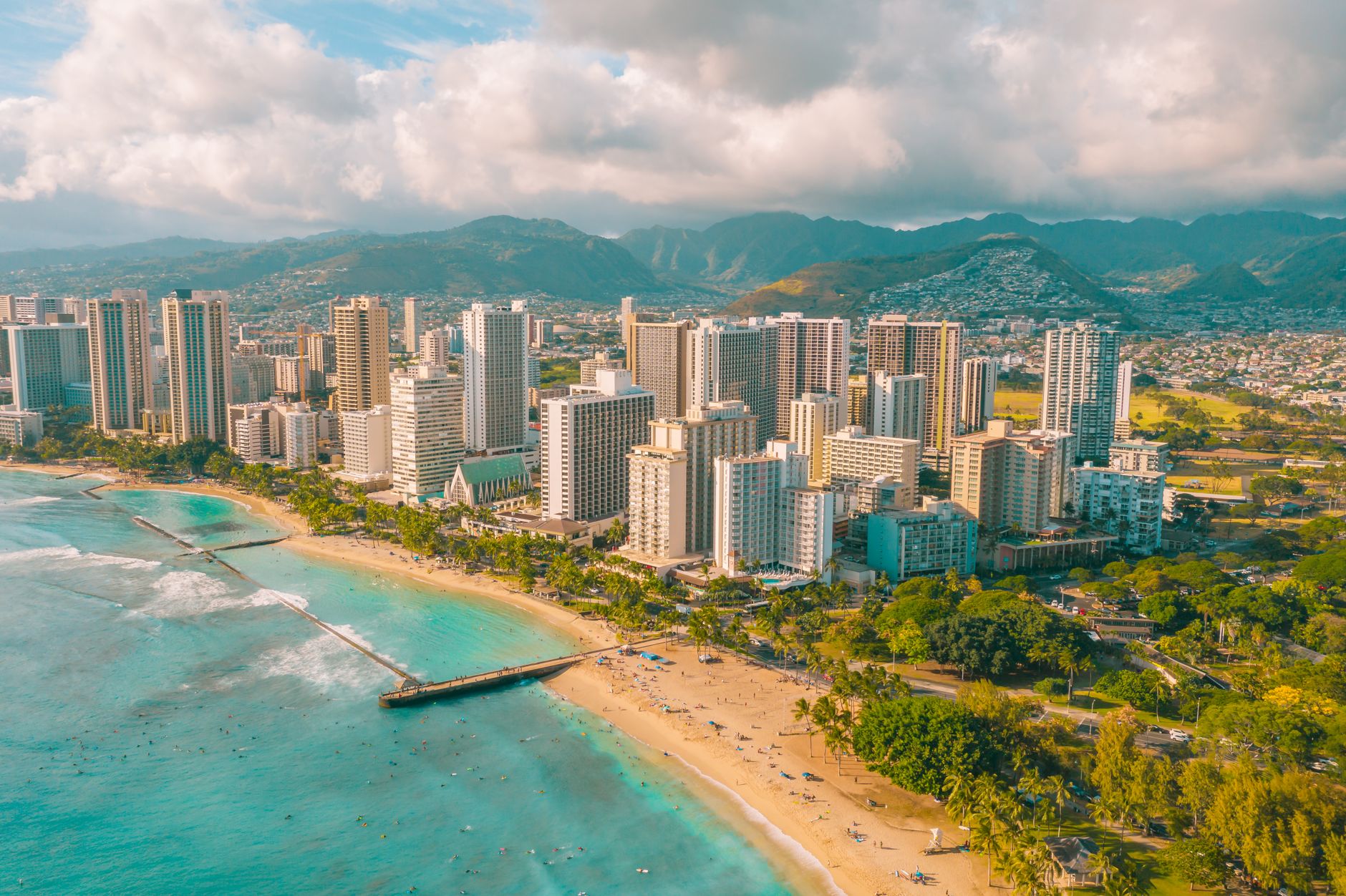
Expect a coastal urban place where shoreline life and a compact downtown sit side by side. The first impression is sun, dense tourist infrastructure around Waikiki and a surprisingly walkable downtown with older streets, banyan trees in Chinatown and several serious cultural museums.
Is 3 days in Honolulu enough?
Yes — three days is enough to see Waikiki beaches, Diamond Head, Pearl Harbor/USS Arizona Memorial and one different neighbourhood (Downtown/Chinatown or a North Shore half-day). The honest caveat: a single city trip cannot replace a full island tour; long trips to the windward coast or full North Shore exploration will be cursory.
Who This Guide Is For
Best for first-time visitors who want a mix of beach time, a major memorial visit, and a taste of local food within a short schedule. Poor fit for travelers wanting a relaxed island road trip or in-depth surf culture research.
Local Tips for Honolulu
Practical details that most travel sites skip — specific to Honolulu.
- Buy a reloadable HOLO card at Daniel K. Inouye International Airport (HNL) or at convenience stores — it works on TheBus and Skyline and is faster than cash; keep at least $20 loaded for three days of local travel.
- Diamond Head State Monument charges $5 per pedestrian entry; arrive at the crater gate by 7:00 for cooler air and parking is limited—TheBus route 23 from Waikiki stops nearby if driving is tight.
- USS Arizona Memorial timed tickets are free through the National Park Service site but ferry reservation slots fill early; reserve the morning slot days in advance during high season.
- Leonard's Bakery malasadas are typically $1.75–$2.00 each; they sell out on weekend mornings so go early or after a morning beach walk to avoid the line.
- Rainbow Drive-In in Mānoa/Ali'i formula (the original near Kapahulu at Kapahulu Ave) is a reliable plate-lunch option with loco moco for about $12–$15 and is cash and card friendly.
How This Guide Was Prepared
Three days here lets a visitor see the shoreline life around Waikiki, visit major memorials and squeeze in a distinct neighbourhood or two without pretending to cover the whole island. Many guides treat Honolulu as only beaches and hotels; this guide separates the downtown cultural sites, the rail-and-bus reality, and where time is usually wasted. This guide was prepared through a structured research that combines destination research, geographic context, itinerary planning logic, and content review.
Plan Your Stay in Honolulu
Use this itinerary as your starting point, then compare areas to stay, transport options, seasonal timing, and realistic daily costs before booking.
Why Visit
There are concentrated experiences that fit a short trip: accessible memorials and museums like the USS Arizona Memorial and Bishop Museum that explain the island's role in 20th-century history. The near-shore scenery is immediate: Diamond Head's 1.6 km summit trail and Waikiki Beach allow a sunrise hike and a beach morning without long drives. The culinary side is compact and reachable: plate lunches, poke counters and Leonard's malasadas are clustered so sampling several classic dishes takes little time. Downtown and Chinatown provide a different mood from the beachfront; galleries, farmer stalls and weekday lunch crowds show an urban side many visitors miss.
Quick Planning Tips
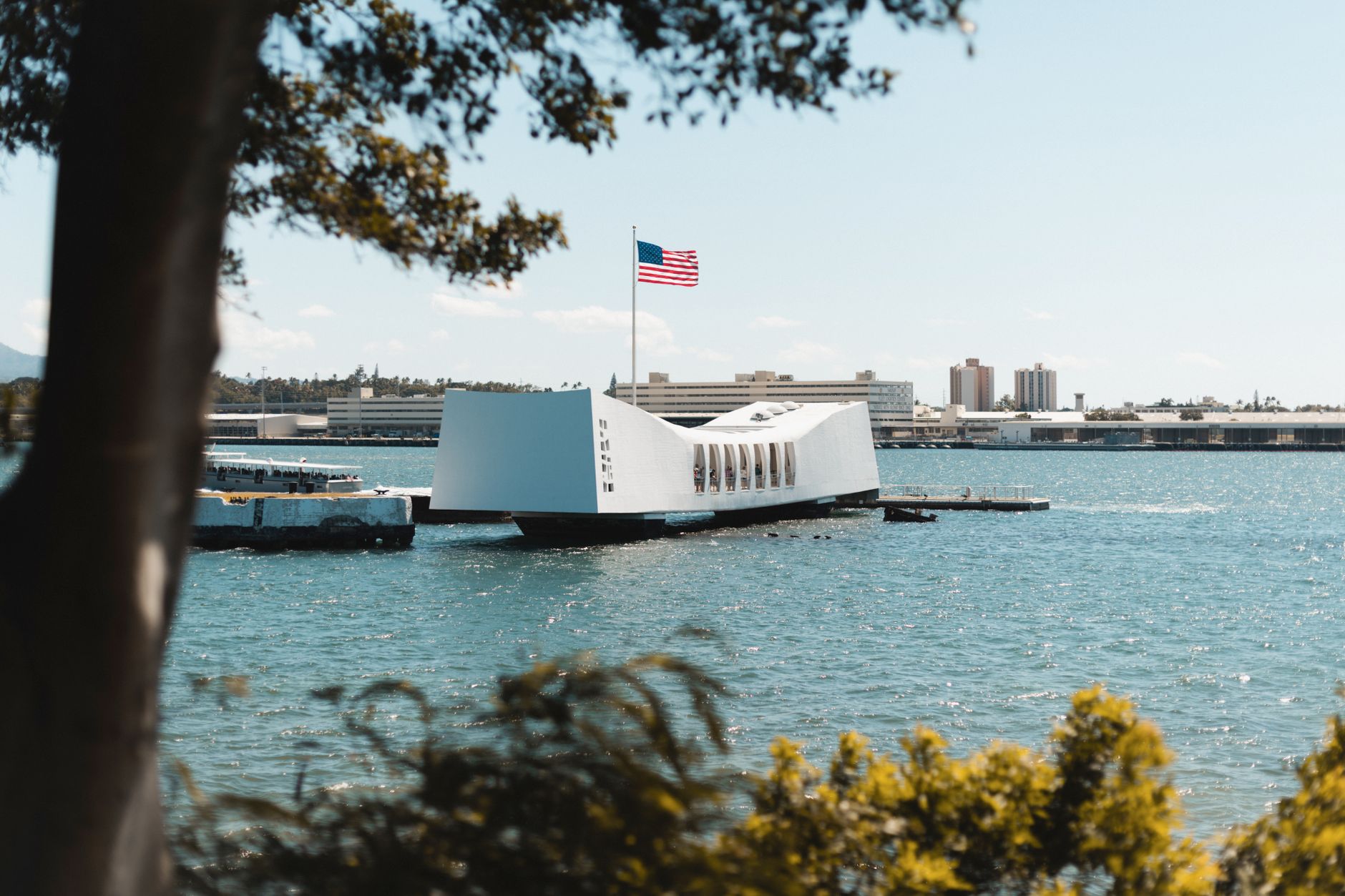
Fly into Daniel K. Inouye International Airport (HNL); an Uber/taxi to central Waikiki costs about $35–$50 depending on traffic and is often faster with luggage than taking multiple buses. Buy a HOLO card at airport kiosks or convenience stores to pay for TheBus and the Skyline rail; a single cash fare is $3.00 while reloadable fares on HOLO are slightly cheaper and faster. Avoid booking the USS Arizona Memorial on the spot; reserve free timed tickets through the National Park Service website or get there before opening for standby. Pack reef-safe sunscreen and a small reef-safe snorkel set if planning Hanauma Bay; the bay requires a short reservation or entry fee on busy days.
Day 1
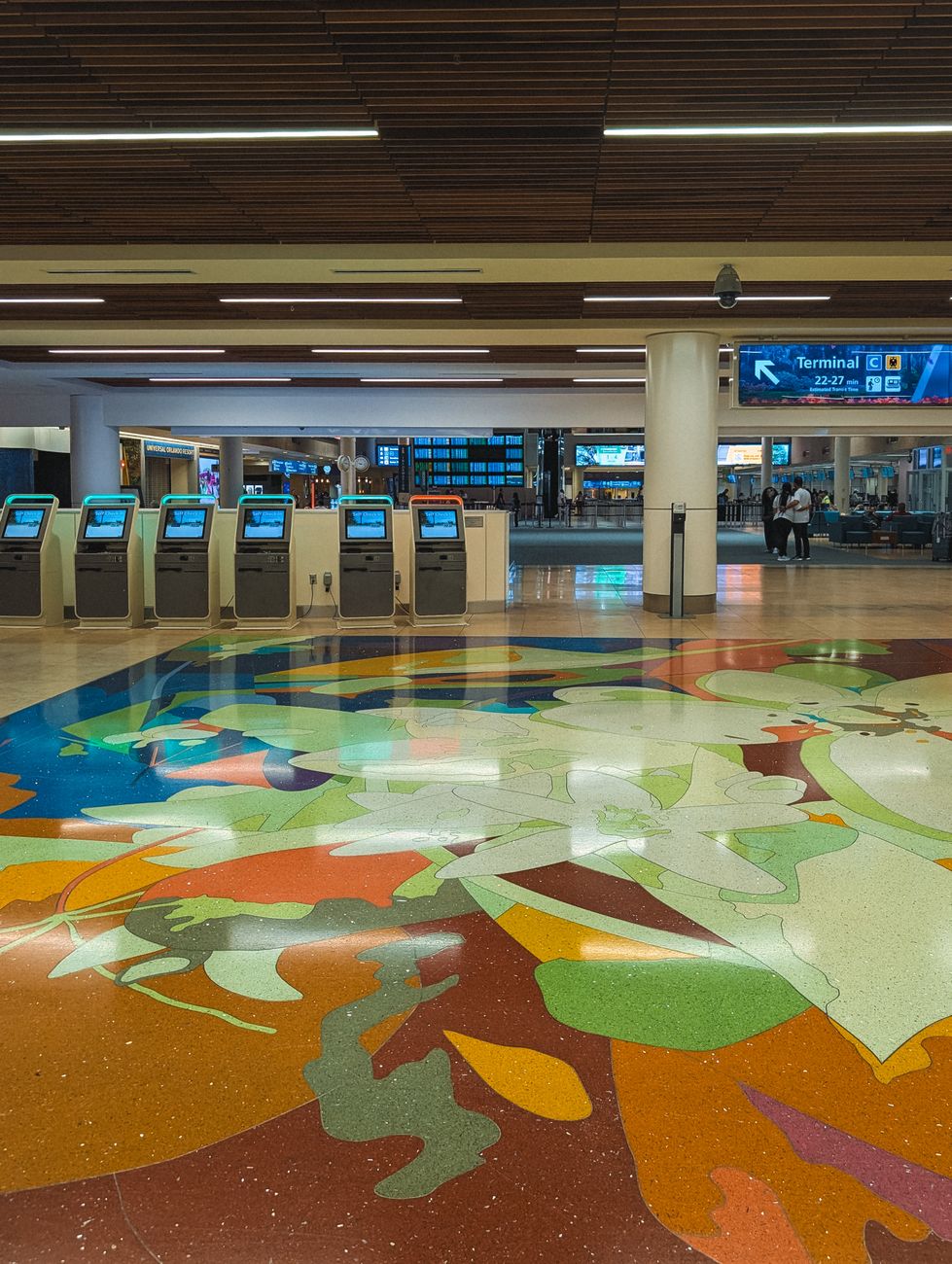
Morning: Start at Kuhio Beach or the Waikiki section closest to your hotel for an early swim or surf lesson; many board rentals open by 7:00. Walk 15–25 minutes (or take a 5–10 minute bus ride) to the Diamond Head trailhead; the round-trip hike to the summit takes about 1.5–2 hours including viewpoint stops and the entry fee is $5 per person. Lunch: After returning from Diamond Head, walk or bus back to Kapahulu Ave and eat at Rainbow Drive-In for a plate lunch (loco moco roughly $12–$15).
Day 2
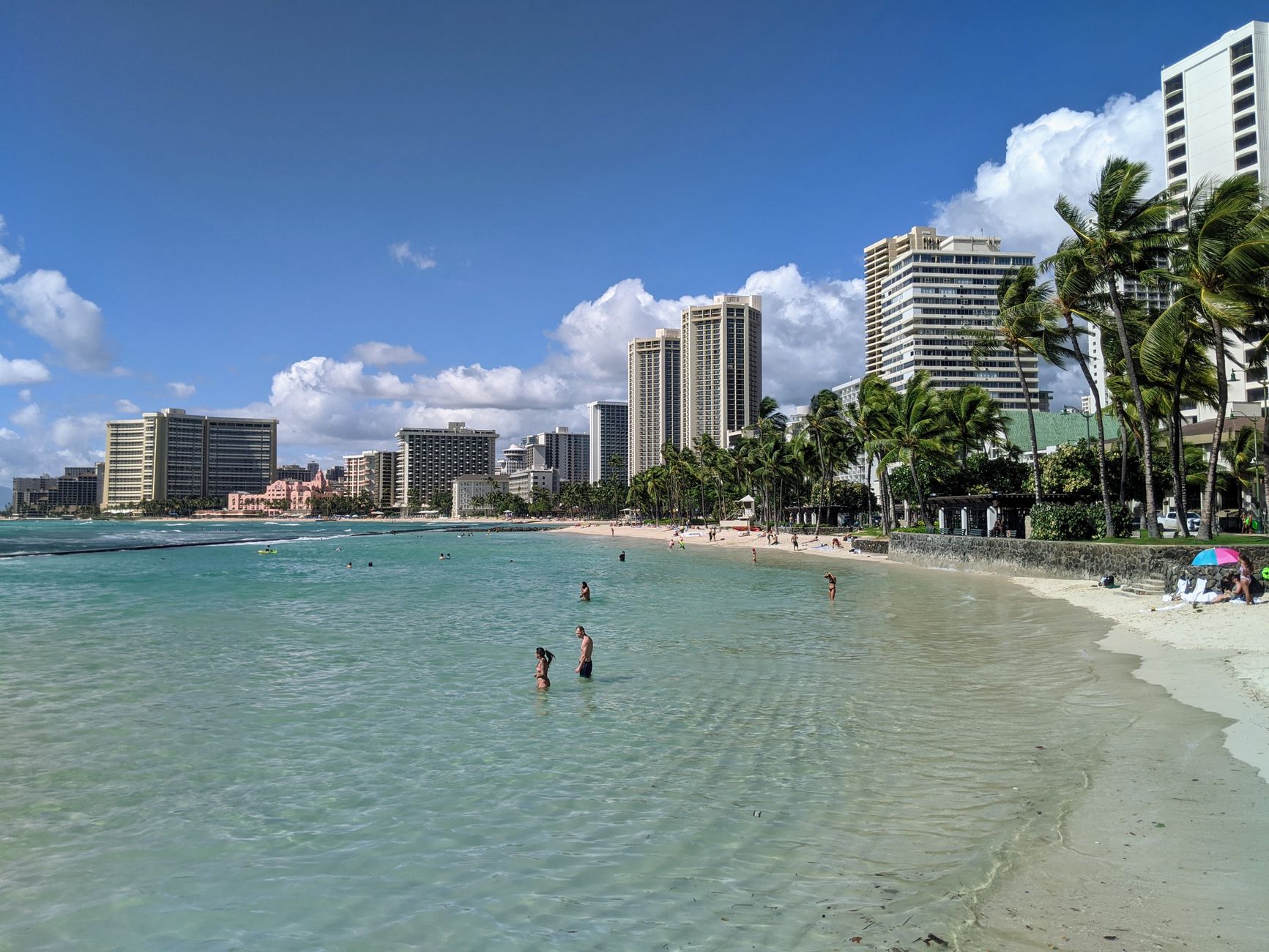
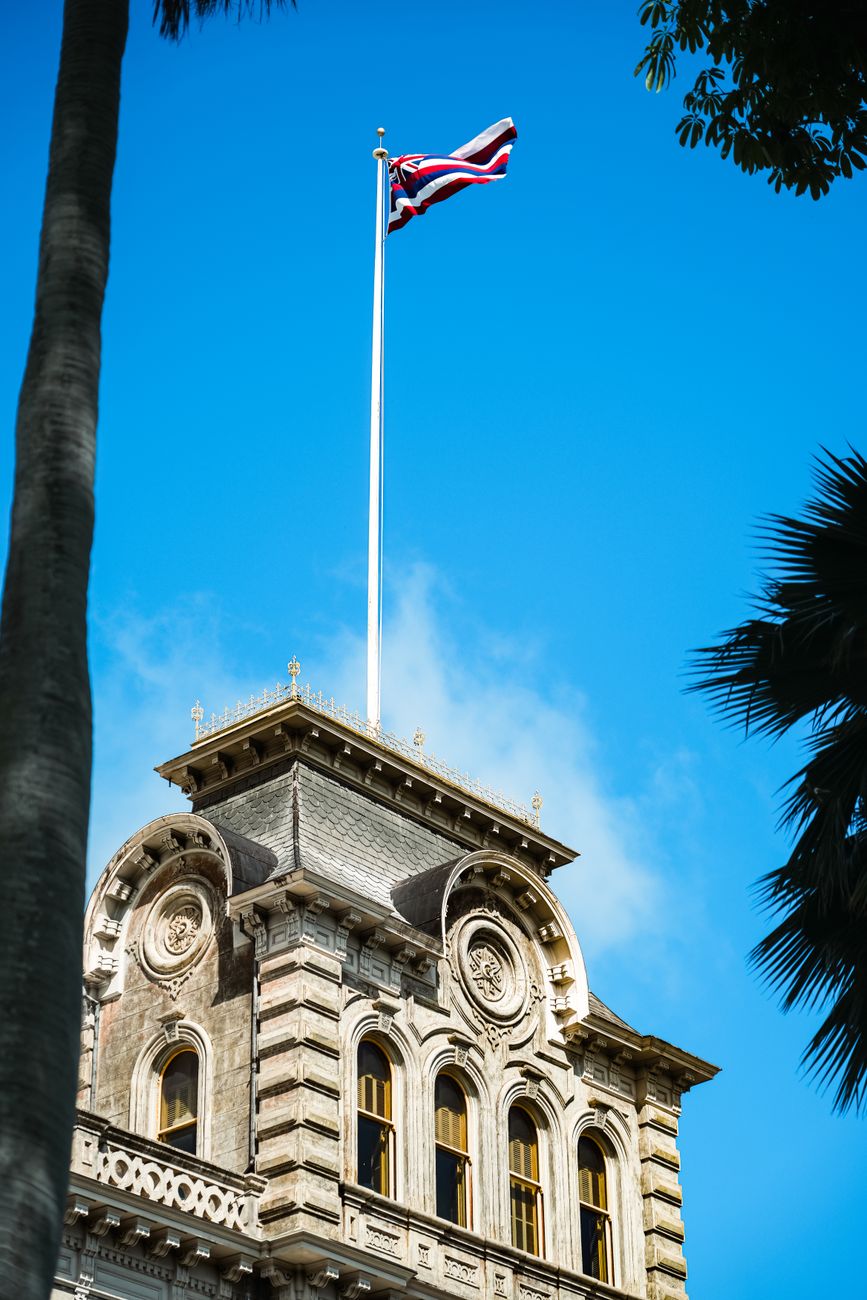
Morning: Take TheBus or a short rideshare into Downtown and Chinatown; walk Maunakea and Nuuanu streets to see open-air markets, Kekaulike Market stalls and the historic Iolani Palace. Allocate 1.5–2 hours for an Iolani Palace tour (adult admission about $25); allow extra time for the Honolulu Museum of Art if interested (entrance around $20). Lunch: The Pig and The Lady in Chinatown offers inventive Vietnamese-fusion dishes and a reliable midday queue; mains are about $15–$25. Afternoon: Walk or bus to the Ala Moana Center for shopping and Ala Moana Beach Park for a relaxed shoreline break; TheBus connections between downtown and Ala Moana are frequent and take about 10–15 minutes. Evening: Return to Waikiki for sunset on the beach and dinner at Nico's Pier 38 if craving fresh seafood (dinner mains around $20–$35).
Day 3
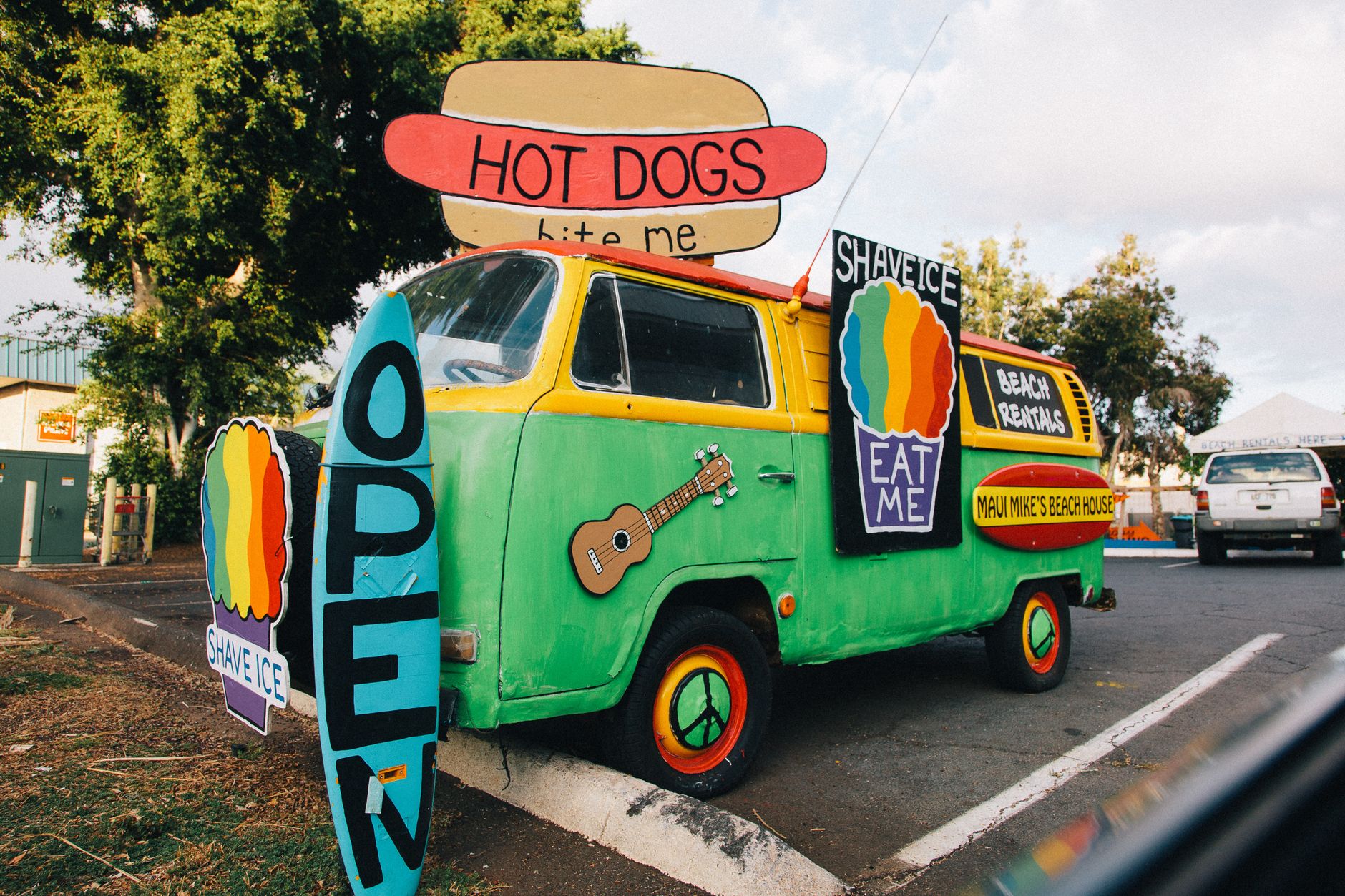
Option A (North Shore half-day): Rent a car early or take an inter-island tour and drive about 40–60 minutes to Haleiwa for Matsumoto Shave Ice, then visit Waimea Bay or Banzai Pipeline lookouts. Plan for 3–5 hours round trip including stops; parking and summer crowds can add delays. Option B (beach and museum day): Spend the morning snorkeling at Hanauma Bay (closed Tuesdays; entry and education fee applies) and then head to Bishop Museum for Polynesian cultural exhibits (adult admission about $24). Practical checkout note: if catching an afternoon flight, stay near the airport or allow a full 1.5–2 hours for travel from Waikiki with luggage and peak-hour traffic.
Best Local Experiences
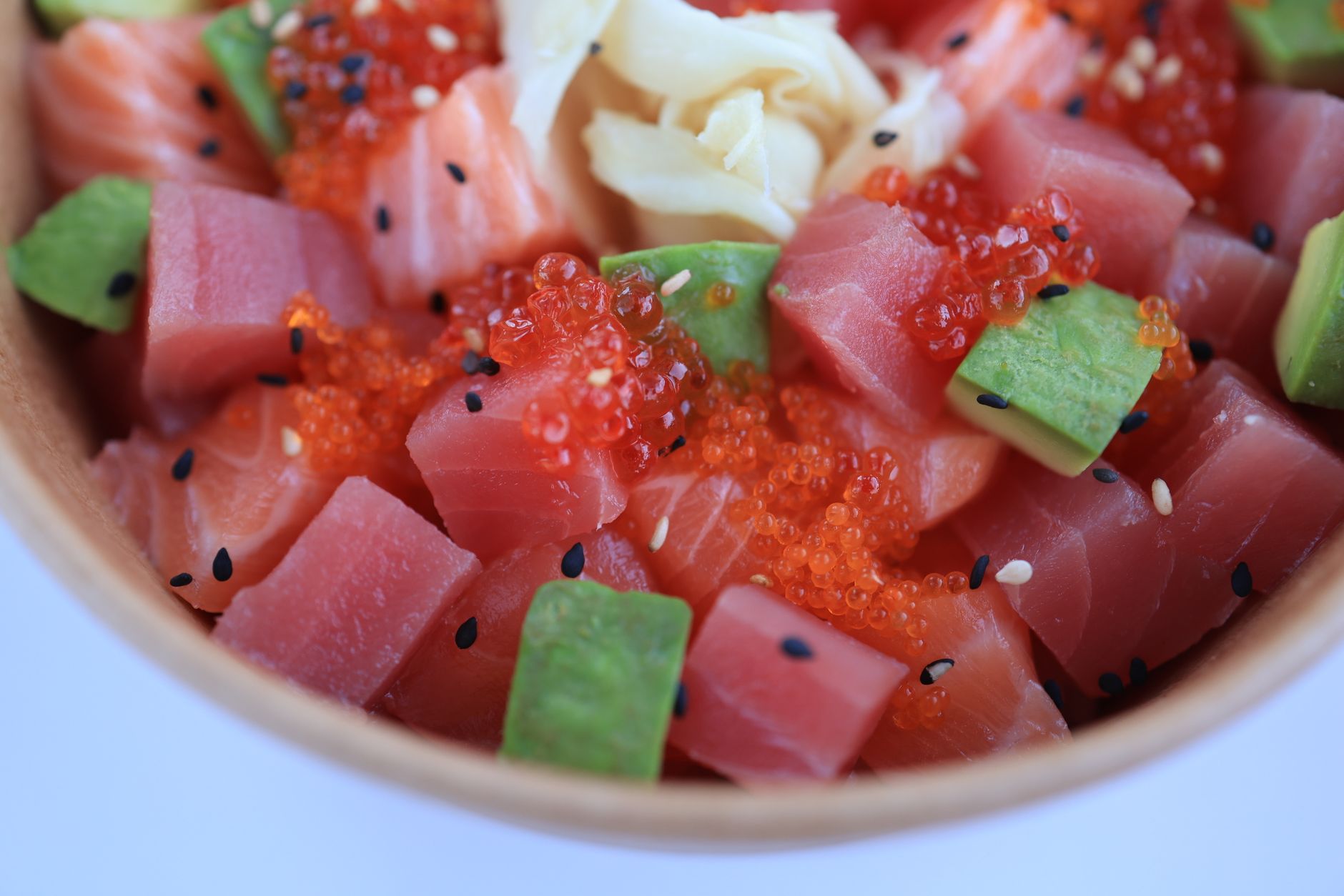
Buy poke at local counters like Ono Seafood or Pier 38 for a fast, authentic meal. Attend a weekday farmers market at Kapiolani Community College (Saturday) or at the Kakaako Farmers Market (Sunday pop-ups) for local fruit and prepared foods. Visit Leonard's Bakery for malasadas—go early to avoid the peak line. Walk the murals in Kakaako (near SALT at Our Kaka'ako) to see the area's street-art scene. Book the free USS Arizona Memorial timed entry through the NPS site for the core Pearl Harbor experience; combine with the Battleship Missouri or the Pearl Harbor Visitor Center exhibits if time allows.
Where to Stay
Waikiki: Suits first-timers who want direct beach access, lots of restaurants and many hotel options. Expect mid-range hotel rooms from about USD 180–300/night (≈ EUR 165–275). Downtown/Chinatown: Suits culture-focused visitors and those who prefer lower room rates and quicker access to Iolani Palace and museums. Expect boutique hotels or apartments from USD 120–220/night (≈ EUR 110–200). Kakaako/Momilani: Suits visitors who want a more local neighbourhood with cafés and murals, plus short rides to Ala Moana Center. Expect condos and boutique options around USD 150–260/night (≈ EUR 135–240).
Food and Drink
Spam musubi: a rice-and-spam snack wrapped with nori; find it at 7-Eleven stores, local delis and musubi specialist shops for about $2–$4. Loco moco: hamburger patty over rice topped with gravy and a fried egg; solid plates at Rainbow Drive-In run $12–$15. Poke: raw marinated fish in bowls; Ono Seafood and Nico's Pier 38 serve good versions for $10–$15 for a basic bowl. Malasadas: Portuguese fried-dough at Leonard's Bakery, about $1.75–$2.50 each. Shave ice: flavored ice with syrup and optional azuki beans; Matsumoto Shave Ice in Haleiwa and Waiola in town sell large servings for $4–$7. For dinner, Helena's Hawaiian Food offers laulau, kalua pig and pipikaula with plates around $15–$25; reservations or early arrival recommended for dinner service.
Getting Around
Primary public transit is TheBus, a comprehensive island bus network; fare by cash is $3.00 per ride and the HOLO card is the reloadable contactless option used for both TheBus and Skyline rail. Skyline (Honolulu Rail Transit) offers service on its operating segments; check the HOLO app or the Skyline website for current stops and schedules during planning. Popular bus links: buses from Waikiki to Ala Moana and downtown run every 10–20 minutes; bus travel times within Honolulu are typically 15–40 minutes depending on route and traffic. Taxi/ride-share fares from HNL to central Waikiki run roughly $35–$50; use the HOLO app for transit schedules and Google Maps for reliable connections.
Best Time to Visit
High season runs December through March and again in June–August with the warmest water and more expensive hotels; expect higher room rates and bigger crowds at beaches and Pearl Harbor sites. Shoulder months April–May and September–October often offer lower hotel prices, comfortable temperatures (mid 70s–low 80s °F / 24–28 °C) and fewer crowds. Avoid the wettest months if possible: November–March bring more frequent showers and bigger surf on the North Shore, which affects some beach plans.
Budget and Practical Tips
Daily budget estimates: Budget traveler: USD 80–120/day (≈ EUR 74–110) covering hostel or basic Airbnb, groceries, TheBus fares and a few paid entries. Mid-range traveler: USD 200–320/day (≈ EUR 185–295) covering a mid-range hotel, some restaurant meals, transit and a paid tour or museum entries. Splurge traveler: USD 400+/day (≈ EUR 370+) with nicer hotel, several sit-down dinners and guided excursions. Entry fees to factor: Diamond Head $5, Iolani Palace ≈ $25, Bishop Museum ≈ $24, Waikiki Aquarium ≈ $12–$18. Tipping: standard U.S. norms apply — 15–20% at sit-down restaurants, $1–2 per drink and rounding up for taxi drivers; hotel housekeeping typically $2–5 per night if service was used.
FAQ
Is Waikiki safe at night?
The beachfront and major tourist strips are generally safe with police presence, but standard urban precautions apply—keep valuables secure and avoid poorly lit side streets late at night.
Is a car necessary for three days?
Not strictly; TheBus and short rideshares cover Waikiki, downtown and main attractions, but a rental helps for North Shore day trips or flexible Hanauma Bay timing.
Is the HOLO card worth buying?
Yes — it speeds boarding, works on TheBus and Skyline, and avoids needing exact cash; load what is needed and reload online or at retail partners.
How far is the airport from Waikiki and how long to plan?
Daniel K. Inouye International Airport (HNL) is about 10–12 km from central Waikiki; allow 25–45 minutes by car depending on traffic and 45–60+ minutes by bus with transfers.
Are tours required for Pearl Harbor/USS Arizona Memorial?
Timed tickets are free and recommended; museum exhibits and audio tours may have separate charges, and organized guided tours provide added context but are optional.
Can snorkeling be done from Waikiki or is Hanauma Bay better?
Basic snorkeling is possible off some reef spots near Waikiki, but Hanauma Bay offers a more protected reef with clearer water and better fish viewing—note it is closed Tuesdays and may require reservations.
Conclusion
A three-day visit will be remembered for its mix of surf-and-sun mornings, one or two serious cultural sites and a single distinct neighbourhood visit that contrasts with Waikiki. Prioritise one paid memorial or museum (USS Arizona or Bishop Museum) and one outdoor highlight (Diamond Head or Hanauma Bay) if time is tight. If forced to drop something, skip long driving loops and keep a compact downtown-plus-beach plan to avoid spending most of the trip in traffic.
How this guide was prepared
This guide was prepared through a structured research that combines destination research, geographic context, itinerary planning logic, and content review.