
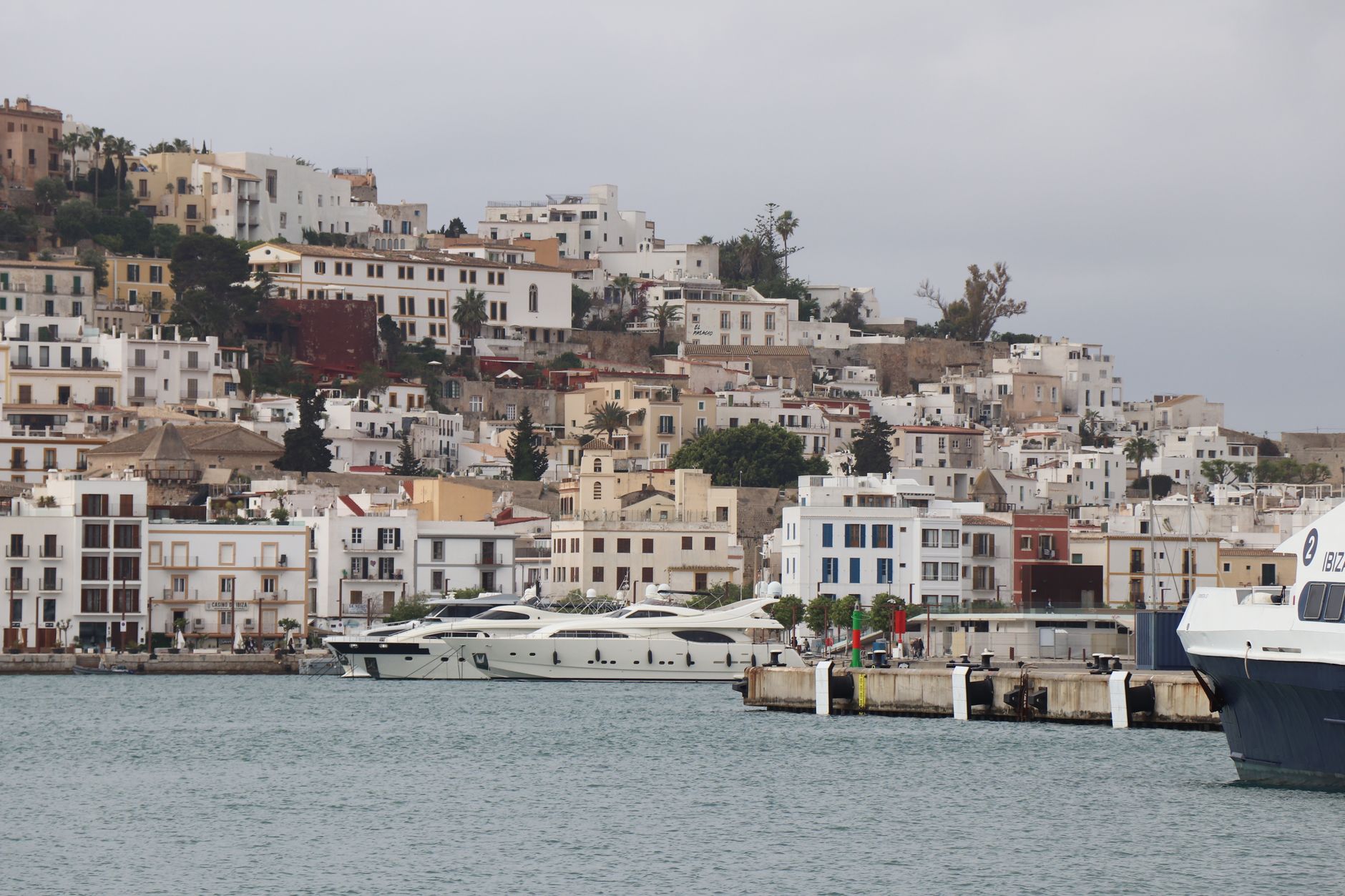
Ibiza in 3 Days: Practical Weekend Itinerary and Tips
Practical 3-day Ibiza guide: Dalt Vila, Playa d'en Bossa, Formentera ferry, markets, realistic costs, transit tips and when to visit for best value.
A hard-nosed, practical 72-hour plan for seeing the island's old town, main beaches, markets and a Formentera trip without wasting time on hype or always-on-nightlife expectations.
Expect narrow, sun-bleached streets in the old town and long, wind-swept beaches on the south shore. The island's personality is split: daytime fishing-village history and market culture coexist with a high-cost, event-driven nightlife in a few concentrated venues. Many arriving visitors imagine one single identity dominated by clubs; the practical reality is a tiny but varied island where transport, timing and season shape what is possible.
Travel suits people who can tolerate crowds in July–August or who plan visits in late spring and early autumn to avoid peak prices. Noise from boats and bars can be loud in marina areas; budget travelers should plan accommodation away from Marina Botafoch and Playa d'en Bossa to save money. The most useful first impression is that movement across the island takes time during busy months, so concentrate activities by neighbourhood each day.
Is 3 days in Ibiza enough?
Yes: three days are enough to cover Dalt Vila, a major beach (Playa d'en Bossa or Talamanca), a market visit and a short ferry run to Formentera or a viewpoint like Es Vedrà. The honest caveat is that full club nights, multiple island beaches and relaxed exploration of every village require more time.
Who This Guide Is For
Best for first-time visitors who want a mix of history, beaches and one island trip; less suitable for budget backpackers who expect cheap private transfers or for people wanting to spend nights in multiple major clubs each evening.
Local Tips for Ibiza
Practical details that most travel sites skip — specific to Ibiza.
- Ferries to Formentera depart from Ibiza Town port via Trasmapi or Baleària; single fares are roughly €26–€40 depending on fast or conventional boats and take 25–45 minutes.
- Las Dalias hippy market in Sant Carles operates mainly on Saturdays (roughly 10:00–21:00 in high season); arrive before noon to avoid the busiest hours and to see artisans set up.
- The Puig des Molins necropolis adjacent to Dalt Vila has an entrance fee around €6–€8; combined ticketing with the Archaeological Museum can save time and covers the site.
- Airport public bus to Ibiza Town costs about €3.50 one-way and runs every 20–30 minutes in peak season; tickets can be bought at the airport machine or from the driver with exact change.
- Hierbas Ibicencas is a local herbal liqueur; supermarket bottles cost roughly €6–€12 and a small digestif in bars is usually €2–€4—try a glass after dinner in Dalt Vila or Figueretas.
How This Guide Was Prepared
This guide treats Ibiza as a place with day-life and local culture as much as clubbing; many guides either sell nonstop nightlife or reduce the island to party clichés. Practical transport, timing for markets and realistic costs get priority over glossy photos. This guide was prepared through a structured research that combines destination research, geographic context, itinerary planning logic, and content review.
Plan Your Stay in Ibiza
Use this itinerary as your starting point, then compare areas to stay, transport options, seasonal timing, and realistic daily costs before booking.
Why Visit
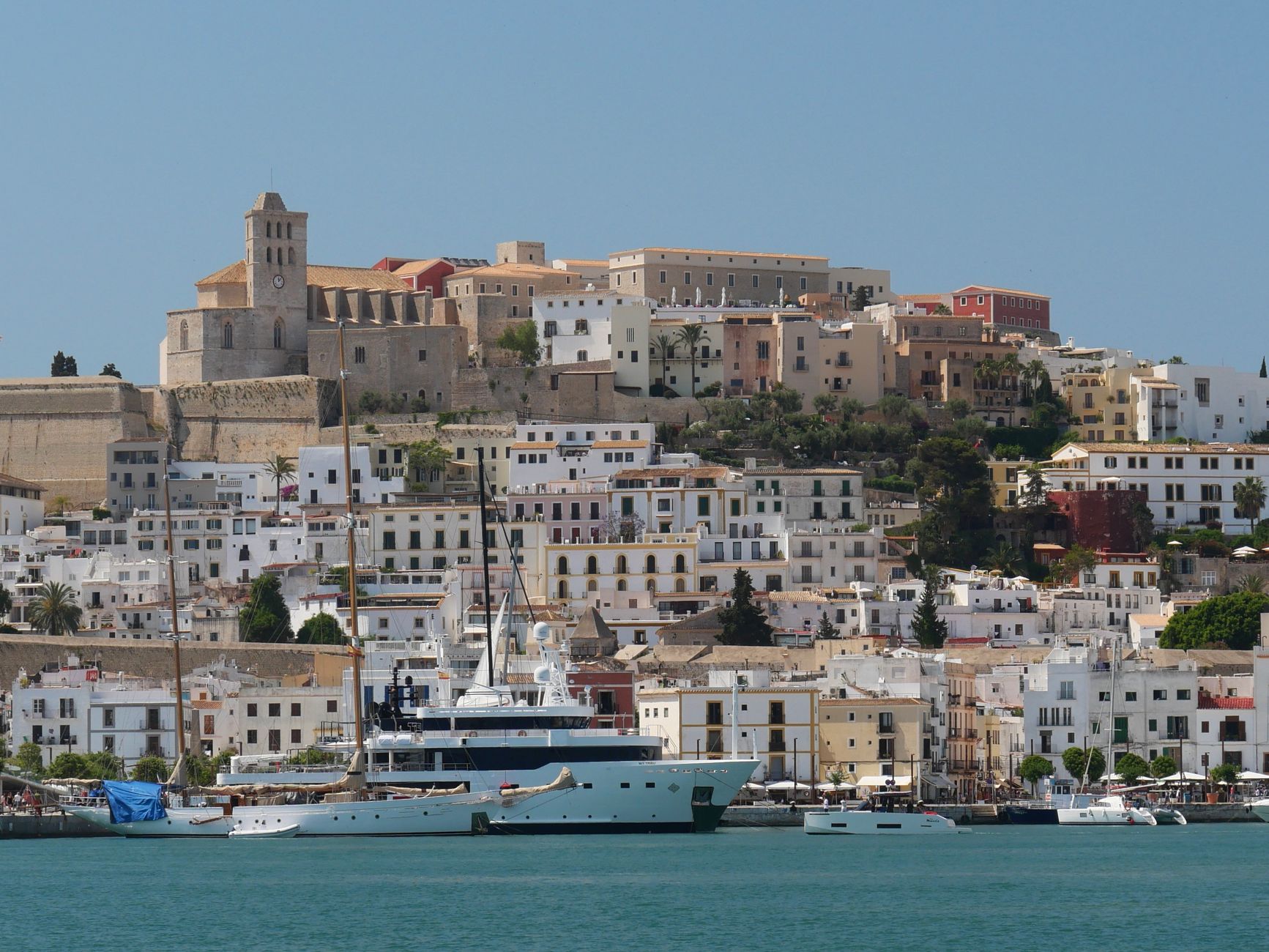
Dalt Vila offers compact, walkable history with fortified walls, the Cathedral and viewpoints that reward a single afternoon of effort. Beaches such as Salinas and Playa d'en Bossa provide very different atmospheres: Salinas for salt flats and naturist sections, Playa d'en Bossa for long sand and beach clubs. Short boat service to Formentera unlocks clear-water beaches better suited to snorkeling and bike exploration on a day trip.
Markets and local gastronomy are reasons in their own right: Las Dalias and Punta Arabí offer artisan goods and live music outside the central tourist strip. The island's small museums and the Puig des Molins necropolis present archaeological depth that many guidebooks overlook when they focus solely on nightlife.
Quick Planning Tips
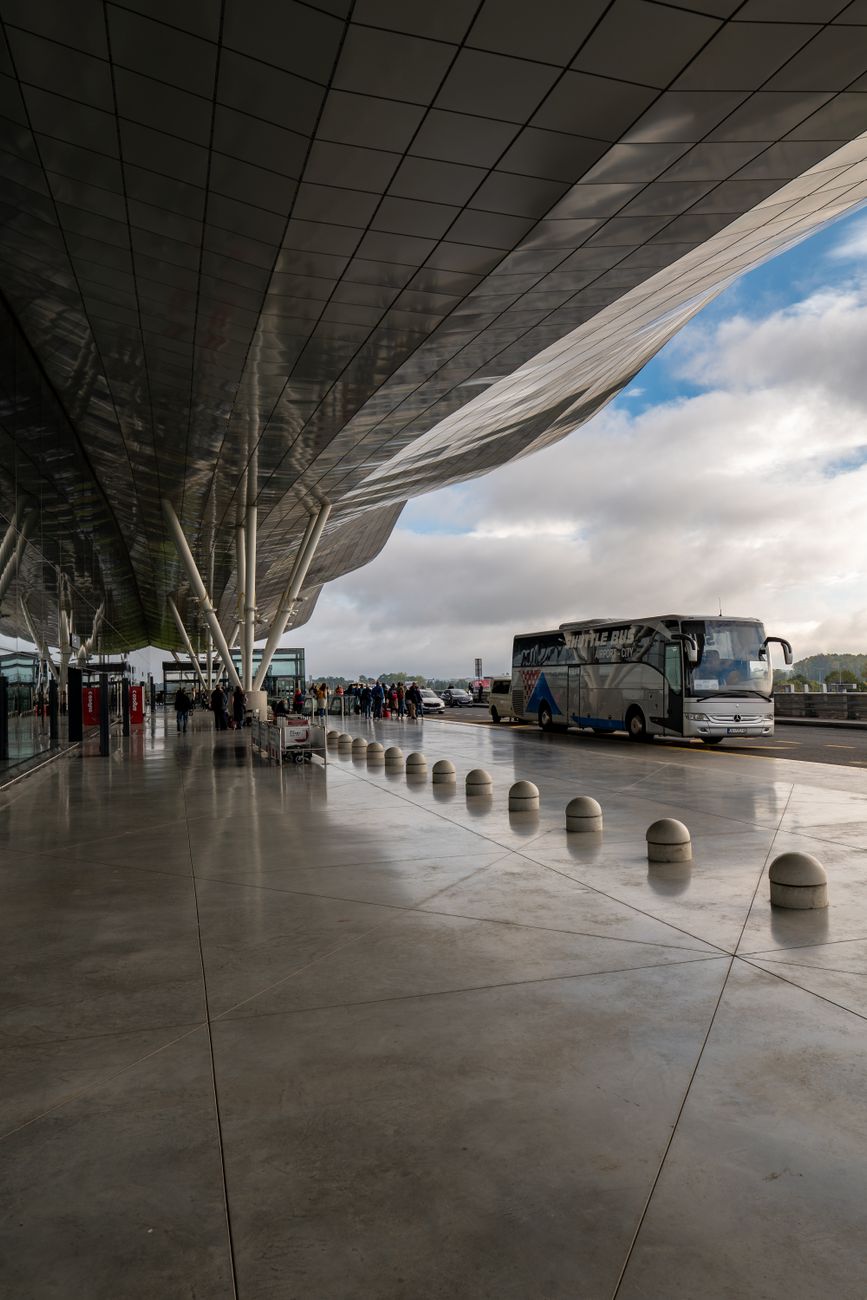
Fly into the island airport; a public airport bus reaches Ibiza Town in about 20–25 minutes and costs roughly €3.50 one-way. Ferries to Formentera leave from the main port in Ibiza Town; book fast ferries in July–August or early morning for best availability.
Carry euros: small shops and market stalls accept cash; many places accept cards but contactless limits sometimes apply at beach kiosks. Avoid booking a rental car without checking parking near Dalt Vila and Marina Botafoch—reserve spaces or plan to use buses and taxis for town visits.
Day 1
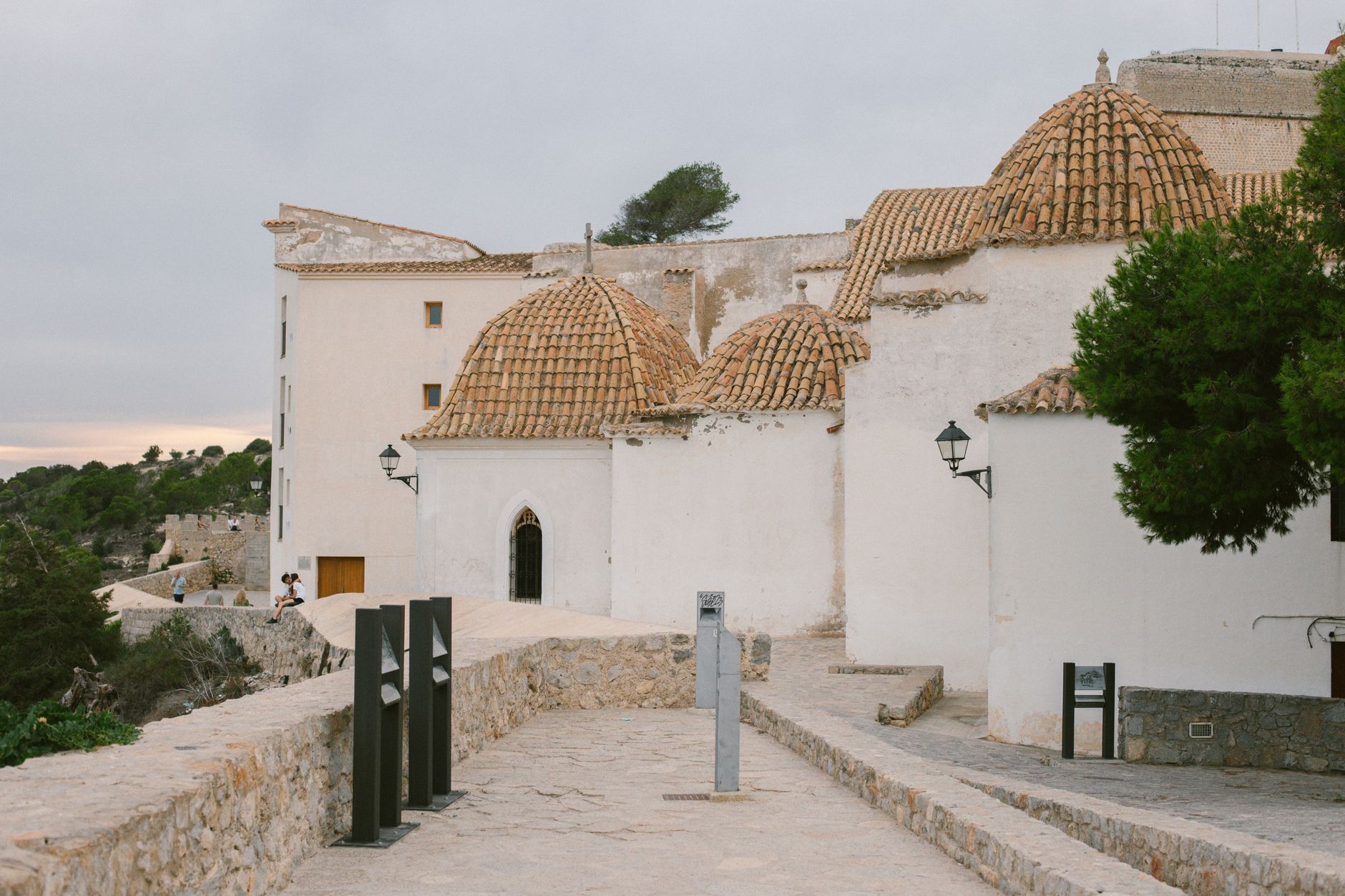
Morning: Start in Dalt Vila (the fortified old town). Walk from the port up Calle de la Virgen to the Cathedral; exploring the ramparts and the Archaeological Museum takes about 2–3 hours. Allow 10–15 minutes to descend to Marina Botafoch by foot.
Lunch: Eat at a seaside restaurant on Passeig Juan Carles I or a tapas bar in Sa Penya; a mid-range lunch costs €15–25 per person. Afternoon: Walk 20 minutes from Marina Botafoch to Talamanca beach for a quieter shoreline and a short swim. Alternatively take a 5–10 minute bus from the port to Playa d'en Bossa if preferring a long sand strip and beach clubs.
Late afternoon: Head to Puig des Molins and the necropolis near the old town (10 minutes on foot) for a quieter cultural stop. Dinner: Choose a traditional restaurant in La Marina or Figueretas—expect €20–35 per person for a main and drink. Evening: Finish with a sunset drink at a rooftop bar overlooking the harbour or a quiet stroll along the seafront promenade.
Day 2
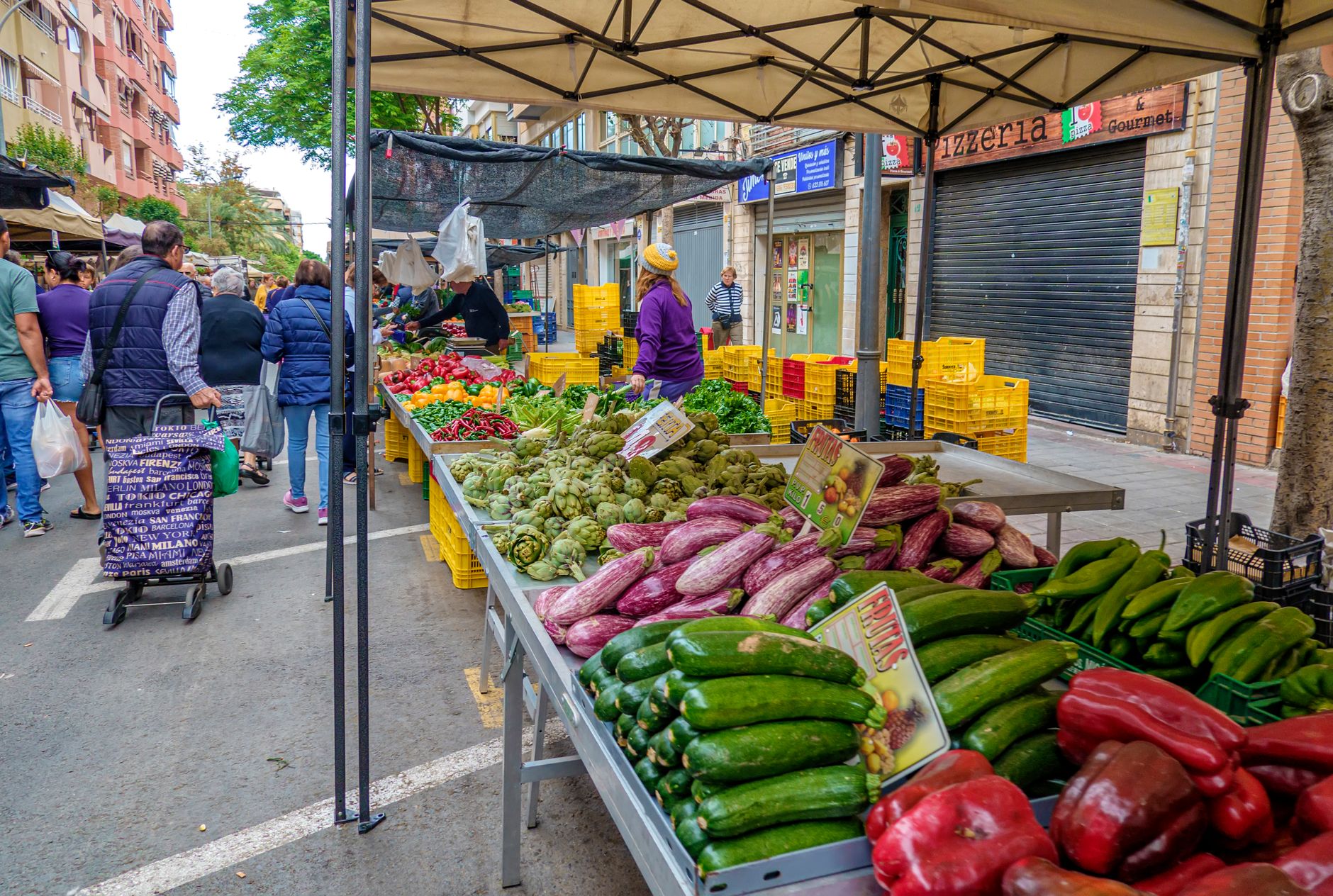
Morning: Dedicate the morning to Las Dalias hippy market (Sant Carles de Peralta) or Punta Arabí (Es Canar) depending on the day; expect 30–45 minutes travel from Ibiza Town by bus or 20–30 minutes by car. Spend 2–3 hours browsing crafts, local food stands and occasional live music.
Lunch: Eat at a market stall for light dishes or return toward Santa Eulalia for seafood; a market meal is typically €8–15. Afternoon: Drive or take the coastal bus to Salinas Natural Park and Salinas Beach for dune scenery and a different beach culture; parking can be limited in high season so arrive mid-afternoon or use the L10/L20 bus routes where they operate.
Late afternoon: Stop at the Salinas salt flats viewpoint for photos and short walks. Dinner: Head back to Sant Josep or Playa d'en Bossa for seafood at a family-run restaurant—expect €25–40. Evening: For nightlife, choose a single large venue such as Pacha or an intimate bar in Sa Penya; check event lists as schedules vary by night and season.
Day 3
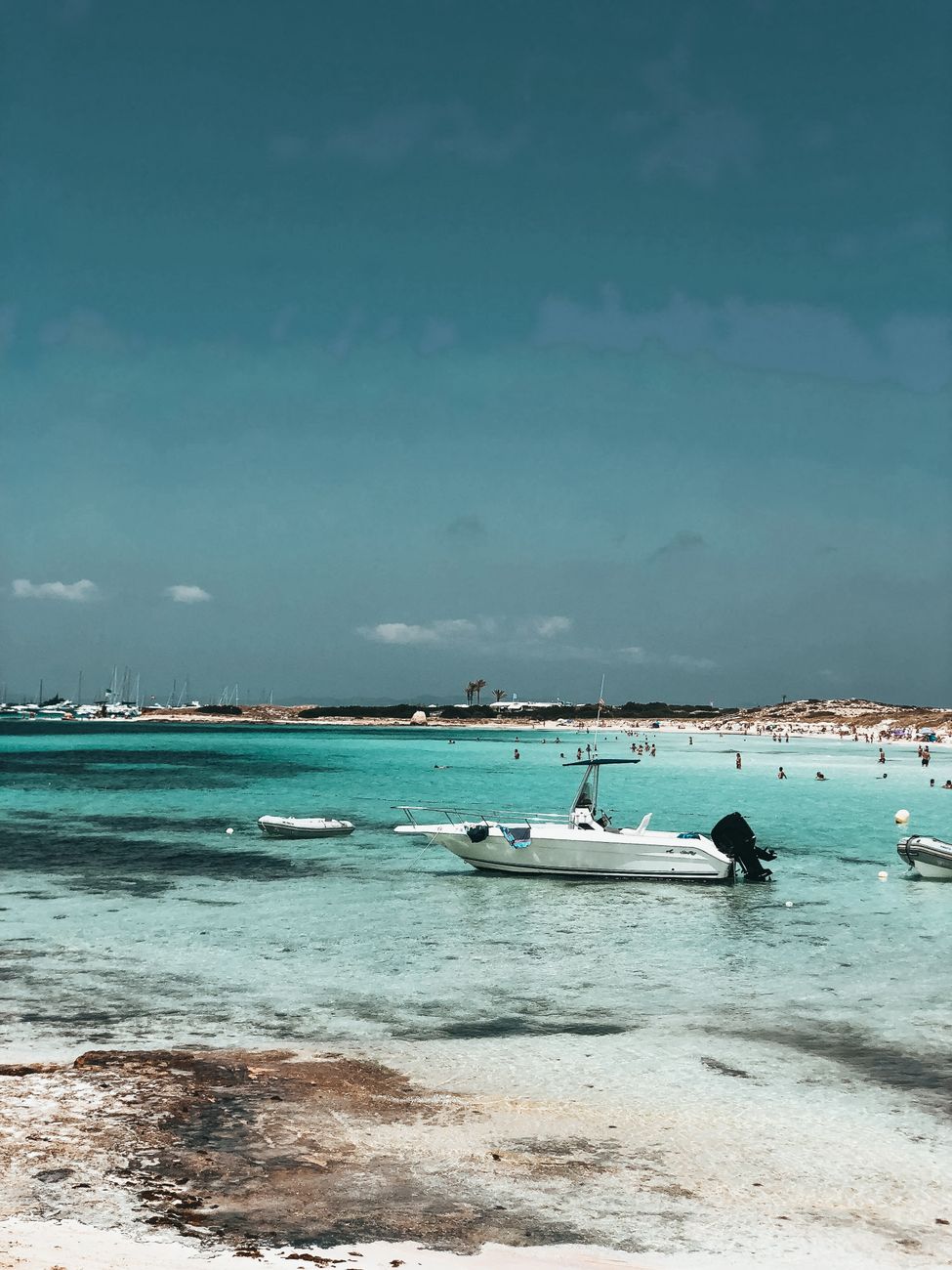
Morning: Take an early ferry to Formentera from Ibiza Town port for a half- or full-day visit; fast ferries sail in 25–40 minutes and allow time for bike rental on arrival. Spend 3–5 hours exploring beaches like Ses Illetes and La Savina, and rent a bike or scooter to move between coves.
Lunch: Have a beachside paella or simple seafood plate in Formentera—expect €18–30. Afternoon: Return to Ibiza Town; if checking out of accommodation, store luggage at a luggage facility or use hotel storage. Use late afternoon to visit Cova de Can Marçà in Port de Sant Miquel for a cave tour and sunset viewpoint, but confirm opening times.
Travel note: For afternoon flights, skip Formentera and instead use the morning to visit any missed museums in Dalt Vila and reserve at least 90 minutes to reach the airport from central areas by taxi or bus. Evening: If the flight is late, an easy dinner in Figueretas minimizes transit stress.
Best Local Experiences
Las Dalias hippy market (Sant Carles) for artisan crafts and local music on Saturdays. Punta Arabí market in Es Canar on Wednesdays offers a larger market with more stalls aimed at visitors. Puig des Molins necropolis and the adjacent Archaeological Museum provide a compact archaeological experience within walking distance of Dalt Vila.
Morning swims at Salinas or Cala Jondal for clear water and a mix of low-key beach bars. A short boat ride to Formentera followed by a bike loop around the island is a full-day experience unique to the area. Evening drinks in Sa Penya and a rooftop bar in Marina Botafoch capture different nightlife tones: local bars versus higher-end club terraces.
Attend a sunset at Es Vedrà viewpoint for dramatic sea rock views; the site fills in late afternoon so plan arrival at least 45 minutes before sunset in summer. Try an artisanal olive oil or local cheese tasting at a small producer—several farms near Sant Mateu offer short visits by appointment.

Where to Stay
Dalt Vila / Marina area: Suits those who want walking access to historic sites and ferries. Close to restaurants and nightlife at Marina Botafoch; expect nightly rates from €120–€250 in high season (around €130–€270 USD). Figueretas / Talamanca: Suits beach-focused travellers wanting proximity to Ibiza Town without the highest prices. Short walk to the harbour and beach; expect €80–€160 per night (€90–€175 USD) depending on sea view and season.
Playa d'en Bossa: Suits people who want long sandy beach access and beach clubs; this area is noisier at night and better for those prioritising daytime beach time. Expect €100–€300 per night (€110–€330 USD) in July–August. Sant Josep / Salinas area: Suits travellers wanting quieter stays and easier access to southern beaches; accommodation ranges from €90–€200 per night (€100–€220 USD) depending on proximity to Salinas.
Food and Drink
Bullit de peix: A local fish stew usually served with rice; common in family restaurants near local ports, expect €12–18 per portion. Sofrit pagès: A hearty mixed-meat stew (rabbit, pork, chicken) found in traditional tavernas; expect €14–20.
Flaó: A cheese-and-herb tart typical to the islands served as a dessert; buy at bakery stalls or local pastry shops for €2–4. Hierbas Ibicencas: Anise-and-herb liqueur for digestif—small bar servings cost €2–4, supermarket bottles €6–€12. Ensaimada is common for breakfast in local bakeries; expect €1.50–3 and pair it with coffee and orange juice in small cafés.
Street food and snacks: Cut fresh patatas bravas, bocadillos and empanadas are widely available at market stalls; a street meal is €3–8. Dinner recommendation: A seafood restaurant in Talamanca or La Marina for grilled fish and seasonal tapas—budget €25–40 per person for a main, glass of wine and shared starters.
Getting Around
Public buses connect Ibiza Town with major beaches and towns; look for the official Ibiza Bus network and the Ibiza Bus app for schedules. No train network exists; ferries operate to Formentera from the main port with operators like Trasmapi and Baleària.
Single urban bus tickets cost roughly €2–€3 inside town routes; interurban routes and airport buses are around €3–€4 one-way. Day passes that combine multiple journeys are available seasonally—check the Ibiza Bus app or ticket machines for current pass prices. Taxi fare from the airport to Ibiza Town is typically €15–€25 depending on luggage and time of day.
Other options: rental scooters and cars (book in advance in high season), ride-hailing services are limited so rely on radio taxis or company apps for prebooking. Bicycle rental is common on Formentera and for short trips in quieter neighbourhoods.
Best Time to Visit
Late May–early July: Warm temperatures (20–28°C) with fewer crowds and many venues opening for the season; good value on accommodation before the August peak. July–August: Hottest period (25–32°C) and busiest; prices for hotels and ferries peak and beaches get crowded. September–early October: Warm sea temperatures (22–28°C), smaller crowds after peak season and many events still on—this period offers the best mix of weather and value.
Avoid late October–April for most beach activities; however, spring months like April can be mild for walking and cheaper if nightlife or beach clubs are not the priority. Check event calendars for major DJs and festivals if the intention is to attend specific club nights, as those dates dramatically affect prices and availability.
Budget and Practical Tips
Daily realistic budget (mid-range traveller): Accommodation €90–€180 per night (€100–€200 USD), food €30–€50 (€35–€55 USD), transport €6–€12 (€7–€13 USD), entry fees and activities €10–€40 (€11–€45 USD). A conservative daily total is €140–€280 per person (€155–€310 USD), depending on season and dining choices.
Budget tips: Book ferries and car/scooter rentals early for summer dates and confirm parking at accommodation. Tipping: Rounding up the bill or leaving 5–10% in restaurants is appreciated but not mandatory; small change for bar staff is common practice. Carry a mix of cash and card: some market stalls and small beach kiosks are cash-only or prefer cash for small purchases.
FAQ
Is Ibiza safe for solo travellers?
Generally yes in daytime and in busy tourist areas; standard precautions apply—watch belongings in crowded beaches and late-night venues.
What transport options exist from the airport to town?
Public airport bus runs frequently to Ibiza Town; taxis and private transfers are available, with taxis charging about €15–€25 to the town center.
Is a city card or pass worth buying?
No widely used single city card covers all sites; individual combo tickets for museums or ferries to Formentera are more practical than a generic pass.
Can the island be explored without renting a car?
Yes for core areas—use buses, taxis and occasional transfers; Formentera and remote beaches are easier with a scooter or car for full flexibility.
Are the beaches nudist-friendly?
Some beaches, such as parts of Salinas and Cala Conta, have nudist sections; check local signage as norms vary by beach.
How expensive are club nights and cover charges?
Cover charges for major clubs can range from €25–€80 depending on the headliner; bottle service and VIP areas increase costs significantly.
Are ATMs and card payments reliable across the island?
Yes in major towns and tourist hubs, but small stalls and markets can be card-unfriendly—carry some cash.
Is tap water drinkable?
Tap water is generally safe but can taste chlorinated; many travellers prefer bottled water for taste and convenience.
Conclusion
Three days allow a compact, honest view: an hour in Dalt Vila, a long beach stretch, a market and one island or viewpoint trip. The trip will be remembered most for contrasts—old town streets, saline flats, and clear-water coves rather than nonstop nightlife unless specifically planned. If time runs short, prioritise Dalt Vila for culture and a single major beach plus a Formentera ferry or Es Vedrà sunset; together they give a representative slice of what the island offers.
How this guide was prepared
This guide was prepared through a structured research that combines destination research, geographic context, itinerary planning logic, and content review.