
3 Days in Carcassonne: Practical Itinerary and Tips
A practical 3-day plan for Carcassonne covering the Cité, Bastide Saint‑Louis, Canal du Midi, food, transport tips and realistic costs.
A focused, honest 72-hour plan for the walled Cité, the lower Bastide quarter, Canal du Midi and the local food scene, with walk times, prices and pitfalls.
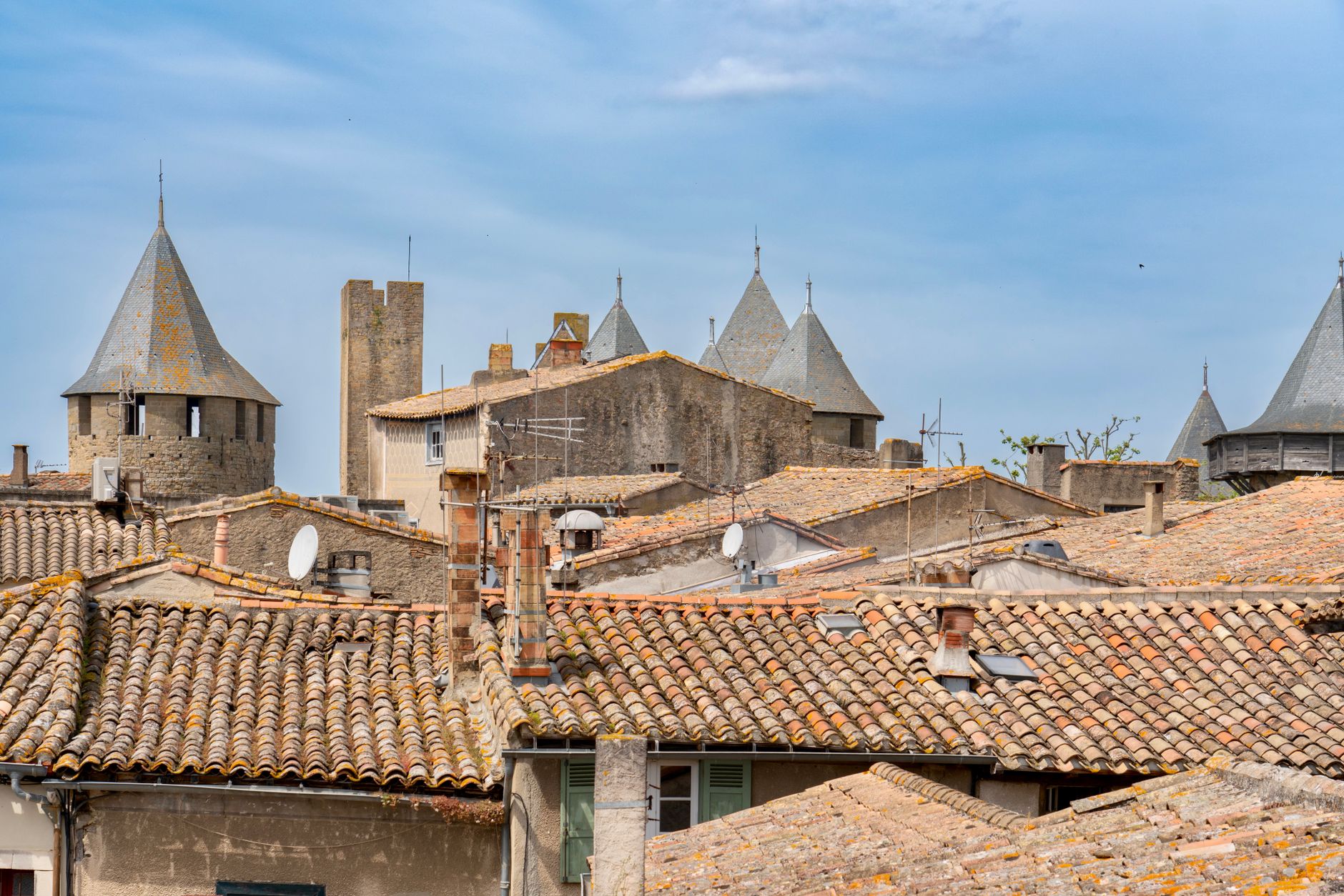
The first sight is the double ring of medieval walls and towers rising above the Aude plain. Expect a fortified mood with packed streets in peak season and earnest souvenir sellers alongside serious conservation work.
The Cité feels intensely historical because its fortifications dominate views, but daily life continues below in the Bastide Saint‑Louis where residents shop, eat and commute. That contrast is central: the high town is compact and museum-like; the lower town is where locals buy bread and deal with mundane life.
Many visitors assume the Cité is quiet after sunset; instead, evenings can be busy with coach arrivals, guided tours and restaurant service hours that end early. This plan recommends mixing prime sights in the Cité with measured time in the Bastide and along the Canal du Midi to get a fuller sense of the place.
Is 3 days in Carcassonne enough?
Yes — three days is enough to see the Cité (walls, Château Comtal, basilica), explore Bastide Saint‑Louis, and take a short Canal du Midi walk or boat trip. Expect to skip deeper day trips into the Corbières or a full vineyard circuit if time is tight.
Who This Guide Is For
Best for history-minded walkers, food-focused travelers and short-break visitors arriving by train or plane; less suitable for people wanting a relaxed wine-tour base or travelers needing extensive public transit.
Local Tips for Carcassonne
Practical details that most travel sites skip — specific to Carcassonne.
- Buy the combined Cité ticket at the Château Comtal entrance (around €9–10 adult); that covers the keep, the ramparts walk and the audio guide download point.
- Place Carnot hosts the main Bastide market on Tuesday, Thursday and Saturday mornings; arrive by 09:00 to find stalls and avoid the late-morning crush.
- Gare de Carcassonne is about 1.5 km from the Cité — a 20–25 minute walk or 5–10 minute taxi ride; luggage vans can be hit-or-miss in high season.
- TER Occitanie regional trains run frequent services to Toulouse and Narbonne; buy tickets on the SNCF or TER Occitanie app and validate paper tickets before boarding regional services.
- Carcassonne Airport (Aérodrome de Carcassonne) has low-cost flights; a taxi to the city centre costs roughly €18–€28 depending on time of day and number of bags.
How This Guide Was Prepared
This guide treats the medieval Cité as a working site full of tourists and local life rather than a fairy-tale set-piece. Many guides either over-romanticize the ramparts or ignore the Bastide Saint‑Louis and the Canal du Midi; this plan balances the fortified high town with where locals eat, shop and commute. This guide was prepared through a structured research that combines destination research, geographic context, itinerary planning logic, and content review.
Plan Your Stay in Carcassonne
Use this itinerary as your starting point, then compare areas to stay, transport options, seasonal timing, and realistic daily costs before booking.
Why Visit
The fortified Cité is one of the few fully restored medieval citadels in France where the ramparts and towers are open to walk, giving direct contact with fortification architecture. Key spots include Château Comtal and Porte Narbonnaise.
Bastide Saint‑Louis provides a contrasting urban life with Place Carnot market, period arcades and simpler restaurants that show local rhythms and food. The difference between upper and lower towns explains daily life here better than any guidebook photo.
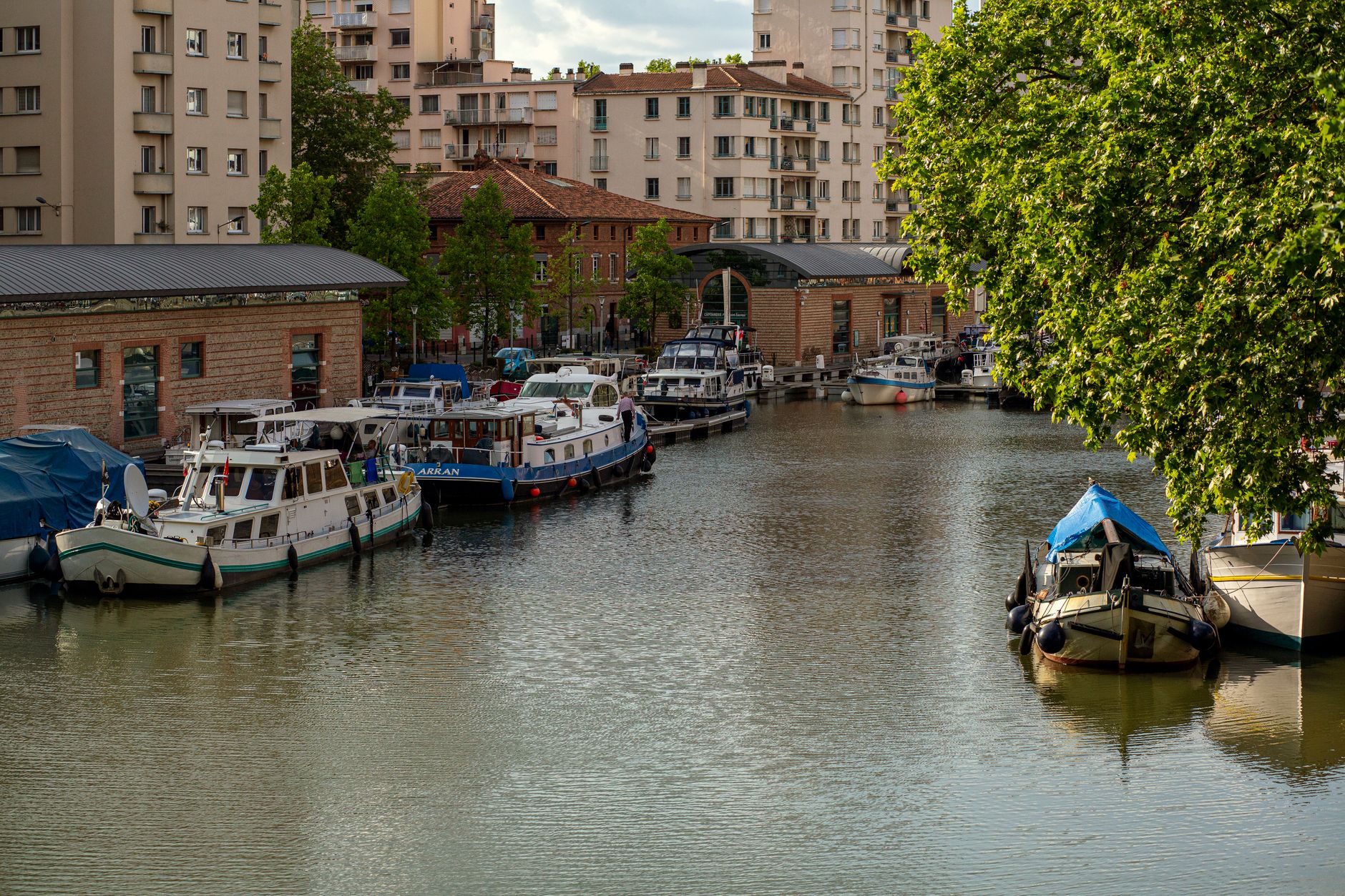
The Canal du Midi runs close by and offers short boat hires and easy walks along tree-lined towpaths, making a good half-day diversion without leaving town. Also, the town sits on TER Occitanie rail routes, so it functions well as a weekend stop en route to Toulouse, Narbonne or Perpignan.
Quick Planning Tips
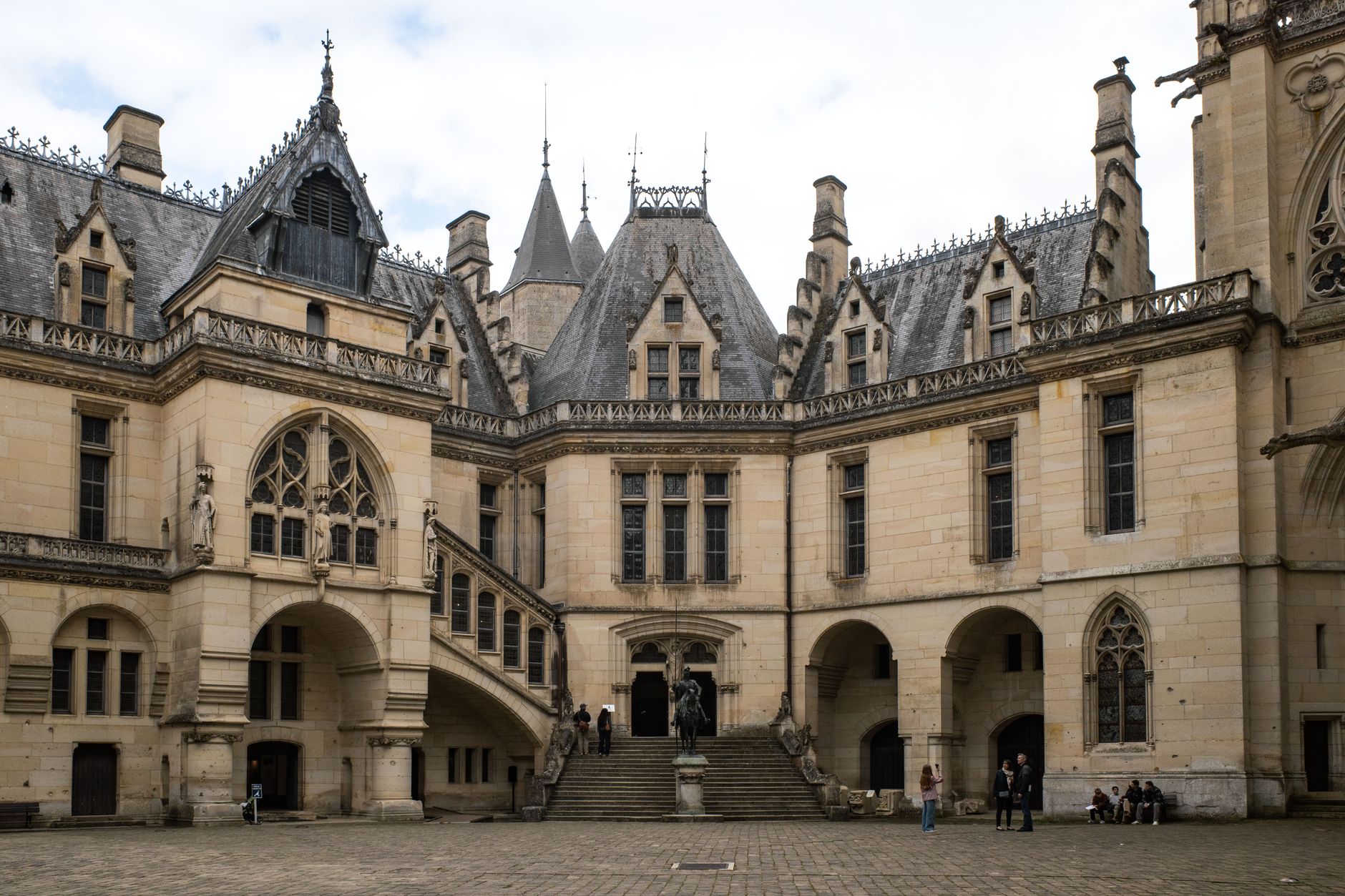
Arrival by train is straightforward: Gare de Carcassonne has TER Occitanie services on the Toulouse–Narbonne line. Trains from Toulouse take about 1 hour and ticket prices typically range from €10–€20 depending on advance purchase.
Arrival by plane uses Carcassonne Airport for low-cost carriers; taxis to the centre are roughly €18–€28. Book airport transfers or check schedules before evening flights because services reduce after 22:00.
Payment: most places accept cards but smaller market stalls and some cafés prefer cash; carry coins for market purchases and a small note for boulangeries. Avoid the mistake of trying to see the whole Cité in one morning; spread visits to the château, basilica and ramparts across a morning and an afternoon to avoid the tourist crush.
Day 1
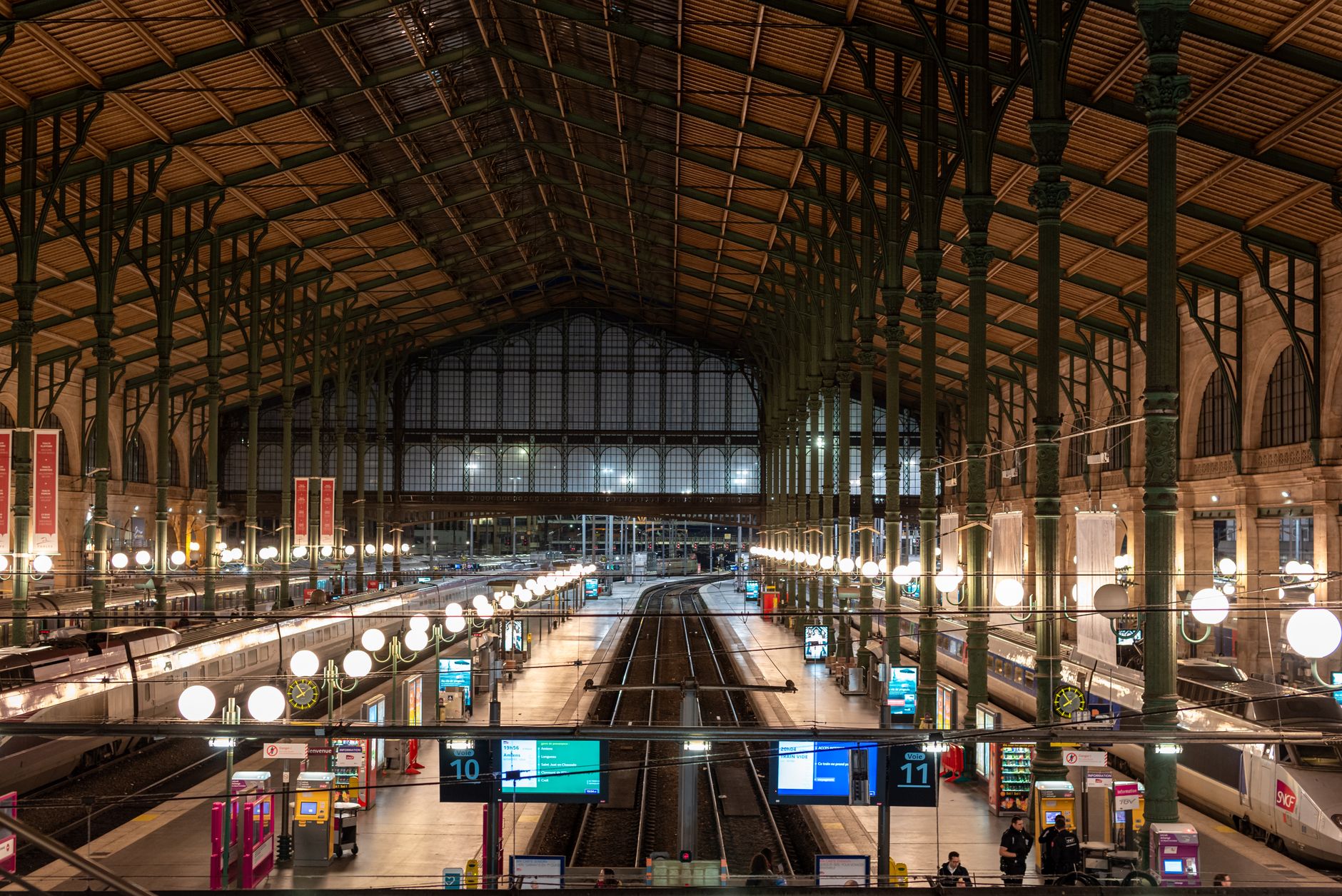
Start at the Porte Narbonnaise entrance to the Cité and buy the combined Château Comtal and ramparts ticket (about €9–10). Allow 1.5–2 hours for the keep, the interior exhibition and the audio guide content.
Walk to Basilique Saint‑Nazaire (5 minutes from Château Comtal) to see medieval stained glass and the choir screening; give this 30–45 minutes. From the basilica, take the ramparts walk toward Tour du Trésau — the full circuit takes 45–60 minutes depending on stops and photos.
Downshift to the Bastide Saint‑Louis via Pont Vieux (10 minutes walk). Stop at Place Carnot for lunch at a bistrot terrace or market stall. Recommended lunch: a cassoulet plate at a Bastide bistro or grilled charcuterie and fouace from market vendors; lunchtime in the Bastide is typically 12:00–14:00.
After lunch, visit Musée des Beaux‑Arts near Boulevard Barbès (10 minutes from Place Carnot) for local painting collections; plan 45–60 minutes. Finish the afternoon with a Canal du Midi stroll from Pont Vieux downstream toward Port de la Cité; a 60–90 minute walk covers pleasant towpath scenery.
For dinner, book a table at La Barbacane in the Hôtel de la Cité for a formal option (pricey) or pick a Bastide brasserie near Place Carnot for lower cost. Evening recommendation: an after‑dinner walk along the lit ramparts if open; check closing times because access can end early in low season.

Day 2
Spend the morning in the Cité with a focused visit to smaller sites: the Musée de l'Inquisition exhibit inside the cité museum circuit and the inner rampart galleries. Allocate 2–3 hours to avoid rushing through panels and plaques.
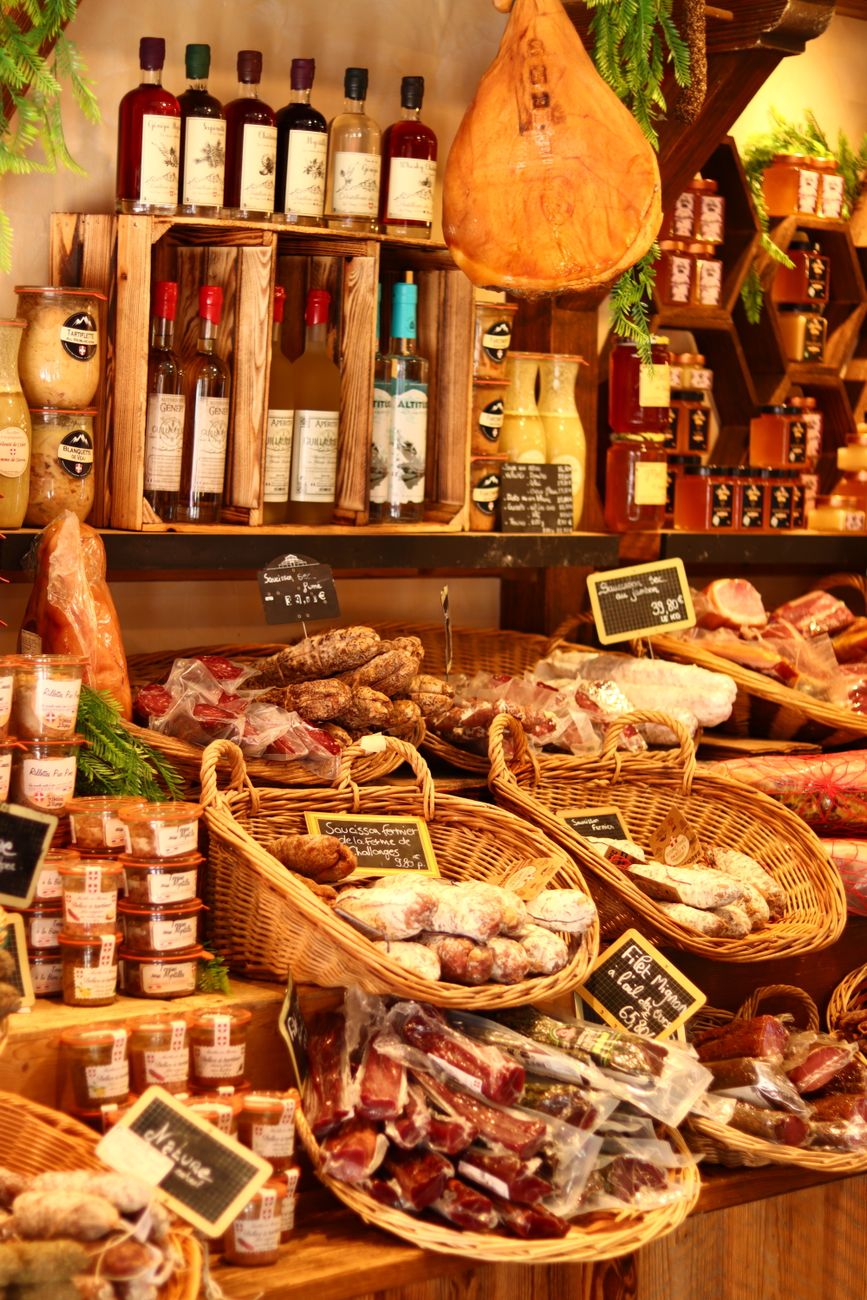
Take a mid-day break in the Cité at a terrace café then descend to the Bastide for a food-focused afternoon. Walk or take a short taxi (5–10 minutes) to Marché aux Halles if an indoor market is open; otherwise use Place Carnot stalls for tasting local charcuterie and cheeses.
In the late afternoon, explore crafts and small galleries on Rue Trivalle and Rue Victor Hugo in the lower town for regional artisans. Finish with a short wine-tasting session at a local wine shop offering Corbières and Minervois bottles; many shops will open a bottle for a small tasting fee.
Evening recommendation: choose a restaurant run by a noted local chef, such as Le Parc Franck Putelat, for a higher-end dinner, or opt for simple cassoulet at an established Bastide table. If energy remains, a short night boat trip on the Canal du Midi operates seasonally and offers quiet reflections off the towpath.
Day 3
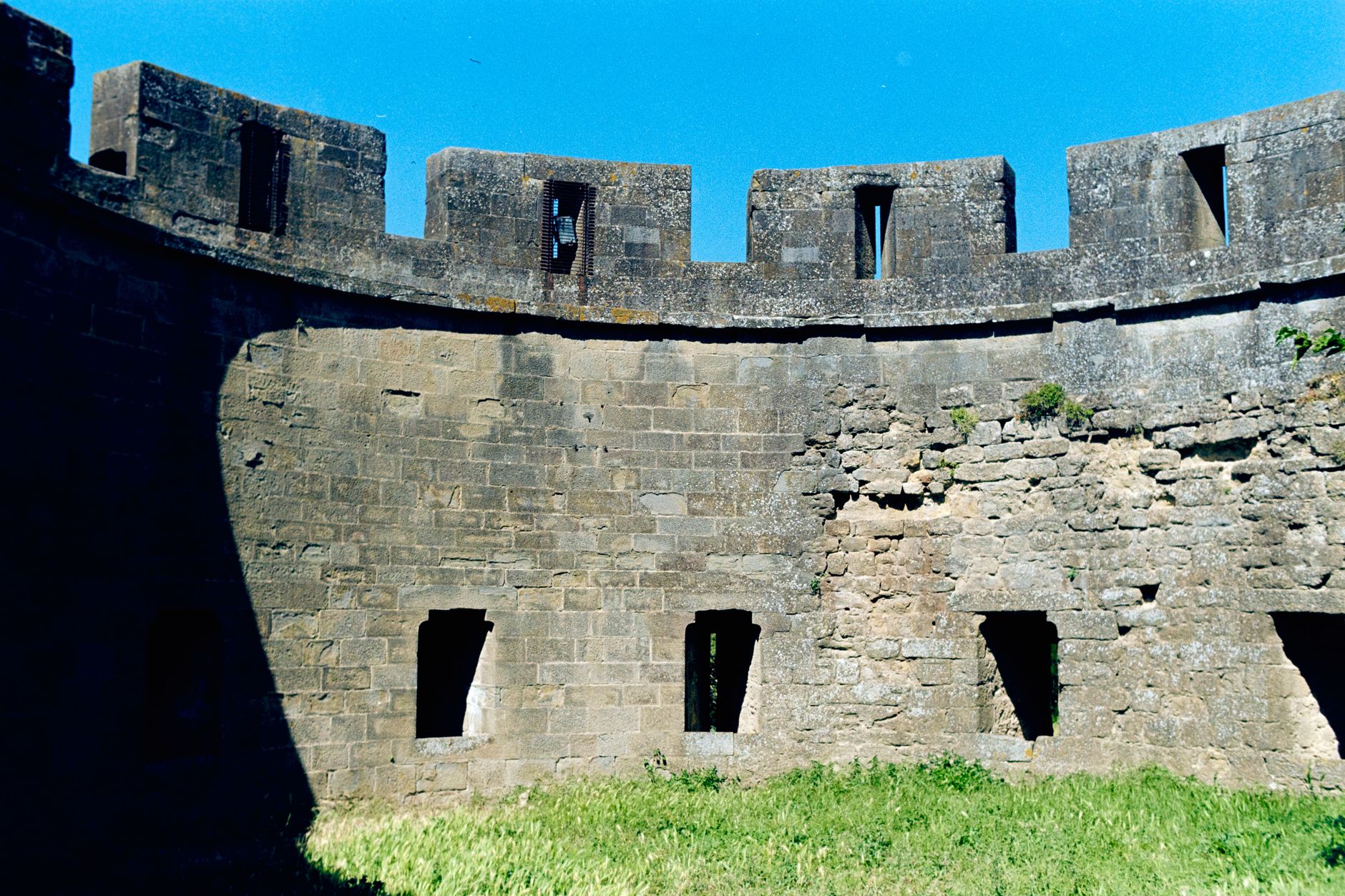
Reserve this morning for whatever was missed earlier: another pass on the ramparts, the Musée des Beaux‑Arts, or a longer Canal du Midi boat hire from a small port. Boat hires and guided 90-minute cruises are available; expect €12–€25 per person for short trips.
If checking out midday or catching an afternoon flight, leave larger souvenirs until the Bastide market and pack midday. From most central hotels the Gare de Carcassonne is a 20–25 minute walk; allow extra time for luggage and ticket queues if travelling by TER.
Alternative for a quieter last morning: cycle the towpath toward Villalier or Paraza for 1–2 hours; local bicycle rentals near Pont Vieux offer hourly rates. Finish with a late lunch in the Bastide before departing.
Practical note for departures: taxis and shuttle services off the A61 or from Gare to the airport can take 15–25 minutes depending on traffic; confirm the driver knows the route through the lower town and rampart roundabouts.
Best Local Experiences
Place Carnot market (Tues/Thurs/Sat mornings) for local produce, fouace, charcuterie and ready-to-eat cassoulet portions. Buying from vendors is both the cheapest and most authentic tasting method.
A guided Château Comtal tour or timed audio-guide walk along the ramparts for historical context — the midday guided slots attract coach groups, so early or late visits are calmer.
A short Canal du Midi cruise or self-hire barge for 90 minutes gives a different angle on the town and tree-lined locks. Boat operators sell short trips from quays near Pont Vieux.
An evening concert or choral service at Basilique Saint‑Nazaire when scheduled; the church runs occasional concerts that show the acoustics better than daytime visits.
A local wine shop tasting focused on Corbières, Minervois and Malepère appellations for practical tasting without booking a vineyard transfer. Several shops in the Bastide open afternoon tastings for small fees.
Where to Stay
Cité (inside the walls) — suits those who want immediate access to the ramparts and evening ambience; expect luxury and boutique hotels with nightly rates from about €150–€300 depending on season. Note: rooms can be noisy at coach drop-off times.
Bastide Saint‑Louis (around Place Carnot) — suits mid-range budgets and families who want markets, cafés and local transport links nearby; expect €70–€140 per night for comfortable guesthouses or three-star hotels. This area provides easier late-night dining and quicker access to the main station.
Near Gare de Carcassonne and Boulevard Barbès — suits travelers arriving late or leaving early and those on tighter budgets; expect simple hotels and B&Bs from €50–€90 per night. This zone puts trains and regional bus links within a short walk but requires a 20–25 minute walk or short taxi to reach the Cité.
Food and Drink
Cassoulet — a slow-cooked bean stew with confit duck or pork sausages; best versions are found in Bastide restaurants and some Cité tables. Expect €14–€28 for a decent plate.
Getting Around
Walking covers most needed ground: the Cité is compact and the Bastide is flat and walkable. The Gare is roughly 1.5 km from the Cité (about 20–25 minutes on foot).
Regional trains: TER Occitanie connects Toulouse, Narbonne and Perpignan; use the SNCF or TER Occitanie app for tickets. Expect Toulouse–Gare prices in the €10–€20 range depending on advance purchase.
Local buses are run through the regional liO and Carcassonne Agglo networks (routes numbered regionally). Single bus tickets in the urban area are approximately €1.50 and a day pass around €4–€5. Taxi fares from the airport to the centre typically run €18–€28 depending on luggage and time of day.
Useful apps: SNCF or TER Occitanie for trains, and the regional liO site/app for buses and timetables. For local taxi calls, use posted numbers in hotel lobbies or the station taxi rank; app-based taxi services are limited in coverage.
Best Time to Visit
High season (June–August) brings warm dry weather, long daylight and large numbers of coach tourists. Day temperatures typically range 25–33°C and evenings remain warm; book accommodations and rampart access in advance.
Shoulder seasons (April–May, September–October) offer cooler days (14–22°C) and far fewer crowds; late September into October often gives the best balance of weather and ticket availability. Many restaurants still operate on fuller hours than in winter.
Low season (November–March) is quieter and cheaper but some monuments or restaurants close for maintenance; expect daytime highs around 8–14°C and occasional rain. Winter travel is workable for budget travelers who accept shorter opening hours.
Budget and Practical Tips
Realistic daily budget (mid-range traveller): Accommodation €70–€140 (Bastide), Food €25–€45, Transport €2–€6 (local buses/taxis occasional), Entry fees €10–€20. Totals: roughly €110–€210 per day (about $120–$230 USD) depending on choices.
Accommodation cheap option near Gare: €50–€90/night; luxury inside the Cité: €150–€300/night. Casual lunches at market stalls cost €5–€12; sit-down dinners €15–€40 per person in local bistros.
Tipping norm: service charge is often included in restaurant bills (service compris), but leaving a couple of euros for attentive table service or rounding up taxi fares is appreciated. Carry small change for markets and boulangeries where card payments may be refused.
FAQ
Is Carcassonne safe for solo travelers?
Yes. The town is generally safe by daytime standards; watch for pickpockets in crowded spots around the Cité and Place Carnot during peak season and keep valuables secure.
How long to allow for the Cité and Château Comtal?
Allocate 2–3 hours to cover Château Comtal, the basilica and a full walk of accessible ramparts without rushing.
Is a car necessary to visit surrounding vineyards?
A car makes vineyard visits far easier; public transport to small domaines is limited. Wine shops in town can provide tastings without hiring a car.
Are guided tours worth it?
A local guide or timed audio-guide adds historical context and reduces time spent reading panels; guided tours are worth it if interested in medieval fortification details.
Is there a city card or tourist pass worth buying?
There is no wide-ranging city card like in larger cities; the combined Château Comtal ticket is the main paid package to buy. Separate museum and attraction tickets are the usual approach.
What's the best way to get from Toulouse to here?
TER Occitanie regional trains run frequently between Toulouse Matabiau and Gare de Carcassonne; journey time is about 1 hour and tickets are cheapest when bought in advance on SNCF or TER apps.
Are museums and attractions wheelchair accessible?
Accessibility varies. The Bastide and many museums have step-free access, but parts of the Cité ramparts and some towers have stairs and limited wheelchair access. Check specific attraction pages before arrival.
Can day trips to Perpignan or Montpellier be done from here?
Both are possible by regional train but expect longer journeys (Perpignan ~1.5–2 hours, Montpellier ~2–2.5 hours) and limited return schedules if relying on TER services.
Conclusion
Three days gives a reliable cross-section: structured visits in the Cité, practical time in the Bastide and a Canal du Midi stroll or short cruise. The most lasting impressions usually come from sitting at Place Carnot with market produce or watching the light change on the ramparts rather than trying to visit every museum.
If time gets tight, prioritise the Château Comtal plus a full ramparts circuit and one Bastide market meal; that combination delivers archaeology, good local food and the town’s everyday life in compact form.
How this guide was prepared
This guide was prepared through a structured research that combines destination research, geographic context, itinerary planning logic, and content review.