

3-Day Practical Itinerary for Incheon, South Korea
A frank 3-day guide to Incheon with transit tips, neighbourhood plans, food picks and realistic budgets for a weekend trip.
A straight-to-the-point 72-hour plan for Incheon: what to see, where to eat, how to move around and what not to waste time on.
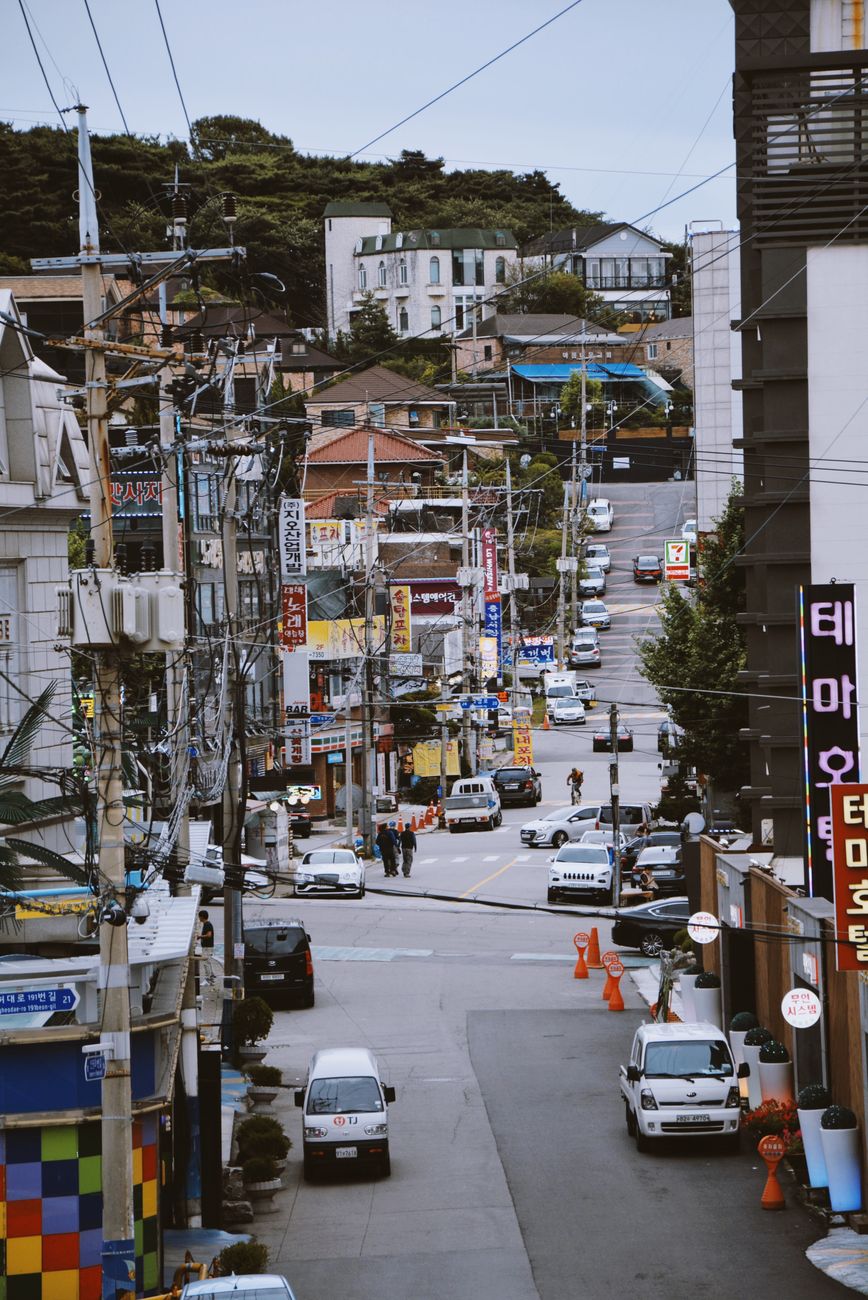
Arrival gives a clear impression: a maritime edge, reclaimed land with glass-and-steel Songdo and older port streets near Open Port Area. Expect trams of industry, container terminals visible on harbor walks and stretches of new urban planning alongside tight, busy market streets. Noise levels vary — Songdo is comparatively quiet after office hours, while Wolmido evenings can be loud with arcade and street-food crowds.
Most visitors confuse the modern showpiece areas with the whole place and miss neighbourhood-level details like working fish markets and small independent galleries in the old port. This place suits travelers who like variety in short distances: waterfront promenades, a historic Chinatown district, and accessible seafood markets. Short transit links make it possible to base here for a three-day visit while using AREX or the subway to reach Seoul if needed.
Is 3 days in Incheon enough?
Yes — three days is enough to see core highlights: Songdo Central Park and Tri-Bowl, Wolmido and its boardwalk, Chinatown and Sinpo International Market, plus a seafood market. Time will not allow a deep exploration of every neighbourhood or day trips to Jeju or Busan.
Who This Guide Is For
Best for travelers who want compact urban variety: modern architecture, portfront scenes, seafood and short walks. Not ideal for those seeking a relaxed beach resort or a dense cultural museum crawl.
Local Tips for Incheon
Practical details that most travel sites skip — specific to Incheon.
- Buy a T-money or Cashbee card at any CU/GS25 convenience store; tap for subway, bus and some taxis — a single subway trip is about 1,350 KRW (≈ $1.00 / €0.94).
- AREX has two options from Incheon International Airport: all-stop trains (~4,150 KRW) and the non-stop Express (~9,500 KRW to Seoul Station); take the all-stop to reach Incheon Station or Yeongjong.
- Sinpo International Market is where Sinpo dakgangjeong (sweet, crunchy fried chicken) was popularised; the busiest stalls often sell out by mid-afternoon, so arrive before 15:00.
- Wolmido rides are pay-per-ride; expect small attractions like the ferris wheel and carousel to cost 3,000–6,000 KRW per ride rather than a single admission price.
- Incheon Subway Line 1, Line 2 and the Suin–Bundang Line connect different parts of metro Incheon; Songdo’s main stop is ‘Central Park’ (Incheon Subway Line 1 → free shuttle walking), and Line 2 serves Yeonsu district.
How This Guide Was Prepared
This guide treats Incheon as a working port city and modern suburb with pockets of history, not a polished tourist product. Many guides overplay Wolmido and Songdo's glossy façades while skipping working-class markets, the original Jjajangmyeon history in Chinatown and the practical quirks of using AREX and local subways. Expect a mix of industrial waterfront, reclaimed urbanism in Songdo, and old port district streets. This guide was prepared through a structured research that combines destination research, geographic context, itinerary planning logic, and content review.
Plan Your Stay in Incheon
Use this itinerary as your starting point, then compare areas to stay, transport options, seasonal timing, and realistic daily costs before booking.
Why Visit
Three concrete reasons: coastal food culture, modern urban design and accessible history. Seafood markets like Sorae and Sinpo serve product and street dishes that are fresher and cheaper than downtown Seoul. Songdo Central Park, Tri-Bowl and G-Tower show a recent experiment in reclaimed-land urban planning that’s walkable and photo-ready.
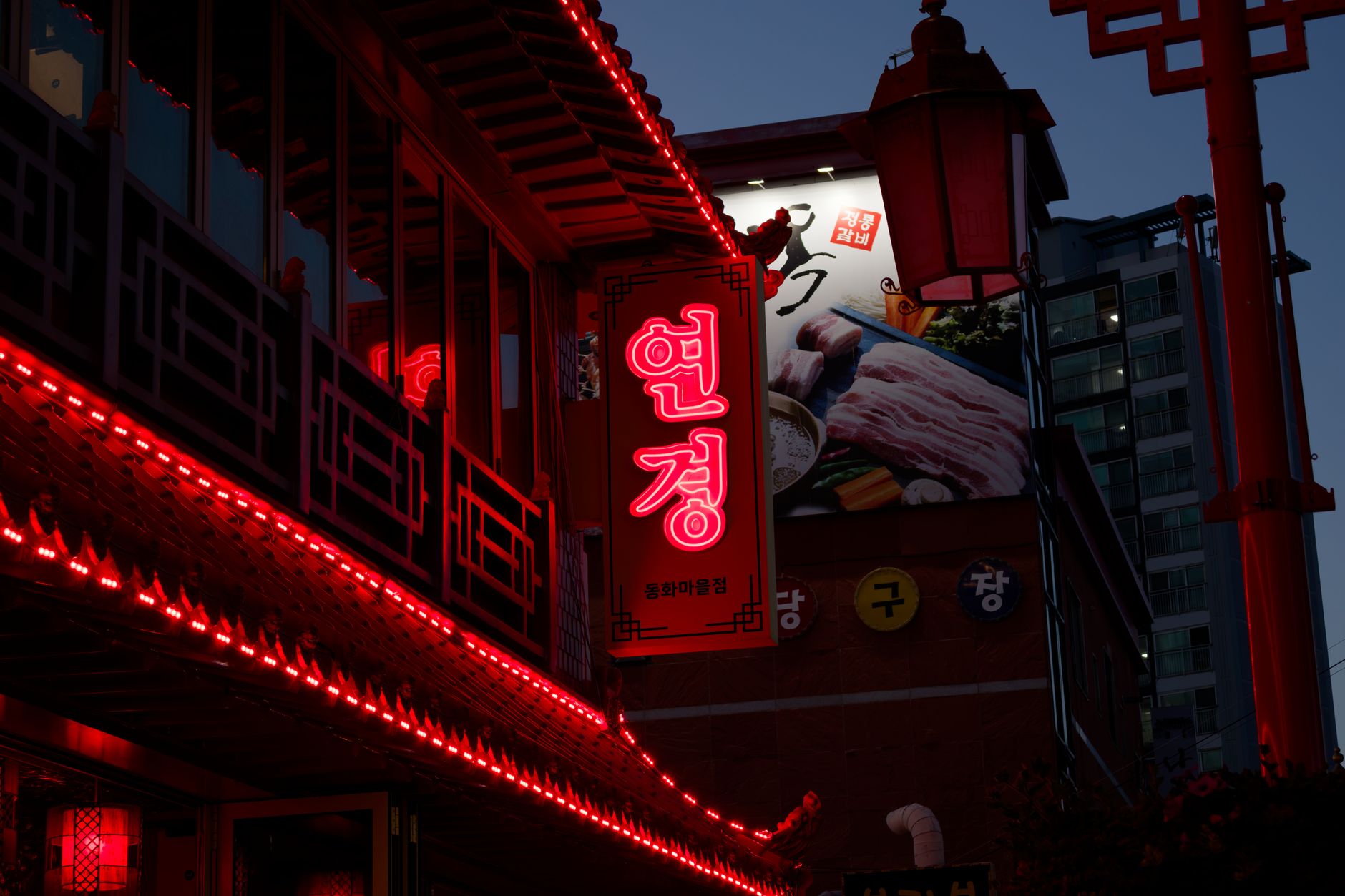
Historic layers are concentrated around Jayu Park, Incheon Open Port Museum and Chinatown where Jjajangmyeon history is visible in signage and eating houses. Lastly, logistics are straightforward: Incheon International Airport is a major hub, AREX and airport limousine buses make arriving and departing simple, so a short stay wastes less time in transit than flying into a smaller airport.
Quick Planning Tips
From the airport the fastest public option to central Seoul is AREX Express; to downtown Incheon or Songdo take the AREX all-stop or an airport limousine bus. Taxis are convenient for groups but expect 30,000–50,000 KRW to Songdo or downtown Incheon and 60,000–90,000 KRW to central Seoul depending on time and traffic.
Download Naver Map or KakaoMap for route planning and use KakaoTaxi for private rides. Buy or top up a T-money or Cashbee card at any convenience store on arrival; it avoids repeated single-ticket purchases and gives small automatic transfer discounts. One common mistake is relying on apps that show walking shortcuts through private property; follow official station exits and named streets for best results.

Day 1
Morning: Start at Incheon Open Port Area (near Incheon Station) to see the Incheon Open Port Museum and old consulate buildings; walking the nearby streets takes about 60–90 minutes and gives context for the port's 19th-century opening. From there walk 10 minutes to Chinatown for Jjajangmyeon history and lunch — choose a busy storefront like Gonghwachun or a well-reviewed local joint and expect to pay 6,000–9,000 KRW for a bowl.
Afternoon: Walk 10 minutes to Jayu Park for the statue and harbor views, then take the local bus or taxi (15–20 minutes) to Wolmido. Spend 1.5–2 hours on the Wolmido boardwalk, try small rides (3,000–6,000 KRW) and have street snacks such as fish cake skewers or grilled clams. Even if sea fog appears, the promenade is worth a short visit.
Evening: Ride a short taxi ride or subway segment to Sinpo International Market for its famous dakgangjeong; plan for 30–45 minutes of queuing and standing to eat at the market. Finish with a riverside stroll or return to the Open Port Area for quieter bars.
Day 2
Morning: Head to Songdo Central Park (reach by Incheon Subway Line 1 to Central Park Station or by bus). Rent a small electric boat or walk the inland canal; allow 60–90 minutes. Nearby: Songdo’s Tri-Bowl and G-Tower are 10–15 minutes on foot and worth external views for architecture fans.
Lunch: Try a café on Canal Walk or a local Korean set meal near Convensia; expect 8,000–15,000 KRW per meal. After lunch, visit the NC Cube Canal Walk for shopping and people-watching, or the nearby 11th-floor Songdo library for a quick look.
Afternoon: Take Line 2 or Line 1 to Incheon Grand Park (transfer via Yeonsu or Bupyeong depending on start) for a green break; the park includes trails and a small zoo and takes 1.5–2 hours to explore. Travel time between Songdo and Grand Park by subway plus walking is about 30–45 minutes.
Evening: Return to Songdo for dinner options focused on seafood or fusion Korean cuisine; Songdo has higher-end restaurants and international choices if market food isn’t preferred.

Day 3
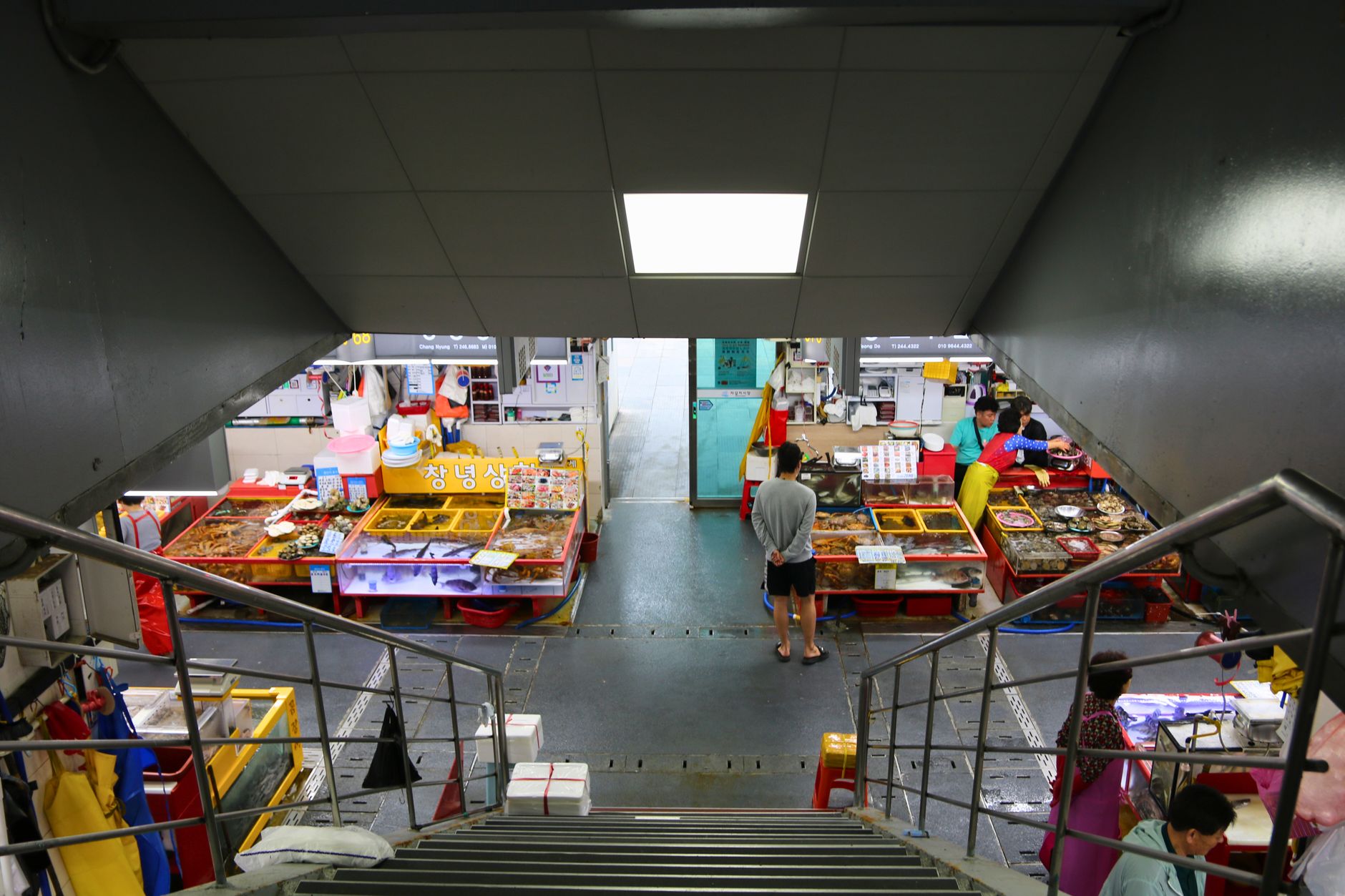
Morning: Start early at Sorae Fish Market to see unloading and auction activity; arrive by 07:00–09:00 for best action. Walk the market lanes, taste small prepared seafood snacks and buy fresh items if staying in a rental with a kitchenette. Expect 30–60 minutes here.
Late morning: Visit the Incheon Landing Memorial Hall (near Wolmido area) to understand Korea’s 20th-century military history; plan 60–90 minutes. From the memorial hall, take a short transit ride to the nearby Incheon Art Platform and galleries in the Open Port Area for contemporary exhibitions.
Lunch: Have seafood or local noodle dishes at a recommended shop in the Open Port Area or near Incheon Station. If catching an afternoon flight, aim to leave for the airport at least 2.5–3 hours before departure; use AREX all-stop or airport limousine bus depending on location and luggage.
Afternoon/Departure: For travelers checking out of hotels, store luggage at the station lockers or ask hotels for a late checkout if available. If time allows, squeeze in last-minute shopping at NC Cube or a final café visit in Songdo before transfer to the airport.
Best Local Experiences
Sinpo International Market: stand at the dakgangjeong stall for the original sweet, sticky fried chicken experience. Chinatown Jjajangmyeon: eat at an old-school noodles shop and visit the Jjajangmyeon Museum for context.
Wolmido boardwalk: go for early evening rides and street snacks rather than daytime crowds. Songdo Central Park boat ride and Tri-Bowl exterior visit: a short architectural circuit showing reclaimed-land design.
Sorae Fish Market (Sorae Port): watch fish unloading and buy grilled shellfish on the spot. Incheon Open Port Area and Incheon Art Platform: short museum visits and galleries concentrated in old consular buildings are good for an hour each and show a different face than Songdo’s planned city.

Where to Stay
Songdo / Yeonsu: Suited for business travelers and those who prefer newer hotels, chain options and easy access to Central Park, Tri-Bowl, and Convensia. Walkable and safe; expect 80,000–180,000 KRW per night (≈ $62–$138 / €56–€126) for mid-range to upper-mid hotels.
Open Port Area / Incheon Station: Suited for history and food-focused visitors who want Chinatown, Jayu Park and Sinpo Market within walking distance. More guesthouses and mid-range hotels appear here; expect 50,000–120,000 KRW per night (≈ $38–$92 / €35–€84).
Near Incheon International Airport / Yeongjong: Best for overnight transit stays or early flights. Useful if arrival/departure times are tight; expect 60,000–150,000 KRW per night (≈ $46–$115 / €42–€105) depending on hotel class. Book an airport hotel with a shuttle if luggage is heavy.
Food and Drink
Jjajangmyeon: a black-bean noodle that became localised here; try Chinatown storefronts such as Gonghwachun — 6,000–9,000 KRW per bowl. Sinpo dakgangjeong: small, crispy, sweet-glazed fried chicken sold by stalls in Sinpo International Market — portions typically 8,000–12,000 KRW.
Grilled shellfish and hoe: fresh raw fish and shellfish at Sorae Fish Market or Wolmido stalls; expect small plates from 5,000 KRW and full seafood meals 20,000–40,000 KRW. Korean set meals (hanjeongsik) with seafood in Songdo: 12,000–25,000 KRW.
Breakfast option: Korean-style seolleongtang or gomtang soups near traditional markets for 7,000–10,000 KRW. Street food: fish cake skewers (odeng) around Wolmido for 1,000–2,000 KRW each. Dinner recommendation: a market seafood stall or a mid-range Songdo restaurant to compare modern presentations — expect 20,000–40,000 KRW per person for multiple dishes.
Drinks: local soju and draft beer are affordable (4,000–6,000 KRW); cafés in Songdo often serve higher-priced specialty coffee (5,000–8,000 KRW).
Getting Around
Subway: Incheon Subway Line 1, Line 2 and the Suin–Bundang Line connect major districts; transfers link to Seoul Metro lines. AREX: airport rail with all-stop and Express services; all-stop is best for reaching Incheon Station and Yeongjong.
Buses: regional buses serve Wolmido and Sorae Port; check Naver Map or KakaoMap for routes. Single subway or bus ride is about 1,350 KRW; a day pass is rarely necessary unless many trips are planned. Taxis: base fare about 3,800 KRW for the first 2 km in metropolitan taxis; airport taxi to Songdo or downtown Incheon typically 30,000–50,000 KRW depending on traffic.
Apps and cards: use KakaoMap or Naver Map for navigation and KakaoTaxi for hailing. T-money and Cashbee cards work across subway, bus and many taxis; top up at convenience stores or station kiosks.
Best Time to Visit
Spring (April–June): mild temperatures 10–22°C, cherry blossoms in some parks and lower humidity — good for walking Songdo and old port areas. Expect larger crowds on weekends during late April and May.
Summer (July–August): hot and humid, 23–30°C with monsoon rains in July; waterfront spots like Wolmido are popular but can be noisy and crowded. If heat is a concern, visit early morning or late evening.
Autumn (September–November): clear weather, 10–22°C, less humidity and good value in October–November for outdoor walks. Winter (December–February): cold, often near 0°C or below; fewer tourists and lower hotel rates but wind off the water makes coast areas feel colder. Best balance of weather and crowd levels: late April–June and September–October.
Budget and Practical Tips
Daily budgets (per person): budget travel — 50,000–80,000 KRW (~$38–$62 / €35–€56) covering hostel or cheap guesthouse, market meals and public transport. Mid-range — 120,000–180,000 KRW (~$92–$138 / €84–€126) covering a 3-star hotel, mix of markets and restaurants, and occasional taxi. Comfortable/luxury — 250,000+ KRW (~$192+ / €174+) for higher-end hotels and dining.
Typical costs: subway single fare ~1,350 KRW; coffee 4,000–6,000 KRW; restaurant mains 8,000–25,000 KRW. Entry fees: many parks and public spaces are free; small museums often charge 2,000–5,000 KRW. Tipping is not customary; restaurants rarely expect tips though occasional rounding up is fine. Carry some cash for small market stalls but most places accept cards and T-money.
FAQ
How safe is Incheon for solo travelers?
Incheon is generally safe with low violent crime; exercise normal precautions at night in isolated waterfront areas and keep an eye on belongings in crowded markets.
What is the best way to get from Incheon International Airport to Songdo?
Take the AREX all-stop to Incheon Station then transfer to local subway or take an airport limousine bus directly to Songdo; taxi takes about 30–50 minutes depending on traffic.
Is a city pass or tourist card worth buying?
There is no single Incheon pass that covers all attractions cost-effectively for three days; pay-per-attraction and a T-money card for transit are usually better unless a targeted discount package appears for specific events.
Can Naver Map or Google Maps be used for transit directions?
Use Naver Map or KakaoMap for reliable transit routing and accurate bus times; Google Maps often shows incomplete bus details in Korea.
Are English signs and menus common?
Major stations, tourist sites and Songdo have English signage; smaller market stalls and older restaurants may have limited English so carrying a screenshot or simple Korean phrases helps.
How much time is needed to visit Chinatown and Sinpo Market together?
Plan 2.5–4 hours to eat, explore the Jjajangmyeon sites, visit the Jjajangmyeon Museum and try dakgangjeong at Sinpo, allowing for queues and walking between spots.
Is public transport late at night?
Subways typically stop around midnight; buses and taxis run later — plan for a taxi if out past subway hours.
Are there lockers at major stations for luggage storage?
Yes, larger stations like Incheon Station and Songdo have coin-operated lockers; sizes and availability vary so use them early on busy days.
Conclusion
A focused three-day plan gives a clear cross-section: market food and seafood, reclaimed-city modernism in Songdo, and the historical Open Port and Chinatown area. Travelers will most likely remember the contrast between glass towers and working docks, and the taste of Sinpo dakgangjeong or a Chinatown Jjajangmyeon bowl.
If time runs short, prioritise one market visit (Sinpo or Sorae) and one urban-design stop (Songdo Central Park and Tri-Bowl) to sample both the city’s culinary and architectural identities.
How this guide was prepared
This guide was prepared through a structured research that combines destination research, geographic context, itinerary planning logic, and content review.