
3 Days in Jeju: Practical 72-Hour Island Itinerary
A practical 3-day Jeju itinerary with transit tips, realistic costs, must-see sites like Seongsan Ilchulbong and Hallasan, and where to eat and stay.
A no-fluff, realistic 72-hour plan for Jeju: how to move around, where to eat local dishes, practical costs, and an order of sights that minimizes backtracking.
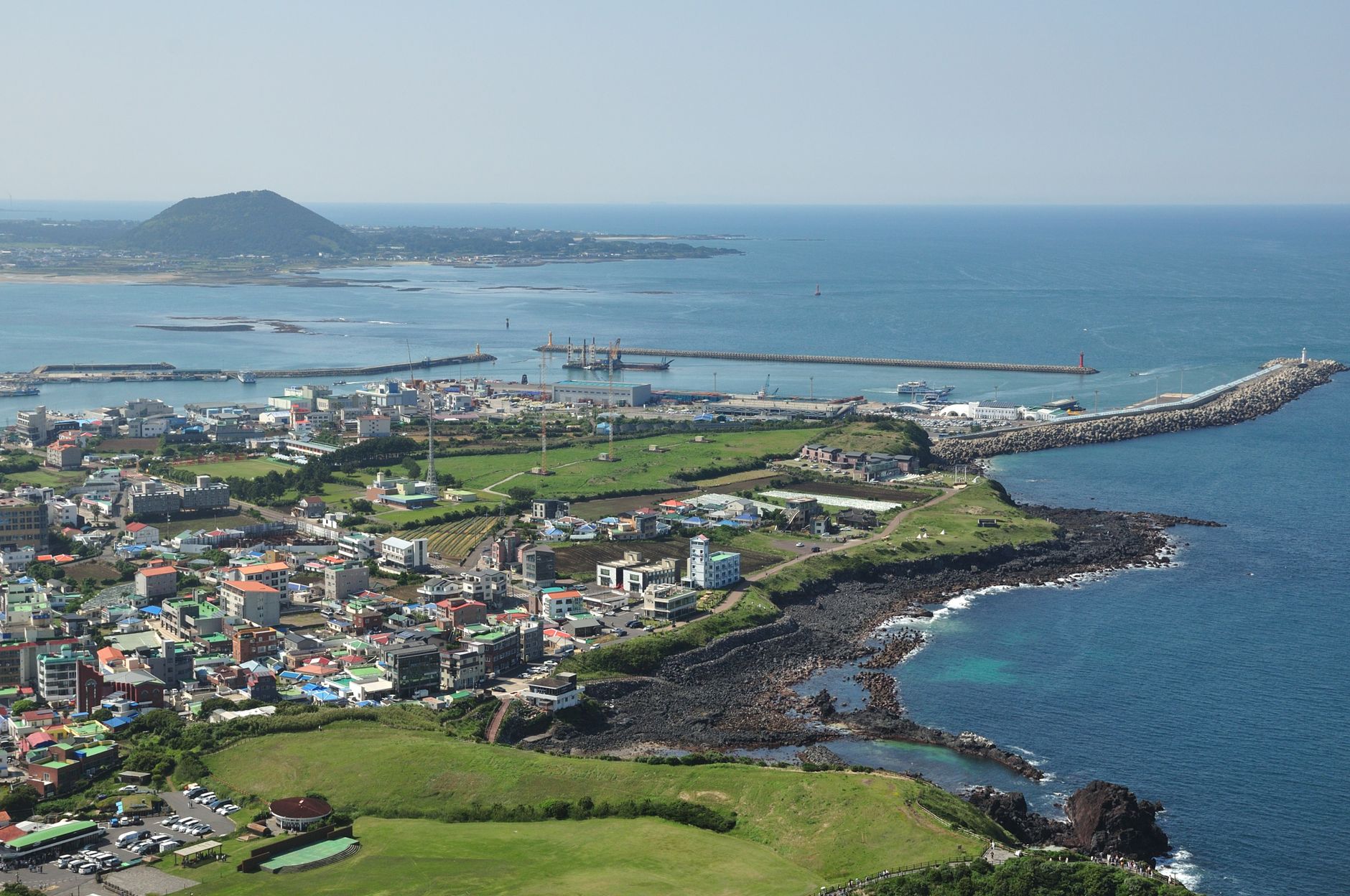
An island shaped by recent volcanism and marine cliffs greets most arrivals: a low-slung city near the airport, fields of citrus, then a coastline that alternates between lava cliffs and black-sand bays. The mood varies dramatically by district. Jeju City around the airport is practical and noisy in the mornings, Aewol and the northwest are cafe-and-coast focused, while Seogwipo on the south coast has tour groups, waterfalls and concentrated hotel infrastructure.
Expect wind, strong sun and sudden rain even in good seasons; the weather affects what can be done more than on a mainland city. Many guides promise a packed “full island” trip in two days—real travel time and seasonal closures make that unrealistic. This introduction suits travelers who value geological sights, short hikes and seafood rather than museums and nightlife.
Is 3 days in Jeju enough?
Three days is enough to cover the island's signature geological sites and a taste of local food culture if travel is limited to one or two sectors. The honest caveat: either the east (Seongsan and Udo) or the south (Seogwipo and Jungmun) must be prioritized—covering both thoroughly in 72 hours requires long drives and early starts.
Who This Guide Is For
Best for active travelers who accept driving or long bus rides and want coastal scenery, short hikes and seafood; a poor fit for visitors who want a purely urban museum crawl or no driving at all.
Local Tips for Jeju
Practical details that most travel sites skip — specific to Jeju.
- Buy and load a T-money card at Jeju International Airport convenience stores or subway kiosks; buses accept T-money and it avoids having the exact cash needed on rural routes.
- Airport limousine buses run from Jeju International Airport to major hubs; check the schedule posted at arrivals because frequency drops after 21:00.
- Many smaller coastal attractions (Seopjikoji, some oreum parking areas) have small paid lots (2,000–5,000 KRW); expect cash only at weekend stalls.
- Hallasan National Park requires an advance trail registration for several summit routes when snow or high wind is forecast; check the Korea National Park Service site and last bus times from Seongpanak or Gwaneumsa.
- Dongmun Market daytime vendors close by 18:00–20:00 but Dongmun Night Market runs certain evenings — buy dried fish, local tangerines (hallabong) and omegi tteok there for about 2,000–6,000 KRW each.
How This Guide Was Prepared
This guide treats Jeju as an island with long distances and uneven transit rather than a compact city. Many guides cram the whole island into a single day—this plan accepts slower travel and prioritizes coastal geology, haenyeo culture and local food. Practical limits like seasonal ferry schedules, Hallasan trail closures and the value of renting a car are discussed candidly. This guide was prepared through a structured research that combines destination research, geographic context, itinerary planning logic, and content review.
Plan Your Stay in Jeju
Use this itinerary as your starting point, then compare areas to stay, transport options, seasonal timing, and realistic daily costs before booking.
Why Visit
Seongsan Ilchulbong at sunrise is a geological one-off: a tuff cone that faces the ocean and is readable in an hour-long walk. Hallasan offers highland trails and a summit experience that contrasts sharply with coastal vistas, and the mountain feels like a different climate even on the same day.
The haenyeo diving culture on the southeast coast and fresh seafood markets mean meals are a direct link to local practice—Dongmun Market and Seogwipo Maeil Olle Market show seafood sold seconds off the boat. Manjanggul Lava Tube and Jusangjeolli cliffs are compact, high-value geology stops that don’t require full-day commitments. Finally, a short ferry hop to Udo Island offers a different pace: electric scooters, coral sand bays and local peanut ice cream.

Quick Planning Tips
Fly into Jeju International Airport (CJU) and expect a short customs line; ground transport choices matter more than flight time because island distances add up. Renting a car at the airport is the simplest way to move but book in advance for weekends and holidays; international licenses are required for many agencies.
Bring a T-money card or buy one at airport convenience stores for buses and some taxis; keep cash for smaller vendors and weekend parking. Avoid assuming buses run late—last buses on many rural lines can be before 20:00. A common planning mistake is overloading an itinerary: block travel time between east and south and keep a buffer for late ferries or slow coastal roads.

Day 1
Start in Jeju City: drop luggage near Tapdong or Dongmun Market and walk Yongduam Rock (Dragon Head Rock) along the north shore (10–20 minutes from Dongmun by foot). Dongmun Market makes a practical mid-morning stop for fresh tangerines, dried seafood and quick gimbap; allow 45–60 minutes.
From Dongmun, take a local bus or taxi (10–20 minutes) to the Jeju Folklore & Natural History Museum if weather turns bad — set 60–90 minutes. Walk the Tapdong Promenade and the nearby seafood restaurants for a late lunch; try gogi-guksu at a local noodle shop near the bus terminal (15–20 minutes walking from the museum).
In the afternoon, drive or take a bus to Hallim Park and Hyeopjae Beach on the northwest coast (30–45 minutes by car from downtown). Hallim Park entrance is around 10,000 KRW and has botanical gardens plus lava tube access. Hyeopjae has white sand and views toward Biyangdo; plan 90–120 minutes here. Dinner in Aewol village on the return, where cafe-lined coastal roads have seafood grills; expect a grilled black pork dinner for two to cost 30,000–50,000 KRW.
Evening recommendation: a calm seaside bar or cafe in Aewol for sunset; avoid expecting late-night clubs—most nightlife energy is modest.

Day 2
Head east for sunrise at Seongsan Ilchulbong — arrive 30–45 minutes before dawn to secure parking or a spot on the coastal viewing path. The climb to the rim takes 20–40 minutes depending on crowds; small entry fee is about 2,000 KRW. After sunrise, walk or drive to Seopjikoji (10–15 minutes) for coastal cliffs and a short, exposed trail that takes 30–60 minutes.
Midday: return to Seongsan Port and catch the 10–15 minute ferry to Udo Island if schedule allows; ferries run frequently in high season but less so off-season. Explore Udo by bike or electric scooter—popular loop attractions include Seobin Baeksa (white coral sand) and peanut ice cream stalls; allocate 3–4 hours including ferry time.
Late afternoon back on the main island, visit Seongeup Folk Village (20–30 minutes by car from Seongsan) for preserved thatched houses and local crafts; plan 60–90 minutes. Dinner in Seogwipo or near Seongsan: try abalone porridge or seafood hotpot at recommended family restaurants. Evening recommendation: check for haenyeo performances or small coastal markets in the port towns when available.

Day 3
Base this day in the south (Seogwipo) if leaving late afternoon or evening. Morning: Cheonjiyeon Falls and the Seogwipo Olle Market within walking distance of each other; spend 60–90 minutes at the falls and 30–60 minutes at the market tasting street seafood and buying local citrus.
Next, drive down to Jeongbang Falls (10–15 minutes from Seogwipo center) where the waterfall hits the sea; allow 30–45 minutes. From there, head to Jusangjeolli Cliff near Jungmun Beach (15–20 minutes) for columnar basalt viewing—short walks and photo stops total 45–60 minutes.
Lunch at the Jungmun Tourist Complex area, where larger restaurants offer black pork and seafood. If time allows, visit the O'sulloc Tea Museum and nearby tea fields on the northwest coast before returning to the airport area; driving from Seogwipo to O'sulloc takes about 40–60 minutes. Practical note for check-out or afternoon flights: leave the south by 13:00–14:00 for a 16:00 flight to allow two hours driving and the standard two hours at the airport for domestic flights; factor in traffic during holiday weekends.

Best Local Experiences
Walk one or two sections of the Jeju Olle Trail — Route 1 (Soseong to Pyoseon) and Route 7 (Namwon to Soesokkak) are coastal and achievable in a half-day. Bookends of the island have different moods: sunrise at Seongsan Ilchulbong and the Udo ferry loop are island must-dos.
Attend a haenyeo demonstration or visit a seaside haenyeo cooperative near Seongsan or Seogwipo to understand female diver practices. Visit Dongmun Market or Seogwipo Maeil Olle Market for market-to-table seafood and local snacks like omegi tteok.
Drive the coastal road around Jusangjeolli and stop at narrow fishing harbors for raw fish (hoe) restaurants. Sample Hallabong citrus products at roadside stands and at the Hallabong packing houses near Seogwipo. Explore Manjanggul Lava Tube for a short, cool subterranean walk with unique lava formations.
Where to Stay
Jeju City (Tapdong, Dongmun): Suits travelers who want quick airport access, budget guesthouses and a city market experience. Close to the ferry terminal for island tours and within cabs of northern beaches. Typical nightly cost: 40,000–120,000 KRW (approximately 30–90 EUR / 35–100 USD) depending on guesthouse vs small hotel.
Seogwipo (Jungmun, downtown): Suits those who want waterfalls, resorts and access to the south coast. Near Cheonjiyeon and Jungmun attractions and larger hotels. Typical nightly cost: 70,000–160,000 KRW (approximately 50–120 EUR / 55–140 USD).
Aewol and northwest coastal villages: Suits cafe-focused travelers and small boutique stays near Hyeopjae and Hallim Park. More boutique pricing and coastal views, quieter at night. Typical nightly cost: 80,000–200,000 KRW (approximately 60–150 EUR / 65–180 USD).
Book early for national holidays (Chuseok, Lunar New Year, summer peak) and confirm parking availability for car rentals at accommodation.
Food and Drink
Heuk-dwaeji (Jeju black pork): A local pork breed grilled over charcoal; served in specialist restaurants around Jeju City and Seogwipo. Expect 10,000–18,000 KRW per person for a shared set. Gogi-guksu: thin wheat noodles in a pork broth, often eaten at small noodle shops for about 6,000–9,000 KRW—good for a quick breakfast or late lunch.
Jeonbokjuk (abalone porridge): Steamed abalone porridge found in Seogwipo and coastal towns; a comforting seafood dish priced 8,000–15,000 KRW. Omegi tteok: the chewy local rice cake sold at markets and stalls for 2,000–5,000 KRW—typical street snack.
Seafood hoe (raw fish) and haemultang (seafood stew): Markets and harbour restaurants near Seogwipo or Seongsan offer these; a shared raw fish platter is 30,000–60,000 KRW depending on species. Hallabong products and hallabong juice are available at roadside stands and supermarkets; fresh juice costs about 2,000–4,000 KRW.
Breakfast option: local-style noodle shops serving gogi-guksu or simple rice-and-soup sets for 6,000–8,000 KRW. Street food option: grilled jeon (savory pancake), skewered fishcakes or hotteok-style pancakes at markets for 2,000–5,000 KRW. Dinner recommendation: a black pork barbecue restaurant after a day of hiking or beaching—reserve at peak times.
Getting Around
Transit modes: island intercity buses, local city buses, airport limousine buses, taxis, ferries to Udo and other islets, and rental cars. Use a T-money card for buses and some taxis; buy or top up at convenience stores. Navigation: Naver Map and KakaoMap give reliable local bus routes and walking directions; Kakao T works for taxi booking.
Typical single bus fare on most routes: roughly 1,300–1,500 KRW. Day-pass options exist for specific tourist shuttle routes or private tours and cost roughly 10,000–25,000 KRW depending on the service; confirm validity before purchase. Airport-to-city taxi fares: expect about 10,000–15,000 KRW to Jeju City; to Seogwipo expect 60,000–90,000 KRW depending on time of day and luggage.
Renting a car: common and usually the most time-efficient way to cover multiple sectors; automatic cars and GPS in Korean are standard, but download offline maps and the rental contract in English. Ferry timetables to Udo and other small islets can change with weather—book ahead in high season.
Best Time to Visit
Spring (March–May): Temperatures roughly 10–20°C. Good for low pollen days, camellia and cherry blossoms in March–April, and fewer summer crowds. Early May can be busy on holiday weekends.
Summer (June–August): Temperatures 23–30°C with high humidity and a typhoon risk from July to September. Beaches are busiest in July–August and ferry schedules can be disrupted by storms.
Autumn (September–November): Temperatures 15–25°C. Clear days, good sea visibility and harvest season for hallabong in late autumn. This is often the best compromise between weather and crowding.
Winter (December–February): Temperatures 5–12°C, windier and sometimes snowy on Hallasan trails; lower accommodation prices but fewer ferry services. Hallasan summit routes may close for snow—check trail status before planning.
Budget and Practical Tips
Sample daily budgets (excluding flights): Budget traveler: 50,000–70,000 KRW per day (about 35–50 EUR / 40–55 USD) covering a hostel or cheap guesthouse, street food/markets, local buses and one paid attraction. Midrange traveler: 120,000–200,000 KRW per day (about 90–150 EUR / 100–180 USD) for a mid-tier hotel, a mix of restaurants, car rental split between two people or taxis for some legs, and several attraction fees.
Typical single attraction fees: Manjanggul ~2,000–4,000 KRW; Hallim Park ~10,000 KRW; O'sulloc Museum free entry but paid experiences cost 5,000–12,000 KRW. Car rental daily cost varies widely: 50,000–120,000 KRW per day including insurance depending on season and vehicle.
Tipping norms: tipping is not customary in most restaurants and taxis; some tourist-oriented restaurants or hotel services may add a service charge. Carry small change for market stalls and parking meters; card acceptance is widespread in towns but less so at rural stalls and small ferry kiosks.
FAQ
Is Jeju safe for solo travelers?
Yes; crime rates are low compared with many international destinations, but standard precautions apply—lock valuables in vehicles and be cautious on remote coastal rocks and cliffs.
Do I need to rent a car to get around?
Not strictly, but a rental car greatly expands reachable sites and reduces waiting for infrequent buses; budget time for parking and local driving laws.
Are taxis easy to find and is there an app?
Taxis are common in Jeju City and Seogwipo; use Kakao T to hail cars when signal allows. Expect higher fares late at night and on holidays.
Is a tourist city pass worth buying?
There is no single island-wide pass that covers every site; some shuttle buses and attraction bundles exist seasonally—compare the cost of individual entries and transport before buying.
Can Hallasan be climbed in one day?
Summit hikes from Seongpanak or Gwaneumsa are full-day efforts (8–10 hours round-trip for many hikers); start early and check trail closures and shuttle options.
Is it possible to visit Udo on a day trip?
Yes; ferries run frequently in high season and the island loop can be done in a half-day if ferry times match plans; reserve mid-morning or early-afternoon slots to avoid peak crowds.
Is water safe to drink and are cards accepted everywhere?
Tap water is potable, but many prefer bottled water; cards are widely accepted in towns, but bring cash for markets, small vendors and remote parking lots.
Conclusion
Three days will leave a clear impression of the island’s geology, food culture and how distance shapes travel choices. Expect to remember a sunrise rim walk, one coastal cliff view and a strong seafood meal more than a long list of museums. If time runs short, prioritize Seongsan Ilchulbong at sunrise or a short Hallasan trail for the high-contrast experiences that define the island; both require early starts but reward with memorable light and landscape.
How this guide was prepared
This guide was prepared through a structured research that combines destination research, geographic context, itinerary planning logic, and content review.