
3-Day Inverness Itinerary: Loch Ness, Culloden & City
A practical three-day plan for Inverness covering Loch Ness cruises, Culloden, local pubs, transport tips, and where to save time and money.
A clear, realistic 72-hour plan for exploring Inverness: central sights, a Loch Ness day, Culloden and nearby coasts, with transit, costs and what to skip if short on time.
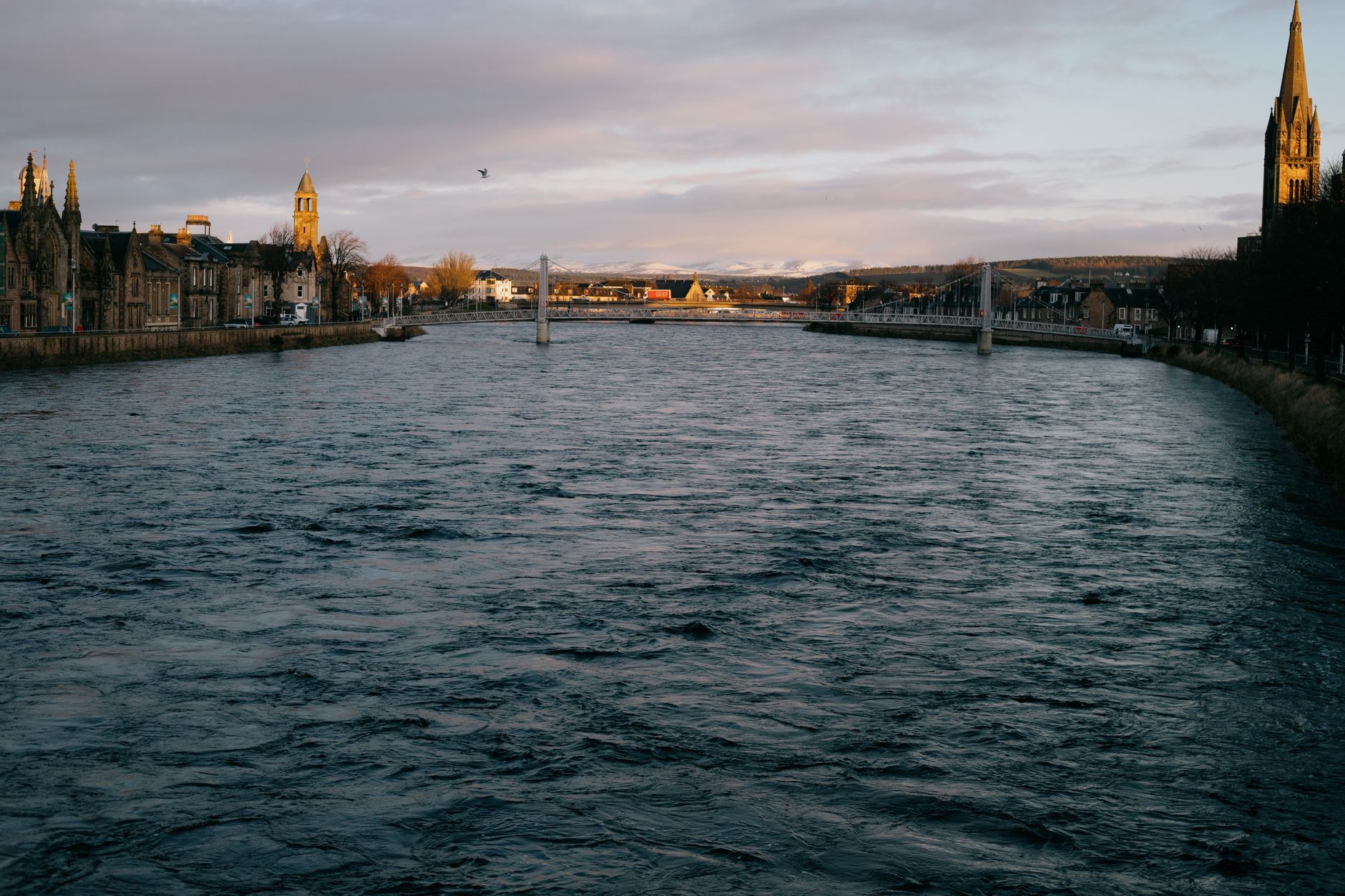
The place feels like a small regional capital with a river running through a compact centre and quick access to Highland landscapes. Streets around the river are easy to walk, tram-free, and busy in summer with coach traffic and day trippers; outside July–August the city is noticeably quieter and more local. First impressions are often of an orderly town rather than a romantic Highland set-piece — stone architecture, a working port feel at the mouth of the Beauly Firth, and a strong civic identity anchored by Inverness Castle and the River Ness.
Most guides treat this as a Loch Ness launchpad; that sells short the city's museums, music nights and riverside cafés. The city suits people who want city comforts plus one major countryside day rather than travellers who plan long daily drives. Accommodation and dining prices rise sharply during Highland Games weekends and school holidays, so weekend planners should book early.
Is 3 days in Inverness enough?
Three days in Inverness is enough to see the main city sights, visit Culloden and take a Loch Ness cruise or Urquhart Castle. One honest caveat: fitting both a long Loch Ness shoreline drive and a full West Highland itinerary is unrealistic in a single weekend.
Who This Guide Is For
Best for travellers who like compact city days plus one or two countryside excursions; poor fit for people expecting a full Highlands road tour or for travellers who dislike driving or timed tours.
Local Tips for Inverness
Practical details that most travel sites skip — specific to Inverness.
- Buy advance regional train tickets on the ScotRail app from Inverness station for cheaper Advance fares to Edinburgh or Aberdeen; paper tickets are issued at the ticket office if needed.
- Stagecoach Highlands runs most local buses; expect single city fares around £1.80–£2.50, drivers take contactless cards, and a Stagecoach day ticket via the app is typically about £4.50.
- Culloden Battlefield (National Trust for Scotland) charges roughly £11–£12 for adults and includes a 30‑40 minute audio tour; allow at least 90 minutes on site.
- Inverness Farmers Market at Eastgate opens Saturdays 9:00–14:00 and is the best place for local pies, cheese and oysters from the Moray Firth.
- Many pubs close at 23:00 on weeknights; live folk sessions often run at Hootananny on Church Street and at The Castle Tavern in the evenings — check posters for start times.
How This Guide Was Prepared
This guide treats Inverness as a small regional capital with strong Highland links rather than a generic Scottish tourist stop. Many guides focus only on Loch Ness; this one balances city life, local restaurants and practical transit options so a short trip feels coherent instead of rushed. This guide was prepared through a structured research that combines destination research, geographic context, itinerary planning logic, and content review.
Plan Your Stay in Inverness
Use this itinerary as your starting point, then compare areas to stay, transport options, seasonal timing, and realistic daily costs before booking.
Why Visit
First, the river and small-town civic feel give compact walkable days with easy cafés, museums and live music venues within ten minutes of the station. Second, access to Glen Urquhart, the Great Glen and Loch Ness means a day trip to iconic sites like Urquhart Castle is possible without overnighting in Fort Augustus. Third, historical layers are unusual: prehistoric sites like Clava Cairns sit close to a marked 18th‑century battlefield, Culloden, which is unusual for a modern town to have so nearby. Fourth, whisky and coastal wildlife are both within easy reach — Glen Ord and smaller local distilleries offer tastings within 25–45 minutes, while Chanonry Point and Nairn are doable in a half-day for seals and dolphins.
These concrete advantages mean the place is better for a mixed itinerary of museums and a single memorable outing than for a full Highlands road-trip. Food and pub scenes are compact rather than sprawling, so quality choices are often within a short walk.
Quick Planning Tips
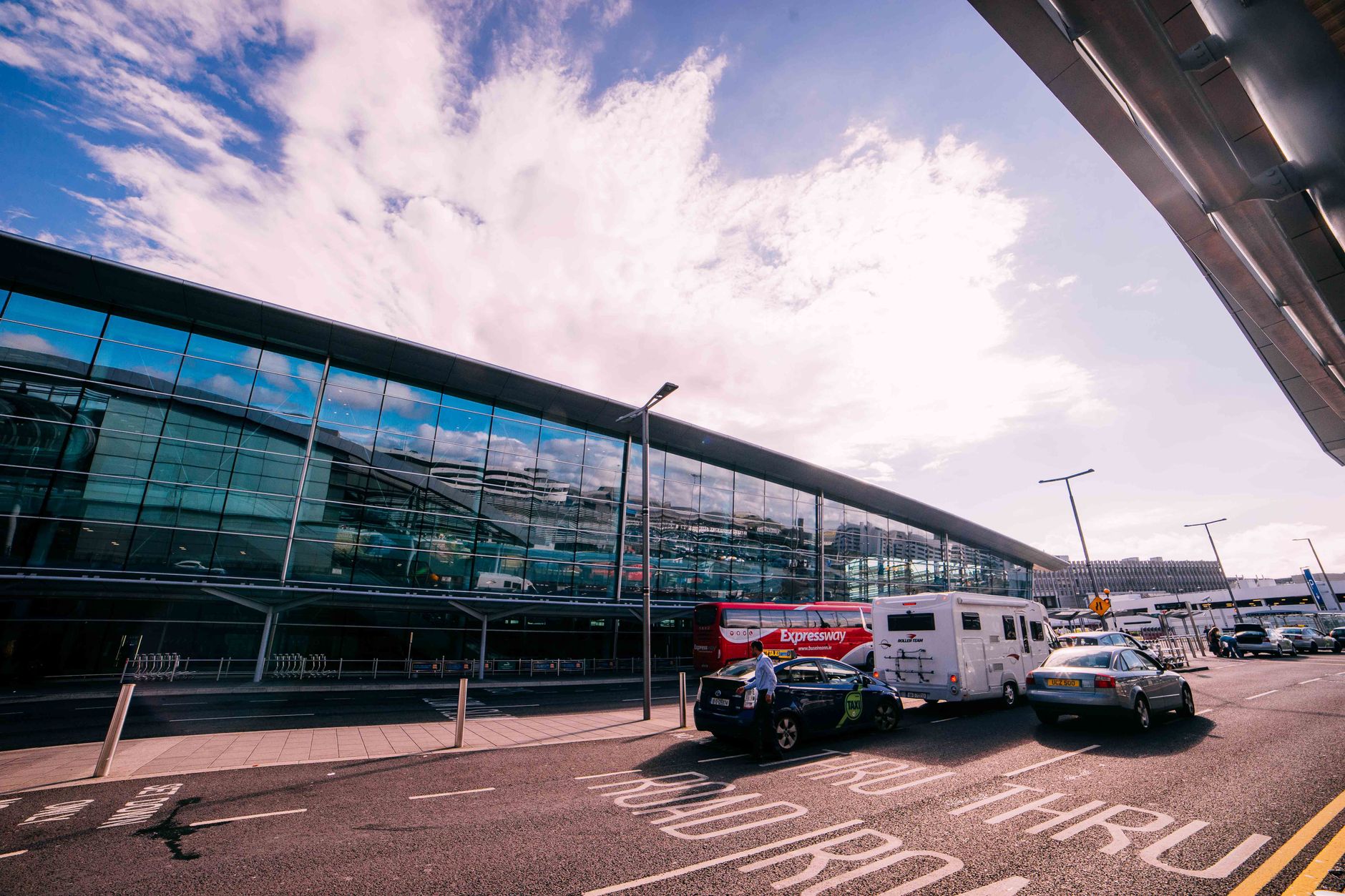
The quickest public route from Inverness Airport to the city centre is the scheduled Stagecoach airport bus (check timetables in advance) or a taxi; a taxi costs roughly £20–30 depending on luggage and time of day. Trains to and from Aberdeen, Edinburgh and Glasgow run from Inverness station; buy digital tickets on the ScotRail app to access Advance fares and live platform info.
Carry a contactless card and some cash; most small cafés and market stalls accept cards but cash remains handy for market purchases. Avoid the mistake of planning a multi-stop Highlands driving day without allowing extra time for single-track roads and coach traffic during tourist season. Check museum opening hours off-season, as some sites close earlier in winter.
Day 1
Morning: Start at Inverness station and walk 10–15 minutes along Academy Street to the Victorian Market for coffee and bakery items, then cross to the River Ness. Walk north along the Ness Riverside Path to Ness Islands (10 minutes from the market; allow 40–60 minutes wandering through paths and footbridges). After the islands, head upstream to Inverness Castle viewpoint on Castle Wynd; the viewpoint offers town and river views and is a short 5–10 minute walk.
Midday: Walk (5–10 minutes) to the Inverness Museum and Art Gallery on Castle Street to see regional displays and temporary exhibitions; entry is free with suggested donations but special exhibitions can have a fee. Lunch at The Mustard Seed on the river — plates range £10–£18, bookings recommended at peak times.
Afternoon: Cross the river to St Andrew's Cathedral for a quiet visit (5 minutes from the museum) then stroll back through the pedestrianised Victorian Market area and along High Street for local shops and whisky stores. Allow for a 10–15 minute walk between each site; everything in the centre sits within a 20–25 minute radius.
Evening: Dinner at Rocpool Restaurant (reservations recommended; mains £18–£30) followed by live music at Hootananny on Church Street or a quieter pint at The Castle Tavern. Nightlife tends to taper by 23:00 on weeknights.

Day 2
Morning: Use a hire car or a scheduled coach to reach Drumnadrochit village on the western shore of Loch Ness; driving takes about 30–40 minutes depending on traffic. Start with the Loch Ness Centre & Exhibition for orientation (allow 60–90 minutes) then walk around the village green for local craft stalls.
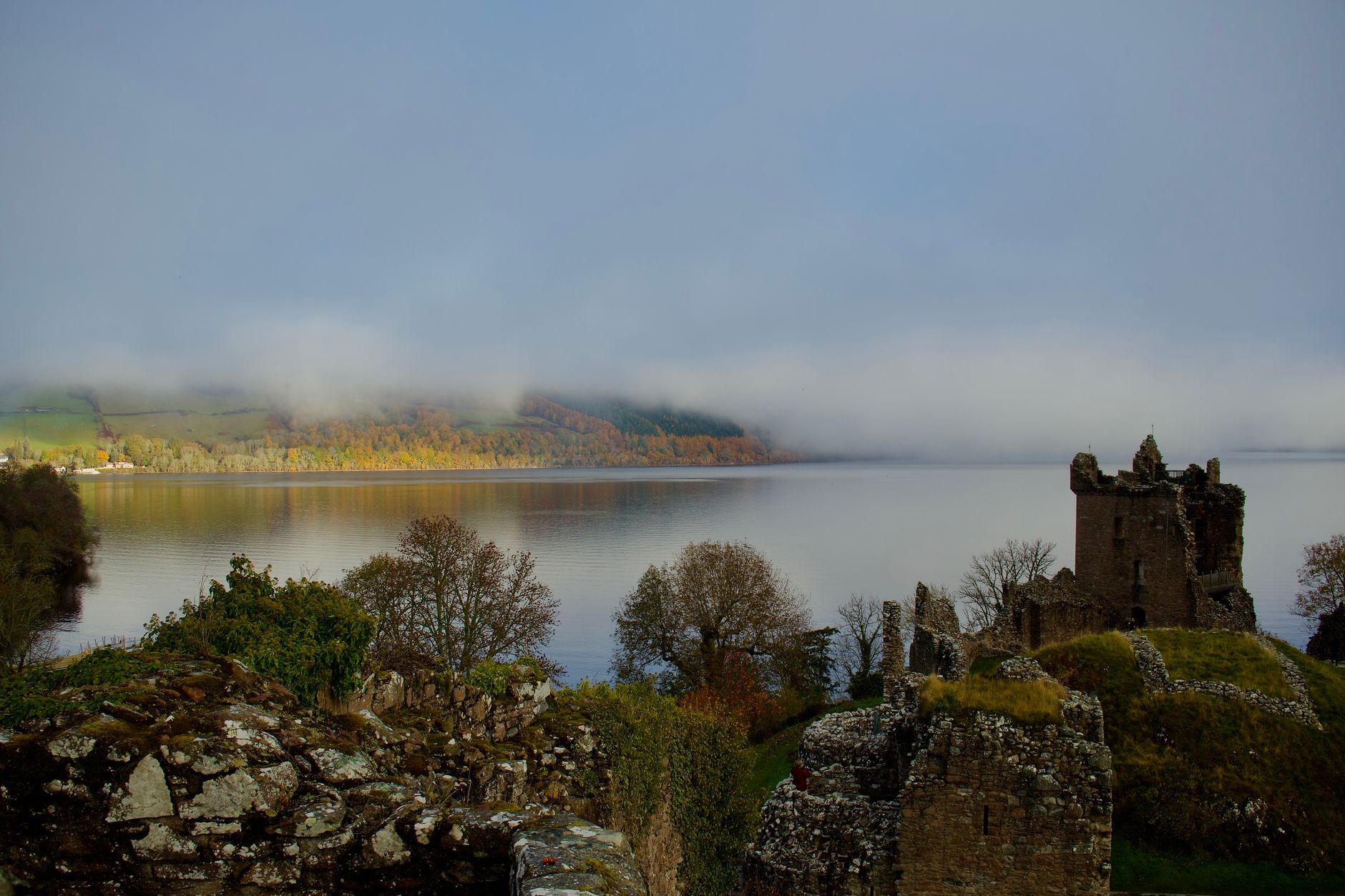
Late morning: Head to Urquhart Castle (10 minutes from Drumnadrochit) and explore the ruins and shoreline. Allow 90 minutes at Urquhart to climb towers and take photos; adult entry is typically in the low teens of pounds for Historic Environment Scotland sites.
Afternoon: Join a Loch Ness cruise from Urquhart or nearby Urquhart Bay — short cruises run 45–90 minutes and cost about £15–£30 depending on operator and season. Alternatively drive to Falls of Foyers on the southern shore (25–30 minutes) for a 30–40 minute loop to the waterfall.
Late afternoon return: Drive or take the coach back to the city centre (35–45 minutes). Stop at Dochgarroch Lock if time allows for canal-side walking and wildlife watching.
Evening: Eat in the city; try The Kitchen Restaurant for relaxed plates and local seafood. This day is focused on a single landscape experience rather than multiple short city visits, so allow extra time for photography and traffic on narrow rural roads.

Day 3
Morning: Start with Culloden Battlefield and Visitor Centre (allow 90–120 minutes). The site’s audio tour explains the 1746 battle and can be completed in about 40 minutes, leaving time to look at battlefield markers and the exhibition. From the centre, drive or take a short taxi ride to Clava Cairns (5–10 minutes away) to see Bronze Age burial cairns and standing stones; allow 45–60 minutes for the site and a short walk.
Midday: Return toward the city and visit Fort George near Ardersier if time allows (25 minutes from the city centre); the fort has museum exhibits and coastal views. Entry fees vary but expect low‑to‑moderate charges or donations. Lunch can be at a café in the Fort or back in the city — for a quick option pick up a takeaway from a central bakery or the Saturday farmers market if it is that day.
Afternoon: If checking out or catching an afternoon flight, allow at least 90 minutes travel and airport check‑in time for domestic UK flights; a taxi from the city centre to Inverness Airport is typically £20–30 and takes 15–20 minutes. If the flight is later, finish with a relaxed riverside walk or a visit to Eden Court for an exhibition or matinee performance.
Evening: For those staying a final night, choose a quieter dinner and short walk along the river to avoid missing early transport next day.

Best Local Experiences
Inverness’s best experiences mix town life with nearby coast and whisky. The Victorian Market hosts small independent stalls and is the most reliable place for artisan fare. Saturday at Eastgate for the Farmers Market is the place for local pies, cheese and oysters from the Moray Firth. Hootananny on Church Street runs regular folk and ceilidh nights for live music; check the calendar for session start times.
For wildlife, Chanonry Point in Fortrose gives one of the best mainland dolphin-watching chances and is a 30–40 minute drive or bus ride. Distillery tours at Glen Ord or Tomatin are both 25–45 minutes away and offer tastings and short tours; book in advance for weekend slots. Finally, a short Loch Ness cruise or a guided boat from Urquhart is a direct, low-effort way to experience the loch without committing to long drives.

Where to Stay
City Centre (Castle Street, High Street): Best for first-time visitors who want walkable access to the Victorian Market, Ness riverside and restaurants. Options range from budget B&Bs (£60–90/night, roughly €70–105 / $65–110) to mid-range hotels (£100–150/night, roughly €115–175 / $125–185). Expect more noise on weekend nights near Church Street.
West End / Bishop’s Road area (Ness-side): Suits quieter evenings and families; short walks to Ness Islands and Eden Court. Small guesthouses and self-catered flats commonly list at £80–140/night (€90–160 / $95–180). Parking is easier here for those renting cars.
Culloden / Airport fringe: Suits people arriving late or catching early flights and those planning countryside drives; hotel chains and B&Bs with parking are common at £70–120/night (€80–140 / $85–150). Allow the extra travel time (15–25 minutes to the city centre) when planning evenings and restaurant reservations.
Advance booking is important during Highland Games weekends (May–September) and school holidays when prices spike. For short stays, prioritise proximity to the station and river rather than a driveable bedroom in the suburbs.
Food and Drink
Cullen skink: a smoked haddock and potato soup originating from the northeast coast; expect a bowl for £6–9 at city cafés and traditional restaurants. Arbroath smokie: smoked haddock served simply; appears on many seafood plates and costs about £6–10 as a starter.
Haggis, neeps and tatties: savoury sheep’s-offal pudding with turnips and potatoes; a main plate is £10–18 at gastropubs. Scottish salmon: served smoked or hot-smoked; mains range £12–20 in riverside restaurants. Venison or local lamb: game mains are available at mid and high-end restaurants and cost £16–28.
Breakfast option: porridge with local heather honey or smoked salmon on toast at cafés like The Little Bird for around £6–10. Street food and market options: pies, Scotch eggs and hot savoury bakes at the Farmers Market on Saturdays (£3–6). Dinner recommendation: Rocpool or The Mustard Seed for a riverside meal showcasing local seafood and seasonal produce; mains typically £16–30. Whisky: single malts from Glen Ord, Tomatin or smaller local bottlings are available in specialist shops; expect tasting drams at £4–8 each.
Getting Around
Train: ScotRail runs services to Aberdeen, Glasgow, Edinburgh and along the Highland network; Inverness station is central. Use the ScotRail app for Advance fares, platform info and e‑tickets. Coach/bus: Stagecoach Highlands is the main local operator for city and regional services; Citylink coaches serve longer intercity routes.
Local fares: expect single bus journeys in town at roughly £1.80–£2.50, with day tickets via the Stagecoach app around £4–5. Taxis: local taxi fares from the city centre to the airport are roughly £20–30; reserve in advance for early or late flights. Car hire is common for countryside days; single-track roads demand cautious driving and extra time.
Useful apps and cards: ScotRail app for trains and Stagecoach bus app for digital day tickets, plus Google Maps or Citymapper for walking routes. Bike hire and guided small-group tours are alternatives for short excursions.
Best Time to Visit
Summer (June–August): Warmest months with daytime highs typically 15–20°C, long daylight hours and busiest crowds; expect higher accommodation prices and full boat tours. Spring (April–May) and early autumn (September–October): offer milder crowds, cooler temperatures around 8–14°C, and often better rates; these months balance daylight and quieter sites.
Winter (November–March): Cold, short days with temperatures commonly 0–6°C and more rainfall; many rural attractions reduce opening hours. Shoulder months such as May and September give good value with reasonable weather for walks and wildlife watching, while July and August are best for full boat schedules and festival events if crowds are acceptable.
Budget and Practical Tips
Daily budgets (approximate): Budget traveller: £60–90/day (€70–105 / $65–100) covering low-cost B&B, takeaway lunches, local buses and free/low-cost sites. Midrange traveller: £130–220/day (€150–255 / $145–260) for a mid-range hotel, two restaurant meals, local transport and one paid attraction. Comfortable traveller: £250+/day (€290+ / $280+) for nicer hotels, taxis, tours and multiple paid excursions.
Breakdown example for a midrange day: accommodation £90–140, food £30–50, transport £6–12, entry fees and tours £15–40. Entry fees: Culloden ~£11–12, Urquhart ~£12–15, Loch Ness cruises £15–30.
Tipping: Restaurants commonly add a service charge; if not included, 10% is appropriate for table service. Rounding up small amounts is normal for taxis and cafe service. Bring a contactless card and some cash for market stalls; check opening hours for off-season closures of specific attractions.
FAQ
How safe is the city centre at night?
The centre is generally safe with low violent crime; standard city precautions apply — keep an eye on belongings in crowded areas and avoid poorly lit streets late at night.
Is public transport reliable for getting to Loch Ness and Culloden?
Culloden is served by local buses and short taxi rides; Loch Ness shorelines such as Drumnadrochit have scheduled buses but services are less frequent than a car, so check timetables in advance.
Is a city pass worth buying?
There is no single Inverness city card covering everything; Historic Environment Scotland or National Trust for Scotland passes can be cost‑effective if planning multiple paid HES/NT sites.
Can the railway be used for day trips into the Highlands?
Yes, ScotRail runs scenic routes but many key lochside spots require a car or coach; book Advance fares on the ScotRail app for savings.
What's the best way to see dolphins and seals?
Drive or take a guided trip to Chanonry Point near Fortrose for regular Risso’s dolphins; early mornings and low tide can improve sightings.
How long should visitors allow at Culloden?
Allow at least 90 minutes to do the visitor centre and the audio tour plus a walk across the battlefield.
Are credit cards widely accepted?
Yes, most hotels, restaurants and shops accept contactless and chip-and-pin; carry a small amount of cash for market stalls.
Conclusion
Three days provide a compact, manageable encounter with this regional centre: city museums and river walks combine easily with one full-day excursion to Loch Ness or a distillery. Memories formed are most often the contrast between tidy riverside streets and sudden wide Highland views at Urquhart, Culloden or along the Moray Firth. If time is tight, prioritise Culloden in the morning and a short Loch Ness cruise in the afternoon rather than trying to squeeze in distant Highland drives. That combination offers a clear sense of place within a single weekend.
How this guide was prepared
This guide was prepared through a structured research that combines destination research, geographic context, itinerary planning logic, and content review.