
3 Days in Belfast: A Practical, Honest Weekend Itinerary
A practical 3-day guide to Belfast covering transit, neighbourhoods, costs, and a realistic day-by-day plan for short stays.
A no-nonsense 72-hour plan for Belfast with transit tips, neighbourhood routes, meal suggestions, and realistic budgets for weekend visitors.
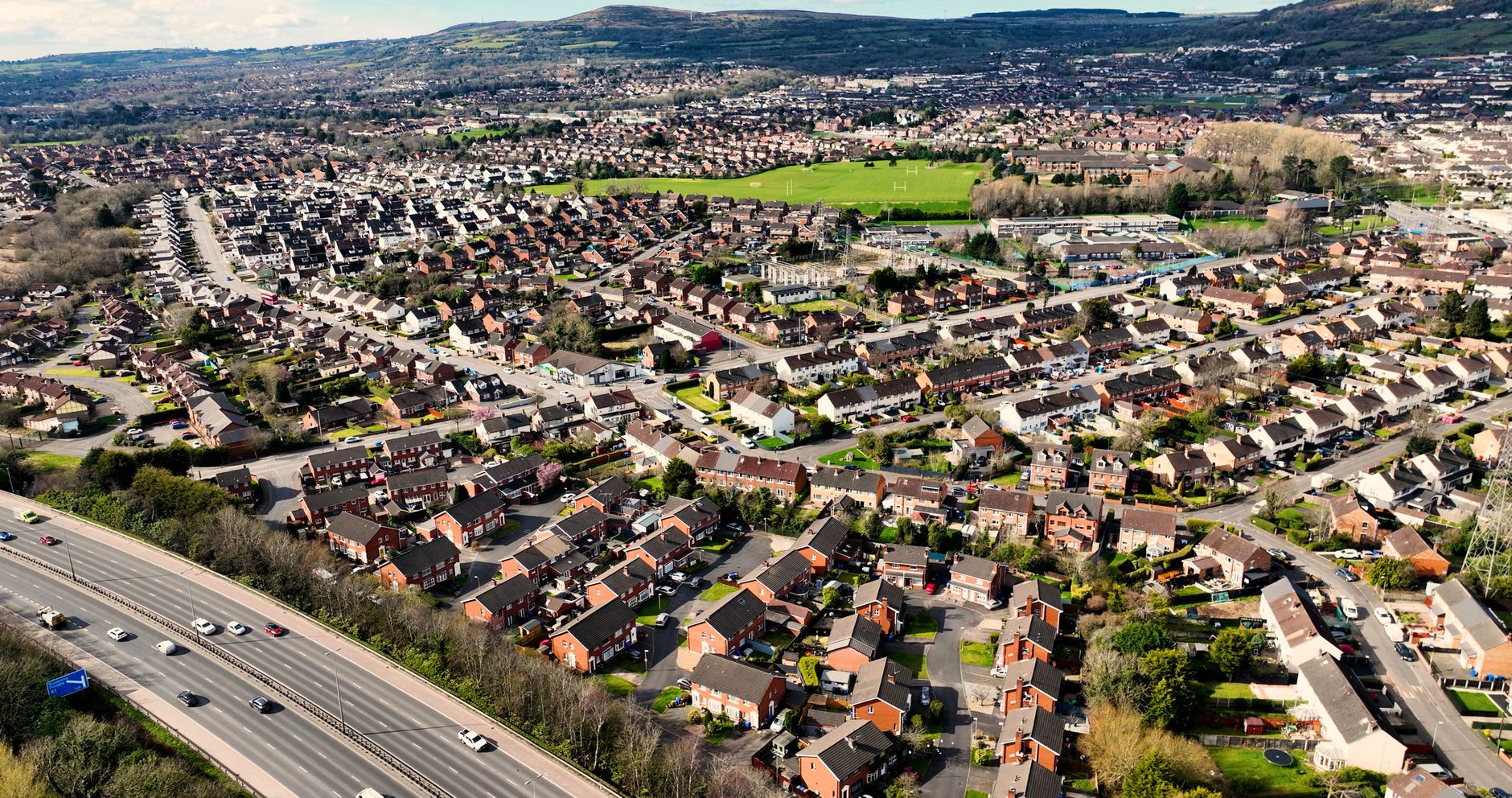
Belfast arrives as an industrial port city that mixes early 20th-century shipbuilding sites with lively late-20th-century regeneration. First impressions often start with the hulking form of the Harland & Wolff cranes and the modern polygonal facade of Titanic Belfast on the riverbank. The centre fits into a compact grid; walking covers many sites but short bus hops or a taxi speed up the schedule.
Expect a working urban rhythm: shops close earlier than in some tourist cities, music and pub scenes peak late, and neighbourhood personalities differ block to block. Many visitors are surprised by how quickly one can move between a museum, a market and a pub precinct in under an hour. Accommodation is concentrated near Donegall Square, Titanic Quarter and Queen's Quarter, making this a practical base for a tight 72-hour plan.
Noise, drizzle and construction coexist with lively cafés and earnest museum displays. For a short stay, prioritise one major paid attraction, broad neighbourhood walks, and a Saturday morning market visit rather than trying to cover every museum.
Is 3 days in Belfast enough?
Three days is enough to cover central museums, the Titanic Quarter, at least one neighbourhood walk, and a short north-coast or Troubles-themed excursion. The honest caveat: a full Causeway or extended Game of Thrones tour should be a separate day trip or will leave less time for city museums and markets.
Who This Guide Is For
Best for visitors who want a compact cultural and culinary weekend, public-transport users, and first-time visitors interested in history, street markets, and pub architecture. Poor fit for travelers expecting a slow nature-based trip or those wanting extensive day trips without renting a car.
Local Tips for Belfast
Practical details that most travel sites skip — specific to Belfast.
- Glider bus routes G1 and G2 link Titanic Quarter, Sydenham and the Westlink with fast, frequent services; use contactless or the Translink mTicket app to avoid cash on board.
- St George's Market runs Friday to Sunday; Saturday is best for antiques and hot food stalls, usually busiest 09:00–12:30.
- Titanic Belfast uses timed-entry tickets; advance online booking is common and adult admission typically runs around £20–£23 depending on promotions.
- Ulster Museum in Botanic Gardens has free general admission; special exhibitions may charge entry and it sits next to the Botanic rail halt on the NIR system.
- George Best Belfast City Airport is a 10–15 minute taxi ride to the city centre (roughly £12–18); Belfast International is farther northwest and taxi fares often reach £35–45 each way.
How This Guide Was Prepared
This guide treats Belfast as a working city with concentrated cultural sites and strong neighbourhood character rather than a single-tourist-attraction destination. Many guides overemphasize Titanic-related attractions and ignore how short distances, Glider buses, and local markets shape a practical 3-day visit. This guide was prepared through a structured research that combines destination research, geographic context, itinerary planning logic, and content review.
Plan Your Stay in Belfast
Use this itinerary as your starting point, then compare areas to stay, transport options, seasonal timing, and realistic daily costs before booking.
Why Visit
Titanic Belfast and the adjacent shipyard offer a strong, concrete story about industrial Britain, engineering and maritime decline and rebirth; the building sits where the RMS Titanic was fitted out. St George's Market provides direct access to local food sellers, crafts and secondhand dealers in a single morning's visit. The Cathedral Quarter packs live music, pub interiors like The Crown Liquor Saloon and street art within a few minutes' walk, offering varied evenings.
The city also serves as a practical base for northern excursions: day tours to the Giant's Causeway and north Antrim coastline depart daily from central operators. For politically minded visitors, Falls Road, Shankill Road and the murals around the Peace Walls present a firsthand look at recent history and community-led storytelling that typical sightseeing glosses over. Small museums such as the Ulster Museum and Crumlin Road Gaol supply historical depth without long queues.

Quick Planning Tips
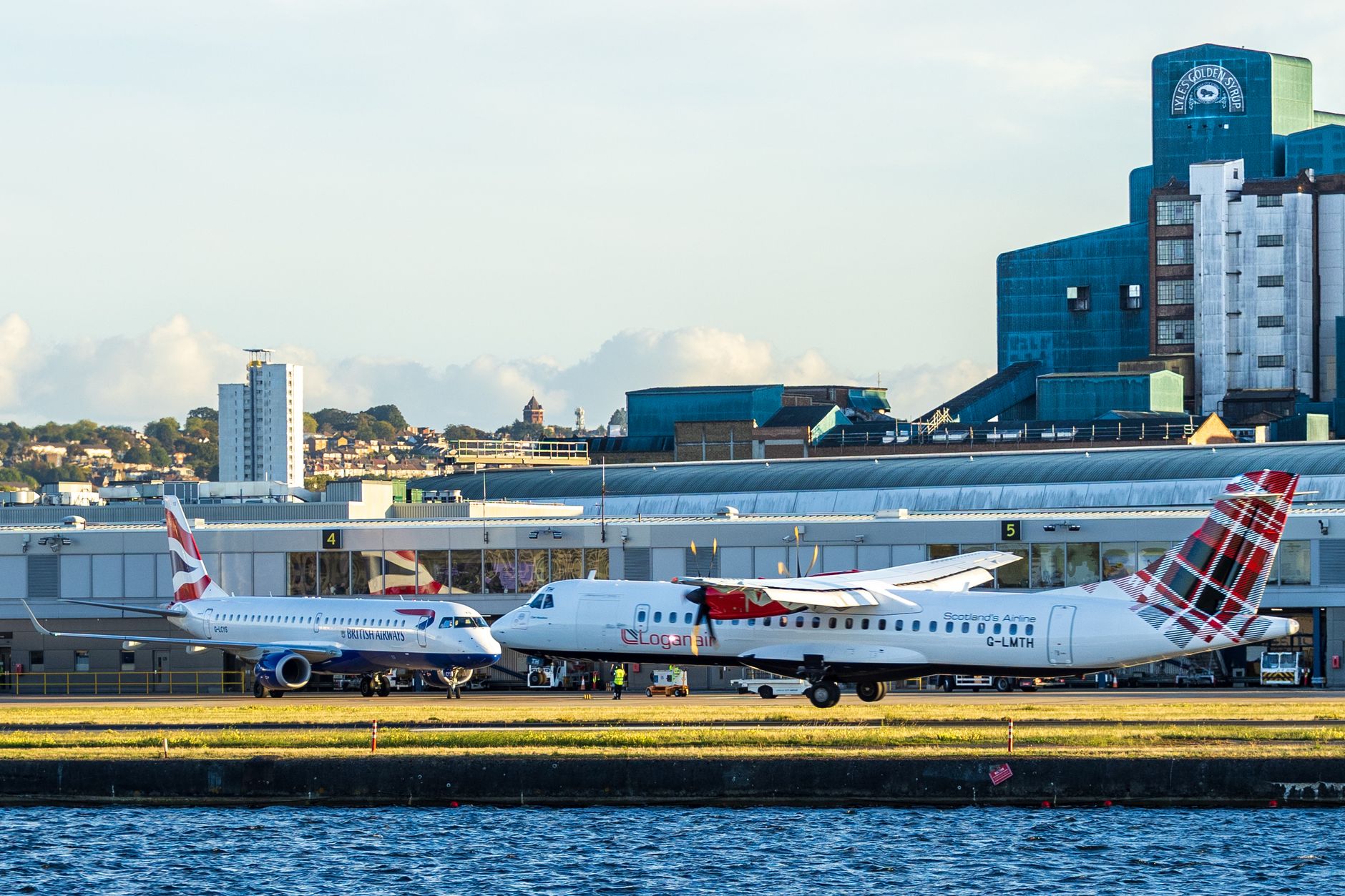
Arrive via George Best Belfast City Airport for the shortest transfer; a taxi is 10–15 minutes and normally costs £12–18. From Belfast International, expect 35–55 minutes by coach or taxi and plan for higher fares. Translink runs buses and trains across the region; download the Translink app (mTicket) and set up contactless payment to speed boarding.
Buy timed tickets for Titanic Belfast online to secure preferred slots, especially on weekend afternoons. Bring a small umbrella and a layerable jacket—wind and rain are common year-round. Avoid assuming late opening hours for museums and plan museum visits for mornings when possible.
Day 1
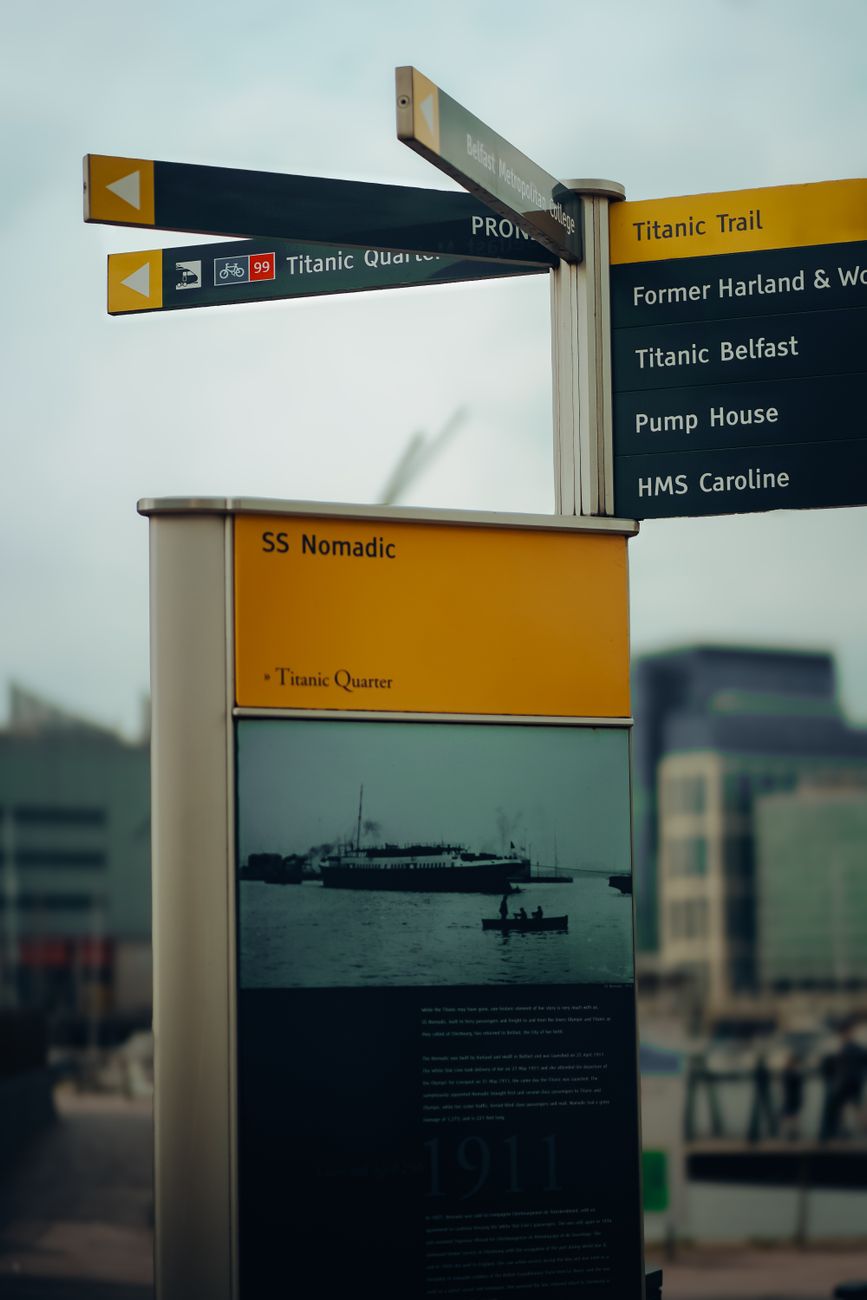
Morning: Start at Titanic Belfast on the slipways in the Titanic Quarter; allow 90–120 minutes for the main exhibition and photo opportunities. SS Nomadic docked nearby takes 20–30 minutes extra. Walk time from Titanic Belfast to the Titanic Hotel is 5–10 minutes.
Late morning: Take the G1 Glider or a 10–15 minute taxi across the River Lagan to the city centre for a quick walk around Belfast City Hall and the Linen Hall Library (15 minutes on foot between them). City Hall tours require time slots, so check hours before arriving.
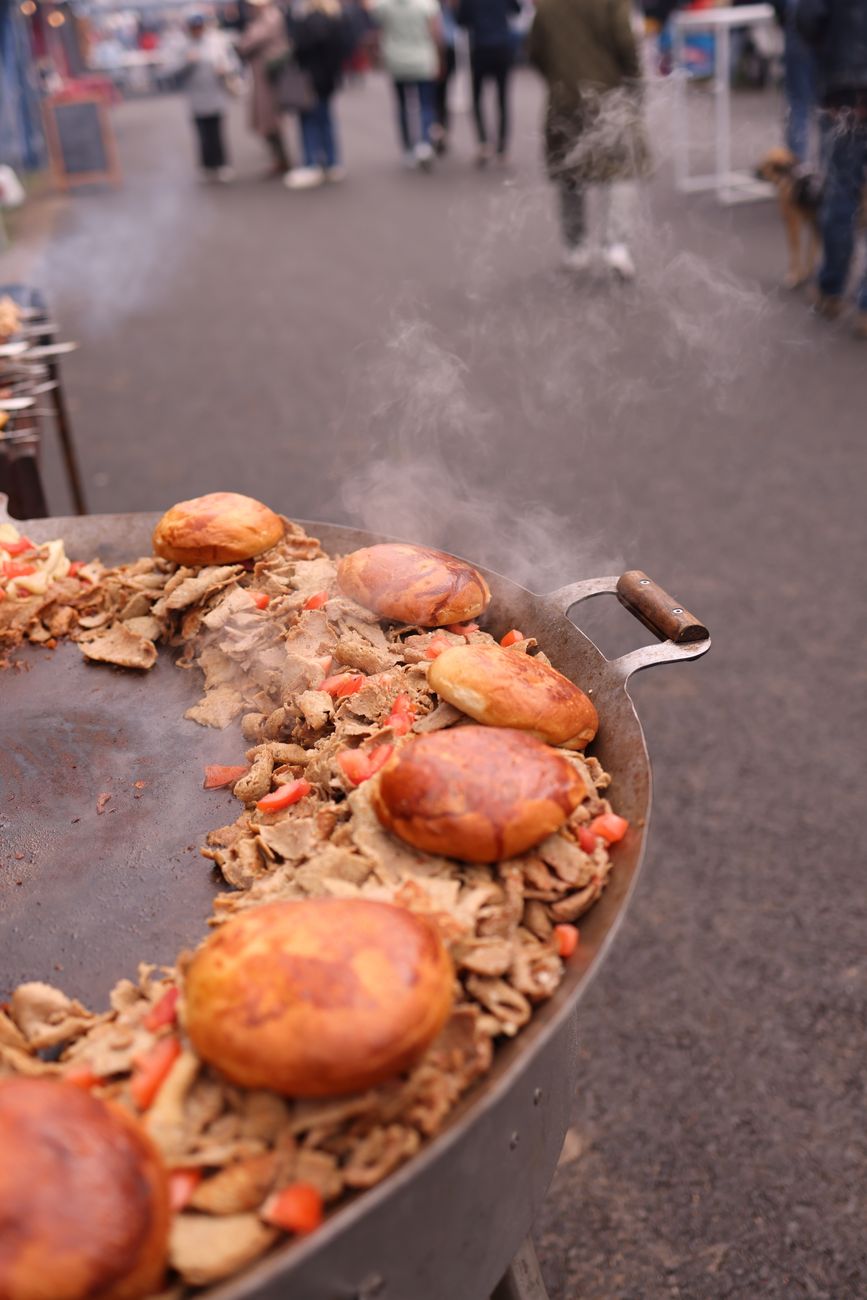
Lunch: Head to St George's Market (Fri–Sun) and pick from local vendors; allocate 45–60 minutes to sample a Belfast bap or crab roll. The market is about a 10–12 minute walk from City Hall or a short bus ride on multiple Metro lines.
Afternoon: Walk to the Cathedral Quarter (5–10 minutes) to see street murals, the MAC (Metropolitan Arts Centre) and craft shops. Visit the Cathedral Quarter Trust area and book a short guided walking tour if interested; walking between Cathedral Quarter and the Crown Liquor Saloon is 4–8 minutes.
Evening: Eat at a recommended spot such as Deanes EIPIC or the more modest Mourne Seafood Bar depending on budget. Finish with live music at a pub in the Cathedral Quarter; many venues have no-cover shows that start around 21:00.
Day 2
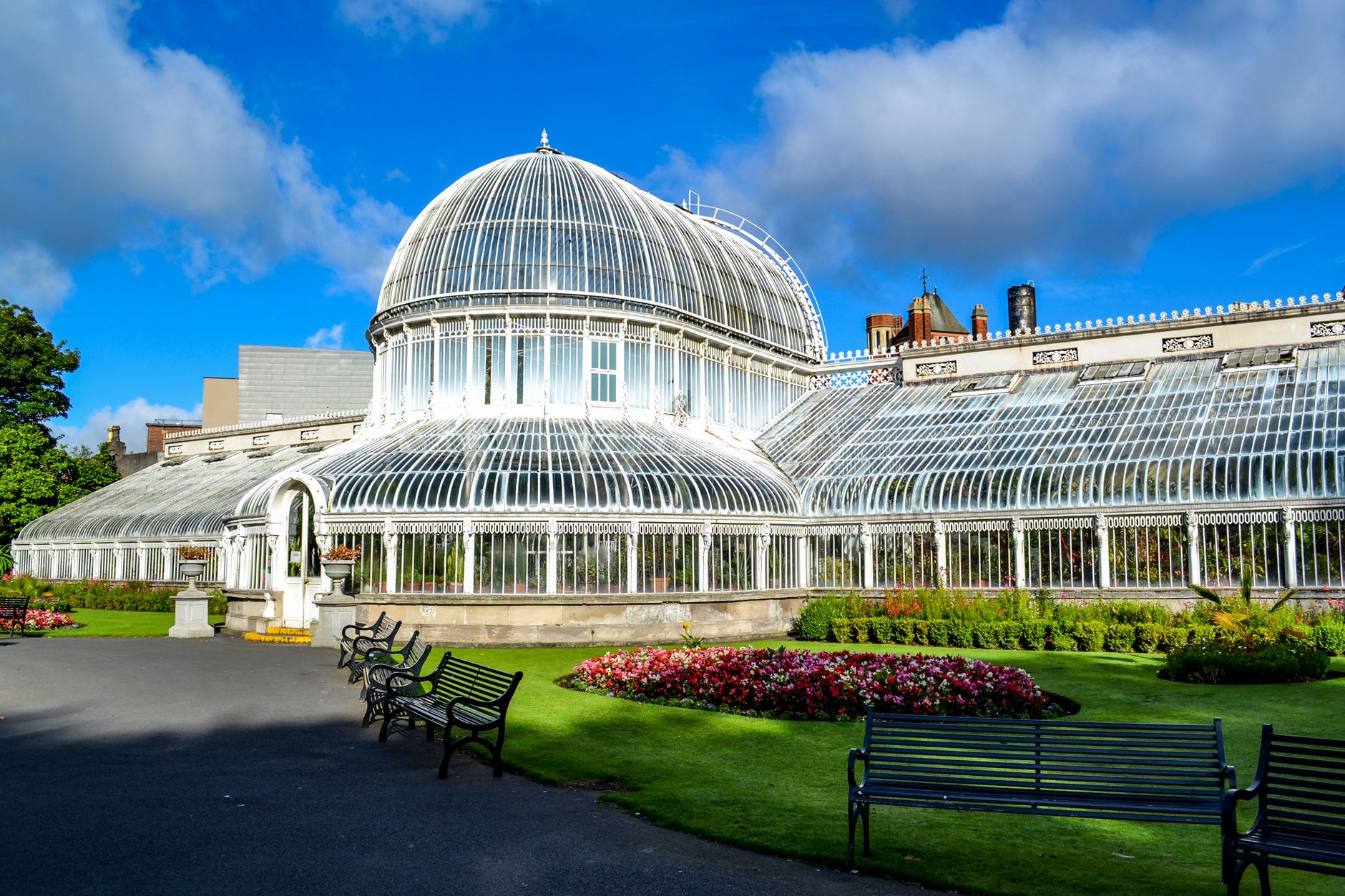
Morning: Start in the Botanic/Queen's Quarter. Visit the Ulster Museum (free entry to main galleries) and then stroll through Botanic Gardens; both are adjacent to Botanic rail halt on Northern Ireland Railways. Allow 90 minutes for the museum and 30 minutes for the gardens.
Late morning: Walk or take a short taxi to the nearby Sydenham or Ormeau Road areas for coffee and neighbourhood browsing; Ormeau Road cafés are about 10–15 minutes by bus from Botanic. This area shows everyday life outside the packed centre and has independent bakeries and record shops.
Lunch: Try a local café on Lisburn Road for a proper Ulster Fry or a contemporary plate—expect to pay £6–12 for a hearty midday meal. Travel time from Queen's Quarter to Lisburn Road is around 10 minutes by bus or a 20-minute walk.
Afternoon: Head to the Falls Road murals and Peace Walls for a politically focused walk; a black taxi tour or guided walking tour (45–90 minutes) explains contextual detail. Travel from Lisburn Road to Falls Road is 15–25 minutes by bus and may require a change in the city centre.
Evening: Return to the Cathedral Quarter for dinner or try Joy's or Ox for higher-end dining. For quieter evenings, visit The Duke of York or the Grand Central on Royal Avenue for drinks.
Day 3
Morning: Choose a shorter final activity depending on departure logistics. If flying out in the afternoon, visit Crumlin Road Gaol with its scheduled guided tours that last about 60–75 minutes and are reachable by a 15–20 minute taxi from the centre. If the flight is later, reserve a 2–3 hour morning to walk the Lagan Towpath from the Titanic Quarter toward Queen's Island.
Late morning: Grab a quick brunch at a café in the Cathedral Quarter or near Great Victoria Street; allow 30–45 minutes and factor in transit time to the airport. From Great Victoria Street to George Best Belfast City Airport is a 10–15 minute taxi ride.
Afternoon: If leaving from Belfast International, allow 60–90 minutes travel time by coach and add 90 minutes for airport security for international flights. Store luggage at major stations or pick hotels with luggage hold so the last morning is not rushed.
Evening option (for late departures): Finish with a short harbour walk in the Titanic Quarter or a visit to the SSE Arena if an event aligns with the schedule. Keep a realistic buffer of at least 2 hours between city activities and scheduled departure time.

Best Local Experiences
St George's Market (Smithfield) on Saturday morning for food vendors, artisans and antiques. Plan to arrive before 11:00 to avoid peak crowds.
A black taxi tour that includes Falls Road murals and the Peace Walls for personal accounts and local perspectives; licensed drivers often double as informal guides and tours last 60–90 minutes. Book through a reputable operator in advance.
Titanic Quarter slipways, Titanic Belfast and SS Nomadic for an industrial heritage cluster; timed-entry is useful on weekends. Walk the Titanic Trail plaques along the waterfront afterward.
An evening pub crawl in the Cathedral Quarter to see Victorian pub interiors like The Crown Liquor Saloon and to hear live music at venues such as The Sunflower Bar. Expect late-night crowds on Friday and Saturday.
A food-focused morning at St George's Market stalls or a Lisburn Road café crawl for the Ulster Fry, soda farls and local bakery items. Markets and local bakers offer the most authentic, budget-friendly meals.
Where to Stay
Cathedral Quarter — Suits visitors who want nightlife and short walks to restaurants, pubs and the MAC. Near Royal Avenue and Donegall Square. Typical nightly rates: £90–170 (£105–200 EUR / $110–230 USD) depending on season and hotel class.
Titanic Quarter — Suits visitors prioritising maritime history and modern waterfront hotels; close to Titanic Belfast, SS Nomadic and the Titanic Exhibition Centre. Typical nightly rates: £80–150 (£95–175 EUR / $95–200 USD).
Queen's/Botanic (Queen's Quarter) — Suits those looking for quieter streets, university cafes and the Ulster Museum; good for travellers who prefer local cafés to tourist crowds. Typical nightly rates: £60–120 (£70–140 EUR / $75–160 USD).
City Centre / Great Victoria Street — Suits visitors needing easy rail connections or those catching coaches; near central stations and short walks to City Hall. Typical nightly rates: £70–150 (£85–175 EUR / $85–200 USD).
Food and Drink
Ulster Fry — A hearty breakfast of eggs, bacon, sausages, soda bread and potato bread. Find it at Lisburn Road cafés and many city-centre cafés; expect £6–10. This is the go-to breakfast for a big start to the day.
Belfast bap (bap with Ulster bacon) — A simple, greasy sandwich often sold at small cafés and market stalls; expect £3–6 from market vendors or breakfast bars near stations. Quick and portable for sightseeing.
Boxty — A potato pancake served plain or as a wrap; good versions appear in Irish-traditional pubs and at St George's Market stalls for about £5–9. Look for house-made options that avoid frozen batter.
Seafood roll or crab sandwiches — Available at St George's Market and Mourne Seafood Bar; prices range £6–12 depending on portion size. Local shellfish from Strangford Lough and County Down appear frequently.
Drinks: Bushmills or Cooley whiskeys on whisky menus, and locally-brewed craft beers at breweries such as Boundary Brewing Project. A pub pint costs roughly £3.50–5; a single whisky pour around £4–8.
Dinner recommendation: Mourne Seafood Bar for seafood in a mid-range price bracket, or Ox for a splurge tasting menu (book ahead). Expect mains £15–30 at mid-range spots and £45+ at high-end restaurants.
Getting Around
Transit modes include Translink Metro buses, Glider rapid bus routes G1 and G2, and Northern Ireland Railways (NIR) suburban trains. Major stops include City Hall/Donegall Square, Great Victoria Street, Botanic, and Lanyon Place. Use the Translink mTicket app to buy bus and train tickets or pay contactless on board.
A single adult bus fare in the city is typically around £2.10–2.60 depending on distance; a Translink daySaver or similar day ticket for multiple journeys is roughly £5–6. Trains on short city hops cost similar amounts; check the Translink app for exact fares. Taxi from George Best Belfast City Airport to the city centre is about £12–18; from Belfast International budget £35–45 by taxi.
Local useful apps and cards: Translink mTicket app for digital tickets, contactless bank cards and Apple/Google Pay for buses, and National Rail/NIR ticketing for suburban trains. For cycling, short-term hire options and cycle shops operate along the Lagan Towpath.
Best Time to Visit
Summer (June–August): Average highs 16–20°C, the busiest period with the longest daylight and most events. Expect higher accommodation prices and crowded attractions. Spring (April–May) and early autumn (September–October): Daytime temperatures 10–15°C, fewer crowds and better value on accommodation; these months balance weather and cost well.
Winter (November–February): Temperatures commonly 1–8°C with shorter daylight and frequent rain; museums are less crowded and hotel deals appear, but outdoor plans are less reliable. Avoid booking a packed outdoor north-coast day trip in winter without weather flexibility.
Budget and Practical Tips
Daily budget estimate (mid-range traveller): Accommodation £80–130, Food £25–45, Transport £5–10, Entry fees £10–25. In euros and dollars approximate ranges: accommodation £80–130 (€92–150 / $100–165), food £25–45 (€28–52 / $30–58), transport £5–10 (€6–11 / $6–13). Budget travellers can reduce accommodation and food to £50–80/day; splurgers should plan £170+ per day.
Entry fees: Titanic Belfast around £20–23, Crumlin Road Gaol tours £10–15, private guided black taxi tours £30–50 depending on length. Many museums such as the Ulster Museum have free general admission but charge for special exhibits.
Tipping: Restaurants often include service on larger group bills but otherwise leave 10% for good sit-down service. Taxis do not require rounding up but many people add a small tip; café counter service requires no tip. Carry a small amount of cash for market stalls that may prefer it, but expect card and contactless to work at most places.
FAQ
Is Belfast safe for tourists?
Most central areas are safe during daytime and in busy evenings; normal urban precautions apply. Avoid isolated streets late at night and be aware of political murals and interfaces where tensions can flare during specific events.
Is three days enough to see the Giant's Causeway?
A Giant's Causeway day trip is doable as a long day from the city but eats most of a third day; for a relaxed schedule, book a dedicated day trip with an early start or save it for a return visit.
Is a Belfast city card or tourist pass worth buying?
There is no single local pass that covers most paid attractions cheaply; use Translink day tickets for transport and buy timed attraction tickets individually—Titanic Belfast often runs promotions but compare costs first.
How do I get from the airports to the city centre?
George Best Belfast City Airport is 10–15 minutes by taxi (£12–18) or short bus links; Belfast International is 35–55 minutes by coach or taxi (£35–45). Check coach timetables and allow extra time for airport transfers.
Are contactless payments accepted on public transport?
Yes—contactless bank cards and Apple/Google Pay work on Translink buses and Glider routes, and the Translink mTicket app sells tickets for buses and trains.
Can museums and attractions be crowded on weekends?
Weekends, particularly Saturday afternoons, draw local and tourist crowds to Titanic Belfast and St George's Market; book timed entries and arrive early to avoid queues.
Is it easy to take a Game of Thrones tour from the city?
Many operators run half-day and full-day Game of Thrones excursions departing from central pick-up points; full-day routes to key sites consume most of the day.
What's the best way to experience local political history?
Accept a black taxi tour or a community-run walking tour of Falls Road and Shankill Road to hear first-hand accounts and visit mural sites with contextual explanations.
Conclusion
A well-planned 72 hours highlights how compact urban distances, market mornings and a single major paid attraction can form a satisfying visit. What visitors most often remember is the directness of local stories—shipbuilding at the Titanic slipways and community murals that confront recent decades rather than polished tourist narratives. If time is tight, prioritise a morning at Titanic Belfast or the Ulster Museum, a Saturday market visit, and an evening in the Cathedral Quarter. Those three elements deliver a balanced, realistic impression within three days.
How this guide was prepared
This guide was prepared through a structured research that combines destination research, geographic context, itinerary planning logic, and content review.