

3-Day Colorado Springs Itinerary: Hikes, Museums & Local Eats
Three-day Colorado Springs guide: day-by-day plans for Garden of the Gods, Pikes Peak, Manitou Springs, museums and hikes, plus transit, costs and pitfalls.
A practical, no-nonsense 72-hour plan that balances outdoor time on Pikes Peak and Garden of the Gods with a museum or two, solid local restaurants and realistic transit notes.
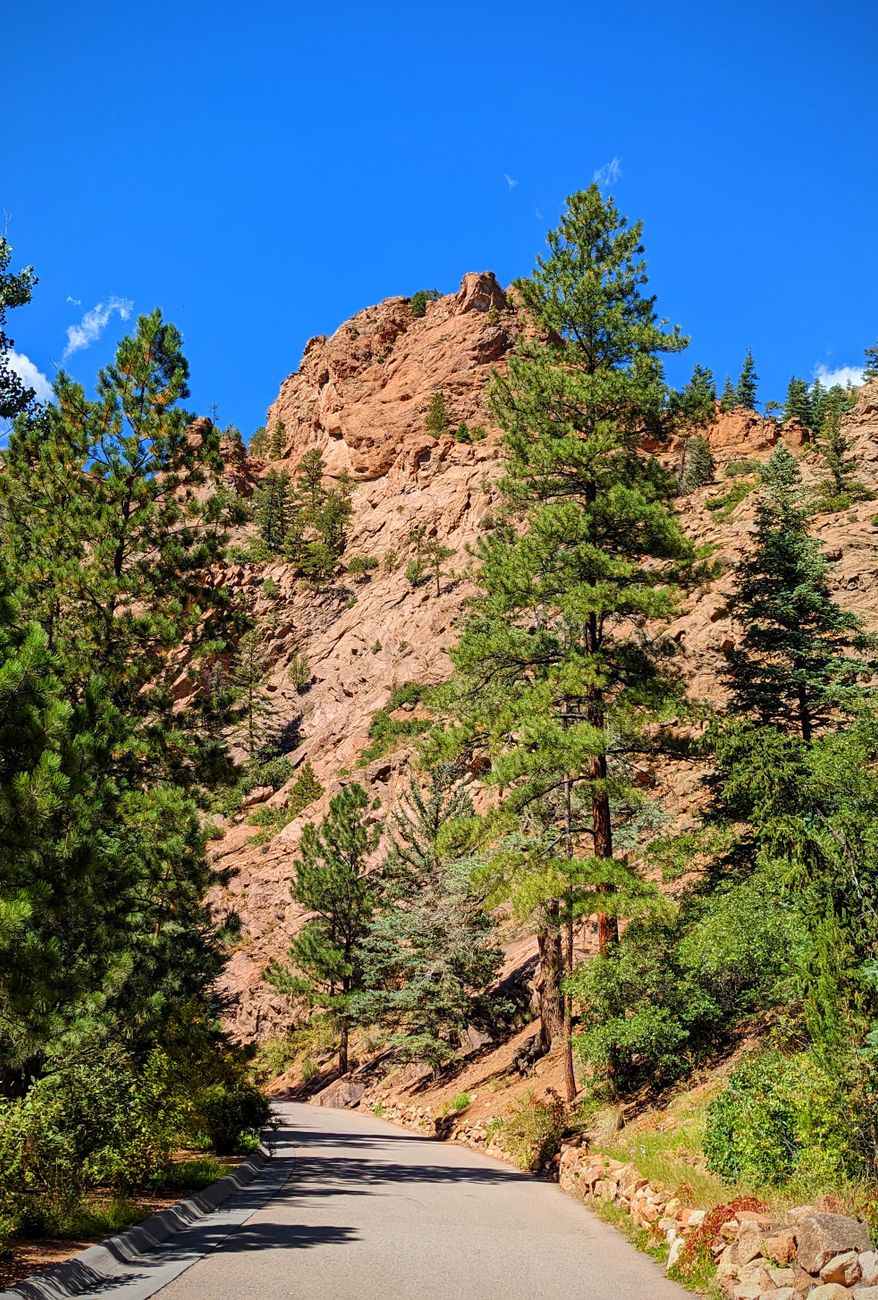
A first impression on arrival usually reads as a mountain town merged with a working city: low-rise neighborhoods, roadside BBQ and breweries, and an abrupt red-rock skyline that frames many views. Streets feel more car-oriented than walkable except downtown and Old Colorado City, and the pace varies from early-morning trailheads to calmer afternoons in cafés. Expect clear air, strong sun, and noticeable temperature swings between morning and afternoon.
Tourist assumptions that all major attractions are clustered together cause problems. Garden of the Gods, Manitou Springs, Pikes Peak and the zoo are spread across different corridors; each requires time to reach and often a vehicle. This layout suits visitors who want to combine a couple of outdoor sites with museums and a relaxed neighbourhood exploration rather than one packed urban sightseeing day. Short hikes, scenic drives, and a few established museums are the reliable core of a 72-hour plan.
Is 3 days in Colorado Springs enough?
Three days is enough to see the major highlights: Garden of the Gods, a summit option on Pikes Peak (drive or guided tour), Manitou Springs and a museum or two. The caveat is that a full guided summit hike or multiple long backcountry hikes will need more time and a separate trip.
Who This Guide Is For
Best for travelers who like short hikes, scenic drives, and compact museums; less good for long-distance backpackers or those who expect extensive public transit coverage without a rental car.
Local Tips for Colorado Springs
Practical details that most travel sites skip — specific to Colorado Springs.
- Garden of the Gods Visitor & Nature Center is free to enter but the main parking lot (N. 30th Street/Pioneer Point) fills by 9:30 a.m. on summer weekends — arrive early or use the later Neighborhood Shuttle.
- Manitou Incline starts at Ruxton Avenue in Manitou Springs; no entry fee but the trail is extremely steep and hikers often descend via the Barr Trail to avoid crush and erosion.
- Cheyenne Mountain Zoo posts weekday adult admission around $25–30; weekday mornings let visitors feed giraffes with shorter lines and cooler temperatures.
- U.S. Olympic & Paralympic Museum at 200 S Tejon Street typically charges about $25 adult admission and enforces timed-entry slots — book online for weekend visits.
- Colorado Springs Airport (COS) is 10–15 miles south of downtown; ride-share or taxi to central downtown usually runs $20–35 depending on traffic and time of day.
How This Guide Was Prepared
Colorado Springs is best understood as a mountain-front, mid-sized American city where outdoor access and small, independent attractions shape a short trip. Many guides over-emphasize either the summit of Pikes Peak or just the Garden of the Gods; a realistic three-day plan mixes an accessible summit option, a downtown museum day, and a neighbourhood or market stroll to show how locals live. This guide was prepared through a structured research that combines destination research, geographic context, itinerary planning logic, and content review.
Plan Your Stay in Colorado Springs
Use this itinerary as your starting point, then compare areas to stay, transport options, seasonal timing, and realistic daily costs before booking.
Why Visit
Access to high-elevation scenery without a long mountain approach is the main reason visitors come: Pikes Peak and Garden of the Gods offer dramatic views within a short drive from city streets. The geology at Garden of the Gods provides easy, marked trails and iconic photo stops like Balanced Rock and Siamese Twins.
A second reason is the compact museum scene. The U.S. Olympic & Paralympic Museum and the Colorado Springs Fine Arts Center are both easy to combine in a half-day and offer strong, focused exhibits rather than sprawling collections. A third reason is the small-town neighbourhood culture in places like Old Colorado City and Manitou Springs, where art galleries, independent cafés and mineral springs make for low-stress strolling and local shopping. Finally, the city works well as a base for short outdoor outings—seven- to ninety-minute drives put alpine trails or quieter foothill loops within reach.

Quick Planning Tips
Fly into Colorado Springs Airport (COS) for the shortest transfer; expect 15–25 minutes to downtown in normal traffic. Denver International Airport is the larger hub but plan for a 1h15–1h45 drive or a Bustang/drive combination. For downtown arrivals from the airport, ride-share apps and taxis are the simplest door-to-door option.
Carry a credit card and small bills; most shops and restaurants accept cards but small vendors at farmers markets may prefer cash. Sunscreen, a warm layer and a refillable water bottle are essentials due to high altitude and sudden weather shifts. One planning mistake to avoid is stacking too many strenuous activities on a single day—schedule a day for a summit drive or long hike and a separate day for museums and neighbourhoods.

Day 1
Morning: Start at Garden of the Gods Visitor & Nature Center. Walk to Balanced Rock and the Perkins Central Garden Trail; typical walking times between the Visitor Center and key formations are 5–20 minutes. Spend 2–3 hours here for photos, the short interpretive trail and the small bookstore.
Lunch: Drive 10–12 minutes to Old Colorado City (about 4–5 miles). Eat at a café on 25th Street—there are casual sandwich shops and bakers that make for a quick sit-down. Expect 10–20 minutes of walking between shops in the district.
Afternoon: Walk the block-lined side streets of Old Colorado City for galleries and the First Friday murals if timing aligns. From there drive 10 minutes to the Colorado Springs Fine Arts Center at Colorado College for a one- to two-hour visit.
Evening: Take dinner downtown on Tejon Street or in the nearby Union Station area; choose a brewpub or a family-friendly restaurant. Finish the night with a short drive to Palmer Park for sunset over the city — parking is limited so plan to arrive 20–30 minutes before sunset.

Day 2
Morning: Head to Manitou Springs and the base of the Manitou Incline (Ruxton Avenue). If not attempting the Incline, use the Barr Trail for a gentler ascent or walk the Manitou Springs Historic District to taste local mineral springs. Driving time from downtown is 10–15 minutes depending on traffic; allow extra time for parking.
Late morning: Choose a Pikes Peak option. For a no-hike summit, drive the Pikes Peak Highway (toll applies) or book a guided tour that takes care of timing and parking. For a partial hike, the Barr Trail offers a long but graded ascent — plan a half-day if stopping near the tree line.
Lunch: Eat in Manitou Springs or bring a picnic to a Pikes Peak turn-out. Parking near the Incline fills early, so factor in a 10–20 minute walk from parking to trailheads.
Afternoon: Visit Cave of the Winds Mountain Park for cave tours or switch to the U.S. Olympic & Paralympic Museum in downtown for a hands-on, timed-entry experience. Evening: Dinner back in Manitou or downtown; keep the evening flexible after a big morning on the mountain.
Day 3
Morning: Check out the Cheyenne Mountain Zoo early; the zoo sits on the slopes of Cheyenne Mountain and offers an uphill walking route with animal exhibits and a giraffe-feeding platform. Plan 2–3 hours and expect steeper paths; parking is on-site.
Late morning: Drive to Broadmoor Seven Falls or take a short shuttle if offered by accommodations. The falls site has steps and a canyon trail; combine with a late picnic or the Broadmoor area walking loops.
Lunch: Have a sit-down meal in the Broadmoor or head back toward downtown for lighter cafés. If catching an afternoon flight from COS, allow 60–90 minutes to return to the city center, collect luggage and drive to the airport.
Afternoon option/flight note: For travelers with afternoon departures, skip the zoo and use the morning for packing and a quick walk in Palmer Park or the Old North End where luggage storage and hotels make the transition easier. Taxis and ride-shares from central hotels to COS typically take 15–25 minutes.

Best Local Experiences
Old Colorado City Farmers Market on 25th Street (spring–fall) offers local produce, baked goods and handcrafts; many stalls prefer cards but carry a few small bills. Manitou Springs Historic District and the Manitou Mineral Springs are good for short walks, soda fountains and the Penny Arcade. The Manitou Incline is an intense climb used by locals and athletes; treat it as a workout rather than a casual hike.
The U.S. Olympic & Paralympic Museum is a focused, hands-on experience with timed tickets and interactive exhibits. Broadmoor Seven Falls provides a canyon walk and a paid entrance that includes stair access to the falls overlook. For local nightlife, small brewpubs like Phantom Canyon Brewing Company and Mountain-themed restaurants near Tejon Street provide easy, informal dinners and local beers.

Where to Stay
Old Colorado City: Suited to visitors who want walkable galleries, brunch cafés and easy access to Garden of the Gods. Expect boutique inns and small chains; typical nightly rates run about $120–220 USD (≈€110–200) in spring and fall.
Downtown/Tejon Street: Best for museum access and evening restaurants. Hotels here range from budget to mid-range; expect $100–180 USD per night (≈€90–165). Staying downtown reduces some drive time to the Olympic Museum and dining options.
Manitou Springs/Broadmoor area: Good for people prioritizing mountain access or a more resort-style stay; Broadmoor area hotels and lodges can be pricey, often $200–400+ USD per night (≈€185–370) depending on season. This area is convenient for Pikes Peak, Seven Falls and a quieter, greener setting.
Food and Drink
Breakfast option: A hearty breakfast burrito or green-chile smothered breakfast is common; look for local cafés in Old Colorado City or downtown—expect $8–12 USD. Street food: food trucks and market stalls often sell bison sliders or Colorado-style tacos; prices usually $6–12.
Local dishes/drinks: Rocky Mountain oysters (bull testicles) appear on some menus as a local novelty and are worth trying only for the curious—prices $10–15 as an appetizer. Bison burger is widely available at pubs and casual eateries—expect $12–18. Green chili (posole-style or as a sauce) is a regional staple often served over burritos; a lunch-sized plate runs $10–14. Local craft beer is plentiful—taprooms like Phantom Canyon or Bristol Brewing offer flights for $8–12.
Dinner recommendation: For a relaxed evening, choose a brewery or a mountain-themed bistro near Tejon Street or in Old Colorado City; entrees typically $18–35 USD. Save room for a local bakery pastry or Hammond’s Candies chocolate from the downtown shop for a small take-home treat.
Getting Around
Mountain Metro Transit runs the local bus network; there is no heavy rail or tram system in the city. Intercity connections to Denver are available through Bustang and private shuttles. Ride-share (Uber, Lyft), taxis and rental cars are the most flexible ways to reach trailheads and attractions.
Single bus fares on Mountain Metro are approximately $2.00 for a one-way adult ticket, and day passes can be around $4.00; purchase via the Mountain Metro website or the transit app listed on their homepage. Taxi or ride-share from downtown to COS airport typically costs $20–35 depending on time and traffic. For real-time routing, use Google Maps or the Mountain Metro trip planner.
Best Time to Visit
Summer (June–August) brings warm days, often in the mid-70s to low-80s°F (24–28°C), with frequent afternoon thunderstorms; expect crowds at popular sites and early parking rushes at Garden of the Gods. Shoulder seasons (April–May and September–October) offer cooler daytime temperatures in the 50s–60s°F (10–20°C) and fewer visitors; these months are the best balance of weather and value.
Winter (December–February) sees daytime highs in the 30s–40s°F (0–5°C) with occasional snow; major outdoor sites remain accessible but expect icy patches and occasional road closures on Pikes Peak. Spring can be muddy on trails from snowmelt, while late summer's monsoon storms make afternoon hail or heavy rain a real possibility—plan outdoor activities for the morning.
Budget and Practical Tips
Daily budget (per person): Budget traveler: accommodation $70–120 USD (≈€65–110), food $25–40, transport $5–12, entry fees $10–25 — total roughly $110–200 per day. Mid-range: accommodation $120–220 USD (≈€110–200), food $50–80, transport $10–25, entry fees $20–40 — total about $200–365 per day. Expect higher hotel rates during summer and special events.
Many attractions charge admission: U.S. Olympic & Paralympic Museum around $25, Cheyenne Mountain Zoo roughly $25–30, Broadmoor Seven Falls has an entry fee near $16–20. Tipping follows U.S. norms: 15–20% at sit-down restaurants, $1–2 per drink at bars, and rounding up or a few dollars for hotel porters. Bring sunscreen, a refillable water bottle and layers to manage sun exposure and temperature changes.
FAQ
Is Colorado Springs safe for solo travelers?
Neighborhoods near downtown and Old Colorado City are generally safe in daylight; usual urban precautions apply at night. Watch parking lots and leave valuables out of sight.
What is the best way to get from Denver to Colorado Springs?
Take Bustang or drive I-25 south; travel time by car is about 1h15–1h45 depending on traffic. Bustang schedules vary by day so check the timetable.
Is a car necessary for three days?
A car is highly recommended for flexibility, quicker access to trailheads and to avoid tight bus schedules. Ride-shares are an alternative but can add cost and wait times.
Is there a city tourist card worth buying?
There is no widely used all-in-one city pass that reliably saves money; buy timed tickets for attractions like the U.S. Olympic & Paralympic Museum and reserve Pikes Peak entries separately.
Can the Pikes Peak summit be done in a half-day?
Driving the Pikes Peak Highway to the summit can be done in half a day including short stops; guided tours take longer but handle logistics. Plan for weather changes at higher elevation.
Are there safe options to hike at high altitude for beginners?
Choose lower-elevation routes such as the Garden of the Gods trails or Palmer Park loops for gentle elevation gain. Start slow, hydrate and monitor for altitude effects.
How far in advance should museum or Pikes Peak tickets be booked?
For weekend visits in high season, book U.S. Olympic & Paralympic Museum and Pikes Peak Highway or guided tours at least a week ahead; same-day slots may sell out on busy days.
Is Denver or Colorado Springs better for outdoor day trips?
Denver provides faster highway access to a variety of Front Range trailheads, but this city offers closer mountain-front scenery and shorter drives to a few iconic formations.
Conclusion
A three-day stay will register as a mix of red-rock trails, a mountain summit option and small-museum stops. Visitors most commonly remember the immediate contrast between urban streets and abrupt sandstone formations, and the effort of altitude on even short hikes. If time runs short, prioritize a morning at Garden of the Gods and a timed visit to the U.S. Olympic & Paralympic Museum or an early drive up Pikes Peak; those two experiences combine scenery and a focused cultural highlight in a single day.
How this guide was prepared
This guide was prepared through a structured research that combines destination research, geographic context, itinerary planning logic, and content review.