
3-Day Johor Bahru Itinerary: Practical Weekend Guide
Practical 3-day Johor Bahru guide with neighbourhood plans, transit tips, realistic prices, and honest dining picks to help plan an efficient weekend trip.
A compact, realistic 3-day plan for Johor Bahru focused on food stalls, local markets, heritage streets and a day trip to Legoland/Puteri Harbour. Clear transit and timing notes included.
First impression: a working Malaysian city with loud hawker zones, busy government blocks and a genuine local low-cost food culture. Expect noise from traffic and construction in parts, malls packed in the evenings, and streets where small family-run shops open early and close late.
The pace is different from Kuala Lumpur or nearby Singapore: there is less high-end tourism infrastructure and more straightforward, everyday commerce. That makes practical planning important — opening hours are irregular, weekends draw big crowds at night markets, and public transit is a patchwork of buses and ride-hailing rather than a dense metro grid.
This city suits travellers who want street food, historic temples, and quick access to family attractions like Legoland. It is a poor fit for those expecting quiet, polished sightseeing circuits or luxury beach resorts; instead, it rewards people who accept crowding, deals on shopping, and short Grab rides to reach highlights.
Is 3 days in Johor Bahru enough?
Yes—three days is enough to sample central heritage streets, the main museums and a day trip to Legoland or Johor Premium Outlets. One honest caveat: deeper explorations of Iskandar Puteri neighbourhoods or a full Singapore crossing will require extra time.
Who This Guide Is For
Best for first-time visitors who want a mix of street food, heritage walks and a single theme-park or outlet stop. Less suitable for travellers seeking quiet nature treks or a luxury-resort beach holiday.
Local Tips for Johor Bahru
Practical details that most travel sites skip — specific to Johor Bahru.
- Buy a Touch 'n Go card at 7-Eleven or major petrol stations to top up for tolls and highway parking; most ride-hailing drivers accept cash or e-wallets (GrabPay, Boost).
- Larkin Sentral is the main long-distance bus hub for KL and Singapore; buses to KL take ~4–5 hours and leave frequently — factor in taxi/Grab time of 20–35 minutes from the city centre.
- Muafakat Johor free city buses cover several central routes (look for the white-and-green buses) and are useful for short hops between Komtar JBCC, City Square and nearby suburbs.
- JB Sentral (next to Komtar JBCC and City Square) is the practical centre for cross-border travellers; planned RTS Link work affects access at Bukit Chagar so allow extra time when crossing into Singapore.
- Pasar Karat (the night market behind Jalan Wong Ah Fook/Tan Hiok Nee) runs mostly on Fridays and Saturdays; expect cash-only stalls and heavy crowds from 8pm–11pm.
How This Guide Was Prepared
This guide treats Johor Bahru as a working Malaysian city where food stalls, weekday rhythms and cross-border travel shape the experience. Many guides over-sell it as only a shopping stop or a gateway to Singapore; this plan treats JB on its own terms — a place of gritty heritage streets, family-friendly theme parks nearby and practical transit quirks that affect timing. This guide was prepared through a structured research that combines destination research, geographic context, itinerary planning logic, and content review.
Plan Your Stay in Johor Bahru
Use this itinerary as your starting point, then compare areas to stay, transport options, seasonal timing, and realistic daily costs before booking.
Why Visit
Heritage streets and temples concentrated within walking distance give a compact cultural slice not spread across long distances; Jalan Tan Hiok Nee and Jalan Trus host century-old shopfronts and temples such as the Old Chinese Temple and the Arulmigu Sri Rajakaliamman Glass Temple.
Food culture blends Malay, Chinese and South Indian hawker traditions in street stalls and small kopitiams; local plates like laksa Johor and kacang pool are regionally distinctive and cheap when found at the right stalls.
Families and budget travellers have two major draws close by: Legoland Malaysia and Johor Premium Outlets, both reachable in under an hour by road from the city centre for a full-day visit. Those crossing to Singapore find the city practical as a lower-cost base with frequent land links at JB Sentral and the Causeway.

Quick Planning Tips
Best airport transfer: Senai International Airport (JHB) is about 25–35 km from the city centre; expect a Grab or taxi of 30–45 minutes depending on traffic and MYR 50–90 one-way. Some budget coaches connect Senai to Larkin Sentral; check the schedule before arrival.
Payment and phones: Grab is the main ride-hailing app — download and register before arrival. Carry a Touch 'n Go card or e-wallet for tolls and some parking; small vendors and hawkers still prefer cash, so keep small MYR notes.
One planning error to avoid is underestimating weekend market timing: Pasar Karat and Tan Hiok Nee cafés fill rapidly after 7pm on Fridays and Saturdays, so plan heritage walks for morning or early afternoon to avoid crowds and heavy heat.

Day 1
Morning: Start at JB Sentral / Komtar JBCC area. Walk from the station to City Square mall (2–8 minutes) to orient and use ATMs. From City Square, walk 5–10 minutes to Jalan Wong Ah Fook and the Old Chinese Temple on Jalan Trus for short visits and photos.
Late morning: Head to Royal Abu Bakar Museum (Istana Besar) — it’s about a 10–15 minute Grab from City Square. Allow 60–90 minutes for the palace grounds and exhibits; entry is modest (small donation/fee at time of writing) and photography rules apply.
Lunch: Walk or take a short Grab to Jalan Tan Hiok Nee (5–7 minutes from City Square). Plenty of hawker stalls and small cafés operate here; try laksa Johor at a local stall in the street food cluster (expect MYR 6–12). After lunch, stroll Tan Hiok Nee for heritage shophouse details and small craft shops.
Afternoon: Visit Arulmigu Sri Rajakaliamman Glass Temple — a 6–10 minute walk from Tan Hiok Nee. Spend 30–45 minutes inside; respectful dress required. Next, walk 10 minutes to Meldrum Walk/Medan Selera for an afternoon coffee and snack.
Evening: Dinner at IT Roo Café on Jalan Dhoby for a classic Hainanese chicken chop and old-school kopitiam atmosphere (dinner around MYR 15–25). End the night at Pasar Karat (night market behind Tan Hiok Nee/Wong Ah Fook), busiest 8pm–11pm.
Day 2
Morning: Dedicate the day to Iskandar Puteri and Legoland Malaysia. From City Square or Larkin, take a Grab or taxi; journey time is typically 25–40 minutes depending on traffic and costs MYR 45–80 one-way. Arrive at Legoland for park opening to avoid mid-day crowds and maximum queue times.
Midday: Spend 4–6 hours inside Legoland (if visiting both theme park and water park, allow longer). Basic adult day tickets are around MYR 140–200 depending on promotions; pre-book online for the best rates. There are on-site eateries for a quick lunch; food pricing is similar to other theme parks (expect MYR 20–40 per meal).
Afternoon: If shopping is the target instead, swap Legoland for Johor Premium Outlets in Kulai — 30–40 minutes by road from the city centre. Many outlet stores open until 10pm; expect shuttle options from certain hotels or a Grab ride.
Evening: Return to the city and choose a seafood dinner at Danga Bay if preferring a waterfront setting. Traffic back to central JB rises between 6pm–8pm, so leave earlier if catching a scheduled onward connection.
Day 3
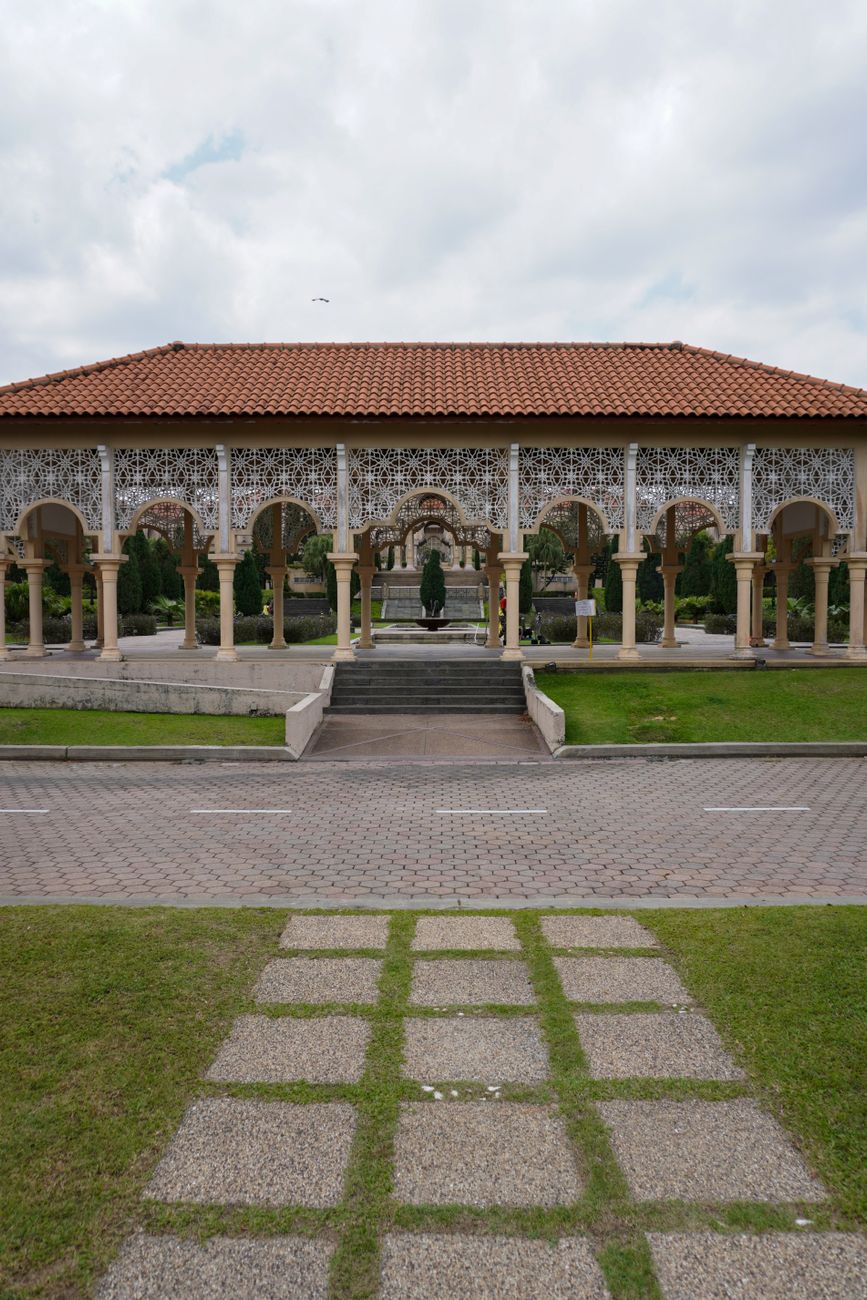
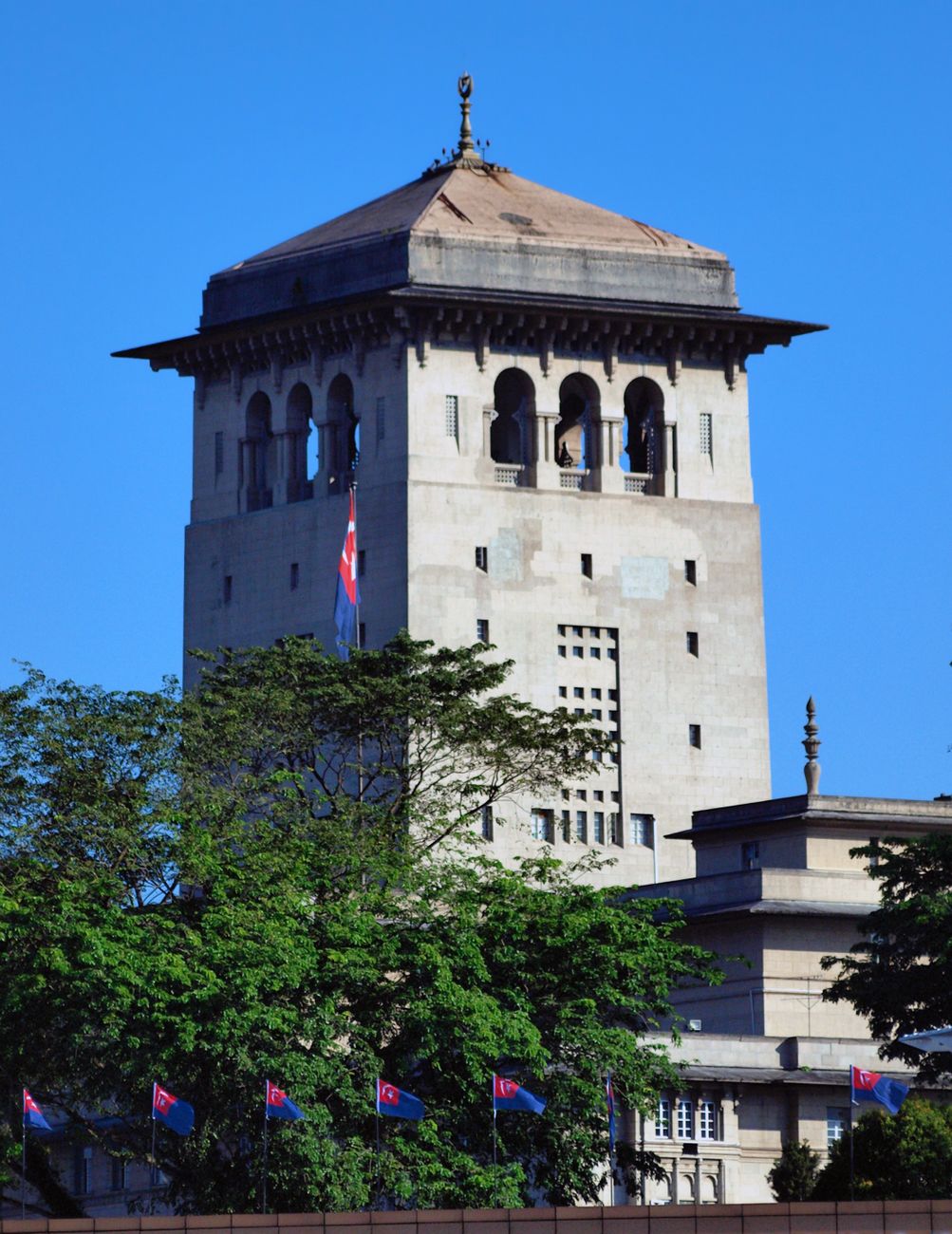
Morning: Start with Sultan Abu Bakar State Mosque for architecture and views over the Straits; it’s about a 10–12 minute taxi from City Square. Dress respectfully and allow 30–45 minutes. From there, walk or Grab 10 minutes to the Sultan Ibrahim Building and nearby waterfront for photographs.
Late morning: Explore the heritage cluster around Jalan Trus and Jalan Tan Hiok Nee again to pick up any missed museums or shops. Visit small museums near Jalan Ibrahim for local artefacts; many close by mid-afternoon so check hours.
Lunch: Eat at a kopitiam near Jalan Dhoby or at Komtar JBCC food court — try kacang pool at a recommended stall (MYR 6–10) if available. After lunch, visit Komtar JBCC for last-minute shopping and cooling down before departure.
Afternoon / Practical note: For travelers with an afternoon flight from Senai, depart the city centre 2–2.5 hours before domestic flights and 3–3.5 hours before international departures to allow for traffic and check-in. If catching a bus to Kuala Lumpur or a Singapore crossing, head to Larkin Sentral or JB Sentral respectively with similar lead times.
Best Local Experiences
Pasar Karat (night market) behind Jalan Wong Ah Fook/Tan Hiok Nee — shop antiques, second-hand clothing and street food on Friday–Saturday nights.
Jalan Tan Hiok Nee heritage stretch — daytime cafes, old shophouses and small artisan stalls for local crafts and coffee.
Meldrum Walk / Medan Selera — an open-air cluster of hawker stalls good for late-night seafood and kopitiam classics; arrive early on weekends to avoid queues.
Legoland Malaysia at Iskandar Puteri — not just for kids; adults who enjoyed model-making and theme-park design find the Miniland and seasonal events interesting.
Johor Premium Outlets in Kulai — outlet shopping for international brands with frequent deals; weekdays are far less crowded than weekend afternoons.
Danga Bay waterfront — short waterfront promenade, seafood restaurants and evening lights; best paired with a sunset dinner.
Royal Abu Bakar Museum (Istana Besar) — palace museum with Malay regalia and royal artefacts; short guided visits give quick cultural context.

Where to Stay
City centre (around JB Sentral / Jalan Wong Ah Fook / Komtar JBCC): Suits travellers who want walking access to heritage streets, malls and cross-border bus/train links. Many mid-range hotels here cost roughly MYR 120–260 per night (≈ USD 26–57 / EUR 24–52).
Tebrau / Tebrau Highway corridor: Suits shoppers and families wanting quick access to Johor Premium Outlets and large malls (AEON Tebrau City). Hotels are often newer and priced around MYR 140–300 per night (≈ USD 31–66 / EUR 28–60).
Iskandar Puteri / Puteri Harbour area: Suits families visiting Legoland or travellers wanting waterfront dining; accommodation ranges from budget guesthouses to resort hotels and typically costs MYR 200–450 per night (≈ USD 44–99 / EUR 40–90).
Choose the city centre for short stays and cross-border convenience; pick Iskandar Puteri for one-night stays tied to Legoland. Expect lower rates Monday–Thursday and much higher weekend rates when local events run.
Food and Drink
Laksa Johor — a fish-based gravy served over spaghetti or yellow noodles, typically found at hawker stalls on Jalan Tan Hiok Nee and Meldrum Walk; expect MYR 6–12 per bowl.
Kacang Pool — a thick fava-bean stew served with bread and sometimes a fried egg; common at traditional kopitiams near Jalan Dhoby and central food courts; expect MYR 6–10.
Hainanese chicken chop — a local kopitiam staple served with fries and gravy; IT Roo Café on Jalan Dhoby is a long-standing spot for this dish; main plates cost around MYR 12–25.
Otak-otak (grilled fish paste in banana leaf) — coastal Johor variant sold at selected market stalls and Danga Bay seafood restaurants; price MYR 5–12 for portions depending on size.
Teh tarik / Kopi O — local pulled tea and strong coffee served at kopitiams across the city; a cup costs about MYR 1.50–3. For breakfast try a small nasi lemak with sambal at a market stall (MYR 3–7).
Street-food breakfast option: nasi lemak or roti canai from morning stalls near Jalan Wong Ah Fook and Larkin; expect MYR 2.50–6.
Dinner recommendation: seafood dinners at Danga Bay or the stalls around Meldrum Walk for a lively, local atmosphere; a shared seafood meal with rice for two typically costs MYR 60–150 depending on selection.
Getting Around
Main modes: Grab (ride-hailing) is the most convenient for short trips. Local bus operators include Causeway Link (routes connecting Larkin, JB Sentral and suburbs) and Muafakat Johor free city buses on select central routes.
Rail and terminals: JB Sentral is the main rail and cross-border hub; Larkin Sentral handles long-distance coaches to KL and other Malaysian cities. There is no urban metro; expect taxis or Grab for many transfers.
Prices and fares: Local single-bus rides typically cost MYR 1–4 depending on distance; Grab short trips in the city centre usually MYR 6–20. Taxi fares from Senai Airport to central JB are about MYR 50–90 depending on traffic.
Cards and apps: Use Grab for rides, Touch 'n Go for tolls and highway parking, and check Causeway Link and Muafakat Johor route maps for bus schedules. Offline maps help in areas with patchy data.
Best Time to Visit
Climate: Tropical with stable temperatures year-round (roughly 24–33°C). Expect higher humidity and short heavy showers frequently.
Peak crowds and best months: May to September offers slightly lower rainfall and more reliable sun for outdoor plans; hotel rates are moderate outside public holidays. School holidays (June, December) and weekends attract local families, noticeably increasing queues at Legoland and malls.
Monsoon warning: November to February brings heavier rains and occasional thunderstorms; some outdoor plans like waterfront dining and small boat trips can be disrupted. For best value and fewer interruptions, aim for April–June when rainfall is lower and rates are still reasonable.
Budget and Practical Tips
Daily budget (per person, approximate): Budget travel: MYR 120–180 (≈ USD 26–40 / EUR 24–36) — basic guesthouse MYR 50–90, food MYR 30–50, local transport MYR 10–20, entries MYR 10–20.
Mid-range: MYR 280–420 (≈ USD 62–92 / EUR 56–84) — three-star hotel MYR 140–260, meals MYR 60–100, transport and occasional rides MYR 40–60, entries MYR 20–50.
Splurge: MYR 600+ (≈ USD 132+ / EUR 120+) — higher-end hotels and multiple private transfers.
Entry and activity costs: Legoland day ticket ≈ MYR 140–200, Royal Abu Bakar Museum modest museum fee (small MYR amount), many temples and markets are free. Pack a small float of cash for market haggling and small-stall purchases.
Tipping and norms: Tipping is not mandatory; round up small bills in taxi rides or add 5–10% in nicer restaurants if service is good. For kopitiams and hawker stalls, no tipping is expected.
FAQ
How safe is Johor Bahru for solo travellers?
Generally safe during daytime in central areas; standard precautions apply at night—avoid poorly lit streets and keep valuables secure. Petty theft is the most common risk.
What is the best way to get from Senai Airport to the city centre?
Grab or taxi is the simplest option (30–45 minutes, MYR 50–90). Check coach schedules to Larkin Sentral if preferring public bus connections.
Is there a city pass or tourist card worth buying?
No comprehensive Johor Bahru city card covers most attractions; individual bookings (Legoland tickets, museum entries) and Grab rides are more practical.
Can I cross to Singapore easily from here?
Yes via the Causeway at JB Sentral/Bukit Chagar, but allow extra time for immigration queues—peak hours add 1–2 hours each way.
Are taxis metered and should I use them?
Many taxis use meters but fares can be negotiable; Grab is usually easier and transparent for short trips.
What is the best way to visit Legoland — drive, shuttle or public transport?
Drive or Grab for door-to-door convenience; some hotels offer shuttles. Public buses exist but take longer and may require transfers.
Do vendors take cards at markets and hawker stalls?
Most small stalls are cash-only; larger malls and restaurants accept cards and e-wallets like GrabPay or Boost.
Any safety tips for night markets?
Keep small change handy, watch the crowd for pickpocketing, and check food stall cleanliness—avoid uncooked toppings left exposed for long periods.
Conclusion
A three-day stay will most likely be remembered for the food stalls, the compact heritage streets around Jalan Tan Hiok Nee and the contrast between central markets and nearby family attractions like Legoland. Time pressures usually mean prioritising either theme-park/outlet shopping or deeper neighbourhood walks; if short on time, prioritise a morning heritage walk followed by an evening at Pasar Karat and a single day trip to Legoland or Johor Premium Outlets. That combination delivers a clear sense of local life and the practical conveniences that make short visits efficient.
How this guide was prepared
This guide was prepared through a structured research that combines destination research, geographic context, itinerary planning logic, and content review.