
Three Days in Salta: Practical 3-Day Itinerary
A practical 3-day guide to Salta with transport tips, neighbourhood advice, budgets and an honest itinerary for realistic travel planning.
A no-nonsense, 3-day plan for exploring Salta’s colonial centre, mountain views and nearby valleys with real transit and food tips.
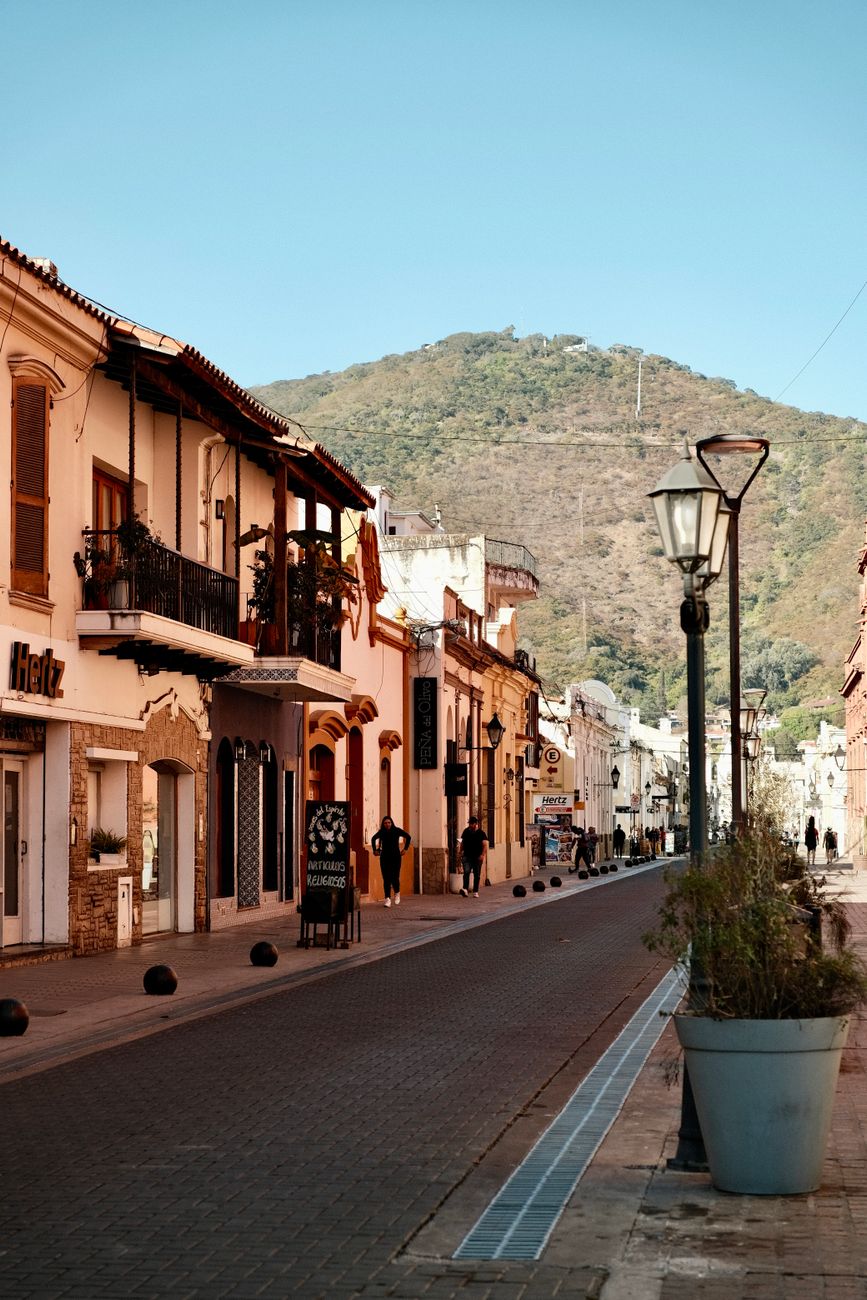
A first impression here is red-brown colonial facades around a compact central plaza, with a slower pace than Buenos Aires and more visible Andean influence than Mendoza. Streets near Plaza 9 de Julio are walkable; many museums and cafés sit within five to ten minutes of each other. Expect sunny days and cool nights at city altitude of about 1,200 metres; higher excursions quickly move into very different climates and terrain. English is uncommon in small shops and colectivos; basic Spanish phrases and a paper map or offline map tile are helpful.
Is 3 days in Salta enough?
Yes — three days is enough to see central landmarks (Plaza 9 de Julio, MAAM, San Francisco) and take either the cable car to Cerro San Bernardo or a half-day trip to nearby Cafayate. Full multi-valley circuits or both Tren a las Nubes and Cafayate will need more time.
Who This Guide Is For
Best for travellers who like history, easy day trips and relaxed city walks; less suitable for high-altitude trekkers or those insisting on squeezing in multiple long-distance valley tours.
Local Tips for Salta
Practical details that most travel sites skip — specific to Salta.
- Buy and top up a SUBE card at kioscos near Plaza 9 de Julio or Terminal de Ómnibus — buses (colectivos) require SUBE and exact fares are deducted on boarding.
- Museum of High Mountain Archaeology (MAAM) often limits entry; book tickets online or at Museo de Arqueología before arrival, especially in high season.
- Sunday morning Feria Artesanal de Güemes runs along Avenida Belgrano and around Plaza Güemes; many craft stalls and food stands close by mid-afternoon.
- Teleférico Cerro San Bernardo has a lower station at Parque San Martín and a ticket office at Calle Alvarado — expect a short queue late afternoon for sunset views.
- Tren a las Nubes is seasonal and sold through Turismo Salta or private operators; departures often list Estación Salta or Campo Quijano as meeting points and require advance booking.
How This Guide Was Prepared
A three-day visit to Salta should focus on colonial centre streets, the MAAM and a single day trip into the nearby Valles Calchaquíes rather than trying to tick off every province. Many guides lump Salta with Jujuy or Cafayate and push a packed route; this guide tells which key sights are actually feasible in 72 hours and which require extra travel time or altitude acclimatisation. This guide was prepared through a structured research that combines destination research, geographic context, itinerary planning logic, and content review.
Plan Your Stay in Salta
Use this itinerary as your starting point, then compare areas to stay, transport options, seasonal timing, and realistic daily costs before booking.
Why Visit
One: archaeology and museums that are unusually focused on Andean high-mountain cultures, especially the MAAM with its Inca child mummies and well-curated displays. Two: compact colonial centre with Catedral Basílica, Cabildo de Salta and the baroque San Francisco church within short walking distances, making museum and plaza-hopping efficient. Three: the city is a convenient base for single-day excursions to Cafayate, the Lerma Valley or the Calchaquíes; public buses and private day tours run from Terminal de Ómnibus. Four: the local food offers distinct northwestern Argentine dishes such as empanadas salteñas and cabrito; markets in Güemes and street options along Balcarce provide low-cost, authentic meals.

Quick Planning Tips
Fly into Aeropuerto Internacional Martín Miguel de Güemes (SLA) or arrive by long-distance bus to Terminal de Ómnibus in the city centre. From the airport, a registered taxi or remis to downtown costs roughly ARS 3,000–5,500 depending on negotiated rate; ask for the official airport taxi desk price list. Use a SUBE card for local colectivos; buy one at kioscos near the terminal or central streets and top up at kiosks or some metro-style ticket machines. Avoid trying to cram a Tren a las Nubes trip and a Valles Calchaquíes tour on the same day; both are full-day commitments and need advance bookings.
Day 1
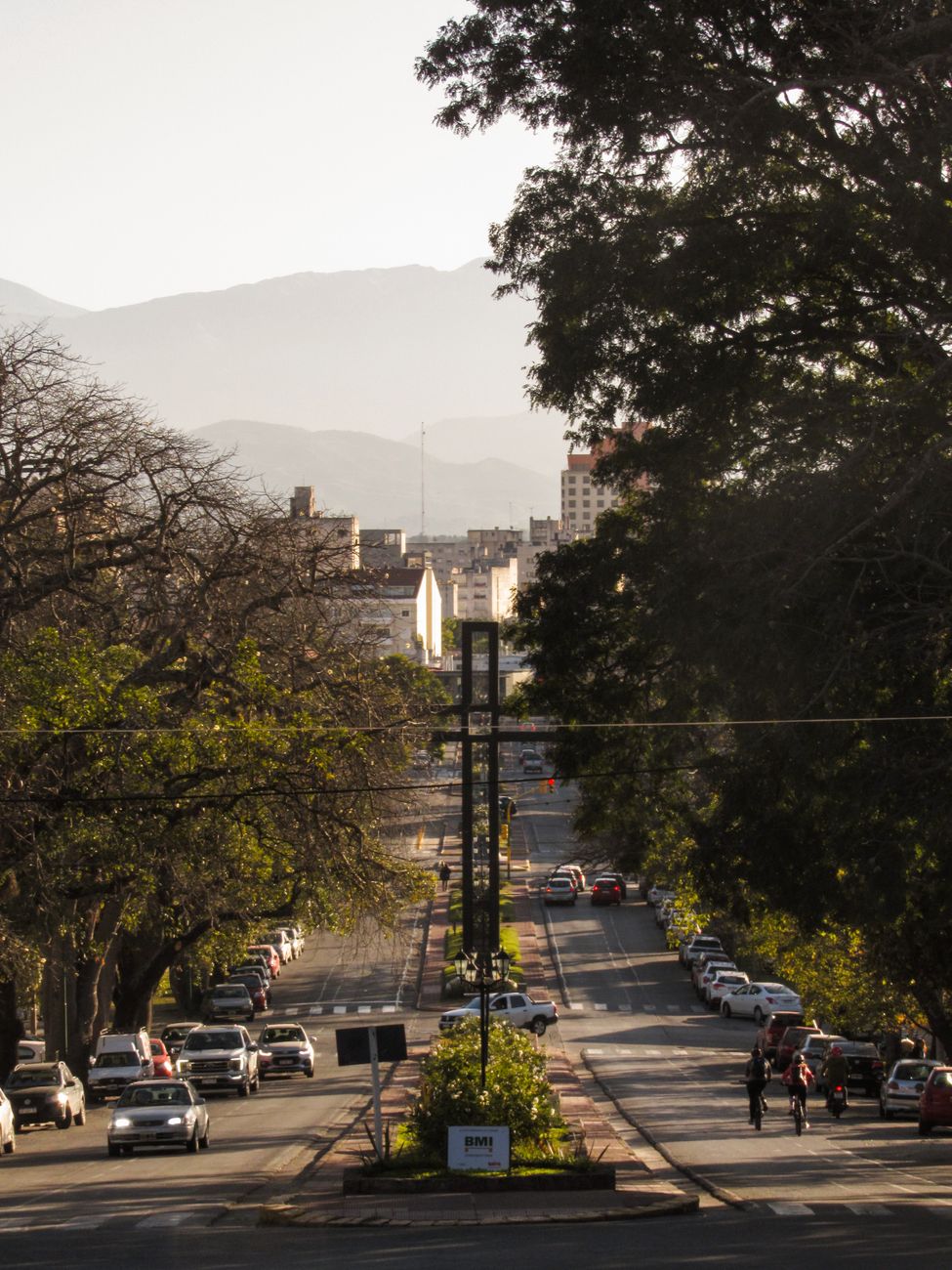
Start at Plaza 9 de Julio to see Catedral Basílica and the Cabildo de Salta; both are a short walk from most downtown hotels. Walk east along Calle Caseros to reach the MAAM (Museum of High Mountain Archaeology) — allow 1.5–2 hours and book in advance; it’s about a 10-minute walk from the plaza. From MAAM, head south on Calle Balcarce for lunch on the pedestrian strip where parrillas and empanada shops line the street; pick a busy spot near Balcarce 300 for reliable food and expect to pay ARS 800–1,600 for a main (≈€2–5). After lunch, walk 15 minutes to San Francisco Church and Convent for its gilded interior and bell tower views. Late afternoon, take the teleférico up Cerro San Bernardo from Parque San Martín — the ride is short (five–10 minutes) with a viewpoint that faces the Andes and the city below. For dinner, stay on Calle Balcarce or try a small restaurant in Güemes, then finish the evening with a paseo around Plaza 9 de Julio to see its lights.
Day 2
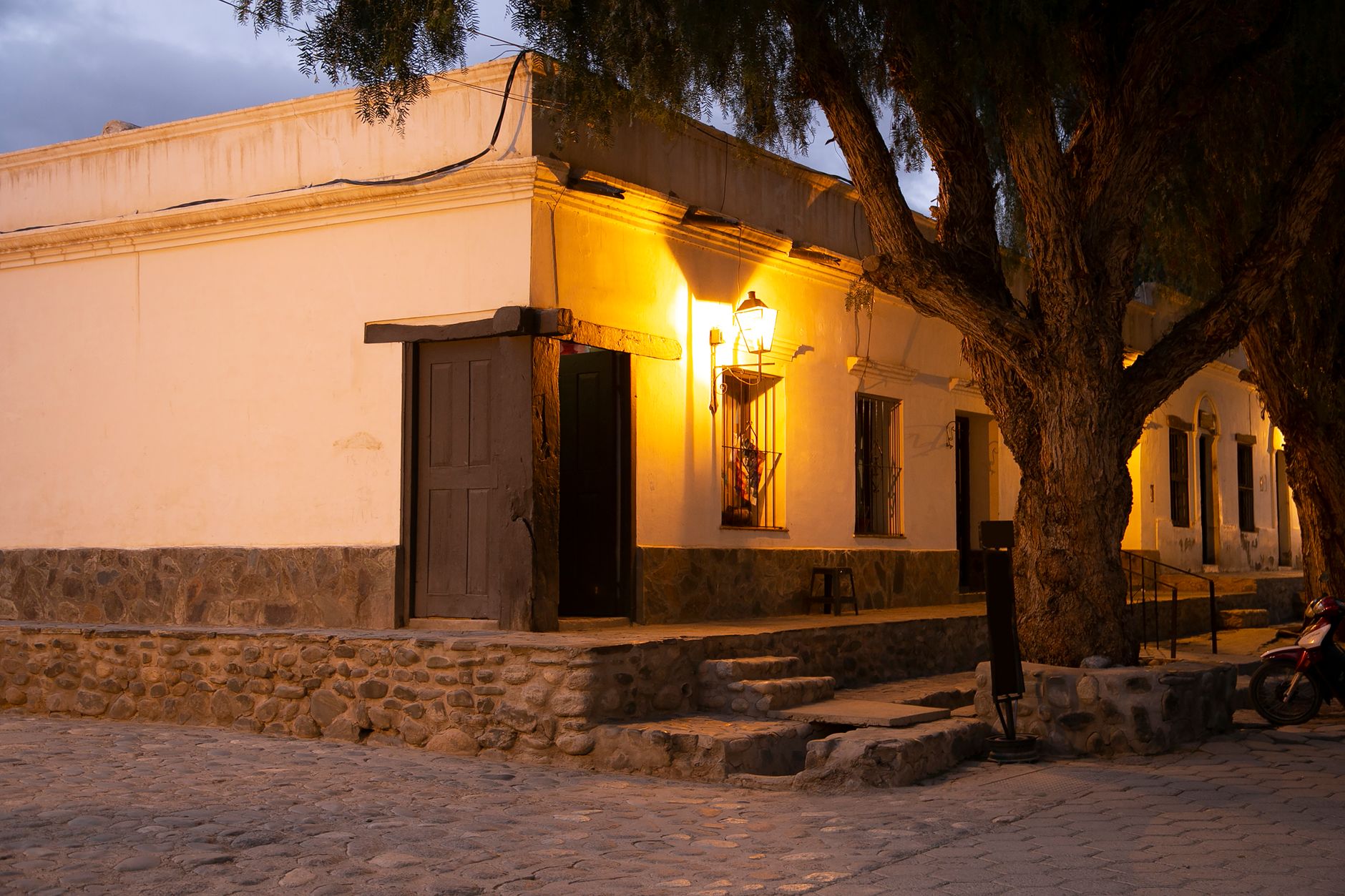
Dedicate this day to a neighbourhood and market exploration: start at Feria Artesanal de Güemes on Avenida Belgrano and surrounding blocks to browse crafts and regional food stands; arrive by 10:00 when stalls open. After the market, walk five minutes to Museo de Bellas Artes to see regional painting and rotating exhibitions. Midday, catch a colectivo or taxi to the Parque San Martín area for a relaxed picnic or café break; buses are frequent from Avenida Belgrano. In the afternoon, take a 30–40 minute taxi or remis ride to the provincial Museum of High Mountain Archaeology if not visited on Day 1 or to the Mercado Central for a local food experience and empanadas salteñas sold at mercado stalls. Evening options include live folklore music venues around Güemes; check posters at cafés for show times and small cover charges. Transport between these areas is short but allow buffer time for waiting on colectivos or finding a remis.
Day 3
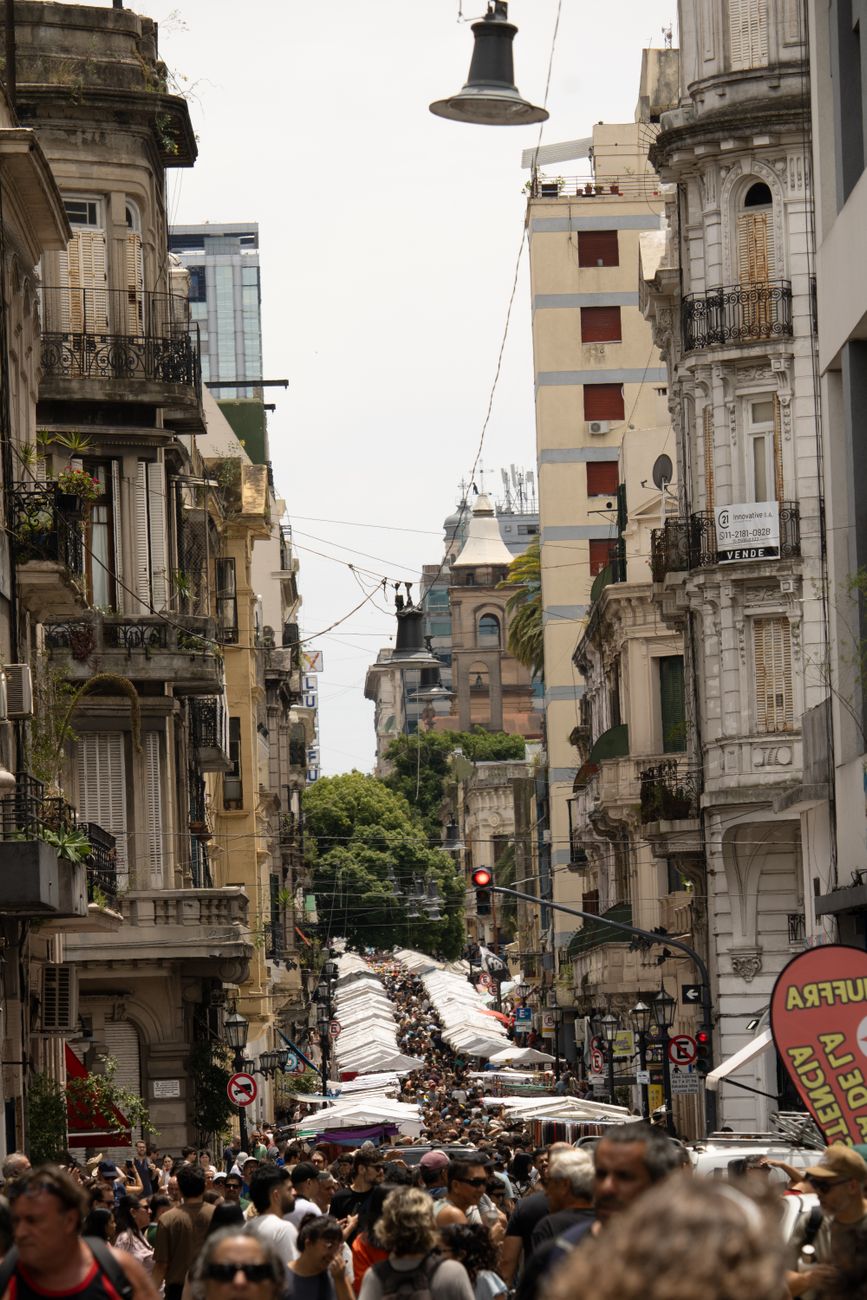
Use the final day for a half- or full-day trip outside the city depending on departure plans. Option A: half-day to Campo Quijano and viewpoints if catching an afternoon flight; allow 1.5–2 hours round trip by bus or organised shuttle and return to the hotel two hours before airport check-in. Option B: full-day to Cafayate for wineries and the Quebrada de las Conchas — leave before 07:00, expect about three hours each way by tourist bus, and budget a full day. Back in the city, visit the Museo Histórico del Norte or walk Calle España for souvenir shops. If checking out and flying later, keep bags at reception and ask for a printed taxi estimate at the hotel desk; airport taxis to Aeropuerto Martín Miguel de Güemes should be booked 1–2 hours before departure in peak times. Finish with a last dinner on Calle Balcarce or at a parrilla near Plaza 9 de Julio.
Best Local Experiences
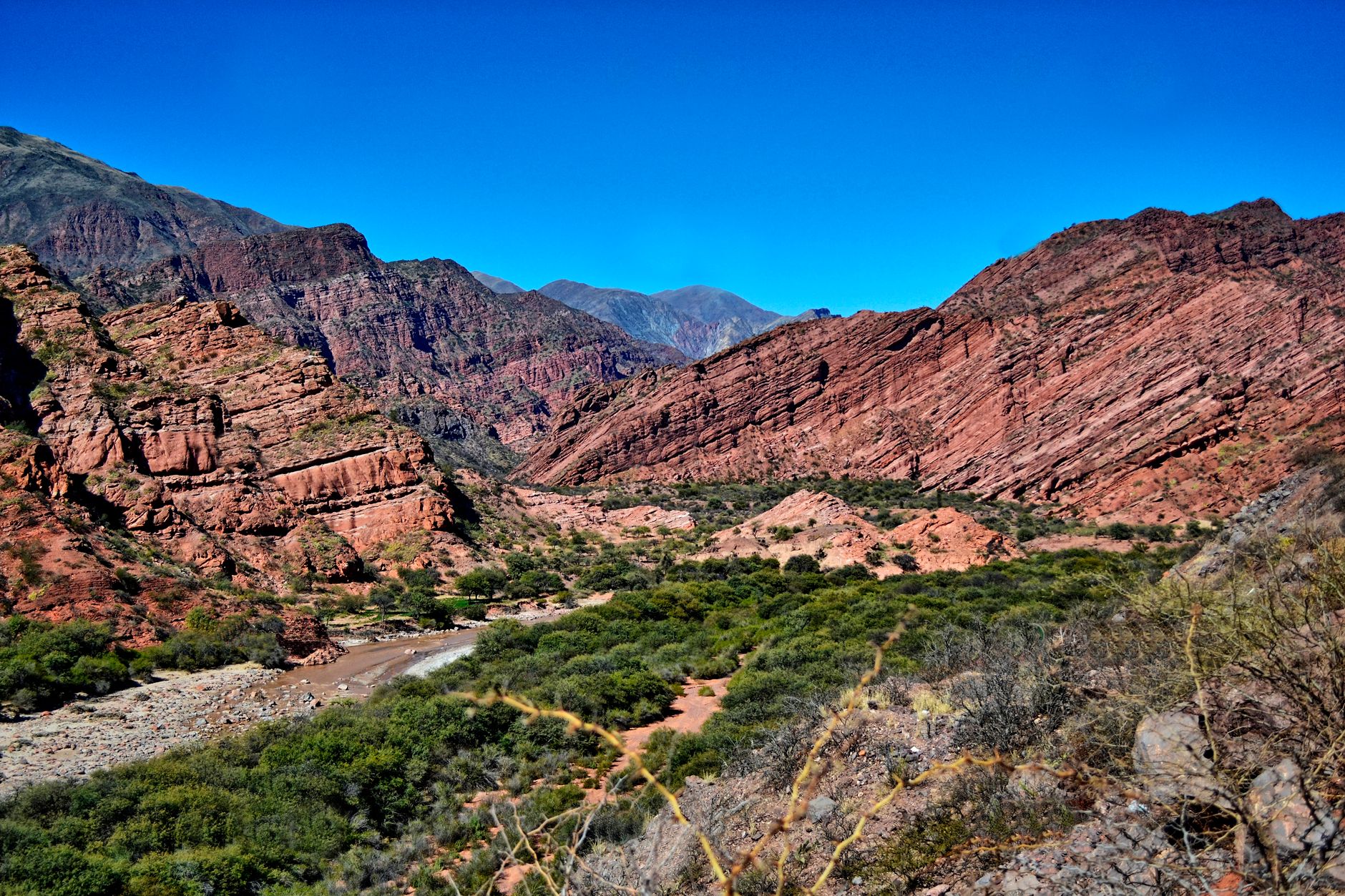
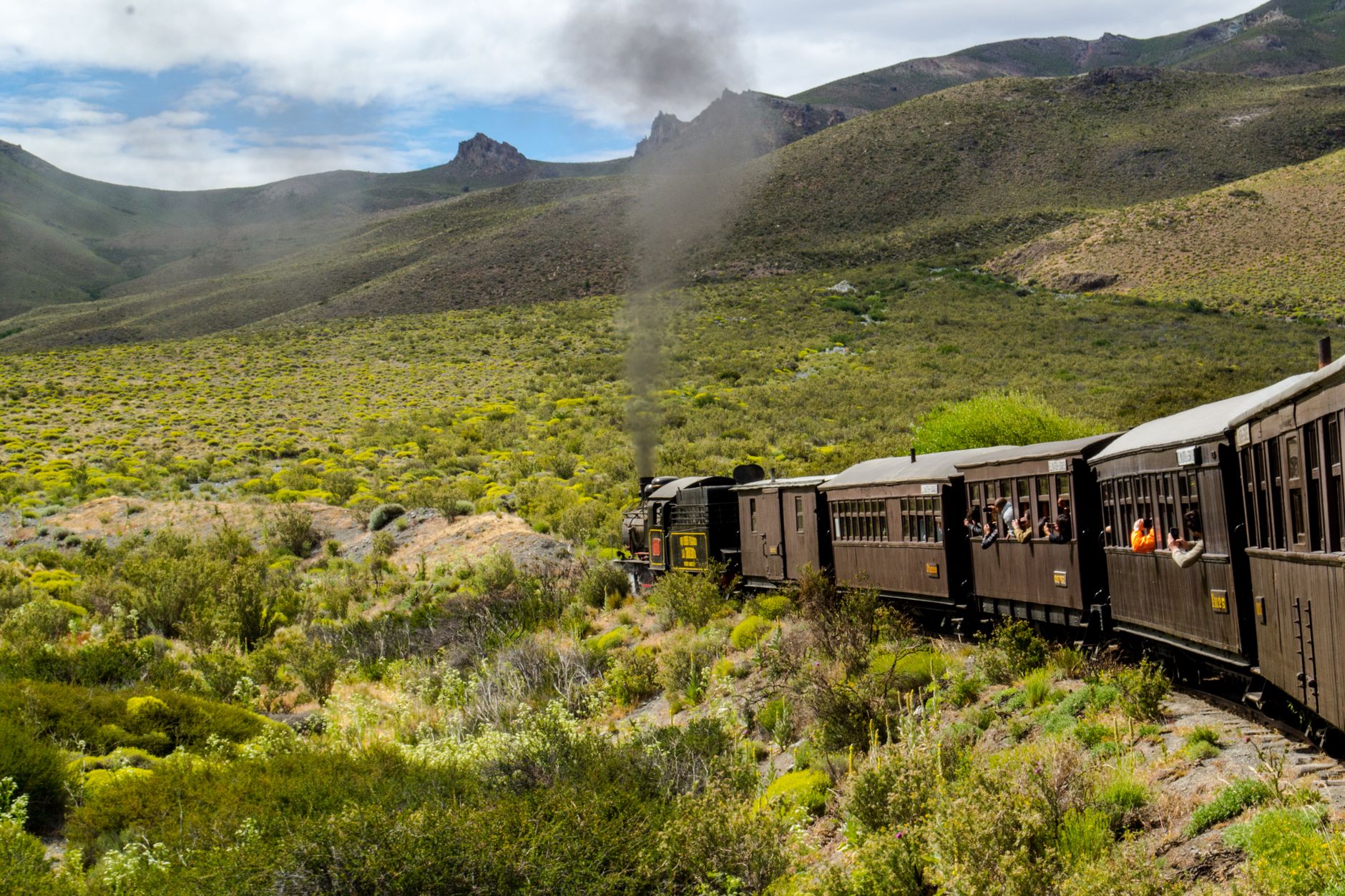
MAAM — see the Inca mummies and learn about high-altitude rituals; book timed tickets. Feria Artesanal de Güemes — weekend market with crafts, ponchos, and empanada stalls on Avenida Belgrano. Teleférico Cerro San Bernardo and the Mirador — short ride, strong sunset views of the city grid and the surrounding hills. Tren a las Nubes (Train to the Clouds) — a gravity-defying railway experience; requires advance booking and often departs from Estación Salta or Campo Quijano depending on operator. Valles Calchaquíes day trip to Cafayate and Quebrada de las Conchas for wineries, pale-red rock formations, and outdoor photo stops. Each of these is specific: MAAM and teleférico are city-based, Güemes market runs weekends, and the train and valley routes are seasonal and require bookings.
Where to Stay
Centro (around Plaza 9 de Julio) — suits first-time visitors who want walkable access to Catedral, Cabildo and most museums; expect guesthouses and mid-range hotels from ARS 8,000–20,000 per night (≈€22–55 / US$20–60). Güemes neighbourhood — suits travellers who want nightlife, weekend market access and boutique hostels; small B&Bs and boutique hotels typically cost ARS 9,000–22,000 per night (≈€25–60 / US$24–63). Near Terminal de Ómnibus and Avenida Belgrano — suits people arriving or departing by long-distance bus and those booking day tours; basic hotels and family-run inns range ARS 6,000–12,000 per night (≈€16–33 / US$17–34). Prices fluctuate with season and local rates; book earlier for weekends and national holidays.
Food and Drink
Empanada salteña — a juicy, spiced meat empanada with diced potatoes and a firm dough; find excellent versions on Calle Balcarce or at market stalls for ARS 250–450 each (≈€0.70–1.20 / US$0.70–1.30). Humita en chala — grated corn with cheese steamed in a corn husk; available at traditional restaurants and mercado stalls for ARS 500–900 (≈€1.35–2.40 / US$1.40–2.60). Locro — a thick stew of corn, beans and meat served at family restaurants, especially on weekends; expect ARS 1,200–2,200 per portion (≈€3.25–6 / US$3.50–6.30). Torrontés wine — a floral white wine grown in the northwest; taste at Cafayate wineries on day trips or at urban wine bars for ARS 700–1,800 per bottle in restaurants (≈€2–5 / US$2–5). Breakfast option: medialunas and café con leche at a downtown panadería for ARS 400–800 (≈€1–2 / US$1–2). Dinner recommendation: parrilla on Calle Balcarce or near Plaza 9 de Julio for grilled meats and shared plates, ARS 2,500–6,000 for two including a bottle of house wine (≈€6.75–16 / US$7–17).
Getting Around
Modes: urban colectivos (buses), taxis, remises (pre-booked private cars), and organized tourist shuttles. Use a SUBE card for colectivos; single-ride fares vary but expect roughly ARS 200–400 per trip within the city (≈€0.55–1.10 / US$0.60–1.15). Day passes are uncommon; instead budget for several short rides or taxis at ARS 600–1,200 per ride for short downtown trips when pressed for time. Airport taxi to downtown ranges ARS 3,000–5,500 (≈€8–15 / US$8.50–16). Use apps like Moovit and Google Maps for routes and schedules; many long-distance buses to Cafayate and Córdoba depart Terminal de Ómnibus, which also sells tickets on-site. Expect some colectivo drivers to require exact change if not using SUBE.
Best Time to Visit
Spring (September–November) brings mild days around 18–25°C and fewer tourists; good value for museum visits and city walks. Summer (December–February) can be hot and sunny, 25–32°C, with occasional storms; expect more domestic tourists during holidays. Autumn (March–May) offers cool nights and comfortable days, 15–24°C, and is another good shoulder season. Winter (June–August) has cool nights and days around 10–18°C; it’s low season for city tourism but suitable for lower-cost accommodation. For both weather and price, aim for late spring or early autumn to avoid extreme heat and peak domestic travel.
Budget and Practical Tips
Sample daily budget (mid-range): accommodation ARS 12,000 per night (≈€32 / US$34), food ARS 3,000 (≈€8 / US$8.5), transport ARS 800 (≈€2.25 / US$2.3), entry fees and extras ARS 2,000 (≈€5.25 / US$5.7), total ≈ ARS 17,800 per day (≈€48 / US$50). Budget travellers can aim for ARS 7,000–10,000 per day by using hostels, markets and colectivos. Expect MAAM entry or guided-ticket prices around ARS 800–2,000 and teleférico tickets roughly ARS 600–1,500 depending on discounts and peak days. Tipping: restaurants typically expect 10% for sit-down service; small change or rounded-up cash is common for taxi drivers and café servers. Carry some cash in ARS for markets and small purchases; fluctuate between official and informal exchange rates, so use bank ATMs in central areas for better rates.
FAQ
Is Salta safe for solo travellers?
Salta is generally safe in the central areas during daytime; use normal precautions at night, avoid poorly lit side streets and keep valuables secure on crowded buses and markets.
How do I get from the airport to downtown?
Official airport taxis and remises pick up at the Aeropuerto Martín Miguel de Güemes taxi stand; negotiate the fare at the airport desk or book through hotel reception for a set price.
Is a city card worth buying?
There is no widely promoted single Salta city card; buy tickets individually for MAAM and teleférico and look for bundled private tour options if visiting valleys.
Can I use contactless cards and mobile pay widely?
Larger restaurants and hotels accept cards, but small market stalls and some taxis prefer cash or SUBE for buses; carry ARS cash for small purchases.
Is the Train to the Clouds running year-round?
No, departures are seasonal and subject to maintenance; book in advance and confirm departure point (Estación Salta or Campo Quijano) with the operator.
How long is a day trip to Cafayate from the city?
Expect about three hours each way by tourist bus, plus several hours touring bodegas and viewpoints — plan a full day and leave early.
Conclusion
Three days allow a clear, manageable picture of architecture, museums and one meaningful excursion into the nearby valleys or hills. Most travellers will remember the MAAM exhibits, the view from Cerro San Bernardo and the taste of empanadas salteñas. If time runs short, prioritise a morning at MAAM and an evening teleférico ride for skyline views — those two convey the city’s distinct mix of colonial culture and Andean proximity.
How this guide was prepared
This guide was prepared through a structured research that combines destination research, geographic context, itinerary planning logic, and content review.