
Knoxville in 3 Days — Practical Weekend Itinerary and Tips
Three days in Knoxville covers downtown, UT campus, Old City, and the riverside; practical transit, food, and budget advice for a realistic weekend trip.
A hands-on 72-hour plan for downtown, the University of Tennessee area, Old City and nearby green spaces with transit times, meal picks, and honest cautions.
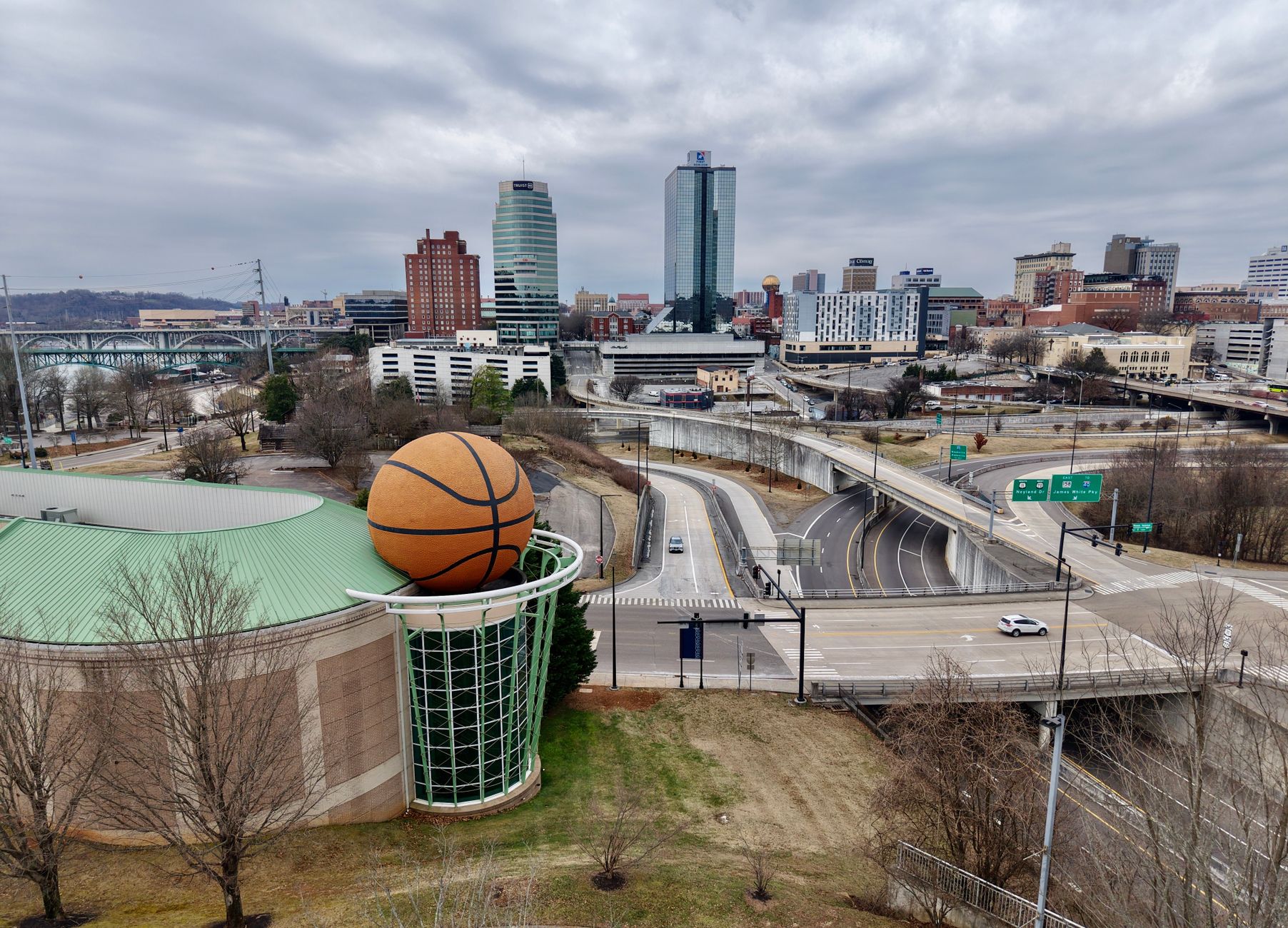
A first impression arriving downtown feels like a compact southeastern regional center: brick storefronts, one- and two-block cultural nodes, an active riverfront and a visible university campus to the west. Street life peaks around Market Square and the Old City in the evenings and dials down after 10 p.m., except on event nights. Traffic is usually light compared with larger Southern cities, but specific times—UT football Saturdays and large festivals—create intense short spikes.
Expect a decidedly local pace: shops and cafes on Market Square follow practical hours, many museums close one weekday, and outdoor access often means crossing the Volunteer Boulevard corridor. The place suits short urban walks, independent restaurants, and people who want a college-town mix with easy access to low-key green space. Visitors who expect nonstop nightlife or extensive public transit coverage will be surprised; this is a city where a short rideshare or a 15–25 minute walk fills many gaps.
Is 3 days in Knoxville enough?
Three days in Knoxville is enough to see downtown, Old City, the UT campus and a neighborhood market or two. The honest caveat: museum-heavy or multiple day-trip plans (for example deep hikes in the Smokies) must be deferred.
Who This Guide Is For
Best for travelers who prefer short urban walks, local food scenes, and college-town energy; not ideal for visitors who expect extensive national-park hiking or multiple long day trips without a car.
Local Tips for Knoxville
Practical details that most travel sites skip — specific to Knoxville.
- Take KAT Route 10 (downtown–UT corridor) between Neyland Drive and Downtown — buses run about every 20–30 minutes on weekdays and the single-ride fare is roughly $1.75.
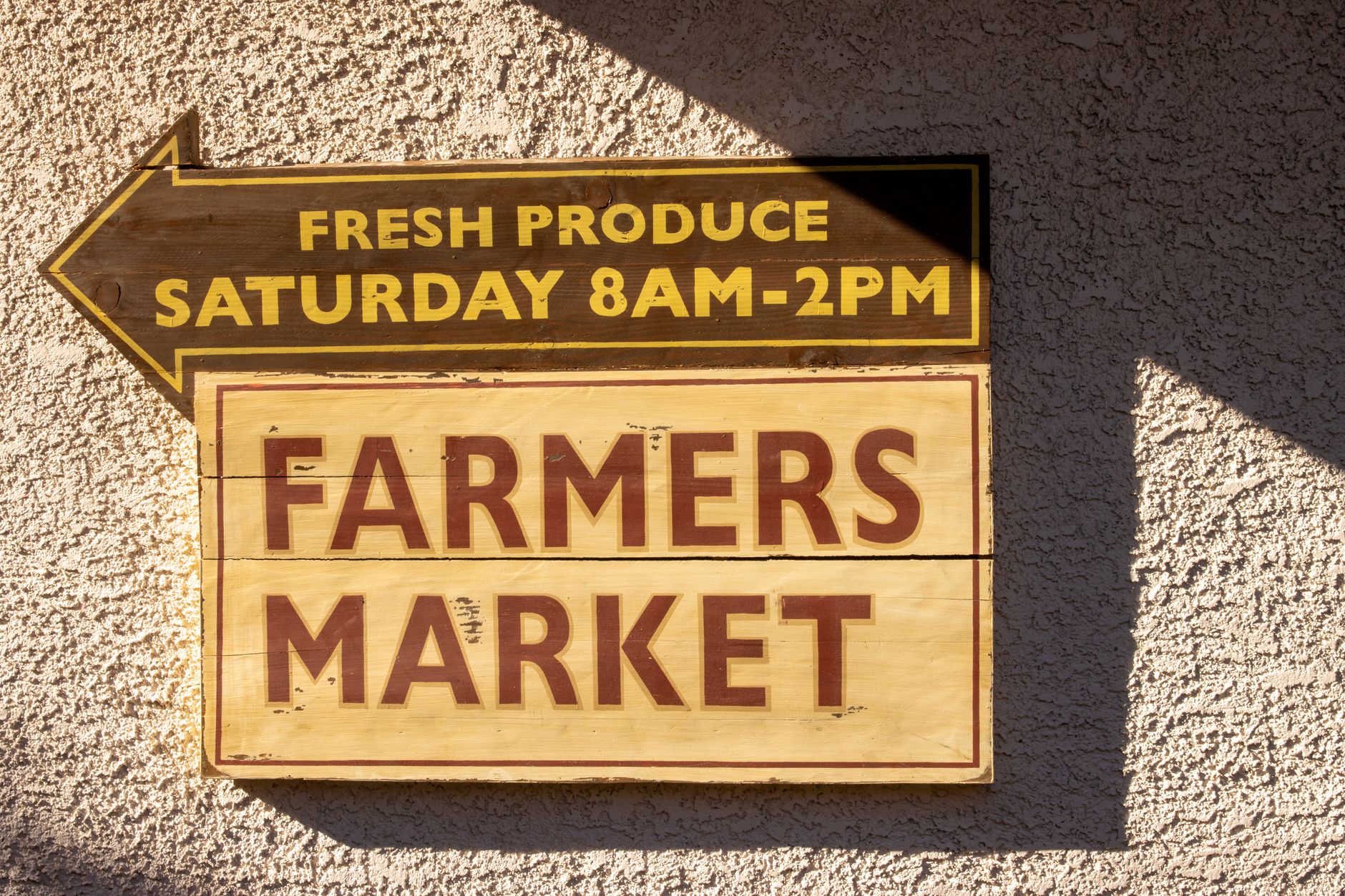
- Market Square hosts the Saturday Farmers' Market (9:00–1:00 May–November) and a smaller Wednesday market in season; check the Market Square Partnership calendar before planning.
- Calhoun's on the River is reachable via Riverfront Loop walk (10–15 minutes from Market Square) — ribs or pulled pork plate runs about $16–$24.
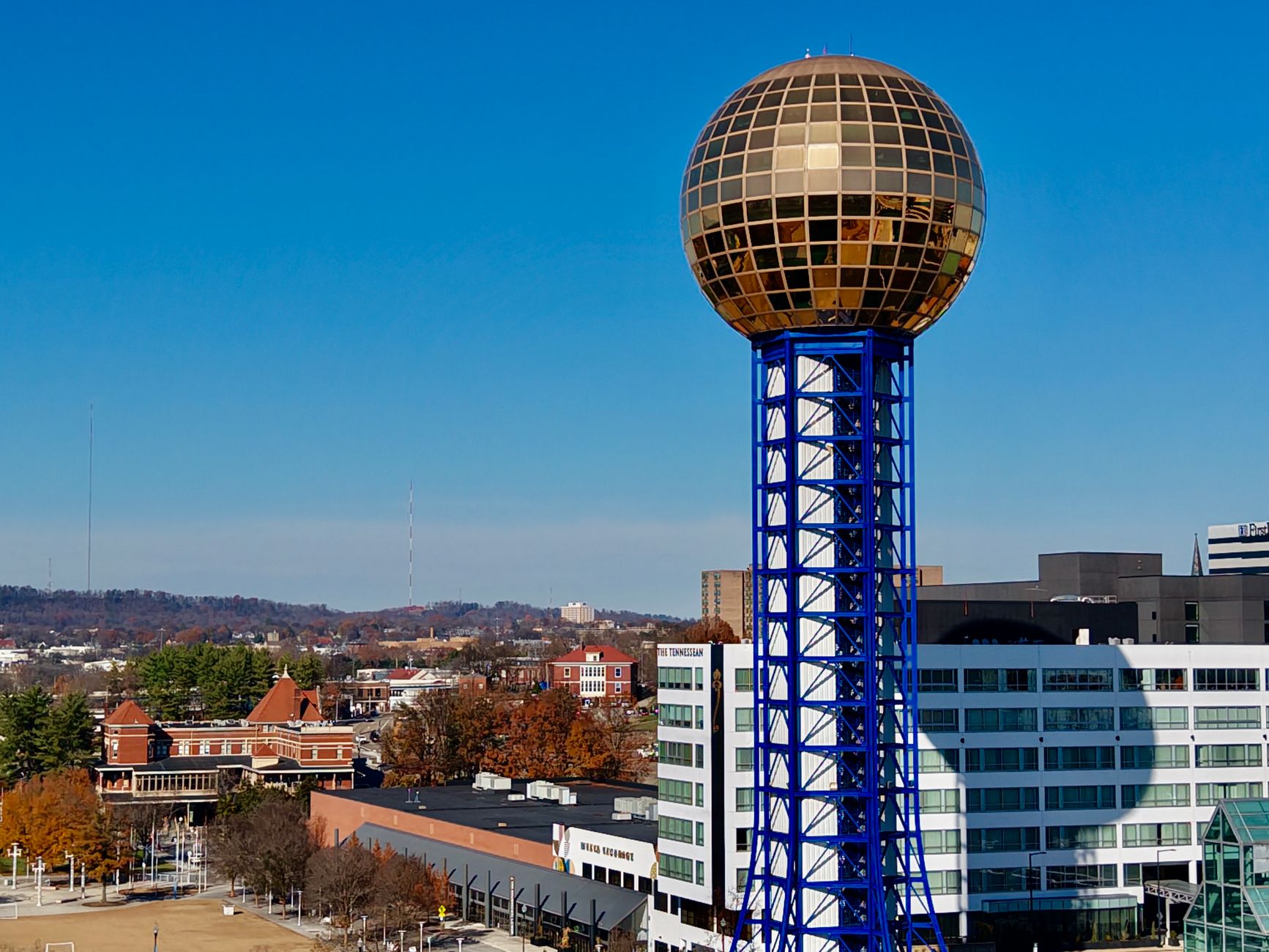
- Sunsphere sits in World's Fair Park; observation access varies for events, so plan to view it from the park unless a specific opening is listed on the city's parks site.
- UT football weekends change downtown hotel prices dramatically — expect room rates to spike by 50–100% on home-game Saturdays at Neyland Stadium.
How This Guide Was Prepared
This guide treats Knoxville as a mid-size, working regional city where a concentrated 3-day visit can feel like both a civic weekend and a taste of Appalachian culture. Many guides overplay downtown spectacle and skip everyday logistics such as KAT bus quirks, the Market Square seasonality, and where to actually find quiet green space near the river. This guide was prepared through a structured research that combines destination research, geographic context, itinerary planning logic, and content review.
Plan Your Stay in Knoxville
Use this itinerary as your starting point, then compare areas to stay, transport options, seasonal timing, and realistic daily costs before booking.
Why Visit
Knoxville offers concentrated downtown amenities without the scale and commuting friction of major metros. Market Square provides restaurants, a farmers' market and frequent street events inside a three-block area that’s easy to walk over a weekend.
The University of Tennessee campus and Neyland Stadium bring a strong local culture, live sports, and collegiate architecture within a 10–20 minute walk from downtown. Time a visit for a game day to see how the city organizes around major events.
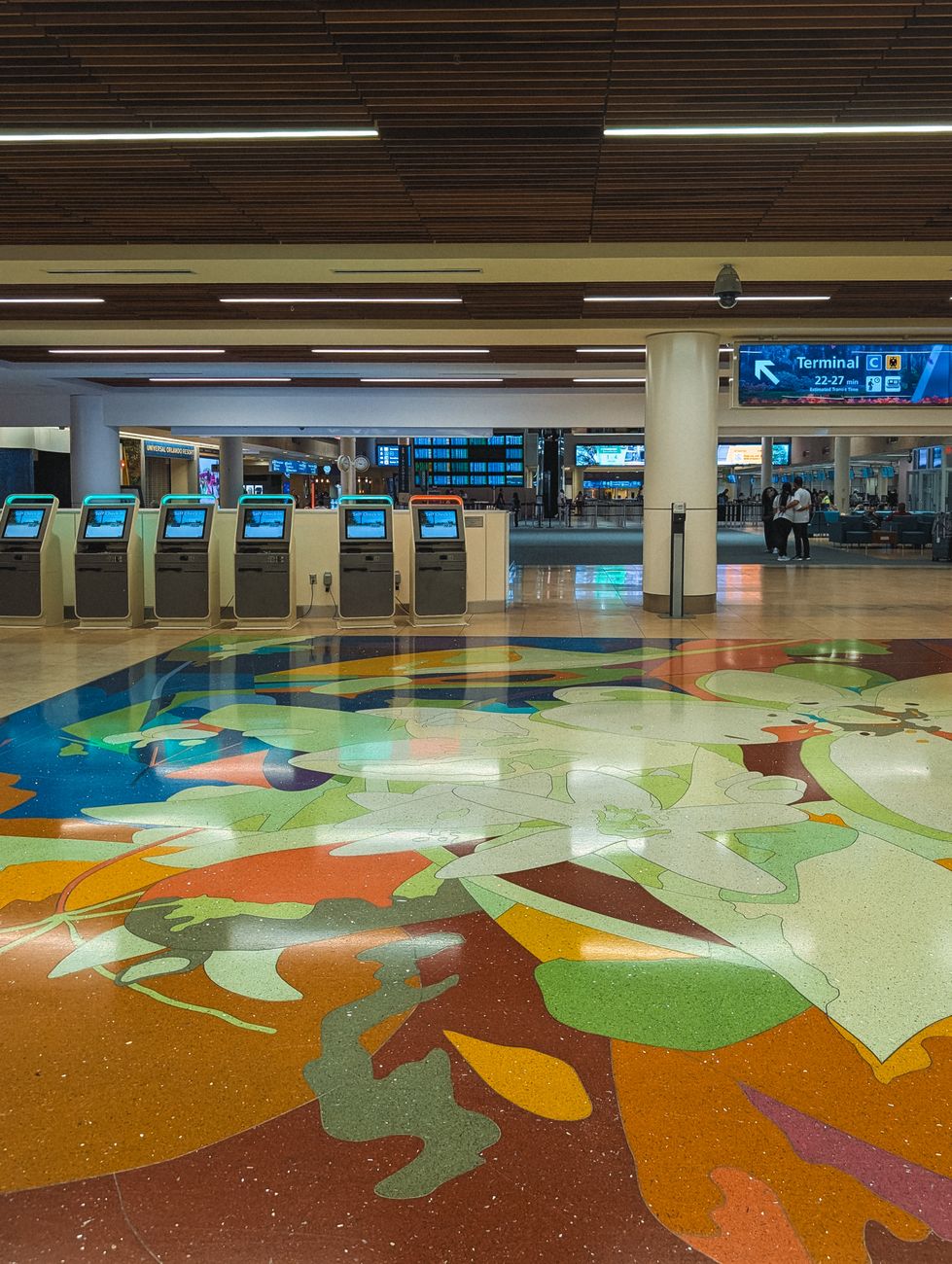
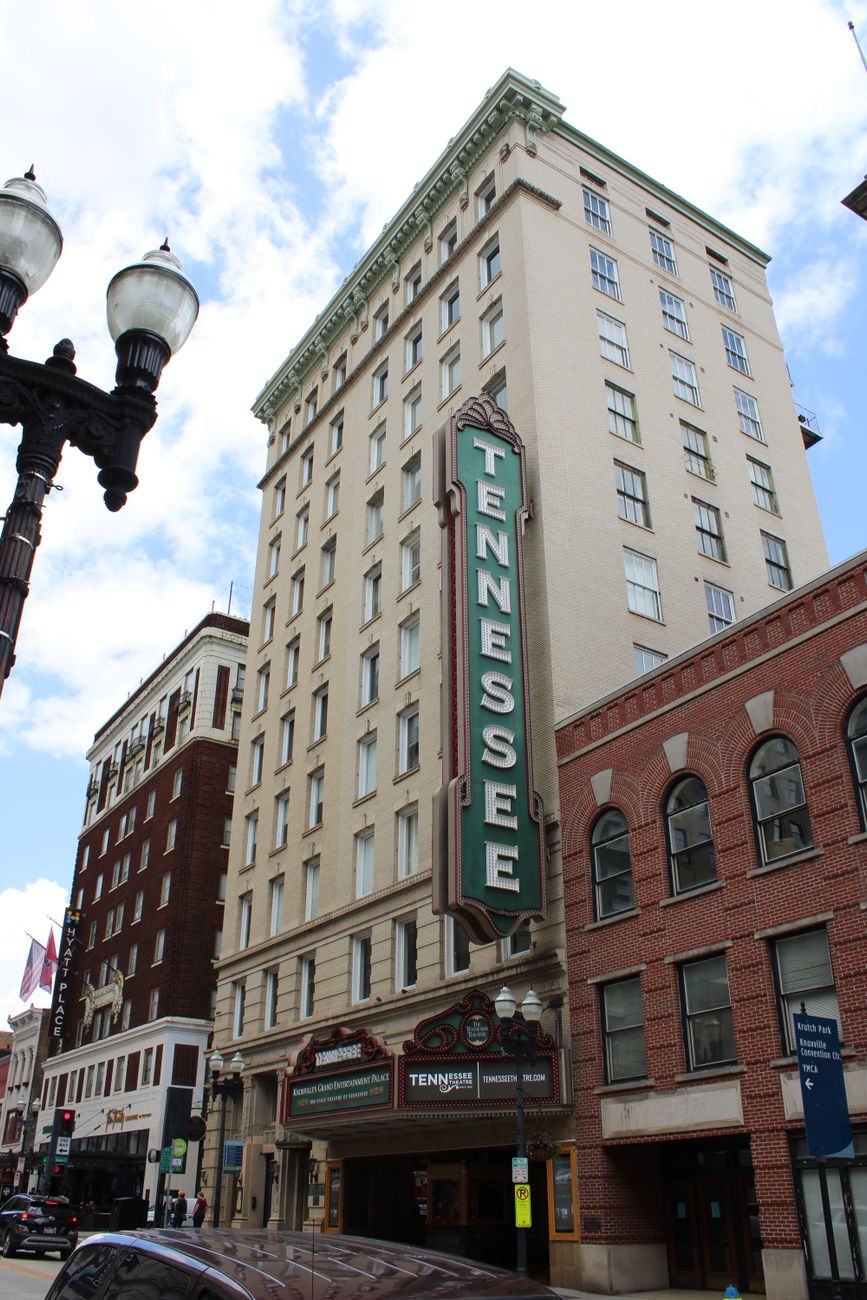
Cultural variety shows in venues such as the Tennessee Theatre and the Bijou Theatre for concerts and film, and the Knoxville Museum of Art focuses on regional artists with free admission for basic galleries. For outdoor minutes from downtown, Volunteer Landing, the Riverwalk and Ijams Nature Center offer quick escapes without long drives.
Quick Planning Tips
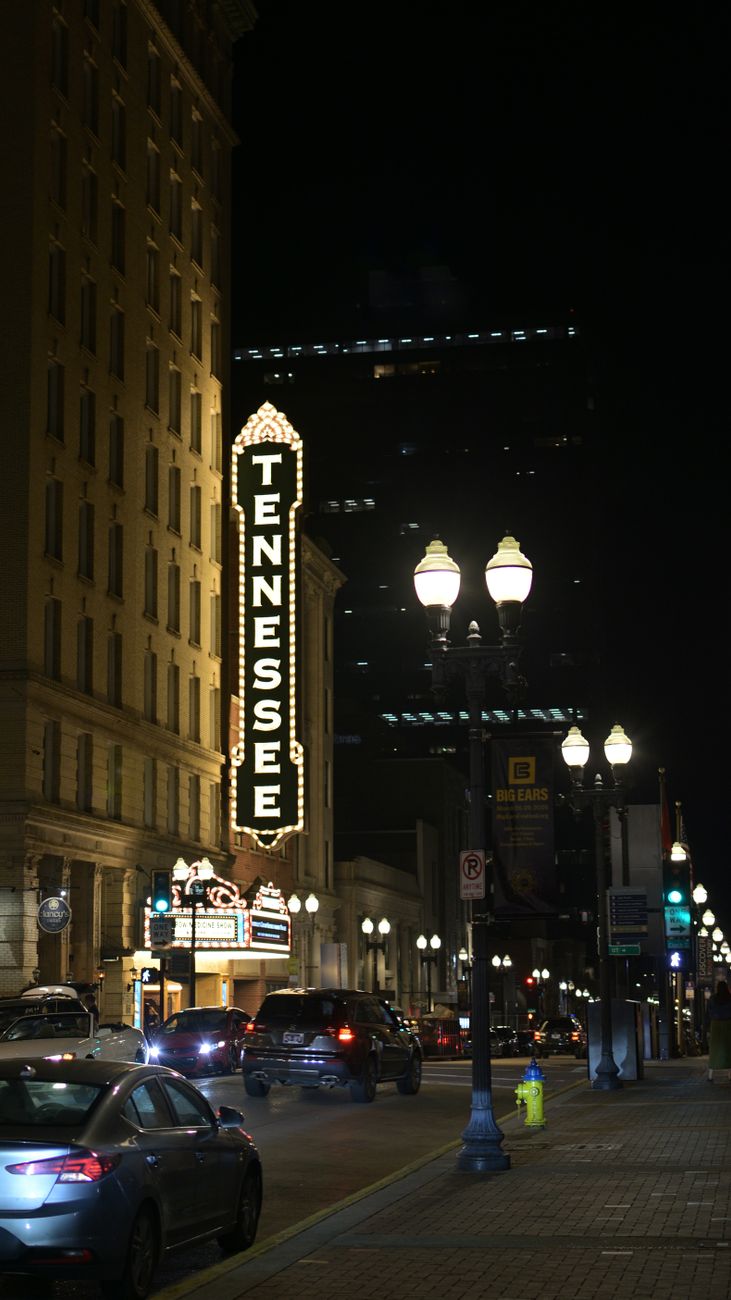
Fly into McGhee Tyson Airport (TYS); the ride to downtown via taxi or rideshare is typically $25–35 depending on traffic and time of day. Amtrak service is limited; the nearest major rail hub is further away, so most long-distance visitors arrive by air or car.
Bring a card and some cash—most places accept cards, but small vendors at the farmers' market or smaller cafes sometimes prefer cash. Credit cards are widely used; contactless payment is accepted at many restaurants.
Avoid the planning mistake of assuming everything is open seven days a week. Several museums and smaller shops close Monday or Tuesday. Also avoid scheduling a full museum morning and a zoo visit on the same day, since each site can take half a day to experience fully.
Day 1
Start at Market Square in the morning to get a feel for downtown activity. Market Square hosts cafes such as Tomato Head for breakfast or coffee and casual lunch. Spend 1–1.5 hours here browsing independent shops and the farmers' stalls if it’s Saturday.
From Market Square, walk 8–12 minutes east to the Tennessee Theatre and the Bijou Theatre on Gay Street for a quick exterior look and to check events. Both are in the same downtown cluster; allow 15–30 minutes to check schedules and buy tickets if planning a show.
Next, head south toward Volunteer Landing and the Riverwalk; it’s a 10–15 minute walk from Gay Street. Walk along the river for 30–45 minutes to see the James White Greenway connections and the Henley Street Bridge. The walk includes public art and riverfront benches.
Walk (or take a short rideshare of 6–10 minutes) west to World's Fair Park and the Sunsphere; explore the park and lawn space, then continue 10 minutes on foot to the Knoxville Museum of Art. The museum’s core galleries are compact and usually require 45–60 minutes; admission is typically free for the main galleries.
Dinner suggestion: Calhoun's on the River for barbecue plates and river views (reservations on weekend nights). Expect a 60–90 minute dinner experience. Evening recommendation: catch a show at the Tennessee Theatre or a live band at an Old City venue like Barley’s Taproom & Pizzeria; both are within a 5–10 minute walk of downtown.
Day 2
Devote this day to the University of Tennessee campus, Fort Sanders and the Old City for a mix of campus culture and neighborhood shops. Start on Cumberland Avenue around 9:00 to see student life, coffee at Remedy Coffee and campus storefronts; Cumberland Ave runs directly between Market Square and the campus and is a 12–18 minute walk from downtown.
Visit the University of Tennessee campus green and the Neyland Stadium exterior; if a guided tour is available, it is worth booking in advance. The campus walk will take 60–90 minutes if including the Ayres Hall photo stop and the Hill.
From the campus, walk or take KAT Route 10 back toward the Old City (about a 10–15 minute bus ride or a 25–30 minute walk). Explore Old City streets: brick warehouses converted to bars, breweries and music venues. Stop at Crafty Bastard Brewing or Barley’s for lunch and local beer—expect a casual meal in the $12–18 range.
In the afternoon, choose between the East Tennessee History Center (about a 6–10 minute drive from Old City) or a return to Market Square for gallery browsing. The history center’s admission often runs around $8–10.
Evening recommendation: dine in Old City at a wood-fired pizza spot or a gastropub, then check the concert listings at the Bijou or a smaller venue. On foot, Old City is a short 5–12 minute walk to most downtown hotels.
Day 3
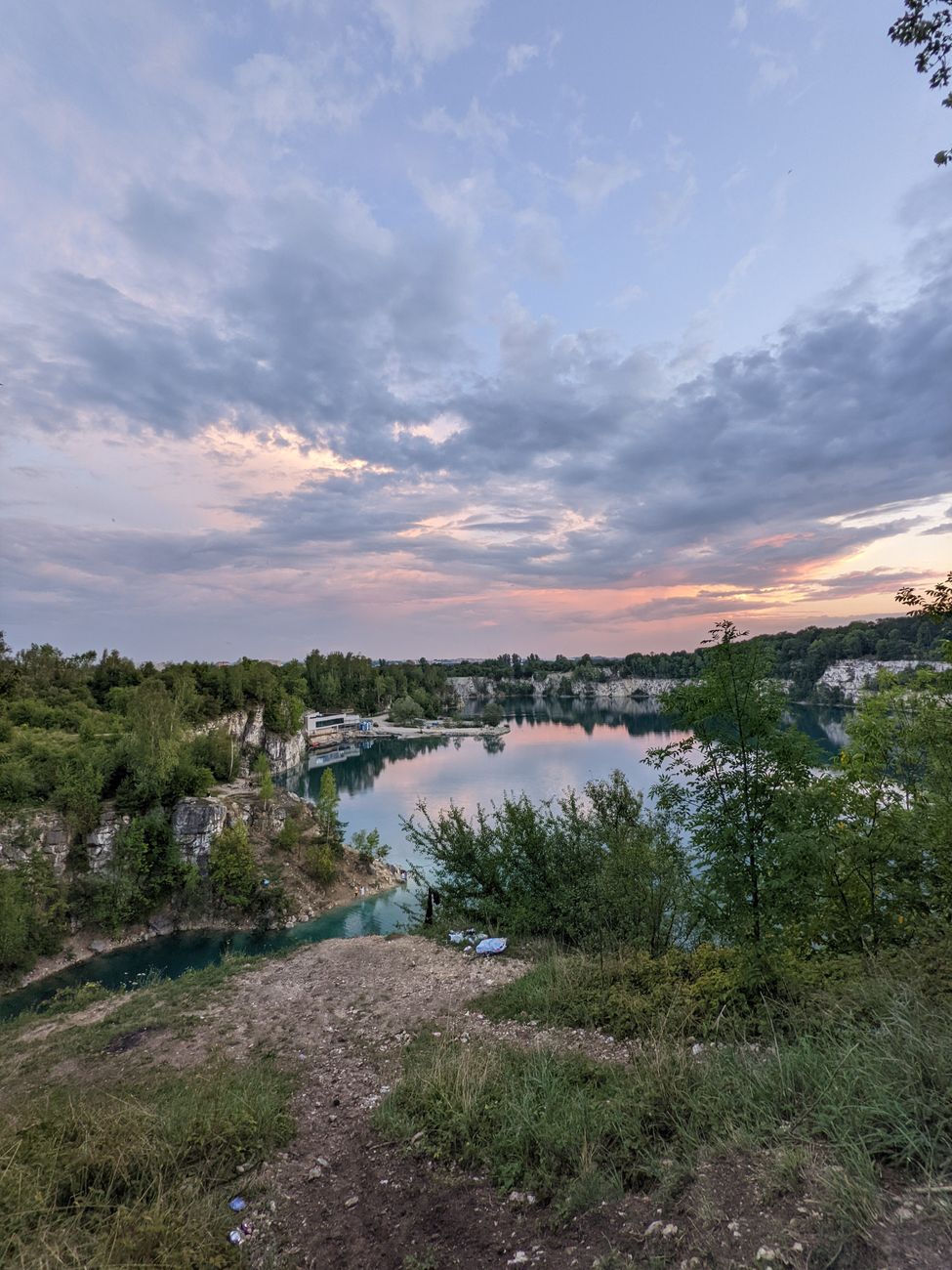
Reserve the final day for green spaces and any sites missed earlier; this is also the practical day for departures. Morning: head to Ijams Nature Center in South Knoxville for easy trails, the quarry overlook and paddling options; from downtown it’s a 15–25 minute drive or a 35–45 minute bus-plus-walk trip. Allow 2–3 hours for a relaxed loop and short climbs.
Return toward downtown and stop at the Knoxville Zoo if wildlife viewing is preferred; budget 2.5–3 hours. Zoo admission is about $20 for adults; check online for timed-entry or discount days. If the zoo is too long for the itinerary, swap it for a repeat visit to Market Square or explore the Museum of Appalachia out near Norris (requires a car and more time).
Afternoon note for departures: if checking out and catching an afternoon flight from McGhee Tyson Airport, leave downtown at least 60–90 minutes before recommended TSA check times on weekdays; rideshares typically take 20–35 minutes depending on traffic. For afternoon flights allow an extra buffer on Fridays and Sundays when regional traffic increases.
Dinner option if staying late: a final riverfront meal at a Market Square-area restaurant or barbecue joint. If time is very tight, pick up a sandwich from Yassin’s Falafel for a quick, well-priced takeaway.
Best Local Experiences
Market Square Farmers' Market (Saturdays, May–November) for seasonal produce, prepared foods and local crafts. Expect crowds mid-morning and plan to buy snacks for a picnic.
UT football game day at Neyland Stadium for the full collegiate atmosphere; traffic and hotel prices spike, so plan transport early and consider walking from Fort Sanders or a short rideshare.
Old City live music nights on Central Street and Jackson Avenue for local bands and regional touring acts; start between 8:00–9:00 p.m. to catch headliners.
Ijams Nature Center for short climbs, the Quarry Trail and easy paddling on the Tennessee River; guided programs are offered and require online reservation for some activities.
Volunteer Landing and the Riverwalk for morning runs, bike rentals and river views; the Riverwalk connects downtown to several parks and is useful for a low-effort riverside stroll.
Where to Stay
Downtown (best for first-time visitors): Suits people who want theater, restaurants and short walks to Market Square and Gay Street. Typical nightly rates run $120–$250 USD (€110–€230) depending on season and events. Downtown hotels place visitors within 5–15 minutes on foot of main sights.
Old City/Market Square area (good for nightlife and restaurants): Suits travelers who want late-night music venues and breweries nearby. Expect $110–$200 USD (€100–€185) per night. This area is compact; noise can be an issue on weekend nights.
Fort Sanders/near UT (best for sports and campus energy): Suits visitors attending a UT event or who want cheaper options near campus. Nightly rates vary widely on game weekends but are generally $90–$160 USD (€85–€150) on non-game nights. Street parking is limited on event days, so allow extra time for arrival.
Food and Drink
Barbecue — example: Calhoun's on the River serves pulled pork and ribs; a plate runs $16–$24. Calhoun's is a reliable riverside choice near Volunteer Landing.
Tomato sandwich — a seasonal simple sandwich of ripe tomato, mayo and bread; Tomato Head does a good version for roughly $8–$12 during tomato season.
Biscuits and gravy — a Southern breakfast staple; look for it at local diners and cafes such as OliBea and other breakfast spots for $6–$10.
Fried green tomatoes and Appalachian vegetable sides — often found at Southern-focused restaurants like Knox Mason or Tupelo Honey for $10–$18 as an appetizer.
Local craft beer — breweries such as Alliance Brewing Company and Elst Brewing offer pints in the $6–$8 range; brewery taprooms sometimes have food trucks or simple bar snacks.
Breakfast option: Remedy Coffee or Noshville on Market Square for coffee and pastries around $4–$10. Street food option: Yassin’s Falafel on Cumberland Avenue for a falafel plate under $10. Dinner recommendation: Stock & Barrel or a wood-fired pizza in Old City; expect $12–$20 for mains and $6–$12 for craft cocktails.
Getting Around
Public transit is primarily Knoxville Area Transit (KAT) buses with a number-based route system. Key routes include the downtown–UT corridor (Route 10) and River Shuttle services on event days. Expect buses roughly every 20–30 minutes on common routes; frequency drops on weekends.
Single KAT fare is about $1.75 USD; a day pass costs roughly $4 USD. Students and seniors may qualify for reduced fares—carry ID. The UT shuttle serves campus and Fort Sanders residents and is free for students and staff.
Rideshare services (Uber, Lyft) are widely available and often the quickest option between scattered neighborhoods. A taxi or rideshare from McGhee Tyson Airport to downtown typically costs $25–35 USD. Useful apps: the Transit app for live bus departures and Uber/Lyft for on-demand rides. Consider walking between Market Square, Gay Street and Old City as many points are within 10–20 minutes on foot.
Best Time to Visit
Spring (April–June): Temperatures 50–80°F (10–27°C). Flowering trees and comfortable walking weather make this a top choice; expect modest festival crowds in April and May.
Summer (July–August): Temperatures 75–95°F (24–35°C). Hot and humid; downtown outdoor activities can feel oppressive midday. Early mornings and evenings work best for walks.
Fall (September–October): Temperatures 55–75°F (13–24°C). Clear, cool days and peak college season around football; expect increased hotel rates on game weekends. Fall offers good value on non-game weekends.
Winter (November–March): Temperatures 30–50°F (-1–10°C). Quietest tourist traffic and lower hotel rates, but some outdoor attractions and certain markets are seasonal. Avoid Jan–Feb if the priority is outdoor riverwalk comfort.
Budget and Practical Tips
Typical daily budget per person (moderate spending): accommodation $120–$160 USD (€110–€150); food $35–$60 USD (€32–€55); local transport $5–$10 USD (€5–€9); entries and extras $10–$30 USD (€9–€28). A modest three-day total comes to roughly $480–$750 USD (€440–€690) excluding flights.
Accommodation can be the largest variable—expect dramatic increases for UT home-game weekends. Many restaurants add state and local sales tax; check menus for service charges. Tipping norms: restaurants typically expect 15–20% on the pre-tax total; round up small cash transactions at cafes.
Bring comfortable walking shoes and layers; weather changes during spring and fall can mean cool mornings and warm afternoons. For museum visits, check each venue’s published hours; some close one weekday and have limited weekend hours.
FAQ
Is Knoxville safe to walk at night?
Most downtown blocks around Market Square and Old City are generally safe at night but exercise normal caution; avoid poorly lit side streets after midnight and monitor event crowds.
Is public transit convenient for visitors?
KAT buses cover main corridors but run less frequently on weekends; rideshares are often more time-efficient for short trips between neighborhoods.
Should a visitor buy a city pass or tourist card?
There is no widely used city-wide pass that covers most attractions; buy tickets individually and check museum websites for combined offers before arrival.
Can day trips to the Great Smoky Mountains be done from here?
Possible but tight; the drive to Sugarlands Visitor Center is about 45–60 minutes each way under good traffic, so allocate a full day and start early.
Are downtown restaurants expensive?
Prices are moderate—expect $12–$20 for mains at mid-range sites, and higher at specialized dinner spots; Market Square has budget-friendly lunch options.
Is tipping expected for counter service?
Not always required, but small tip jars are common; tipping 10% for counter-service with table clearing is appreciated.
What apps are useful for transit and events?
Use the Transit app for live KAT departures and Uber/Lyft for rides; check the Market Square Partnership site for event schedules.
Are attractions wheelchair accessible?
Many downtown venues and the Knoxville Museum of Art are accessible, but older buildings such as some Old City bars may have steps; check venues individually.
Conclusion
A 72-hour visit delivers a clear sense of local rhythms: Market Square energy, UT campus culture, Old City nightlife and a few low-effort outdoor escapes. The most memorable elements tend to be a riverside walk, a college-game atmosphere if visiting during fall, and an evening at a small downtown venue.
If time runs short, prioritize Market Square plus a walk along the Riverwalk and a meal at Calhoun's or a well-reviewed Old City restaurant; those elements together capture the practical, everyday character of the place.
How this guide was prepared
This guide was prepared through a structured research that combines destination research, geographic context, itinerary planning logic, and content review.