

Barcelona in 3 Days — Practical, Honest City Guide
A compact, practical 3-day plan for Barcelona with transport tips, neighbourhood itineraries, realistic costs, local warnings, and time-saving priorities.
A realistic 72-hour plan that balances Gaudí, markets, a beach hour and one neighbourhood walk so time isn't wasted on long lines or aimless wandering.
First impressions are often a contrast between very large crowds at a handful of sites and quiet local life a few streets away. One block can be full of souvenir shops and the next block a bakery still using a wood-fired oven. Traffic and scooters are constant on main arteries like Gran Via and Passeig de Gràcia; side streets in Eixample and Gràcia are calmer and better for wandering.
Expect noise, construction and tourists at key monuments; good planning reduces time in queues. This place suits travellers who accept a mix of scheduled big-ticket visits and unstructured neighbourhood time rather than those who want an empty museum experience.
Arrival points shape first impressions: Sants station feels practical and commuter-like, while the airport approach offers views of the coastline. A compact three-day stay rewards a small number of booked slots and plenty of short walks between neighbourhood squares.
Is 3 days in Barcelona enough?
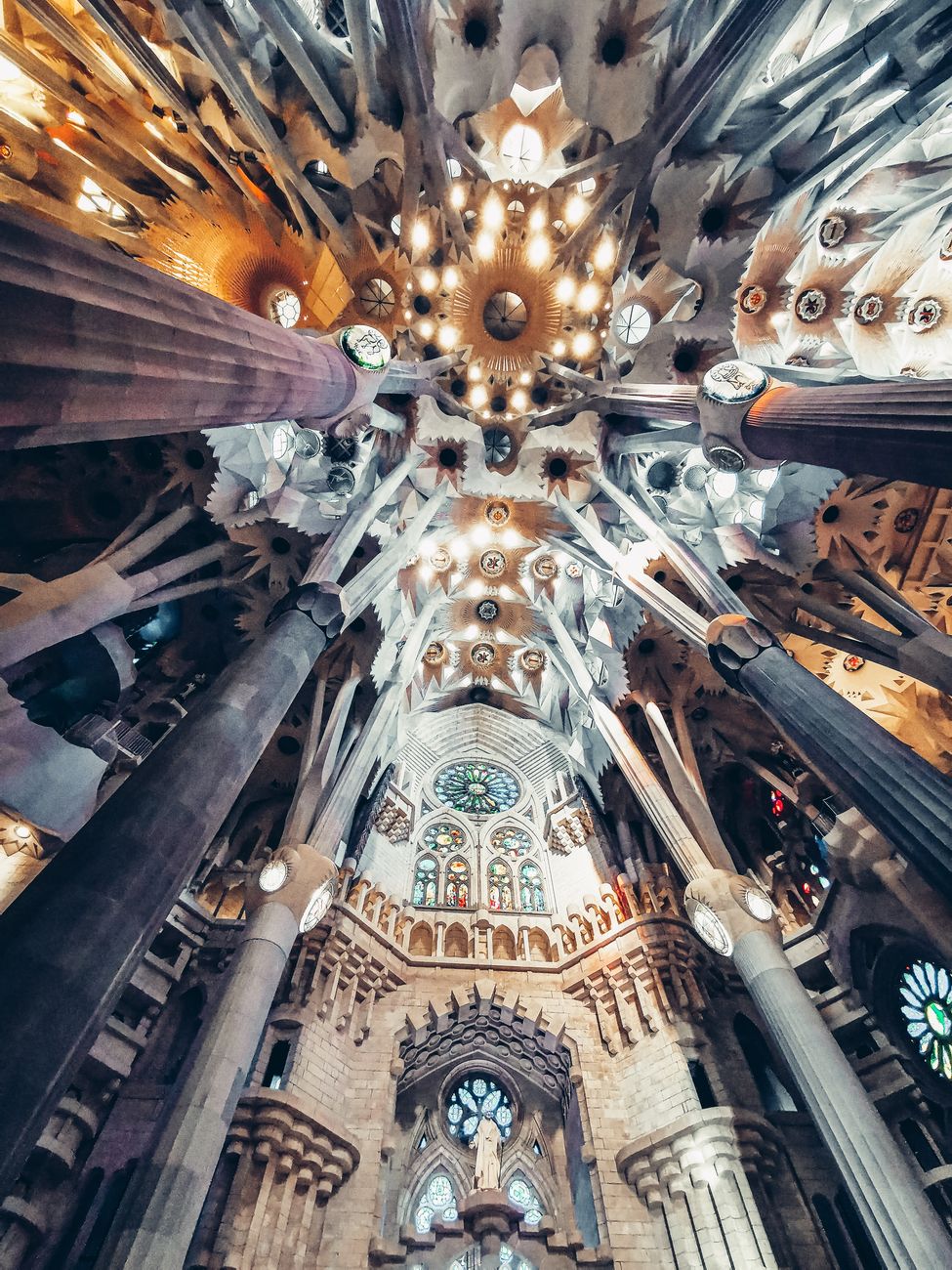
Yes — three days can cover Sagrada Família, Park Güell, a Gothic Quarter walk, La Boqueria, and a beach break with time for one major museum. Expect to skip slower experiences like multiple long museum visits or a full Camp Nou matchday if schedules are tight.
Who This Guide Is For
Best for first-time visitors who want a compact mix of architecture, food markets and a beach hour; less suited to travellers who want deep museum days or to base themselves on hiking and wineries.
Local Tips for Barcelona
Practical details that most travel sites skip — specific to Barcelona.
- Buy a T-Casual 10-ride multi-ticket (≈€11.35) for single-person urban travel — it can be used across metro, tram and most buses and saves time vs separate single tickets.
- Hola Barcelona travel cards (48/72 hours) give unlimited metro/tram/bus and include the Aerobus to Plaça Catalunya; purchase online to skip ticket machines.
- Sagrada Família tickets are cheapest and least crowded for specific-time entry bought online in advance (basic tower access ≈€30; basic basilica ≈€26).
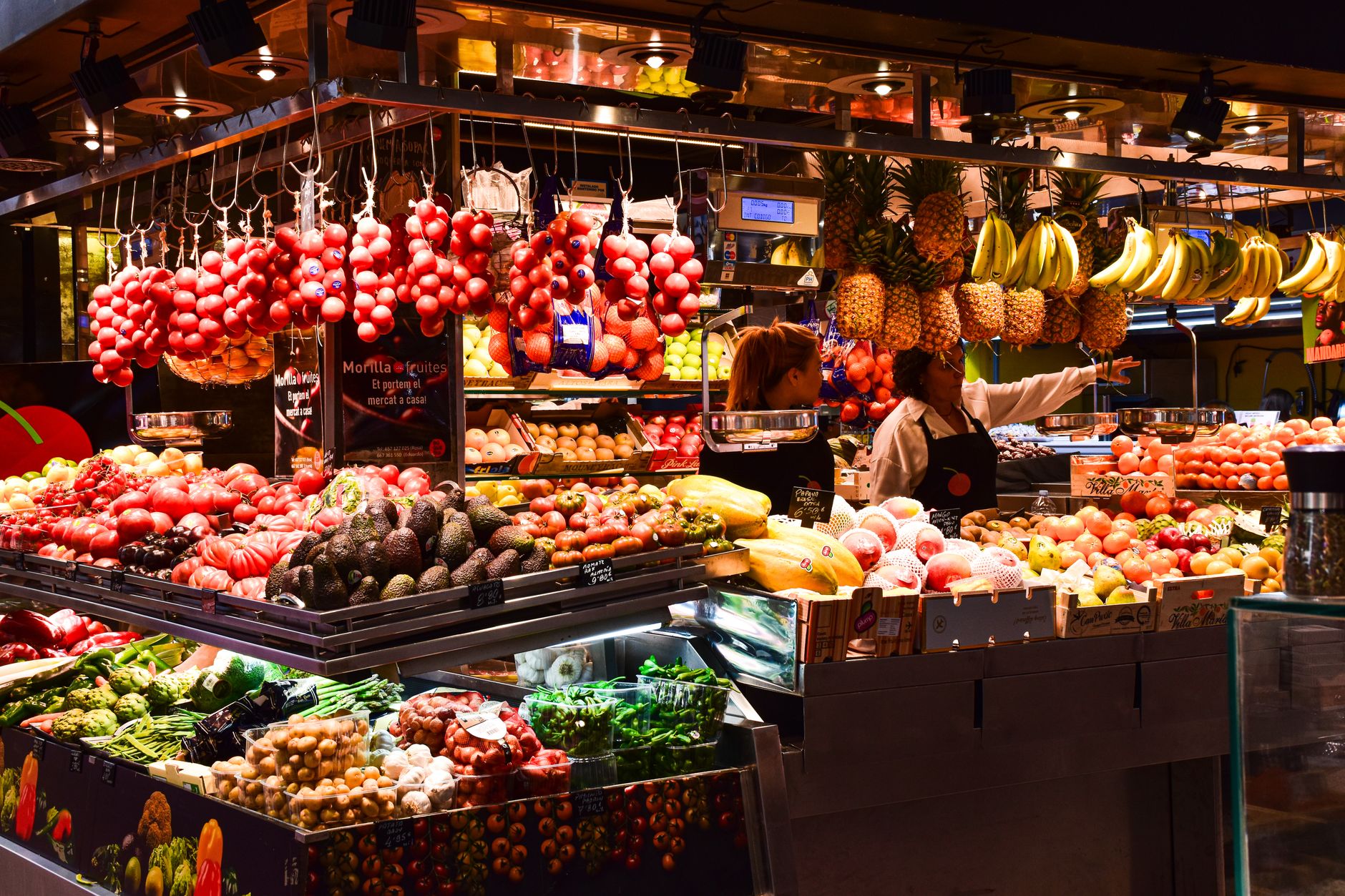
- La Boqueria on La Rambla fills up after 12:00; arrive 09:00–11:00 for produce stalls and to eat without long queues at bar counters.
- Metro L1 (red), L3 (green) and L4 (yellow) hit most tourist clusters; using the TMB App for route planning and mobile ticket checks saves time during peak hours.
How This Guide Was Prepared
This guide treats Barcelona as a city of tight contrasts: heavy tourist sites clustered near a dozen local neighbourhoods with very different rhythms. Many guides push a frantic 'see everything' list; this one prioritises transit-efficient routes, when to book tickets, and what to skip if time runs short. This guide was prepared through a structured research that combines destination research, geographic context, itinerary planning logic, and content review.
Plan Your Stay in Barcelona
Use these planning pages to compare areas to stay, expected costs, seasonal timing, and local transport before booking.
Why Visit
Gaudí architecture gives concrete, very different encounters: Sagrada Família, Casa Milà and Park Güell are not interchangeable and each requires time to appreciate details. Local food markets like La Boqueria and Mercat de Sant Antoni offer quick meals and a clear view of daily life.
The coastline within the city limits provides an easy beach hour without leaving urban transit lines — Barceloneta is a short metro ride from central stations. A strong local arts scene can be sampled through Museu Picasso, Fundació Joan Miró on Montjuïc, and small galleries in El Born.
Transit connections are compact: many main attractions sit on L1, L3 or L4 lines, which makes a three-day walking-plus-metro plan efficient. For short trips to Sitges or Montserrat, regional trains from Estació de França or Sants enable quick day excursions without long transfers.

Quick Planning Tips
Fly into El Prat (BCN) and take the Aerobus A1/A2 to Plaça Catalunya (≈€6–€6.75 single) or use the R2 Nord Rodalies train to Passeig de Gràcia or Sants for cheaper options. From Sants station, the metro network (L3 green) reaches many central neighbourhoods quickly.
Carry a contactless card or small euros for machines; many kiosks accept cards but some market stalls prefer cash. Book timed-entry tickets online for Sagrada Família, Park Güell (monumental zone) and Picasso Museum to avoid wasting morning hours in line.
Avoid the mistake of starting at La Rambla midday on Saturday; it will be crowded and slow. Plan a first afternoon in a single neighbourhood to acclimate — that reduces transit time and gives a clearer sense of local rhythm.

Day 1
Morning: Start at Sagrada Família for a timed-entry visit (allow 1.5–2 hours for basilica and museum). From there, take metro L5 at Sagrada Família to Diagonal and walk 10 minutes to Passeig de Gràcia.
Late morning: Walk Passeig de Gràcia to see Casa Batlló and Casa Milà (La Pedrera). Allow 1–1.5 hours between the two façades and a short café break. The walk between them is under 10 minutes.
Lunch: Eat at Cervecería Catalana (carrer de Mallorca 236) or similar tapas bar in Eixample for a mix of small plates — expect to wait 15–30 minutes at peak lunch. Budget ≈€15–€25 for a filling meal.
Afternoon: Take metro L3 from Passeig de Gràcia to Liceu for a quick stroll of La Rambla and La Boqueria market (20 minutes including walking). Continue on foot into the Barri Gòtic to see Plaça Reial and the Cathedral; allow 1.5–2 hours.
Evening: Dinner in El Born at restaurants around Carrer dels Carders or Passeig del Born; try Cal Pep for seafood small plates or a quieter option like Sagardi. Finish the night with a short walk to Plaça Sant Jaume or drinks near Passeig del Born.
Day 2
Morning: Head to Park Güell (use metro L3 to Lesseps then 15–20 minute uphill walk or bus 24 from Passeig de Gràcia). Book a morning slot and expect 1.5–2 hours for the monumental area and nearby viewpoints.
Late morning: Descend to Gràcia neighbourhood for a relaxed coffee on Plaça de la Vila de Gràcia and a stroll through Carrer Verdi and Carrer de Torrent de l'Olla. This area shows a less tourist-packed side and is 10–15 minutes on foot from Park Güell’s lower exits.
Lunch: Try a local menu del día in Gràcia or a small bakery; La Pubilla (Plaça de la Llibertat) offers Catalan mains during lunch service. Budget ≈€12–€18.
Afternoon: Take metro L3 from Fontana to Drassanes or metro L4 from Passeig de Gràcia via transfer to visit Barceloneta and the beach. Spend 1–2 hours walking the promenade, or rent a bike at Passeig Marítim.
Evening: Ride the funicular cable or take metro and bus up to Montjuïc for sunset and dinner options near Museu Nacional d'Art de Catalunya (MNAC). The cable car from Miramar (Telefèric de Montjuïc) adds a short scenic leg and costs separately.

Day 3
Morning: Reserve this for a focused museum visit like Museu Picasso (timed tickets recommended) or Fundació Joan Miró on Montjuïc depending on taste. Allow 1.5–2 hours for a good visit. If checking out of accommodation, leave luggage at reception or use lockers at Estació de Sants.
Midday: Walk El Born streets and stop at El Xampanyet or Bar del Pla for a late tapas lunch. Alternatively, head to Mercat de Sant Antoni for a quieter market lunch than La Boqueria. Travel times are short: El Born is 10 minutes from Barceloneta on foot.
Afternoon: If catching an afternoon flight, return to Sants station or Aerobus pickup points early; R2 Nord train to El Prat takes about 20–25 minutes from Passeig de Gràcia and is reliable. Allow at least 90–120 minutes from central hotel to airport for security and transit.
Late option: For an extra hour before departure, stroll Avinguda del Paral·lel and grab a coffee near Plaça Espanya to see Fira and the MNAC steps from below.

Best Local Experiences
La Boqueria (La Rambla) for late-morning tapas at the counter and seafood bars. Mercat de Sant Antoni on Carrer del Comte d'Urgell for a less touristy produce market and a used-books-and-stamps section on Sundays.
Vermouth hour in Poble-sec along Carrer Blai or at classic bodegas for a pre-dinner aperitif. A sunset walk up to Bunkers del Carmel (Turó de la Rovira) offers a panoramic city view; reach it via metro L4 to Guinardó–Hospital de Sant Pau plus a 20-minute uphill walk.
An evening at a small flamenco tablao in El Raval or a jazz set at Harlem Jazz Club provides authentic music options. Day trips: a fast regional train to Sitges from Sants or Passeig de Gràcia gives a seaside town in 35–45 minutes.
Where to Stay
Eixample: Best for first-timers who want central access to Passeig de Gràcia, Sagrada Família and many metro lines. Suits mid-range budgets and shoppers; expect nightly rates ≈€90–€170 (~$100–$185) for a decent double room.
Barri Gòtic / El Born: Suits travellers who prioritise walking to medieval streets, museums and tapas bars. Streets are narrow and noise at night can be an issue; expect ≈€100–€180 (~$110–$195) per night for centrally located options.
Poble-sec / Montjuïc area: Good for evening tapas on Carrer Blai and easy access to theatres; quieter overnight and better value for couples. Expect ≈€70–€130 (~$80–$145) per night.
Gràcia: Best for those wanting a local neighbourhood feel with plazas and independent cafés; slightly further from main tourist arteries but still one metro stop from Passeig de Gràcia. Expect ≈€80–€140 (~$90–$155) nightly.
Booking tip: compare nightly rates against location: cheaper hotels further from metro stops often add taxi or time costs that outweigh small nightly savings.
Food and Drink
Pa amb tomàquet: bread rubbed with tomato and olive oil, a common side. Found everywhere; expect ≈€1–€3 when ordered as a tapa or included with meals.
Escalivada: roasted aubergine and peppers, often on small-plate menus; good versions at El Born bistros for ≈€6–€10. A classic for vegetable-forward meals.
Fideuà: noodle-based cousin of paella with seafood, best at Barceloneta fish restaurants like Can Majó; expect ≈€15–€25 per portion.
Churros con chocolate: breakfast or late-night treat found at Granja La Pallaresa (near Plaça Catalunya) for ≈€4–€6. Good for a breakfast option with coffee.
Street food: bocadillo de jamón (ham sandwich) from market stalls or small delis for ≈€3–€6. Find strong examples at Mercat de Sant Antoni or small bakeries.
Dinner recommendation: try a restaurant serving a 'menu del día' for an affordable multi-course midday meal; evening à la carte dinners near Passeig de Gràcia are pricier but offer modern Catalan options (≈€25–€40 per person).
Getting Around
Metro lines L1 (red), L2 (purple), L3 (green), L4 (yellow) and L5 (blue) cover most tourist routes. Trams T1/T2/T3 serve parts of the Diagonal and Poblenou areas; Funicular de Montjuïc links Paral·lel metro station to Montjuïc.
Single adult metro ticket ≈€2.40; T-Casual 10-ride card ≈€11.35. Hola Barcelona cards (48h/72h) offer unlimited travel and include Aerobus if purchased with that option — prices vary by duration (buy online to avoid queueing).
Key buses include D20 (Diagonal), V17 (central ring) and 59 (Gràcia–Sagrada Família). Regional trains: Rodalies R2 connects El Prat airport to Passeig de Gràcia and Sants; suburban trains reach Sitges and other coastal towns.
Taxi from El Prat to central areas ≈€30–€35; a ride from Plaça Catalunya to Barceloneta should be ≈€10–€15 depending on traffic. Use the TMB App or Google Maps for real-time metro info and Free Now or Cabify for taxi apps.
Best Time to Visit
Spring (April–June): Temperatures ≈15–25°C. Fewer tourists than July–August and generally good value for hotels in April and May. Rain is possible but usually light.
Summer (July–August): Temperatures often 25–32°C and heavy tourist crowds, especially in beachfront and Gothic Quarter areas. Expect higher prices and long lines; early reservations are essential for museums and popular restaurants.
Autumn (September–October): Temperatures ≈18–27°C and crowds thin compared with August. Good month for sea swimming into September and for reduced hotel rates in October.
Winter (November–February): Temperatures ≈8–15°C with the fewest tourists; museums and restaurants are quieter and hotel deals are common. Some attractions have reduced hours around Christmas and early January.
Budget and Practical Tips
A realistic daily budget (per person): Budget traveller: accommodation hostel €30–€60, food €20–€35, transport €3–€8, entry fees €10–€20 — total ≈€65–€120 (≈$72–$132). Mid-range: accommodation €90–€160, food €30–€50, transport €5–€10, entries €20–€40 — total ≈€150–€260 (≈$165–$285). Higher end: accommodation €200+, meals €50–€80, plus tours and private transfers — expect €300+ daily.
Typical entry fee examples: Sagrada Família basic ≈€26–€30, Park Güell monumental zone ≈€10, Museu Picasso ≈€12–€15. Prices change seasonally; always check official sites.
Tipping: service is usually included, but leaving small change or rounding up for good table service is normal (≈5–10%). Taxis are typically rounded up or given a small tip. Cash can be useful for small cafes and markets, but cards are widely accepted.
FAQ
Is Barcelona safe for solo travellers?
Yes for the most part, but watch for pickpockets in crowded areas like La Rambla, metro L3 around Passeig de Gràcia, and on packed buses; use a money belt or front pocket and avoid displays of valuables.
Is a city transport card worth it?
Hola Barcelona cards are convenient if planning many metro/tram trips and airport transfers in 48–72 hours; T-Casual is better for small-group or staggered trips because it is pay-as-you-go.
How do I get from El Prat airport to the centre cheapest?
The R2 Nord Rodalies train to Passeig de Gràcia or Sants is cheapest (≈€4.60) and takes 20–25 minutes; Aerobus is direct to Plaça Catalunya for ≈€6–€6.75 single.
Are museums open daily?
Many museums close one weekday — Museu Picasso is often closed on Mondays or has reduced hours; check each museum’s site and book timed tickets where available.
Can day trips be done from the main station?
Yes — Sitges, Montserrat and Girona are straightforward by train from Sants or Passeig de Gràcia and make good half- to full-day trips.
Is it easy to get by without speaking Spanish or Catalan?
Yes: tourist workers speak English at major hotels, museums and restaurants, but learning key Catalan/Spanish phrases is appreciated and occasionally necessary in small shops.
Where is best to change money?
Avoid airport exchange kiosks with poor rates; use ATMs inside bank branches for better rates or change at city bank branches. Confirm ATM fees with the issuer.
Are beaches swimmable year-round?
Swim season peaks June–September with water temps around 20–25°C; off-season swims are possible but water is colder and lifeguard coverage is reduced.
Conclusion
Three days deliver a clear first impression: major Gaudí works, a historic quarter walk, two market meals and a seaside hour are all realistic with timed tickets and compact routing. What stays in memory most often is the contrast between a Gaudí façade and a small market counter where locals eat.
If time runs short, prioritise a timed Sagrada Família visit and either Park Güell or a single museum plus a market lunch; those choices give a balanced sense of architecture, food and neighbourhood life without feeling rushed.
How this guide was prepared
This guide was prepared through a structured research that combines destination research, geographic context, itinerary planning logic, and content review.