

Three-Day Kralendijk Itinerary and Practical Planning Guide
A realistic 3-day Kralendijk guide with transport from BON airport, marine-park rules, dive and windsurf advice, neighbourhood notes and budgeting.
A clear, no-nonsense 72-hour plan for Kralendijk: what to see, where to eat, how to move around, and which inevitable choices to make when time is short.
Kralendijk is a compact harbour town on Bonaire where the main street, shops and dive operators sit a five-minute walk from the water. Expect a mix of working port activity, dive-shop signs, government buildings and low-rise hotels rather than a single resort strip. The pace is slow during the day and livelier at sunset along the waterfront where small restaurants and fishermen gather. Noise levels vary: mornings are quiet, afternoons can be windy when trade winds peak, and evenings bring local traffic rather than late-night clubbing.
Is 3 days in Kralendijk enough?
Three days in Kralendijk is enough to get a solid sense of the town, a shore-diving or snorkel day at Klein Bonaire, and one island drive to Lac Bay or Washington-Slagbaai. A caveat: there isn't time to explore both the north parks and a full multi-day diving schedule—pick water activities or inland exploration, not both.
Who This Guide Is For
Best for active snorkelers/divers, short-trip sailors, and travellers who can rent a car. Poor fit for visitors who want extensive hiking in Washington-Slagbaai or a relaxed multi-day dive itinerary.
Local Tips for Kralendijk
Practical details that most travel sites skip — specific to Kralendijk.
- Flamingo International Airport (BON) is about 5–10 minutes by car from downtown; official airport taxis to Kralendijk run roughly $15–25 USD depending on luggage.
- Water taxis to Klein Bonaire depart from the public pier by Wilhelmina Park and often charge about $20–25 round-trip; book morning slots for quieter reefs.
- Buy the Bonaire National Marine Park sticker at the STINAPA office on Kaya Grandi before diving or snorkeling; rangers check boats and shore entries.
- Cadushy Distillery in Rincon makes cactus liqueur and offers tastings; a taxi from Kralendijk is about 20–30 minutes and can be $25–40 one way.
- Washington-Slagbaai National Park requires an entry fee and rough roads; rent a high-clearance vehicle if planning to drive there—regular compact cars are often not suitable.
How This Guide Was Prepared
Kralendijk is small and water-focused: most useful guides treat it like a beach resort, but that misses the mix of working harbour, concrete town centre and access points to island nature. This guide is tactical—it prioritises realistic logistics, the marine-park rules that affect every snorkel and dive, and how to spend limited time without assuming rental 4×4 off-road plans. This guide was prepared through a structured research that combines destination research, geographic context, itinerary planning logic, and content review.
Plan Your Stay in Kralendijk
Use this itinerary as your starting point, then compare areas to stay, transport options, seasonal timing, and realistic daily costs before booking.
Why Visit
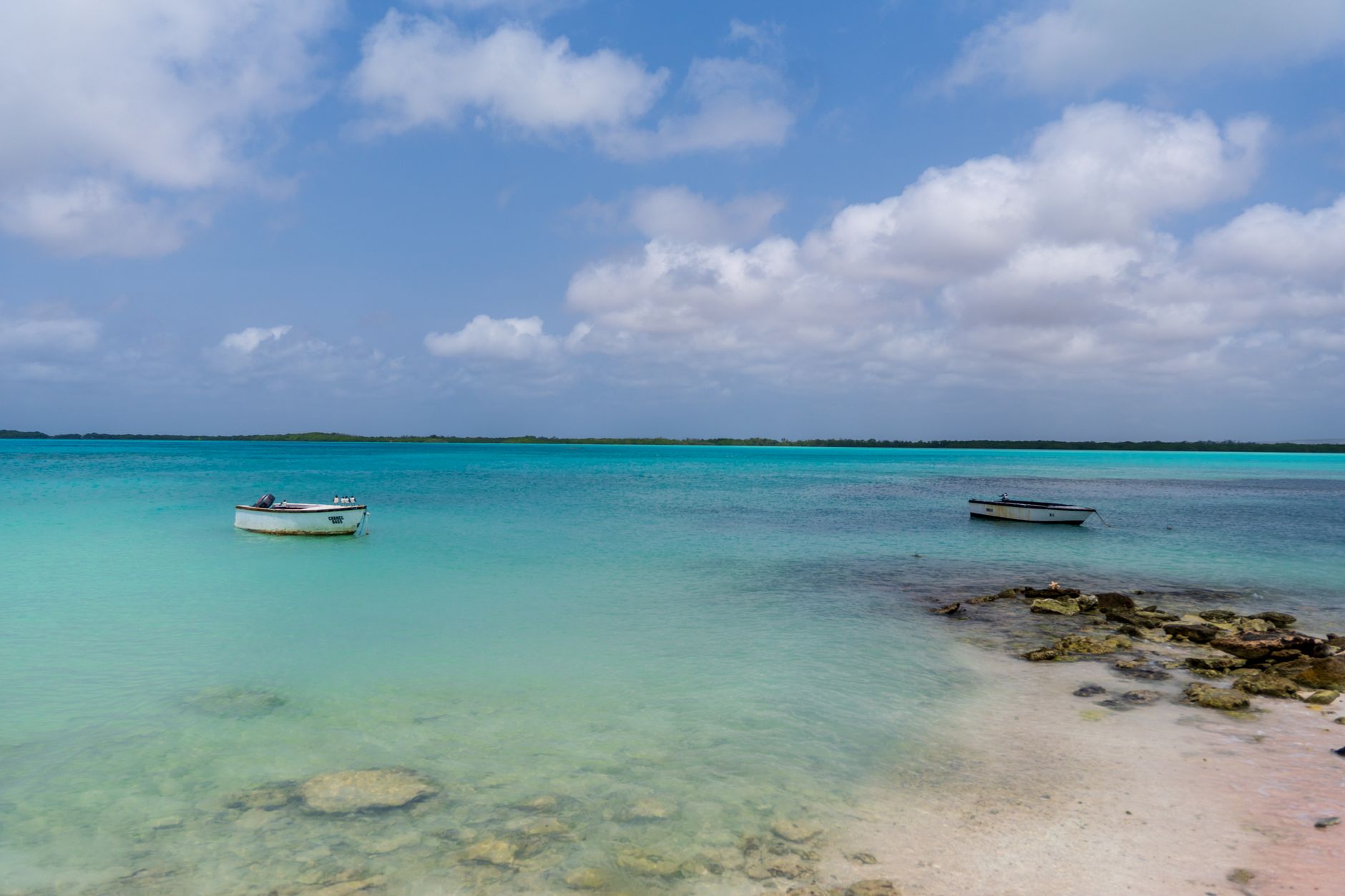
One reason to come is the access to shore diving and snorkelling in the Bonaire National Marine Park, which places excellent reef entries a short walk or boat ride from Kralendijk. A second reason is Klein Bonaire: an uninhabited islet reached by 15–20 minute water taxi for near-shore reefs that suit snorkelers and beginners. A third reason is easy logistics—Flamingo International Airport is close and the town has concentrated dive shops, equipment rentals and STINAPA offices for permits. Finally, the island offers a different tempo from nearby Puerto Rico or Punta Cana: fewer mass-resort crowds and a clearer focus on marine activities and low-key local life.
Quick Planning Tips
Fly into Flamingo International Airport (BON); it’s 5–10 minutes by taxi to central streets like Kaya Grandi and Kaya Gobernador N. Debrot. U.S. dollars are the island currency; credit cards are widely accepted but smaller food stands and some water taxi operators prefer cash. Avoid the planning mistake of assuming there’s a public bus; book car rental or taxis ahead and reserve dive or water-taxi slots before arrival. Bring reef-safe sunscreen and a permit/sticker from STINAPA if planning to dive or use a mooring buoy.

Day 1
Morning: Start at Wilhelmina Park on the waterfront to orient and book any boat trips for the next day. Walk along Kaya Grandi from the park; the walk to Fort Oranje takes 5–8 minutes and offers close views of the harbour and photo opportunities. Midday: Visit Museo Boneriano (Museo Bonaire) near the main street to learn island history; allow 45–60 minutes. Afternoon: Meet a local dive shop such as Dive Friends or Buddy Dive at the pier area for gear checks and a short shore dive practice session; many shops are a 2–10 minute walk from the museum. Lunch: Eat at a waterfront seafood stand near the marina—look for the daily-catch signs and expect $12–20 USD for a plate. Evening: Walk to the Salt Pier for sunset and then choose a small restaurant along Kaya Grandi or at Plaza Resort Bonaire for dinner; the harbour lights and passing dive boats are the main evening atmosphere.

Day 2
Morning: Take an early water taxi from the public pier by Wilhelmina Park to Klein Bonaire; boats depart 20–30 minutes apart and the ride is roughly 15–20 minutes. Spend the morning snorkelling Shoreline reefs like Alice in Wonderland or No Name Reef around the islet; bring a dry bag and reef-safe sunscreen. Lunch: Picnic on Klein Bonaire or return for a late lunch at a shoreline café in Kralendijk—water-taxi return times matter, so confirm schedules before leaving. Afternoon: Use a rented car to drive to Lac Bay (Boca Slagbaai) for windsurfing observation or a guided lesson; the drive is about 25–35 minutes from central streets. Evening: Stop in Rincon for a relaxed local meal and a visit to Cadushy Distillery for a tasting if time allows; Rincon is a 20–30 minute drive inland from Kralendijk.

Day 3
Morning: Choose between a half-day dive or a drive to Washington-Slagbaai National Park; a dive boat typically departs within 30 minutes of the marina, while a drive to the park takes 45–60 minutes each way. If flying home in the afternoon, plan a morning shore snorkel and return to pack—the airport is 5–10 minutes by car from downtown. Midday: Visit the Pekelmeer Salt Flats to look for flamingos and short walking trails; the site is 10–20 minutes’ drive south of the harbour. Afternoon: If time remains, stop at slave huts and viewpoints along the southern coast or pick up souvenirs on Kaya Grandi; allow at least 30–45 minutes to return to the airport for security check-in. Evening: For late departures, enjoy a calm waterfront meal and a final walk past Fort Oranje before heading to the terminal.

Best Local Experiences
Shore diving off Kavachi/Mangrove Jetty sites and shore entries along the roadside are core to the island experience; many popular sites are accessible from Kralendijk within minutes. Klein Bonaire beach and snorkel circuits offer calm water reefs for children and non-divers; morning departures are quieter. Windsurfing or kitesurfing at Lac Bay is world-known for steady trade winds and shallow lagoons; beginners can find local schools. A visit to Cadushy Distillery in Rincon combines local history with a cactus-liqueur tasting. Drive into Washington-Slagbaai National Park for dry-land wildlife, rugged coastline viewpoints and short hikes that feel very different to the coral-focused days near Kralendijk.

Where to Stay
Town centre (Kaya Grandi / Wilhelmina Park area): Suits travellers who want walkable access to dive shops, restaurants and the water taxi pier. Expect small hotels and guesthouses from about $90–180 USD per night (roughly €85–170). Harbourfront hotels (Plaza Resort and nearby): Suits those wanting direct waterfront access and on-site diving services; nightly rates typically start near $150–250 USD (€140–235). Northeastern shore and resort strips: Suits visitors who want resort amenities and calmer pools while still being a short drive to town; expect $140–300 USD (€130–280) depending on season. Choose based on activity: stay in town for boat logistics, stay beachfront for easy gear handling and quick access to moorings.
Food and Drink
Keshi yena: A filled cheese dish (typically baked Edam or Gouda stuffed with spiced meat and raisins); find local versions at family-run restaurants in Rincon and small Kralendijk eateries for about $10–18 USD. Funchi and stoba: Funchi is a firm cornmeal side often served with goat stew (kabritu stoba); try at home-style spots in Rincon or at weekly local markets for $8–15 USD. Pastechi: Deep-fried pastry with cheese, meat or fish—common breakfast grab at bakeries on Kaya Grandi for $2–4 USD. Fresh fish plates: Daily-catch specials appear in waterfront stands and small restaurants near Wilhelmina Park; expect $12–25 USD depending on portion and location. Cadushy cactus liqueur: A local spirit distilled in Rincon; tastings at Cadushy Distillery run about $5–10 USD and bottles are available for purchase as souvenirs.
Getting Around
There is no regular public bus network in Kralendijk; most visitors rely on rental cars, taxis or organised transfers. Rentals: compact and SUV options are available; choose a higher-clearance vehicle if planning to reach Washington-Slagbaai. Taxis: Airport to town fares are approximately $15–25 USD; local taxi rides around town are commonly negotiated per trip or use posted rate sheets. Single-ticket/day-pass: N/A for a public transit system; there is no island transit card. Apps: no local public-transit card exists; use Google Maps for routing and local rental-agency apps or phone numbers provided by hotels and dive shops for taxis and transfers.
Best Time to Visit
High season runs from December to April with warm, dry weather and higher prices; daytime temperatures are typically 27–31°C (80–88°F) and trade winds are steady. Shoulder months May and November can offer better value with similar water conditions; occasional showers increase but do not usually stop diving. Low season June–October brings higher humidity, a higher chance of storms and lower hotel rates; water visibility can still be excellent but expect more weather-related disruptions. For diving and windsurfing, December–April is most consistent for wind and visibility, while value travellers may prefer May or November.
Budget and Practical Tips
Daily budget example for a midrange traveller: accommodation $100–180 USD (€95–170), food $30–60 USD (€28–56), transport/rental $40–80 USD (€38–75), entry and activities (one dive or boat trip) $40–120 USD (€38–110). Expect higher prices for imported groceries and restaurant meals compared with larger Caribbean hubs. Tipping: Restaurants often add service, but 10–15% is common for satisfactory table service; small cash tips are appreciated for boat crews and dive guides. Cash and cards: U.S. dollars are the official currency; have small bills for taxis and market vendors. Equipment and permits: factor the STINAPA marine-park sticker and any dive-boat fees into the trip budget.
FAQ
How safe is Kralendijk for tourists?
Kralendijk is generally safe during daytime; use normal precautions at night, keep valuables out of sight and lock rental cars.
Is there public transportation between towns?
No regular public-bus network exists; rent a car or arrange taxis and transfers through hotels or dive shops.
Do divers need a permit to dive around Bonaire?
Yes; buy the Bonaire National Marine Park sticker at the STINAPA office before diving—crew and rangers check for it.
Is a city card or tourist pass worth buying?
There is no general Kralendijk city card; individual operators may offer package discounts for dives or activities.
How to get to Klein Bonaire and how long is the trip?
Water taxis leave from the public pier by Wilhelmina Park; rides are about 15–20 minutes each way and operators run morning departures.
Are ATM and card payments reliable?
ATMs and card readers work in town, but carry small USD bills for small vendors and taxis.
Can a compact rental car reach Washington-Slagbaai?
Not recommended; roads inside the park are rough—rent a higher-clearance vehicle or join a guided tour.
Is it necessary to pre-book dive boats?
Yes, especially in high season; morning slots and weekend trips often sell out.
Conclusion
Three days in Kralendijk yields a clear impression: a working harbour town that functions as the island’s marine hub. The most likely lasting memories are the reef entries, a Klein Bonaire snorkel and the steady trade-wind evenings on the waterfront. If time runs short, prioritise a morning on Klein Bonaire or a single guided shore dive—those experiences are uniquely representative and simple to schedule even on a tight weekend.
How this guide was prepared
This guide was prepared through a structured research that combines destination research, geographic context, itinerary planning logic, and content review.