

Reykjavik in 3 Days: Practical Itinerary, Costs and Tips
A candid 3-day Reykjavik guide with transit, costs, weather and a day-by-day plan that fits daylight and keeps logistics simple and realistic.
A tightly focused 72-hour plan for Reykjavik that balances central museums, waterfront walks, one classic day trip, and concrete budgeting so time isn't wasted.
First impressions are of a low-rise harbour city marked by colorful corrugated roofs, frequent wind and high service costs. Streets are compact enough that major museums and cafe strips sit within ten to 25 minutes on foot from one another, which makes walking the most efficient way to see central sights.
Expect an economy shaped by tourism: restaurants and tours are expensive, daytime crowds concentrate on a handful of sites, and winter daylight is the main constraint on outdoor plans. This place suits travelers who want concentrated cultural visits, coastal views and straightforward day trips rather than long wilderness treks.
Is 3 days in Reykjavik enough?
Yes—three days are enough to cover downtown sights (Hallgrímskirkja, Harpa, Perlan), one half-day or full-day excursion (Golden Circle or Blue Lagoon), and a neighborhood day in Laugardalur and the Old Harbour. Caveat: time will be too tight for a second major excursion to the South Coast or a long highland route.
Who This Guide Is For
Best for travelers on a short Northern Europe trip who want a mix of museums, coastal views, and one classic excursion. Poor fit for those wanting extensive hiking, multi-day northern lights chasing, or budget backpackers expecting low prices.
Local Tips for Reykjavik
Practical details that most travel sites skip — specific to Reykjavik.
- Buy a Reykjavik City Card (24/48/72h) — it covers municipal buses and free entry to many museums; expect roughly 3,500–6,500 ISK depending on duration and whether you buy online or at Harpa.
- Airport transfer: Flybus/Reykjavik Excursions runs between Keflavík and BSÍ bus terminal; book a one-way ticket online for about 3,500–4,500 ISK and factor 45–75 minutes each way depending on stops.
- Use the Strætó app for single tickets and route planning; single-city rides inside Reykjavík are short and often cheaper when paid with the app than in cash on board.
- Hallgrímskirkja tower access has a small fee (around 1,000–1,200 ISK); the tower closes earlier in winter, so schedule that visit before sunset between October and March.
- Bæjarins Beztu Pylsur hot dog stand on Tryggvagata is an actual local habit — expect to pay about 700–900 ISK for a hot dog with all the toppings and get it quickly, even late at night.
How This Guide Was Prepared
Reykjavik's appeal is concentrated and local: a compact downtown of clear sightlines, short walks and costly services, not sprawling neighborhoods. Many guides overplay long day trips or sell nonstop adventure; this guide shows how to use three days to see the city's core attractions, experience local food and plan one realistic excursion without over-scheduling. This guide was prepared through a structured research that combines destination research, geographic context, itinerary planning logic, and content review.
Plan Your Stay in Reykjavik
Use this itinerary as your starting point, then compare areas to stay, transport options, seasonal timing, and realistic daily costs before booking.
Why Visit
There are compact cultural attractions within easy reach: Hallgrímskirkja’s tower and the National Museum of Iceland cover national identity and can be visited in sequence. The waterfront features Harpa Concert Hall and the Sun Voyager sculpture for strong photographic sunrise/sunset options.
Perlan offers a short transport hop and an indoor exhibition plus a viewpoint that shows the city against the bay. Finally, one practical day trip—Golden Circle or Blue Lagoon—lets visitors sample signature geology or a geothermal spa without committing to a multi-day tour.

Quick Planning Tips
Arrive and depart via Keflavík International Airport; the Flybus/Reykjavik Excursions shuttle connects to BSÍ bus terminal in 45–75 minutes. Consider buying tickets for the shuttle in advance to lock in a price and seat.
Bring a contactless bank card and use the Strætó app for bus tickets; cash is rarely necessary in shops and restaurants. Avoid booking both Blue Lagoon and Golden Circle on the same day—transfer times and ticket windows make that a rushed plan.

Day 1
Start at Hallgrímskirkja on Skólavörðustígur; allow 30–45 minutes for the church interior and the elevator up the tower (tower fee ~1,000–1,200 ISK). Walk down Skólavörðustígur to Laugavegur—this should be an easy 10–15 minute stroll—where independent shops, cafés and design stores line the main shopping street.
For lunch, eat at Saegreifinn (The Sea Baron) down by the Old Harbour; their lobster soup and skewers are filling and typically cost 1,800–3,000 ISK. After lunch, visit Harpa Concert Hall (5–15 minutes on foot from the harbour) and then walk the coastline to the Sun Voyager sculpture; the walk from Harpa to Sun Voyager is about 10 minutes.
Late afternoon, head to Perlan (bus 15 from Hlemmur or a 15–20 minute taxi) for the panorama and the exhibition; reserve 60–90 minutes. Dinner options include Grillmarkaðurinn or old harbour restaurants if seeking local seafood. End the evening with a short walk along Austurvöllur square to gauge nightlife and late-night cafés.

Day 2
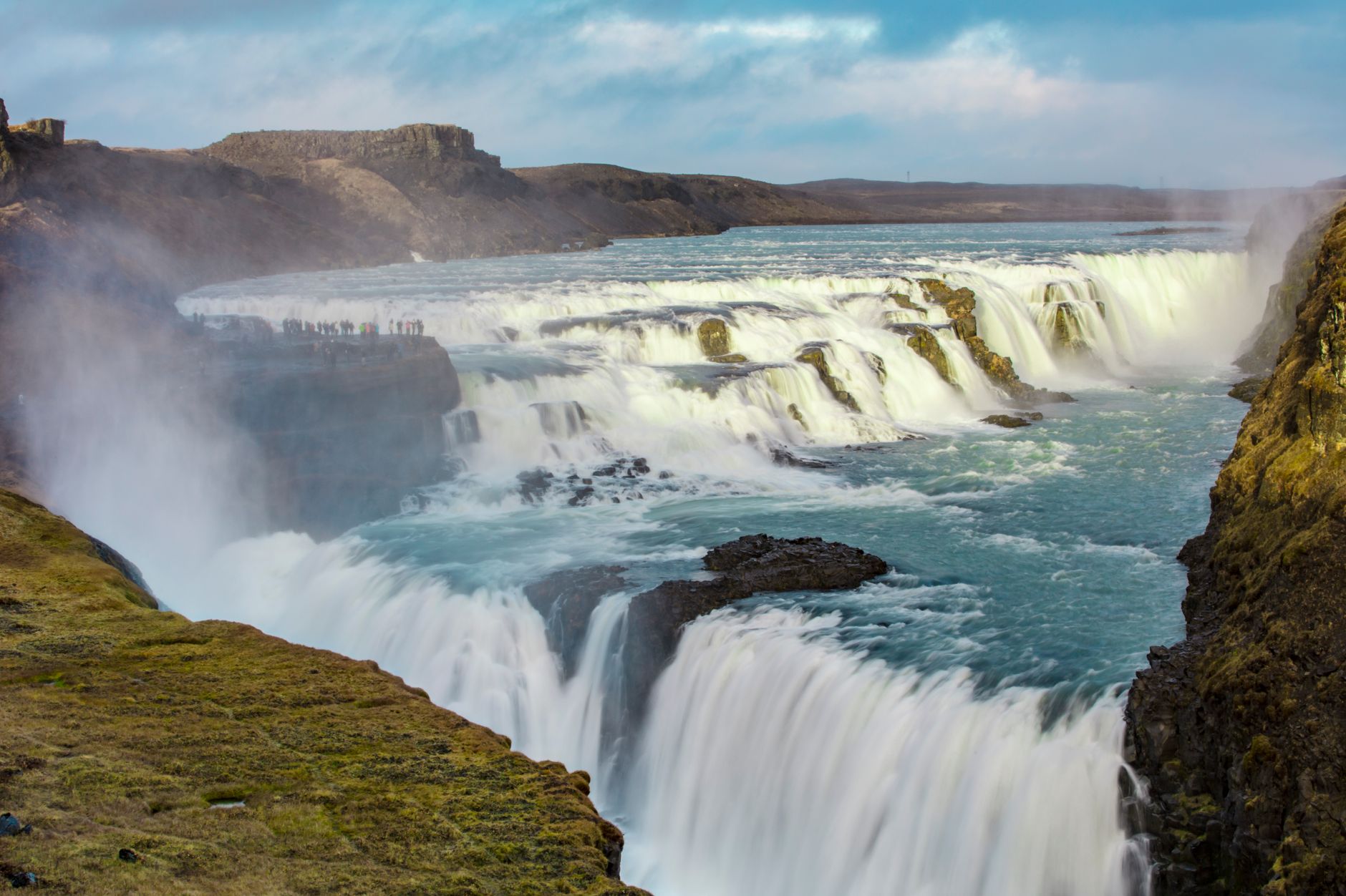
Dedicate this day to a single major excursion. Option A: Golden Circle—Þingvellir (45–60 minutes by car or 60–90 minutes by bus/tour from BSÍ), Geysir geothermal area and Gullfoss waterfall. Tours depart from BSÍ; allow a full day (8–10 hours) if going by coach.
Option B: Blue Lagoon as a half-day or full-day visit—book a timed entry slot and expect 45–55 minutes transfer each way from BSÍ; standard packages often cost 8,000–12,000 ISK. If staying in town instead, explore Laugardalur: Laugardalslaug geothermal pool, the Reykjavik Botanical Garden and the family-friendly Reykjavik Park and Zoo are connected by short buses (Strætó lines 14/15).
Return to the Old Harbour for a whale-watching cruise in the afternoon if not used for the excursion; tours last 2–3 hours and depart frequently in summer. For dinner try Matur og Drykkur for updated traditional dishes; reserve ahead as seating is limited. Evening recommendation: a late stroll to Grotta Lighthouse on Seltjarnarnes for sunset or night sky watching; Grotta is a 15–20 minute taxi from downtown.
Day 3
Use the last day to explore neighborhoods and museums with flexible timing for a flight or onward travel. Start at the National Museum of Iceland (10–15 minutes by taxi or 25–30 minutes on foot from Laugavegur); plan 90 minutes to two hours for exhibits (entry fee roughly 2,000–2,500 ISK).
Walk or take Strætó to Kjarvalsstaðir (Reykjavík Art Museum) and then to the harbour area to visit the Reykjavik Maritime Museum; transit between these is typically a 10–20 minute bus ride. For lunch head to Bæjarins Beztu Pylsur for a quick hot dog or try Icelandic Fish and Chips for a sit-down meal.
If an afternoon flight is scheduled, return to your accommodation, consolidate luggage and book Flybus from BSÍ allowing at least 90–120 minutes before boarding for check-in and security at Keflavík. Final evening option for those staying later: a short visit to Árbæjarsafn open-air museum if time permits, or a relaxed coffee in the Grandi neighbourhood near the harbour.

Best Local Experiences
Markets and specific activities: visit Kolaportið flea market (open weekends by the Old Harbour) for secondhand books, local fish jerky and Skyr-based treats. Walk to Grandi and the Old Harbour for small-batch roasteries and seafood stands.
Neighborhoods and activities: Laugardalur for the public Laugardalslaug pool and botanical garden; Seltjarnarnes and Grotta Lighthouse for birdwatching and sunset walks. Cultural events: check Harpa’s concert calendar for Icelandic music and a local choir performance. Seasonal: join a Northern Lights mini-bus tour that departs from downtown during winter or book a midnight photography walk to capture low light over the bay.

Where to Stay
Downtown/Center (Austurstræti/Laugavegur): Suits first-time visitors who want to walk to Hallgrímskirkja, Harpa and dining. Rooms range roughly 18,000–40,000 ISK per night (≈120–250 EUR/USD) depending on season.
Old Harbour/Grandi: Suits food-focused travelers and those taking whale-watching cruises; close to museums and seafood restaurants. Expect 20,000–45,000 ISK per night (≈130–280 EUR/USD).
Laugardalur and Hverfisgata area: Suits families and those who want access to pools and quieter streets while still being 10–20 minutes from the center by foot or short bus ride. Prices are usually 15,000–30,000 ISK per night (≈100–190 EUR/USD).
Food and Drink
Skyr: thick cultured dairy similar to strained yogurt, found at grocery stores and cafés; a single cup costs about 300–600 ISK. Hot dog (pylsa): at Bæjarins Beztu Pylsur on Tryggvagata; expect 700–900 ISK.
Lobster soup: classic at Saegreifinn (Old Harbour); one bowl runs about 1,800–3,000 ISK. Icelandic lamb: typically slow-roasted or in stews at mid-range restaurants like Matur og Drykkur for 3,500–6,000 ISK. Rye bread (rúgbrauð) and local fish dishes appear in casual eateries; Icelandic Fish and Chips serves fried fish for roughly 2,000–3,000 ISK.
Coffee culture: specialty coffee shops such as Reykjavík Roasters and Te & Kaffi serve espresso drinks around 450–700 ISK. For an evening drink, try Brennivín as the local spirit; a shot costs roughly 800–1,200 ISK in bars.
Getting Around
Main modes: municipal buses run by Strætó, taxis, and walking for central areas. Key bus lines include 1 for city centre loops, 14/15 for Laugardalur and Perlan access, and routes from BSÍ to suburban stops; use the Strætó app for schedules and mobile tickets.
Ticketing: single fares vary by zone but expect roughly 500–700 ISK for a short city ride; day passes and the Reykjavik City Card can be better value if visiting multiple museums. Taxi from Keflavík to downtown often costs 18,000–25,000 ISK; Flybus shuttle is cheaper and timed with flights. Useful apps: Strætó app for buses and Reykjavík City Card app/web for museum coverage.
Best Time to Visit
Summer (June–August) offers long daylight (up to 20+ hours), warmer temperatures around 8–14°C and the busiest crowds and highest prices. Book tours and accommodation early if traveling in July.
Shoulder seasons (May and September) are good value: daylight is decent (10–16 hours) and crowds thin, with temperatures around 3–10°C. Winter (November–March) delivers short daylight (4–6 hours in midwinter), cold conditions around -1 to 4°C and the best odds for northern lights, but expect limited daylight for outdoor photography.
Budget and Practical Tips
Exchange and rates: approximate conversions used below—1 EUR ≈ 160 ISK, 1 USD ≈ 150 ISK. Daily sample budget for a midrange traveler: accommodation 18,000–30,000 ISK (≈115–190 EUR/USD), food 5,000–10,000 ISK (≈30–65 EUR/USD), transport 600–2,500 ISK (≈4–15 EUR/USD), entry fees and tours 2,000–8,000 ISK (≈13–50 EUR/USD). Expect a practical daily total roughly 26,000–50,000 ISK (≈160–315 EUR/USD) depending on activities.
Tipping: tipping is not compulsory; restaurants typically include service in the price. Small rounding up or a 5–10% tip for exceptional service is acceptable. Practical extra: bring a windproof, waterproof layer and good shoes; weather changes fast even within a single day.
FAQ
Is Reykjavik safe for solo travelers?
Yes. Violent crime rates are low; usual precautions against pickpocketing apply in crowded tourist spots.
How do I get from Keflavík Airport to downtown affordably?
Take the Flybus/Reykjavik Excursions shuttle to BSÍ for a set fee; book online to secure the best price and times.
Is the Reykjavik City Card worth it?
If planning to visit multiple museums and use municipal buses over 24–72 hours, the City Card usually pays for itself; check sites included before buying.
Can public buses take me to Perlan and Laugardalur?
Yes—Strætó lines such as 14/15 serve Laugardalur and Perlan; use the Strætó app for exact stops and times.
Are taxis expensive?
Taxis are costly compared with buses; a central short ride will be a few thousand ISK and a Keflavík transfer can cost 18,000–25,000 ISK.
Should a visitor book Blue Lagoon in advance?
Yes—timetable slots for the Blue Lagoon often sell out, especially in summer. Book a specific entry time before arrival.
Is English widely spoken?
English is commonly spoken across service industries, tour operators and restaurants, making navigation straightforward.
What about card vs cash?
Credit and debit cards are accepted almost everywhere; digital/contactless payments are standard and cash is rarely necessary.
Conclusion
A three-day visit produces a clear sense of the place: coastal views, a handful of museums, accessible viewpoints and one memorable excursion. Expect higher prices and plan around daylight to squeeze the most value from each day.
If time runs short, prioritize Hallgrímskirkja tower and a harbour walk around Harpa and Sun Voyager plus one paid attraction (Perlan or the National Museum); those elements together will form a coherent picture of the city.
How this guide was prepared
This guide was prepared through a structured research that combines destination research, geographic context, itinerary planning logic, and content review.